

Contents
Plastic surgery prices in Mexico City vary sharply by procedure and provider. Current posted examples include rhinoplasty from about $3,200, breast augmentation from roughly $3,200 to $6,800, tummy tuck from about $5,500 to $9,000, facelift from roughly $4,800 to $12,500, and combined procedures such as a mommy makeover around $15,000 in some current offers. These are individual provider or package prices, not a citywide average. Price may get your attention, but the operating room deserves more of it. International patients considering Mexico City need to compare exactly what will be done, where surgery will take place, who will perform it, and what happens after discharge. For local verification, confirm that the actual surgical facility holds the appropriate COFEPRIS sanitary authorization for surgical procedures. Check the surgeon separately through Mexico's professional registry and the Mexican Board of Plastic, Aesthetic and Reconstructive Surgery (CMCPER). Credentials support verification; they do not guarantee a particular result.
A package can make several expenses look conveniently bundled, but the useful question is what sits outside the bundle. Ask whether the written quote includes the surgeon, anesthesiologist, operating facility, implants when relevant, medical tests, prescribed medication, garments, hospital stay and postoperative appointments.
Hotel nights, ground transport, private nursing, additional procedures and treatment for complications may be separate. Compare the packages shown below by their medical inclusions, exclusions and total expected cost rather than the package name alone.

Price starting from $5,500
Brazilian Butt Lift Package in Mexico City, Mexico by Dr. Jorge Sandoval
Dr. Jorge Sandoval - Plastic Surgeon in Mexico City
- Cosmetic/Plastic Surgery
Mexico City, Mexico

Price starting from $3,200
Rhinoplasty Package in Mexico City, Mexico by Dr. Jorge Sandoval
Dr. Jorge Sandoval - Plastic Surgeon in Mexico City
- Cosmetic/Plastic Surgery
Mexico City, Mexico

Price starting from $4,800
Facelift Package in Mexico City, Mexico by Dr. Jorge Sandoval
Dr. Jorge Sandoval - Plastic Surgeon in Mexico City
- Cosmetic/Plastic Surgery
Mexico City, Mexico

Price starting from $3,200
Breast Implants Package in Mexico City, Mexico by Dr. Jorge Sandoval
Dr. Jorge Sandoval - Plastic Surgeon in Mexico City
- Cosmetic/Plastic Surgery
Mexico City, Mexico

Price starting from $5,500
Tummy Tuck Package in Mexico City, Mexico by Dr. Jorge Sandoval
Dr. Jorge Sandoval - Plastic Surgeon in Mexico City
- Cosmetic/Plastic Surgery
Mexico City, Mexico

Price starting from $6,000
Breast Augmentation Mexico City – Affordable Package with Dr. Ary Papadopulos
Dr. Ary Papadopulos - Plastic Surgery in Mexico City
- Cosmetic/Plastic Surgery
Mexico City, Mexico
Current posted examples include rhinoplasty at $3,200, breast augmentation at approximately $3,200–$6,800, tummy tuck at about $5,500–$9,000, facelift at roughly $4,800–$12,500, and mommy makeover offers around $15,000.
Do not convert those figures into a blanket percentage-saving claim. U.S. professional fee averages published by ASPS may exclude anesthesia, operating-room and other expenses, so they are not directly comparable with an overseas package. This page also avoids a single “Europe” or EU price because there is no comparable one-price benchmark across European countries. Compare the cost options below only after checking what each quote includes.
Cosmetic/Plastic Surgery Centers Cost Comparison in Mexico City, Mexico
| Provider | Procedure | Price |
|---|---|---|
| Dr. Jorge Sandoval - Plastic Surgeon in Mexico City | Brazilian Butt Lift, Cosmetic/Plastic Surgery | $5233 |
| Dr. Jorge Sandoval - Plastic Surgeon in Mexico City | Breast Implants, Cosmetic/Plastic Surgery | $4651 |
| Dr. Jorge Sandoval - Plastic Surgeon in Mexico City | Face Lift, Cosmetic/Plastic Surgery | $6815 |
| Dr. Jorge Sandoval - Plastic Surgeon in Mexico City | Nose Surgery Rhinoplasty, Cosmetic/Plastic Surgery | $4070 |
| Dr. Ary Papadopulos - Plastic Surgery in Mexico City | Tummy Tuck Surgery, Cosmetic/Plastic Surgery | $9000 |
| Dr. Ary Papadopulos - Plastic Surgery in Mexico City | Breast Augmentation, Cosmetic/Plastic Surgery | $6000 |
Cosmetic/Plastic Surgery Cost Comparison in Mexico
| Country | Procedure | Price |
|---|---|---|
| United States | Brazilian Butt Lift, Cosmetic/Plastic Surgery | $12000 |
| United Kingdom | Mommy Makeover, Cosmetic/Plastic Surgery | $16000 |
| Canada | Mommy Makeover, Cosmetic/Plastic Surgery | $21500 |
Start with the address, not the brochure. Some services promoted under “Mexico City” may operate in the wider metropolitan area, including locations in Naucalpan in the State of Mexico. That distinction can affect airport transfers, follow-up travel and which facility you actually need to verify.
Ask for the legal name of the surgical facility and confirm the required COFEPRIS authorization. Also ask about anesthesia coverage, overnight monitoring, emergency arrangements and where complications would be treated. Compare the clinics below using verifiable documents and actual surgical locations.

Dr. Eduardo Cartagena - Plastic Surgeon in Mexico City
Mexico City, Mexico
Cirugía Plástica Orgánica by Ricardo Nader
Mexico City, Mexico
Dr. Pablo Daniel Murakami Morishige
Mexico City, Mexico
Dr. Jorge Sandoval - Plastic Surgeon in Mexico City
Mexico City, Mexico
Dr. Enrique Garcia Murray - Plastic Surgery Mexico City
Mexico City, Mexico
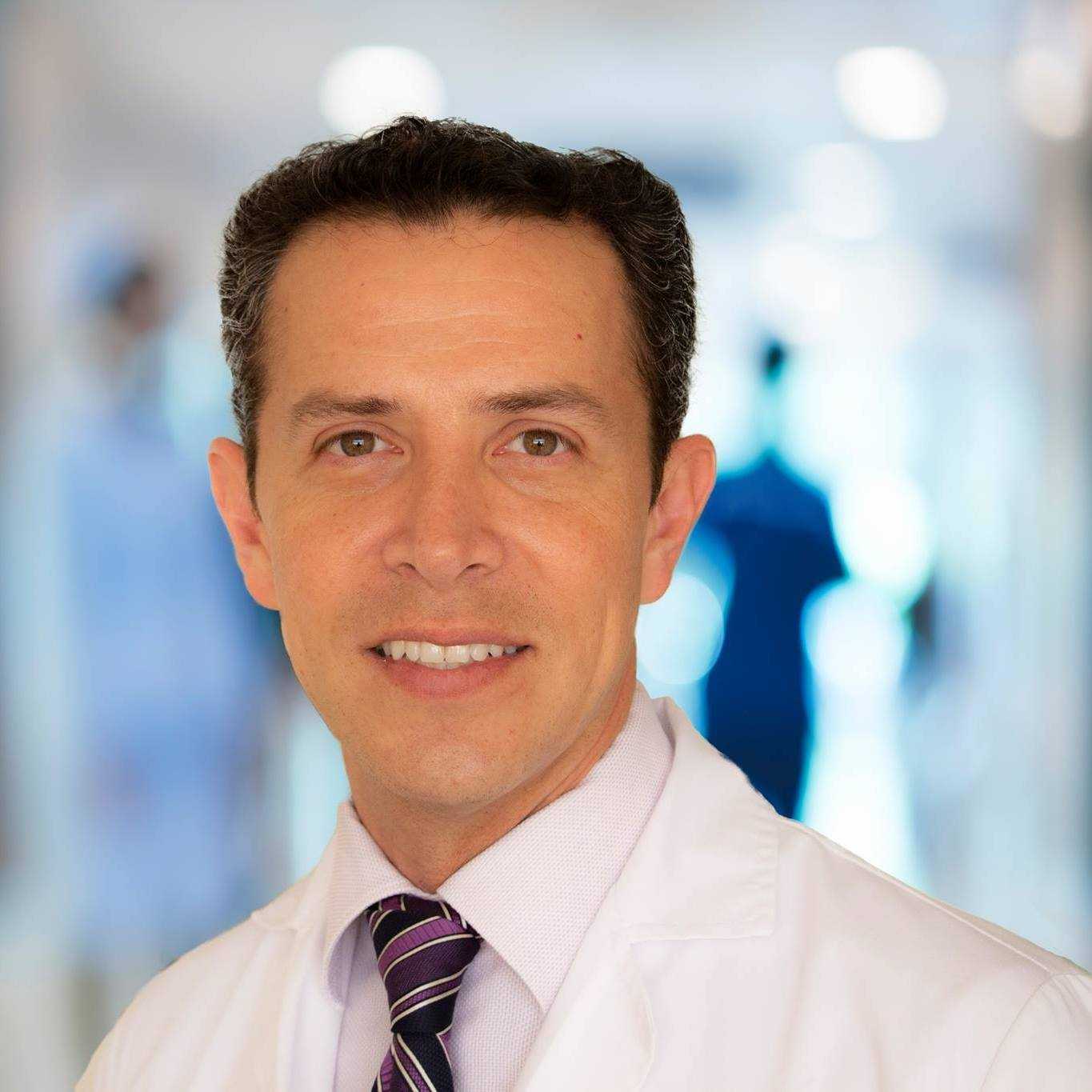
Dr. Ary Papadopulos - Plastic Surgery in Mexico City
Mexico City, Mexico
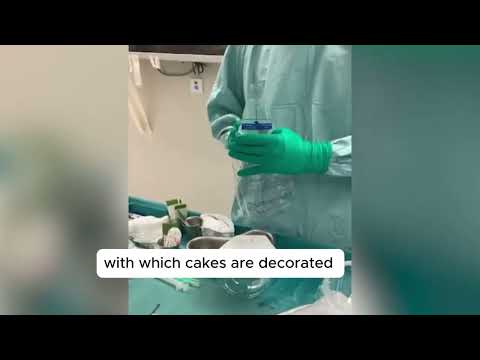
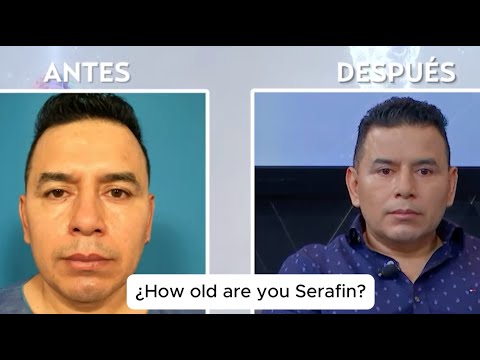
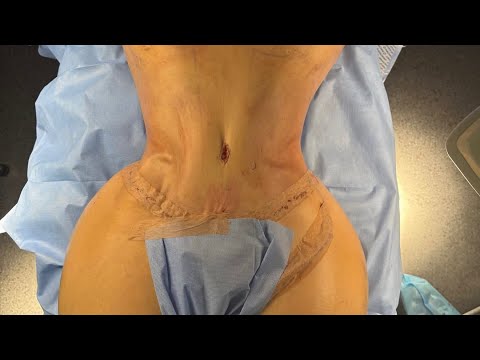
A dramatic transformation makes good video. It does not verify a medical licence. Use videos to understand how a procedure is explained, what type of results a surgeon tends to show and whether recovery, limitations and risks receive as much attention as before-and-after images.
Check whether the doctor speaking is the surgeon who would actually operate on you. Lighting, posture, editing and the stage of healing can also change how results appear. Watch the videos below as background information, then confirm medical details during your own consultation.


A useful review tells you what happened between consultation and recovery—not simply whether someone liked the hotel or airport driver. Look for repeated comments about informed consent, communication with the surgeon, pain management, postoperative appointments and access to help after discharge.
Reviews can describe patient experience, but they cannot establish medical qualifications or predict your outcome. Verify credentials and facility authorization independently. Use the reviews below to identify recurring questions worth raising with each clinic rather than treating star ratings as a clinical score.

How much does plastic surgery cost in Mexico City?
There is no meaningful single price for plastic surgery because the term covers many operations. Current posted examples include rhinoplasty from about $3,200, breast augmentation from roughly $3,200 to $6,800, tummy tuck from about $5,500 to $9,000 and facelift from approximately $4,800 to $12,500. Your medical assessment and exact surgical plan determine the final quote.
Is plastic surgery in Mexico City safe?
No location or cosmetic operation can be described as risk-free. Risk depends on the procedure, your health, the surgeon's qualifications, anesthesia, the facility and postoperative care. COFEPRIS advises checking that a facility performing surgery has the appropriate sanitary licence and that the physician has the relevant specialty credentials.
How can I verify a plastic surgeon in Mexico City?
Request the doctor's complete legal name and professional credential information. Mexico's Registro Nacional de Profesionistas allows patients to check registered professional qualifications. For plastic, aesthetic and reconstructive surgery, you can separately search the current CMCPER directory. Match the name and specialty carefully rather than relying on a logo displayed by a clinic.
How do I check whether a Mexico City surgical facility is authorized?
Ask where the operation will physically take place and obtain the legal facility name and address. COFEPRIS states that establishments carrying out surgical procedures should have the applicable sanitary licence or authorization, and its patient guidance recommends checking that the licence is displayed.
What is normally included in a plastic surgery package in Mexico City?
Inclusions differ between providers. Ask whether the written price covers the surgeon, anesthesia, operating facility, medical testing, implants or surgical materials when applicable, medications, compression garments, hospital stay and postoperative visits. Hotel accommodation, transfers, nursing care, extra hospital nights and treatment for an unexpected complication may be charged separately.
Why do Mexico City plastic surgery quotes vary so much?
Two quotes may describe very different operations. Surgical technique, operating time, implant choice, number of liposuction areas, anesthesia, hospital requirements, previous surgery and whether procedures are combined can all change the final amount. Ask each provider for an itemized quote and compare the same procedure scope rather than assuming two treatments with similar names are identical.
How long should I stay in Mexico City after plastic surgery?
The appropriate stay depends on your procedure, health, early recovery and follow-up schedule. A facial operation, breast surgery and major body-contouring procedure do not have the same recovery requirements. Ask the surgeon how many in-person postoperative checks are required and when you may leave the area before purchasing a non-refundable return ticket.
When can I fly after plastic surgery in Mexico City?
Your surgeon should decide when you are medically ready to fly. CDC medical-tourism guidance notes that surgery and prolonged travel can both increase blood-clot risk and advises considering a delay of about 10–14 days after major surgery, particularly chest surgery. Individual advice may be different depending on the operation and your risk factors.
Can I combine several cosmetic procedures during one trip?
Sometimes, but the decision should be medical rather than based on getting more procedures from one flight. Combining operations can lengthen anesthesia and recovery and may change complication risk. The surgeon should consider your health, expected operating time, mobility and the procedures involved before deciding whether a combined operation or staged treatment is more appropriate.
Should I choose the lowest plastic surgery quote in Mexico City?
Not without understanding why it is lower. Compare the surgeon's specialty credentials, surgical facility, anesthesia, procedure scope, postoperative care and exclusions before comparing the final number. A less expensive quote may simply leave out services included elsewhere. Ask what would create an additional charge and what happens financially if the operation or stay must change.
What happens if I develop a complication after returning home?
Ask before surgery who provides after-hours medical advice, whether remote follow-up is available, which symptoms require urgent assessment and who would coordinate with a physician in your home country. Obtain your operative report, medication list and discharge instructions before leaving. CDC recommends planning follow-up care at home before traveling for medical treatment.
What warning signs after plastic surgery need urgent medical attention?
Follow the specific discharge instructions given by your surgical team. Symptoms such as chest pain, difficulty breathing, sudden leg swelling, heavy bleeding, rapidly increasing swelling, worsening pain, fever, spreading redness, wound separation or unusual drainage should not be managed through ordinary online messaging alone. Seek prompt medical assessment according to the emergency instructions provided by your treating team.
How Much Does Liposuction Cost in Mexico City, Mexico?
Understanding the liposuction cost in Mexico City, Mexico requires looking beyond a single price tag. This vibrant capital has become a well-known destination for cosmetic surgery, drawing patients interested in combining skilled medical care with travel. If you are considering body contouring to address stubborn fat deposits, researching expenses, patient safety, and provider qualifications is essential before packing your bags. The estimated liposuction cost in Mexico City, Mexico ranges from $2,500 to $5,000. Prices vary based on the number of areas treated, the specific technique used, facility fees, and the plastic surgeon's experience level. Individual consultation is required. Key Takeaways Estimated treatment prices in Mexico City are often lower than those found in the US or Canada, usually falling between $2,500 and $5,000. Multiple techniques are available, including traditional tumescent, ultrasound-assisted, and laser-assisted methods. Safety relies heavily on selecting an experienced, board-certified plastic surgeon and a fully equipped medical facility. You should plan to stay in the destination for at least 7 to 10 days for necessary post-operative monitoring before flying home. Patients need a solid plan for local follow-up care in their home country once they return. What factors affect the total cost of liposuction in Mexico City? The final price depends on how many body areas you are treating, the volume of fat being removed, and the specific surgical technology utilized. A single base price rarely covers every patient's needs. The total estimate can fluctuate depending on whether you are treating a small, localized area like the chin or undergoing a larger volume procedure covering the abdomen, flanks, and thighs. The complexity of your anatomy directly impacts the surgical time required. Additionally, the fees involved are typically broken down into several components. These include the surgeon's fee, anesthesiologist fees, operating room costs, and necessary post-operative garments. When consulting with a provider, ask for a detailed breakdown so you understand exactly what is included and what might require an out-of-pocket expense. Choosing advanced technologies, such as VASER (ultrasound) or SmartLipo (laser), may also raise the baseline cost compared to traditional tumescent methods. While these technologies can offer benefits in specific cases, your surgeon should explain why a particular method justifies the associated price. Who is an ideal candidate for this body contouring procedure? Good candidates are healthy adults near their ideal body weight who have localized fat deposits that resist diet and regular exercise. It is a common misconception that liposuction is a solution for obesity or a substitute for a healthy lifestyle. Medical professionals look for patients who have maintained a stable weight for several months and possess good skin elasticity. If your skin lacks elasticity, removing fat might leave the skin looking loose or draped. Your medical history plays a huge role in determining eligibility. Conditions such as heart disease, diabetes, poor blood circulation, or a weakened immune system can complicate surgery and slow the healing process. You will need to undergo pre-operative lab tests to ensure your body can safely handle anesthesia and surgical trauma. A realistic mindset is also critical. Discussing your goals openly with a qualified surgeon ensures your expectations align with what the procedure can safely achieve. If you have significant skin laxity, the surgeon may recommend combining the fat removal with a skin excision procedure, like an abdominoplasty. What types of liposuction techniques are available? Surgeons may use tumescent, ultrasound-assisted (UAL), or laser-assisted (LAL) techniques to break down and remove excess fat tissue safely. Tumescent Liposuction: This is the most common approach. The surgeon injects a sterile solution containing saline, a local anesthetic, and epinephrine into the targeted area to minimize pain and reduce bleeding. Ultrasound-Assisted Liposuction (UAL): Sometimes known as VASER, this technique uses sound waves to rupture the walls of fat cells, liquefying the fat for easier removal. It is often used for fibrous areas like the male chest or the back. Laser-Assisted Liposuction (LAL): This approach utilizes high-intensity laser light to break down fat. The targeted thermal energy may also promote mild skin tightening in suitable patients. Power-Assisted Liposuction (PAL): This involves a vibrating cannula that allows the surgeon to pull out tough fat more easily and with finer precision, which can sometimes result in less post-operative swelling. The right technique depends entirely on your anatomy, the volume of fat, and your surgeon's specific expertise. Are there hidden fees when traveling for surgery? Traveling patients must budget for non-medical expenses like flights, hotels, food, local transport, and potential extended stays in case of delayed healing. When reviewing a quote from a liposuction clinic in Mexico City, Mexico, ensure you understand exactly what the clinical fees cover. While the surgical quote might be transparent, patients often underestimate the secondary costs of medical travel. You need to factor in round-trip airfare, which can vary depending on the time of year and your origin city. Accommodation is another major variable. You will need a comfortable, clean place to recover for at least a week to ten days. Many patients choose hotels that are close to their clinic to make follow-up visits easier. Additionally, you need to budget for specialized post-surgical meals, prescription medications from local pharmacies, and potentially a traveling companion to assist you in the early days of recovery. Finally, always have an emergency fund. Unforeseen circumstances—such as needing an extra night in the hospital, requiring additional lab work, or having to delay your flight home due to medical advice—can strain a tight budget. Proper financial planning prevents undue stress during recovery. Important Consideration Always purchase travel insurance that specifically covers medical complications during elective surgery abroad, as standard travel insurance often excludes cosmetic procedures. How do I verify a plastic surgeon's qualifications in Mexico? Look for surgeons certified by the Mexican Council of Plastic, Aesthetic, and Reconstructive Surgery (CMCPER) and who maintain active memberships in international organizations. Finding a qualified provider is the most critical step in ensuring a safe procedure. In Mexico, legitimate plastic surgeons undergo rigorous training similar to standards in the US. You should verify that your chosen doctor is board-certified by CMCPER (Consejo Mexicano de Cirugía Plástica, Estética y Reconstructiva). This certification indicates they have completed the required specialized surgical training. Additionally, many reputable surgeons hold memberships in recognized international bodies, such as the International Society of Aesthetic Plastic Surgery (ISAPS) or the American Society of Plastic Surgeons (ASPS) as international members. These affiliations demonstrate a commitment to continuing education and adherence to global safety protocols. Do not rely solely on social media pictures or marketing materials. Ask for the surgeon's credentials, inquire about their specific experience with the type of liposuction you need, and ensure the clinic or hospital is accredited by the Mexican General Health Council (CSG) or a recognized international accrediting body. What are the potential risks and complications of liposuction? Like any surgery, liposuction carries risks such as infection, bleeding, contour irregularities, fluid accumulation, and deep vein thrombosis (DVT). While generally safe for appropriate candidates, no surgery is without risk. Aesthetic complications can include uneven contours, rippling, or loose skin. These issues may occur if the skin has poor elasticity, if fat is removed unevenly, or if healing is atypical. Numbness or temporary nerve irritation around the treated area is also common. More severe medical complications, though rare, require immediate attention. These include fat embolism (where a piece of loosened fat enters a blood vessel and travels to the lungs), infections, puncture of internal organs, and adverse reactions to anesthesia. Fluid shifts caused by the injection and removal of large amounts of fluid can affect heart and kidney function. The risk of blood clots (DVT) is elevated when combining surgery with long-distance travel. This is why flying immediately after the procedure is highly discouraged. Discuss all risks with your surgeon, and ensure they conduct a thorough pre-operative assessment to mitigate these dangers. How long should I stay in Mexico City for recovery? Patients are usually advised to remain in the city for 7 to 10 days post-surgery to allow for essential follow-up appointments and to ensure travel safety. Participating in medical tourism in Mexico City, Mexico requires patience and a commitment to safe healing. Your surgeon needs to monitor your early recovery phase, check your incision sites for signs of infection, and potentially remove any surgical drains used to prevent fluid buildup. Flying too soon after surgery is dangerous due to changes in cabin pressure and prolonged sitting, which drastically increase the risk of blood clots. Your doctor must medically clear you before you board an airplane. During these 7 to 10 days, you should focus entirely on resting in your accommodation and following post-operative care instructions. Use this time to rest, hydrate, and take short, light walks around your room to promote blood circulation. Do not treat this recovery period as a traditional vacation; strenuous activities, heavy lifting, or exploring the city extensively can jeopardize your surgical results and your health. What does the typical post-operative care timeline look like? Recovery involves wearing compression garments, managing pain with prescribed medication, and gradually returning to normal activities over several weeks. Days 1-3: Expect significant swelling, bruising, and soreness. You will wear a specialized compression garment constantly to reduce swelling and support your new contours. Week 1-2: Pain usually transitions to a dull ache. You can typically return to a desk job or light activities if approved by your surgeon, though you will still be wearing the compression garment. Weeks 3-6: Bruising fades and swelling begins to decrease noticeably. You may be cleared to resume moderate exercise, but heavy lifting should still be avoided. Months 3-6: The final results gradually emerge as residual, deep swelling fully resolves. The skin continues to adapt to the underlying tissue. Every patient heals at a different pace. Adhering strictly to your surgeon's post-operative instructions minimizes the risk of complications and encourages optimal aesthetic outcomes. How do I handle follow-up care after returning home? You must have a clear plan for continuity of care, including establishing contact with a local primary care doctor or specialist before you travel. One of the main challenges of seeking medical care abroad is managing the long-term follow-up once you return home. Before you leave Mexico, ensure you have copies of all your medical records, surgical notes, device implant logs (if any), and post-operative instructions translated into English if necessary. Many surgeons in Mexico offer virtual follow-up appointments via video call to check on your progress. While this is helpful for visual assessments and answering questions, a virtual call cannot replace hands-on medical care if a complication, such as a localized infection or seroma (fluid pocket), develops. It is strongly advised to speak with a local healthcare provider in your home country before you travel. Explain your plans and ask if they are willing to assist with standard post-operative monitoring or wound care. Being prepared prevents panic if you need sudden medical advice weeks after your surgery. Why Choose PlacidWay for Medical Tourism in Mexico City, Mexico? PlacidWay provides resources to help patients make informed decisions about their healthcare journey abroad. Extensive Provider Network: Access informational profiles for various certified medical centers and specialized providers in Mexico. Comparative Tools: Evaluate different treatment options, estimated cost ranges, and facility details side-by-side. Multilingual Assistance: Connect with customer service teams that help bridge potential language barriers during initial inquiries. Educational Resources: Read comprehensive guides detailing international patient protocols and what to expect during medical travel. Transparent Information Gathering: Utilize a platform dedicated to providing facility details without pressuring patients into immediate medical decisions. Frequently Asked Questions Can I combine liposuction with other procedures in Mexico City? Many patients combine liposuction with procedures like tummy tucks or fat grafting, provided they are in good overall health. Your surgeon will evaluate if combining surgeries is medically appropriate, keeping in mind that longer operating times can increase certain risks. Does liposuction help with weight loss? Liposuction is a body contouring procedure, not a weight-loss tool. It is designed to target stubborn localized fat deposits that do not respond to diet and exercise, and patients should be at or near their ideal body weight before surgery. Is it safe to fly immediately after having liposuction? Flying immediately after surgery increases the risk of deep vein thrombosis (DVT) and pulmonary embolism. Surgeons typically require patients to wait at least 7 to 10 days before taking a flight, depending on the extent of the procedure. Will my health insurance cover liposuction done abroad? Because liposuction is almost always considered an elective cosmetic procedure, standard health insurance policies typically do not cover the surgery or the associated travel expenses, whether performed domestically or internationally. Do medical professionals in Mexico City speak English? Many surgeons and coordinators who frequently treat international patients are bilingual. However, you should confirm language accommodations during your initial consultation to ensure clear communication regarding your health and recovery. What happens if I experience a complication after leaving Mexico? If a complication arises after returning home, you will need to seek immediate medical attention from a local healthcare provider. It is highly recommended to establish a relationship with a local doctor before you travel for your surgery. How much fat can safely be removed during one surgery? Medical guidelines usually suggest a maximum removal of around 4 to 5 liters of fat and fluid during an outpatient procedure to minimize the risk of fluid shifts and serious complications. Your surgeon will determine a safe limit based on your body mass and health. Does liposuction leave noticeable scars? Liposuction incisions are usually very small (a few millimeters) and strategically placed in natural body folds. While some scarring is inevitable, they typically fade significantly over time if proper wound care is followed. How long does the swelling last after surgery? Initial acute swelling usually subsides within a few weeks, but residual swelling can take three to six months to resolve completely. Wearing a compression garment as directed helps minimize swelling and encourages proper skin retraction. Are the results of liposuction permanent? The fat cells removed during liposuction are permanently gone. However, if you gain weight after the procedure, the remaining fat cells in your body can expand, which may alter the surgical results. Maintaining a stable weight is crucial. Compare Treatment Options If you are exploring your options for body contouring, you can gather more details, review estimated costs, and evaluate experienced providers abroad. Request Treatment Information References Liposuction Procedure & Candidate Information – American Society of Plastic Surgeons (ASPS) Body Contouring and Liposuction Guidelines – International Society of Aesthetic Plastic Surgery (ISAPS) Medical Tourism Safety and Risks – Centers for Disease Control and Prevention (CDC) What to Expect During Liposuction Recovery – American Board of Cosmetic Surgery (ABCS) Safe Surgery Saves Lives Initiative – World Health Organization (WHO) Complications and Risks of Large-Volume Liposuction – U.S. National Library of Medicine (PubMed) Medical Disclaimer: The information provided in this article is for educational and informational purposes only and does not constitute medical advice, diagnosis, or treatment planning. Liposuction is an invasive surgical procedure with inherent risks. Always consult a qualified, board-certified healthcare professional regarding your individual medical history, eligibility, and potential surgical outcomes.
Is it Safe to Get Plastic Surgery in Mexico City?
Thinking about getting plastic surgery in Mexico City? You're not alone. Every year, thousands of people travel to Mexico for cosmetic procedures, drawn by the promise of high-quality results at a fraction of the cost back home. But the big question on everyone's mind is: is it safe to get plastic surgery in Mexico City? The straightforward answer is yes, it absolutely can be. However, that "yes" comes with an important condition: safety isn't automatic. It depends entirely on doing your homework. Mexico City has emerged as a top destination for medical tourism, boasting a healthcare system with some of the best standards in the world. You'll find highly trained, board-certified surgeons and modern, state-of-the-art clinics that rival those in the United States and Europe. The affordability is a major plus, but it should never be the only factor driving your decision. The most critical part of your journey is ensuring your chosen surgeon and clinic are properly credentialed. This means looking for certifications from recognized boards and accreditations from international organizations. This guide will walk you through everything you need to know to make an informed, safe, and confident decision about your plastic surgery in Mexico City. What makes plastic surgery in Mexico City a popular choice? "Plastic surgery in Mexico City is popular due to its combination of highly skilled, board-certified surgeons, modern medical facilities, and significantly lower costs compared to the U.S. and Canada." The appeal of plastic surgery in Mexico City is multifaceted. First and foremost is the significant cost savings. Procedures in Mexico City can be up to 70% cheaper than in the United States, without a compromise on quality. This affordability makes transformative procedures accessible to a wider range of people. Beyond the price, Mexico City is home to a large pool of talented and experienced plastic surgeons. Many have received training in the U.S. or Europe and are members of international plastic surgery societies. They bring a wealth of expertise and a global perspective to their practice. The city's top clinics are equipped with the latest technology and adhere to international standards of care, offering a level of service that often exceeds patient expectations. Finally, the ability to recover in a vibrant, culturally rich city adds to the appeal for many international patients. How do I verify a plastic surgeon's credentials in Mexico? "To verify a surgeon's credentials, ensure they are certified by the Mexican Council of Plastic, Aesthetic and Reconstructive Surgery (CMCPER). You can check their certification status on the CMCPER's online directory." Verifying your surgeon's credentials is the single most important step you can take to ensure your safety. The gold standard for plastic surgeons in Mexico is certification by the Mexican Council of Plastic, Aesthetic and Reconstructive Surgery (CMCPER). This is the equivalent of the American Board of Plastic Surgery in the U.S. A CMCPER certification means the surgeon has completed a rigorous training program and passed comprehensive exams, demonstrating their expertise and commitment to the highest standards of practice. You should also look for membership in the Mexican Association of Plastic, Aesthetic and Reconstructive Surgery (AMCPER). While CMCPER is the certifying body, AMCPER is the professional association that promotes continuing education and ethical practice. Always ask for a surgeon's certification numbers and verify them through the official online directories of these organizations. A reputable surgeon will be transparent about their qualifications and happy to provide this information. What are the standards of medical facilities in Mexico City? "Top medical facilities in Mexico City often meet or exceed international standards, with many being accredited by bodies like the American Association for Accreditation of Ambulatory Surgery Facilities (AAAASF) or Joint Commission International (JCI)." The quality of medical facilities in Mexico City can vary, which is why choosing an accredited clinic is crucial. The best clinics are modern, well-equipped, and adhere to strict hygiene and safety protocols. Look for facilities that have received accreditation from internationally recognized organizations. The American Association for Accreditation of Ambulatory Surgery Facilities (AAAASF) is a highly respected accreditation that indicates a facility meets U.S. standards for safety and quality. Another prestigious accreditation is from Joint Commission International (JCI), which is a global leader in healthcare quality and patient safety. These accreditations are not easy to obtain and signal a clinic's commitment to excellence. When you choose an accredited facility, you can be confident that it has the necessary equipment, a qualified medical team (including anesthesiologists), and robust emergency protocols in place. What are the risks of getting plastic surgery in Mexico City? "The risks of plastic surgery in Mexico City are the same as anywhere else in the world, including infection, complications from anesthesia, and unsatisfactory results. These risks are minimized by choosing a qualified surgeon and accredited facility." It's important to understand that every surgical procedure, no matter where it's performed, carries some level of risk. The potential risks associated with plastic surgery in Mexico City are no different from those in any other country. These can include: Infection at the incision site Adverse reaction to anesthesia Blood clots Poor scarring Dissatisfaction with the cosmetic outcome The key to mitigating these risks lies in your preparation. By selecting a board-certified plastic surgeon and a fully accredited clinic, you significantly reduce the likelihood of complications. A qualified surgeon will conduct a thorough medical evaluation to ensure you are a good candidate for the procedure and will discuss all potential risks with you beforehand. How much can I save on plastic surgery in Mexico City? "You can typically save between 50% and 70% on plastic surgery in Mexico City compared to prices in the United States for the same procedure, performed by a similarly qualified surgeon." The cost savings are undoubtedly a major draw for medical tourists. The lower cost of living, operational expenses, and medical education in Mexico allows clinics to offer procedures at a much lower price point. For example, a procedure that might cost $15,000 in the U.S. could be available for $5,000 to $7,000 in Mexico City. Here's a general comparison of common procedures: Procedure Average Cost in the U.S. Average Cost in Mexico City Rhinoplasty $8,000 - $15,000 $3,500 - $6,000 Breast Augmentation $7,000 - $12,000 $4,000 - $6,500 Tummy Tuck $8,000 - $18,000 $4,500 - $7,500 Mommy Makeover $15,000 - $25,000 $7,000 - $12,000 It's important to get a detailed quote that includes all costs, such as surgeon's fees, anesthesia, facility fees, and post-operative care, to avoid any surprises. Will there be a language barrier with my surgeon? "Most top plastic surgeons in Mexico City that cater to international patients have fluent English-speaking staff, including the surgeons themselves, to ensure clear communication." Communication is vital for a successful and safe surgical experience. Reputable clinics in Mexico City that serve a large international clientele understand this well. The majority of top surgeons are fluent in English, having often trained or attended conferences in the U.S. Their support staff, including nurses and patient coordinators, are also typically bilingual. When you are researching clinics, make this one of your key questions. During your initial consultation (which is often done virtually), you can assess the surgeon's English proficiency and your comfort level in communicating with them. Clear communication ensures that your goals are understood, your questions are answered, and you feel completely comfortable throughout the process. What does post-operative care look like in Mexico City? "Post-operative care in Mexico City often includes follow-up appointments with your surgeon, and many clinics offer recovery house packages with 24/7 nursing care to ensure a smooth and safe recovery." Proper aftercare is just as important as the surgery itself. Leading Plastic Surgery clinics in Mexico City provide comprehensive post-operative care plans. This typically includes one or more follow-up visits with your surgeon before you travel home. They will monitor your healing, remove any stitches, and provide detailed instructions for your continued recovery. Many patients opt to stay in a specialized recovery house. These facilities are designed for post-surgical patients and offer services like: 24/7 nursing supervision Medication management Healthy meals designed for recovery Transportation to and from follow-up appointments Staying in a recovery house can provide peace of mind and ensure you are well-cared for during the critical initial days of your recovery. How do I find the best plastic surgeon in Mexico City? "Finding the best plastic surgeon involves researching their credentials (CMCPER certification), reading patient reviews, examining before-and-after photos, and having a direct consultation to assess their expertise and your comfort level." Finding the "best" surgeon is a personal process, but it should be guided by objective criteria. Start by creating a shortlist of CMCPER-certified surgeons. From there, dive into their online presence. Look for: Patient Reviews and Testimonials: Websites like RealSelf and Google Reviews can provide insights from previous patients. Look for consistent themes in the feedback. Before-and-After Galleries: A surgeon's portfolio is a direct reflection of their work. Do their results align with your aesthetic goals? Look for patients with a similar starting point to your own. Direct Consultation: Schedule a virtual or in-person consultation. This is your opportunity to ask questions, discuss your goals, and get a feel for the surgeon's communication style and "bedside manner." Trust your instincts. You should feel confident, heard, and comfortable with the surgeon you choose. Ready to explore your options for safe and affordable plastic surgery in Mexico City? Explore PlacidWay's network of accredited clinics and board-certified surgeons to find the right fit for your needs. Your journey to a new you starts with a confident choice.
“Cosmetic surgeon” on a social profile does not tell you enough. Ask for the doctor's full name, professional licence information and specialist credentials, then verify them through SEP and CMCPER.
Certification helps confirm training and professional status but cannot promise a particular cosmetic outcome. Ask about experience with your specific procedure, where the operation is performed, who provides anesthesia, how complications are managed and what follow-up is offered. Compare the surgeons below using those points rather than follower counts or unverified superlatives.
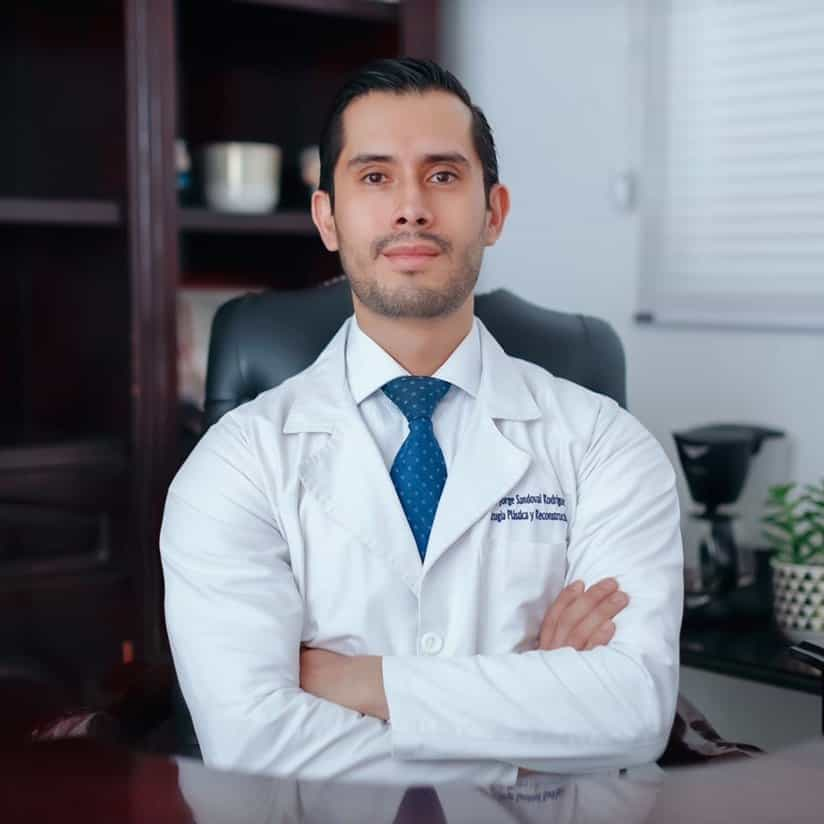
Dr. Jorge Sandoval
Dr. Jorge Sandoval - Plastic Surgeon in Mexico
- Plastic Surgeon
Mexico City, Mexico

Dr. Ary Papadopulos
Dr. Ary Papadopulos - Stem Cell Mexico City Clinic for Anti-Aging
- Anti-Aging Medicine
Mexico City, Mexico
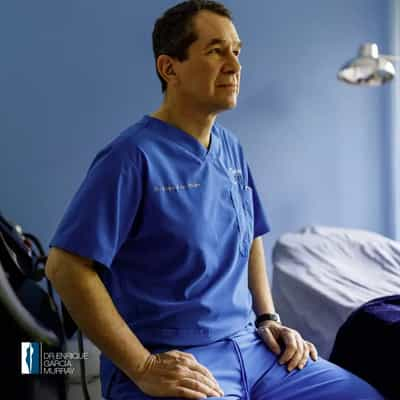
Dr. Enrique Garcia Murray
Dr. Enrique Garcia Murray - Plastic Surgery Mexico City
- Plastic Surgeon
Mexico City, Mexico
Mexico City is Mexico's capital and an international aviation hub. Many international patients can reach the city through Mexico City International Airport, also known as Benito Juárez International Airport (AICM). Travelers may arrive from the United States, Canada, Latin America, Europe and other regions either directly or through connecting flights. The important geography starts after landing. Mexico City is large, traffic varies, and some providers advertised under the Mexico City metropolitan area may actually be located in neighboring municipalities such as Naucalpan in the State of Mexico. Confirm the exact hospital, hotel and airport route before booking. CDC guidance notes that medical travel introduces additional considerations such as infection, continuity of care and blood-clot risk associated with surgery and prolonged travel. Your own surgeon should determine activity restrictions and when you are medically ready for the trip home.
Travel Detail
What to Confirm?
Surgical address
Confirm whether the facility is inside Mexico City proper or elsewhere in the metropolitan area.
Airport transfer
Check realistic travel time between AICM, your accommodation and the surgical facility.
Accommodation
Choose a location that keeps postoperative appointments reasonably accessible without unnecessary travel.
Companion
Ask whether an adult must accompany you after anesthesia or during the first part of recovery.
Return flight
Leave enough time for required postoperative examinations and obtain medical clearance before flying.
Entry requirements
Check passport and visa requirements through an official Mexican consular source for your nationality.
Travel advice
Review the latest official travel guidance issued by your own government before departure.
Plan recovery before sightseeing
A useful next step is not choosing the first quote; it is getting enough detail to compare several options properly. Ask for an individualized surgical plan, itemized cost, surgeon information, exact operating-facility address and written follow-up arrangements. Then verify those details independently before deciding whether treatment in Mexico City fits your medical needs, budget and travel plans. Medical disclaimer: This information is intended for general patient education and comparison. It does not determine whether you are a suitable candidate for cosmetic surgery and does not replace an individual consultation with an appropriately licensed healthcare professional. Plastic surgery can involve bleeding, infection, anesthesia complications, blood clots, scarring, altered sensation, wound-healing problems, asymmetry and the possibility of further treatment. Risks differ by procedure and patient. Prices are examples from publicly posted information and should be reconfirmed after an individual medical assessment.Compare Your Plastic Surgery Options Before Making a Decision
References























Share this listing