


The Comprehensive Guide to a Facelift in Mexico City, Mexico: Excellence in Facial Rejuvenation
Are you considering a facelift in Mexico City, Mexico to restore your youthful appearance? For many individuals, the natural aging process brings unwanted sagging skin, deep creases, and a loss of facial volume that does not reflect how energetic they feel inside. Unfortunately, achieving a refreshed, natural look through cosmetic surgery in the United States or Canada often comes with a prohibitive, exorbitant price tag.
You no longer have to choose between financial stability and your self-confidence. Mexico City has rapidly ascended as a premier global destination for advanced facial rejuvenation, offering elite surgical expertise, state-of-the-art medical facilities, and highly affordable luxury care. Watch the video and explore this guide to understand why thousands of patients are traveling to the Mexican capital for transformative, world-class rhytidectomy procedures.
Video Chapters & Quick Navigation
Why Mexico City is a Global Hub for Plastic Surgery
When researching where to undergo cosmetic enhancement, safety, expertise, and facility standards are paramount. As discussed in the video at , Mexico City stands as a dominant force in international medical tourism. The sprawling metropolis is home to some of the most technologically advanced medical centers in the entirety of Latin America.
Hospitals located in affluent neighborhoods such as Polanco, Santa Fe, and Lomas de Chapultepec boast Joint Commission International (JCI) accreditations. This highly coveted credential ensures that the surgical environment meets or exceeds the strict safety and hygiene protocols found in the United States and Europe.
Furthermore, medical tourism in Mexico City is heavily supported by modern infrastructure. The city features a world-class international airport (MEX), exceptional private transportation services, and a thriving hospitality sector tailored specifically to international patients. You are not simply traveling to a clinic; you are entering a fully integrated ecosystem designed to make your surgical journey seamless and comfortable.
The Evolution of Medical Tourism in CDMX
Over the last decade, the perception of medical travel has fundamentally shifted. It is no longer viewed merely as a budget alternative, but rather as an opportunity to access elite specialists who have dedicated their lives to mastering complex facial anatomy. Many of the leading plastic surgeons in Mexico City possess dual board certifications and have completed extensive fellowship training in prestigious institutions across the globe.
This cross-pollination of medical education means that surgeons in Mexico City are highly proficient in the latest, most sophisticated surgical techniques. Whether you require a minimally invasive procedure or comprehensive facial reconstruction, the caliber of talent available in the Mexican capital is simply outstanding.
Shattering the Price Barrier: Facelift Cost Breakdown
The primary catalyst driving patients across borders is the immense financial savings without a compromise in surgical quality. If you consult with a top-tier plastic surgeon in New York, Beverly Hills, or Toronto, the cost of a full facelift can easily paralyze your decision-making process. The video details this financial reality beautifully at .
In the United States, a standard facelift (often excluding anesthesia, facility fees, and comprehensive aftercare) typically ranges from $12,000 to $25,000. For specialized procedures like a deep plane facelift, that number can soar upwards of $30,000 to $40,000. These prices put facial rejuvenation out of reach for the average consumer.
In contrast, getting a facelift in Mexico City, Mexico offers savings of up to 60% to 70%. Comprehensive facelift packages in CDMX generally range between $4,500 and $8,000. These lower costs are not indicative of inferior materials or rushed procedures; rather, they are a direct reflection of Mexico's lower cost of living, reduced administrative overhead, and more favorable medical malpractice insurance rates.
Comparative Cost Analysis
| Procedure Type | Average Cost (USA/Canada) | Average Cost (Mexico City) |
|---|---|---|
| Mini Facelift | $7,000 - $10,000 | $3,000 - $4,500 |
| SMAS Facelift | $12,000 - $18,000 | $4,500 - $6,000 |
| Deep Plane Facelift | $18,000 - $35,000+ | $6,500 - $9,000 |
| Neck Lift (often combined) | $8,000 - $12,000 | $3,000 - $4,500 |
It is important to note that many medical tourism packages provided by top clinics in Mexico City are all-inclusive. This means that your initial quote often covers the surgeon's fee, anesthesiologist fee, operating room costs, pre-operative lab work, post-operative garments, and even private ground transportation.
Exploring Advanced Facelift Techniques
Not all facelifts are created equal. The days of simply pulling the skin tightly across the face—which often resulted in a "windblown" or artificial appearance—are long gone. As outlined at in our feature presentation, modern plastic surgery relies on advanced, multi-layered techniques.
When you consult with a specialist for affordable facelift surgery in Mexico City, they will meticulously analyze your facial anatomy, skin laxity, and bone structure. Based on this comprehensive evaluation, they will recommend a surgical approach tailored to yield the most natural, enduring results.
The Mini Facelift (MACS Lift)
The mini facelift is an excellent option for younger patients, typically in their 40s or early 50s, who are experiencing mild to moderate sagging in the lower face and early jowl formation. This procedure involves shorter incisions, usually concealed seamlessly around the earlobe and within the hairline.
Because the dissection is less extensive, the mini facelift offers a faster recovery time and reduced post-operative swelling. Patients seeking a subtle, refreshing enhancement often prefer this technique, allowing them to return to their normal daily activities and social engagements much quicker than traditional methods.
The SMAS Facelift
The SMAS (Superficial Musculoaponeurotic System) facelift is considered the gold standard for traditional facial rejuvenation. The SMAS is a layer of tissue deep beneath the skin that encompasses facial muscles and connective tissues. As we age, this entire layer descends, dragging the skin down with it.
During an SMAS facelift in Mexico, the surgeon lifts and repositions this underlying muscular layer, securing it in a higher, more youthful position. Once the foundational structure is restored, the overlying skin is gently redraped, and excess skin is meticulously trimmed away. This ensures a natural look that avoids tension on the incision lines.
The Deep Plane Facelift
For patients with severe facial sagging, deep nasolabial folds, and significant volume loss in the midface, the deep plane facelift is the most robust and transformative option available. This highly specialized technique requires an elite understanding of facial anatomy, as the surgeon works entirely beneath the SMAS layer.
By releasing the facial retaining ligaments, the surgeon can reposition the entire face—including the cheeks and jowls—as a single, unified unit. While a deep plane facelift cost in Mexico is slightly higher than a standard SMAS lift, the results are exponentially more natural and can last significantly longer, often up to 15 years.
Maximizing Results by Combining Facial Procedures
One of the strategic advantages of traveling for medical tourism plastic surgery is the ability to combine multiple procedures safely and affordably in a single surgical session. A facelift primarily addresses the lower two-thirds of the face and the jawline. However, facial aging is a holistic process.
Many patients opt to pair their facelift with a neck lift (platysmaplasty) to eliminate the dreaded "turkey neck" and restore a sharp, defined jawline. Addressing the neck simultaneously ensures that the rejuvenation is balanced and harmonious. A tight face combined with a sagging neck is a tell-tale sign of isolated cosmetic surgery.
Furthermore, upper facial rejuvenation is incredibly popular. Combining a facelift with an upper and lower blepharoplasty (eyelid surgery) removes heavy, drooping skin over the eyes and reduces under-eye bags. Facial fat grafting is also frequently utilized, taking the patient's own purified fat to restore youthful volume to the cheeks, temples, and lips, culminating in a spectacular transformation.
Selecting Board-Certified Plastic Surgeons in Mexico City
The success of your facial rejuvenation hinges entirely on the skill, artistry, and experience of your chosen surgeon. Discussed at length at , navigating the medical landscape in a foreign country requires diligence. You must ensure your surgeon possesses the highest level of credentialing available.
In Mexico, the benchmark for excellence is certification by the CMCPER (Consejo Mexicano de Cirugía Plástica, Estética y Reconstructiva). This is the only plastic surgery board officially recognized by the Mexican government. To achieve this certification, surgeons must undergo years of rigorous general surgery training, followed by an intensive residency exclusively focused on plastic and reconstructive surgery.
- Verify Credentials: Always ask for your surgeon's CMCPER certification number.
- International Memberships: Many top Mexican plastic surgeons are also international members of the ASPS (American Society of Plastic Surgeons) and ISAPS (International Society of Aesthetic Plastic Surgery).
- Before and After Portfolios: A reputable surgeon will provide extensive, unedited galleries of their previous facelift patients, showcasing consistent, natural-looking outcomes.
- Specialization: Ensure your surgeon specializes specifically in facial anatomy. Body contouring specialists may not possess the refined touch required for a delicate deep plane facelift.
When you utilize reputable medical tourism facilitators, this vetting process is handled meticulously on your behalf. Facilitators partner exclusively with established, heavily scrutinized medical professionals, mitigating the risks associated with booking independently.
What to Expect During Your Recovery and Healing Process
Understanding the postoperative phase is critical for mental and physical preparation. A rhytidectomy is a major surgical intervention, and your body requires time, patience, and proper care to heal correctly. The video outlines this crucial phase at .
The First 48 Hours
Immediately following your facelift in Mexico City, you will likely spend one night in the hospital or surgical clinic. This allows the medical staff to monitor your vital signs, manage any initial discomfort with intravenous medications, and ensure your drainage tubes (if used) are functioning correctly. Swelling and bruising will begin to develop; this is a completely normal biological response to trauma.
Days 3 to 7: Peak Swelling
During the first week, swelling and bruising usually peak around the third or fourth day. You will be instructed to sleep with your head elevated on several pillows to promote fluid drainage. Pain is typically described as a dull ache or tightness rather than sharp agony, and is easily managed with prescribed oral pain medication.
You must avoid any strenuous activity, bending over, or lifting heavy objects. Your surgeon will schedule a follow-up appointment during this window to assess your incisions, remove bandages, and potentially remove any surgical drains. Staying hydrated and consuming a low-sodium diet is highly recommended to combat excessive fluid retention.
Weeks 2 to 4: Social Recovery
By the second week, the majority of the acute swelling and discoloration will begin to subside. Many patients feel comfortable venturing out in public with the aid of a wide-brimmed hat, sunglasses, and light makeup. Suture removal generally occurs between days 7 and 10.
While you may look significantly better to the outside world, internal healing is still very active. You may experience temporary numbness, tingling, or tightness around the ears and jawline. By the fourth week, you can slowly reintroduce light cardiovascular exercises, always under the explicit guidance of your surgeon.
Luxury Medical Retreats: The CDMX Healing Experience
One of the most appealing aspects of traveling for a facelift is the ability to recover in absolute privacy, away from the prying eyes of neighbors, colleagues, and extended family. Mexico City caters extensively to this need through the provision of specialized luxury recovery boutique hotels and retreats.
These specialized facilities blur the line between a five-star hotel and a professional nursing facility. Patients recovering from plastic surgery are provided with 24/7 nursing care, customized nutritious meals designed to minimize inflammation, and assistance with daily hygiene routines. The staff are expertly trained in post-operative care, recognizing early signs of complications and ensuring medications are administered precisely on schedule.
Furthermore, many recovery houses offer on-site lymphatic drainage massages. These specialized, gentle massages are highly recommended by plastic surgeons to stimulate the lymphatic system, drastically accelerating the reduction of facial edema and promoting smoother, faster healing.
Planning Your Medical Journey to Mexico City
Executing a successful medical tourism trip requires meticulous planning and coordination. As noted in the final segment of the video at , leveraging the expertise of a dedicated medical tourism facilitator like PlacidWay can alleviate the stress of organizing international healthcare logistics.
Your journey begins with a comprehensive virtual consultation. You will securely share high-resolution photographs of your face and neck, alongside a detailed medical history, with your prospective surgeon in Mexico City. Based on this remote evaluation, the medical team will provide a tailored surgical plan, exact pricing, and required duration of stay.
Most facelift patients are advised to remain in Mexico City for a minimum of 10 to 14 days. This window ensures that you are present for all critical post-operative evaluations, suture removals, and medical clearance before undertaking the pressurized environment of commercial air travel.
Pre-operative preparation is equally vital. You will be required to cease smoking and using any nicotine products at least four to six weeks prior to surgery, as nicotine severely constricts blood vessels and jeopardizes skin flap survival. Additionally, you must halt the consumption of blood-thinning medications, aspirin, and certain herbal supplements to minimize the risk of intraoperative bleeding.
Upon arrival at Mexico City International Airport, patients utilizing comprehensive packages are greeted by bilingual private drivers who transport them directly to their hotel or clinic. This white-glove service ensures that from the moment you land to the moment you depart with your beautifully rejuvenated appearance, your safety, comfort, and peace of mind are the highest priorities.
Ready to Turn Back the Clock in Mexico City?
Stop dreaming about a more youthful appearance and start planning your transformation. Connect with top-rated, board-certified plastic surgeons in Mexico City and receive a customized, all-inclusive treatment plan today.
REQUEST YOUR FREE QUOTE NOW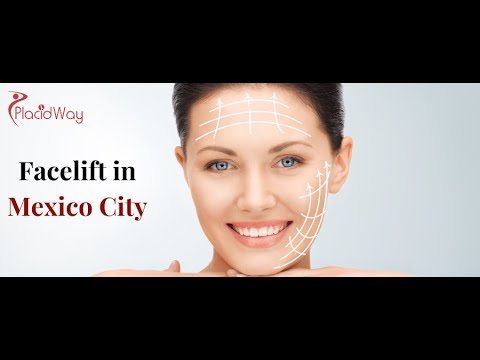



.png)
.png)
.png)
.png)








Share this listing