

Contents
Ever feel like getting breast implants in the US or Canada requires taking out a second mortgage? You finally decide to do something for yourself, only to realize the price tag looks more like a down payment on a house. That is exactly why so many women are catching a short flight south of the border. Breast augmentation in Guadalajara, Mexico, gives you a way to reach your body goals without emptying your savings account.
The procedure costs around $3,800 here, compared to the $8,000 or more you might pay back home. Plus, you get to recover in a beautiful, culturally rich city while receiving excellent medical care. When looking at options, make sure to check for local accreditation like COFEPRIS approval and board certification from the Consejo Mexicano de Cirugía Plástica (CMCPER). Knowing what to verify keeps you safe and ensures a stunning result.
Quick Facts at a Glance
Trying to budget for surgery can be a headache when anesthesiologist fees, implant costs, and operating room charges are all billed separately. Luckily, medical facilities in Guadalajara usually bundle everything into one straightforward package. These comprehensive options typically cover your surgeon's fee, FDA-approved implants, pre-op medical tests, and ground transportation.
Some even include a comfortable hotel stay for your initial recovery. This means no surprise bills popping up right after you wake up from surgery. Take a look at the comprehensive packages below to see exactly what is included and choose the one that makes your trip stress-free.
`Let's talk about the main reason you are looking into this: the price. Breast augmentation in Guadalajara costs approximately $3,800 on average. When you compare that to the $8,000 to $10,000 you would easily spend in the US or Canada, the financial savings are hard to ignore.
This difference in price is due to the lower cost of living and more affordable facility operations in Mexico, not a drop in medical quality. Even after factoring in your flights and a nice hotel, you still come out way ahead. Compare the pricing options below to get a clear picture of what different doctors and facilities charge.
Choosing a surgical facility in another country can feel overwhelming, but it really comes down to knowing what to look for. You want a facility that operates just like a modern hospital back home, complete with advanced technology and strict hygiene protocols. Do not just look at shiny lobby photos; you need to verify their actual credentials.
Ensure the clinic holds a current COFEPRIS license, which means they meet Mexico's strict federal health and safety regulations. Take your time to compare the clinics listed below, reviewing their facility details, safety standards, and accreditations to find the perfect fit for your procedure.

Marroquin and Sandoval Plastic Surgery Guadalajara
Guadalajara, Mexico
LAYYN MEDICAL GROUP - Plastic Surgery in Tijuana, Mexico
Tijuana,Guadalajara, Mexico
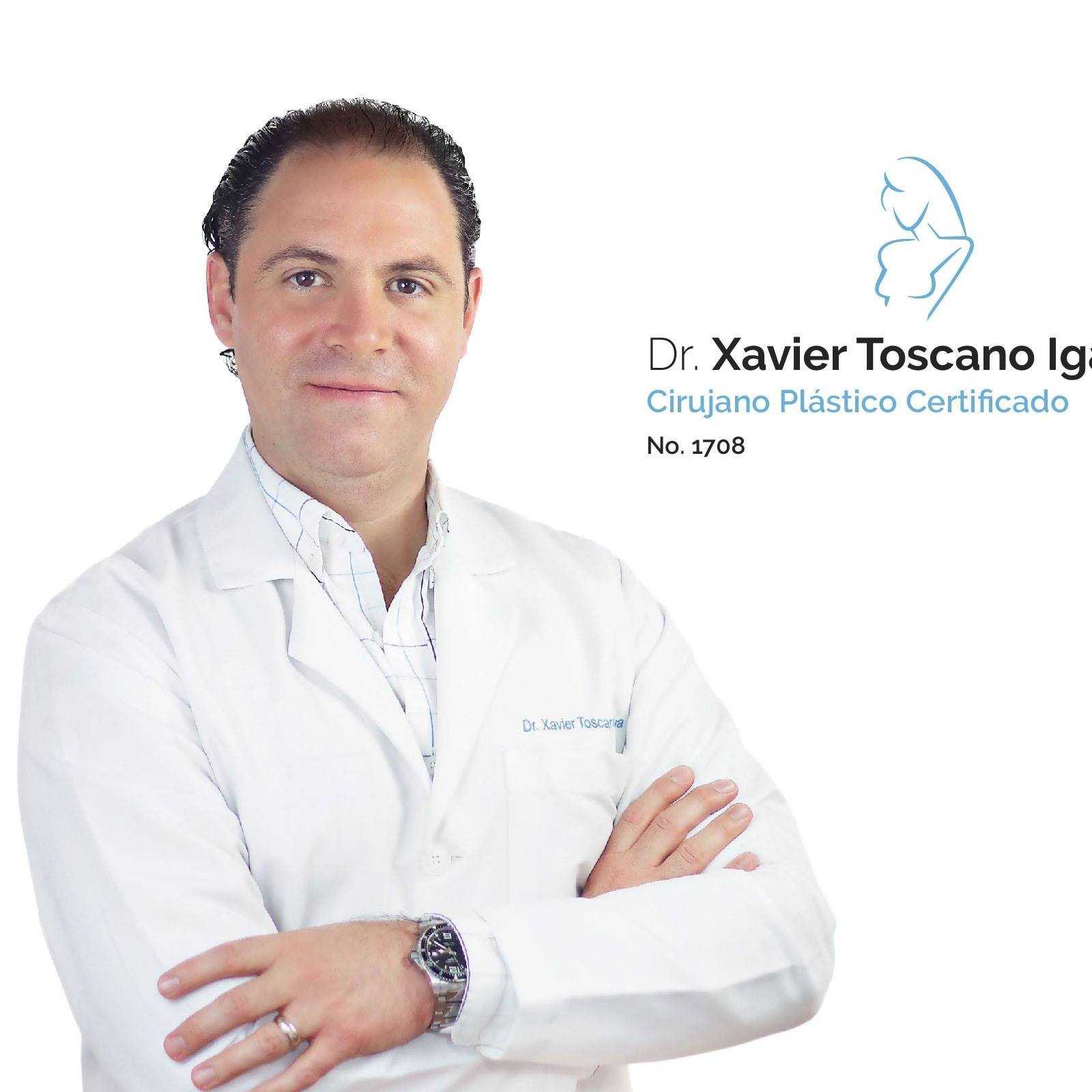
Dr. Xavier Toscano - Plastic Surgeon
Tijuana,Guadalajara, Mexico
Medica Golfo de Cortes
Guadalajara,Jalisco,Puerto Vallarta, Mexico

Arcadia - Plastic Surgery in Guadalajara, Mexico
Guadalajara,Zapopan, Mexico

PARS - Plastic, Aesthetic & Reconstructive Surgery in Guadalajara, Mexico
Guadalajara, Mexico
Reading about a procedure is one thing, but seeing the facilities and hearing from the doctors directly brings a whole new level of comfort. Videos give you a behind-the-scenes look at the surgical rooms and help you gauge the surgeon's bedside manner. You can also see real patients sharing their recovery journeys and showcasing their final results.
This visual research is a vital step in setting realistic expectations for your own body and the overall experience. Browse through the videos below to virtually meet the medical teams and see the high standard of care waiting for you in Mexico.
Nothing builds confidence quite like hearing from women who have already walked this path before you. Patient testimonials give you the unvarnished truth about the pain levels, the clinic staff's attentiveness, and how the implants settled over time. They often share practical details about traveling to Mexico that you simply won't find in a medical brochure.
Pay attention to how surgeons handle follow-up care and communication after the patient returns home. Read through the patient reviews below to learn from their firsthand experiences and help narrow down your choice.

Having questions before traveling abroad for cosmetic surgery is completely normal and encouraged. Here are some of the most common questions women ask about getting breast augmentation in Guadalajara, along with straightforward answers to help you prepare.
Is it safe to get breast implants in Guadalajara?
Yes, it is generally safe if you choose a board-certified plastic surgeon and a clinic accredited by COFEPRIS. Guadalajara is home to highly trained medical professionals who follow strict international safety standards.
How do I verify a plastic surgeon's credentials in Mexico?
You should verify that your surgeon is certified by the Consejo Mexicano de Cirugía Plástica, Estética y Reconstructiva (CMCPER), which is the official board for plastic surgeons in Mexico.
Will my breast implants be FDA-approved?
Reputable clinics in Guadalajara use internationally recognized, FDA-approved implant brands such as Mentor or Allergan. You should always ask your surgeon which brand they use before the procedure.
How long should I stay in Guadalajara after surgery?
Most surgeons recommend staying in the city for 7 to 10 days. This allows plenty of time for proper initial recovery and a follow-up check to ensure you are healing correctly before flying.
Can I fly home safely after breast augmentation?
Yes, flying is safe once your surgeon clears you, usually about a week post-op. However, you will not be able to lift anything heavy, so you will need assistance with your luggage.
What happens if I experience a complication once I am back home?
Good clinics offer virtual follow-ups to monitor your progress. It is also important to inform your local primary care doctor about your surgery beforehand, so you have support at home just in case.
What is the typical recovery timeline?
You will need a few days of strict rest initially. Most women can return to desk work within 1 to 2 weeks, but you must wait at least 6 weeks before resuming heavy lifting or intense exercise.
Are the surgical techniques used in Mexico the same as in the US?
Yes, certified Mexican surgeons use the exact same modern techniques as US doctors, including dual-plane placement and small incisions to minimize scarring and optimize results.
Do the clinic staff and surgeons speak English?
Facilities catering to international patients typically have fluent English-speaking surgeons and bilingual support staff to ensure clear communication throughout your journey.
Can I combine a vacation with my breast surgery?
You can enjoy gentle sightseeing and dining before your procedure. However, the days following your surgery must be fully dedicated to resting and recovering in your hotel room.
The most critical decision you will make is choosing the right person to perform your surgery. Guadalajara is home to incredibly talented plastic surgeons who have trained internationally and perform this specific procedure daily. You want a doctor who truly listens to your aesthetic goals, whether you want a subtle enhancement or a more dramatic change.
Always verify that they are active, board-certified members of the Mexican Board of Plastic, Aesthetic, and Reconstructive Surgery (CMCPER). Take a moment to review the surgeon profiles below to check their medical experience, specialties, and before-and-after galleries.
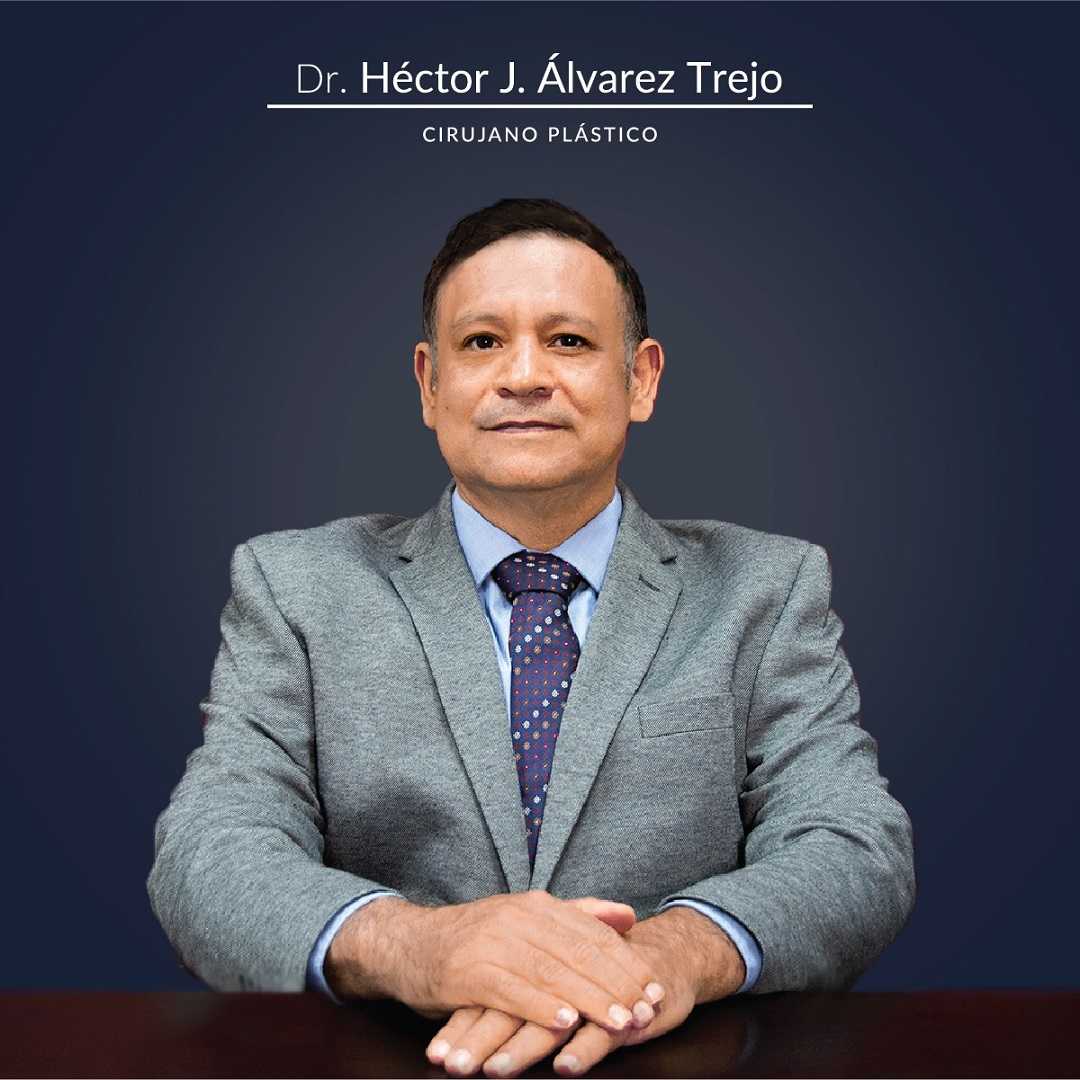


Dr. Marco Marroquin
Marroquin and Sandoval Plastic Surgery Guadalajara
- Plastic Surgeon
Guadalajara, Mexico

Dra Karla Sandoval Diaz
Marroquin and Sandoval Plastic Surgery Guadalajara
- Plastic Surgeon
Guadalajara, Mexico

Dr. Marco Aurelio Rendon Medina
PARS - Plastic, Aesthetic & Reconstructive Surgery in Guadalajara, Mexico
- Plastic Surgeon
Guadalajara, Mexico
Guadalajara is not just a hub for excellent medical care; it is the cultural heart of Mexico. Known for its beautiful architecture and fantastic cuisine, it offers a vibrant yet relaxed atmosphere that is perfect for a medical getaway. Many women from the US and Canada choose this city because it feels less commercialized than typical border towns while still providing world-class amenities.
Getting there is incredibly easy. The Guadalajara International Airport (GDL) welcomes frequent direct flights from major cities across North America. The flight times are short, meaning you won't have to endure a grueling journey while trying to head home and recover.
| Arrival Airport | Guadalajara International Airport (GDL) |
| Popular Direct Flights | Los Angeles, Houston, Chicago, Dallas |
| Average Flight Time | 2 to 4 hours from most US hubs |
| Local Transportation | Authorized taxis, Uber, and private clinic shuttles |
Once you arrive, navigating the city is straightforward. Most top clinics are located in modern, safe medical districts with plenty of comfortable hotels nearby. It is a fantastic destination to rest and heal in comfort.
Taking the first step toward your body goals shouldn't feel like navigating a maze on your own. PlacidWay is here to help you connect with verified clinics, review all-inclusive packages, and schedule consultations with board-certified surgeons in Guadalajara. We provide the transparent information you need to make an informed, confident choice about your breast augmentation.
Ready to explore your options without any pressure or obligation? Click the button below to get started, and our team will provide you with personalized pricing and clinic details tailored to your specific needs.
References
- Breast Augmentation Information – American Society of Plastic Surgeons
- Directory of Certified Plastic Surgeons – Consejo Mexicano de Cirugía Plástica, Estética y Reconstructiva
- Medical Tourism Advice – Centers for Disease Control and Prevention
- Safety of Breast Implants – U.S. Food and Drug Administration
- Health Facility Regulations in Mexico – COFEPRIS

























Share this listing