
Contents
Discover Top Clinics and Prices for Weight-Loss Surgery in America
When it comes to weight loss surgery, the United States is widely recognized as the global leader in innovation, safety standards, and long-term patient outcomes. Choosing to undergo bariatric surgery in the U.S. means accessing a healthcare system that pioneered many of the modern minimally invasive techniques used today, such as the laparoscopic sleeve gastrectomy and the Roux-en-Y gastric bypass.
For patients, this isn't just a surgery; it is a comprehensive lifestyle overhaul supported by multi-disciplinary teams. In the U.S., the focus goes beyond the operating room. Top-tier programs include extensive pre-operative education, nutritional counseling, and psychological support, which are critical for sustainable weight loss.
The distinction of U.S. bariatric care lies in its rigorous accreditation systems. Facilities often strive for "Center of Excellence" designations, ensuring they meet strict criteria regarding surgical volume and safety records. Whether you are a domestic patient seeking the best specialist in the country or an international visitor looking for complex revision surgery, the U.S. offers a level of medical sophistication that is unmatched.
From robotic-assisted procedures to the management of high-risk cases with comorbidities like diabetes and heart disease, U.S. surgeons are equipped to handle the most challenging weight loss journeys with precision and care.
Did You Know?
The United States performs approximately 250,000 bariatric surgeries annually. It is also the birthplace of the MBSAQIP (Metabolic and Bariatric Surgery Accreditation and Quality Improvement Program), a data registry that tracks patient outcomes nationwide to continuously improve safety standards.
Key Insights at a Glance
Widespread use of Da Vinci robotic systems allows for higher precision and faster recovery times.
MBSAQIP-accredited centers demonstrate lower complication rates and better outcomes.
Programs mandate nutritional and psychological preparation, ensuring patients are mentally ready.
Ideal for revision surgeries or patients with high-risk medical histories requiring ICU support.
Access to the full spectrum of FDA-approved devices, including gastric balloons and lap bands.
Numerous financing companies specialize in medical loans, making care accessible even for self-pay patients.
The Minimally Invasive Revolution
Did you know that over 90% of bariatric surgeries in the United States are now performed laparoscopically (using small incisions and cameras)? This dramatic shift from open surgery has significantly reduced hospital stays from a week to often just 24-48 hours.
While "all-inclusive" is a term often associated with international medical tourism, many U.S. bariatric centers now offer comprehensive self-pay packages to cater to patients without insurance coverage. These bundled prices typically cover the surgeon's fee, anesthesia, facility fees, and pre-operative testing. We have curated a list of centers that provide transparent package pricing, allowing you to access world-class care with financial predictability.
Note: Self-pay packages in the U.S. often include follow-up appointments for the first 90 days, ensuring your recovery is monitored closely.
Cost of Bariatric Surgery Cost in America
Investing in bariatric surgery is an investment in your longevity and health. Prices in the U.S. vary significantly by region and facility type. The table below outlines the average cost ranges for procedures like Gastric Sleeve, Gastric Bypass, and Revision Surgery. While U.S. prices are higher than international options, these costs reflect strict regulatory standards, advanced technology, and comprehensive post-operative care networks.
Tip: Many centers offer financing plans through third-party lenders, breaking the cost down into manageable monthly payments.
Obesity/Bariatric Surgery Cost Comparison in United States
| Country | Procedure | Price |
|---|---|---|
| United States | Lap Band Surgery, Obesity/Bariatric Surgery | $16000 |
| United States | Sleeve Gastrectomy, Obesity/Bariatric Surgery | $18000 |
| United States | Bariatric Surgery, Obesity/Bariatric Surgery | $19000 |
| United States | Gastric Balloon, Obesity/Bariatric Surgery | $8000 |
| United States | Gastric Bypass, Obesity/Bariatric Surgery | $25000 |
| United States | Mini Gastric Bypass, Obesity/Bariatric Surgery | $15000 |
Top Obesity Surgery Centers in America
Selecting the right facility is the most critical step in your weight loss journey. We have identified top-rated medical centers across the United States that specialize in metabolic surgery. These facilities are often designated as Centers of Excellence by the ASMBS, ensuring they handle high volumes of surgeries with low complication rates. Explore the profiles below to find a hospital or surgical center that aligns with your specific medical needs and location preferences.
Safety First: Look for accreditation from the Metabolic and Bariatric Surgery Accreditation and Quality Improvement Program (MBSAQIP).
Amira Integrative Health by MJA Healthcare
East Stroudsburg, United States
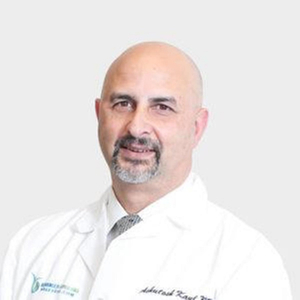
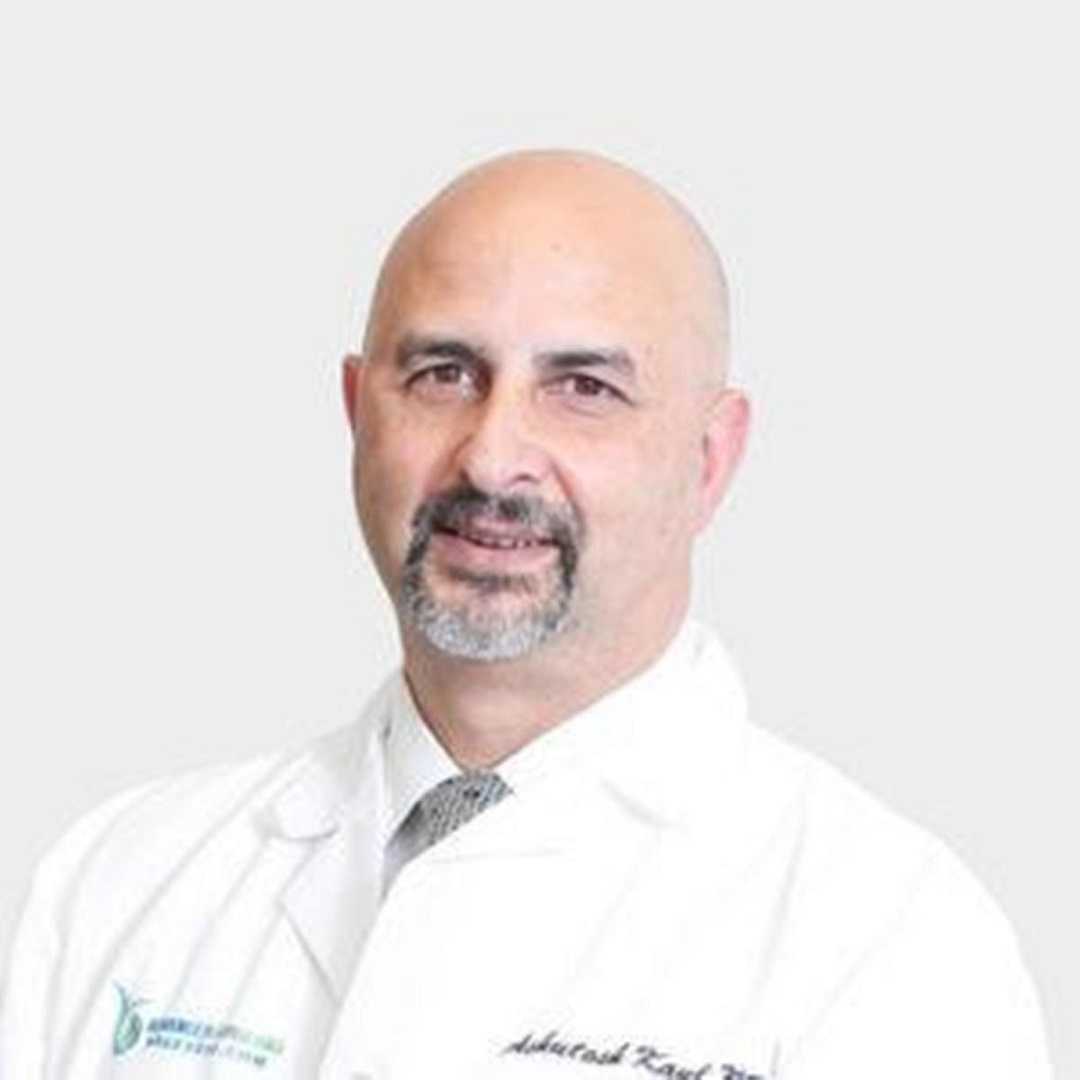
Dr. Ashutosh Kaul
New York, United States
See Informative Video about Weight Loss Surgery in USA
Witnessing the transformation of others can be a powerful motivator. The video testimonials below feature real patients who have undergone life-changing bariatric procedures in the U.S. These stories go beyond the numbers on a scale; they discuss the triumph over diabetes, the return of energy, and the compassionate care received from U.S. medical teams. Watch their journeys to understand the reality of life after surgery.
Insight: Pay attention to how patients describe their long-term support system, a key strength of U.S. bariatric programs.
Bariatric Surgery in America Testimonials from Real Patients
Patient satisfaction in U.S. bariatric programs is generally very high due to the comprehensive nature of care. In this section, you can read verified reviews from individuals who have navigated the process. They candidly share their experiences regarding surgeon bedside manner, hospital cleanliness, administrative efficiency, and the quality of nutritional follow-up. These reviews offer an unfiltered look at what you can expect.
Review Tip: Look for comments about the "aftercare" program, as this is crucial for maintaining weight loss years down the line.

Bariatric Surgery in USA - Frequently Asked Questions
Board-Certified Bariatric Surgeons in USA
The success of your surgery is heavily influenced by the expertise of your medical team. We have compiled a list of leading bariatric surgeons in the United States, many of whom are pioneers in the field. These profiles highlight board certifications, fellowship training in minimally invasive surgery, and patient outcomes. Reviewing these qualifications ensures you place your trust in a surgeon with a proven track record of safety and success.
Board-Certified Experts
Diplomates of the American Board of Surgery
Top specialists hold certification from the American Board of Surgery and are often members of the American Society for Metabolic and Bariatric Surgery (ASMBS). This ensures they adhere to the highest standards of education and ethical practice.
Advanced Robotics Training
Masters of Minimally Invasive Techniques
Leading U.S. surgeons are frequently trained in robotic-assisted surgery (using the Da Vinci system), which allows for greater precision, less pain, and faster recovery compared to traditional laparoscopic methods.
Comprehensive Care Teams
Supported by Nutritionists and Psychologists
The best surgeons do not work alone. They lead multidisciplinary teams that include dietitians, exercise physiologists, and mental health professionals, ensuring you have support for the physical and emotional changes of weight loss.
Why Choose Bariatric Surgery in America?
Unmatched Safety Standards
The United States is the gold standard for bariatric safety. The existence of the MBSAQIP (Metabolic and Bariatric Surgery Accreditation and Quality Improvement Program) means that accredited centers are rigorously audited.
They must prove they have the resources, staff, and protocols to handle complications effectively. For patients, this translates to significantly lower mortality and readmission rates compared to non-accredited facilities globally.
Cutting-Edge Technology
U.S. hospitals are early adopters of the latest surgical technologies. The widespread availability of the Da Vinci robotic surgical system allows for 3D visualization and enhanced dexterity.
This technology is particularly beneficial for super-obese patients or revision surgeries, reducing trauma to tissues and speeding up recovery. Additionally, U.S. patients have access to the newest FDA-approved devices for non-surgical weight loss.
Complex Case Management
For patients with severe comorbidities (heart conditions, organ transplants, or previous failed surgeries), the U.S. is often the safest place to operate.
Major U.S. medical centers function as full-service hospitals with advanced ICUs and specialists in cardiology, pulmonology, and endocrinology on standby. This depth of medical infrastructure provides a safety net that smaller, standalone clinics cannot offer.
Embrace Long Lasting Health and Well-Being with Obesity Surgery in USA!
Finding the right bariatric program in the vast U.S. healthcare system can be complex. PlacidWay simplifies this journey by connecting you with accredited Centers of Excellence and vetted specialists, ensuring your path to health is clear, transparent, and supported.
Verified Provider Selection
We connect you exclusively with board-certified surgeons and MBSAQIP-accredited centers, removing the guesswork regarding safety and quality.
Cost Transparency
We help self-pay patients obtain clear, bundled price quotes from top facilities, helping you avoid hidden hospital fees and surprise bills.
Consultation Coordination
Our team facilitates initial consultations, allowing you to speak directly with potential surgeons to discuss your medical history and goals.
Insurance & Financing Guidance
We provide information on clinics that accept various insurance plans and can point you toward medical financing partners for self-pay options.
Unbiased Information
Access genuine patient reviews, before-and-after galleries, and detailed clinic profiles to make an educated decision based on data, not just marketing.
Patient Advocacy
From your first inquiry to your post-op follow-up, our team supports you, ensuring your questions are answered and your medical journey is smooth.
Take control of your health with the best medical care available. Contact PlacidWay today to explore top-rated bariatric programs in the United States and receive your personalized quote.
Get Your Free Personalized Quote






.png)


Share this listing