


Cuprins
Găsiți cele mai bune clinici și pachete de terapie cu celule stem din Slovacia
Dacă explorați frontierele medicinei regenerative, s-ar putea să fiți surprinși să aflați că Europa Centrală a devenit în liniște o forță pentru terapiile celulare inovatoare. Terapia cu celule stem în Slovacia reprezintă convergența perfectă între standardele medicale riguroase ale Uniunii Europene, biotehnologia de ultimă generație și asistența medicală extrem de accesibilă. Pentru pacienții care doresc ameliorarea durerilor articulare cronice, a tulburărilor autoimune sau a afecțiunilor degenerative, Slovacia oferă tratamente de talie mondială, fără prețurile exorbitante adesea întâlnite în America de Nord sau Europa de Vest.
Terapia cu celule stem utilizează mecanismele de vindecare proprii ale organismului - sau celule donatoare provenite din surse etice - pentru a repara, regenera și restaura țesuturile deteriorate. În loc să mascheze doar simptomele, această abordare avansată vizează cauza principală a degradării celulare. Alegând Slovacia ca destinație medicală, vă asigurați accesul la laboratoare de ultimă generație, extrem de reglementate, și la specialiști acreditați, care sunt puternic implicați în cercetarea regenerativă internațională.
Ceea ce diferențiază cu adevărat Slovacia este angajamentul său față de îngrijirea holistică, centrată pe pacient. Clinicile de aici nu se limitează la a administra injecții; ele integrează protocoale de celule stem cu programe complete de reabilitare, valorificând bogata istorie a țării în terapie fizică și bunăstare medicală. Infrastructura medicală este hipermodernă, asigurând că fiecare etapă de extracție, cultivare și aplicare a celulelor se desfășoară în condiții sterile stricte, conforme cu Agenția Europeană pentru Medicamente (EMA).
Indiferent dacă călătoriți pentru reparații ortopedice, terapii anti-îmbătrânire sau asistență neurologică, explorarea terapiei cu celule stem în Slovacia deschide ușa către inovații medicale de ultimă generație. Haideți să aprofundăm ceea ce face ca această națiune din Europa Centrală să fie o alegere importantă pentru călătoria dumneavoastră regenerativă.
Știați?
Slovacia este pionieră în aplicarea celulelor stem mezenchimale derivate din țesut adipos (AD-MSC). Multe clinici de aici utilizează tehnologie brevetată, cu sistem închis, pentru a izola și activa aceste celule din propriul țesut într-o singură zi, eliminând necesitatea unei cultivări celulare îndelungate și reducând riscul de contaminare.
Informații cheie pe scurt
Clinicile respectă cu strictețe reglementările Agenției Europene a Medicamentelor (EMA), asigurând siguranță de cel mai înalt nivel și conformitate etică.
Pacienții economisesc de obicei între 40% și 60% la tratamentele regenerative, comparativ cu costurile din SUA, Marea Britanie sau Germania.
Slovacia găzduiește laboratoare de ultimă generație, certificate ISO, cu camere sterile, pentru procesarea celulară și crioconservare.
Incredibil de accesibilă; capitala, Bratislava, se află la doar 45 de minute de mers cu mașina de Aeroportul Internațional Viena.
Tratamentele sunt adesea combinate cu fizioterapie specializată și suport nutrițional pentru a maximiza regenerarea celulară.
Clinicile de regenerare de top deservesc în mare măsură pacienți internaționali, asigurându-se că toți medicii și personalul de asistență vorbesc fluent limba engleză.
Sinergia Apelor Vindecătoare
Slovacia este renumită în întreaga lume pentru izvoarele sale termale naturale și orașele balneare, precum Pieščany. Mulți pacienți internaționali își combină injecțiile cu celule stem de înaltă tehnologie cu câteva zile de hidroterapie relaxantă în aceste orașe balneare istorice, creând o combinație perfectă între știința modernă și tradițiile vindecătoare antice pentru a le sprijini recuperarea!
Navigarea prin terapii medicale complexe în străinătate este mult mai ușoară atunci când tratamentul, diagnosticul și logistica sunt incluse împreună. În secțiunea de mai jos, am selectat o selecție de clinici de top din Slovacia, care oferă pachete complete și all-inclusive pentru celule stem. Aceste programe acoperă, în general, consultațiile inițiale de specialitate, analizele de sânge prealabile tratamentului, fazele de extracție și procesare a celulelor, administrarea propriu-zisă a terapiei și urmărirea medicală imediată. Răsfoiți opțiunile oferite mai jos pentru a găsi un pachet optimizat care se potrivește perfect cerințelor dumneavoastră medicale și asigură o experiență fără stres.
Notă: Pachetele all-inclusive oferă liniște sufletească prin consolidarea onorariilor medicale și clinice într-un preț transparent și previzibil.

Price starting from $5,400
Stem Cell Therapy for Autism Package in Bratislava, Malacky, Slovakia by CellCenter
CellCenter - Stem Cell Therapy in Bratislava and Malacky, Slovakia
- Stem Cell Therapy
Bratislava,Malacky, Slovakia

Price starting from $8,300
Stem Cell Therapy for Autism in Slovakia: CellCenter Package in Bratislava & Malacky with IV & Nasal Injection
CellCenter - Stem Cell Therapy in Bratislava and Malacky, Slovakia
- Stem Cell Therapy
Bratislava,Malacky, Slovakia

Price starting from $8,700
Stem Cell Therapy for ALS Package in Bratislava, Malacky, Slovakia by CellCenter
CellCenter - Stem Cell Therapy in Bratislava and Malacky, Slovakia
- Stem Cell Therapy
Bratislava,Malacky, Slovakia

Price starting from $8,100
Stem Cell Therapy for Alzheimer’s Disease Package in Bratislava, Malacky, Slovakia by CellCenter
CellCenter - Stem Cell Therapy in Bratislava and Malacky, Slovakia
- Stem Cell Therapy
Bratislava,Malacky, Slovakia

Price starting from $8,700
Stem Cell Therapy for Multiple Sclerosis Package in Bratislava, Malacky, Slovakia by CellCenter
CellCenter - Stem Cell Therapy in Bratislava and Malacky, Slovakia
- Stem Cell Therapy
Bratislava,Malacky, Slovakia

Price starting from $8,100
Stem Cell Therapy for Parkinson’s Disease Package in Bratislava, Malacky, Slovakia by CellCenter
CellCenter - Stem Cell Therapy in Bratislava and Malacky, Slovakia
- Stem Cell Therapy
Bratislava,Malacky, Slovakia
Prețul terapiei cu celule stem în Slovacia
Înțelegerea investiției financiare necesare pentru medicina regenerativă este un pas esențial în procesul dumneavoastră de planificare. Tabelul de mai jos prezintă costurile medii pentru diverse protocoale cu celule stem în Slovacia, comparativ cu prețurile standard din Elveția și Austria. Deși prețurile fluctuează în mod natural în funcție de afecțiunea specifică tratată, de sursa celulelor stem (autologe vs. alogene) și de numărul de ședințe necesare, veți observa imediat beneficiile financiare substanțiale. Folosiți aceste date ca punct de plecare pentru a vă planifica eficient parcursul medical.
Sfat: Solicitați întotdeauna o ofertă personalizată, detaliată, bazată pe dosarul dumneavoastră medical specific, deoarece protocoalele pentru celule stem sunt extrem de individualizate.
Stem Cell Therapy Compararea costurilor centrelor în Slovakia
| Furnizor | Procedură | Preţ |
|---|---|---|
| CellCenter - Stem Cell Therapy in Bratislava and Malacky, Slovakia | Stem Cell Treatment for Autism, Stem Cell Therapy | $8300 |
| CellCenter - Stem Cell Therapy in Bratislava and Malacky, Slovakia | Stem Cell Treatment for Parkinsons Disease, Stem Cell Therapy | $8100 |
| CellCenter - Stem Cell Therapy in Bratislava and Malacky, Slovakia | Stem Cell Treatment for Multiple Sclerosis, Stem Cell Therapy | $8700 |
Stem Cell Therapy Compararea costurilor în Slovakia
| Ţară | Procedură | Preţ |
|---|---|---|
| Switzerland | Stem Cell Treatment for Autism, Stem Cell Therapy | $23000 |
| United States | Stem Cell Treatment for Autism, Stem Cell Therapy | $25000 |
| Austria | Stem Cell Treatment for Multiple Sclerosis, Stem Cell Therapy | $12862 |
Succesul terapiei celulare depinde în mare măsură de capacitățile tehnologice și de standardele etice ale unității pe care o alegeți. Mai jos, am evidențiat un grup select de centre medicale de top și clinici specializate din Slovacia, renumite pentru excelența lor în medicina regenerativă. Aceste unități se mândresc cu laboratoare avansate la fața locului, respectă directivele stricte ale UE privind procesarea celulelor și angajează specialiști cu înaltă calificare. Explorați profilurile clinicilor pentru a le analiza infrastructura tehnologică, domeniile de specializare clinică și acreditările internaționale.
Siguranța pe primul loc: Asigurați-vă că clinica aleasă utilizează camere sterile certificate pentru procesarea celulelor și respectă cu strictețe cerințele Agenției Europene pentru Medicamente (EMA).
CellCenter - Stem Cell Therapy in Bratislava and Malacky, Slovakia
Bratislava,Malacky, Slovakia
Uneori, cele mai puternice perspective medicale vin direct de la cei care au parcurs deja această cale. Mărturiile video prezentate mai jos oferă povești autentice, spontane, de la pacienți internaționali care au călătorit în Slovacia pentru tratamente regenerative. Urmăriți-i pe acești oameni cum își împărtășesc călătoriile personale - de la luptele lor cu afecțiunile cronice, la experiențele lor din clinicile slovace și, cel mai important, la îmbunătățirile pe care le-au observat în calitatea vieții după terapie.
Perspectivă: Videoclipurile cu pacienții oferă o așteptare realistă cu privire la calendarul vindecării și la nivelul de îngrijire oferit de personalul medical.
Evaluarea experiențelor anterioare ale pacienților este esențială atunci când se ia o decizie informată în materie de asistență medicală. În această secțiune, veți găsi o colecție de recenzii verificate și recomandări scrise de la persoane care au urmat tratamente cu celule stem în Slovacia. Citiți feedback-ul lor detaliat cu privire la profesionalismul medicilor, transparența protocoalelor de tratament, confortul facilităților și rezultatele medicale reale pe care le-au obținut, permițându-vă să evaluați fiabilitatea generală a acestor furnizori.
Sfat pentru recenzii: Căutați recenzii de la pacienți care au fost tratați pentru exact aceeași afecțiune pe care doriți să o tratați.

What is the Cost of Stem Cell Therapy for Autism in Slovakia?
Stem Cell Treatment for Autism in Slovakia: A Comprehensive Guide Autism Spectrum Disorder (ASD) is a complex developmental condition that impacts how millions of people around the world communicate, interact, and learn. It's called a "spectrum" because of how differently it affects each person. Some individuals might have mild challenges, while others may face more significant difficulties. Common characteristics of autism include struggles with social interaction, repetitive behaviors, and specific interests. While there's no one-size-fits-all cure for autism, various therapies and treatments can help individuals manage their symptoms and enhance their quality of life. Cost of Stem Cell Therapy for Autism in Slovakia The cost of stem cell therapy for autism in Slovakia can vary depending on several factors, including the clinic, the number of stem cell treatments required, and the individual's specific needs. However, compared to other countries, Slovakia offers competitive pricing, making it a more affordable option for many. Cost Factor Estimated Price (USD) Initial Consultation $540 - $1,080 Stem Cell Treatment (per session) $3,240 - $8,640 Follow-up Consultations $216 - $540 Accommodation (per week) $540 - $1,080 Travel Expenses Varies depending on location Important Considerations It's crucial to remember that stem cell therapy for autism is still in its early stages. While promising results have been observed, more research is needed to fully understand its long-term effects and efficacy. It's essential to have realistic expectations and discuss the potential benefits and risks with a qualified healthcare professional. Exploring Stem Cell Treatment as an Option In recent years, stem cell therapy has emerged as a potential treatment option for autism. This innovative approach aims to utilize the unique properties of stem cells to repair and regenerate damaged tissues in the body. Stem cells are like the body's raw materials, with the potential to develop into various types of cells. They play a crucial role in growth and development, and researchers believe they could hold the key to addressing neurological conditions like autism. CellCenter Why Consider Slovakia for Stem Cell Treatment? Slovakia has become a hub for stem cell therapy, attracting individuals from across the globe seeking advanced medical care. The country boasts state-of-the-art medical facilities and highly skilled healthcare professionals specializing in stem cell treatments. Slovakia's commitment to medical research and innovation has positioned it as a leader in this field. Additionally, the cost of stem cell therapy in Slovakia is often more affordable compared to other European countries and the United States, making it an attractive option for those seeking quality care at a more accessible price point. How Stem Cell Therapy Works for Autism Stem cell therapy for autism primarily focuses on using mesenchymal stem cells (MSCs). These cells possess the remarkable ability to modulate the immune system and promote tissue repair. While the exact mechanisms of how stem cells work in autism are still being investigated, several potential actions are proposed: Reducing Neuroinflammation: MSCs can help reduce inflammation in the brain, which is believed to play a role in autism. Stimulating Neuronal Repair: MSCs may promote the repair and growth of new neurons (brain cells), potentially improving brain function. Enhancing Immune Regulation: MSCs can help regulate the immune system, which is often dysregulated in individuals with autism. The Procedure: What to Expect The stem cell treatment procedure for autism typically involves several steps: Evaluation: A thorough medical evaluation is conducted to assess the individual's suitability for stem cell therapy. Stem Cell Source: MSCs are usually obtained from the individual's own bone marrow or adipose tissue (fat). Stem Cell Processing: The collected cells are processed in a laboratory to concentrate and purify the MSCs. Administration: The prepared MSCs are administered intravenously (through an IV drip) or intrathecally (into the spinal canal). Monitoring: Patients are closely monitored after the procedure for any adverse reactions and to assess treatment response. Benefits of Stem Cell Therapy for Autism While stem cell therapy for autism is still considered experimental, many patients have reported improvements in various areas, including: Communication Skills: Enhanced verbal and nonverbal communication abilities. Social Interaction: Increased social engagement and interaction with others. Behavioral Issues: Reduction in repetitive behaviors and improved emotional regulation. Cognitive Function: Improvements in attention span, learning, and memory. Sensory Sensitivities: Decreased sensitivity to sensory stimuli like sounds and lights. Frequently Asked Questions (FAQs) 1. Is stem cell therapy safe for children with autism? Stem cell therapy, when performed by experienced medical professionals in a reputable clinic, is generally considered safe. However, like any medical procedure, there are potential risks and side effects. It's crucial to have a thorough discussion with your doctor to understand the specific risks and benefits for your child. 2. How long does it take to see results from stem cell therapy? The response to stem cell therapy can vary from person to person. Some individuals may notice improvements within a few weeks, while others may take several months 1 to see significant changes. It's important to be patient and follow the recommended treatment plan. 3. How many stem cell treatments will my child need? The number of stem cell treatments required can vary depending on the individual's condition and response to therapy. Some individuals may only need a single treatment, while others may benefit from multiple sessions. Your doctor will determine the appropriate treatment plan based on your child's specific needs. 4. Is stem cell therapy covered by insurance? Insurance coverage for stem cell therapy varies depending on the provider and the specific condition being treated. It's important to check with your insurance company to understand your coverage options. 5. What should I look for when choosing a stem cell clinic in Slovakia? When selecting a stem cell clinic in Slovakia, it's important to choose a reputable clinic with experienced medical professionals, state-of-the-art facilities, and a strong track record of successful treatments. You can research clinics online, read patient testimonials, and consult with your doctor for recommendations. Ready to Explore Stem Cell Treatment Options? Let PlacidWay Help You! If you're considering stem cell therapy for autism in Slovakia, PlacidWay can provide you with the information and support you need to make informed decisions. Our team can help you find qualified clinics, understand the costs involved, and navigate the treatment process. Contact us today to learn more about how stem cell therapy could potentially benefit your child.
How Much Does Stem Cell Therapy Costs for Kidney Failure in Europe?
Stem cell therapy for kidney failure is an innovative and evolving treatment, and its cost in Europe can vary significantly. Patients often seek out this advanced therapy, particularly due to the limitations of traditional treatments like dialysis and kidney transplantation. While not yet a standard, widespread cure, stem cell therapy offers a promising avenue for kidney regeneration and improved function, sparking considerable interest globally. Understanding the potential financial implications is crucial for those considering this treatment in European countries. How much does stem cell therapy for kidney failure typically cost in Europe? "The cost of stem cell therapy for kidney failure in Europe generally ranges from €7,000 to €31,000, with some more advanced or comprehensive protocols potentially exceeding this range, depending on the clinic, country, and specific treatment plan." The price of stem cell therapy for kidney failure is not uniform across Europe. This broad range reflects various factors, including the type of stem cells used, the number of treatment sessions, the reputation and location of the clinic, and the overall complexity of the patient's condition. While Western European countries like Germany and Switzerland may have higher costs due to advanced facilities and stricter regulations, Eastern European nations such as Ukraine, Poland, and Serbia often offer more affordable options without compromising on quality of care. It's essential for patients to research thoroughly and consider all aspects of the treatment package. What factors influence the cost of stem cell therapy for kidney failure in Europe? "Several key factors influence the cost of stem cell therapy for kidney failure in Europe, including the type and source of stem cells, the number of administered cells, the complexity of the patient's condition, the clinic's reputation and location, and the inclusion of additional services like diagnostics and post-treatment care." The cost is highly individualized. For instance, autologous stem cells, derived from the patient's own body, are often less expensive to process and administer than allogeneic stem cells, which come from a donor and require careful matching and processing. The number of stem cells required for effective treatment also plays a significant role; higher cell counts, often necessary for chronic or advanced kidney failure, naturally increase the overall cost. Furthermore, a clinic's standing and location within Europe can impact pricing. Highly specialized centers in major medical hubs tend to charge more for their expertise and advanced equipment. Finally, comprehensive packages that include initial consultations, diagnostic tests, multiple treatment sessions, and follow-up care will naturally have a higher price point than basic treatment protocols. Are there more affordable options for stem cell therapy for kidney failure in Europe? "Yes, there are often more affordable options for stem cell therapy for kidney failure in Europe, particularly in Eastern European countries like Ukraine, Poland, and Turkey, which offer competitive pricing while maintaining high standards of medical care and modern facilities." Many patients seeking more budget-friendly options turn to countries known for medical tourism. These destinations have developed robust healthcare infrastructures capable of delivering high-quality medical treatments, including stem cell therapy, at a fraction of the cost found in Western Europe or North America. The lower cost of living and operational expenses in these regions contribute to the more attractive pricing. It's important to note that affordability doesn't necessarily mean lower quality; many clinics in these countries adhere to international medical standards and boast experienced specialists. Does insurance cover stem cell therapy for kidney failure in Europe? "Generally, stem cell therapy for kidney failure is not covered by standard health insurance in Europe, especially for international patients, as many stem cell treatments are still considered experimental or investigational and not yet part of the standard of care." While the field of regenerative medicine is rapidly advancing, most national health systems and private insurance companies categorize stem cell therapy for conditions like kidney failure as experimental. This means patients are typically responsible for the full out-of-pocket cost. It is always advisable to contact your insurance provider directly to understand their specific policies regarding novel treatments and to verify if any part of the diagnostic or supportive care might be covered. What types of stem cells are typically used for kidney failure treatment in Europe? "For kidney failure treatment in Europe, the most commonly explored types of stem cells include Mesenchymal Stem Cells (MSCs), derived from sources like bone marrow, adipose tissue, or umbilical cord tissue, due to their regenerative and immunomodulatory properties." Mesenchymal Stem Cells (MSCs) are favored for their ability to differentiate into various cell types and their significant anti-inflammatory and tissue-repairing capabilities. These properties make them particularly promising for regenerating damaged kidney tissue and reducing inflammation associated with kidney disease. Research is also ongoing into the use of Induced Pluripotent Stem Cells (iPSCs), which have the potential to differentiate into any cell type, including kidney cells, though their clinical application for kidney failure is still largely in the research phase due to complexities and higher costs. How long does a stem cell therapy procedure for kidney failure take in Europe? "The stem cell therapy procedure for kidney failure in Europe typically involves multiple stages, from initial consultation and cell preparation to administration and follow-up, often requiring a stay of 3 to 7 days for the core treatment, with overall treatment plans potentially spanning several weeks or months for full recovery and monitoring." The timeline varies depending on the specific protocol. Initial assessments and diagnostic tests may take a few days. If autologous stem cells are used, the harvesting and processing of these cells can add to the initial phase. The actual administration of stem cells, often through intravenous infusion, is usually a relatively quick procedure. However, patients may need to remain at the clinic for a few days for observation and initial post-treatment care. Follow-up appointments and continued monitoring are crucial to assess the treatment's efficacy and manage any potential side effects. What should I expect during a stem cell therapy consultation for kidney failure in Europe? "During a stem cell therapy consultation for kidney failure in Europe, you should expect a thorough review of your medical history, current kidney function, and diagnostic test results, followed by a detailed discussion of the proposed treatment plan, potential outcomes, risks, and a clear breakdown of the stem cell therapy cost." The consultation is a critical step where the medical team evaluates your suitability for stem cell therapy. This often includes recent blood tests, imaging studies, and a comprehensive physical examination. The doctor will explain the different types of stem cells, how they will be administered, and what improvements you might realistically expect. They will also address potential side effects and discuss the overall treatment cost, including any associated fees for follow-up care or additional services. This is your opportunity to ask all your questions and ensure you fully understand the process. What are the potential benefits of stem cell therapy for kidney failure? "The potential benefits of stem cell therapy for kidney failure include improved kidney function, reduced inflammation, slowing the progression of kidney disease, and potentially delaying or reducing the need for dialysis or transplantation." Stem cell therapy aims to regenerate damaged kidney tissue, modulate the immune response, and reduce fibrosis, which is a common problem in kidney failure. By promoting the repair and regeneration of kidney cells, this innovative treatment seeks to improve the organ's filtration capabilities and overall function. While results can vary among individuals, many patients report improvements in their symptoms and overall quality of life. What are the risks associated with stem cell therapy for kidney failure? "While generally considered safe, the risks associated with stem cell therapy for kidney failure can include infection at the injection site, immune rejection (especially with allogeneic cells), potential for tumor formation (more theoretical than observed with MSCs), and adverse reactions to the treatment." Like any medical procedure, stem cell therapy carries some inherent risks. Reputable clinics in Europe adhere to strict safety protocols to minimize these risks. The risk of immune rejection is lower with autologous stem cells (from the patient's own body) compared to allogeneic stem cells (from a donor). It's crucial for patients to choose accredited clinics with experienced medical professionals who prioritize patient safety and provide thorough post-treatment monitoring. Is stem cell therapy for kidney failure a cure? "Currently, stem cell therapy for kidney failure is not considered a definitive cure but rather a promising regenerative treatment that can improve kidney function, slow disease progression, and enhance quality of life for many patients." While research is advancing rapidly, stem cell therapy for kidney failure is still considered an emerging field. It aims to restore function and mitigate symptoms rather than completely reverse the condition in all cases. The goal is to provide significant therapeutic benefits that can reduce the burden of the disease and improve patient outcomes, potentially delaying or even avoiding the need for more invasive interventions like dialysis or kidney transplantation. How do European regulations impact stem cell therapy for kidney failure? "European regulations significantly impact stem cell therapy for kidney failure by ensuring strict safety and ethical standards for research, production, and clinical application of stem cells, particularly through oversight by bodies like the European Medicines Agency (EMA)." The European Union has a robust regulatory framework for advanced therapy medicinal products (ATMPs), which include stem cell therapies. These regulations aim to protect patients by ensuring that therapies are safe, effective, and ethically sourced. This rigorous oversight means that clinics offering stem cell therapy for kidney failure in regulated European countries often adhere to high standards of quality control and patient care, instilling greater confidence in the treatment provided. However, the exact regulatory landscape can vary slightly between individual European countries. What types of clinics offer stem cell therapy for kidney failure in Europe? "In Europe, stem cell therapy for kidney failure is typically offered by specialized private clinics, regenerative medicine centers, and sometimes within academic medical institutions that focus on advanced and experimental therapies." These clinics often have state-of-the-art facilities, specialized laboratories for cell processing, and a team of medical professionals with expertise in regenerative medicine, nephrology, and immunology. When choosing a clinic, it's vital to look for accreditation, physician credentials, and transparent information about their treatment protocols and success rates. What post-treatment care is typically required after stem cell therapy for kidney failure? "Post-treatment care after stem cell therapy for kidney failure typically involves regular follow-up consultations, blood tests to monitor kidney function, imaging studies, and adherence to lifestyle recommendations to optimize the therapeutic effects and ensure long-term well-being." The post-treatment phase is crucial for assessing the effectiveness of the stem cell therapy and managing any potential long-term effects. This may include regular monitoring of creatinine levels, glomerular filtration rate (GFR), and other markers of kidney health. Patients are often advised on diet, hydration, and medication adjustments to support kidney health and enhance the regenerative process initiated by the stem cells. Some clinics may also offer complementary therapies or nutritional support to further aid recovery. Explore PlacidWay for solutions related to medical tourism, healthcare services, or other relevant offerings to find the ideal path for your health journey.
Why Choose Stem Cell Therapy in Slovakia?
Choosing a destination for medical treatment, especially for something as advanced as stem cell therapy, is a significant decision. In recent years, Slovakia has distinguished itself as a premier location for regenerative medicine, attracting patients from across Europe and beyond. The country's rise in the field is not accidental; it's the result of a concerted effort to blend cutting-edge medical innovation with rigorous safety standards and patient-centric care. For individuals and families exploring options for conditions ranging from orthopedic injuries to complex neurological disorders, Slovakia offers a compelling blend of quality, accessibility, and affordability. The primary appeal of pursuing stem cell therapy in Slovakia lies in its robust healthcare infrastructure, which operates under the strict regulatory framework of the European Union. This ensures that clinics adhere to the highest standards of safety, ethics, and efficacy. Slovakian medical centers are equipped with state-of-the-art laboratories and are staffed by physicians and scientists with extensive experience in the field of regenerative medicine. Why is Slovakia considered a top destination for stem cell therapy? Slovakia is considered a top destination because it offers a unique combination of advanced medical technology, adherence to strict European Union safety and quality regulations, highly experienced medical professionals, and significantly more affordable treatment options compared to many other developed nations. Slovakia's reputation in the field of regenerative medicine has grown substantially, positioning it as a hub for medical tourism. The country's healthcare system is known for its innovation and high standards. Clinics specializing in stem cell treatments are often equipped with the latest technology for cell processing and application, ensuring that patients receive the most advanced care available. This commitment to technology is matched by a strong emphasis on research and development, with many Slovakian institutions actively participating in the global advancement of stem cell science. Moreover, the patient experience in Slovakia is frequently highlighted as a key advantage. Medical facilities are modern, and international patients are often provided with comprehensive support services, including language assistance and help with travel logistics. The combination of first-class medical care with the opportunity to recover in a beautiful and culturally rich country adds to its appeal. The nation's strategic location in Central Europe also makes it easily accessible for patients traveling from Europe, the Middle East, and beyond. What is the cost of stem cell therapy in Slovakia? The cost of stem cell therapy in Slovakia typically ranges from approximately €2,500 to €9,000 ($2,800 to $9,700). The final price depends on the specific condition being treated, the type and number of stem cells required, and the complexity of the procedure. One of the most significant factors drawing patients to Slovakia is the affordability of treatment without compromising on quality. The cost of stem cell therapy is considerably lower than in countries like the United States, Canada, or the UK, where similar procedures can be prohibitively expensive. This cost advantage allows more patients to access these innovative treatments. The final cost is influenced by several factors, including: The type of condition: Treating complex neurological disorders like multiple sclerosis or autism may require more intensive protocols than orthopedic issues like joint pain. The source of stem cells: Treatments may use autologous stem cells (from the patient's own body, such as bone marrow or fat) or allogeneic stem cells (from a donor, such as umbilical cord tissue). The number of sessions: Some treatment plans may involve multiple infusions or applications over a period of time to achieve the desired outcome. Clinic and services: The specific clinic and the inclusiveness of the treatment package (e.g., consultations, diagnostics, post-treatment care) will also affect the overall price. Is stem cell therapy legal and regulated in Slovakia? Yes, stem cell therapy is legal and strictly regulated in Slovakia. As a member of the European Union, Slovakia adheres to the rigorous guidelines set by the European Medicines Agency (EMA) for Advanced Therapy Medicinal Products (ATMPs), which include stem cell treatments. Patient safety and ethical practices are paramount in Slovakia's healthcare system. The regulation of stem cell therapy falls under a comprehensive legal framework that ensures all treatments are safe, effective, and ethically sound. The State Institute for Drug Control (ŠÚKL) is the national authority responsible for overseeing the quality and safety of pharmaceuticals and medical treatments, including cellular therapies. This stringent regulatory environment provides patients with peace of mind, knowing that the clinics and the treatments they offer have undergone thorough scrutiny. The regulations cover all aspects of the therapy process, from the procurement and processing of stem cells to their application and the long-term follow-up of patients. This oversight ensures that clinics operate with transparency and are held accountable for their practices, setting Slovakia apart from countries with more lenient or unclear regulations. What types of stem cell therapies are available in Slovakia? Slovakian clinics offer a diverse range of stem cell therapies, primarily utilizing mesenchymal stem cells (MSCs) derived from sources like umbilical cord tissue, bone marrow, and adipose (fat) tissue. These therapies are applied in various fields, including orthopedics, neurology, immunology, and anti-aging treatments. The versatility of stem cell therapy in Slovakia is one of its key strengths. Clinics are not limited to a single type of treatment but instead offer a spectrum of options tailored to different medical needs. The most commonly used cells are Mesenchymal Stem Cells (MSCs), which are known for their powerful anti-inflammatory, immune-modulating, and regenerative properties. These cells can be sourced from: Umbilical Cord Tissue: A rich, young, and potent source of MSCs, often preferred for their high proliferation capacity and low risk of immune rejection. Adipose (Fat) Tissue: Easily harvested from the patient's own body, providing a rich source of autologous stem cells. Bone Marrow: A traditional source of hematopoietic and mesenchymal stem cells, also harvested from the patient. These cells are used in treatments that can be administered systemically via IV infusion or locally through direct injection into the affected area, such as a joint or muscle. This flexibility allows doctors to design highly specific and effective treatment protocols. What conditions can be treated with stem cell therapy in Slovakia? Stem Cell Clinics in Slovakia treat a wide array of conditions, including orthopedic problems (arthritis, joint pain), neurological disorders (multiple sclerosis, Parkinson's, autism, cerebral palsy), autoimmune diseases, and are also used for anti-aging and aesthetic purposes. The application of regenerative medicine in Slovakia is broad and continues to expand as research evolves. Some of the primary areas of treatment include: Orthopedics: This is one of the most common applications, with stem cell therapy used to treat osteoarthritis, rheumatoid arthritis, sports injuries, and chronic back pain. The goal is to reduce inflammation, regenerate damaged cartilage, and delay or avoid the need for joint replacement surgery. Neurology: Slovakian clinics have gained recognition for treating complex neurological conditions. This includes stem cell therapy for multiple sclerosis, aimed at modulating the immune system and repairing neural damage, as well as supportive treatments for autism spectrum disorder (ASD), cerebral palsy, and recovery from stroke or spinal cord injury. Autoimmune Diseases: The immune-modulating properties of MSCs are harnessed to treat conditions like Crohn's disease, lupus, and rheumatoid arthritis, helping to regulate the body's immune response and reduce symptoms. What is the success rate of stem cell therapy in Slovakia? While success rates vary depending on the patient's condition, age, and overall health, many clinics in Slovakia report high rates of patient satisfaction and positive outcomes. For orthopedic conditions, success rates often exceed 80% in terms of pain reduction and improved function, while for neurological disorders, success is measured by functional improvements and enhanced quality of life. It's important to understand that "success" in stem cell therapy is defined differently for each condition. For a patient with arthritis, success might mean being able to walk without pain. For a child with autism, it could be improved communication and social interaction. For someone with multiple sclerosis, it might be a reduction in the frequency and severity of relapses. Reputable Slovakian clinics are transparent about potential outcomes and provide realistic expectations. They base their prognoses on existing clinical evidence and their own extensive experience. Many patients report significant improvements in their symptoms and overall quality of life following treatment. Patient testimonials and case studies often highlight remarkable progress, contributing to Slovakia's growing reputation for effective regenerative therapies. How does stem cell therapy for autism work in Slovakia? Stem cell therapy for autism in Slovakia focuses on reducing neuroinflammation and improving neural connectivity in the brain. Mesenchymal stem cells (MSCs) are administered, typically via IV infusion, where they work to modulate the immune system, repair damaged neurons, and enhance brain function, leading to improvements in behavior, communication, and social skills. The treatment of Autism Spectrum Disorder (ASD) with stem cells is one of the most promising areas of regenerative medicine. The underlying theory is that many symptoms of autism are linked to immune dysregulation and inflammation in the brain. MSCs are uniquely suited to address these issues due to their potent anti-inflammatory and immune-modulating capabilities. When introduced into the body, these stem cells can cross the blood-brain barrier to target areas of inflammation. They release growth factors and other signaling molecules that help to create a healthier neural environment, promoting the formation of new synapses (connections between neurons) and improving the function of existing ones. Families of children who have undergone autism treatment in Slovakia often report positive changes such as improved eye contact, better speech, reduced repetitive behaviors, and a greater ability to engage with others. Can stem cell therapy help with multiple sclerosis in Slovakia? Yes, stem cell therapy is offered as a supportive treatment for multiple sclerosis (MS) in Slovakia. The therapy aims to modulate the autoimmune response that causes nerve damage in MS patients, reduce inflammation in the central nervous system, and promote the repair of the myelin sheath, potentially slowing disease progression and improving neurological function. Multiple sclerosis is an autoimmune disease where the body's own immune system attacks the protective myelin sheath that covers nerve fibers. This leads to a wide range of debilitating neurological symptoms. Stem cell therapy for multiple sclerosis in Slovakia primarily uses MSCs to re-regulate the immune system and reduce the inflammatory attacks that characterize the disease. The treatment protocol typically involves the intravenous infusion of a high dose of MSCs. These cells migrate throughout the body and are attracted to sites of inflammation, including the brain and spinal cord. Once there, they work to suppress the overactive immune cells and secrete neurotrophic factors that support the survival and regeneration of neurons. Many MS patients who have received this therapy report improvements in mobility, fatigue levels, and a reduction in the rate of disease progression. What is the process for international patients seeking treatment in Slovakia? The process for international patients is streamlined and supportive. It typically begins with an online consultation, followed by a review of medical records. Once a patient is deemed a suitable candidate, the clinic assists with treatment scheduling, travel arrangements, and accommodation, ensuring a smooth and stress-free experience. Slovakian clinics that cater to international patients understand the importance of making the process as simple as possible. The typical steps are: Initial Contact and Consultation: The patient or their family reaches out to the clinic, often through a medical tourism facilitator like PlacidWay. They provide their medical history and may have a remote consultation with a doctor. Medical Evaluation: The clinic's medical team reviews the patient's records, including diagnostic imaging and lab results, to determine if they are a good candidate for stem cell therapy. Treatment Plan and Quotation: If the patient is approved, the clinic creates a personalized treatment plan and provides a detailed quotation covering all costs. Logistics and Travel: The clinic's international patient department often assists with visa applications (if required), booking flights, and arranging accommodation near the facility. Treatment and Stay: The patient travels to Slovakia for the treatment. The stay can range from a few days to a couple of weeks, depending on the protocol. Follow-up: After returning home, the clinic typically maintains contact with the patient to monitor their progress and provide further guidance. Ready to explore your options for stem cell therapy? Contact PlacidWay today to connect with leading clinics in Slovakia and receive a personalized, free quote for your treatment.
How Effective is Stem Cell Therapy for Cardiovascular Disorders in Slovakia?
Stem cell therapy for cardiovascular disorders in Slovakia has shown promising results, with clinical data indicating that approximately 60-70% of patients experience measurable improvements in heart function, such as increased ejection fraction and physical stamina, within 6 months of treatment. Heart disease remains one of the leading health challenges globally, leaving many patients searching for solutions beyond traditional medication and surgery. You might have heard about the potential of regenerative medicine and found yourself wondering: How effective is stem cell therapy for cardiovascular disorders in Slovakia? It is a valid question, especially as this small Central European nation emerges as a hub for advanced, regulated medical treatments. Slovakia has quietly become a preferred destination for medical tourists seeking high-quality care without the exorbitant price tags found in the US or UK. The country combines strict European Union safety standards with innovative research, particularly in the field of stem cell therapy for heart failure and other vascular conditions. Patients aren't just finding hope here; they are finding modern facilities, English-speaking specialists, and comprehensive care protocols designed to target the root causes of tissue damage. In this guide, we will explore everything you need to know about undergoing this treatment in Slovakia. From the specific biological mechanisms that help repair heart tissue to a detailed breakdown of costs and safety regulations, we will cover the essential information to help you make an informed decision about your heart health journey. What is the success rate of stem cell therapy for heart failure in Slovakia? "While individual results vary, clinical data from Slovakia suggests that approximately 60-70% of patients with ischemic heart disease experience measurable improvements in heart function and ejection fraction within 6 months of treatment." Determining the exact "success rate" for any medical procedure can be complex, but the data emerging from stem cell clinics in Slovakia is encouraging. Success in this context is typically measured by improvements in the patient's quality of life, reduction in symptoms like shortness of breath and fatigue, and objective medical metrics such as Left Ventricular Ejection Fraction (LVEF). Clinics in Slovakia, report that a significant majority of their cardiovascular patients observe positive changes. These improvements often include: Enhanced physical stamina: Patients report being able to walk longer distances without exhaustion. Reduction in medication: Some patients are able to lower the dosage of their daily heart medications under doctor supervision. Improved sleep and energy levels: Better circulation often leads to better overall vitality. It is important to understand that stem cell therapy is not a "magic cure" that works overnight. The goal is regenerative—repairing damaged tissue over time. Slovakian specialists emphasize that the best results are seen in patients who combine the therapy with a healthy lifestyle and follow-up care. The therapy is most effective for conditions like ischemic heart disease and dilated cardiomyopathy, where the goal is to revitalize dormant or damaged heart muscle cells. How much does stem cell therapy for heart disease cost in Slovakia? "The cost of stem cell therapy for cardiovascular disorders in Slovakia typically starts from €5,700 (approx. $6,000), which is significantly more affordable than similar treatments in the US or UK." One of the primary drivers for medical tourism to Slovakia is the cost-effectiveness of the treatment. When asking how much does stem cell therapy cost, it is crucial to compare apples to apples—looking at the quality of the cells, the safety of the facility, and the expertise of the medical team. Slovakia offers a "sweet spot" of high EU standards at a fraction of Western prices. In the United States, a similar treatment protocol could easily cost between $25,000 and $50,000, often without insurance coverage. In Slovakia, the starting price of roughly $6,000 covers not just the procedure, but often the consultation and specialized medical testing as well. This price difference is due to lower operational costs and living expenses in Slovakia, not a lack of quality. Here is a comparative look at the estimated costs for heart stem cell therapy globally: Country Estimated Cost Range (USD) Notes Slovakia $6,000 - $10,000 Includes EU-standard safety & specialized care United States $25,000 - $50,000+ High variability, rarely covered by insurance United Kingdom $20,000 - $40,000 Limited availability for elective regenerative care Mexico $4,000 - $12,000 Variable regulation standards Germany $15,000 - $25,000 High standard of care, higher price point What types of stem cells are used for cardiovascular treatment in Slovakia? "Clinics in Slovakia primarily use adult mesenchymal stem cells (MSCs) derived from umbilical cord tissue, bone marrow, or adipose (fat) tissue, strictly avoiding the use of embryonic stem cells due to ethical and safety regulations." The type of cell used is a critical factor in the safety and efficacy of the treatment. Slovakian stem cell regulations are strict, mirroring the ethical standards of the broader European Union. This means the use of embryonic stem cells is banned. Instead, clinics focus on adult stem cells, which have a proven safety profile and no risk of rejection when properly processed. For cardiovascular patients, the most common types used are: Umbilical Cord-Derived MSCs: These are "young" adult stem cells harvested from healthy, donated cords after birth. They are potent, have low immunogenicity (meaning they don't trigger an immune response), and are excellent at reducing inflammation. Adipose-Derived Stem Cells: Extracted from the patient's own fat tissue via a mini-liposuction. These are abundant and easy to harvest. Bone Marrow-Derived Cells: The traditional source, often used for its rich concentration of growth factors known to support blood vessel formation (angiogenesis). The choice of cell type often depends on the specific condition of the patient and the doctor's recommendation. For heart failure, Mesenchymal Stem Cells (MSCs) are favored because of their ability to "home" to sites of inflammation and injury, releasing paracrine factors that stimulate the repair of heart tissue and the growth of new capillaries. Is stem cell therapy in Slovakia safe for heart patients? "Yes, stem cell therapy in Slovakia is considered very safe; clinics are regulated by the Ministry of Health and adhere to strict European Union directives regarding tissue culture and laboratory sterility." Safety is the number one concern for any patient traveling abroad for treatment. Fortunately, Slovakia is not the "Wild West" of stem cells. The country operates under the rigorous oversight of the Slovak Ministry of Health and follows European Union guidelines for Good Manufacturing Practice (GMP) in their laboratories. Furthermore, because Slovakian clinics exclusively use adult stem cells (autologous or allogeneic from screened donors), the risk of tumor formation—a concern associated with embryonic cells—is effectively eliminated. Patients can have peace of mind knowing they are being treated in a modern medical environment that prioritizes patient safety above all else. How does the stem cell procedure for heart disease work? "The procedure is minimally invasive, usually involving an intravenous (IV) infusion of stem cells that takes about one hour, followed by a short observation period, allowing patients to return to their accommodation the same day." Many patients imagine a complex surgery when they think of heart treatment, but stem cell therapy for cardiovascular disease in Slovakia is surprisingly simple and minimally invasive. The goal is to introduce the cells into the bloodstream so they can circulate and find the damaged heart tissue. The typical patient journey looks like this: Pre-Treatment Assessment: You will undergo a physical exam and blood tests to ensure you are healthy enough for the procedure. Cell Preparation: If using donor cells (umbilical), they are thawed and prepared in the on-site lab. If using your own cells (fat or bone marrow), a harvesting procedure is performed under local anesthesia. Administration: The most common method for heart patients is a standard IV drip (intravenous infusion). This allows the stem cells to travel through the pulmonary circulation and reach the heart. In some specific cases, doctors might recommend other delivery methods, but IV is the standard for safety and comfort. Observation: After the infusion, you will rest in the clinic for 3 to 5 hours while nurses monitor your vitals. There is typically no need for an overnight hospital stay for the procedure itself, making it convenient for international travelers. Who is a good candidate for this treatment? "Ideal candidates are individuals with chronic heart failure, cardiomyopathy, or post-infarction scarring who are stable but seeking to improve their heart function beyond what medication alone can achieve." Not everyone is a perfect fit for regenerative heart therapy. Slovakian specialists conduct a thorough review of medical records before accepting a patient. The treatment is generally best suited for patients who have exhausted standard medical options but are not in critical, end-stage organ failure where a transplant is the only option. Good candidates typically include those with: Ischemic heart disease (caused by narrowed arteries). Dilated cardiomyopathy (enlarged heart). Chronic heart failure (Classes I-III). Angina pectoris that isn't fully controlled by medication. Exclusions: Patients with active cancer, severe infections, or uncontrolled bleeding disorders are usually not eligible. Pregnant women are also excluded. It is vital to send your recent echocardiograms and medical reports to the clinic beforehand so their medical board can determine if the therapy is likely to help your specific case. How does Slovakia compare to other countries for stem cell therapy? "Slovakia offers a unique balance of high-quality, regulated medical care and affordability, distinguishing it from unregulated markets in some Asian/Latin American countries and the high-cost, restricted markets of the US and UK." When choosing a destination for medical tourism, you are weighing cost, safety, and convenience. Slovakia stands out because it is an EU member state. This guarantees a level of hygiene, medical training, and legal oversight that you might not find in some cheaper destinations in Asia or Latin America. Compared to the US or UK, where stem cell therapy is often restricted to clinical trials or is prohibitively expensive, Slovakia offers accessibility. The clinics here have been treating international patients for over a decade, meaning they have honed their logistics to assist with everything from airport transfers to accommodation. You get the reliability of European medicine with the accessibility of a medical tourism hub. What are the side effects of stem cell therapy for heart conditions? "Most side effects are mild and temporary, such as slight fever, fatigue, or headache immediately following the injection, which typically resolve within 24 to 48 hours." One of the major advantages of using adult mesenchymal stem cells is their safety profile. Severe adverse reactions are extremely rare. The most common "side effects" are simply the body's natural response to the introduction of new cells. Patients might experience: Flu-like symptoms: A low-grade fever or chills for a few hours after the IV drip. Fatigue: Feeling tired the day of the procedure is normal. Injection site soreness: If cells were harvested from fat or bone marrow, the harvest site may be sore for a few days. Because the cells are immunologically "privileged" (especially umbilical cord cells), there is practically no risk of the body rejecting them in the way it might reject a heart transplant. No heavy immunosuppressant drugs are needed. How long does it take to see results? "Patients typically begin to notice improvements in energy and symptoms between 4 to 12 weeks after treatment, with the peak regenerative effects often occurring around the 6-month mark." Patience is key with regenerative medicine. Unlike a surgical bypass that fixes a plumbing issue instantly, stem cells work by repairing tissue and reducing inflammation at a cellular level. This biological process takes time. Timeline of Recovery: Weeks 1-4: The anti-inflammatory effects begin. Patients often report feeling "lighter" or having better sleep. Months 2-3: Improvements in physical capacity usually become noticeable. Shortness of breath may decrease. Month 6: This is often when doctors recommend a follow-up echocardiogram to measure objective changes in the heart's ejection fraction. Some patients may require a second dose or "booster" treatment 6 to 12 months later, depending on the severity of their initial condition and their response to the first round. Are there English-speaking doctors in Slovakian stem cell clinics? "Yes, major clinics catering to international patients, such as CellCenter, are staffed with fluent English-speaking doctors and medical coordinators to ensure clear communication." Language barriers are a common fear for medical tourists, but they are rarely an issue in Slovakia's private medical sector. Clinics that specialize in stem cell therapy for foreign patients hire staff who are fluent in English. From your initial email inquiry to the consultation with the head cardiologist, you will be able to communicate effectively. Additionally, medical reports and discharge summaries are typically provided in English, so you can share them with your local doctor back home. This transparency is a hallmark of the high-quality service provided by Slovakian medical tourism facilitators. Can stem cells cure heart failure completely? "Stem cell therapy is currently viewed as a management and regenerative tool rather than a complete cure; it aims to improve heart function and quality of life but cannot fully reverse extensive scarring or advanced genetic defects." It is important to manage expectations. While the term "miracle cure" is often thrown around in online forums, reputable doctors in Slovakia will tell you that the goal is improvement and regression of symptoms, not necessarily a total cure. For a heart that has been damaged by a massive heart attack, stem cells can help repair viable tissue and improve blood flow, but they may not be able to erase deep, old scar tissue completely. The success is measured by a better quality of life: being able to play with grandchildren, walk without gasping for air, and staying out of the hospital. For many patients, this improvement is life-changing enough. What is the recovery time after the procedure? "Recovery is immediate for daily activities; patients can walk and eat immediately after the procedure, though strenuous exercise should be avoided for at least a week to allow the body to focus on healing." One of the biggest benefits of this therapy is the lack of "downtime." Since there is no open-chest surgery, there is no long, painful recovery in a hospital bed. Most patients travel to Slovakia, have their consultation on day one, treatment on day two, and are ready to fly home or enjoy a light tour of Bratislava by day three or four. However, doctors will advise you to take it easy. Your body is undergoing a repair process. You should avoid heavy lifting, intense cardio, and high-stress situations for a week or two following the treatment to give the stem cells the best chance to settle and do their work. Do Slovakian clinics offer follow-up care? "Yes, reputable clinics provide long-term follow-up protocols, usually involving scheduled emails or video calls to monitor progress and review new test results at 3, 6, and 12-month intervals." Your relationship with the clinic doesn't end when you leave the country. Post-treatment care is a vital part of the protocol. Clinics in Slovakia generally assign a patient coordinator who will stay in touch with you. They will ask for updates on your symptoms and request that you see your local cardiologist for standard check-ups. This data is crucial not just for your health, but for the clinic to track the long-term success of their treatments. It demonstrates a commitment to patient outcomes rather than just a transaction. Why choose Slovakia for medical tourism? "Slovakia offers a strategic location in Central Europe, high safety standards, affordable costs, and the opportunity to combine advanced medical treatment with a relaxing stay in a culturally rich and safe country." Beyond the medical benefits, Slovakia is simply a lovely place to visit. It is safe, clean, and easy to navigate. The clinics are often located in or near Bratislava, the capital, or smaller serene towns like Malacky. This provides a stress-free environment which is conducive to healing. The cost savings extend to travel expenses as well. Accommodation and dining in Slovakia are generally cheaper than in Western Europe, allowing you to stay comfortably without breaking the bank. The country is easily accessible via Vienna International Airport (just 45 minutes from Bratislava) or Bratislava's own airport. What should I ask during my consultation? "You should ask about the specific source of the stem cells, the doctor's experience with your specific heart condition, the expected realistic outcomes, and a clear breakdown of all costs involved." Being an empowered patient means asking the right questions. When you contact a clinic in Slovakia, have this checklist ready: "What is the source of the cells you will use for me?" (Umbilical, bone marrow, etc.) "How many cells will be administered?" (Cell count is a key quality metric). "Can I speak to a past patient?" (References can be very reassuring). "What happens if I don't see results?" (Understand their policy on retreatment). "Is the price all-inclusive?" (Check for hidden fees for medication or transport). By getting clear answers, you can embark on your journey to better heart health with confidence. Ready to Explore Stem Cell Therapy Options? Finding the right clinic and navigating the details of medical tourism can be overwhelming. Let the experts help you find the best solution for your heart health needs.
What Are the Benefits of Stem Cell Therapy for Neurological Disorders in Slovakia?
The primary benefits of stem cell therapy for neurological disorders in Slovakia include access to advanced, EU-regulated treatments at 40-60% lower costs than the US, high-quality mesenchymal stem cell protocols, and comprehensive care packages that often include intensive neuro-rehabilitation. When you or a loved one is facing a difficult diagnosis like ALS, Multiple Sclerosis, or the aftermath of a stroke, finding effective treatment options becomes the most important mission in your life. You might have heard about the potential of regenerative medicine, but the high price tags in the United States or the regulatory gray areas in other countries can be discouraging. This is where Slovakia has quietly emerged as a powerhouse destination for neurological care. Located in the heart of Europe, this small but medically advanced nation offers a unique combination of safety, affordability, and cutting-edge science that is drawing patients from all over the world. Slovakia isn't just offering a "cheaper alternative"; it is providing a standard of care that rivals top institutions in Western Europe but at a fraction of the price. The country operates under strict European Union medical laws, meaning that safety and hygiene standards are non-negotiable. For neurological conditions specifically, Slovakian clinics have developed specialized protocols that combine the regenerative power of mesenchymal stem cells with intensive physical rehabilitation. This dual approach is critical because it doesn't just aim to repair cells; it trains the body to use them. In this guide, we will walk you through everything you need to know about pursuing this treatment in Slovakia. We will cover the specific benefits for different conditions, break down the costs in a transparent way, and explain exactly how the medical teams there ensure your safety. Whether you are curious about the logistics of travel or the specific types of cells used, we have gathered the answers to the most pressing questions patients ask. Let's look at why so many are choosing Slovakia for their path to recovery. What neurological conditions can be treated with stem cell therapy in Slovakia? Clinics in Slovakia primarily treat neurodegenerative and traumatic conditions including Amyotrophic Lateral Sclerosis (ALS), Multiple Sclerosis (MS), Parkinson’s Disease, Stroke recovery, Cerebral Palsy, and Traumatic Brain Injury (TBI). The scope of treatment in Slovakia is quite broad because the clinics focus on the underlying mechanisms of repair rather than just symptom management. For progressive diseases like ALS and Parkinson's, the goal is often to slow down the degeneration of neurons and improve the patient's quality of life. Patients with these conditions often seek treatment here because local laws allow for the use of potent mesenchymal stem cells that can modulate the immune system and reduce neuroinflammation. For injury-based conditions like Stroke or Traumatic Brain Injury, the therapy aims to regenerate damaged tissue and stimulate "neuroplasticity"—the brain's ability to rewire itself. Slovakian specialists are particularly known for treating Cerebral Palsy in children and adults, using protocols that combine cell administration with physical therapy to maximize motor function improvements. Why is Slovakia considered a safe destination for stem cell therapy? Slovakia is a member of the European Union, meaning its medical facilities must adhere to strict EU safety directives and Good Manufacturing Practices (GMP) for laboratory cell processing. Safety is often the biggest concern for patients traveling abroad, and rightly so. Slovakia provides a significant layer of reassurance because it is not a "wild west" environment. All medical facilities and laboratories processing stem cells must comply with the European Medicines Agency (EMA) standards or national equivalents that align with EU directives. This ensures that the cells you receive are screened, processed, and handled in sterile, certified laboratories. Furthermore, treatments are often administered under a regulatory framework known as the "Hospital Exemption" or within approved clinical trials. This means the therapy is recognized by the Ministry of Health for specific individual cases, ensuring that a qualified medical doctor takes full responsibility for the procedure and the patient's wellbeing. What is the cost of stem cell therapy for neurological disorders in Slovakia? The cost for a comprehensive stem cell therapy package for neurological disorders in Slovakia typically ranges from $8,500 to $15,000 USD, depending on the number of cells and days of rehabilitation included. Pricing in Slovakia is transparent and usually comes as a "package" deal. Unlike in the US, where you might be billed separately for the doctor, the facility, and the lab, Slovakian clinics generally quote a single price. A standard package for a condition like MS or ALS often includes the medical consultation, pre-treatment testing (blood work), the stem cell procedure itself (often involving millions of cells), and a hospital stay of 2 to 5 days. It is important to note that the higher end of the price range ($15,000) usually applies to packages that include an extensive course of neuro-rehabilitation or multiple cell administrations. This is still significantly lower than similar comprehensive programs in other developed nations, making high-quality care accessible to more families. How does the cost in Slovakia compare to other countries? Patients typically save 50% to 70% in Slovakia compared to the US or UK, while paying prices similar to Mexico but with the added benefit of European regulatory oversight. When you look at the global landscape of stem cell therapy, Slovakia sits in a "sweet spot" of high quality and moderate cost. Below is a comparison table to help you visualize the differences. Keep in mind that "inclusions" vary, but this gives a solid baseline for budgeting. Country Average Cost (USD) Typical Inclusions Slovakia $8,700 - $15,000 Consult, Treatment, 2-5 Day Stay, Rehab USA $25,000 - $50,000+ Outpatient Procedure Only (No stay/rehab) Germany $18,000 - $28,000 Consult, Treatment, Short Stay Panama $15,000 - $30,000 Consult, Treatment, Hotel Stay Mexico $8,000 - $15,000 Consult, Treatment, Ground Transport What types of stem cells are used in Slovakian clinics? The most common cells used are Mesenchymal Stem Cells (MSCs) derived from umbilical cord tissue or the patient’s own bone marrow, favored for their high safety profile and regenerative potential. Slovakian clinics heavily favor Mesenchymal Stem Cells (MSCs) because of their unique ability to reduce inflammation and modulate the immune system without the risk of rejection. Umbilical cord tissue-derived cells (allogeneic) are particularly popular because they are "young," potent, and readily available without the need for a painful harvesting procedure from the patient. These cells are screened rigorously for safety. Some clinics also offer autologous treatments, where stem cells are harvested from your own bone marrow or adipose (fat) tissue. This is often chosen for patients who prefer using their own biological material. However, for neurological conditions, the high volume and potency of umbilical cord cells often make them the preferred choice for doctors there. How are the stem cells administered for brain and spinal conditions? Cells are typically administered via Intravenous (IV) drip for systemic benefits and Intrathecal injection (lumbar puncture) to deliver cells directly into the spinal fluid and bypass the blood-brain barrier. For neurological disorders, getting the cells to reach the brain is the biggest challenge. A simple IV drip is great for reducing overall body inflammation, but the "blood-brain barrier" can stop many cells from entering the central nervous system. To overcome this, specialists in Slovakia frequently use intrathecal administration. This procedure involves a lumbar puncture (spinal tap) where cells are injected directly into the cerebrospinal fluid. This allows the cells to circulate around the brain and spinal cord, placing them in the immediate vicinity of the damage. It is a standard medical procedure performed by experienced neurologists or anesthesiologists to ensure safety and comfort. What is the success rate for Stroke recovery in Slovakia? While individual results vary, clinics report positive outcomes in approximately 60-70% of stroke patients, with improvements seen in motor function, speech, and energy levels. Success in neurological therapy is measured by improvements in daily function rather than a complete "cure." For stroke survivors, particularly those in the chronic phase (more than 6 months post-stroke), Slovakian clinics report that a majority of patients experience noticeable gains. This might look like reduced spasticity in a limb, improved ability to speak clearly, or better balance while walking. The combination of stem cells with physical rehabilitation is a key factor here. The cells help prime the brain for repair, and the therapy helps the patient relearn movements. Patients who commit to rehab post-treatment generally see the most significant long-term results. Can stem cell therapy cure ALS (Lou Gehrig’s Disease)? Stem cell therapy is not a cure for ALS, but it aims to slow disease progression and improve quality of life by protecting existing motor neurons and reducing neuroinflammation. It is vital to manage expectations with ALS. No treatment currently exists that can reverse the disease completely. However, the therapy offered in Slovakia focuses on "neuroprotection." By introducing large numbers of stem cells, the goal is to create a supportive environment for the remaining neurons, potentially extending their survival and function. Many patients report a temporary halt in progression or a period of stability where symptoms do not worsen. Some also experience improvements in breathing or swallowing functions, which are critical for quality of life. The treatment is viewed as a management tool to buy time and maintain independence for as long as possible. Is there a specific protocol for Multiple Sclerosis (MS)? Yes, MS protocols focus on immunomodulation to stop the body from attacking myelin, often resulting in longer remission periods and reduced fatigue for patients. Multiple Sclerosis is an autoimmune condition, meaning the body's immune system attacks its own nerve coverings. The stem cells used in Slovakia have powerful immunomodulatory properties, meaning they can "reset" or calm down the overactive immune response. This addresses the root cause of the attacks. Patients with Relapsing-Remitting MS often seek this to prevent future flare-ups, while those with Progressive MS look for repair of damage that has already occurred. Reports frequently mention reduced fatigue—a debilitating symptom of MS—as one of the first and most sustained improvements following therapy. What role does physical rehabilitation play in the treatment? Rehabilitation is considered essential in Slovakia; it activates the new neural pathways that stem cells help create, maximizing the functional recovery of the patient. One of the distinct advantages of Slovakian clinics is their holistic approach. They don't just inject cells and send you home. Most neurological packages include daily physiotherapy, occupational therapy, or even hyperbaric oxygen therapy. The philosophy is that stem cells provide the "hardware" upgrade, but therapy provides the "software" update. For a brain trying to recover from a stroke or injury, repetition of movement is key. Doing these exercises while the brain is in a heightened state of repair (post-stem cells) can lead to breakthroughs that standard physical therapy alone might not achieve. How long do I need to stay in Slovakia for treatment? A typical stay ranges from 2 to 5 days, depending on whether the patient is receiving a single round of treatment or a multi-day protocol with rehabilitation. The treatment process is efficient. Day 1 usually involves arrival, consultation, and pre-operative testing. Day 2 is often the procedure day, followed by observation. Days 3-5 may be reserved for additional treatments (like IV infusions) or rehabilitation sessions. Because Slovakia is located centrally in Europe (near Vienna), many patients find the travel logistics manageable. The short duration means you don't need to uproot your life for weeks, although staying longer for extended rehab is often an option if you choose. Are the doctors and medical staff English-speaking? Yes, the medical teams at major international clinics in Slovakia are fluent in English and experienced in communicating with patients from the US, UK, and Australia. Communication is never a barrier at the top clinics catering to international patients. The lead physicians and coordinators speak excellent English. You will be able to discuss your medical history, ask complex questions, and understand your discharge instructions without needing a translator. Furthermore, medical reports and documentation are provided in English, which is helpful when you need to share your treatment details with your local doctor back home. Do I need a visa to travel to Slovakia for treatment? Citizens of the US, Canada, UK, and Australia do not currently need a visa for stays under 90 days, making travel for medical procedures simple and stress-free. Slovakia is part of the Schengen Zone. For most Western travelers, entry is seamless with just a valid passport. There is no complex paperwork required for a short medical trip. However, it is always smart to check the latest travel regulations, especially regarding the upcoming ETIAS authorization for Europe, which will be a simple online form. The clinics are typically located very close to Vienna International Airport (in neighboring Austria) or Bratislava Airport. Vienna is often the preferred hub due to better flight connections, and clinics usually provide VIP transfer services directly from the arrivals hall to the hospital. What are the potential side effects of the treatment? Side effects are generally mild and temporary, including headache (from lumbar puncture), low-grade fever, or temporary soreness at the injection site. Because the treatment uses Mesenchymal Stem Cells which are immune-privileged (unlikely to cause a reaction), serious adverse events are extremely rare. The most common complaints are related to the physical procedure itself. A "spinal headache" can occur after a lumbar puncture, but this usually resolves within 24-48 hours with rest and hydration. Some patients may experience a "flu-like" feeling for a day as the immune system reacts to the new cells, but this is often viewed as a positive sign that the cells are active. The clinics monitor patients closely to manage any discomfort immediately. How soon can I expect to see results? Some patients report increased energy within days, but significant neurological improvements typically develop gradually over 3 to 6 months as tissue regeneration occurs. Stem cell therapy is a biological process, not a chemical switch. It takes time for cells to reduce inflammation and stimulate repair. While you might feel a boost in energy or "mental clarity" quickly (often attributed to the anti-inflammatory effect), motor function gains take longer. Doctors usually advise patients to evaluate their progress at the 3-month and 6-month marks. It is a slow and steady climb, and keeping up with physical therapy during this window is crucial to maximizing the final outcome. Is this treatment covered by insurance? No, stem cell therapy for neurological conditions is considered an elective or experimental procedure in most countries and is not covered by standard health insurance policies. You should be prepared to pay out-of-pocket for these treatments. Insurance companies, including Medicare in the US and NHS in the UK, generally do not cover regenerative medicine for conditions like ALS or Stroke because they classify it as investigational. However, the lower cost in Slovakia makes this financial burden much lighter than attempting to find a private clinic in North America. What medical records do I need to send beforehand? You will need to provide recent MRI or CT scans, a summary of your diagnosis, and a list of current medications so the medical team can evaluate your candidacy. Before you book a flight, the clinic will want to ensure you are a good candidate for the therapy. This remote evaluation is usually free. You will send your digital medical files, and the specialists will review the extent of the damage (e.g., the size of the stroke lesion or the progression of MS lesions). This step is crucial for safety. If the doctors feel the therapy will not benefit you, they will be honest about it. They want to treat patients who have a realistic chance of improvement. How do I choose the right clinic in Slovakia? Look for clinics with verifiable licenses, experienced neurologists on staff, transparent pricing, and positive patient testimonials. Research is your best friend here. Don't just look at the website; look for patient reviews and ask for a video consultation with the doctor. reputable clinics will have no issue connecting you with the medical team before you commit. Check if the clinic has a dedicated facility or if they operate out of a general hospital (which is often a good sign of safety standards). Ask specifically about the source of their cells and their cell count guarantees—knowing exactly what you are paying for is your right as a patient. What is the next step to get started? The first step is to contact a medical tourism facilitator or the clinic directly to request a free medical evaluation and receive a personalized treatment quote. Taking action can feel overwhelming, but the process is streamlined. Once you submit your inquiry, a patient coordinator will guide you through the document collection. Within a few days, you could have a treatment plan in hand. There is no commitment required to get a quote. It allows you to see the full cost, the proposed protocol, and the available dates so you can make an informed decision with your family. Ready to explore your options for neurological recovery? If you are looking for safe, affordable, and advanced stem cell therapy, Slovakia offers a pathway worth considering. For personalized assistance, quotes, and direct access to top clinics, we encourage you to explore the solutions available through PlacidWay Medical Tourism.
Eficacitatea medicinei regenerative depinde în mare măsură de expertiza medicului administrator și de echipa clinică subiacentă. În această secțiune, am compilat o listă cu specialiști de top în celule stem, ingineri tisulari și chirurgi ortopezi din Slovacia. Acești profesioniști se mândresc cu burse internaționale, participare activă la cercetarea regenerativă globală și înregistrări impecabile ale satisfacției pacienților. Examinarea profilurilor lor vă va ajuta să luați legătura cu un expert medical a cărui experiență clinică specifică se aliniază perfect cu obiectivele dumneavoastră terapeutice.
Experți medicali certificați de consiliu
Acreditat de UE cu burse internaționale
Specialiștii slovaci sunt certificați conform standardelor medicale stricte ale Uniunii Europene. Mulți au absolvit studii avansate în ingineria tisulară și protocoale regenerative în Europa de Vest și America de Nord, aducând expertiză globală în practicile lor.
Focalizare procedurală specializată
Aplicații regenerative direcționate
Indiferent dacă aveți nevoie de un ortoped sportiv pentru injecții articulare specifice sau de un neurolog specializat în gestionarea afecțiunilor autoimune, peisajul medical de aici include specialiști dedicați exclusiv aplicațiilor de nișă ale terapiei cu celule stem.
Îngrijirea pacienților bazată pe dovezi
Standarde înalte de transparență și etică
Cei mai buni practicieni acordă prioritate transparenței, oferind așteptări realiste la rezultate bazate pe date clinice, mai degrabă decât pe afirmații exagerate. Aceștia examinează cu atenție istoricul dumneavoastră medical pentru a se asigura că sunteți un candidat viabil înainte de a recomanda orice intervenție celulară.
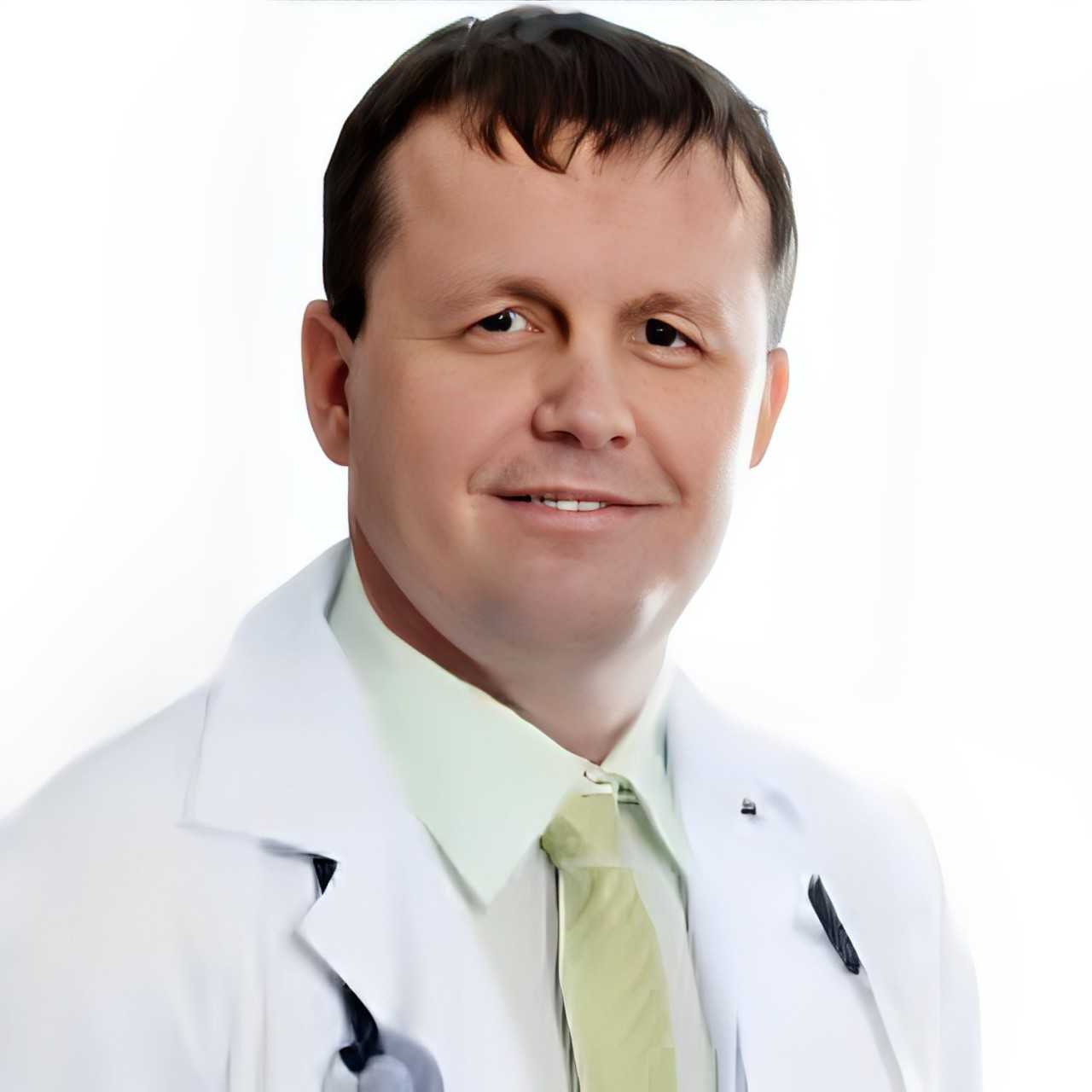
MUDr. Milan Hric
CellCenter - Stem Cell Therapy in Malacky, Bratislava, Slovakia
- Regenerative Medicine Specialist
Bratislava, Slovakia
Standarde europene de siguranță fără compromisuri
Ascensiunea Slovaciei ca destinație de top pentru terapia cu celule stem este fundamental înrădăcinată în încredere și siguranța clinică. În calitate de stat membru angajat al Uniunii Europene, cadrul de asistență medicală al țării este strict aliniat cu Agenția Europeană pentru Medicamente (EMA). Acest lucru asigură că fiecare clinică care lucrează cu medicamente pentru terapie avansată (ATMP) operează în medii cu camere sterile, strict reglementate și certificate ISO.
Pacienții internaționali sunt atrași de acest mediu deoarece beneficiază de protocoale de procesare celulară de ultimă generație, fără ambiguitatea etică sau standardele de siguranță laxe întâlnite uneori pe piețele offshore nereglementate.
Un centru de expertiză medicală specializată
Țara se mândrește cu o forță de muncă medicală incredibil de bine educată, puternic susținută de instituții precum renumita Universitate Comenius din Bratislava. Cercetătorii și clinicienii slovaci participă activ la cercetarea internațională a celulelor stem, ceea ce duce la protocoale incredibil de inovatoare și brevetate - în special în utilizarea celulelor stem mezenchimale derivate din țesut adipos pentru repararea ortopedică.
Dincolo de injecții, clinicile slovace excelează în asistența postoperatorie, îmbinând perfect biotehnologia modernă cu tradițiile naționale de reabilitare și balneoterapie (terapie spa), renumite în întreaga lume, oferind o cale holistică către recuperare.
Accesibilitate și valoare economică de neegalat
Din punct de vedere geografic și economic, Slovacia reprezintă un „punct ideal” strategic. Bratislava este excepțional de accesibilă, fiind situată la doar 45 de minute de mers cu mașina de Aeroportul Internațional Viena (VIE), ceea ce o face o călătorie ușoară atât pentru pacienții nord-americani, cât și pentru cei europeni.
În plus, costul vieții și administrarea medicală în Europa Centrală sunt semnificativ mai mici decât în Germania, Elveția sau SUA. Acest lucru se traduce direct în beneficiul pacientului; acesta beneficiază de exact aceeași tehnologie de calibru UE, expertiză medicală și infrastructură dedicată de asistență pentru pacienți, dar la o fracțiune din cost, ceea ce face ca medicina regenerativă de talie mondială să fie viabilă din punct de vedere financiar.
Navigarea prin peisajul complex al medicinei regenerative în străinătate poate părea copleșitoare, dar PlacidWay este aici pentru a vă servi drept avocat medical dedicat. Ne specializăm în conectarea pacienților internaționali cu experți în domeniul sănătății de încredere și verificați, asigurându-ne că parcursul dumneavoastră către vindecarea celulară este sigur, transparent și coordonat perfect.
Verificare riguroasă a furnizorilor
Colaborăm exclusiv cu clinici care îndeplinesc standarde internaționale riguroase de siguranță și dețin acreditări europene verificate, asigurându-ne că sunteți tratați doar de profesioniști medicali de top.
Consultații virtuale directe
Înainte de a vă angaja să călătoriți, facilităm consultații video securizate direct cu specialistul, permițându-vă să discutați despre afecțiunea dumneavoastră specifică și fezabilitatea tratamentului.
Transferul dosarului medical
Echipa noastră vă ajută să compilați și să transferați în siguranță istoricul dumneavoastră medical, scanările RMN și rapoartele de laborator direct către clinică pentru o evaluare prealabilă precisă.
Transparența costurilor
Oferim oferte personalizate și extrem de detaliate, direct de la clinici, asigurându-vă că înțelegeți exact ce implică protocolul, fără costuri ascunse.
Coordonare completă a îngrijirii
De la programarea analizelor de laborator până la organizarea datelor terapiei, coordonatorii noștri gestionează întregul itinerar clinic, astfel încât să vă puteți concentra în întregime pe vindecare.
Asistență postoperatorie continuă
Asistența noastră nu se termină odată ce părăsiți clinica. Vă ajutăm să mențineți liniile de comunicare pentru evaluările dumneavoastră cruciale de urmărire și pentru întrebările medicale în curs de desfășurare.
Fă pasul decisiv către îmbunătățirea calității vieții tale. Contactează PlacidWay astăzi pentru a explora opțiunile, a solicita o evaluare gratuită a cazului tău și a începe să-ți planifici călătoria personalizată cu terapie cu celule stem în Slovacia, cu încredere deplină.
Obțineți o ofertă personalizată gratuită


.png)














Share this listing