


.png)
Contents
Explore Stem Cell Therapy Mexico for Tendon Injuries
A severe tendon tear whether it is a painful rotator cuff injury, a debilitating Achilles tear, or chronic tennis elbow can instantly bring an active lifestyle to a grinding halt. Traditionally, patients faced a difficult choice: endure months of inadequate physical therapy or undergo invasive orthopedic surgery followed by a long, painful rehabilitation. Today, a revolutionary alternative is taking center stage. Stem cell therapy offers a powerful, non-surgical solution to repair torn tendons from the inside out, and Mexico has rapidly become the premier destination for this advanced regenerative treatment.
The magic of stem cell therapy lies in its ability to harness the body’s own healing mechanisms. Tendons naturally have a very poor blood supply, which is why they take so long to heal and are prone to chronic re-injury. By injecting highly concentrated, expanded Mesenchymal Stem Cells (MSCs) directly into the tear using precise ultrasound guidance, doctors can deliver a massive payload of growth factors. These cells reduce inflammation, prevent scar tissue formation, and stimulate the regeneration of healthy, elastic collagen fibers.
Patients from the United States and Canada are flocking to medical hubs like Tijuana, Cancun, and Guadalajara because of Mexico’s highly favorable biological regulatory environment. Unlike in the U.S., where strict FDA regulations limit the culturing and expansion of stem cells, Mexican clinics operate under COFEPRIS guidelines that allow labs to safely multiply stem cells into the millions. This means you receive a significantly more potent, high-dose treatment capable of tackling severe tissue damage.
Choosing Mexico for your tendon repair means accessing elite sports medicine specialists and state-of-the-art biological laboratories at a fraction of the cost found north of the border. It is a seamless, minimally invasive approach designed to get you back to the sports, work, and daily activities you love, without the downtime of traditional surgery.
Did You Know?
Stem cells have a remarkable biological property known as "paracrine signaling." When injected into a torn tendon, they act like project managers on a construction site. Even if the stem cells don't permanently become tendon cells themselves, they release powerful chemical signals that command your body's local cells to wake up, migrate to the injury, and start repairing the tissue!
Key Insights at a Glance
Avoid the lengthy downtime, scarring, and surgical risks associated with traditional orthopedic tendon repair.
Mexican clinics are legally permitted to expand stem cells, providing millions of potent MSCs per injection.
Specialists use real-time diagnostic ultrasound to guide the injection directly into the micro-tears of the tendon.
Treatments are typically 50% to 70% more affordable than comparable, high-dose regenerative therapies in the U.S.
Access to highly vital Wharton’s Jelly MSCs derived from ethically donated, screened umbilical cord tissue.
The procedure is minimally invasive, allowing you to fly home within a few days of receiving the injection.
The Pro-Athlete Secret
For years, elite professional athletes (like NFL quarterbacks and European soccer stars) have traveled internationally to receive high-dose stem cell injections for joint and tendon injuries. They do this because it drastically shortens their recovery timeline and preserves the mechanical integrity of the joint better than surgery. Now, this same elite medical care is accessible to everyday patients in Mexico!
Navigating regenerative medicine abroad is effortless when you select a comprehensive treatment package. In the section below, we highlight the top biological clinics and orthopedic centers in Mexico that offer all-inclusive stem cell bundles. These packages typically cover your specialist consultations, diagnostic ultrasounds, the precise high-dose stem cell injection, local anesthesia, and follow-up guidelines. By choosing a bundled package, you secure transparent pricing and a cohesive medical experience managed by experts in regenerative orthopedics.
Note: Comprehensive packages ensure that all laboratory costs for cell expansion and purification are included upfront, preventing any hidden fees.
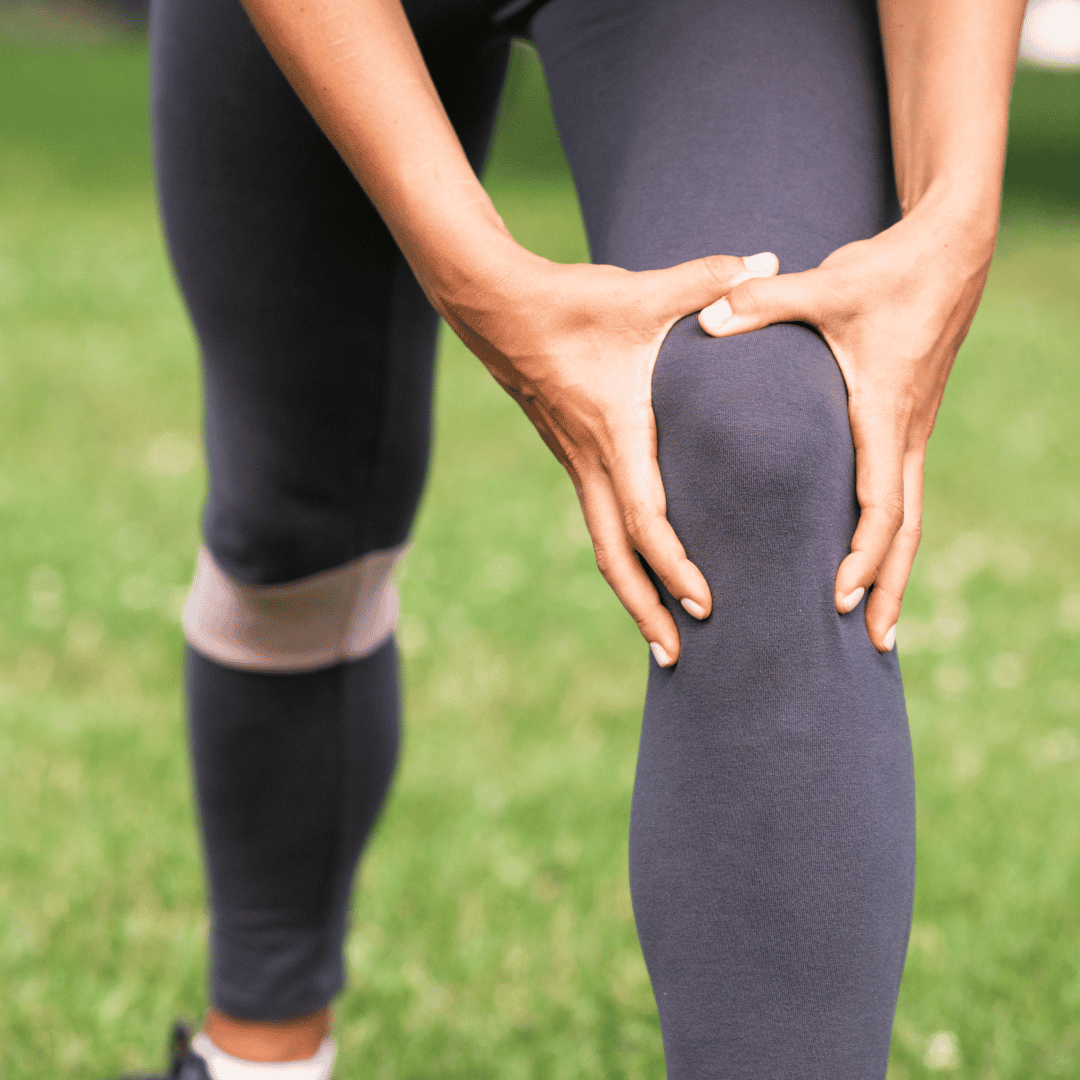
Price starting from $5,000
Stem Cell Therapy for Tendon Tear Package in Monterrey, Mexico by Stem Solutions
Stem Solutions
- Stem Cell Therapy
Monterrey,San Pedro Garza Garcia, Mexico
Understanding the financial investment is critical for patients seeking alternatives to costly orthopedic surgery. The table below provides a transparent breakdown of average costs for tendon stem cell therapy in Mexico compared to the United States. While high-dose, expanded MSC treatments are heavily restricted and incredibly expensive in the U.S., Mexico’s advanced regulatory environment allows clinics to offer superior cell counts at highly accessible price points. Use this data to plan your regenerative journey with absolute financial confidence.
Tip: Always ask the clinic for the exact "cell count" (e.g., 25 million vs. 50 million MSCs) included in the quote, as dosage is the primary driver of cost and efficacy.
Stem Cell Therapy for Tendon and Ligament Tears Centers Cost Comparison in Mexico
| Provider | Procedure | Price |
|---|---|---|
| Stem Solutions | Stem Cell Therapy for Tendon and Ligament Tears, Stem Cell Therapy | $5000 |
| CellsTime Clinique Tijuana | Stem Cell Therapy for Tendon and Ligament Tears, Stem Cell Therapy | $4000 |
Stem Cell Therapy for Tendon and Ligament Tears Cost Comparison in Mexico
| Country | Procedure | Price |
|---|---|---|
| United States | Stem Cell Therapy for Tendon and Ligament Tears, Stem Cell Therapy | $35000 |
Delivering live biological cells into a damaged tendon requires immaculate clinical standards and specialized diagnostic tools. We have identified a select group of premier medical centers across Mexico that focus intensely on sports medicine and regenerative cell therapy. These facilities are vetted for their on-site certified laboratories, highly trained orthopedic injection specialists, and adherence to stringent COFEPRIS regulations. Explore the profiles below to find a facility renowned for joint and tendon repair.
Safety First: Ensure your chosen clinic uses certified "clean rooms" for cell handling and relies on targeted ultrasound guidance, rather than blind injections.
MexStemCells Clinic
Mexico City, Mexico

Regenerative Medicine - Stem Cells by ITC
Tijuana, Mexico
Instituto de Terapia Celular - Stem Cell Guadalajara Mexico
Tijuana,Guadalajara, Mexico

Stem Solutions
Monterrey,San Pedro Garza Garcia, Mexico
CellsTime Clinique Guadalajara
Guadalajara, Mexico
LONVIDA - Regenerative Medicine in Mexico City
Mexico City, Mexico
For many, the idea of replacing orthopedic surgery with a simple injection seems too good to be true. The video testimonials below showcase real stories from active individuals who traveled to Mexico to heal their chronic tendon tears. Watch these videos to hear their candid experiences with the injection process, the timeline of their pain relief, and their triumphant return to sports, weightlifting, and pain-free daily living without having gone under the knife.
Insight: Pay attention to videos detailing the post-injection physical therapy process, as adhering to rehab guidelines is crucial for maximizing the stem cells' regenerative potential.
Verified reviews offer an honest look at the quality of care and long-term efficacy of the treatment. In this section, you will find detailed feedback from patients who entrusted Mexican specialists with their torn rotator cuffs, Achilles tendons, and lateral epicondylitis (tennis elbow). Read through their comments regarding the clinic's professionalism, the reduction in their pain scores over subsequent months, and their overall satisfaction with choosing regenerative medicine over traditional surgery.
Review Tip: Look for reviews that mention the patient's progress at the 3-month and 6-month marks, as true tissue regeneration takes time to fully manifest.

What are the Benefits of Stem Cell Therapy for Ligament Injuries in Mexico?
Stem cell therapy for ligament injuries in Mexico offers high-dose treatments using cultured stem cells (often 100 million+) that are not widely available in the US due to FDA restrictions. Benefits include significant cost savings (50-70% less), accelerated healing for ACL and MCL tears, and the ability to potentially avoid reconstructive surgery. For athletes and active individuals, a torn ligament—whether it's the ACL in the knee or the UCL in the elbow—can feel like a career-ending sentence. In the US, the standard answer is often surgery, followed by a year of grueling rehab. However, just across the border in Mexico, a quiet revolution in sports medicine is taking place. Mexico has become a global destination for orthopedic stem cell therapy because its regulatory framework allows for the use of "cultured" or expanded stem cells. This means doctors can take a small sample of your cells, grow them in a lab into the hundreds of millions, and inject a massive, potent dose directly into your injured ligament. This level of potency is currently restricted in the United States, where treatments are often limited to lower-dose, same-day procedures. In this guide, we will explore why professional athletes and weekend warriors are flocking to clinics in Tijuana, Cancun, and Guadalajara. We'll look at the real science behind healing partial tears, the safety protocols you need to check for, and the stark cost differences that make this premium therapy accessible. How does stem cell therapy help heal ligament injuries? Stem cells act as "general contractors" for tissue repair. When injected into a torn ligament, they reduce inflammation, signal the body to create new collagen fibers, and can differentiate into fibroblast-like cells that rebuild the ligament structure. This helps close partial tears and strengthens the tissue without the scar formation typical of surgery. Ligaments have a notoriously poor blood supply, which is why they struggle to heal on their own. [Image of ligament structure and blood supply] High-dose stem cell therapy changes this environment. By introducing a concentrated flood of regenerative cells and growth factors, doctors can "wake up" the healing response in the white (avascular) zones of the ligament. In Mexico, clinics often combine stem cells with Exosomes and PRP (Platelet Rich Plasma) to create a "bio-scaffold" that holds the cells in place right at the tear site, maximizing their effectiveness. Can it treat ACL and MCL tears without surgery? For partial tears (Grade 1 and 2) and some non-retracted complete tears, yes. Stem cell therapy has shown success rates of over 80% in regenerating ligament fibers and restoring stability. However, for a fully ruptured and retracted ACL (where the ends have snapped apart), surgery is usually still required to mechanically reconnect the tissue. The key phrase here is "non-retracted." If the ligament fibers are still touching or close together, stem cells can bridge the gap. Advanced clinics in Mexico use fluoroscopy (live X-ray) or ultrasound to visualize the tear and ensure the cells are placed exactly where the fibers are frayed. What is the cost difference: Mexico vs. USA? In Mexico, a high-dose cultured stem cell treatment (100 million+ cells) typically costs between $3,000 and $8,000 USD. In the US, a comparable treatment (if available via clinical trial) or a lower-dose bone marrow aspirate can cost $5,000 to $10,000 USD, often for far fewer viable cells. You aren't just saving money; you are often getting a superior product. In the US, "same-day" bone marrow stem cell treatments might yield 50,000 to a few million stem cells. In Mexico, because labs are permitted to culture cells, you receive a therapeutic dose that is exponentially higher—often 50 to 100 times the cell count for a lower price. Treatment Type Mexico Cost (Estimated) US Cost (Estimated) Cell Count (Approx.) Cultured Stem Cells (expanded) $3,000 - $8,000 Not generally avail.* 100 - 300 Million Bone Marrow Aspirate (BMAC) $2,000 - $4,000 $5,000 - $8,000 High thousands - Low millions PRP (Platelet Rich Plasma) $300 - $600 $800 - $1,500 N/A (Growth factors only) *Cultured cells in the US are restricted to specific FDA-approved clinical trials. Are the clinics in Mexico regulated and safe? Yes, legitimate clinics are regulated by COFEPRIS (Mexico's equivalent of the FDA). Reputable centers operate with high safety standards, using ISO-certified laboratories to culture cells. However, due diligence is essential; always verify a clinic's COFEPRIS license before booking. Mexico has a robust medical tourism infrastructure, but "pop-up" clinics exist. Top-tier facilities in locations like Tijuana and Cancun function like mini-hospitals, with board-certified orthopedic surgeons and sterile operating rooms. They follow strict protocols to ensure the cells are free from contamination and genetic abnormalities. What is the recovery time compared to surgery? Recovery is drastically shorter. Patients walk out of the clinic the same day. While you must rest the joint for 2-4 weeks to allow the cells to settle, most patients return to light activity in 4-6 weeks and full sports in 3-4 months, compared to the 9-12 month timeline for ACL reconstruction surgery. Surgery involves trauma—drilling into bone, harvesting tendons, and significant muscle atrophy during recovery. Stem cell injections are minimally invasive. There are no incisions to heal, less risk of infection, and you maintain your natural joint mechanics (proprioception), which is often lost with surgical grafts. What types of stem cells are used? Clinics primarily use Mesenchymal Stem Cells (MSCs). These can be Autologous (from your own fat or bone marrow) or Allogeneic (from donor umbilical cord tissue). Donor cells are popular in Mexico because they are "younger," more potent, and don't require a painful harvest procedure from the patient. Umbilical Cord Tissue (Wharton's Jelly): These are the "gold standard" in many Mexican clinics. They are immune-privileged (no rejection risk) and have a higher capacity for replication and healing than stem cells taken from an older patient's own body. Is this good for "Sports Injuries" specifically? Yes, it is highly favored by athletes. Beyond ligaments, it treats tendonitis (Tennis Elbow, Achilles), muscle tears, and cartilage damage. The therapy reduces downtime and helps repair the "micro-trauma" that accumulates in an athlete's body over time. Ready to get back in the game? If you are tired of being sidelined by a ligament injury and want to explore options beyond surgery, Mexico offers world-class regenerative care. PlacidWay Medical Tourism can connect you with COFEPRIS-certified clinics to review your MRI and provide a free treatment plan.
What to Expect from Tendon Injury Stem Cell Therapy in Mexico?
Patients can expect a safe, minimally invasive procedure using high-dose expanded mesenchymal stem cells, with costs ranging from $3,500 to $8,000, and a recovery timeline significantly shorter than surgery. Are you struggling with a nagging tendon injury that just won't heal? You're not alone. Tendonitis, tears, and chronic pain are frustratingly common, often leaving active people sidelined and searching for answers beyond cortisone shots or invasive surgery. This brings us to a rapidly growing solution: tendon injury stem cell therapy in Mexico. If you've heard the buzz but aren't sure what to believe, you're in the right place. To put it simply, seeking treatment in Mexico offers access to advanced regenerative medicine protocols—specifically "expanded" stem cells—that are often unavailable or prohibitively expensive in the United States and Canada. This allows for a more potent treatment at a fraction of the cost, without sacrificing safety or quality. But it's natural to have questions. Is it safe? How does the process work? And is it really worth the trip? In this guide, we’ll walk you through everything you need to know. We’ll ditch the medical jargon and talk like real people, covering the entire journey from the initial consultation to your return home. We will explore the benefits, the potential risks, and the real-world logistics of getting regenerative medicine in Mexico. Whether you are a professional athlete or just want to get back to gardening without pain, understanding these options can be a game-changer for your recovery. What is stem cell therapy for tendon injuries? Stem cell therapy is a regenerative procedure where potent cells are injected into damaged tendons to stimulate repair, reduce inflammation, and regenerate tissue naturally. Stem cell therapy is a cutting-edge approach to healing that moves beyond just managing symptoms. Instead of masking pain with medication or physically sewing tissue back together with surgery, this therapy utilizes the body's own "building blocks." When injected into an injured tendon—like a rotator cuff or Achilles—these cells go to work by signaling your body to repair the damaged fibers. In Mexico, clinics often use Mesenchymal Stem Cells (MSCs). These are special because they have a unique ability to differentiate into various tissue types, including tendon and ligament cells. More importantly, they act as "managers" of the healing process, releasing growth factors that reduce inflammation and organize the repair of the tissue architecture. This therapy is particularly effective for chronic degenerative tendon conditions (tendinopathy) where the tissue has started to break down, as well as for partial tears. It offers a bridge between conservative physical therapy and aggressive surgical intervention. How much does stem cell therapy for tendon injuries cost in Mexico? The average cost for tendon injury stem cell therapy in Mexico ranges from $3,500 to $8,000, depending on the number of injections and the type of cells used. One of the biggest drivers for medical tourism is cost. In Mexico, you can expect to pay significantly less than you would in the US for a superior treatment protocol. The price typically includes the medical consultation, the stem cell product (often comprising millions of expanded cells), the procedure itself, and follow-up monitoring. It is important to note that "cheaper" does not mean "lower quality." The lower costs are largely due to the lower cost of living and operation in Mexico, as well as different insurance regulations for doctors. A package that costs $5,000 in Tijuana might cost upwards of $15,000 to $25,000 in the US for a similar (or sometimes inferior) cell count. Most clinics offer transparent, all-inclusive pricing. However, you should always clarify if the quote includes pre-procedure imaging (like MRIs) or transportation from the airport. High-end packages may even include hotel stays. Cost Comparison: Mexico vs. USA vs. Canada Patients can save 50% to 70% in Mexico compared to the US, while avoiding the long wait times and lack of availability often found in Canada. To give you a clearer picture of the financial landscape, we have broken down the approximate costs for treating a major tendon injury (like a shoulder or knee) across these three regions. Keep in mind that "Expanded Cells" (culturing cells to increase their numbers) is the gold standard but is heavily restricted in the US. Feature Mexico United States Canada Average Cost $3,500 - $8,000 $8,000 - $25,000+ $10,000 - $20,000 (Private) Cell Type Allowed Expanded MSCs (High Dose) Non-expanded (Low Dose) Highly Restricted / Unavailable Wait Time None (Immediate) Variable Months to Years (Public System) Regulatory Body COFEPRIS FDA Health Canada For Canadians, the issue is often access rather than just price. Elective regenerative procedures are rarely covered by provincial health plans, and private options are scarce. For Americans, the restriction on expanding cells means they pay more for a treatment that contains fewer active stem cells. Why is stem cell therapy in Mexico different from the US? Mexican regulations allow laboratories to culture and expand stem cells, enabling clinics to administer doses of 100 million+ cells, whereas US regulations generally limit treatments to lower counts. The main difference lies in the regulatory framework. In the United States, the FDA classifies expanded stem cells as a drug, which requires years of clinical trials before they can be sold publicly. Therefore, US doctors are generally limited to "same-day" procedures where they harvest your fat or bone marrow and reinject it immediately. This "soup" contains stem cells, but the numbers are relatively low. In contrast, Mexico's COFEPRIS allows certified labs to culture these cells. This means they can take a small sample (or use donor cells), put them in an incubator, and grow them until they reach numbers in the hundreds of millions. This high dosage is critical for tackling stubborn tendon injuries that have low blood flow. This regulatory difference is why many professional athletes travel to Mexico. They aren't just looking for a discount; they are looking for a more potent therapy that is currently tangled in red tape back home. Is stem cell therapy for tendon injuries safe? Yes, when performed in licensed clinics by certified specialists, the procedure is considered safe with minimal risks, primarily limited to minor injection site soreness. Safety is the top concern for anyone traveling for medical care. In Mexico, reputable clinics operate under strict sanitary licenses and use labs that follow Good Manufacturing Practices (GMP). The Mesenchymal Stem Cells (MSCs) used—especially those from umbilical cord tissue—are "immune privileged," meaning the patient's body rarely rejects them. That said, safety depends heavily on where you go. You must choose a clinic that is fully licensed by COFEPRIS for regenerative medicine. Avoid "bargain basement" shops that cut corners. Legitimate medical centers use ultrasound guidance to ensure the needle enters the tendon sheath precisely, avoiding nerve or blood vessel damage. Common side effects are mild and temporary. You might feel some stiffness or aching in the joint for 24 to 48 hours after the injection, which is actually a sign that the inflammatory healing response has been triggered. What types of stem cells are used in Mexico? Mexican clinics primarily use Allogeneic (donor) mesenchymal stem cells from umbilical cord tissue, or Autologous (patient's own) cells from bone marrow or adipose tissue. The most popular choice in Mexico today is Allogeneic Mesenchymal Stem Cells derived from Wharton’s Jelly in the umbilical cord. These are harvested from healthy, screened births (not embryonic). These cells are young, vibrant, and have a high capacity for replication, making them ideal for older patients whose own stem cells might be aging. Alternatively, some patients prefer Autologous Stem Cells. This involves a mini-liposuction to harvest fat or a bone marrow aspiration from the hip. While this uses your own DNA, it requires two procedures (harvesting and injection) and the cell quality depends on your age and health. For tendon repair, the high-dose umbilical cord cells are often preferred for their potent anti-inflammatory properties. What is the success rate for tendon repair? Success rates for treating partial tendon tears and tendinopathy are generally high, ranging between 70% and 85% for patient reported pain relief and functional improvement. While no medical procedure guarantees 100% success, the data for stem cell therapy in orthopedics is promising. For partial tears (where the tendon is damaged but not completely severed), patients frequently report significant pain reduction and improved range of motion. Success is defined not just by MRI images, but by functionality. Can you lift your arm again? Can you run without pain? Most patients see these improvements within 3 to 6 months. However, for complete, retracted tendon ruptures, stem cells alone are usually not enough. In those cases, surgery might be required to reattach the tendon, potentially followed by stem cells to accelerate the healing. How long is the recovery time? Recovery is rapid; patients walk out the same day, return to light daily activities within 3-5 days, and can often resume sports in 3 to 4 months. Compared to surgery, which can require 6 to 12 months of rehab, stem cell recovery is a breeze. Since there are no incisions to heal, the downtime is minimal. You will likely be told to rest the injured area completely for the first few days to allow the cells to "settle" and attach to the target tissue. After the first week, you will start gentle physical therapy. This is crucial—movement stimulates the stem cells to align into collagen fibers. By week 6, many patients feel significantly better, though it is vital not to rush back into heavy lifting or sprinting until your doctor gives the green light, usually around the 3-month mark. Are there any side effects I should worry about? Side effects are rare and typically mild, including temporary swelling, redness, or low-grade fever, which usually resolve within 24 hours. Serious complications like infection are extremely rare when the procedure is done in a sterile, clinical environment. The most common complaint is a "flare-up" of pain immediately following the injection. This is caused by the volume of fluid entering a tight space and the body's initial immune reaction. Doctors will often advise you not to take anti-inflammatory medications (like Ibuprofen or NSAIDs) for a few weeks, as these can actually blunt the positive healing response the stem cells are trying to create. Tylenol is usually recommended for pain management instead. How do I know if I am a good candidate? Ideal candidates are those with chronic tendonitis, partial tears, or joint pain who have not responded to physical therapy and wish to avoid surgery. Not everyone is a perfect fit. Doctors will request your MRI scans and medical history before you even book a flight. If you have active cancer, a severe infection, or a complete tendon rupture where the ends have pulled apart, you may be disqualified. However, if you have conditions like Tennis Elbow, Golfer's Elbow, Patellar Tendonitis, or a partial Rotator Cuff tear, you are likely an excellent candidate. Age is less of a barrier with allogeneic (donor) cells, as the potency comes from the donor, not your own aging body. Is the procedure painful? The procedure involves mild discomfort similar to a standard injection; local anesthesia is used to numb the area, making it very tolerable. Most patients describe the sensation as a pressure or a pinch. The doctor will use a local anesthetic (like lidocaine) to numb the skin and the path down to the tendon. Because the injection is guided by ultrasound or fluoroscopy, the needle placement is precise, minimizing unnecessary poking. If you are particularly anxious or have a low pain threshold, many clinics can offer mild sedation or anxiolytics to help you relax during the 30 to 60-minute session. How many treatments will I need? Most patients see significant results with just one high-dose treatment, though severe cases may require a booster injection 6 months later. One of the advantages of the high-dose protocols available in Mexico (100 million+ cells) is that it is often a "one-and-done" affair for many injuries. The massive influx of cells provides a strong enough signal to kickstart permanent healing. In contrast, low-dose treatments in the US might require 2 or 3 trips to achieve the same effect. Of course, every body is different. Some degenerative conditions are progressive and might benefit from a maintenance dose a year or two down the line, but for a specific traumatic injury, a single session is usually sufficient. How do I choose a reputable clinic in Mexico? Look for clinics with a COFEPRIS license, board-certified doctors, verified patient reviews, and transparent protocols regarding cell origin and counting. Due diligence is key. Do not just go for the cheapest option on a Facebook ad. Ask for the doctor's credentials—many top specialists in Tijuana, Cancun, and Guadalajara have trained in the US or Europe. Ask specifically about their cell verification: Do they have a flow cytometry report that proves the cells are alive and viable? Reputable clinics will be happy to have a video consultation with you, review your MRIs, and explain their exact protocol. If they are vague about where the cells come from or cannot show you their license, walk away. Does insurance cover stem cell therapy in Mexico? No, standard health insurance policies generally do not cover stem cell therapy abroad as it is considered an elective or experimental procedure. You should plan to pay out of pocket. While some HSAs (Health Savings Accounts) or FSAs might technically reimburse for medical procedures, international regenerative medicine is rarely approved. However, financing options are often available through third-party medical lenders, or the clinics themselves may offer payment plans. Even without insurance, the total cost including travel is often lower than the deductible and co-pays associated with major surgery in the US, especially when you factor in lost wages from long recovery times. What is the travel process like? Most clinics offer a concierge service that includes airport pickup, private transportation to the clinic and hotel, and assistance with crossing the border. Medical tourism in Mexico is a well-oiled machine. If you are going to Tijuana, for example, you typically fly into San Diego. The clinic's driver picks you up right at the airport or just across the border, drives you to your appointment, and takes you to a partner hotel. You don't need to rent a car or navigate confusing streets. For locations like Cancun or Puerto Vallarta, it feels more like a vacation. You fly directly into the international airport, and the clinic handles the logistics. It is a stress-free way to focus entirely on your healing. Comparison: Stem Cells vs. Surgery Stem cell therapy offers a non-invasive alternative with zero risk of scar tissue formation, whereas surgery carries risks of infection, anesthesia complications, and long rehab. Surgery is structural; it mechanically fixes a problem but involves trauma to the body. Stem cells are biological; they influence the tissue to heal itself. Surgery permanently alters your anatomy—once you cut a tendon, it never heals back to its original 100% strength and elasticity. Stem cell therapy attempts to restore the natural tissue structure. While surgery is sometimes unavoidable for catastrophic injuries, regenerative medicine is increasingly seen as the first line of defense to try before going under the knife. Can I combine this with other treatments? Yes, stem cell therapy is often combined with PRP (Platelet-Rich Plasma) or Ozone therapy to enhance the healing environment and boost cell activity. Many Mexican clinics offer "stacked" protocols. They might mix the stem cells with PRP (drawn from your own blood) which acts as a "fertilizer" for the stem cells. Some also use Ozone therapy to improve oxygenation in the tissue. These combinations are designed to give the stem cells the best possible chance of survival and effectiveness. What happens if it doesn't work? If the therapy does not yield the desired results, you can still opt for surgery later, as the procedure does not "burn bridges" or alter your anatomy negatively. This is a crucial point for peace of mind. Trying stem cell therapy is a low-risk bet. In the worst-case scenario, if you fall into the small percentage of non-responders, you haven't done any harm. You can still proceed with traditional surgery down the road. You simply tried the conservative, regenerative route first. Is there an age limit for this therapy? There is no strict upper age limit; elderly patients can benefit significantly, especially when using donor cells that are young and potent. Regenerative medicine is not just for young athletes. In fact, older adults often benefit the most because their bodies have slowed down their natural repair processes. By introducing young, robust stem cells from a donor, you are essentially borrowing the healing capacity of a much younger person. Patients in their 70s and 80s frequently undergo these treatments to maintain mobility and independence. Ready to Heal Your Tendon Injury Without Surgery? Don't let pain dictate your life any longer. Explore safe, affordable, and advanced stem cell options in Mexico today with PlacidWay Medical Tourism. Explore Stem Cell Packages on PlacidWay
Successfully regenerating a tendon requires more than just high-quality biological materials; it requires a doctor with a profound understanding of musculoskeletal anatomy. We have compiled a list of Mexico's elite orthopedic and sports medicine specialists who have dedicated their practices to regenerative medicine. These experts are distinguished by their mastery of ultrasound-guided injections and their clinical success in reversing chronic tendon damage.
Board-Certified Orthopedists
Experts in Musculoskeletal Anatomy
Unlike wellness spas offering generic injections, top treatments are administered by specialized orthopedic surgeons who understand the complex mechanics of tendons, ligaments, and joints, ensuring the therapy targets the exact root cause of your pain.
Regenerative Medicine Pioneers
Masters of Biological Healing
These specialists work closely with certified cellular laboratories. They understand how to correctly dose and combine Mesenchymal Stem Cells with Platelet-Rich Plasma (PRP) to create the ultimate biological scaffold for tendon regeneration.
Interventional Ultrasonographers
Precision Image-Guided Specialists
Injecting stem cells "blindly" is ineffective. The top Mexican specialists utilize high-resolution, real-time ultrasound mapping to visually guide the needle millimeter by millimeter into the exact site of the tendon tear, maximizing therapeutic results.
Dr. Jose Alejandro Robert Montenegro
Stem Health | Leading Stem Cell Clinic in Tijuana, Mexico
- Stem Cell Therapy
Tijuana, Mexico
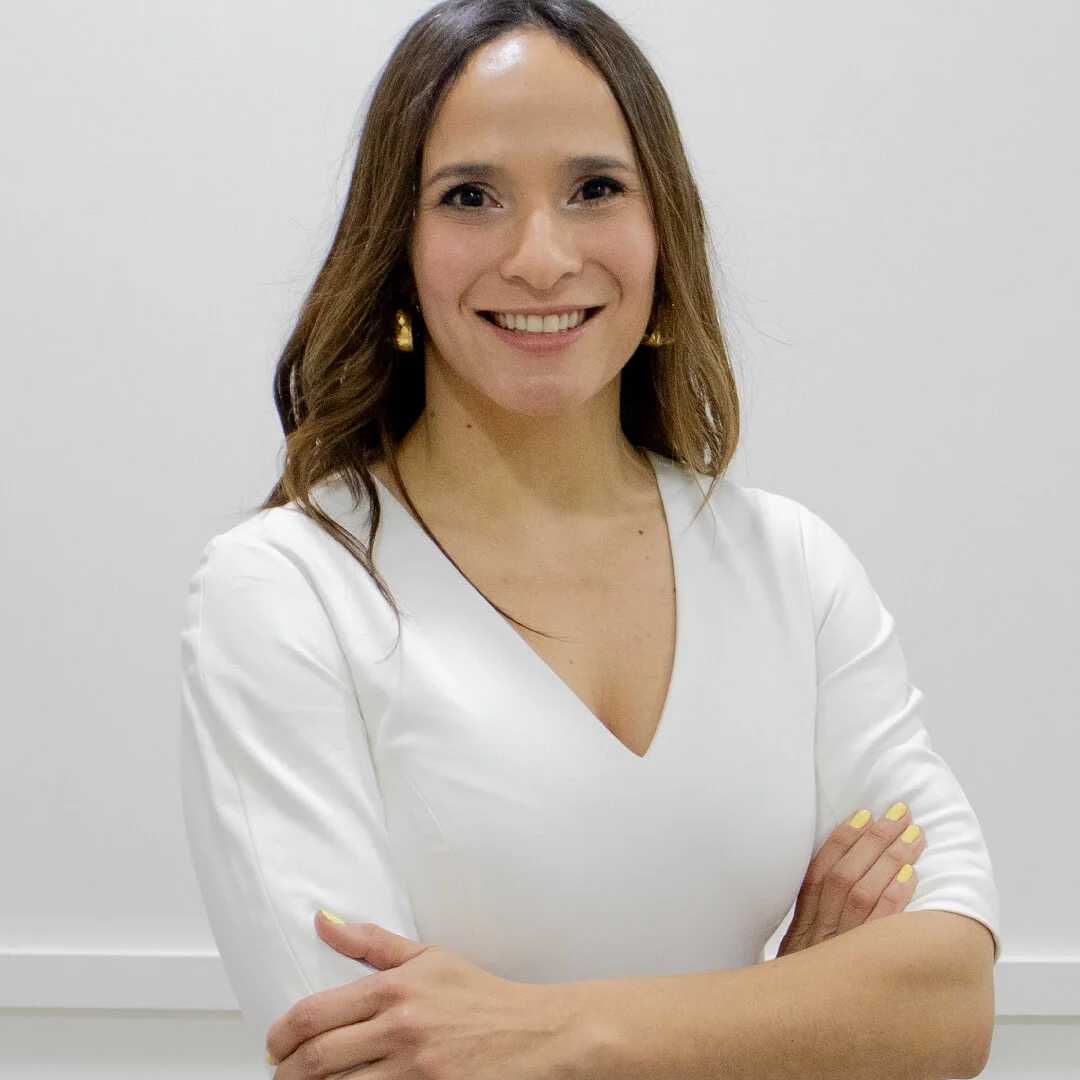
Dr. Anna Lara Kattan MD, MSc
Stem Solutions
- Sports medicine specialist
San Pedro Garza Garcia, Mexico

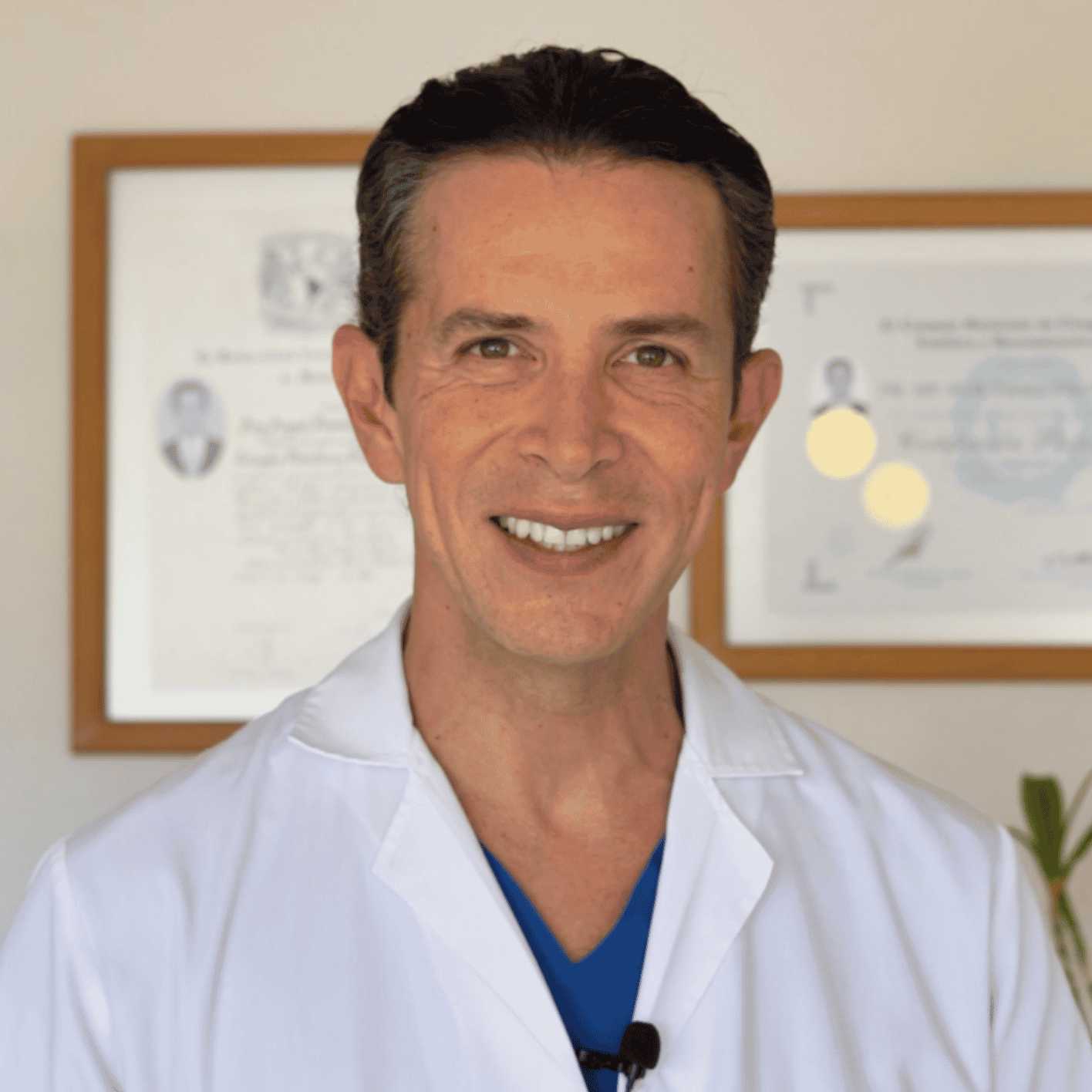
Dr. Ary Papadopulos
Dr. Ary Papadopulos - Stem Cell Mexico City Clinic for Anti-Aging
- Anti-Aging Medicine
Mexico City, Mexico
Advanced Regulatory Framework
The primary driver of patients to Mexico is scientific legality. Mexican health authorities recognize the profound benefits of stem cell expansion. While North American doctors are legally bound to inject only the small number of stem cells they can immediately spin out of a patient's fat or bone marrow, Mexican laboratories can legally culture umbilical MSCs into the tens of millions. This high-dosage protocol is scientifically proven to yield far superior tissue regeneration and anti-inflammatory results.
World-Class Biological Infrastructure
Mexico is not just a place for cheaper care; it is a true biotechnology hub. Cities like Guadalajara and Tijuana boast multimillion-dollar laboratory facilities that adhere to rigorous ISO clean-room standards. These clinics are heavily invested in cryopreservation, cell viability testing, and advanced diagnostic imaging, ensuring that the biological product you receive is safe, pure, and highly active.
Massive Financial Relief for Uncovered Treatments
Because stem cell therapy is still considered "experimental" by most US and Canadian insurance providers, patients must pay 100% out of pocket. For many, spending $15,000+ per joint in the US is impossible. Mexico offers elite, high-dose treatments for a fraction of that cost, democratizing access to cutting-edge science and allowing everyday patients to avoid the immense physical and financial toll of traditional orthopedic surgery.
You do not have to settle for chronic tendon pain or risky orthopedic surgery. PlacidWay serves as your trusted partner, connecting you with elite, vetted regenerative specialists in Mexico to ensure a transparent, secure, and highly effective path to healing.
Rigorous Clinic Vetting
We pre-screen biological clinics to ensure they operate under strict COFEPRIS regulations and utilize certified clean-room laboratories for cell handling.
Cost Transparency
We facilitate direct, no-obligation quotes, helping you clearly compare the dosages (cell counts) and financial inclusions between top-tier Mexican clinics.
Direct Specialist Access
We help arrange initial virtual consultations so you can discuss your MRI results directly with an orthopedic specialist to confirm your candidacy.
Treatment Plan Coordination
We assist you in understanding the clinical timeline, ensuring you know exactly what to expect from your initial diagnostic ultrasound to your final injection.
Information Empowerment
We provide authentic patient reviews and detailed clinical profiles, empowering you to make an educated, data-driven choice for your joint health.
Patient Advocacy
Our dedicated clinical coordination team is available to guide you through the inquiry process, helping you ask the right medical questions before you commit.
Take the first step toward avoiding surgery and reclaiming your active lifestyle. Contact PlacidWay today to receive a personalized quote and begin planning your regenerative treatment in Mexico with absolute confidence.
Get Your Free Personalized Quote.png)

.png)













Share this listing