内容
日本平价植发干细胞疗法——重拾自信
许多饱受头发稀疏、发际线后移或各种脱发困扰的人常常觉得传统疗法效果有限或只能暂时缓解症状。然而, 日本毛发干细胞疗法正在改变这种现状,它提供创新、先进的毛发再生和修复疗法。凭借世界一流的研究设施、经验丰富的皮肤科医生以及对尖端再生毛发疗法的执着追求,日本正迅速成为寻求持久脱发解决方案的患者信赖的目的地。
让我们深入探讨日本毛发干细胞疗法的优势、日本毛发移植诊所的医疗水平,以及这些疗法与其他国际目的地相比有何异同。我们还将了解患者的感受和更广泛的医疗保健体系。欢迎加入我们,一同探索更多关于日本毛发干细胞治疗的信息,分享有关潜在费用、顶尖诊所和真实患者证词的宝贵见解!
关键信息概览
从男性型脱发到休止期脱发,各种形式的脱发都会严重影响患者的自尊心和生活质量。日本的毛发干细胞疗法是一种开创性的再生医学方法,它利用人体自身的修复能力来修复和重建受损的毛囊。日本已成为先进医疗的重要目的地,为寻求尖端疗法(例如日本的毛发干细胞疗法)的患者提供了充满希望的途径。
再生医学利用人体自身的修复机制对抗细胞损伤,彻底改变了我们治疗多种疾病的方式。在众多再生技术中,日本的毛发干细胞疗法因其高度个性化和强大的疗效而脱颖而出,能够有效解决各种脱发问题。本指南将全面介绍日本的再生毛发疗法,涵盖其原理、益处、相关费用以及患者在治疗过程中可能遇到的情况。
什么是干细胞脱发疗法?
干细胞疗法治疗脱发,是利用一种称为干细胞的特殊细胞(通常来源于脂肪组织或毛囊),这些细胞具有分化成新的毛囊细胞并刺激现有脆弱毛发生长的独特能力。这些细胞通常取自患者自身(自体移植),经过处理浓缩生长因子后,再移植到头发稀疏的区域,以促进愈合和再生。
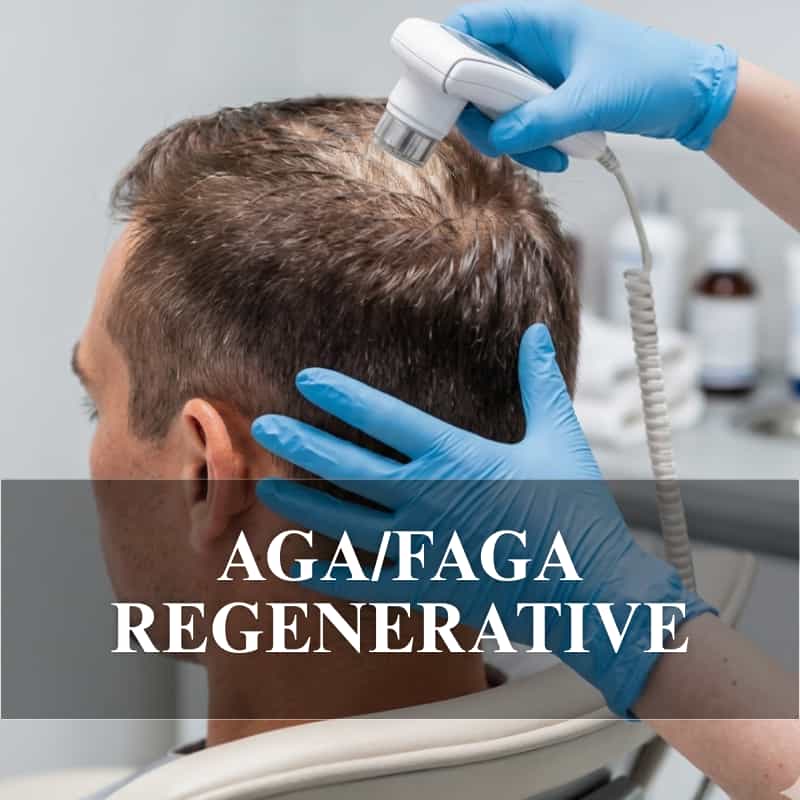
日本干细胞生发疗法是一种再生性生发疗法。与通常侧重于缓解症状的传统疗法(例如处方药)不同,干细胞疗法旨在通过刺激头皮自身的自然修复过程来解决问题的根本原因。该疗法通常从采集干细胞开始,干细胞通常取自少量脂肪组织样本(脂肪来源干细胞)或患者头皮的一小块活检组织。采集到的细胞随后会在专业实验室进行处理,以浓缩和激活它们。
在重新引入这些细胞之前,患者可能需要接受一些准备步骤,例如局部麻醉。然后,将浓缩的干细胞注入患者体内,通常是通过微注射的方式注入头皮的受损区域。术后,会对患者进行监测,以观察其反应。治疗的目标是让这些干细胞促进组织修复、减轻炎症并促进毛囊再生,从而使头发更浓密、更丰盈,并减少脱发。
为什么考虑在日本进行毛发干细胞治疗?
日本正迅速成为先进脱发治疗领域的领导者,提供具有竞争力的治疗价格、现代化的医疗设施,并积极参与再生毛发疗法的临床研究。
日本,尤其是其专科诊所,在医学研究和开发方面投入巨资,尤其是在再生医学领域。对于考虑在日本进行干细胞植发治疗的患者而言,日本具有以下几个显著优势:
日本毛发干细胞治疗候选资格
对于患有不同程度男性型脱发(雄激素性脱发)、女性型脱发以及某些类型头发稀疏的人来说,日本的毛发干细胞治疗通常是一种可行的选择,尤其是在传统治疗未能取得预期效果的情况下。
并非所有患者都适合在日本接受再生毛发治疗。筛选过程十分严格,包括对患者的病史、当前健康状况以及脱发的具体类型和程度进行全面评估。一般来说,适合在日本接受高级脱发治疗的患者包括:
在日本的植发诊所,与专业医疗团队进行详细咨询对于确定个人是否适合接受治疗以及制定最合适的治疗方案至关重要。
日本干细胞植发流程
日本干细胞疗法植发方案通常包括细胞采集(来自脂肪或头皮组织)、在实验室进行处理和浓缩,然后将细胞重新输送到头皮,之后通常还会进行术后护理。
在日本进行毛发干细胞治疗是一个多阶段的过程,需要精心计划和协调。以下是治疗方案的概述:
探索日本的干细胞脱发治疗套餐,我们为您精选了多家信誉良好的诊所,并提供价格实惠的选择。这些套餐旨在为您提供优质的护理,同时又不会超出您的预算。浏览我们的套餐列表,找到最符合您需求和预算的方案。
`在日本,干细胞治疗脱发是一种经济实惠的选择,尤其适合那些希望恢复头发的人。费用通常远低于美国等国家,让您在享受高质量护理的同时,还能节省一大笔开支。凭借经验丰富的医生和先进的再生技术,您可以立即探索有效的头发修复方案。
Stem Cell Treatment for Hair Loss 中心成本比较 Japan
| 提供者 | 程序 | 价格 |
|---|---|---|
| Cell Grand Clinic – Japan’s Best Stem Cell Clinic | Stem Cell Treatment for Hair Loss, Stem Cell Therapy | $42000 |
| HELENE - Stem Cell Clinic | Stem Cell Treatment for Hair Loss, Stem Cell Therapy | $10000 |
Stem Cell Treatment for Hair Loss Cost Comparison in Japan
| 国家 | 程序 | 价格 |
|---|---|---|
| United States | Stem Cell Treatment for Hair Loss, Stem Cell Therapy | $50000 |
我们在日本的合作诊所提供专业的干细胞脱发治疗,采用创新的干细胞疗法。这些值得信赖的诊所拥有技术精湛的医生团队,致力于您的健康和福祉,为您提供优质的医疗服务。向下滚动即可了解更多关于我们精选诊所的信息。
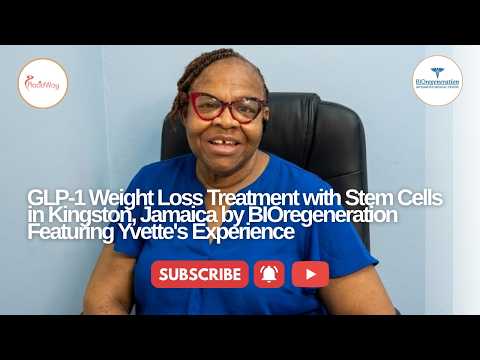
观看我们提供的实用视频,了解更多关于日本干细胞治疗脱发的信息。这些视频分享了个人经历和心得体会,帮助您了解治疗过程和预期效果。请观看以下视频,获取相关提示和信息,为治疗做好准备。
了解日本患者接受干细胞治疗脱发的真实故事。参考 Google 和 Trustpilot 上的评价,为您的治疗之旅提供有益的参考!
什么是干细胞治疗脱发?它的原理是什么?
干细胞治疗脱发是指利用干细胞再生毛囊。该疗法通常从患者自身(通常是脂肪组织)提取干细胞,然后将这些细胞注射到头皮,促进头发生长,并有可能逆转脱发。这种疗法属于微创手术,每次疗程通常持续几个小时,患者可以在几个月内看到逐渐改善的效果。
日本干细胞疗法治疗脱发有哪些好处?
日本以其先进的医疗技术和再生医学专长而闻名。选择在日本接受干细胞疗法的患者可受益于:
- 能够接触到尖端技术和训练有素的专业人员。
- 医疗机构具备高标准的安全性与卫生条件。
- 提供全面的后续康复和随访支持。
这种组合能够确保良好的体验和有效的结果。
干细胞治疗脱发后需要多久才能恢复?
干细胞治疗脱发后的恢复通常很快。大多数患者几天内即可恢复正常活动。然而,由于头发生长周期不同,完全恢复可能需要几个月的时间。务必遵循诊所提供的术后护理指导,包括避免剧烈运动和保护头皮免受阳光照射。
在日本,干细胞疗法是否存在任何风险或副作用?
干细胞疗法被认为是安全的,尤其是在经验丰富的专业人员操作下。然而,与任何医疗程序一样,它也存在一些风险和副作用,包括:
- 注射部位出现暂时性肿胀或发红。
- 轻微不适或瘙痒。
- 极少数情况下,可能发生感染或过敏反应。
与医疗保健提供者讨论潜在风险有助于管理预期并确保安全的治疗体验。
在日本,我该如何选择合适的干细胞脱发治疗诊所?
在日本选择合适的干细胞脱发治疗诊所需要考虑以下几个因素:
- 调查诊所的资质和患者评价。
- 询问医疗团队的资质和经验。
- 确保诊所遵守国际安全标准。
- 评估所提供的患者支持和后续护理水平。
做出明智的选择将增强您在治疗过程中的舒适度和信心。
When Will I See Results After Stem Cell Therapy for Hair Loss in Japan?
Most patients begin to see initial results after stem cell therapy for hair loss in Japan, such as reduced hair shedding, around 2 to 3 months. Significant, visible results in hair density and thickness typically appear between 6 and 12 months post-treatment. Watching your hair thin over time can be a deeply personal and frustrating experience. You've probably noticed more hair in the shower drain or on your brush and tried countless "solutions" that promise the world but deliver very little. It's a journey that can really impact your confidence. But in the field of hair restoration, there's a genuine shift happening, and Japan is at the forefront. We're moving beyond temporary fixes and into the realm of true regeneration. Stem cell therapy for hair loss in Japan is not a gimmick; it's an advanced medical treatment backed by a strong, safety-focused regulatory system. So, you're wondering, if I take this step, when will I *actually* see a difference? It's the most important question, and the answer is all about patience and understanding your body's natural hair growth cycle. Unlike a hair transplant, which moves hair, stem cell therapy works to *reactivate* your own dormant follicles. This process doesn't happen overnight. You can expect the first encouraging signs, like less shedding, to show up around the 2 to 3-month mark. The really exciting, visible changes in density—the kind you see in photos—start to become noticeable around 6 months and continue to improve for a full year or more. It's a process of healing and rebirth for your follicles. This guide will walk you through everything you need to know, from that all-important results timeline to the types of cells used, the cost, and what to expect from this cutting-edge hair regrowth results treatment in Japan. We'll answer all the questions you've been searching for, so you can make an informed and confident decision. What is stem cell therapy for hair loss? Stem cell therapy for hair loss is an advanced, non-surgical hair restoration treatment. It uses a patient's own (autologous) stem cells, typically from their fat tissue, to reactivate dormant hair follicles, reduce inflammation, and stimulate new hair growth in thinning areas. This treatment is a game-changer because it's *regenerative*. It's not a cover-up and it's not a transplant (like FUE or FUT), which simply moves follicles from one place to another. Instead, this therapy aims to fix the problem at its source: the weak, sleepy, or "miniaturized" hair follicles that are no longer producing healthy hair. The treatment involves injecting your scalp with a high concentration of your body's own master repair cells—specifically, Mesenchymal Stem Cells (MSCs). These cells are known as the "conductors" of your body's orchestra of healing. When placed in an area of thinning hair, they don't just sit there; they get to work, signaling your follicles to wake up and function properly again. It's about healing the scalp environment to support natural, healthy growth. How does stem cell therapy work for hair regrowth? Stem cell therapy works for hair regrowth by injecting millions of Mesenchymal Stem Cells (MSCs) into the scalp. These cells release a powerful cocktail of growth factors and anti-inflammatory signals that "wake up" dormant hair follicles, improve blood flow to the area, and reset the follicle's growth (anagen) phase. The science behind this is fascinating. Hair loss, particularly common androgenetic alopecia (male/female pattern baldness), is often caused by inflammation and a hormone called DHT, which makes follicles shrink. Stem cells fight this in several ways: Paracrine Signaling: The stem cells release hundreds of different growth factors and proteins (a "paracrine" effect) that act like a code, telling the shrunken follicles to restart the growth cycle. Anti-Inflammatory Action: They calm the chronic "micro-inflammation" around the follicles that contributes to hair loss. Angiogenesis: They promote the formation of new, tiny blood vessels, which increases the supply of oxygen and nutrients to the struggling follicles. Essentially, you are creating a much healthier, more fertile environment in your scalp, giving your existing (but dormant) follicles the best possible chance to start producing hair again. What types of stem cells are used for hair loss in Japan? The most common and effective type of stem cells used for hair loss in Japan are Adipose-Derived Stem Cells (ADSCs). These are Mesenchymal Stem Cells (MSCs) taken from a small sample of the patient's own (autologous) fat tissue, which is incredibly rich in these powerful regenerative cells. While stem cells can be found in bone marrow, the preferred source for most Japanese hair loss clinics is adipose (fat) tissue. There are a few key reasons for this: Higher Concentration: Fat tissue contains up to 500 times more MSCs per volume than bone marrow. This means a small, simple harvest can yield a very high and potent dose of cells. Easy Harvest: The "harvest" is a simple mini-liposuction procedure done under local anesthetic. It's minimally invasive, quick, and much more comfortable for the patient than a bone marrow draw. Some clinics may also offer treatments using allogeneic (donor) cells, such as from an umbilical cord bank. However, the standard for safety and efficacy in Japan is often autologous ADSCs, as using your own cells eliminates all risk of rejection or allergic reaction. When will I see results after stem cell therapy for hair loss in Japan? Patients typically see initial hair regrowth results from stem cell hair therapy in Japan within 2 to 3 months. This first sign is usually a reduction in hair shedding. More noticeable improvements in hair density and thickness become visible from 6 months onwards, with peak results often seen at the 12-month mark. This is the most critical question, and the answer lies in the human hair growth cycle. This cycle is naturally slow, and stem cell therapy works *with* it. The treatment "resets" the cycle for many dormant follicles, pushing them into a new "anagen" or growth phase. But that new hair has to grow from the root up. Here is a typical timeline of what to expect: Month 0-2 (The "Quiet" Phase): You've had the treatment. On the surface, nothing is happening. But beneath the skin, the stem cells are working, reducing inflammation and signaling follicles. The very first sign of success, often seen in month 2, is a significant decrease in hair shedding. Month 2-4 (The "First Fuzz" Phase): This is when the first new hairs, called vellus hairs, may begin to appear. They will likely be very fine, soft, and light in color, like "peach fuzz." This is a fantastic sign! It means the follicles are "on" again. Month 6-12 (The "Visible" Phase): This is when the magic happens. Those new vellus hairs, as well as other existing miniaturized hairs, begin to mature. They grow thicker, darker, and longer, becoming "terminal" hairs. This is when you and your barber or stylist will notice a real, visible increase in density and scalp coverage. This is why follow-up photos are so important. The change is so gradual that you might not notice it day-to-day, but a 6-month comparison photo can be dramatic. What do the first results look like? The very first results are often not new hair, but a significant reduction in hair shedding. You'll simply notice less hair in the shower drain or on your brush. This is followed by the appearance of fine, soft, "peach fuzz" (vellus) hairs in the treated areas. Managing expectations is key. You will not wake up a month after treatment with a full, thick head of hair. This is a biological process, not a cosmetic one. The first positive sign to look for is a stabilization of your hair loss. For many people, just stopping the shedding is a huge win. Following this stabilization, you'll enter the new growth phase. In addition to the new vellus hairs, you might also notice your *existing* hair looks healthier. The stem cells' growth factors can improve the quality and thickness of the "miniaturized" hairs you already have, making your hair look fuller even before the new growth fully matures. When will I see the *peak* results from the treatment? Peak hair regrowth results for stem cell therapy are typically observed between 12 and 18 months after the procedure. This extended timeline allows for multiple hair growth cycles to complete, giving new hairs time to mature from vellus hairs into strong, thick, terminal hairs. The stem cells themselves don't live in the scalp forever, but the healing cascade they initiate continues for a very long time. The cells release their growth factors, and your body's own repair systems continue the work. Because hair grows slowly (about 1/2 inch per month), it simply takes that long for the full effect of the "rebooted" follicles to become visible to the naked eye. This is why clinics in Japan will schedule follow-up appointments at 6, 12, and even 18 months. They are tracking this long-term improvement. Your 12-month photo will almost always look significantly better than your 6-month photo. How many stem cell treatment sessions are needed for hair loss? This depends on the clinic and the patient's condition. Some advanced Japanese hair loss clinics use high-dose, cultured stem cells, which often requires only one main treatment session. Other protocols may recommend a series of 2-3 smaller injections spaced a few months apart. There are two main approaches: High-Dose Cultured Cells: This is an advanced technique common in Japan. After your fat harvest, your cells are sent to a certified lab (CPC) and are "cultured" or grown for several weeks. This multiplies your 5-10 million harvested cells into 50 million, 100 million, or more. You then return for *one* very high-dose injection. This is often a "one and done" approach (for several years, at least). Non-Cultured Cells (SVF): This is a same-day procedure where the harvested fat is processed in a machine to isolate the stem cells (called Stromal Vascular Fraction, or SVF). This is a lower dose of cells, and some doctors may recommend a series of treatments to achieve the desired result. In either case, because hair loss is an ongoing genetic condition, your doctor may recommend a single "maintenance" treatment every 2-5 years to keep the results fresh. Is stem cell therapy for hair loss in Japan safe and legal? Yes, stem cell therapy for hair loss is legal and highly regulated in Japan. In 2014, Japan passed the "Act on the Safety of Regenerative Medicine" (ASRM). This law ensures that all clinics are approved by the Ministry of Health, Labour and Welfare (MHLW), guaranteeing high standards of safety, cell processing, and patient oversight. This is precisely *why* Japan is a top destination for this treatment. Unlike in many countries where clinics can operate in a regulatory gray area, the Japanese government has a clear, legal framework. This framework (the ASRM) requires any clinic offering stem cell therapies to: Furthermore, when using autologous (your own) cells, the treatment is exceptionally safe. There is no risk of rejection, immune reaction, or allergic response. It is your own body's healing mechanism, simply concentrated and redirected. What is the cost of stem cell therapy for hair loss in Japan? The cost of stem cell therapy for hair loss in Japan typically ranges from $4,000 to $10,000 USD (approximately ¥600,000 to ¥1,500,000 JPY). The price varies significantly depending on the source of the cells, whether they are cultured (a more complex process), and the clinic's protocol. This treatment is considered an elective procedure and is not covered by national health insurance. The price reflects the highly advanced technology, the cost of the certified lab processing, and the expertise of the specialists. Here is a general breakdown of what you might expect. "SVF" refers to the non-cultured, same-day procedure, while "Cultured ADSCs" refers to the more advanced, high-dose treatment that requires two visits. Estimated Cost Comparison: Stem Cell Hair Loss Treatment in Japan Treatment Type Estimated Cost (JPY) Estimated Cost (USD) Notes Single Treatment (SVF, non-cultured) ¥600,000 - ¥900,000 $4,000 - $6,000 Same-day procedure. Lower cell count. Single Treatment (Cultured ADSCs) ¥1,000,000 - ¥1,500,000 $6,500 - $10,000 High cell count (e.g., 50M+ cells). Requires 2 visits. Multi-Session Package (SVF) ¥1,200,000 - ¥1,800,000 $8,000 - $12,000 A series of 2-3 injections over several months. *Note: Prices are estimates and can vary based on the clinic, the size of the treatment area, and currency exchange rates. What factors influence the final cost? The main factors influencing the final cost are: 1) Cell Culturing (growing cells to a high number in a lab is more expensive than a same-day procedure), 2) The number of cells used (a 100-million cell dose costs more than 20 million), 3) The number of sessions, and 4) The clinic's reputation and technology. When you get a quote, it's not just for the injection. The price covers a comprehensive medical service, including: While a same-day SVF procedure is cheaper, many specialists in Japan prefer the cultured cell method as it delivers a much more potent, high-count dose, which may lead to more significant hair regrowth results. Who is a good candidate for this treatment? The best candidates are individuals in the early to moderate stages of hair loss (e.g., Norwood scale 2-5 for men, Ludwig scale 1-2 for women). This treatment works best when there are still "miniaturized" or dormant follicles that can be reactivated. This therapy is ideal for people who: Submit their entire treatment plan to a government-accredited committee for approval. Detail the cell source, processing method, and safety protocols. Use only certified, government-inspected Cell Processing Centers (CPCs). Track patient outcomes and report all data, including any adverse effects. The specialist consultation. The mini-liposuction (fat harvest) procedure. The complex, sterile lab work at the Cell Processing Center (CPC). The injection procedure, often done by a skilled doctor. All follow-up appointments. Are just beginning to see significant thinning and want to be proactive. Have "diffuse thinning," where the hair is weaker all over, rather than in one bald spot. Still have hair, even if it's very fine (this means the follicles are "asleep," not "dead"). Want a non-surgical, natural hair restoration option with no downtime. Are in general good health. Who is *not* a good candidate? This treatment is not effective for individuals with "slick bald" areas (e.g., Norwood 6-7), where the hair follicles have been completely lost for many years. It also does not work for scarring (cicatricial) alopecia or hair loss from active autoimmune diseases like alopecia areata. It's crucial to be realistic. Stem cells can "wake up" a sleepy follicle, but they cannot create a new follicle from scratch or revive one that is "dead" and gone. A reputable doctor will be honest with you. If your scalp is smooth and shiny, with no fine hairs visible at all, the follicles are likely gone, and a hair transplant (FUE) would be a more appropriate discussion. What is the treatment process like in Japan? For the advanced cultured stem cell method, it is a two-visit process. Visit 1 (1-2 days): This involves your consultation and the simple, 30-minute fat harvest procedure. You can then fly home. Visit 2 (3-6 weeks later): You return for the final treatment, which is a series of simple injections of your cultured cells into the scalp. Step 1: Consultation & Harvest (Visit 1). You'll meet the doctor and confirm you're a candidate. Then, under local anesthetic, a small amount of fat (about 20cc) is taken from your abdomen or flank. It's a quick procedure with no stitches. Your sample is then sent to the lab. Step 2: Cell Culturing (The "Wait"). For the next 3-6 weeks, you are back home. In the lab, technicians isolate your MSCs and grow them until they have a high-purity, high-count dose of millions of new cells. Step 3: Injection (Visit 2). You return to Japan. The doctor takes your new, powerful cells and injects them with a very fine needle into the areas of thinning on your scalp. The process is quick (about 30-60 minutes) and relatively painless (local anesthetic or numbing cream is used). You can walk out of the clinic and go to dinner. There is no downtime. What is the recovery time after a stem cell hair treatment? There is virtually no downtime. You can return to work and most normal activities immediately. You may have some minor scalp tenderness, redness, or swelling for 24-48 hours, but this is mild. You'll be advised to avoid heavy exercise or washing your hair for one day. This is one of the biggest advantages over surgical options. You don't have to "hide" for a week. The fat harvest site is tiny and just requires a small bandage. The scalp injections are done with such a fine needle that they are unnoticeable. You can fly home the day after your procedure. Are the results of stem cell hair therapy permanent? The hair regrowth results are long-lasting but not considered "permanent." The treatment does not stop the underlying genetic or hormonal cause of hair loss. A single treatment can show results for several years (e.g., 2-5 years), but your doctor may recommend a smaller "maintenance" session to maintain the results. Think of it like tending a garden. The stem cell therapy is like tilling the soil and adding a powerful, rich fertilizer, causing a beautiful bloom. But the underlying conditions (your genetics) are still there. Over time, the effects can fade as the aging and hair loss process continues. The good news is, a single, powerful treatment can "reset the clock" for years, and a simple maintenance injection can keep the results going strong. How does this compare to PRP (Platelet-Rich Plasma) therapy? Stem cell therapy is a more powerful and advanced treatment. PRP (from your blood) uses platelets, which are "signal flares" that release growth factors. Stem cell therapy (from your fat) uses the actual Mesenchymal Stem Cells (MSCs), which are the "master repair cells." These MSCs are far more anti-inflammatory and release a much wider, more potent range of growth factors for a longer period. PRP is a great, less-expensive option, but it often requires 3-5 sessions to see results. Stem cell therapy, especially the cultured cell method, is a much more robust, "heavy-duty" intervention. Many people see PRP as a good "maintenance" therapy after a more powerful stem cell treatment. How does it compare to a hair transplant (FUE/FUT)? They are completely different treatments. A hair transplant (FUE/FUT) is a surgical procedure that moves hair follicles from the back of your head (the donor area) to the front, bald area. Stem cell therapy is a non-surgical, regenerative treatment that reactivates your *existing* dormant follicles in the thinning area. You can't transplant hair to an area that is just "thinning." You need to shave the area. This is where stem cells shine—they are perfect for "diffuse thinning" to increase density *without* surgery. In fact, the two treatments work incredibly well together. Many of the world's best surgeons now use stem cell therapy *in combination* with a transplant. They will transplant hair to the bald spots and use stem cell injections in the thinning areas *behind* the transplant to increase overall density and protect the native hair. This is considered the "gold standard" for a complete hair restoration. What are the side effects of stem cell therapy for hair? Side effects are extremely rare, mild, and temporary, especially when using your own (autologous) cells. The most common side effects are temporary soreness, slight swelling, or redness at the injection sites on the scalp or at the small fat harvest site. Because you are using your own tissue, there is no risk of rejection, allergy, or transmitting disease. The entire process is "autologous." The main risks are the same as any needle-based procedure: a tiny risk of bruising or infection. In a high-end, MHLW-regulated Japanese clinic, this risk is negligible as they operate under the strictest sterile standards, just like a hospital. How do I choose a reputable hair loss clinic in Japan? You must choose a clinic that is legally registered with the Japanese Ministry of Health, Labour and Welfare (MHLW) under the ASRM (Act on the Safety of Regenerative Medicine). Always ask for their "Notification Number" and confirm they use a certified Cell Processing Center (CPC). This is the most important step you can take. Any clinic can have a flashy website, but only the best are compliant with Japan's strict laws. Here is your checklist: Ask for their MHLW approval. If they can't provide it, walk away. Ask where the cells are processed. It *must* be a certified CPC lab, not a machine in the office back room. Look for transparency. They should be honest about the cost, the timeline, and who is *not* a good candidate. Check their specialty. Look for a clinic that specializes in hair restoration and regenerative orthopedics, not just a general anti-aging clinic. Ready to take the next step in your hair restoration journey? Don't let hair loss define you. Discover the world-class regenerative medicine solutions available in Japan. Explore top-tier, MHLW-regulated medical centers with PlacidWay
What is the Cost of Stem Cell Treatment for Hair Regrowth in Japan?
The cost of stem cell treatment for hair regrowth in Japan typically ranges from ¥220,000 ($1,460) for culture supernatant therapy to over ¥2,750,000 ($18,300) for advanced autologous stem cell transplantation per session. Japan is widely recognized as a global pioneer in regenerative medicine, and for good reason. The country has established some of the world's most advanced regulations and research centers dedicated to stem cell therapy. If you are noticing thinning hair or early signs of balding, you might be considering Japan as a destination to access these cutting-edge treatments. However, navigating the pricing can be confusing because stem cell treatment in Japan can refer to two very different things: direct stem cell transplantation (which is rare and expensive) or the more common "culture supernatant" (exosome) therapy. In this guide, we will break down exactly what you are paying for, the hidden costs, and how Japan compares to other countries. What is the average price of stem cell hair therapy in Japan? On average, patients pay between ¥300,000 and ¥800,000 ($2,000 - $5,300 USD) per course for standard stem cell culture supernatant (exosome) treatments, while full autologous stem cell therapies can exceed ¥2,000,000 ($13,300 USD). When you look at price lists for Japanese clinics, you will see a massive variance in numbers. This is primarily because there are different "tiers" of treatment. The most common and affordable option is Stem Cell Culture Supernatant (often called "StemSup" or Exosome therapy). A single session for this might start as low as ¥40,000 ($260), but effective treatment usually requires a package of 6-12 sessions, bringing the total average to around ¥500,000 ($3,300). On the other end of the spectrum is Autologous Adipose-Derived Stem Cell Therapy. This involves harvesting your own fat, processing it in a regulated Cell Processing Center (CPC) to isolate live stem cells, and re-injecting them. Because of the strict laws (ASRM) and laboratory costs involved, this is a premium service. Prices for this specific procedure often start at ¥1,100,000 ($7,300) and can go up to ¥2,750,000 ($18,300) depending on the clinic's reputation and location in districts like Ginza or Shinjuku. It is vital to ask the clinic specifically which type of treatment the price covers. Many clinics market "stem cell therapy" when they are actually offering cell-free supernatants, which explains the lower price point. What is the difference between Culture Supernatant and Autologous Stem Cell Therapy? Culture Supernatant is a cell-free liquid rich in growth factors and exosomes, whereas Autologous Therapy uses your own live stem cells harvested from fat or skin to actively regenerate tissue. Understanding this distinction is the single most important factor in understanding the cost. Autologous Stem Cell Therapy uses your own living cells. A doctor performs minor liposuction to extract fat, sends it to a lab to expand the stem cell count, and then injects these live cells into your scalp. These cells can differentiate and actively repair the follicle environment. This is labour-intensive and strictly regulated, hence the high cost ($10,000+). Stem Cell Culture Supernatant (Exosomes), on the other hand, does not contain live cells. It is the "soup" that stem cells grew in. It is packed with cytokines, growth factors, and exosomes (messenger signals) that tell your existing hair follicles to grow. Because there are no live cells to manage, it is safer, easier to store, and significantly cheaper ($200 - $1,000 per vial). Most "stem cell hair treatments" advertised to tourists in Japan are actually this supernatant/exosome therapy. How much does Exosome hair therapy specifically cost in Japan? Exosome hair therapy in Japan generally costs between ¥50,000 and ¥150,000 ($330 - $1,000 USD) per individual session, with bulk packages of 5-10 sessions offering discounts. Exosome therapy is currently the trending treatment in Tokyo clinics. The price depends heavily on the source of the exosomes. You will typically find three types: Adipose-derived (Fat): The most common and affordable. Dental Pulp-derived: Often touted as having higher potency for neuro/hair regeneration, sometimes priced 20-30% higher. Umbilical Cord-derived: Considered the "premium" option due to the youth of the source cells, often costing ¥100,000+ per vial. Clinics often sell these in packages. For example, a clinic might offer a single trial session for ¥40,000, but a "complete hair restoration course" of 6 sessions might be priced at ¥450,000 ($3,000). Always check the concentration (cc) being used; some low prices assume 1cc, while a full scalp treatment might require 3cc-5cc. What factors influence the price of stem cell hair treatment? The main factors influencing price are the type of stem cell source (fat vs. umbilical cord), the concentration of cells/exosomes, the clinic's location, and whether live cells or cell-free supernatants are used. Beyond just the type of treatment, the location plays a huge role. Clinics in luxury districts like Ginza or Omotesando in Tokyo pay massive rents, and this is reflected in their pricing. You might find the exact same treatment protocol in Osaka or Fukuoka for 20-30% less. Another factor is the delivery method. Simple injections are standard, but some clinics use "non-needle" high-pressure jet injectors or combine the treatment with microneedling or lasers to increase absorption. These "combo treatments" will naturally drive up the price. Finally, the volume matters—treating a receding hairline requires less product than treating diffuse thinning across the entire top of the scalp. Detailed Cost Comparison: Japan vs. Turkey vs. USA Japan offers premium, highly regulated treatments costing $3,000-$18,000, while Turkey provides budget-friendly packages around $2,500-$4,000, and the USA remains the most expensive at $8,000-$30,000. It is helpful to see how Japan stacks up against other major medical tourism hubs. Japan positions itself as a premium, high-safety destination, whereas Turkey is volume-driven and cost-effective. Country Treatment Type Estimated Cost (USD) What's Included? Japan Culture Supernatant / Exosomes $2,000 - $5,000 (Course) Treatment only (high safety standards) Japan Autologous Stem Cell Transplant $10,000 - $20,000+ Cell processing, surgery, injections Turkey Stem Cell (often Regenera Activa) $2,000 - $4,000 Often includes hotel, transfers, and sometimes a transplant USA Exosomes / PRP + Stem Cells $5,000 - $15,000 Treatment only (consultations extra) South Korea Stem Cell / Growth Factors $3,000 - $8,000 Treatment, sometimes scalp scaling/care If your primary goal is saving money, Turkey remains unbeatable, often bundling stem cell therapy with a hair transplant for less than the cost of just the stem cell injections in Japan. However, patients choose Japan for the assurance of safety and the rigorous government oversight of cell processing facilities. Is stem cell hair treatment legal in Japan? Yes, stem cell therapy is fully legal in Japan and is strictly regulated under the Act on the Safety of Regenerative Medicine (ASRM) to ensure patient safety. Japan is one of the few countries with a comprehensive legal framework specifically for regenerative medicine. The Act on the Safety of Regenerative Medicine (ASRM) was enacted in 2014. It categorizes treatments by risk level. Live stem cell transplants are "Class II" or "Class III" risks and require the clinic to submit detailed plans to the Ministry of Health, Labour and Welfare (MHLW) and use a certified Cell Processing Center. This legal framework is a huge benefit for patients. It means that if you go to a licensed clinic, you know the cells have been processed in a clean, sterile, and regulated environment. You can actually check if a clinic has a notification number with the MHLW before booking. This level of government oversight is rare in other parts of the world. Is this treatment covered by Japanese health insurance? No, stem cell treatment for hair regrowth is classified as elective cosmetic or free-practice medical care and is not covered by Japanese National Health Insurance. Like most aesthetic procedures, hair restoration is considered non-essential. Therefore, you will have to pay 100% of the cost out of pocket. This applies to both Japanese citizens and international visitors. Payment is usually required upfront, often before the treatment cycle begins. Some clinics may offer "medical loans" for residents of Japan, but international tourists will typically need to pay via credit card or wire transfer. Be aware that some clinics add a surcharge for credit card payments or international cards, so it is wise to clarify payment methods during your consultation. What is the success rate of stem cell hair regrowth in Japan? Success rates vary, but many clinics report visible improvement in hair thickness and density in roughly 70% to 85% of suitable candidates after a full course of treatment. It is important to manage expectations: stem cell therapy is not a "cure" for baldness, especially if the hair follicles are completely dead (shiny bald skin). The treatment works best for patients with thinning hair or early-stage alopecia where the follicles are still alive but dormant. Japanese clinics tend to be very data-driven. Many will perform a "trichoscopy" (microscopic scalp analysis) before and after to count the hair density. "Success" usually means a thickening of existing hair shafts and the reactivation of dormant follicles, leading to better coverage. Complete regrowth of a full head of hair on a bald scalp is generally not a realistic outcome for this therapy alone. Who is the ideal candidate for this procedure? The ideal candidate is a man or woman experiencing early to moderate thinning (Androgenetic Alopecia) who still has active hair follicles, rather than someone with complete baldness. Stem cell therapy relies on signaling existing cells to repair themselves. If there is no follicle left to receive the signal, the treatment will not work. Therefore, the best candidates are: Men with early receding hairlines or thinning at the crown. Women with diffuse thinning (widening part line). Patients who want to avoid surgery (like hair transplants). Patients looking to strengthen hair before or after a transplant. If you have been completely bald in an area for many years, a traditional hair transplant (FUE) is likely the only solution that will provide coverage. However, some patients do both: a transplant for coverage, and stem cells to improve the quality of the remaining hair. What are the risks and side effects? Side effects are generally mild, including temporary redness, swelling, or minor pain at the injection site, with serious complications like infection being extremely rare due to strict hygiene standards. Because most treatments in Japan use cell-free supernatants (exosomes), the risk of tumor formation or rejection is virtually non-existent. The body recognizes the growth factors but does not have to deal with foreign DNA or live cells in the same way. For autologous live cell therapy, there is a slightly higher risk profile simply because it involves a minor liposuction procedure to harvest fat, which carries standard surgical risks like bruising or infection. However, Japan's strict CPC regulations minimize the risk of sample contamination. You may feel a "heavy" sensation in the scalp for a few hours post-injection, but most people return to normal activities immediately. How many sessions are required for visible results? Most protocols recommend a course of 3 to 6 sessions spaced 2-4 weeks apart to see significant thickening and regrowth. One-off treatments are rarely enough to reverse years of hair loss. Hair grows in cycles, and you need to stimulate the follicles consistently to push them into the "Anagen" (growth) phase. A typical Japanese clinic protocol involves an initial intensive phase (e.g., one injection every 3 weeks for 4 months) followed by maintenance sessions every 6-12 months. If a clinic promises a "one-shot miracle cure," be skeptical. Sustainable results in regenerative medicine almost always require a cumulative approach. How long is the recovery time? Recovery is virtually immediate; patients can usually return to work the same day, though they are advised to avoid strenuous exercise and hair washing for 24 hours. This is often marketed as a "lunchtime procedure." The actual injection process takes about 30 to 60 minutes. There are no bandages and no stitches (unless you underwent liposuction for autologous fat harvesting). You might have some small red bumps on your scalp where the needle entered, but these typically fade within a day. Doctors will advise you not to use hair wax, sprays, or harsh shampoos for at least 24 hours to allow the injection sites to close and prevent infection. Saunas and swimming pools should also be avoided for a few days. Can international patients get stem cell treatment in Japan? Yes, international patients are welcome, but many clinics require advance booking and may charge a consultation fee to cover interpretation services if you do not speak Japanese. Tokyo and Osaka have seen a boom in "inbound" medical tourism. Many high-end clinics now have English-speaking staff or translators on hand. However, the documentation—especially for the more regulated autologous treatments—can be extensive. You will need to sign consent forms that explain the experimental nature of the treatment. It is highly recommended to use a medical tourism facilitator or contact the clinic via email well in advance. Walking in off the street is rarely possible for these specialized treatments, as the lab often needs to prepare the serum or schedule the cell processing beforehand. What should I look for in a Japanese stem cell clinic? Look for a clinic that displays its MHLW Notification Number and clearly explains the source of their stem cells (e.g., whether they use a certified Cell Processing Center). Transparency is your best friend. A reputable clinic will be proud of its compliance with the Act on the Safety of Regenerative Medicine. They should be able to tell you exactly where the exosomes come from (e.g., "We source from a domestic CPC using Japanese umbilical cords" vs. "We import from overseas"). Also, look for "Before and After" photos that are consistent. Avoid clinics that use generic stock photos. Ask to see case studies of patients with a similar hair loss pattern to yours. Why is Japan considered a leader in regenerative medicine? Japan's leadership is driven by the Nobel Prize-winning discovery of iPS cells by Dr. Shinya Yamanaka and strong government backing that created a fast-track approval system for regenerative therapies. Japan is not just following trends; it is setting them. Since they won the Nobel Prize in 2012 for induced pluripotent stem cells (iPSCs), the Japanese government decided to make the country a hub for this science. They passed laws that allow regenerative treatments to be offered to patients faster than in the US, provided safety is proven. This "conditional approval" system means that innovative therapies reach clinics in Tokyo years before they might be approved by the FDA in the US. For hair loss sufferers, this means access to the absolute latest generation of exosome and growth factor treatments. Looking for Top-Rated Hair Restoration Clinics? Navigating the options for stem cell therapy in Japan can be overwhelming. PlacidWay can help you connect with certified, English-speaking clinics that meet international safety standards.
我们位于日本的外科医生团队技术精湛,经验丰富,擅长干细胞治疗脱发,致力于提供安全有效的治疗方案。请在下方了解他们的资质以及他们如何为您提供帮助。
考虑前往日本进行毛发干细胞治疗,可谓是将先进的医疗技术和丰富的旅行体验完美结合。日本拥有国际公认的再生医学专家、享誉全球的技术创新能力以及尖端的毛发干细胞治疗设施。这种独特的优势确保了患者能够获得先进、完善的脱发治疗方案,使日本成为寻求持久毛发修复方案的医疗游客的首选之地。
干细胞治疗脱发中核实医疗资质的重要性
考虑出国就医,尤其是像日本植发干细胞治疗这类先进疗法时,务必核实医疗专业人员的资质和日本植发诊所的标准。这种尽职调查对于确保医疗旅游之旅的安全和成功至关重要。
从业人员的专业知识
了解干细胞专家的资质至关重要。需要重点关注的方面包括:
为了核实这些资质,您可以要求他们提供详细的专业背景、证书以及与国际医疗组织的合作关系信息。与医疗旅游服务机构合作也有助于这项调查工作。
设施标准和认证
选择一家遵循最高安全和质量标准的诊所或医院至关重要。请注意以下几点:
评估医疗机构的质量可以包括虚拟参观、查看患者评价,以及询问有关其安全措施和质量控制的具体问题。充分的研究是获得积极有效的日本高级脱发治疗体验的关键。
干细胞疗法治疗脱发的潜在考量因素和管理
虽然干细胞疗法治疗脱发通常被认为是安全的,但潜在的注意事项主要集中在细胞采集方法和患者的个体健康状况上。在日本先进的毛发移植诊所,这些方面都由专业的医疗人员进行监督管理。
日本干细胞植发疗法的安全性取决于多种因素,包括干细胞来源(自体)和处理流程。日本的医疗机构将患者安全和全面护理放在首位:
共同考虑因素:
管理策略:
日本干细胞疗法治疗脱发的成功率和预期结果
日本的干细胞植发疗法已展现出令人鼓舞的成果,成功率因脱发类型、脱发阶段和患者个体因素而异。患者通常报告头发密度和粗度显著改善。
日本顶尖诊所采用先进脱发治疗方法,其疗效显著,这得益于他们对科学方案和以患者为中心的护理的坚持。虽然具体成功率因病情而异,但总体趋势表明治疗效果良好:
准备在日本接受干细胞疗法治疗脱发
前往日本接受高级脱发治疗需要准备全面的医疗文件、完善的旅行安排,以及熟悉当地医疗保健提供者以患者为中心的治疗方法。
患者获准在日本接受毛发干细胞治疗后,以下几个准备步骤对于确保治疗过程顺利舒适至关重要:
日本干细胞治疗脱发的术后护理和随访
日本的干细胞治疗后护理体系结构严谨,旨在确保最佳康复、监测治疗效果并支持长期健康,通常与该国严谨的环境无缝衔接。
在日本接受干细胞植发治疗后,恢复期对于最大程度地发挥治疗效果至关重要。日本的医疗机构强调全面的术后护理和随访:
须知事实:
日本是再生医学领域的全球领导者,将严谨的科学与以患者为中心的护理相结合,提供先进的脱发治疗。日本拥有配备先进技术的现代化、规范化的医疗设施,由国际认证的医生进行尖端的毛发干细胞治疗。患者可受益于经科学验证的治疗方案、个性化的护理计划以及高效安全的就医环境,从而简化医疗旅行。凭借其对创新的重视、最短的等待时间和完善的康复方案,以及丰富的文化底蕴,日本吸引着来自世界各地的患者前来寻求高质量的毛发再生疗法,并希望获得难忘的旅行体验。
Share this listing