Nội dung
Liệu pháp tế bào gốc tóc giá cả phải chăng của Nhật Bản - Khôi phục sự tự tin
Nhiều người đang vật lộn với tình trạng tóc mỏng, chân tóc thưa, hoặc các dạng rụng tóc khác thường cho rằng các phương pháp điều trị truyền thống chỉ mang lại hiệu quả tạm thời hoặc hạn chế. Tuy nhiên, Hair Stem Cell Japan đang thay đổi quan điểm đó bằng cách cung cấp phương pháp điều trị rụng tóc tiên tiến, hiện đại tại Nhật Bản giúp tóc mọc nhanh và phục hồi. Với cơ sở nghiên cứu đẳng cấp thế giới, đội ngũ bác sĩ da liễu chuyên môn cao và cam kết áp dụng liệu pháp tái tạo tóc tiên tiến, Nhật Bản đang nhanh chóng trở thành điểm đến đáng tin cậy cho những bệnh nhân đang tìm kiếm giải pháp lâu dài cho tình trạng rụng tóc.
Hãy cùng tìm hiểu những ưu điểm của liệu trình tế bào gốc tóc tại Nhật Bản, tiêu chuẩn chăm sóc y tế tại các phòng khám phục hồi tóc Nhật Bản, và so sánh những lựa chọn này với các điểm đến quốc tế khác. Chúng tôi cũng sẽ tìm hiểu quan điểm của bệnh nhân và cơ sở hạ tầng chăm sóc sức khỏe tổng thể. Hãy cùng chúng tôi khám phá thêm về liệu pháp tế bào gốc tóc tại Nhật Bản, chia sẻ những hiểu biết quý giá về chi phí tiềm năng, các phòng khám hàng đầu và những lời chứng thực chân thực từ bệnh nhân!
Thông tin chính trong nháy mắt
Nhiều dạng rụng tóc, từ hói đầu kiểu nam đến rụng tóc telogen, có thể ảnh hưởng đáng kể đến lòng tự trọng và chất lượng cuộc sống. Tế bào gốc tóc Nhật Bản là một phương pháp y học tái tạo tiên phong, tận dụng khả năng tự chữa lành nội tại của cơ thể để sửa chữa và phục hồi nang tóc bị tổn thương. Nhật Bản đã khẳng định vị thế là điểm đến hàng đầu cho các phương pháp điều trị y tế tiên tiến, mở ra những hướng đi đầy hứa hẹn cho những bệnh nhân đang tìm kiếm các liệu pháp tiên tiến như liệu pháp tế bào gốc tóc Nhật Bản.
Y học tái tạo đã thay đổi cách chúng ta tiếp cận điều trị nhiều bệnh lý bằng cách khai thác cơ chế phục hồi tự nhiên của cơ thể để chống lại tổn thương tế bào. Trong số các kỹ thuật tái tạo khác nhau, liệu pháp tế bào gốc tóc Nhật Bản nổi bật là một phương pháp hiệu quả và được cá nhân hóa cao để giải quyết nhiều tình trạng rụng tóc. Hướng dẫn toàn diện này sẽ khám phá liệu pháp tái tạo tóc Nhật Bản, bao gồm các nguyên tắc, lợi ích, chi phí liên quan và những gì bệnh nhân có thể mong đợi trong suốt quá trình điều trị.
Liệu pháp tế bào gốc điều trị rụng tóc là gì?
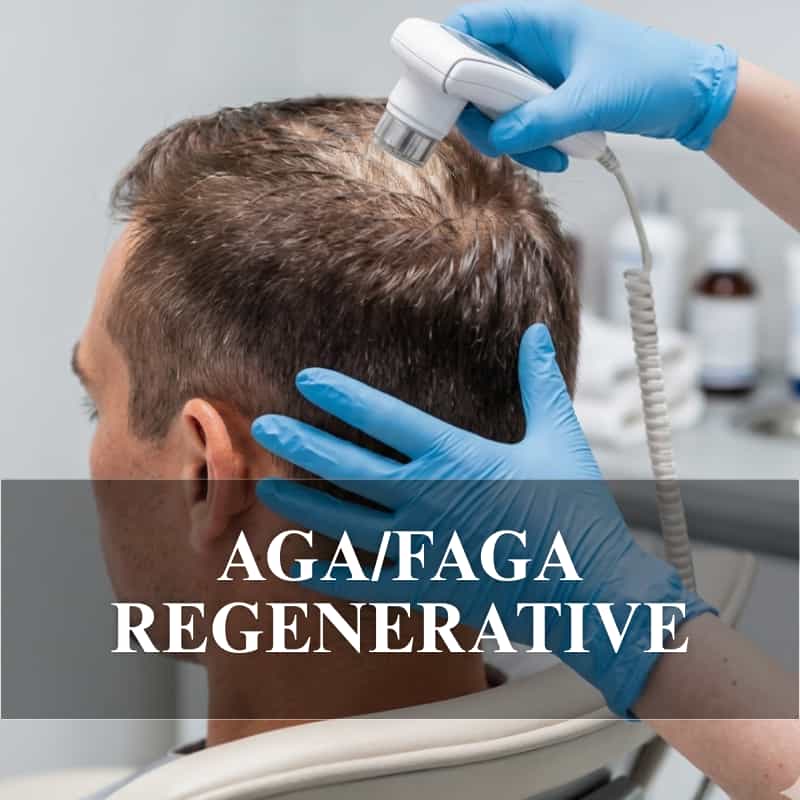
Liệu pháp tế bào gốc điều trị rụng tóc sử dụng các tế bào chuyên biệt, được gọi là tế bào gốc (thường có nguồn gốc từ mô mỡ hoặc nang tóc), có khả năng đặc biệt trong việc phát triển thành tế bào nang tóc mới và kích thích sự phát triển của tóc yếu hiện có. Các tế bào này thường được lấy từ chính cơ thể bệnh nhân (tự thân), được xử lý để cô đặc các yếu tố tăng trưởng, sau đó được đưa vào vùng tóc mỏng để thúc đẩy quá trình chữa lành và tái tạo.
Liệu pháp tế bào gốc cho tóc Nhật Bản là một hình thức trị liệu tái tạo tóc tại Nhật Bản. Không giống như các phương pháp điều trị thông thường thường tập trung vào việc kiểm soát triệu chứng (như thuốc kê đơn), liệu pháp tế bào gốc hướng đến việc giải quyết nguyên nhân gốc rễ của vấn đề bằng cách kích thích quá trình phục hồi tự nhiên của cơ thể bên trong da đầu. Quy trình này thường bắt đầu bằng việc thu thập tế bào gốc, thường từ một mẫu mô mỡ nhỏ (tế bào gốc có nguồn gốc từ mô mỡ) hoặc một mẫu sinh thiết nhỏ từ da đầu của bệnh nhân. Những tế bào được thu thập này sau đó được xử lý trong một phòng thí nghiệm chuyên biệt để cô đặc và kích hoạt chúng.
Trước khi cấy lại các tế bào này, bệnh nhân có thể trải qua một số bước chuẩn bị, chẳng hạn như gây tê tại chỗ. Sau đó, các tế bào gốc cô đặc được tiêm vào bệnh nhân, thường là thông qua các mũi tiêm vi điểm vào vùng da đầu bị ảnh hưởng. Sau thủ thuật, bệnh nhân được theo dõi để đánh giá phản ứng. Mục tiêu là các tế bào gốc này hỗ trợ phục hồi mô, giảm viêm và thúc đẩy tái tạo nang tóc, giúp tóc dày hơn, bồng bềnh hơn và giảm rụng tóc.
Tại sao nên cân nhắc sử dụng tế bào gốc tóc Nhật Bản để điều trị?
Nhật Bản đang nhanh chóng trở thành quốc gia đi đầu trong lĩnh vực điều trị rụng tóc tiên tiến, cung cấp mức giá điều trị cạnh tranh, cơ sở y tế hiện đại và tích cực tham gia nghiên cứu lâm sàng về liệu pháp phục hồi tóc tại Nhật Bản.
Nhật Bản, đặc biệt là các phòng khám chuyên khoa, đã đầu tư đáng kể vào nghiên cứu và phát triển y học, đặc biệt là y học tái tạo. Đối với những bệnh nhân đang cân nhắc liệu pháp tế bào gốc cho tóc, Nhật Bản mang đến một số lợi thế hấp dẫn:
Ứng cử viên cho phương pháp điều trị bằng tế bào gốc tóc tại Nhật Bản
Phương pháp điều trị bằng tế bào gốc tóc tại Nhật Bản thường được cân nhắc cho những người mắc các giai đoạn hói đầu ở nam giới (Rụng tóc do nội tiết tố nam), rụng tóc ở nữ giới và một số dạng tóc mỏng, đặc biệt là khi các phương pháp điều trị thông thường không mang lại kết quả mong muốn.
Không phải tất cả bệnh nhân đều phù hợp với liệu pháp phục hồi tóc tại Nhật Bản. Quy trình tuyển chọn rất kỹ lưỡng và bao gồm việc đánh giá toàn diện tiền sử bệnh, tình trạng sức khỏe hiện tại, cũng như loại và mức độ rụng tóc cụ thể của bệnh nhân. Nhìn chung, những người phù hợp nhất cho liệu pháp điều trị rụng tóc tiên tiến tại Nhật Bản bao gồm:
Buổi tư vấn chi tiết với đội ngũ y tế chuyên khoa tại các phòng khám phục hồi tóc ở Nhật Bản sẽ rất quan trọng trong việc xác định xem mỗi cá nhân có đủ điều kiện hay không và đưa ra kế hoạch điều trị phù hợp nhất.
Quy trình trị liệu tóc bằng tế bào gốc Nhật Bản
Quy trình điều trị tóc bằng tế bào gốc tại Nhật Bản thường bao gồm việc thu thập tế bào (từ mô mỡ hoặc da đầu), xử lý và cô đặc trong phòng thí nghiệm, sau đó đưa tế bào trở lại da đầu, thường là sau khi điều trị.
Hành trình điều trị bằng tế bào gốc tóc tại Nhật Bản là một quá trình gồm nhiều giai đoạn, đòi hỏi sự lên kế hoạch và phối hợp cẩn thận. Dưới đây là tổng quan chung về quy trình điều trị:
Khám phá các gói điều trị rụng tóc bằng tế bào gốc tại Nhật Bản, nơi chúng tôi đã tổng hợp các lựa chọn chi phí thấp từ các phòng khám uy tín. Các gói dịch vụ này được thiết kế để mang đến cho bạn sự chăm sóc tuyệt vời mà không làm bạn tốn kém. Hãy xem qua danh sách của chúng tôi và tìm gói phù hợp với nhu cầu và ngân sách của bạn.
`Điều trị rụng tóc bằng tế bào gốc tại Nhật Bản là một lựa chọn tiết kiệm cho những ai đang tìm kiếm giải pháp phục hồi tóc. Chi phí thường thấp hơn nhiều so với các quốc gia như Mỹ, giúp bạn tiết kiệm đáng kể mà vẫn được chăm sóc chất lượng cao. Với đội ngũ bác sĩ chuyên môn cao và kỹ thuật tái tạo tiên tiến, bạn có thể khám phá các phương pháp phục hồi tóc hiệu quả ngay hôm nay.
Stem Cell Treatment for Hair Loss So sánh chi phí trung tâm tại Japan
| Nhà cung cấp | Thủ tục | Giá |
|---|---|---|
| Cell Grand Clinic – Japan’s Best Stem Cell Clinic | Stem Cell Treatment for Hair Loss, Stem Cell Therapy | $42000 |
| HELENE - Stem Cell Clinic | Stem Cell Treatment for Hair Loss, Stem Cell Therapy | $10000 |
Stem Cell Treatment for Hair Loss Cost Comparison in Japan
| Quốc gia | Thủ tục | Giá |
|---|---|---|
| United States | Stem Cell Treatment for Hair Loss, Stem Cell Therapy | $50000 |
Các phòng khám đối tác của chúng tôi tại Nhật Bản cung cấp dịch vụ điều trị rụng tóc bằng tế bào gốc chuyên biệt, sử dụng các kỹ thuật trị liệu tế bào gốc tiên tiến. Các cơ sở uy tín này mang đến dịch vụ chăm sóc tuyệt vời với đội ngũ bác sĩ giàu kinh nghiệm, tận tâm vì sức khỏe và hạnh phúc của bạn. Hãy kéo xuống để tìm hiểu thêm về các phòng khám được chúng tôi lựa chọn.
Khám phá các video hữu ích của chúng tôi để tìm hiểu thêm về phương pháp điều trị rụng tóc bằng tế bào gốc tại Nhật Bản. Những video này chia sẻ những câu chuyện cá nhân và góc nhìn sâu sắc, giúp bạn hiểu rõ hơn về quy trình và những điều cần lưu ý. Hãy xem các video bên dưới để biết thêm các mẹo và thông tin hữu ích giúp bạn sẵn sàng cho quá trình điều trị.
Khám phá những câu chuyện thực tế của bệnh nhân về phương pháp điều trị rụng tóc bằng tế bào gốc tại Nhật Bản. Hãy tin tưởng những đánh giá từ Google và Trustpilot để có những thông tin hữu ích cho hành trình của bạn!
Điều trị rụng tóc bằng tế bào gốc là gì và hoạt động như thế nào?
Điều trị rụng tóc bằng tế bào gốc là sử dụng tế bào gốc để tái tạo nang tóc. Quy trình này thường chiết xuất tế bào gốc từ chính cơ thể bệnh nhân, thường là từ mô mỡ. Những tế bào này sau đó được tiêm vào da đầu, thúc đẩy mọc tóc và có khả năng đảo ngược tình trạng rụng tóc. Phương pháp điều trị này ít xâm lấn, với các buổi điều trị thường kéo dài vài giờ, và bệnh nhân có thể mong đợi sự cải thiện dần dần trong vài tháng.
Liệu pháp tế bào gốc ở Nhật Bản có lợi ích gì đối với tình trạng rụng tóc?
Nhật Bản nổi tiếng với công nghệ y tế tiên tiến và chuyên môn về y học tái tạo. Bệnh nhân lựa chọn liệu pháp tế bào gốc tại Nhật Bản sẽ được hưởng lợi từ:
- Tiếp cận các kỹ thuật tiên tiến và đội ngũ chuyên gia được đào tạo bài bản.
- Tiêu chuẩn cao về an toàn và vệ sinh tại các cơ sở chăm sóc sức khỏe.
- Hỗ trợ chăm sóc toàn diện sau phẫu thuật để phục hồi và theo dõi.
Sự kết hợp này đảm bảo trải nghiệm tích cực và kết quả hiệu quả.
Phải mất bao lâu để phục hồi sau khi điều trị rụng tóc bằng tế bào gốc?
Quá trình phục hồi sau điều trị rụng tóc bằng tế bào gốc thường diễn ra nhanh chóng. Hầu hết bệnh nhân có thể trở lại các hoạt động bình thường chỉ sau vài ngày. Tuy nhiên, kết quả đầy đủ có thể mất vài tháng tùy thuộc vào chu kỳ phát triển của tóc. Điều quan trọng là phải tuân thủ các hướng dẫn chăm sóc sau điều trị của phòng khám, bao gồm tránh các hoạt động mạnh và bảo vệ da đầu khỏi ánh nắng mặt trời.
Liệu pháp tế bào gốc ở Nhật Bản có rủi ro hoặc tác dụng phụ nào không?
Liệu pháp tế bào gốc được coi là an toàn, đặc biệt khi được thực hiện bởi các chuyên gia giàu kinh nghiệm. Tuy nhiên, như bất kỳ thủ thuật y tế nào, liệu pháp này có thể tiềm ẩn một số rủi ro và tác dụng phụ, bao gồm:
- Sưng tạm thời hoặc đỏ tại vị trí tiêm.
- Cảm giác khó chịu hoặc ngứa nhẹ.
- Hiếm khi xảy ra nhiễm trùng hoặc phản ứng dị ứng.
Thảo luận về những rủi ro tiềm ẩn với nhà cung cấp dịch vụ chăm sóc sức khỏe có thể giúp quản lý kỳ vọng và đảm bảo trải nghiệm điều trị an toàn.
Làm thế nào tôi có thể chọn đúng phòng khám để điều trị rụng tóc bằng tế bào gốc tại Nhật Bản?
Việc lựa chọn phòng khám phù hợp để điều trị rụng tóc bằng tế bào gốc tại Nhật Bản liên quan đến một số yếu tố:
- Nghiên cứu thông tin về phòng khám và đánh giá của bệnh nhân.
- Tìm hiểu về trình độ chuyên môn và kinh nghiệm của đội ngũ y tế.
- Đảm bảo phòng khám tuân thủ các tiêu chuẩn an toàn quốc tế.
- Đánh giá mức độ hỗ trợ bệnh nhân và chăm sóc sau điều trị.
Việc đưa ra lựa chọn sáng suốt sẽ giúp bạn thoải mái và tự tin hơn trong quá trình điều trị.
When Will I See Results After Stem Cell Therapy for Hair Loss in Japan?
Most patients begin to see initial results after stem cell therapy for hair loss in Japan, such as reduced hair shedding, around 2 to 3 months. Significant, visible results in hair density and thickness typically appear between 6 and 12 months post-treatment. Watching your hair thin over time can be a deeply personal and frustrating experience. You've probably noticed more hair in the shower drain or on your brush and tried countless "solutions" that promise the world but deliver very little. It's a journey that can really impact your confidence. But in the field of hair restoration, there's a genuine shift happening, and Japan is at the forefront. We're moving beyond temporary fixes and into the realm of true regeneration. Stem cell therapy for hair loss in Japan is not a gimmick; it's an advanced medical treatment backed by a strong, safety-focused regulatory system. So, you're wondering, if I take this step, when will I *actually* see a difference? It's the most important question, and the answer is all about patience and understanding your body's natural hair growth cycle. Unlike a hair transplant, which moves hair, stem cell therapy works to *reactivate* your own dormant follicles. This process doesn't happen overnight. You can expect the first encouraging signs, like less shedding, to show up around the 2 to 3-month mark. The really exciting, visible changes in density—the kind you see in photos—start to become noticeable around 6 months and continue to improve for a full year or more. It's a process of healing and rebirth for your follicles. This guide will walk you through everything you need to know, from that all-important results timeline to the types of cells used, the cost, and what to expect from this cutting-edge hair regrowth results treatment in Japan. We'll answer all the questions you've been searching for, so you can make an informed and confident decision. What is stem cell therapy for hair loss? Stem cell therapy for hair loss is an advanced, non-surgical hair restoration treatment. It uses a patient's own (autologous) stem cells, typically from their fat tissue, to reactivate dormant hair follicles, reduce inflammation, and stimulate new hair growth in thinning areas. This treatment is a game-changer because it's *regenerative*. It's not a cover-up and it's not a transplant (like FUE or FUT), which simply moves follicles from one place to another. Instead, this therapy aims to fix the problem at its source: the weak, sleepy, or "miniaturized" hair follicles that are no longer producing healthy hair. The treatment involves injecting your scalp with a high concentration of your body's own master repair cells—specifically, Mesenchymal Stem Cells (MSCs). These cells are known as the "conductors" of your body's orchestra of healing. When placed in an area of thinning hair, they don't just sit there; they get to work, signaling your follicles to wake up and function properly again. It's about healing the scalp environment to support natural, healthy growth. How does stem cell therapy work for hair regrowth? Stem cell therapy works for hair regrowth by injecting millions of Mesenchymal Stem Cells (MSCs) into the scalp. These cells release a powerful cocktail of growth factors and anti-inflammatory signals that "wake up" dormant hair follicles, improve blood flow to the area, and reset the follicle's growth (anagen) phase. The science behind this is fascinating. Hair loss, particularly common androgenetic alopecia (male/female pattern baldness), is often caused by inflammation and a hormone called DHT, which makes follicles shrink. Stem cells fight this in several ways: Paracrine Signaling: The stem cells release hundreds of different growth factors and proteins (a "paracrine" effect) that act like a code, telling the shrunken follicles to restart the growth cycle. Anti-Inflammatory Action: They calm the chronic "micro-inflammation" around the follicles that contributes to hair loss. Angiogenesis: They promote the formation of new, tiny blood vessels, which increases the supply of oxygen and nutrients to the struggling follicles. Essentially, you are creating a much healthier, more fertile environment in your scalp, giving your existing (but dormant) follicles the best possible chance to start producing hair again. What types of stem cells are used for hair loss in Japan? The most common and effective type of stem cells used for hair loss in Japan are Adipose-Derived Stem Cells (ADSCs). These are Mesenchymal Stem Cells (MSCs) taken from a small sample of the patient's own (autologous) fat tissue, which is incredibly rich in these powerful regenerative cells. While stem cells can be found in bone marrow, the preferred source for most Japanese hair loss clinics is adipose (fat) tissue. There are a few key reasons for this: Higher Concentration: Fat tissue contains up to 500 times more MSCs per volume than bone marrow. This means a small, simple harvest can yield a very high and potent dose of cells. Easy Harvest: The "harvest" is a simple mini-liposuction procedure done under local anesthetic. It's minimally invasive, quick, and much more comfortable for the patient than a bone marrow draw. Some clinics may also offer treatments using allogeneic (donor) cells, such as from an umbilical cord bank. However, the standard for safety and efficacy in Japan is often autologous ADSCs, as using your own cells eliminates all risk of rejection or allergic reaction. When will I see results after stem cell therapy for hair loss in Japan? Patients typically see initial hair regrowth results from stem cell hair therapy in Japan within 2 to 3 months. This first sign is usually a reduction in hair shedding. More noticeable improvements in hair density and thickness become visible from 6 months onwards, with peak results often seen at the 12-month mark. This is the most critical question, and the answer lies in the human hair growth cycle. This cycle is naturally slow, and stem cell therapy works *with* it. The treatment "resets" the cycle for many dormant follicles, pushing them into a new "anagen" or growth phase. But that new hair has to grow from the root up. Here is a typical timeline of what to expect: Month 0-2 (The "Quiet" Phase): You've had the treatment. On the surface, nothing is happening. But beneath the skin, the stem cells are working, reducing inflammation and signaling follicles. The very first sign of success, often seen in month 2, is a significant decrease in hair shedding. Month 2-4 (The "First Fuzz" Phase): This is when the first new hairs, called vellus hairs, may begin to appear. They will likely be very fine, soft, and light in color, like "peach fuzz." This is a fantastic sign! It means the follicles are "on" again. Month 6-12 (The "Visible" Phase): This is when the magic happens. Those new vellus hairs, as well as other existing miniaturized hairs, begin to mature. They grow thicker, darker, and longer, becoming "terminal" hairs. This is when you and your barber or stylist will notice a real, visible increase in density and scalp coverage. This is why follow-up photos are so important. The change is so gradual that you might not notice it day-to-day, but a 6-month comparison photo can be dramatic. What do the first results look like? The very first results are often not new hair, but a significant reduction in hair shedding. You'll simply notice less hair in the shower drain or on your brush. This is followed by the appearance of fine, soft, "peach fuzz" (vellus) hairs in the treated areas. Managing expectations is key. You will not wake up a month after treatment with a full, thick head of hair. This is a biological process, not a cosmetic one. The first positive sign to look for is a stabilization of your hair loss. For many people, just stopping the shedding is a huge win. Following this stabilization, you'll enter the new growth phase. In addition to the new vellus hairs, you might also notice your *existing* hair looks healthier. The stem cells' growth factors can improve the quality and thickness of the "miniaturized" hairs you already have, making your hair look fuller even before the new growth fully matures. When will I see the *peak* results from the treatment? Peak hair regrowth results for stem cell therapy are typically observed between 12 and 18 months after the procedure. This extended timeline allows for multiple hair growth cycles to complete, giving new hairs time to mature from vellus hairs into strong, thick, terminal hairs. The stem cells themselves don't live in the scalp forever, but the healing cascade they initiate continues for a very long time. The cells release their growth factors, and your body's own repair systems continue the work. Because hair grows slowly (about 1/2 inch per month), it simply takes that long for the full effect of the "rebooted" follicles to become visible to the naked eye. This is why clinics in Japan will schedule follow-up appointments at 6, 12, and even 18 months. They are tracking this long-term improvement. Your 12-month photo will almost always look significantly better than your 6-month photo. How many stem cell treatment sessions are needed for hair loss? This depends on the clinic and the patient's condition. Some advanced Japanese hair loss clinics use high-dose, cultured stem cells, which often requires only one main treatment session. Other protocols may recommend a series of 2-3 smaller injections spaced a few months apart. There are two main approaches: High-Dose Cultured Cells: This is an advanced technique common in Japan. After your fat harvest, your cells are sent to a certified lab (CPC) and are "cultured" or grown for several weeks. This multiplies your 5-10 million harvested cells into 50 million, 100 million, or more. You then return for *one* very high-dose injection. This is often a "one and done" approach (for several years, at least). Non-Cultured Cells (SVF): This is a same-day procedure where the harvested fat is processed in a machine to isolate the stem cells (called Stromal Vascular Fraction, or SVF). This is a lower dose of cells, and some doctors may recommend a series of treatments to achieve the desired result. In either case, because hair loss is an ongoing genetic condition, your doctor may recommend a single "maintenance" treatment every 2-5 years to keep the results fresh. Is stem cell therapy for hair loss in Japan safe and legal? Yes, stem cell therapy for hair loss is legal and highly regulated in Japan. In 2014, Japan passed the "Act on the Safety of Regenerative Medicine" (ASRM). This law ensures that all clinics are approved by the Ministry of Health, Labour and Welfare (MHLW), guaranteeing high standards of safety, cell processing, and patient oversight. This is precisely *why* Japan is a top destination for this treatment. Unlike in many countries where clinics can operate in a regulatory gray area, the Japanese government has a clear, legal framework. This framework (the ASRM) requires any clinic offering stem cell therapies to: Furthermore, when using autologous (your own) cells, the treatment is exceptionally safe. There is no risk of rejection, immune reaction, or allergic response. It is your own body's healing mechanism, simply concentrated and redirected. What is the cost of stem cell therapy for hair loss in Japan? The cost of stem cell therapy for hair loss in Japan typically ranges from $4,000 to $10,000 USD (approximately ¥600,000 to ¥1,500,000 JPY). The price varies significantly depending on the source of the cells, whether they are cultured (a more complex process), and the clinic's protocol. This treatment is considered an elective procedure and is not covered by national health insurance. The price reflects the highly advanced technology, the cost of the certified lab processing, and the expertise of the specialists. Here is a general breakdown of what you might expect. "SVF" refers to the non-cultured, same-day procedure, while "Cultured ADSCs" refers to the more advanced, high-dose treatment that requires two visits. Estimated Cost Comparison: Stem Cell Hair Loss Treatment in Japan Treatment Type Estimated Cost (JPY) Estimated Cost (USD) Notes Single Treatment (SVF, non-cultured) ¥600,000 - ¥900,000 $4,000 - $6,000 Same-day procedure. Lower cell count. Single Treatment (Cultured ADSCs) ¥1,000,000 - ¥1,500,000 $6,500 - $10,000 High cell count (e.g., 50M+ cells). Requires 2 visits. Multi-Session Package (SVF) ¥1,200,000 - ¥1,800,000 $8,000 - $12,000 A series of 2-3 injections over several months. *Note: Prices are estimates and can vary based on the clinic, the size of the treatment area, and currency exchange rates. What factors influence the final cost? The main factors influencing the final cost are: 1) Cell Culturing (growing cells to a high number in a lab is more expensive than a same-day procedure), 2) The number of cells used (a 100-million cell dose costs more than 20 million), 3) The number of sessions, and 4) The clinic's reputation and technology. When you get a quote, it's not just for the injection. The price covers a comprehensive medical service, including: While a same-day SVF procedure is cheaper, many specialists in Japan prefer the cultured cell method as it delivers a much more potent, high-count dose, which may lead to more significant hair regrowth results. Who is a good candidate for this treatment? The best candidates are individuals in the early to moderate stages of hair loss (e.g., Norwood scale 2-5 for men, Ludwig scale 1-2 for women). This treatment works best when there are still "miniaturized" or dormant follicles that can be reactivated. This therapy is ideal for people who: Submit their entire treatment plan to a government-accredited committee for approval. Detail the cell source, processing method, and safety protocols. Use only certified, government-inspected Cell Processing Centers (CPCs). Track patient outcomes and report all data, including any adverse effects. The specialist consultation. The mini-liposuction (fat harvest) procedure. The complex, sterile lab work at the Cell Processing Center (CPC). The injection procedure, often done by a skilled doctor. All follow-up appointments. Are just beginning to see significant thinning and want to be proactive. Have "diffuse thinning," where the hair is weaker all over, rather than in one bald spot. Still have hair, even if it's very fine (this means the follicles are "asleep," not "dead"). Want a non-surgical, natural hair restoration option with no downtime. Are in general good health. Who is *not* a good candidate? This treatment is not effective for individuals with "slick bald" areas (e.g., Norwood 6-7), where the hair follicles have been completely lost for many years. It also does not work for scarring (cicatricial) alopecia or hair loss from active autoimmune diseases like alopecia areata. It's crucial to be realistic. Stem cells can "wake up" a sleepy follicle, but they cannot create a new follicle from scratch or revive one that is "dead" and gone. A reputable doctor will be honest with you. If your scalp is smooth and shiny, with no fine hairs visible at all, the follicles are likely gone, and a hair transplant (FUE) would be a more appropriate discussion. What is the treatment process like in Japan? For the advanced cultured stem cell method, it is a two-visit process. Visit 1 (1-2 days): This involves your consultation and the simple, 30-minute fat harvest procedure. You can then fly home. Visit 2 (3-6 weeks later): You return for the final treatment, which is a series of simple injections of your cultured cells into the scalp. Step 1: Consultation & Harvest (Visit 1). You'll meet the doctor and confirm you're a candidate. Then, under local anesthetic, a small amount of fat (about 20cc) is taken from your abdomen or flank. It's a quick procedure with no stitches. Your sample is then sent to the lab. Step 2: Cell Culturing (The "Wait"). For the next 3-6 weeks, you are back home. In the lab, technicians isolate your MSCs and grow them until they have a high-purity, high-count dose of millions of new cells. Step 3: Injection (Visit 2). You return to Japan. The doctor takes your new, powerful cells and injects them with a very fine needle into the areas of thinning on your scalp. The process is quick (about 30-60 minutes) and relatively painless (local anesthetic or numbing cream is used). You can walk out of the clinic and go to dinner. There is no downtime. What is the recovery time after a stem cell hair treatment? There is virtually no downtime. You can return to work and most normal activities immediately. You may have some minor scalp tenderness, redness, or swelling for 24-48 hours, but this is mild. You'll be advised to avoid heavy exercise or washing your hair for one day. This is one of the biggest advantages over surgical options. You don't have to "hide" for a week. The fat harvest site is tiny and just requires a small bandage. The scalp injections are done with such a fine needle that they are unnoticeable. You can fly home the day after your procedure. Are the results of stem cell hair therapy permanent? The hair regrowth results are long-lasting but not considered "permanent." The treatment does not stop the underlying genetic or hormonal cause of hair loss. A single treatment can show results for several years (e.g., 2-5 years), but your doctor may recommend a smaller "maintenance" session to maintain the results. Think of it like tending a garden. The stem cell therapy is like tilling the soil and adding a powerful, rich fertilizer, causing a beautiful bloom. But the underlying conditions (your genetics) are still there. Over time, the effects can fade as the aging and hair loss process continues. The good news is, a single, powerful treatment can "reset the clock" for years, and a simple maintenance injection can keep the results going strong. How does this compare to PRP (Platelet-Rich Plasma) therapy? Stem cell therapy is a more powerful and advanced treatment. PRP (from your blood) uses platelets, which are "signal flares" that release growth factors. Stem cell therapy (from your fat) uses the actual Mesenchymal Stem Cells (MSCs), which are the "master repair cells." These MSCs are far more anti-inflammatory and release a much wider, more potent range of growth factors for a longer period. PRP is a great, less-expensive option, but it often requires 3-5 sessions to see results. Stem cell therapy, especially the cultured cell method, is a much more robust, "heavy-duty" intervention. Many people see PRP as a good "maintenance" therapy after a more powerful stem cell treatment. How does it compare to a hair transplant (FUE/FUT)? They are completely different treatments. A hair transplant (FUE/FUT) is a surgical procedure that moves hair follicles from the back of your head (the donor area) to the front, bald area. Stem cell therapy is a non-surgical, regenerative treatment that reactivates your *existing* dormant follicles in the thinning area. You can't transplant hair to an area that is just "thinning." You need to shave the area. This is where stem cells shine—they are perfect for "diffuse thinning" to increase density *without* surgery. In fact, the two treatments work incredibly well together. Many of the world's best surgeons now use stem cell therapy *in combination* with a transplant. They will transplant hair to the bald spots and use stem cell injections in the thinning areas *behind* the transplant to increase overall density and protect the native hair. This is considered the "gold standard" for a complete hair restoration. What are the side effects of stem cell therapy for hair? Side effects are extremely rare, mild, and temporary, especially when using your own (autologous) cells. The most common side effects are temporary soreness, slight swelling, or redness at the injection sites on the scalp or at the small fat harvest site. Because you are using your own tissue, there is no risk of rejection, allergy, or transmitting disease. The entire process is "autologous." The main risks are the same as any needle-based procedure: a tiny risk of bruising or infection. In a high-end, MHLW-regulated Japanese clinic, this risk is negligible as they operate under the strictest sterile standards, just like a hospital. How do I choose a reputable hair loss clinic in Japan? You must choose a clinic that is legally registered with the Japanese Ministry of Health, Labour and Welfare (MHLW) under the ASRM (Act on the Safety of Regenerative Medicine). Always ask for their "Notification Number" and confirm they use a certified Cell Processing Center (CPC). This is the most important step you can take. Any clinic can have a flashy website, but only the best are compliant with Japan's strict laws. Here is your checklist: Ask for their MHLW approval. If they can't provide it, walk away. Ask where the cells are processed. It *must* be a certified CPC lab, not a machine in the office back room. Look for transparency. They should be honest about the cost, the timeline, and who is *not* a good candidate. Check their specialty. Look for a clinic that specializes in hair restoration and regenerative orthopedics, not just a general anti-aging clinic. Ready to take the next step in your hair restoration journey? Don't let hair loss define you. Discover the world-class regenerative medicine solutions available in Japan. Explore top-tier, MHLW-regulated medical centers with PlacidWay
What is the Cost of Stem Cell Treatment for Hair Regrowth in Japan?
The cost of stem cell treatment for hair regrowth in Japan typically ranges from ¥220,000 ($1,460) for culture supernatant therapy to over ¥2,750,000 ($18,300) for advanced autologous stem cell transplantation per session. Japan is widely recognized as a global pioneer in regenerative medicine, and for good reason. The country has established some of the world's most advanced regulations and research centers dedicated to stem cell therapy. If you are noticing thinning hair or early signs of balding, you might be considering Japan as a destination to access these cutting-edge treatments. However, navigating the pricing can be confusing because stem cell treatment in Japan can refer to two very different things: direct stem cell transplantation (which is rare and expensive) or the more common "culture supernatant" (exosome) therapy. In this guide, we will break down exactly what you are paying for, the hidden costs, and how Japan compares to other countries. What is the average price of stem cell hair therapy in Japan? On average, patients pay between ¥300,000 and ¥800,000 ($2,000 - $5,300 USD) per course for standard stem cell culture supernatant (exosome) treatments, while full autologous stem cell therapies can exceed ¥2,000,000 ($13,300 USD). When you look at price lists for Japanese clinics, you will see a massive variance in numbers. This is primarily because there are different "tiers" of treatment. The most common and affordable option is Stem Cell Culture Supernatant (often called "StemSup" or Exosome therapy). A single session for this might start as low as ¥40,000 ($260), but effective treatment usually requires a package of 6-12 sessions, bringing the total average to around ¥500,000 ($3,300). On the other end of the spectrum is Autologous Adipose-Derived Stem Cell Therapy. This involves harvesting your own fat, processing it in a regulated Cell Processing Center (CPC) to isolate live stem cells, and re-injecting them. Because of the strict laws (ASRM) and laboratory costs involved, this is a premium service. Prices for this specific procedure often start at ¥1,100,000 ($7,300) and can go up to ¥2,750,000 ($18,300) depending on the clinic's reputation and location in districts like Ginza or Shinjuku. It is vital to ask the clinic specifically which type of treatment the price covers. Many clinics market "stem cell therapy" when they are actually offering cell-free supernatants, which explains the lower price point. What is the difference between Culture Supernatant and Autologous Stem Cell Therapy? Culture Supernatant is a cell-free liquid rich in growth factors and exosomes, whereas Autologous Therapy uses your own live stem cells harvested from fat or skin to actively regenerate tissue. Understanding this distinction is the single most important factor in understanding the cost. Autologous Stem Cell Therapy uses your own living cells. A doctor performs minor liposuction to extract fat, sends it to a lab to expand the stem cell count, and then injects these live cells into your scalp. These cells can differentiate and actively repair the follicle environment. This is labour-intensive and strictly regulated, hence the high cost ($10,000+). Stem Cell Culture Supernatant (Exosomes), on the other hand, does not contain live cells. It is the "soup" that stem cells grew in. It is packed with cytokines, growth factors, and exosomes (messenger signals) that tell your existing hair follicles to grow. Because there are no live cells to manage, it is safer, easier to store, and significantly cheaper ($200 - $1,000 per vial). Most "stem cell hair treatments" advertised to tourists in Japan are actually this supernatant/exosome therapy. How much does Exosome hair therapy specifically cost in Japan? Exosome hair therapy in Japan generally costs between ¥50,000 and ¥150,000 ($330 - $1,000 USD) per individual session, with bulk packages of 5-10 sessions offering discounts. Exosome therapy is currently the trending treatment in Tokyo clinics. The price depends heavily on the source of the exosomes. You will typically find three types: Adipose-derived (Fat): The most common and affordable. Dental Pulp-derived: Often touted as having higher potency for neuro/hair regeneration, sometimes priced 20-30% higher. Umbilical Cord-derived: Considered the "premium" option due to the youth of the source cells, often costing ¥100,000+ per vial. Clinics often sell these in packages. For example, a clinic might offer a single trial session for ¥40,000, but a "complete hair restoration course" of 6 sessions might be priced at ¥450,000 ($3,000). Always check the concentration (cc) being used; some low prices assume 1cc, while a full scalp treatment might require 3cc-5cc. What factors influence the price of stem cell hair treatment? The main factors influencing price are the type of stem cell source (fat vs. umbilical cord), the concentration of cells/exosomes, the clinic's location, and whether live cells or cell-free supernatants are used. Beyond just the type of treatment, the location plays a huge role. Clinics in luxury districts like Ginza or Omotesando in Tokyo pay massive rents, and this is reflected in their pricing. You might find the exact same treatment protocol in Osaka or Fukuoka for 20-30% less. Another factor is the delivery method. Simple injections are standard, but some clinics use "non-needle" high-pressure jet injectors or combine the treatment with microneedling or lasers to increase absorption. These "combo treatments" will naturally drive up the price. Finally, the volume matters—treating a receding hairline requires less product than treating diffuse thinning across the entire top of the scalp. Detailed Cost Comparison: Japan vs. Turkey vs. USA Japan offers premium, highly regulated treatments costing $3,000-$18,000, while Turkey provides budget-friendly packages around $2,500-$4,000, and the USA remains the most expensive at $8,000-$30,000. It is helpful to see how Japan stacks up against other major medical tourism hubs. Japan positions itself as a premium, high-safety destination, whereas Turkey is volume-driven and cost-effective. Country Treatment Type Estimated Cost (USD) What's Included? Japan Culture Supernatant / Exosomes $2,000 - $5,000 (Course) Treatment only (high safety standards) Japan Autologous Stem Cell Transplant $10,000 - $20,000+ Cell processing, surgery, injections Turkey Stem Cell (often Regenera Activa) $2,000 - $4,000 Often includes hotel, transfers, and sometimes a transplant USA Exosomes / PRP + Stem Cells $5,000 - $15,000 Treatment only (consultations extra) South Korea Stem Cell / Growth Factors $3,000 - $8,000 Treatment, sometimes scalp scaling/care If your primary goal is saving money, Turkey remains unbeatable, often bundling stem cell therapy with a hair transplant for less than the cost of just the stem cell injections in Japan. However, patients choose Japan for the assurance of safety and the rigorous government oversight of cell processing facilities. Is stem cell hair treatment legal in Japan? Yes, stem cell therapy is fully legal in Japan and is strictly regulated under the Act on the Safety of Regenerative Medicine (ASRM) to ensure patient safety. Japan is one of the few countries with a comprehensive legal framework specifically for regenerative medicine. The Act on the Safety of Regenerative Medicine (ASRM) was enacted in 2014. It categorizes treatments by risk level. Live stem cell transplants are "Class II" or "Class III" risks and require the clinic to submit detailed plans to the Ministry of Health, Labour and Welfare (MHLW) and use a certified Cell Processing Center. This legal framework is a huge benefit for patients. It means that if you go to a licensed clinic, you know the cells have been processed in a clean, sterile, and regulated environment. You can actually check if a clinic has a notification number with the MHLW before booking. This level of government oversight is rare in other parts of the world. Is this treatment covered by Japanese health insurance? No, stem cell treatment for hair regrowth is classified as elective cosmetic or free-practice medical care and is not covered by Japanese National Health Insurance. Like most aesthetic procedures, hair restoration is considered non-essential. Therefore, you will have to pay 100% of the cost out of pocket. This applies to both Japanese citizens and international visitors. Payment is usually required upfront, often before the treatment cycle begins. Some clinics may offer "medical loans" for residents of Japan, but international tourists will typically need to pay via credit card or wire transfer. Be aware that some clinics add a surcharge for credit card payments or international cards, so it is wise to clarify payment methods during your consultation. What is the success rate of stem cell hair regrowth in Japan? Success rates vary, but many clinics report visible improvement in hair thickness and density in roughly 70% to 85% of suitable candidates after a full course of treatment. It is important to manage expectations: stem cell therapy is not a "cure" for baldness, especially if the hair follicles are completely dead (shiny bald skin). The treatment works best for patients with thinning hair or early-stage alopecia where the follicles are still alive but dormant. Japanese clinics tend to be very data-driven. Many will perform a "trichoscopy" (microscopic scalp analysis) before and after to count the hair density. "Success" usually means a thickening of existing hair shafts and the reactivation of dormant follicles, leading to better coverage. Complete regrowth of a full head of hair on a bald scalp is generally not a realistic outcome for this therapy alone. Who is the ideal candidate for this procedure? The ideal candidate is a man or woman experiencing early to moderate thinning (Androgenetic Alopecia) who still has active hair follicles, rather than someone with complete baldness. Stem cell therapy relies on signaling existing cells to repair themselves. If there is no follicle left to receive the signal, the treatment will not work. Therefore, the best candidates are: Men with early receding hairlines or thinning at the crown. Women with diffuse thinning (widening part line). Patients who want to avoid surgery (like hair transplants). Patients looking to strengthen hair before or after a transplant. If you have been completely bald in an area for many years, a traditional hair transplant (FUE) is likely the only solution that will provide coverage. However, some patients do both: a transplant for coverage, and stem cells to improve the quality of the remaining hair. What are the risks and side effects? Side effects are generally mild, including temporary redness, swelling, or minor pain at the injection site, with serious complications like infection being extremely rare due to strict hygiene standards. Because most treatments in Japan use cell-free supernatants (exosomes), the risk of tumor formation or rejection is virtually non-existent. The body recognizes the growth factors but does not have to deal with foreign DNA or live cells in the same way. For autologous live cell therapy, there is a slightly higher risk profile simply because it involves a minor liposuction procedure to harvest fat, which carries standard surgical risks like bruising or infection. However, Japan's strict CPC regulations minimize the risk of sample contamination. You may feel a "heavy" sensation in the scalp for a few hours post-injection, but most people return to normal activities immediately. How many sessions are required for visible results? Most protocols recommend a course of 3 to 6 sessions spaced 2-4 weeks apart to see significant thickening and regrowth. One-off treatments are rarely enough to reverse years of hair loss. Hair grows in cycles, and you need to stimulate the follicles consistently to push them into the "Anagen" (growth) phase. A typical Japanese clinic protocol involves an initial intensive phase (e.g., one injection every 3 weeks for 4 months) followed by maintenance sessions every 6-12 months. If a clinic promises a "one-shot miracle cure," be skeptical. Sustainable results in regenerative medicine almost always require a cumulative approach. How long is the recovery time? Recovery is virtually immediate; patients can usually return to work the same day, though they are advised to avoid strenuous exercise and hair washing for 24 hours. This is often marketed as a "lunchtime procedure." The actual injection process takes about 30 to 60 minutes. There are no bandages and no stitches (unless you underwent liposuction for autologous fat harvesting). You might have some small red bumps on your scalp where the needle entered, but these typically fade within a day. Doctors will advise you not to use hair wax, sprays, or harsh shampoos for at least 24 hours to allow the injection sites to close and prevent infection. Saunas and swimming pools should also be avoided for a few days. Can international patients get stem cell treatment in Japan? Yes, international patients are welcome, but many clinics require advance booking and may charge a consultation fee to cover interpretation services if you do not speak Japanese. Tokyo and Osaka have seen a boom in "inbound" medical tourism. Many high-end clinics now have English-speaking staff or translators on hand. However, the documentation—especially for the more regulated autologous treatments—can be extensive. You will need to sign consent forms that explain the experimental nature of the treatment. It is highly recommended to use a medical tourism facilitator or contact the clinic via email well in advance. Walking in off the street is rarely possible for these specialized treatments, as the lab often needs to prepare the serum or schedule the cell processing beforehand. What should I look for in a Japanese stem cell clinic? Look for a clinic that displays its MHLW Notification Number and clearly explains the source of their stem cells (e.g., whether they use a certified Cell Processing Center). Transparency is your best friend. A reputable clinic will be proud of its compliance with the Act on the Safety of Regenerative Medicine. They should be able to tell you exactly where the exosomes come from (e.g., "We source from a domestic CPC using Japanese umbilical cords" vs. "We import from overseas"). Also, look for "Before and After" photos that are consistent. Avoid clinics that use generic stock photos. Ask to see case studies of patients with a similar hair loss pattern to yours. Why is Japan considered a leader in regenerative medicine? Japan's leadership is driven by the Nobel Prize-winning discovery of iPS cells by Dr. Shinya Yamanaka and strong government backing that created a fast-track approval system for regenerative therapies. Japan is not just following trends; it is setting them. Since they won the Nobel Prize in 2012 for induced pluripotent stem cells (iPSCs), the Japanese government decided to make the country a hub for this science. They passed laws that allow regenerative treatments to be offered to patients faster than in the US, provided safety is proven. This "conditional approval" system means that innovative therapies reach clinics in Tokyo years before they might be approved by the FDA in the US. For hair loss sufferers, this means access to the absolute latest generation of exosome and growth factor treatments. Looking for Top-Rated Hair Restoration Clinics? Navigating the options for stem cell therapy in Japan can be overwhelming. PlacidWay can help you connect with certified, English-speaking clinics that meet international safety standards.
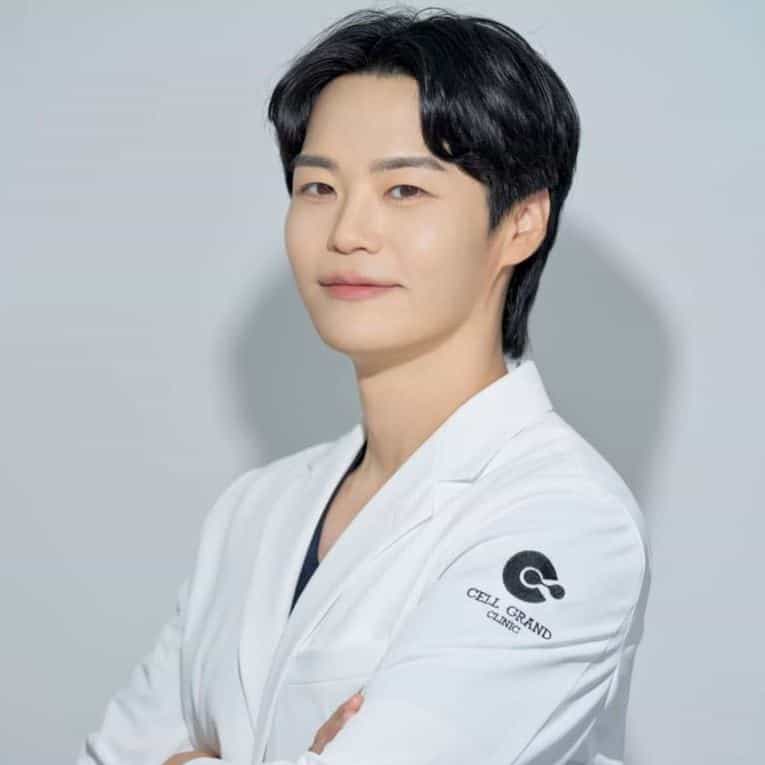
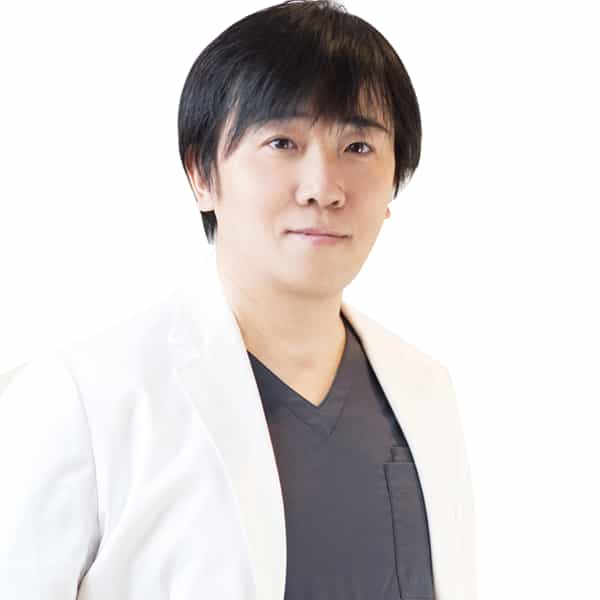
Gặp gỡ các bác sĩ phẫu thuật lành nghề của chúng tôi tại Nhật Bản, giàu kinh nghiệm trong điều trị rụng tóc bằng tế bào gốc và tận tâm mang đến dịch vụ chăm sóc an toàn và hiệu quả. Tìm hiểu thêm về trình độ chuyên môn của họ và cách họ có thể hỗ trợ bạn bên dưới.
Lựa chọn dịch vụ phục hồi tóc tại Hair Stem Cell Japan mang đến sự kết hợp hoàn hảo giữa dịch vụ y tế tiên tiến và trải nghiệm du lịch phong phú. Nhật Bản sở hữu đội ngũ chuyên gia y học tái tạo được công nhận quốc tế, danh tiếng toàn cầu về đổi mới công nghệ và cơ sở vật chất tiên tiến cho liệu pháp tế bào gốc tóc. Sự kết hợp độc đáo này đảm bảo khả năng tiếp cận dịch vụ điều trị rụng tóc tiên tiến, hiện đại tại Nhật Bản, biến Nhật Bản trở thành lựa chọn hàng đầu cho khách du lịch y tế đang tìm kiếm giải pháp phục hồi tóc lâu dài.
Tầm quan trọng của việc xác minh thông tin y tế trong điều trị rụng tóc bằng tế bào gốc
Khi cân nhắc điều trị y tế ở nước ngoài, đặc biệt là các liệu pháp tiên tiến như điều trị bằng tế bào gốc tóc tại Nhật Bản, điều quan trọng là phải xác minh trình độ chuyên môn của chuyên gia y tế và tiêu chuẩn của các phòng khám phục hồi tóc tại Nhật Bản. Việc thẩm định kỹ lưỡng này là tối quan trọng để đảm bảo một chuyến du lịch y tế an toàn và thành công.
Chuyên môn của các học viên
Việc hiểu rõ trình độ chuyên môn của một chuyên gia tế bào gốc là điều cần thiết. Các khía cạnh chính cần xem xét bao gồm:
Để xác minh các thông tin này, hãy cân nhắc yêu cầu thông tin chi tiết về lý lịch chuyên môn, chứng chỉ và mối quan hệ của họ với các tổ chức y tế quốc tế. Việc trao đổi với các chuyên gia tư vấn du lịch y tế cũng có thể hỗ trợ quá trình nghiên cứu này.
Tiêu chuẩn và Chứng nhận Cơ sở
Việc lựa chọn một phòng khám hoặc bệnh viện tuân thủ các quy trình an toàn và chất lượng cao nhất là rất quan trọng. Hãy tìm:
Việc đánh giá chất lượng cơ sở có thể bao gồm các chuyến tham quan ảo, xem xét lời chứng thực của bệnh nhân và đặt câu hỏi cụ thể về các biện pháp an toàn và kiểm soát chất lượng của họ. Nghiên cứu kỹ lưỡng là chìa khóa cho một trải nghiệm điều trị rụng tóc tiên tiến tại Nhật Bản tích cực và thành công.
Những cân nhắc tiềm năng và cách quản lý liệu pháp tế bào gốc cho chứng rụng tóc
Mặc dù liệu pháp tế bào gốc điều trị rụng tóc nhìn chung được coi là an toàn, nhưng những cân nhắc tiềm ẩn chủ yếu liên quan đến phương pháp thu thập tế bào và tình trạng sức khỏe cá nhân của bệnh nhân. Những khía cạnh này được quản lý dưới sự giám sát y tế chuyên môn tại các phòng khám phục hồi tóc tiên tiến của Nhật Bản.
Tính an toàn của liệu pháp tế bào gốc tóc tại Nhật Bản phụ thuộc vào nhiều yếu tố, bao gồm nguồn gốc tế bào gốc (tự thân) và quy trình xử lý. Các cơ sở y tế tại Nhật Bản ưu tiên sự an toàn của bệnh nhân và chăm sóc toàn diện:
Những cân nhắc chung:
Chiến lược quản lý:
Tỷ lệ thành công và kết quả mong đợi trong liệu pháp tế bào gốc điều trị rụng tóc ở Nhật Bản
Liệu pháp tế bào gốc tóc tại Nhật Bản đã cho thấy những kết quả khả quan, với tỷ lệ thành công khác nhau tùy thuộc vào loại rụng tóc, giai đoạn rụng tóc và các yếu tố cá nhân của từng bệnh nhân. Bệnh nhân thường báo cáo sự cải thiện đáng kể về mật độ và độ dày của tóc.
Hiệu quả của phương pháp điều trị rụng tóc tiên tiến tại các phòng khám hàng đầu Nhật Bản được chứng minh bằng cam kết của họ về quy trình khoa học và dịch vụ chăm sóc lấy bệnh nhân làm trung tâm. Mặc dù tỷ lệ thành công cụ thể phụ thuộc vào từng tình trạng bệnh, xu hướng chung cho thấy những kết quả tích cực:
Chuẩn bị cho liệu pháp tế bào gốc điều trị rụng tóc tại Nhật Bản
Chuẩn bị cho phương pháp điều trị rụng tóc tiên tiến tại Nhật Bản bao gồm hồ sơ y tế toàn diện, hậu cần di chuyển liền mạch và làm quen với phương pháp tiếp cận lấy bệnh nhân làm trung tâm của các nhà cung cấp dịch vụ chăm sóc sức khỏe tại địa phương.
Khi bệnh nhân được chấp thuận điều trị bằng tế bào gốc tóc tại Nhật Bản, một số bước chuẩn bị rất quan trọng để có trải nghiệm suôn sẻ và thoải mái:
Chăm sóc và theo dõi sau điều trị rụng tóc bằng tế bào gốc tại Nhật Bản
Chăm sóc sau điều trị bằng tế bào gốc tại Nhật Bản được xây dựng tỉ mỉ để đảm bảo phục hồi tối ưu, theo dõi hiệu quả điều trị và hỗ trợ sức khỏe lâu dài, thường kết hợp liền mạch với môi trường tỉ mỉ của đất nước này.
Giai đoạn phục hồi sau liệu pháp tế bào gốc tại Nhật Bản rất quan trọng để tối đa hóa lợi ích điều trị. Các nhà cung cấp dịch vụ chăm sóc sức khỏe tại Nhật Bản chú trọng đến việc chăm sóc hậu phẫu và theo dõi toàn diện:
Những điều cần biết:
Nhật Bản là quốc gia dẫn đầu thế giới về y học tái tạo, cung cấp phương pháp điều trị rụng tóc tiên tiến bằng cách kết hợp nền tảng khoa học chặt chẽ với dịch vụ chăm sóc lấy bệnh nhân làm trọng tâm. Quốc gia này cung cấp liệu pháp tế bào gốc tóc tiên tiến, được thực hiện bởi các bác sĩ được chứng nhận quốc tế tại các cơ sở hiện đại, được quản lý và trang bị công nghệ tiên tiến. Bệnh nhân được hưởng lợi từ các quy trình đã được chứng minh khoa học, kế hoạch chăm sóc cá nhân hóa và môi trường hiệu quả, an toàn, giúp đơn giản hóa việc đi lại khám chữa bệnh. Với trọng tâm là đổi mới, thời gian chờ đợi tối thiểu và các lựa chọn phục hồi liền mạch tại một quốc gia giàu văn hóa, Nhật Bản thu hút bệnh nhân toàn cầu tìm kiếm liệu pháp tái tạo tóc chất lượng cao tại Nhật Bản cùng những trải nghiệm du lịch khó quên.
Bạn đã sẵn sàng bước tiếp theo để phục hồi mái tóc với liệu pháp tế bào gốc chưa? Hãy liên hệ với PlacidWay ngay hôm nay để nhận được tất cả thông tin cần thiết và tự tin khám phá các lựa chọn của mình. Đội ngũ thân thiện và giàu kinh nghiệm của chúng tôi luôn sẵn sàng hướng dẫn bạn từng chi tiết, giúp quá trình điều trị trở nên đơn giản và thoải mái, đồng thời giải đáp mọi thắc mắc của bạn. Với hệ thống phòng khám uy tín và đội ngũ chuyên gia giàu kinh nghiệm tại Nhật Bản, chúng tôi đảm bảo bạn sẽ được hỗ trợ từ những yêu cầu ban đầu cho đến khi điều trị và sau đó. Đừng chần chừ nữa—hãy liên hệ ngay và bắt đầu hành trình tìm lại sự tự tin và mái tóc khỏe mạnh hơn tại Nhật Bản!
Share this listing