


Aussie Retirees Fuel $4K Vietnam Deep Plane Facelift Boom

Driven by rising domestic healthcare costs, Australian retirees are fueling a massive 2024 surge for a Deep Plane Facelift in Vietnam. By combining luxury recovery with elite surgical precision, seniors are saving up to 70% on this premium facial rejuvenation across Southeast Asia.
The Economic Catalyst: Inflation and the Cost of Aging in Australia
The Australian healthcare landscape is currently experiencing a profound structural shift, largely driven by unprecedented inflationary pressures and the escalating cost of living. For the nation's rapidly expanding retiree demographic, maintaining a youthful appearance and investing in self-care has become an increasingly daunting financial challenge. Domestically, elite cosmetic interventions are universally classified as elective aesthetic surgeries, meaning that neither Medicare nor private health insurance policies provide any financial mitigation. Consequently, an Australian senior seeking comprehensive facial rejuvenation is forced to absorb the entirety of the surgical, facility, and anesthesiology costs entirely out-of-pocket, which can easily exceed $30,000 AUD.
This severe domestic pricing model has forced an entire generation of health-conscious baby boomers to look beyond their borders for viable alternatives. Instead of depleting their hard-earned retirement savings or compromising on surgical quality by opting for less effective "mini-lifts," Australians are increasingly leveraging their geographic proximity to Southeast Asia. Direct, affordable flight routes from major hubs like Sydney, Melbourne, and Brisbane to Vietnamese cities have essentially transformed international medical travel from an exotic luxury into a practical, highly strategic financial decision. Patients are discovering that they can access world-class surgical expertise abroad for a fraction of their domestic quotes, completely redefining the economics of aesthetic aging.
Did You Know?
The outbound medical tourism market from Australia has seen a staggering 35% year-over-year increase. Vietnam has recently surpassed traditional hubs like Thailand and Bali as the preferred destination for complex facial surgeries due to its rapid adoption of advanced deep plane techniques and state-of-the-art hospital infrastructure.
Decoding the Deep Plane Facelift Phenomenon in Vietnam
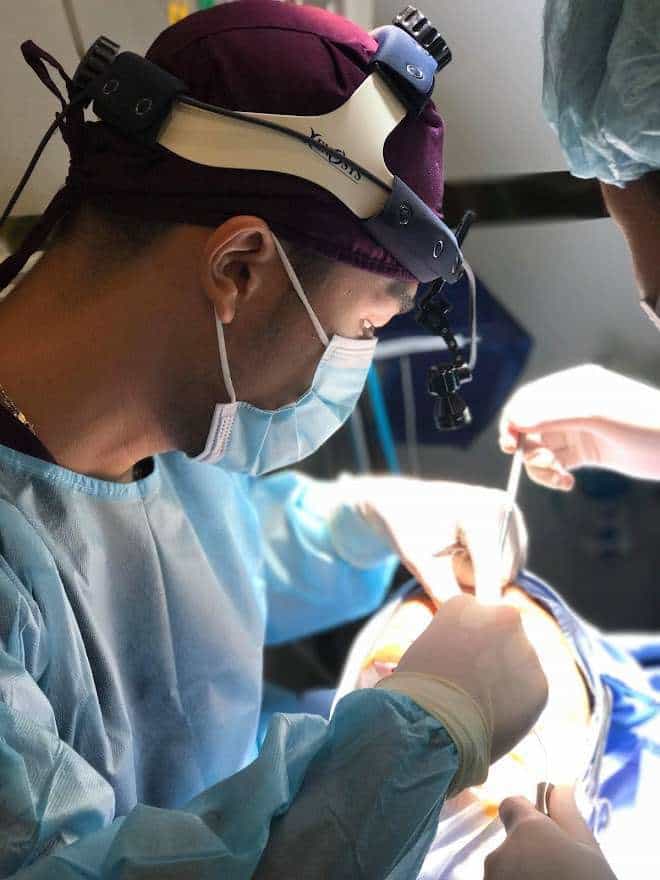
To understand this medical migration, one must comprehend the specific surgical procedure driving the demand. The Deep Plane Facelift represents the absolute pinnacle of modern facial rejuvenation. Unlike older, traditional facelifts that merely pulled and tightened the superficial skin—often resulting in an unnatural, "windblown" appearance—the deep plane technique dives beneath the muscle casing (the SMAS layer). By releasing foundational facial ligaments, the surgeon is able to elevate the skin, muscle, and underlying fat pads as a single, cohesive unit. This highly advanced approach beautifully restores volume to the mid-face, completely eradicates deep nasolabial folds, and sculpts a remarkably sharp, youthful jawline without any visible tension on the skin itself.
Vietnamese surgical hubs have quickly become global epicenters for this specific, highly technical procedure. Recognizing that their international clientele—particularly Australian retirees—demand longevity and natural-looking results, leading medical centers in Ho Chi Minh City and Hanoi have heavily invested in mastering this anatomical approach. The procedure offers significantly longer-lasting results compared to superficial lifts, often turning the clock back by 10 to 15 years. Furthermore, because the deep plane technique preserves the blood supply to the skin, patients traveling abroad experience drastically reduced postoperative bruising and a substantially faster healing trajectory, which is absolutely critical for medical tourists operating on a fixed travel itinerary.
Vietnam’s Rise as Southeast Asia's Premier Medical Tourism Hub
Over the past decade, Vietnam's government and private healthcare sectors have executed a brilliantly coordinated strategy to position the country as a powerhouse in the global medical tourism industry. Billions of dollars in foreign and domestic capital have been injected into developing sprawling, hyper-modern "medical mega-complexes" that rival, and frequently exceed, the infrastructure found in standard Western hospitals. These towering facilities are deliberately designed to cater to an elite international demographic, seamlessly blending the clinical sterility and precision of a top-tier hospital with the opulent aesthetics and customer service of a five-star luxury resort.
A crucial element of this rapid ascension is the rigorous pursuit of international accreditations. The most reputable facilities catering to Australian patients proudly hold Joint Commission International (JCI) accreditation, the global gold standard for healthcare quality and patient safety. This means that every aspect of the surgical journey—from the sterilization of operating theaters and the sourcing of premium anesthetics to the protocols for emergency response—is heavily regulated and regularly audited by independent, international governing bodies. For the discerning Australian retiree, this institutional guarantee of safety completely neutralizes the historical anxieties associated with crossing borders for major surgical interventions.
Financial Breakdown: Sydney Prices vs. Southeast Asian Value
The financial data surrounding this aesthetic migration is undeniably compelling. In major Australian metropolitan areas like Sydney or Melbourne, a surgeon possessing the advanced anatomical mastery required for a legitimate deep plane intervention commands an exceptional premium. When patients begin adding the exorbitant hourly rates of local anesthesiologists, the high costs of private overnight hospital stays, and the necessary postoperative medications, the final invoice becomes a massive financial hurdle. Furthermore, domestic clinics rarely offer all-inclusive pricing upfront, leading to immense frustration when hidden administrative fees arise weeks after the surgery is completed.
In stark contrast, the Vietnamese medical tourism model is built entirely on absolute financial transparency and aggressive value creation. Taking advantage of the region's lower cost of living, subsidized medical education, and reduced bureaucratic overhead, top-tier international facilities can offer elite surgical care at incredibly accessible price points. Patients receive a singular, comprehensive quote that guarantees no hidden surprises. As the comparative table below illustrates, an Australian patient can easily fly first-class, undergo a highly complex surgical procedure, and recover in a luxury beachside villa for merely a fraction of the baseline cost of the surgery alone in their home country.
"We are witnessing a fascinating demographic shift where Australian retirees are refusing to be priced out of their own well-being. They are conducting extensive, data-driven research and discovering that the elite medical infrastructure in Southeast Asia offers unparalleled expertise in complex anti-aging procedures. By choosing destinations like Vietnam for a Deep Plane Facelift, they are not compromising on quality; rather, they are maximizing their quality of life, accessing world-class surgical artistry, and experiencing a luxurious recovery process that simply does not exist at a comparable price point in the Western world."
— Pramod Goel, CEO of PlacidWay
Board-Certified Expertise: The Global Training of Local Surgeons
A common misconception regarding international medical travel is the assumption that lower costs equate to lower standards of medical education. In reality, the surgeons spearheading Vietnam's aesthetic boom are products of a highly connected, globalized medical community. Because the domestic market for aesthetic innovation is so fiercely competitive, elite Vietnamese plastic surgeons routinely spend years abroad, securing highly coveted fellowships in the United States, South Korea, and France. They train directly under the global pioneers of the deep plane technique, mastering the intricate anatomical nuances required to safely manipulate the facial nerves and deep fascial layers.
This phenomenon, often referred to as "brain gain," ensures that the surgical techniques utilized in top Southeast Asian clinics are on the absolute cutting edge of global medical science. Upon returning to their home country, these highly decorated specialists must undergo stringent national board certifications and frequently maintain active memberships with the International Society of Aesthetic Plastic Surgery (ISAPS). Furthermore, because of the massive volume of international patients flowing into the country daily, these reconstructive experts often perform more deep plane surgeries in a single month than many Western surgeons perform in a year, leading to an unparalleled level of specialized, repetitive mastery.
Comprehensive All-Inclusive Packages Redefining Medical Travel
To eliminate the immense logistical friction of coordinating a major surgery across international borders, the leading medical facilities in the region have perfected the "all-inclusive surgical package." These carefully curated bundles are designed to provide absolute peace of mind, transforming what could be a stressful medical endeavor into a highly organized, VIP experience. When an Australian retiree books a verified Deep Plane Facelift package, they can expect a deeply integrated service model:
- Virtual Pre-Surgical Clearances: Patients engage in extensive telemedicine consultations with their prospective surgeon, utilizing advanced 3D facial rendering software to align on exact aesthetic goals before a flight is ever booked.
- Concierge Airport Transfers: Dedicated bilingual medical liaisons and private chauffeurs greet patients directly at the arrival gates in Hanoi or Ho Chi Minh City, completely eliminating the stress of navigating foreign transportation networks.
- Extensive Diagnostic Testing: Packages intrinsically cover all required preoperative cardiovascular evaluations, comprehensive blood panels, and specialist clearances to ensure the patient is a perfect candidate for deep anesthesia.
- Luxury Boutique Accommodations: Post-discharge recovery takes place in partnered five-star hotels or dedicated medical recovery villas that feature climate control, customized nutritional room service, and ergonomic, adjustable bedding.
- Dedicated Nursing & Follow-Up: Continuous care is guaranteed, with registered nurses visiting the patient's hotel daily to monitor vitals, manage medications, assist with lymphatic drainage massages, and eventually remove surgical sutures.
Did You Know?
Clinical studies suggest that patients who recover in low-stress, resort-like environments experience lower cortisol levels, which actively reduces postoperative inflammation and significantly accelerates the body's natural wound-healing processes.
The "Vacation Recovery" Model: Healing in a Tropical Paradise
Beyond the incredible cost savings and surgical mastery, the psychological benefits of recovering abroad are a massive driving force behind this demographic trend. Undergoing a highly transformative facial surgery domestically often forces patients to hide in their homes, anxiously avoiding neighbors, friends, and mail carriers while the initial bruising and swelling subside. This self-imposed isolation can make the crucial first two weeks of recovery feel profoundly isolating and incredibly stressful for the patient.
By shifting the procedure to a tropical, vibrant locale, Australian retirees are fundamentally rewriting the recovery narrative. Healing in a luxurious, sun-drenched environment far from the prying eyes of their local community provides an immense sense of psychological freedom and anonymity. Whether resting in a high-rise suite overlooking the bustling, dynamic streets of Ho Chi Minh City or relaxing in a tranquil, coastal medical resort in Da Nang, patients can heal at their own pace. They are pampered by world-renowned Southeast Asian hospitality, allowing them to return to Australia several weeks later fully healed, deeply rested, and radiating a naturally revitalized, youthful energy.
Navigating Your Aesthetic Journey Securely with PlacidWay
While the advantages of traveling for a deep plane intervention are irrefutable, the process of independently verifying foreign medical credentials, translating complex surgical quotes, and organizing international medical logistics can be highly overwhelming for the average consumer. The internet is flooded with highly targeted, algorithmic marketing from various clinics, making it exceptionally difficult to separate legitimate, board-certified medical institutions from aggressive, sales-driven medical brokers. To safely navigate this expansive global marketplace, relying on an established, independent medical facilitator is an absolute necessity.
Acting as a premier digital connector, PlacidWay effectively bridges the gap between international patients and the world’s most elite healthcare providers. By utilizing the platform, Australian retirees can seamlessly bypass the noise of the internet to access a meticulously curated network of rigorously vetted, internationally accredited surgical centers. Patients can easily compare verified surgeon profiles, analyze unedited patient outcome galleries, review transparent package pricing, and securely book virtual consultations. PlacidWay ensures that every logistical hurdle is managed with precision, allowing patients to focus entirely on their aesthetic transformation and their exciting journey toward renewed confidence.






.png)

.png)
.png)


.png)








Share this listing