Facial Contouring in Seoul, South Korea

Experience Price

$2,900 Price starting from

Share with AI

Share this article with AI assistants to get summaries and insights

Facial Contouring in Seoul, South Korea

Contents

Advanced Craniofacial Bone Reshaping by Specialists in Seoul

Seoul, South Korea, has rightfully earned its title as the "Plastic Surgery Capital of the World," but when it comes to facial contouring, it is in a league entirely of its own. Unlike standard soft-tissue procedures, facial contouring involves reshaping the underlying bone structure—the jaw, chin, and cheekbones—to create a softer, more symmetrical, and balanced appearance.

Patients fly to Seoul not just for the competitive pricing, but for the unmatched technical precision. Korean surgeons have pioneered many of the techniques used globally today, such as the famous "V-Line" surgery and "Quick Zygoma Reduction." Here, facial sculpting is viewed through a lens of holistic harmony rather than just reduction; the goal is to refine the facial framework to enhance your natural features without looking "overdone."

The medical infrastructure in Seoul is futuristic. Clinics in the Gangnam and Apgujeong districts routinely utilize 3D CT scanning and 3D printing to map facial nerves and bone density with sub-millimeter accuracy before a scalpel ever touches the skin. This dedication to safety and aesthetic perfection makes Seoul the premier choice for anyone seeking transformative structural changes.

Whether you are looking to smooth a square jaw, reduce protruding cheekbones, or correct asymmetry, Seoul offers a level of specialization where surgeons perform thousands of these specific procedures annually, far exceeding the case volumes of their Western counterparts.

!

Did You Know?

Korean clinics have developed specialized "Deswelling Care Centers." Post-surgery, patients often receive complimentary treatments involving LED light therapy, high-frequency massages, and oxygen chambers to accelerate healing and reduce swelling twice as fast as standard recovery methods.

Key Insights at a Glance

1
Precision Technology:

Standard use of 3D-CT scans to map nerve pathways, minimizing risks and ensuring symmetry.

2
Invisible Scars:

Most incisions for jaw and chin reduction are made inside the mouth (intraoral), leaving no visible external scarring.

3
Specialized Anesthesia:

Clinics employ full-time, in-house anesthesiologists who monitor patients 1-on-1 throughout the procedure.

4
Global Hub:

Seoul handles the highest volume of facial bone surgeries globally, leading to unparalleled surgeon expertise.

5
Tax Refunds:

International patients are eligible for a VAT tax refund (approx. 7-8% of surgery cost) at the airport.

FUN FACT

The "Gangnam Style" Effect

The Gangnam district in Seoul has such a high concentration of plastic surgery clinics—over 500 in a single square mile—that it is often called the "Improvement Quarter." Many of these buildings are designed specifically for medical tourism, featuring hotel-like lobbies, multilingual concierges, and private elevators for discreet exits post-surgery.

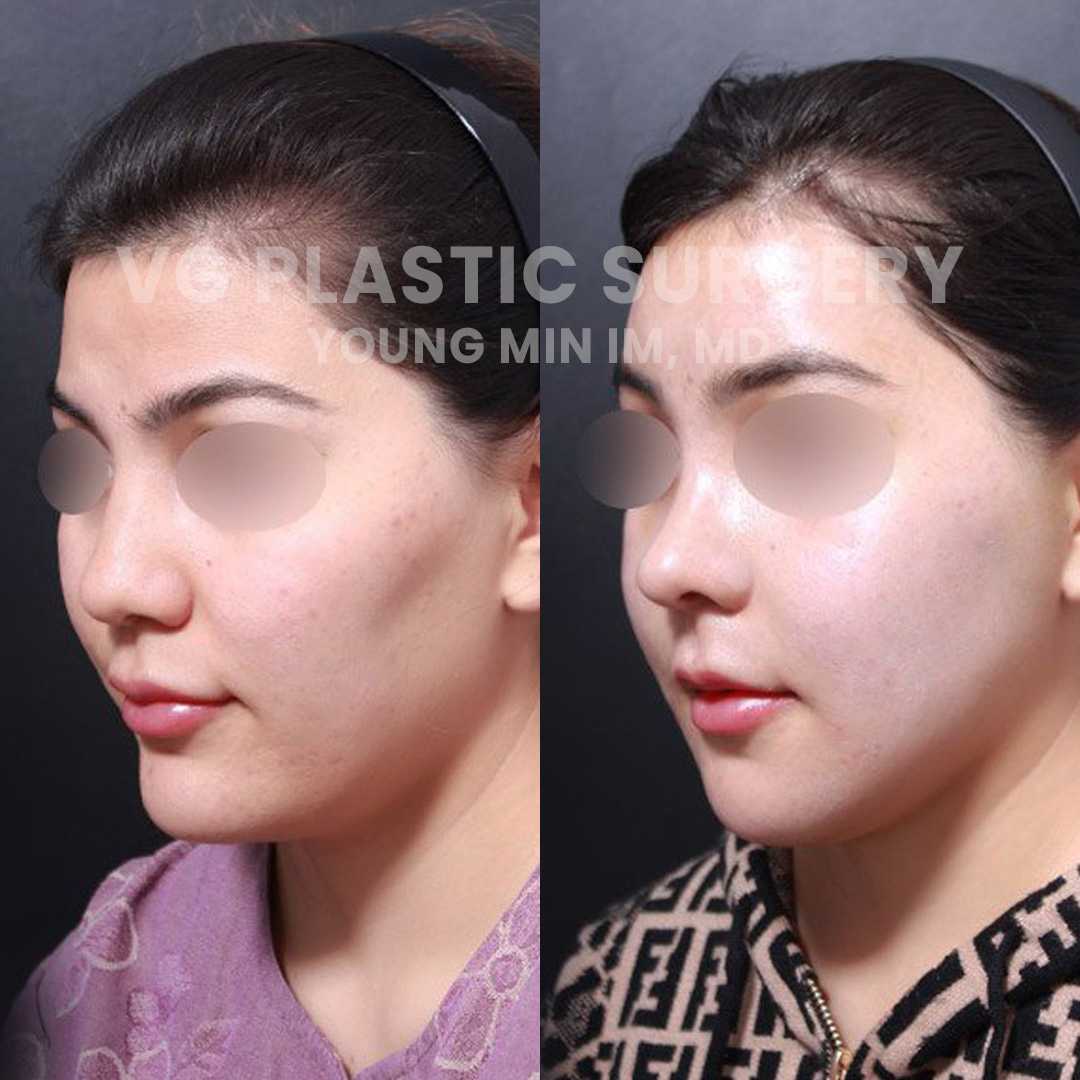
Seoul offers a premium medical experience at a cost that is often 30-50% lower than the United States or Western Europe, though higher than other Asian destinations due to the advanced technology used. The table below outlines estimated costs for procedures such as V-Line surgery, Zygoma reduction, and Mandible reduction. Please note that these are estimates, and the final price will depend on the complexity of your bone structure and the specific technique required (e.g., cortical bone resection vs. T-osteotomy).

Value Tip: Don't forget to claim your VAT tax refund at Incheon Airport before departing, which can return nearly 8% of your surgical costs.
`

Navigating a foreign medical system can be daunting, but all-inclusive packages simplify the experience. The providers listed below offer comprehensive bundles designed specifically for international patients. These packages typically include the surgical fee, general anesthesia, pre-operative 3D CT scans, post-op deswelling treatments, and airport transfers. Some premium options may also include hotel accommodation and a personal translator.

Note: Look for packages that explicitly include "Deswelling Management" as this significantly speeds up your social recovery time.

Facial contouring is major surgery requiring hospital-grade infrastructure. We have curated a list of top-tier medical centers in Seoul that specialize in craniofacial surgery. These clinics are selected based on their possession of on-site emergency systems, dedicated anesthesia departments, and advanced diagnostic equipment like 3D-CT scanners. Explore the profiles below to find facilities that prioritize patient safety and hold accreditation from the Korean Ministry of Health and Welfare.

Safety Check: Ensure your chosen center has a dedicated, full-time anesthesiologist, not a visiting freelancer.
Witnessing the transformation of others is the best way to visualize your own potential results. The videos below feature real stories from international patients who traveled to Seoul for facial contouring. Watch them to understand the recovery timeline, the level of care provided by Korean medical staff, and the dramatic yet natural-looking changes achieved through V-line and cheekbone reduction surgeries.

Watch For: Pay attention to patients discussing the "deswelling" process, as this is a unique aspect of the Korean recovery experience.
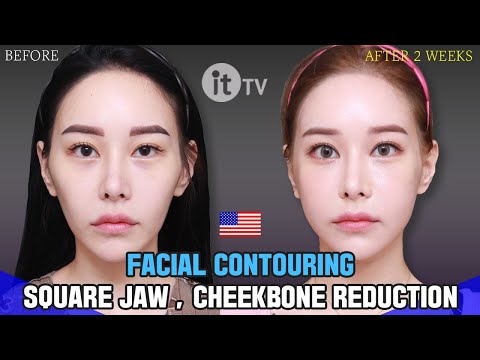
Seoul has a high satisfaction rate among medical tourists, but individual experiences vary. Below, you will find verified reviews from patients who have undergone facial bone surgery. Read through their detailed feedback regarding communication with the surgical team, the comfort of the recovery facilities, and their satisfaction with the long-term aesthetic outcome. These reviews help build a realistic expectation of the journey.

Insight: Look for reviews that mention "International Patient Coordinators" to gauge how well the clinic handles language barriers.

Is facial contouring surgery in South Korea safe?

Yes, South Korea maintains some of the world's highest safety standards for plastic surgery. Top clinics utilize 3D-CT scans to map facial nerves and blood vessels precisely, preventing nerve damage. Furthermore, reputable clinics are equipped with Uninterruptible Power Supplies (UPS) and Dantrolene kits (for malignant hyperthermia) to handle emergencies. However, because this is major surgery involving bone, it is vital to choose a surgeon specializing in "Craniomaxillofacial" surgery and ensure a board-certified anesthesiologist is present throughout the operation.

How long is the recovery period for V-Line or Zygoma reduction?

Initial recovery takes about 2 weeks. During this time, you will have swelling and may need to wear a compression bandage. Most patients can return to non-strenuous work after 2 weeks when major swelling subsides. However, "social readiness" (looking natural) usually happens around 1 month post-op. Complete healing, where the skin fully tightens around the new bone structure and residual swelling disappears, takes 6 to 12 months. Korean clinics offer accelerated deswelling treatments to speed up this process.

Will I have visible scars after the surgery?

One of the biggest advantages of modern facial contouring is the lack of visible scarring. For procedures like square jaw reduction and chin genioplasty, incisions are made entirely inside the mouth (intraoral). Zygoma (cheekbone) reduction typically involves an intraoral incision and a tiny incision (less than 5mm) in the sideburn area, which is hidden by hair and fades to become virtually invisible. You should practice good oral hygiene post-op to prevent infection of the intraoral stitches.

Is the surgery painful?

Surprisingly, patients report that facial contouring is not acutely painful compared to other surgeries because the bone itself has few pain receptors. The primary discomfort comes from the swelling and the tight feeling caused by the compression garment. You may also experience a sore throat from the anesthesia tube. Pain is easily managed with prescribed oral medication. The most challenging part is usually the liquid/soft diet restriction rather than physical pain.

How much does facial contouring cost in Seoul?

Prices vary based on the clinic and surgeon's reputation. On average, a "V-Line" surgery (Square Jaw + Chin) ranges from $6,000 to $10,000 USD. Zygoma reduction averages between $4,000 and $7,000 USD. A full "3-Set" contouring package can range from $12,000 to $18,000 USD. This is significantly more affordable than in the U.S. or Australia, where similar procedures can cost upwards of $30,000, yet the quality in Seoul is often superior due to high specialization.

Do I need to speak Korean to get surgery there?

No. The major clinics in Seoul that cater to medical tourists have dedicated International Departments with full-time English, Chinese, Russian, and Thai coordinators. These coordinators stay with you during consultations, enter the operating room until you are asleep, and assist with post-op checkups. They effectively remove the language barrier, ensuring you and your surgeon clearly understand the surgical goals.

How do I avoid "Ghost Surgery" (Shadow Doctors)?

"Ghost surgery" refers to a situation where a different doctor operates than the one you hired. To avoid this, choose clinics that prioritize transparency. Many top clinics now offer CCTV live streaming services where your family can watch the surgery from a waiting room, or they provide recorded footage upon request. PlacidWay only partners with vetted clinics that adhere to strict ethical standards. Always verify that your surgeon is a certified specialist in plastic surgery, not a general practitioner.

How long do I need to stay in Korea?

It is recommended to stay in Seoul for at least 10 to 14 days. You will typically spend 1 night in the hospital for monitoring. Stitches (if any are external) and intraoral checkups are usually done 7 to 10 days post-op. You cannot fly immediately after surgery due to swelling and pressure changes. Staying for two weeks allows the surgeon to perform a final check and ensure you are healing correctly before you return home.

What will I be able to eat after surgery?

Diet is crucial for recovery. For the first 3-5 days, you will be on a strict liquid diet (water, juice, milk, protein shakes). From day 5 to week 4, you can transition to a soft diet (porridge, pudding, scrambled eggs, mashed potatoes). You must avoid hard, chewy, or crunchy foods for at least 2 to 3 months to allow the bone to heal and stabilize. Maintaining good nutrition during this time is essential for faster healing.

Will my skin sag after bone reduction?

This is a common concern. If a significant amount of bone is removed, there is a risk of skin sagging, especially in older patients or those with less elastic skin. Skilled Korean surgeons anticipate this; they often recommend combining bone surgery with a lifting procedure (like thread lifts or Accusculpt laser liposuction) to ensure the soft tissue adheres tightly to the new, smaller bone structure. During your consultation, ask about "lifting" protocols to prevent sagging.

Is it Safe to Get Plastic Surgery in South Korea?

South Korea is often hailed as the plastic surgery capital of the world, renowned for its advanced medical technology and highly skilled surgeons. If you're considering a cosmetic procedure, you've likely wondered, "is it safe to get plastic surgery in South Korea?" The short answer is yes, it generally is, provided you do your due diligence and choose a reputable clinic. The country's booming medical tourism industry is a testament to the quality of care available. However, like any medical procedure, there are inherent risks, and it's crucial to be well-informed before making any decisions. This comprehensive guide will walk you through the most pressing questions about getting plastic surgery in South Korea, ensuring you have all the information you need to make a safe and confident choice. Is it Safe to Get Plastic Surgery in South Korea? "Yes, getting plastic surgery in South Korea is generally safe, especially when you choose a board-certified surgeon and a reputable, accredited clinic. The country is known for its high standards in medical care and advanced surgical techniques." While South Korea boasts a high level of medical expertise, the safety of your procedure largely depends on the choices you make. The South Korean government has regulations in place to protect patients, including international visitors. Many top-tier clinics are equipped with state-of-the-art technology and adhere to strict safety protocols. These clinics often have English-speaking staff and coordinators dedicated to assisting foreign patients, making the entire process smoother and more secure. However, it's also important to be aware of the potential risks. The immense popularity of plastic surgery in South Korea has led to a highly competitive market, which unfortunately can give rise to some unscrupulous practices. Issues like "ghost doctors" (where an unqualified person performs the surgery instead of the designated surgeon) and aggressive, sometimes misleading, advertising are concerns to be mindful of. To mitigate these risks, thorough research is paramount. Always verify the credentials of your surgeon and the accreditation of the clinic. Why is Plastic Surgery So Popular in South Korea? "The popularity of plastic surgery in South Korea is driven by a combination of cultural factors, the influence of K-pop and K-drama, and the country's highly advanced medical industry that offers innovative and effective procedures." The phenomenon of plastic surgery in South Korea is deeply embedded in its culture. There's a strong societal emphasis on appearance, and cosmetic procedures are often viewed as a form of self-improvement, similar to education or exercise. This cultural acceptance has destigmatized plastic surgery, making it a common and even celebrated choice for many. The global success of Korean pop culture, with its impeccably styled idols and actors, has further fueled this trend, setting high beauty standards that many aspire to achieve. Beyond cultural influences, the technical excellence of South Korean surgeons is a major draw. The country is a hub for innovation in cosmetic procedures, with surgeons continuously developing and refining techniques to deliver natural-looking and long-lasting results. This commitment to excellence, combined with competitive pricing compared to many Western countries, makes South Korea an attractive destination for medical tourists from all over the world. What are the Most Common Plastic Surgery Procedures in South Korea? "The most common plastic surgery procedures in South Korea include double eyelid surgery (blepharoplasty), rhinoplasty (nose job), and facial contouring surgeries like V-line jaw reduction." South Korean surgeons are particularly renowned for their expertise in facial procedures. Double eyelid surgery is one of the most frequently performed operations, designed to create a crease in the upper eyelid for a larger, more defined eye appearance. This procedure is incredibly popular among both locals and international patients. Rhinoplasty, or a nose job, is another common choice. Patients often seek to refine the shape and size of their nose to achieve better facial harmony. Facial contouring is a specialty of many Korean clinics, with procedures like V-line surgery (jaw and chin reduction) and zygoma (cheekbone) reduction being highly sought after to create a slimmer, more delicate facial profile. Other popular procedures include anti-aging treatments like facelifts and fat grafting, as well as body contouring procedures like liposuction and breast augmentation. How Much Does Plastic Surgery Cost in South Korea? "The cost of plastic surgery in South Korea varies widely depending on the procedure, the clinic's reputation, and the surgeon's experience. However, it is generally more affordable than in countries like the United States or the UK." One of the significant advantages of getting plastic surgery in South Korea is the cost-effectiveness. While prices are not uniform across the board, you can generally expect to pay less for high-quality procedures than you would in many Western nations. For example, a rhinoplasty that might cost upwards of $10,000 in the US could be in the range of $3,000 to $7,000 in South Korea. Here's a rough estimate of costs for some popular procedures: It's important to remember that the final cost will include not just the surgeon's fee but also anesthesia, facility fees, and any necessary post-operative care. Always request a detailed cost breakdown during your consultation to avoid any surprises. How Do I Choose a Good Plastic Surgery Clinic in South Korea? "To choose a good plastic surgery clinic in South Korea, look for government-accredited facilities, board-certified surgeons with extensive experience in your desired procedure, and positive, verifiable patient reviews." With hundreds of clinics to choose from, particularly in the Gangnam district of Seoul, selecting the right one can feel overwhelming. Start by researching clinics that are officially registered to treat foreign patients. Look for accreditations from reputable bodies like the Korean Ministry of Health and Welfare. A key indicator of a trustworthy clinic is transparency. They should be willing to provide detailed information about their surgeons' qualifications and experience. Reading patient reviews and looking at before-and-after photos can provide valuable insights, but be cautious of overly curated or promotional content. Independent forums and communities can be a good source of unbiased feedback. It's also a good idea to schedule online consultations with a few different clinics to get a feel for their approach and to ensure you feel comfortable and well-cared for. Are South Korean Plastic Surgeons Qualified? "Yes, South Korean plastic surgeons are highly qualified. The path to becoming a board-certified plastic surgeon in South Korea is incredibly rigorous, ensuring a high level of expertise and skill." The training and certification process for plastic surgeons in South Korea is notoriously demanding. It involves years of medical school, followed by a competitive residency program and specialized training in plastic and reconstructive surgery. To become board-certified, surgeons must pass a series of challenging exams. This stringent process ensures that those who practice as specialists have a deep understanding of anatomy, surgical techniques, and patient safety. Furthermore, the high volume of procedures performed in South Korea means that surgeons gain a vast amount of practical experience, constantly honing their skills. Many surgeons also actively participate in international conferences and publish research, contributing to the advancement of the field. When choosing a surgeon, always confirm that they are board-certified by the Korean Society of Plastic and Reconstructive Surgeons. Can a Foreigner Get Plastic Surgery in South Korea? "Absolutely. Foreigners can easily get plastic surgery in South Korea. The country has a well-developed medical tourism infrastructure with many clinics offering services specifically for international patients." South Korea welcomes medical tourists from all over the globe. Many of the larger and more reputable clinics have dedicated international patient departments with multilingual staff, including English, Chinese, and Japanese speakers. These teams can assist with everything from the initial online consultation and scheduling to accommodation and post-operative care arrangements. To travel to South Korea for medical purposes, you will need a valid passport. Depending on your nationality and the length of your stay, you may also need to apply for a medical visa. It's advisable to check the latest visa requirements with the South Korean embassy or consulate in your country well in advance of your planned trip. What Should I Expect During a Consultation? "During a consultation for plastic surgery in South Korea, you can expect a thorough examination, a detailed discussion of your aesthetic goals, and a transparent breakdown of the recommended procedures and associated costs." The consultation is a critical step in your plastic surgery journey. A good consultation will be a two-way conversation. You should feel comfortable expressing your concerns and desired outcomes. The surgeon will conduct a physical examination of the area to be treated and may use 3D imaging technology to help you visualize the potential results. The surgeon will then recommend a treatment plan tailored to your specific needs and anatomy. They should clearly explain the procedure, including the surgical technique, potential risks and complications, and the expected recovery process. You will also receive a detailed quote for the surgery. Don't hesitate to ask questions until you are completely clear on all aspects of the proposed plan. What is the Recovery Process Like? "The recovery process for plastic surgery in South Korea varies depending on the procedure but generally involves some swelling, bruising, and discomfort for the first week or two. Most clinics provide detailed post-operative care instructions to ensure a smooth recovery." The initial recovery period is crucial for achieving the best possible results. For less invasive procedures like double eyelid surgery, you can expect to be back to most of your normal activities within a week. More extensive surgeries, such as facial contouring or a facelift, will require a longer downtime of two to four weeks. Your clinic will provide you with specific aftercare instructions, which may include medication to manage pain and prevent infection, as well as guidelines on cleaning the surgical site and activities to avoid. Many clinics also offer post-operative treatments like de-swelling laser therapy to aid in the healing process. It's important to follow these instructions diligently and attend all scheduled follow-up appointments. How Long Should I Stay in South Korea After My Surgery? "It is recommended to stay in South Korea for at least 7 to 14 days after your plastic surgery, depending on the complexity of the procedure, to allow for initial healing and post-operative check-ups." The recommended length of stay will depend on the type of surgery you undergo. For minor procedures, a week may be sufficient. For more complex surgeries, your surgeon will likely advise you to stay for at least two weeks. This allows for the removal of stitches, monitoring of your initial recovery, and addressing any immediate concerns before you fly back home. Staying for the recommended period ensures that you are in close proximity to your surgeon should any complications arise. It also gives you time to rest and recover without the added stress of a long-haul flight immediately after surgery. What are the Risks of Plastic Surgery in South Korea? "The risks of plastic surgery in South Korea are similar to those in any other country and include infection, scarring, anesthesia complications, and dissatisfaction with the results. Choosing a qualified surgeon and reputable clinic significantly minimizes these risks." Every surgical procedure carries some level of risk. In the context of plastic surgery in South Korea, specific concerns to be aware of include the issue of "ghost doctors" and the use of unlicensed or inexperienced practitioners in some less reputable clinics. There is also the risk of being swayed by aggressive marketing tactics that may not accurately represent the potential outcomes. To protect yourself, it is crucial to research your clinic and surgeon thoroughly. Insist on seeing the surgeon who will be performing your procedure during the consultation and on the day of the surgery. Be wary of clinics that offer unusually low prices or pressure you into making a quick decision. By being a well-informed and cautious patient, you can significantly reduce the likelihood of encountering these problems. Is It Necessary to Have a Translator? "While many top Cosmetic Surgery clinics in South Korea have English-speaking staff, having a translator can be beneficial for ensuring clear communication, especially for complex medical discussions." Reputable clinics that cater to international patients usually have in-house translators or English-speaking coordinators. This is often sufficient for most patients. However, if you are concerned about potential language barriers or want to ensure that you understand every nuance of the consultation and post-operative instructions, hiring an independent medical translator can provide an extra layer of confidence. A translator can accompany you to your appointments and be a valuable advocate, ensuring that all your questions are answered to your satisfaction. This can be particularly helpful if you are undergoing multiple or complex procedures. Ready to explore your options for safe and high-quality plastic surgery in South Korea? Explore PlacidWay to find accredited clinics and experienced surgeons who can help you achieve your aesthetic goals.

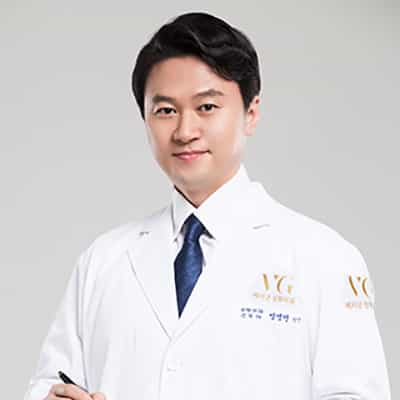
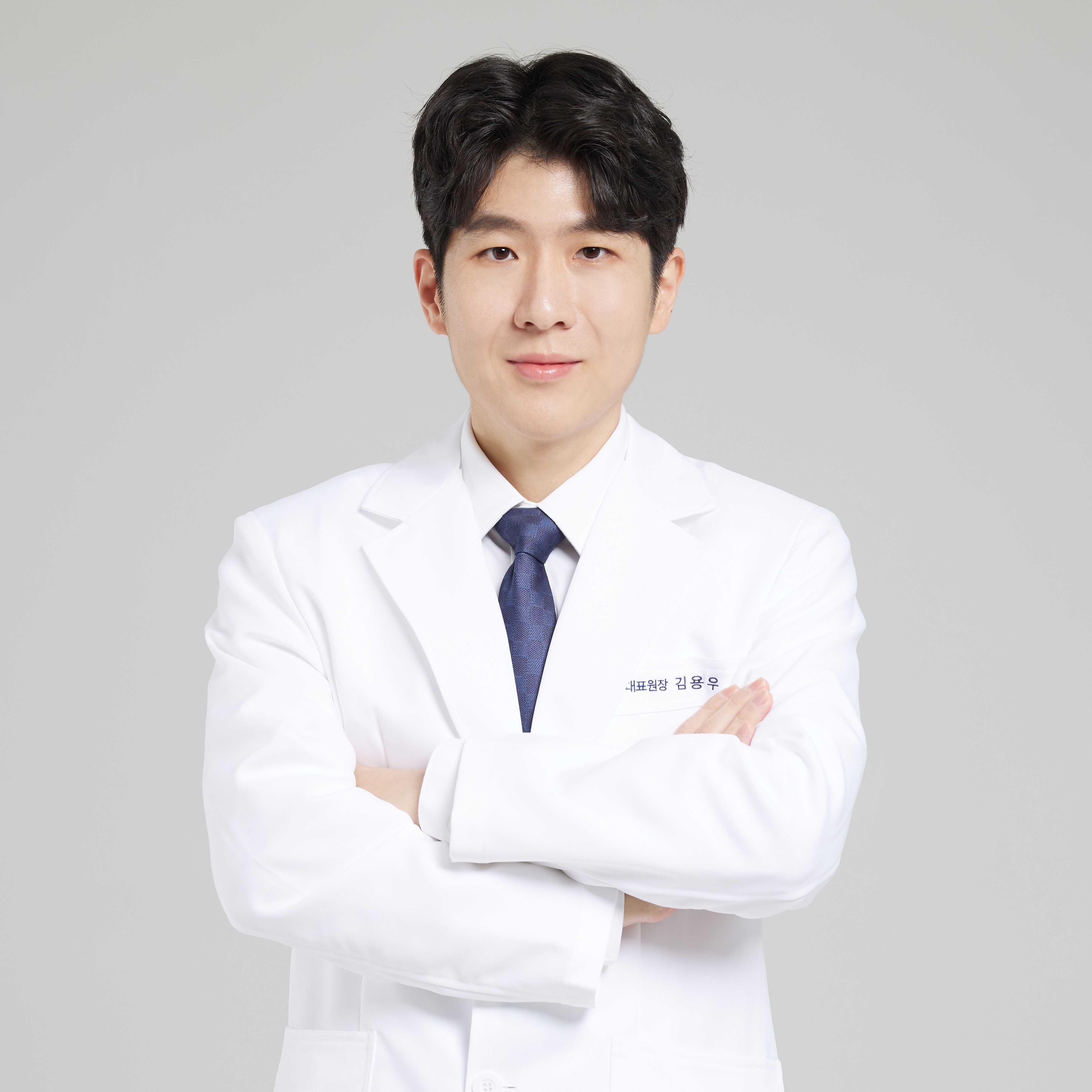
Facial contouring requires a surgeon who understands not just aesthetics, but complex craniofacial anatomy. We have identified top specialists in Seoul who are Board-Certified Plastic Surgeons with specific fellowships in Craniofacial surgery. These experts are recognized for their low complication rates, artistic eye for symmetry, and ability to create natural, not "over-operated," results.

1

Craniofacial Masters

Specialized Bone Structure Experts

Our recommended specialists focus almost exclusively on facial bone surgery. They are members of the Korean Society of Plastic and Reconstructive Surgeons (KSPRS) and often hold PhDs in Anatomy, ensuring they can navigate sensitive facial nerves with maximum safety.

2

3D Planning Pioneers

Technology-Driven Precision

These surgeons utilize advanced 3D simulation software to show you potential results before surgery. They use custom-made surgical guides (wafers) printed from your CT scans to ensure the bone is cut exactly as planned, down to the millimeter.

3

Safety-First Approach

Conservative & Natural Philosophy

Top specialists in Seoul prioritize function alongside aesthetics. They ensure that jaw movement and biting force remain healthy. They avoid aggressive over-resection, aiming for a "natural-born" look rather than an obviously operated appearance.
1

Unmatched Expertise in Asian Features

Seoul is the birthplace of modern facial contouring techniques tailored specifically for Asian facial structures. Procedures like the "V-Line" surgery were perfected here. Surgeons in Seoul have the most extensive experience globally in reducing wide cheekbones and square jaws, offering results that Western surgeons often lack the specific training to achieve.

This deep specialization means higher success rates and more predictable aesthetic outcomes for patients seeking these specific structural changes.

2

Advanced Medical Infrastructure

Clinics in Seoul are not just medical offices; they are high-tech facilities. The standard of care involves the latest generation of 3D-CT scanners for diagnosis, 3D printers for surgical guides, and hospital-grade sterilization systems.

This integration of technology ensures that surgery is safer, faster, and more precise. Furthermore, the post-operative care infrastructure, including dedicated "Anti-Swelling Centers," helps patients recover faster and more comfortably than they would elsewhere.

3

Tourist-Friendly Environment & Tax Benefits

The South Korean government actively supports medical tourism. Safety laws are strict, requiring CCTV in operating rooms in many cases. Additionally, the VAT Tax Refund system allows tourists to get money back on their medical expenses upon departure.

Combined with a safe, clean city, excellent public transport, and a culture that values beauty, Seoul provides a supportive environment where patients can focus entirely on their transformation.

Transforming your facial structure is a life-changing decision that requires absolute trust. PlacidWay acts as your safety net in Seoul, connecting you with verified masters of facial contouring. We simplify the complexities of international surgery so you can focus on your new look.

Strict Provider Vetting

We rigorously screen clinics for accreditation, safety records, and surgeon board certification, protecting you from unverified providers.

Price Transparency

We help you secure fixed quotes before you travel, ensuring there are no hidden fees or "foreigner prices" when you arrive at the clinic.

Consultation Arrangement

We facilitate preliminary video consultations with Korean surgeons, often with translation assistance, so you can discuss your specific goals remotely.

Medical Visa Assistance

We provide guidance and necessary documentation to help streamline the process of obtaining a medical visa for entry into South Korea.

Safety Advocacy

We only promote clinics that adhere to strict anesthesia safety protocols and transparency measures, prioritizing your health above all else.

Post-Op Support

Our team remains a point of contact even after surgery, helping you navigate follow-up protocols and ensuring your recovery is on track.

Don't leave your face to chance. Contact PlacidWay today to connect with the world's best facial contouring specialists in Seoul and receive a free, personalized treatment plan.

Get Your Free Personalized Quote

Facial Contouring in Seoul, South Korea thumbnail

About Experience

  • Price Range: $2,900 - $2,900
  • Treatment: Cosmetic/Plastic Surgery
  • Location: Seoul, South Korea
  • Clinics: VG Plastic Surgery, Hugo Plastic Surgery, Urban Plastic Surgery, LiMO Plastic Surgery Clinic in Seoul, South Korea, JK Medical Group in Seoul, South Korea, Glovi Plastic Surgery Korea,
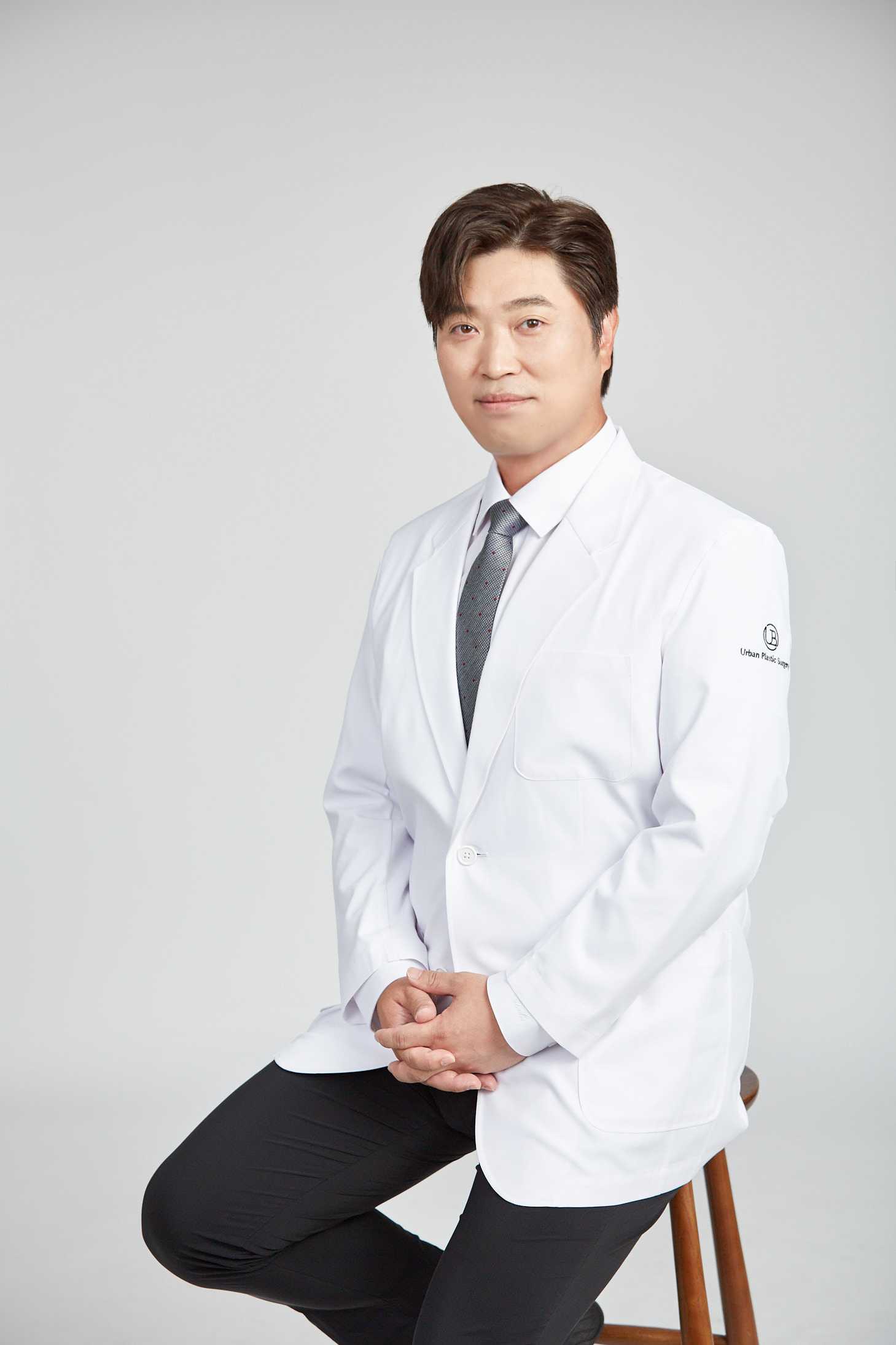
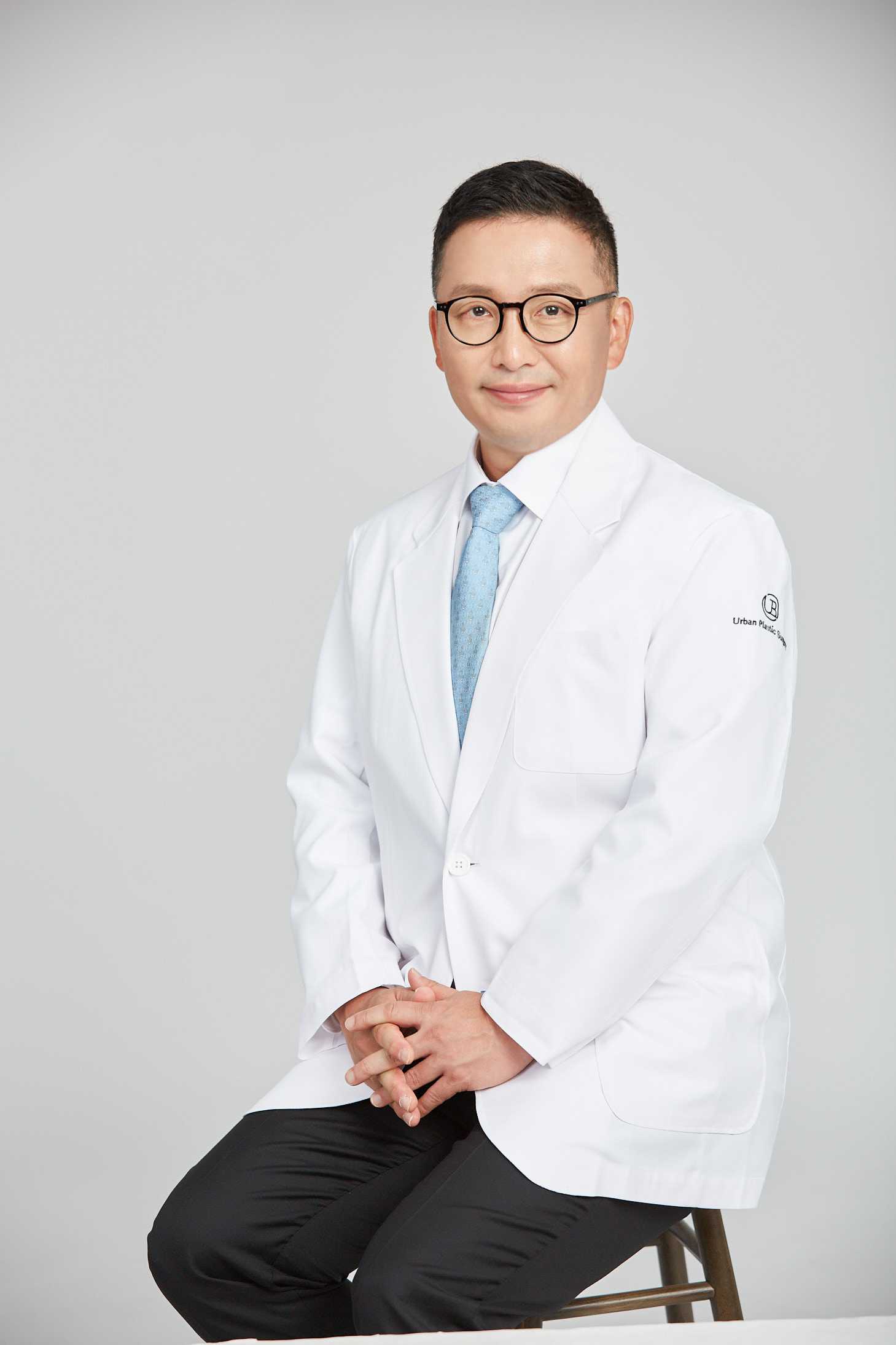
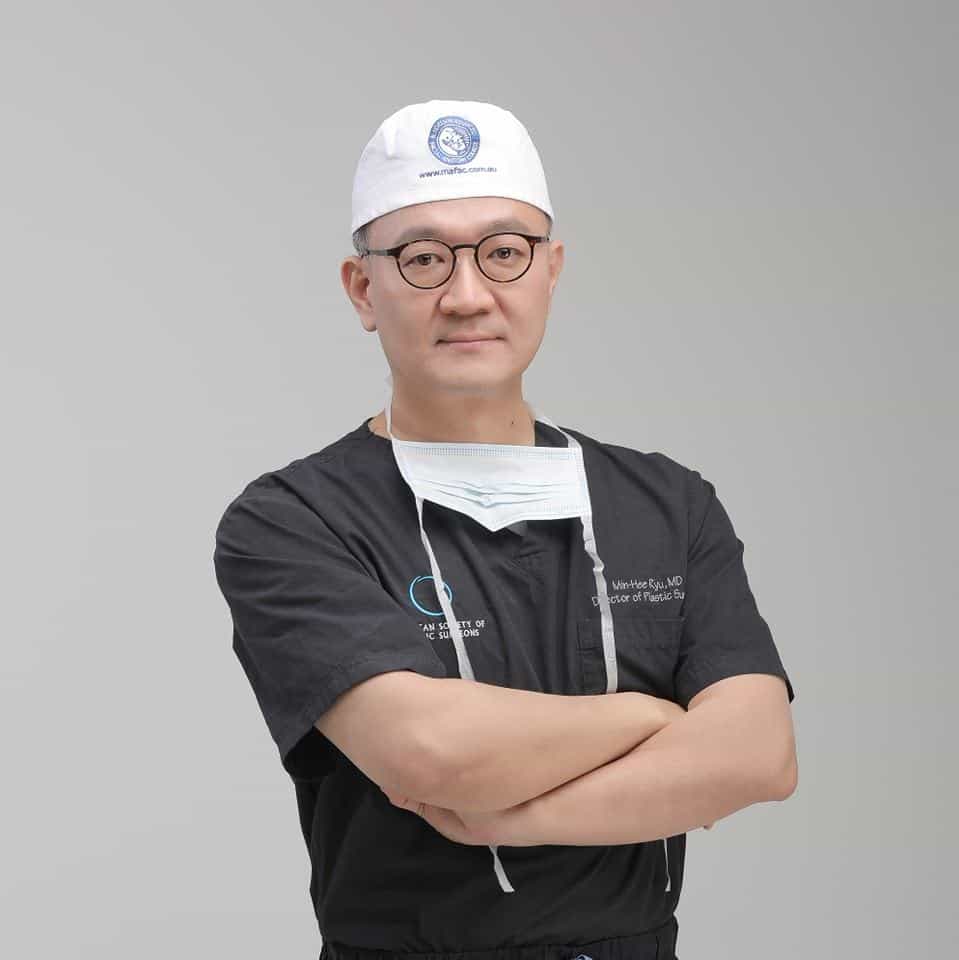
  • Doctors Young Min Im, PH.D., M.D., Kim Yong Woo, Lee Jeong Min, Choi Eun Kyu, MIN HYUB CHOI, M.D. , Dr. Minhee Ryu,
  • Packages Facial Contouring Package in Seoul, South Korea by VG Plastic Surgery,
  • Overview Advanced Craniofacial Bone Reshaping by Specialists in Seoul