


Spain: Top Hub for Heroin Recovery in Europe
With Northern European opioid dependency surging 15% annually, families are urgently seeking long-term Heroin Recovery in Spain. Offering a warm climate, discreet care, and world-class medical infrastructure, Spain is now the premier sanctuary for sustainable, affordable rehabilitation.
The Escalating Opioid and Heroin Crisis Across Northern Europe
The landscape of substance abuse across Northern Europe has reached a critical juncture. Nations such as the United Kingdom, Sweden, Norway, and Germany are currently battling unprecedented levels of opioid dependency, exacerbated by the influx of high-purity heroin and synthetic opioids. Public health systems in these regions are increasingly overwhelmed, leading to severely backlogged national health services. For families watching a loved one succumb to the intense physical and psychological grip of heroin addiction, the promise of state-funded care is often met with months-long waiting lists. In the context of severe opioid dependency, a waiting period of even a few weeks can be the difference between life and a fatal overdose.
Furthermore, domestic treatment protocols in Northern Europe frequently heavily rely on harm reduction models, such as methadone or buprenorphine maintenance programs. While these strategies are highly effective for community management and reducing overdose fatalities, they often fall short for individuals and families seeking complete, long-term abstinence and deep-rooted psychological healing. Consequently, affluent and middle-class families are looking beyond their borders, searching for immersive residential programs that offer a complete disruption of the addict's routine, environment, and access to domestic triggers. This urgent demand has catalyzed a massive shift in medical tourism, pointing directly toward the Iberian Peninsula.
Did You Know?
According to European drug monitoring agencies, patients who completely relocate to a new geographical environment for the duration of their initial 90-day inpatient rehabilitation show a 40% higher sustained sobriety rate compared to those who attend clinics within a 50-mile radius of their primary residence.
Why Families Choose Long-Term Heroin Recovery in Spain
The decision to pursue international addiction treatment is deeply strategic. For families grappling with the chaos of a heroin use disorder, geographical distance is a potent clinical tool. By enrolling in long-term Heroin Recovery in Spain, patients are physically removed from their local drug dealers, enabling peers, and the toxic environmental triggers that perpetually sabotage domestic recovery attempts. Spain provides a profound sense of anonymity and privacy. In their home countries, patients often fear the social stigma associated with entering a local rehab facility, worrying about professional repercussions or being seen by acquaintances. Traveling to Spain guarantees strict confidentiality, allowing the individual to focus entirely on physical detoxification and mental health restoration without the burden of external judgment.
Logistically, Spain represents the perfect balance of accessible travel and distinct environmental change. Major Spanish medical hubs are highly connected to Northern European capitals via short, direct flights, making it entirely feasible for family members to visit during designated family therapy weeks. Moreover, Spain operates under the stringent medical and ethical regulations of the European Union. This ensures that the clinical standards, psychiatric care, and pharmacological protocols are entirely aligned with the highest global benchmarks. Families are not compromising on medical quality by traveling south; rather, they are accessing superior, holistic care models that seamlessly integrate elite European medicine with unparalleled hospitality.
The Advanced Medical Infrastructure of Spanish Rehab Facilities
The medical architecture supporting addiction recovery in Spain has evolved into a highly sophisticated ecosystem. The facilities catering to international patients are a far cry from the institutional, clinical environments typical of state-run hospitals. Instead, Spain has pioneered the concept of the clinical sanctuary. These centers are often situated on expansive, private estates, seamlessly blending rigorous, hospital-grade medical infrastructure with the aesthetics and comfort of a luxury retreat. This environment is intentionally designed to reduce the severe anxiety and stress that naturally accompanies heroin withdrawal, providing a safe, calming atmosphere that promotes cellular and psychological healing.
Clinically, these centers boast formidable multidisciplinary teams. Upon admission, patients do not just see a general practitioner; they undergo exhaustive evaluations by board-certified addiction psychiatrists, clinical psychologists, neurologists, and specialized nutritionists. There is a profound emphasis on "Dual Diagnosis"—the simultaneous treatment of the substance use disorder alongside underlying co-occurring mental health conditions such as complex PTSD, clinical depression, or severe anxiety disorders. Using advanced diagnostic tools, including neuro-cognitive assessments and brain-mapping, Spanish medical teams create highly individualized, dynamic treatment blueprints that address the exact neurochemical deficits caused by prolonged heroin abuse.
Analyzing the Financial Reality: Treatment Cost Comparisons
One of the most compelling drivers for medical migration to the Iberian Peninsula is the striking economic advantage. In the UK and Scandinavian countries, private inpatient rehabilitation is frequently cost-prohibitive. Elite domestic centers can command exorbitant monthly fees, draining family savings and creating immense financial stress on top of an already traumatic emotional situation. Because the cost of living, real estate, and administrative overhead is significantly lower in Spain, elite medical centers can offer world-class, luxury residential programs at a fraction of the cost of their Northern European counterparts.
This price disparity does not indicate a reduction in quality. In fact, due to the lower operational costs, Spanish facilities often reinvest heavily into patient care, resulting in much higher staff-to-patient ratios, premium private accommodations, and a broader array of complimentary holistic therapies. Below is a comparative breakdown illustrating the stark financial differences families face when choosing between domestic private care and traveling to Spain for comprehensive heroin rehabilitation.
Evidence-Based Methodologies and Holistic Detoxification
Overcoming heroin addiction requires an incredibly delicate, medically precise approach. The initial phase of withdrawal is notoriously grueling, which is why Spanish centers utilize cutting-edge pharmacological interventions to manage symptoms, mitigate cravings, and ensure absolute patient safety around the clock. However, medical detoxification is merely the prologue to the true recovery journey. Once stabilized, patients engage in an immersive daily schedule built upon rigorously tested, evidence-based psychological frameworks. To repair the profound neurological and emotional damage caused by long-term opioid use, facilities deploy a diverse arsenal of therapeutic modalities:
- Cognitive Behavioral Therapy (CBT) & Dialectical Behavior Therapy (DBT): Intensive, daily one-on-one sessions aimed at dismantling self-destructive thought patterns, building emotional regulation, and developing concrete coping mechanisms to prevent future relapse.
- Trauma-Informed EMDR Therapy: Many heroin addictions are rooted in unresolved past traumas. Eye Movement Desensitization and Reprocessing (EMDR) helps patients safely process traumatic memories without relying on chemical numbing agents.
- Biochemical and Nutritional Restoration: Prolonged heroin use severely depletes the body of vital nutrients and disrupts the gut microbiome. Treatment includes targeted IV vitamin therapies, personalized orthomolecular medicine, and organic, chef-prepared Mediterranean diets to physically rebuild the immune and nervous systems.
- Equine-Assisted and Somatic Therapies: Utilizing the natural landscape of Spain, centers offer equine therapy, which helps rebuild empathy, trust, and non-verbal communication skills, alongside somatic therapies that release tension stored deep within the body.
- Systemic Family Counseling: Recognizing that addiction is a family disease, centers conduct structured, culturally sensitive family therapy via video link, preparing the entire family unit for the patient's eventual reintegration into daily life.
"We are observing a massive paradigm shift in how European families approach critical addiction care. Northern European patients are no longer restricted to local, overburdened systems. Spain has brilliantly positioned itself as the definitive epicenter for recovery by marrying the highest EU clinical standards with an environment that deeply nurtures the human spirit. Through transparent access and verified data, families are reclaiming hope and securing life-saving treatments."
— Pramod Goel, CEO of PlacidWay
The Psychological Impact of a Mediterranean Climate on Healing
It is impossible to overstate the therapeutic value of the environment itself when discussing rehabilitation. Heroin withdrawal and early recovery are frequently accompanied by profound anhedonia (the inability to feel pleasure) and severe clinical depression. In Northern Europe, particularly during the long, dark winter months, Seasonal Affective Disorder (SAD) can brutally compound these psychological struggles, making sustained sobriety incredibly difficult to achieve. The harsh climate inherently forces patients indoors, leading to feelings of isolation, lethargy, and claustrophobia, all of which are notorious triggers for relapse.
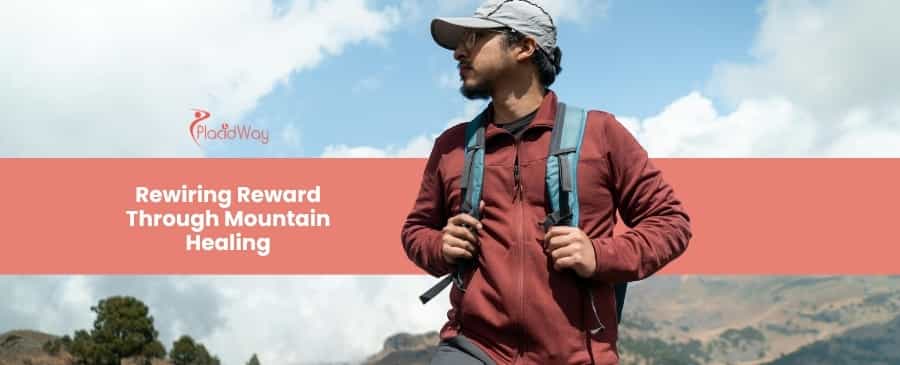
Spain’s Mediterranean climate serves as a direct antidote to this phenomenon. With over 300 days of sunshine annually, patients benefit from continuous, natural Vitamin D absorption, which plays a critical role in the natural regulation of serotonin and dopamine—neurotransmitters that have been decimated by heroin abuse. The warm, inviting climate encourages outdoor therapeutic activities, from morning beach meditations and hiking in the mountains to yoga in open-air pavilions. This constant connection with nature not only accelerates physical revitalization but profoundly shifts the patient's psychological outlook, replacing despair with a renewed, vibrant enthusiasm for life.
Did You Know?
Clinical studies indicate that regular exposure to natural sunlight can increase the brain's release of serotonin by up to 30%. In addiction recovery, this natural chemical boost acts as a powerful, non-pharmacological mood stabilizer, drastically reducing anxiety and post-acute withdrawal symptoms.
Navigating International Addiction Treatment with PlacidWay
While the advantages of seeking rehab in Spain are clear, the process of finding, vetting, and securing admission into a legitimate, top-tier international facility can be daunting for families already in crisis. The internet is flooded with marketing materials, and without specialized knowledge, it is incredibly difficult to verify a clinic's medical accreditations, the credentials of their psychiatric staff, or the true nature of their success rates. Language barriers and complex international admission logistics can further paralyze decision-making, wasting precious time that the addicted individual simply does not have.
This critical juncture is where PlacidWay serves as an invaluable, life-saving connector. As a premier global medical tourism facilitator, PlacidWay has meticulously audited and curated a network of the most elite, fully certified rehabilitation centers across Spain. They empower families by providing transparent, side-by-side comparisons of treatment methodologies, facility amenities, and upfront pricing structures. By handling the logistical complexities—from arranging urgent medical visas and flight transfers to facilitating initial multilingual virtual consultations between the family and the Spanish psychiatric team—PlacidWay removes the friction from international medical travel, allowing families to focus entirely on the recovery journey.
What to Expect During the Post-Rehab Transition Phase
Reputable international facilities understand that genuine recovery does not miraculously conclude at the end of a 30, 60, or 90-day inpatient program. The transition from the highly structured, perfectly safe environment of a Spanish rehab clinic back to the unpredictable realities of life in Northern Europe is the most vulnerable period for any recovering addict. To combat this, elite Spanish clinics engineer robust, multi-tiered aftercare programs long before the patient's discharge date. This begins with an exhaustive relapse prevention blueprint, identifying specific triggers and outlining immediate action steps to counteract cravings in real-world scenarios.
To ensure continuity of care across borders, these facilities leverage modern telemedicine. Discharged patients are enrolled in ongoing digital therapy sessions with the exact clinical team they bonded with in Spain. Furthermore, case managers actively collaborate with trusted therapists, psychiatrists, and localized support groups (such as Narcotics Anonymous or SMART Recovery) in the patient's home city prior to their arrival. In many cases, transitional steps, such as international sober living arrangements or regular outpatient check-ins, are orchestrated to provide a structured "step-down" approach, cementing the foundational healing achieved in Spain and ensuring long-lasting, generational sobriety.


.png)

.png)
.png)
.png)
.png)
.png)










Share this listing