
Contents
For individuals trapped in the cycle of alcohol addiction where traditional rehabs and 12-step programs have failed, Tijuana has emerged as a global sanctuary for a different kind of solution: Ibogaine therapy. Unlike standard treatments that manage symptoms over months, Ibogaine is a psychoactive alkaloid that works to interrupt addiction pathways in the brain rapidly, often described by patients as a "hard reset" for the central nervous system.
Tijuana is uniquely positioned as the world's leading hub for this therapy. Because Ibogaine is unregulated in Mexico (yet illegal in the U.S.), medical professionals here have spent decades refining safety protocols and administration techniques. This is not a recreational experience; it is a serious medical procedure.
Treatment centers in Tijuana range from clinical hospital settings to holistic retreat-style facilities overlooking the Pacific Ocean. The primary goal of this therapy is to alleviate the agonizing physical withdrawal symptoms of alcohol cessation—known as PAWS (Post-Acute Withdrawal Syndrome)—while simultaneously providing a psychospiritual experience that helps patients uncover the root trauma driving their addiction.
Choosing Tijuana for Ibogaine treatment allows patients to access experienced medical teams who utilize cardiac monitoring and comprehensive pre-screening, ensuring that this powerful interruption of addiction is conducted with the highest safety standards available.
Did You Know?
Ibogaine is derived from the root bark of the Tabernanthe iboga shrub, native to West Africa. While it has been used ceremonially for centuries, Western medicine in Tijuana utilizes the extracted hydrochloride form (Ibogaine HCL) to ensure precise dosing and medical predictability, specifically targeting the brain's dopamine receptors to "scrub" them of chemical dependency.
Key Insights at a Glance
Ibogaine is known for significantly reducing or eliminating acute alcohol withdrawal symptoms and cravings within 24-48 hours.
While illegal in the U.S., Ibogaine treatment is permitted in Mexico, allowing for legal, medically supervised administration.
Due to cardiac risks, reputable Tijuana clinics require EKGs and liver panels before treatment.
Unlike 30-90 day rehabs, Ibogaine protocols in Tijuana typically last 5 to 10 days.
Most clinics offer door-to-door transport from San Diego Airport (SAN), making travel seamless.
The "Oneirogenic" State
Ibogaine is classified as an "oneirogen," meaning it induces a waking dream state. Patients often report watching a "movie" of their life, allowing them to revisit past traumas and memories objectively without the associated emotional pain. This psychological review is credited with helping patients understand why they drink, not just how to stop.
While Ibogaine therapy is an investment, it is often more affordable than a standard 30-day residential rehab program in the US. The cost varies depending on the facility's amenities (clinical vs. luxury resort), the length of stay, and the medical complexity of the patient. The table below details the cost structures available, helping you plan your budget for this life-changing intervention.
Tip: Beware of bargain-basement prices. Low cost often means a lack of medical staff or emergency equipment, which is non-negotiable for Ibogaine safety.

Price starting from $7,800
Ibogaine Treatment for Generalized Anxiety Disorder Package in Tijuana, Mexico by New Path Ibogaine
New Path Ibogaine in Tijuana Mexico
- Addiction Treatment
Tijuana,Rosarito Beach, Mexico

Price starting from $7,800
Ibogaine Treatment for Nicotine Addiction Package in Tijuana, Mexico by New Path Ibogaine
New Path Ibogaine in Tijuana Mexico
- Addiction Treatment
Tijuana,Rosarito Beach, Mexico
Tijuana hosts several specialized centers offering comprehensive packages designed to take the logistical stress out of recovery. These all-inclusive options generally cover the pre-treatment medical screening (EKG and blood work), the Ibogaine administration under medical supervision, private accommodation, nutritional support, and ground transportation from the San Diego border. Review the list below to find a package that offers the level of luxury and medical support you require.
Note: Look for packages that include "Aftercare Coaching" or integration therapy, which is crucial for long-term success.
Ibogaine Therapy Centers Cost Comparison in Tijuana, Mexico
| Provider | Procedure | Price |
|---|---|---|
| New Path Ibogaine in Tijuana Mexico | Ibogaine Therapy, Addiction Treatment | $7800 |
Ibogaine Therapy Cost Comparison in Mexico
| Country | Procedure | Price |
|---|---|---|
| United States | Ibogaine Therapy, Addiction Treatment | $20000 |
Not all clinics are created equal. The centers listed here are selected based on their adherence to strict safety protocols, including the presence of ACLS-certified medical staff and on-site emergency equipment. These facilities specialize in addiction medicine and have successfully treated thousands of patients. Explore their profiles to see their accreditation, facility photos, and safety records.
Safety First: Ensure the center you choose has a continuous cardiac monitoring protocol during the flood dose.

Casa Renacimiento
Tijuana, Mexico
Casa Santa Isabel
Tijuana, Mexico
New Path Ibogaine in Tijuana Mexico
Tijuana,Rosarito Beach, Mexico
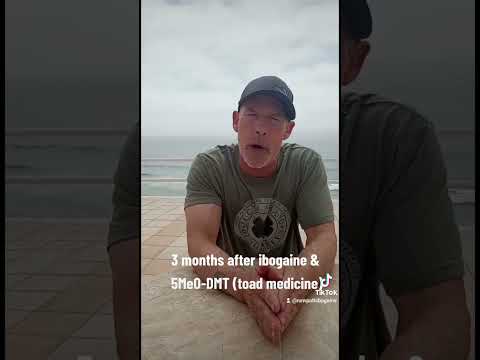
Addiction is a deeply personal struggle, and seeing the transformation in others can be a powerful motivator. The video testimonials below feature real stories from individuals who traveled to Tijuana to overcome alcohol dependency. Listen to their accounts of the treatment process, the "visionary" experience, and their life in recovery post-treatment.
Insight: Pay attention to patients discussing their "integration" phase—how they applied the insights from Ibogaine to their daily lives.
We have curated verified reviews from patients who have undergone Ibogaine therapy in Tijuana. These reviews shed light on the compassion of the nursing staff, the comfort of the facilities, and the effectiveness of the treatment in curbing alcohol cravings. Reading these experiences can help validate your decision and set realistic expectations for your journey.
Review Tip: Look for reviews that mention long-term sobriety to gauge the lasting impact of the treatment.

What is Cost of Ibogaine Treatment in Mexico? Pricing, Factors & Best Clinics
Ibogaine treatment in Mexico has become a leading choice for those seeking an alternative and effective approach to overcoming addiction. The cost of ibogaine treatment in Mexico generally ranges between $5,000 and $12,000, making it a significantly more affordable option compared to the U.S., where costs often exceed $15,000-$20,000. Mexico has emerged as a top destination for ibogaine therapy due to its high success rates, lower costs, and relaxed legal environment, allowing for safe and professional addiction treatment. Many clinics in Tijuana, Cancun, Playa del Carmen, and Los Cabos offer medically supervised ibogaine detox programs that focus on long-term recovery. This guide breaks down the cost of ibogaine treatment in Mexico, factors that influence pricing, and the best ibogaine treatment centers to help you make an informed decision. How Much Does Ibogaine Treatment Cost in Mexico? The cost of ibogaine treatment in Mexico varies depending on the clinic, location, level of medical supervision, and additional wellness services. Below is a general breakdown of ibogaine treatment costs: Cost Breakdown of Ibogaine Treatment in Mexico Treatment Type Estimated Cost (USD) Details Standard Ibogaine Detox (5-7 days) $5,000 – $8,000 Includes medical monitoring, accommodation, and ibogaine detox treatment. Luxury Ibogaine Retreat (7+ days) $8,000 – $12,000 Private rooms, holistic therapies, and premium wellness services. Extended Detox & Rehabilitation (10-21 days) $9,000 – $15,000 Comprehensive recovery programs including therapy and mental health support. Mental Health & PTSD Ibogaine Therapy $6,000 – $10,000 Specialized treatment for trauma, anxiety, and depression. Veterans & First Responder Discounts $4,500 – $7,500 Some clinics provide special discounts for military personnel. Factors That Influence the Cost of Ibogaine Treatment in Mexico Several factors determine the price of ibogaine treatment in Mexico: Clinic Location: Cities like Tijuana and Rosarito Beach offer cost-effective options, while Cancun and Playa del Carmen provide more luxury retreats that cost more. Medical Supervision: Facilities with 24/7 monitoring, licensed doctors, and emergency response teams charge higher fees for added safety. Treatment Duration: Short detox programs (5-7 days) are generally less expensive than long-term rehabilitation programs (10-21 days) that include therapy and relapse prevention. Additional Services: Clinics offering yoga, meditation, psychotherapy, and nutritional support have higher costs due to enhanced recovery outcomes. Best Ibogaine Treatment Centers in Mexico Mexico is home to some of the most reputable ibogaine treatment clinics, known for their expert medical supervision, personalized detox programs, and high safety standards. Here are the top ibogaine clinics in Mexico: 1. Experience Ibogaine Treatment Center – Tijuana, Mexico Experience Ibogaine Treatment Center located in Tijuana and Rosarito Beach, Experience Ibogaine Treatment Center is recognized for its high success rates and medical supervision. Provides 24/7 patient monitoring with on-site medical staff. Offers comprehensive post-treatment care for long-term sobriety. Incorporates nutritional counseling, psychotherapy, and holistic healing. 2. Genesis Ibogaine Clinic – Rosarito Beach, Mexico Genesis Ibogaine Clinic specializes in medically supervised ibogaine treatment for opioid, alcohol, and stimulant addiction. One-on-one counseling and personalized detox programs. Located in a peaceful, coastal environment for relaxation. Provides mental health support for patients with anxiety, PTSD, and trauma. 3. Casa Santa Isabel – Tijuana, Mexico Casa Santa Isabel offers a private, tranquil setting for ibogaine therapy, focusing on emotional well-being and relapse prevention. Medically monitored ibogaine detox to ensure patient safety. Provides therapy, meditation, and nutritional support for recovery. Staffed by experienced addiction treatment professionals. 4. Renovación de Vida – Tijuana, Mexico Renovación de Vida specializes in long-term addiction recovery programs tailored to each patient’s needs. Includes individual therapy, group counseling, and wellness programs. Helps patients transition back into daily life through support networks and relapse prevention programs. Focuses on comprehensive post-treatment care for sustained recovery. 5. Ibogaine Cancun – Cancun, Mexico Ibogaine Cancun provides high-quality addiction treatment for opioids, alcohol, and stimulants in a luxury beachfront setting. Advanced medical assessments and cardiac screening before treatment. Custom detox plans based on individual health conditions. Post-treatment integration support for long-term recovery success. 6. Viraha Wellness Center – Los Cabos, Mexico Viraha Wellness Center integrates traditional ibogaine therapy with holistic healing techniques. Uses Tomatis® Method, Access Bars®, and emotional detox therapy for complete rehabilitation. Located in a serene environment, promoting mental clarity and relaxation. Provides ongoing counseling and wellness support post-treatment. 7. Ibogaine by David Dardashti – Playa del Carmen, Mexico Ibogaine by David Dardashti clinic with over 15 years of experience, this clinic is known for personalized ibogaine detox protocols. Combines spiritual, psychological, and medical approaches to healing. Offers tailored ibogaine dosing for optimal treatment results. Provides extensive post-treatment support and counseling. FAQs About Ibogaine Treatment in Mexico 1. How much does ibogaine treatment cost in Mexico? The cost varies from $5,000 to $12,000, depending on factors like medical supervision, clinic reputation, and additional wellness services. 2. Is ibogaine treatment safe? When administered in a medically supervised setting, ibogaine treatment is considered safe. Top clinics in Mexico offer pre-treatment health assessments, cardiac monitoring, and emergency support to ensure patient safety. 3. How long does ibogaine treatment take? A standard ibogaine detox program lasts 5-7 days, but extended programs (10-21 days) offer therapy, counseling, and aftercare support for long-term recovery. 4. Why is ibogaine treatment more affordable in Mexico than in the U.S.? Mexico has lower medical costs and fewer regulatory restrictions, allowing clinics to offer high-quality treatment at a fraction of the U.S. price. 5. What should I consider when choosing an ibogaine clinic? When selecting a clinic, consider: Medical Supervision – Ensure 24/7 monitoring and emergency care. Reputation – Check for positive patient testimonials and high success rates. Post-Treatment Support – Choose clinics that offer long-term counseling and relapse prevention. Transparency in Pricing – Confirm there are no hidden costs. 6. Is ibogaine treatment legal in Mexico? Yes, ibogaine treatment is legal in Mexico, making it one of the safest places to undergo this therapy with professional medical support. Final Thoughts: Is Ibogaine Treatment in Mexico Worth It? Ibogaine treatment in Mexico offers a cost-effective, safe, and professional path to recovery. With clinics offering medically supervised detox, holistic therapies, and post-treatment support, Mexico remains a top choice for individuals seeking freedom from addiction. If you’re considering ibogaine therapy, research your options and choose a trusted clinic that aligns with your recovery goals. Start your journey today!
Where Can You Get Ibogaine Treatment In Tijuana, Mexico?
You can find an ibogaine treatment clinic in Tijuana, Mexico at specialized alternative therapy centers. Because of severe cardiac risks, patients should only select facilities with strict medical screening and 24/7 ECG monitoring. Seeking alternative therapies for substance use disorders often leads individuals to look beyond their local borders. For many in North America, exploring ibogaine treatment in Tijuana, Mexico has become a prominent option due to the city's close geographic proximity to the United States and its differing medical regulations. However, navigating this landscape requires extreme caution, rigorous research, and a deep understanding of the associated medical risks. Ibogaine is a powerful psychoactive alkaloid derived from the root bark of the Tabernanthe iboga plant, native to West Africa. While it is heavily studied for its potential to interrupt opioid withdrawal symptoms and reduce cravings, it is classified as a Schedule I controlled substance in the United States. This classification means it is not an approved medical treatment, prompting individuals to seek out facilities abroad. Because the substance carries significant, sometimes fatal, cardiovascular risks, understanding how to identify responsible medical settings is the most critical step for anyone considering this path. Key Takeaways Ibogaine is a psychoactive alkaloid used by some to manage withdrawal, but it is not a medically approved cure for addiction. The therapy carries severe cardiovascular risks, requiring continuous EKG monitoring and emergency medical capabilities. Thorough pre-screening, including liver panels and heart evaluations, is mandatory for patient safety. Clinic standards in border cities vary widely, making rigorous independent vetting essential. Long-term recovery relies on extensive psychological aftercare and support upon returning home. What exactly is ibogaine and how is it used in Tijuana Ibogaine is a naturally occurring psychoactive substance used in specialized alternative clinics to potentially alleviate substance withdrawal symptoms. In these settings, it is typically administered orally in a single, medically supervised flood dose. The substance works on multiple neurotransmitter systems in the brain simultaneously. Research suggests it may help reset certain neural pathways affected by long-term substance use, particularly opioids. Patients often report experiencing an intense, dream-like introspective state lasting up to 24 hours. During this phase, individuals may confront past traumas or the root psychological causes of their behavioral patterns. In alternative clinical settings, the application is divided into distinct phases: preparation, the acute dose phase, and the integration phase. Because the physical and psychological toll of the experience is intense, responsible facilities do not administer the substance on the day of arrival. Instead, patients undergo a stabilization period to clear certain contraindicating substances from their system and mentally prepare for the process. Why do patients seek medical tourism in Tijuana Mexico for this treatment Patients travel for alternative care primarily because the substance remains illegal and unavailable in their home countries. Medical tourism in Tijuana, Mexico offers geographic convenience and a robust infrastructure for international patients. Tijuana sits directly across the border from San Diego, California, making it highly accessible via major international airports and land crossings. Over the past few decades, the city has developed a vast medical tourism industry, catering to international patients seeking everything from dental work to complex surgeries. This existing infrastructure means that specialized transport, English-speaking staff, and cross-border logistics are often well-established. Furthermore, the regulatory environment in Mexico allows alternative therapies to exist. The substance is not scheduled in the same restrictive manner as in the United States or Canada. However, this legal gray area also means that oversight of specific alternative psychiatric protocols is limited. Consequently, the responsibility of determining the safety and legitimacy of a facility falls heavily on the patient and their family. What should I look for in a safe ibogaine facility A responsible facility must operate like a small emergency clinic, prioritizing extensive pre-screening, continuous vital monitoring, and having Advanced Cardiovascular Life Support protocols in place. The most significant danger associated with this therapy is its impact on the heart. Therefore, safety must be the absolute priority when evaluating options. You should carefully review a facility's medical credentials and emergency preparedness before making any commitments. Continuous ECG/EKG Monitoring: The patient must be connected to a heart monitor for the duration of the acute phase, overseen by trained medical staff. Comprehensive Lab Testing: The facility must require extensive blood work (including liver and kidney function) and baseline cardiac evaluations before approval. Emergency Protocols: The clinic must possess a fully stocked crash cart, defibrillators, and have a clear, rapid transport plan to a nearby major hospital in case of an adverse event. Qualified Medical Staff: Look for the presence of ACLS-certified doctors and nurses, not just traditional guides or therapists. Psychological Support: A robust integration program with licensed counselors to help process the psychological intensity of the experience. Important Consideration Never trust a facility that guarantees a cure or agrees to administer treatment without requiring extensive prior medical records and recent laboratory tests. How much does ibogaine treatment cost in Tijuana Mexico The ibogaine treatment cost in Tijuana, Mexico generally ranges from $5,000 to $10,000 or more. This estimate depends on the duration of stay, the complexity of medical detox required, and the level of amenities provided. Because this therapy is not covered by health insurance, patients must pay entirely out of pocket. The wide variation in pricing is often a reflection of the medical safety standards upheld by the facility. Clinics that employ full-time medical doctors, utilize advanced monitoring equipment, and offer extended post-treatment psychological care will understandably fall on the higher end of the pricing spectrum. When reviewing costs, it is important to understand what is included in the package. An unusually low price may be a red flag indicating a lack of emergency medical equipment or underqualified staff. Typically, a comprehensive estimate should include: Pre-treatment medical consultations and laboratory reviews. The cost of the alkaloid itself. Accommodations and meals for a 7 to 14-day stay. 24/7 nursing and medical supervision. Pre- and post-treatment psychotherapy sessions. What are the most serious medical risks of ibogaine The most dangerous medical risk is prolonged QT interval, which can lead to fatal cardiac arrhythmias. Other risks include severe ataxia, seizures, gastrointestinal distress, and profound psychological trauma. Safety cannot be overstated when discussing this substance. It has a known physiological effect on the heart's electrical system. Specifically, it can cause the QT interval to lengthen. If this interval becomes too long, it can trigger a potentially fatal heart rhythm called Torsades de Pointes. This is why continuous EKG monitoring is non-negotiable. Beyond cardiac concerns, the substance metabolizes through the liver. Patients with compromised liver function (often common in individuals with a history of severe substance use) may process the alkaloid too slowly, leading to toxic accumulation in the blood. Neurological risks, including seizures, have also been documented, particularly when mixed with other substances or medications still present in the patient's system. Who is typically not a candidate for this therapy Individuals with pre-existing heart conditions, severe liver or kidney disease, or a history of certain psychiatric disorders like schizophrenia are generally contraindicated for this therapy. A rigorous screening process will rule out many prospective patients. Those with structural heart defects, a history of heart failure, or naturally prolonged QT intervals face too high a risk of cardiac arrest. Furthermore, individuals taking certain medications, particularly those metabolized by the CYP2D6 enzyme or those that also prolong the QT interval, must undergo careful, medically supervised tapering long before treatment. From a psychiatric perspective, the intense, hallucinogenic nature of the experience can exacerbate certain mental health conditions. Individuals with a history of psychosis, bipolar disorder, schizophrenia, or severe panic disorders may experience significant psychological decompensation. A qualified facility will have a mental health professional assess patient readiness to ensure the experience will not cause lasting psychological harm. What does a typical treatment timeline look like A comprehensive protocol typically spans one to two weeks, involving initial medical stabilization, the flood dose day, and several days of physical recovery and psychological integration. Patients do not arrive and immediately receive therapy. The timeline begins with stabilization. If a patient is dependent on short-acting opioids, they may be transitioned to alternative short-acting medications for a few days to ensure they do not enter severe withdrawal before their body is physically ready for the main dose. Complex cases, such as dependency on fentanyl or methadone, require much longer tapering periods prior to travel. Phase Duration Primary Activities Intake & Stabilization 2 to 5 Days Final lab checks, EKG baseline, psychological prep, transitioning off contraindicated substances. Acute Treatment Day 12 to 24 Hours Administration of the dose, continuous cardiac monitoring, introspective phase. Recovery & Integration 3 to 7 Days Physical rest, return of motor functions, daily therapy sessions to process the experience. How should patients prepare for their trip to a clinic Preparation involves obtaining comprehensive medical evaluations at home, strictly adhering to the clinic’s pre-arrival medication guidelines, and mentally preparing for an intense therapeutic experience. Long before packing a bag, preparation begins with your primary care physician at home. You will need to obtain recent blood panels, EKG results, and a full medical history to send to the prospective facility in Mexico. Complete honesty about substance use history, including dosages and types of substances used, is vital. Failing to disclose a substance can lead to fatal drug interactions during therapy. Logistically, patients must ensure their passports are up to date and arrange for safe transportation. Many established facilities offer private transport from San Diego International Airport directly across the border to their center. Mentally, patients should engage in pre-treatment counseling to set clear intentions and understand that the procedure is not a magic bullet, but rather a tool to aid in the recovery process. Why is aftercare essential following ibogaine therapy Because therapy only interrupts withdrawal and may temporarily ease cravings, an intensive aftercare plan involving ongoing therapy and lifestyle changes is critical to prevent relapse. A common misconception is that this therapy functions as a standalone cure. It does not. While it may provide a window of opportunity where physical withdrawal symptoms and cravings are significantly reduced, the psychological and environmental triggers for substance use remain waiting at home. Without a solid foundation of post-treatment support, the risk of relapse is exceptionally high. Patients should have an aftercare plan finalized before they even depart for Mexico. This may involve transitioning immediately into a sober living environment, engaging in intensive outpatient therapy, or working with specialized integration coaches. Processing the insights gained during the introspective phase takes time, and professional therapeutic support helps translate those insights into lasting behavioral changes. Why Choose PlacidWay for Medical Tourism in Mexico Navigating the complex world of international healthcare can be overwhelming, especially when researching highly sensitive alternative therapies. PlacidWay serves as a global medical tourism platform to help patients gather information and connect with healthcare facilities around the world. Extensive Global Network: PlacidWay provides access to a directory of international medical centers and clinics across various specialties. Informational Resources: The platform offers articles, patient guides, and clinic profiles to help individuals learn about treatments available abroad. Direct Communication: Patients can use the platform to send inquiries directly to international healthcare providers. Comparative Tools: PlacidWay allows users to evaluate different facility profiles, estimated costs, and available services side-by-side. Focus on Patient Education: The platform encourages patients to ask questions and gather necessary medical details before making international healthcare decisions. Frequently Asked Questions Is ibogaine legal in Tijuana Mexico? In Mexico, ibogaine is not a scheduled or heavily regulated substance in the same way it is in the United States. It exists in a regulatory gray area, meaning it is not explicitly illegal to possess or administer, allowing alternative clinics to operate, though they must still adhere to general Mexican medical facility regulations. Can ibogaine cure opioid addiction? No medical treatment, including ibogaine, can cure addiction. It is used by some to temporarily interrupt withdrawal symptoms and manage cravings, but long-term recovery requires ongoing psychological therapy, lifestyle changes, and dedicated aftercare. How long does the actual ibogaine trip last? The acute psychoactive phase of a flood dose typically lasts between 12 to 24 hours. However, patients often experience a processing and physical recovery phase that can last for several additional days. Is it safe to travel back home immediately after treatment? It is generally not recommended to travel immediately. Patients are usually advised to remain at the facility or in the city for several days after the dose to ensure their heart rhythm is stable and to begin the psychological integration process. Do I need a passport to travel to Tijuana for medical care? Yes, international patients traveling from the United States or other countries will need a valid passport to enter Mexico and to return to their home country. What medical tests are required before taking ibogaine? Responsible facilities will require a comprehensive metabolic panel, liver function tests, an electrocardiogram (EKG) to measure the QTc interval, and a thorough medical and psychiatric history evaluation before approving a patient. Are Tijuana ibogaine clinics regulated by the government? While healthcare facilities in Mexico are subject to oversight by COFEPRIS (the Mexican health regulatory agency), the specific administration of alternative psychedelic therapies is largely unregulated, making independent clinic vetting highly important. Can I undergo treatment if I have a heart condition? Individuals with pre-existing heart conditions, particularly arrhythmias or prolonged QT intervals, are typically contraindicated for this therapy due to the severe cardiovascular risks associated with the substance. Will my US health insurance cover ibogaine therapy in Mexico? Because the substance is a Schedule I drug in the United States and is considered experimental, US health insurance providers do not cover the cost of this therapy, whether performed domestically or internationally. What kind of doctors administer ibogaine in Tijuana? Facilities typically employ general physicians, emergency medicine doctors, or anesthesiologists who hold Advanced Cardiovascular Life Support (ACLS) certification, alongside nurses and specialized psychological integration coaches. Compare Treatment Options in Mexico If you are researching alternative therapies and want to gather information on specialized healthcare facilities, international costs, and travel logistics, we can help connect you with relevant resources. Request Treatment Information Medical Disclaimer: The information provided in this article is for educational and informational purposes only and does not constitute medical advice. Ibogaine is not an approved medical treatment in the United States or many other countries, and it carries severe, potentially life-threatening cardiovascular risks. Always consult with a qualified, licensed healthcare provider before making any decisions regarding addiction treatment, altering your current medication regimen, or pursuing alternative therapies abroad. References Psychedelic and Dissociative Drugs – National Institute on Drug Abuse (NIDA) Ibogaine in the Treatment of Substance Dependence – Frontiers in Pharmacology Drug Approvals and Databases – U.S. Food and Drug Administration (FDA) Cardiovascular Effects of Ibogaine: A Scoping Review – PubMed Health Information for Travelers to Mexico – Centers for Disease Control and Prevention (CDC) Treatment of Opioid Use Disorder with Ibogaine – Journal of Psychoactive Drugs
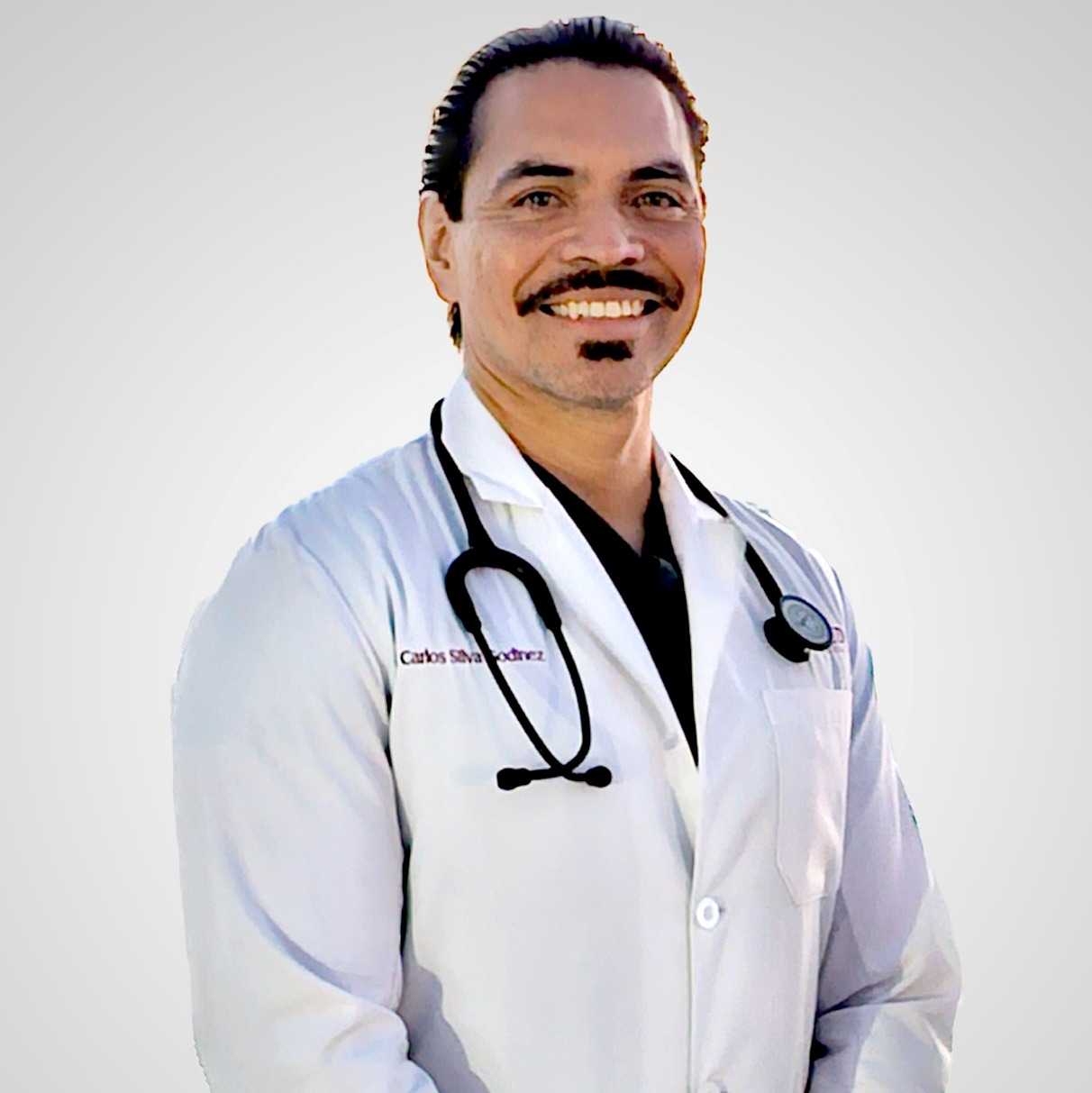
Safe Ibogaine treatment requires more than a shaman; it requires licensed medical doctors. The specialists in our network are MDs who have dedicated their careers to addiction medicine. They understand the complex interaction between Ibogaine and the cardiovascular system. Review their profiles to learn about their medical backgrounds, emergency protocols, and years of experience in administering this specific therapy.
Licensed Medical Doctors
Specializing in Addiction Medicine
Our selected specialists are fully licensed physicians in Mexico. Unlike underground providers, they approach Ibogaine as a medical procedure, utilizing ACLS (Advanced Cardiovascular Life Support) protocols to ensure patient safety throughout the experience.
Emergency Response Experts
Prepared for All Scenarios
Top specialists in Tijuana work with teams that include anesthesiologists and emergency nurses. They are trained to read real-time EKG data and manage any cardiac irregularities immediately, providing a safety net that non-medical settings cannot offer.
Holistic Integrators
Psychological & Aftercare Support
Beyond the physical treatment, these specialists understand the psychological depth of the Ibogaine experience. They often work alongside psychologists to help patients interpret their visions and formulate a concrete plan for sobriety upon returning home.
Global Center for Alternative Medicine
Tijuana has cultivated a reputation as a pioneer in alternative and integrative medicine. Because Ibogaine is unregulated yet medically accepted here, the city has attracted the world's most experienced Ibogaine providers.
This concentration of expertise means protocols are highly refined, and the supportive infrastructure (specialized nurses, recovery coaches) is superior to regions where the treatment is newer or less common.
Accessibility and Convenience
For North American patients, the logistics are incredibly simple. Most fly into San Diego International Airport (SAN) in California. From there, clinic drivers provide secure transport directly across the border to the facility.
This ease of access removes the stress of navigating foreign airports or long-haul flights while in a vulnerable state of addiction or withdrawal.
Therapeutic Environment
Many clinics in Tijuana are located in the tranquil residential areas of Playas de Tijuana, overlooking the Pacific Ocean. This serene setting is crucial for the "integration" phase after treatment.
Being away from the triggers of home, yet in a comfortable, non-hospital atmosphere (often with private chefs and pools), allows patients to focus entirely on their internal healing and recovery.
Seeking Ibogaine treatment is a major decision that requires careful planning and safety verification. PlacidWay acts as your safety barrier and guide, connecting you only with vetted, medically responsible providers in Tijuana.
Safety Vetting
We prioritize your health by screening clinics for safety protocols, including mandatory cardiac monitoring and the presence of emergency medical staff.
Pre-Screening Assistance
We help coordinate the necessary exchange of medical records to ensure you are a candidate for treatment before you travel.
Transparent Pricing
Receive clear, all-inclusive quotes with no hidden fees, allowing you to compare options based on facility amenities and medical inclusions.
Direct Provider Communication
We facilitate calls directly with the medical team, so you can ask specific questions about the detox process and safety measures.
Outcome Data
Access genuine patient testimonials and success stories to understand the reality of the treatment and the results achieved by others.
Break free from alcohol addiction with a treatment backed by science and compassion. Contact PlacidWay today to find a safe, accredited Ibogaine center in Tijuana tailored to your recovery needs.
Get Your Free Confidential Quote



















Share this listing