


Mexico's Stem Cell Boom: A Parkinson's Haven
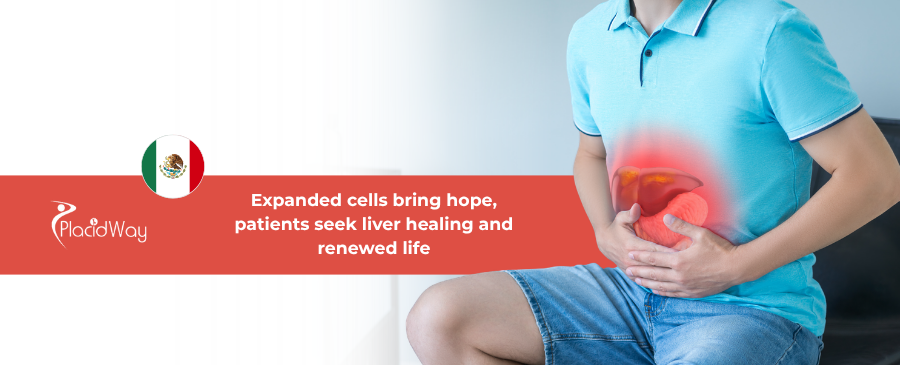
Facing severe medical delays, Canadians are rapidly seeking stem cell therapy for Parkinson's in Mexico. This neuro-restoration trend offers groundbreaking regenerative medicine, combining affordable, elite clinical care with rapid access to life-changing therapies safely abroad.
The Rising Demand for Stem Cell Therapy for Parkinson's in Mexico
The global medical tourism landscape is undergoing a profound transformation as patients with chronic neurodegenerative conditions look beyond their local borders for advanced solutions. A highly notable demographic driving this shift consists of Canadian citizens seeking regenerative medicine for neurological disorders abroad. Frustrated by limited domestic treatment options that primarily focus on symptom management rather than cellular repair, thousands are looking southward to access cutting-edge neuro-restoration protocols. This unprecedented demand has firmly established Latin America as a premier destination for progressive medical science.
At the heart of this international healthcare movement is the localized expertise found just south of the United States border. Pursuing Parkinson's stem cell treatment in Mexico provides patients with an unparalleled combination of state-of-the-art laboratory technology, highly specialized neurology experts, and heavily regulated clinical environments. By bypassing the bureaucratic red tape associated with experimental treatments in North America, patients can immediately access therapeutic interventions designed to target the root cause of neuronal degradation, offering renewed hope for mobility and cognitive preservation.
Did You Know? The influx of international patients seeking neurological regenerative treatments in Baja California has surged by over 65%. Stem cell therapies specifically tailored for motor-function disorders now account for one of the fastest-growing sectors in the global medical travel industry.
Why Canadian Patients Are Escaping Long Waitlists for Neuro-Restoration
The Canadian healthcare system, while globally recognized for providing universal primary care, has severely struggled to accommodate patients requiring highly specialized, experimental, or rapid-intervention treatments for progressive conditions. Individuals diagnosed with Parkinson's disease often face excruciatingly long waiting periods just to consult with domestic neurologists. When attempting to access clinical trials or advanced regenerative therapies, the waitlists can extend indefinitely, allowing the irreversible progression of the disease to continue unchecked. For a condition where time is quite literally equated to brain function, these systemic delays are medically unacceptable for proactive patients.
Consequently, the concept of passive waiting has been entirely replaced by medical empowerment. By traveling for stem cell treatments for Parkinson's disease in Tijuana, Canadians are bypassing the congested domestic corridors of care. They are leveraging their ability to become private healthcare consumers, securing immediate appointments with world-renowned specialists. This proactive approach ensures that neuro-restorative interventions are administered during the crucial early-to-mid stages of the disease, maximizing the potential for cellular engraftment, reducing neuroinflammation, and significantly delaying the onset of severe motor and cognitive decline.
The Science Behind Regenerative Treatments for Neurodegenerative Diseases
The foundational science drawing international patients to these medical hubs relies on the extraordinary properties of Mesenchymal Stem Cells (MSCs). Unlike traditional pharmacological interventions that merely mask tremors or artificially stimulate dopamine production until they lose efficacy, stem cell therapy targets the microenvironment of the brain. When these potent, undifferentiated cells are systematically introduced into the patient's body, they seek out areas of inflammation and cellular damage. Through a process known as paracrine signaling, the stem cells release vital neurotrophic factors that actively suppress destructive immune responses and stimulate the body's natural healing mechanisms.
The ultimate goal of this cellular intervention is multi-faceted neuro-restoration. Clinical observations of patients undergoing regenerative procedures indicate a notable reduction in brain inflammation, the promotion of new blood vessel formation (angiogenesis) to increase oxygen delivery to dormant neurons, and the potential stabilization of dopamine-producing cells in the substantia nigra. While it is not categorized as a definitive cure, patients frequently report substantial enhancements in their quality of life, including improved sleep patterns, decreased muscle rigidity, stabilized gait, and a marked reduction in the frequency and severity of debilitating tremors.
Comprehensive Care: What to Expect from Premium Mexican Medical Hubs
When international travelers commit to cross-border neuro-restorative programs, they are not simply receiving a solitary injection; they are entering a highly structured, comprehensive ecosystem of healing. The finest medical establishments in the region utilize an integrative approach that addresses the physical, biochemical, and psychological toll of chronic disease. For instance, elite facilities like the Immunity Therapy Center in Tijuana, Mexico offer customized, holistic protocols where advanced stem cell applications are seamlessly paired with targeted nutritional therapies, hyperbaric oxygen treatments, and advanced detoxification programs.
The patient experience within these premier clinics is deliberately designed to mirror the standards of a luxury wellness retreat rather than a sterile, anxiety-inducing hospital ward. Upon arrival, individuals undergo exhaustive diagnostic evaluations, including comprehensive blood panels and neurological assessments, ensuring that the stem cell dosage and delivery method—whether intravenous, intrathecal, or localized—are perfectly calibrated to their specific medical profile. Accompanied by dedicated bilingual medical concierges, patients are guided through every phase of their therapy with profound empathy, absolute clinical transparency, and unwavering professional support.
"The transformation we are witnessing in neuro-restorative care is absolutely unprecedented. Canadian and American patients are no longer willing to let progressive conditions dictate their future while languishing on domestic waitlists. By choosing highly regulated medical hubs in Mexico, they are reclaiming their health through advanced regenerative therapies, proving that world-class medical innovation and compassionate care know no borders."
— Pramod Goel, CEO of PlacidWay
Cost Analysis: Regenerative Medicine in North America vs. Tijuana Clinics
One of the most compelling catalysts for the surge in cross-border medical travel is the stark economic disparity between the healthcare systems. In the United States and Canada, when regenerative treatments for neurological disorders are occasionally available through private out-of-pocket clinics, the financial barrier is monumental. Inflated pharmaceutical costs, excessive facility fees, and the high price of administrative overhead drive the price of domestic stem cell protocols to exorbitant levels. In stark contrast, affordable stem cell therapy abroad allows patients to access identical, if not superior, cellular technologies at a fraction of the North American price point.
This affordability does not stem from a reduction in medical quality, but rather from favorable regional economics, government-subsidized medical education, and significantly lower administrative burdens. Mexican medical centers have perfected the all-inclusive pricing model, providing patients with total financial clarity before they ever board an airplane. The table below illustrates the dramatic financial advantages of seeking treatment in leading border clinics.
Combining Advanced Therapeutics with World-Class Hospitality
Healing is not merely a biological process; it is deeply intertwined with a patient's psychological and emotional state. The unique appeal of traveling to this Latin American paradise lies in the deliberate fusion of intensive medical treatments with an environment that inherently promotes relaxation and stress reduction. Elevated cortisol levels and chronic anxiety are known to exacerbate the symptoms of Parkinson's disease. By escaping the harsh Canadian winters and the clinical sterility of traditional hospitals, patients are immersed in a warm, welcoming, and culturally rich atmosphere that actively facilitates cellular recovery and emotional well-being.
To cater to this need for holistic comfort, premium medical hubs have established partnerships with luxury recovery boutique hotels situated in highly secure, scenic areas. After their daily clinical sessions, patients return to serene accommodations featuring tailored dietary plans curated by specialized nutritionists, access to gentle rehabilitative physiotherapy, and breathtaking coastal or architectural views. This seamless integration of tourism-grade hospitality and medical rigor ensures that the journey toward neuro-restoration feels less like a daunting clinical trial and more like an empowering, restorative retreat.
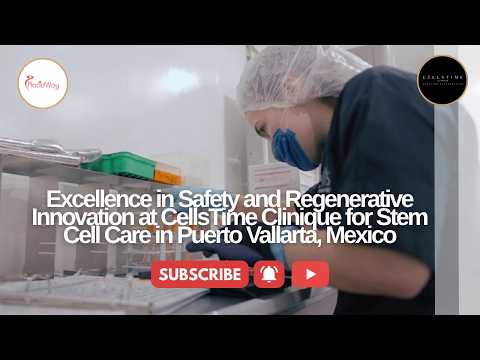
Did You Know? The mesenchymal stem cells utilized in elite Mexican clinics are rigorously tested and cultivated in highly specialized, ISO-certified cleanroom laboratories. These labs adhere strictly to Good Manufacturing Practice (GMP) guidelines, ensuring the highest global standards for cell viability, sterility, and therapeutic potency.
Uncompromising Safety and International Protocols in Mexican Healthcare
Despite outdated misconceptions regarding cross-border healthcare, the reality of modern medical tourism in Mexico is defined by uncompromising clinical safety and stringent governmental oversight. The regenerative medicine sector is heavily monitored by COFEPRIS (The Federal Committee for Protection from Sanitary Risks), an agency equivalent in regulatory power to the U.S. FDA or Health Canada. Clinics legally permitted to administer stem cell therapies must pass rigorous, continuous inspections verifying the sterility of their laboratories, the ethical sourcing of their biological materials, and the specialized credentials of their medical staff.
Furthermore, the physicians leading these neuro-restorative programs are internationally recognized experts in their fields. It is standard practice for chief neurologists and cellular biologists at top-tier Tijuana clinics to hold board certifications from both Mexican authorities and prestigious international medical societies. Many have completed extensive fellowships in Europe or the United States, bringing globally validated best practices back to their facilities. This cross-pollination of global medical knowledge guarantees that Canadian patients receive therapeutic care that meets, and frequently exceeds, the safety protocols they would expect in their home country.
How to Safely Navigate International Medical Tourism for Chronic Conditions
While the prospect of traveling for an affordable stem cell therapy abroad is immensely promising, successfully navigating the international healthcare landscape requires meticulous planning and expert guidance. For patients grappling with the daily challenges of Parkinson's disease, attempting to independently verify clinic accreditations, translate complex medical documents, and coordinate international logistics can be overwhelmingly stressful. The internet is flooded with unverified claims, making it absolutely crucial to separate legitimate, scientifically-backed medical centers from opportunistic enterprises.
This is precisely where the intervention of a specialized medical tourism facilitator becomes invaluable. Utilizing established global platforms like PlacidWay allows patients to entirely bypass the guesswork of international medical travel. By relying on a curated network of deeply vetted, internationally accredited providers, patients can safely compare comprehensive treatment packages, review authentic patient testimonials, and schedule direct virtual consultations with leading neurologists. This streamlined, secure approach empowers patients and their families to focus all their energy on what truly matters: halting the progression of the disease and reclaiming their quality of life.
.png)




.png)
.png)
.png)


-(10).png)


-(1).png)








Share this listing