


Canadians Flee Failing Systems for Mexico Fentanyl Detox
Facing an unprecedented opioid crisis and overwhelmed clinics, desperate patients are now traveling for Fentanyl Detox in Mexico. This life-saving medical migration helps Canadians bypass months-long waitlists, accessing advanced alternative therapies when domestic systems fail.
The Escalating Opioid Crisis Gripping the Canadian Healthcare System
The proliferation of synthetic opioids has created an unprecedented public health emergency across Canadian provinces, fundamentally overwhelming municipal and federal healthcare infrastructures. Fentanyl, a synthetic compound up to fifty times more potent than heroin, has thoroughly saturated the illicit drug supply. This has led to skyrocketing rates of fatal overdoses and severe chemical dependencies that traditional rehabilitation centers are ill-equipped to manage. Public health initiatives have largely pivoted toward harm reduction models—such as safe consumption sites and naloxone distribution—rather than prioritizing rapid, curative detoxification and long-term sobriety strategies.
Consequently, the Canadian medical system is experiencing a catastrophic backlog. Individuals who reach the critical psychological breaking point of wanting to achieve sobriety are frequently met with systemic paralysis. Waitlists for publicly funded residential detox beds often stretch for several months, a delay that is fundamentally incompatible with the daily life-or-death reality of severe fentanyl addiction. In the agonizing window between asking for help and actually receiving a placement, thousands of vulnerable patients succumb to fatal overdoses. This systemic failure has forced proactive families to look beyond their own borders to secure immediate, life-saving medical interventions.
Did You Know? The relapse rate for traditional opiate detox programs heavily reliant on Suboxone or Methadone maintenance can exceed 80% within the first six months. This has driven a massive spike in medical tourists seeking alternative psychoactive treatments that target the root neurological causes of addiction rather than merely replacing one dependency with another.
Why Canadians Choose Fentanyl Detox in Mexico Over Domestic Rehab
The primary catalyst driving this cross-border healthcare migration is the profound difference in treatment philosophy and intake velocity. While Canadian facilities remain gridlocked by bureaucratic red tape and rigid traditional protocols, specialized addiction centers in Mexico operate with critical agility. International patients can often secure admission and begin intensive medical detoxification within 48 to 72 hours of their initial inquiry. When dealing with a substance as volatile and lethal as fentanyl, this rapid deployment of medical resources is not merely a convenience; it is the absolute difference between life and death.
Furthermore, the domestic approach to opiate withdrawal heavily favors Medication-Assisted Treatment (MAT), utilizing synthetic opioids like methadone to manage cravings. Many patients find this approach incredibly frustrating, viewing it as simply trading an illicit addiction for a state-sanctioned one, binding them to daily pharmacy visits for years. In stark contrast, Mexican medical hubs offer access to advanced, alternative botanical medicines and holistic therapies that are heavily restricted in North America. By seeking a Fentanyl Detox in Tijuana, patients are actively pursuing a complete neurochemical reset, aiming for total abstinence rather than perpetual maintenance.
Understanding Ibogaine: The Alternative Detox Changing Addiction Medicine
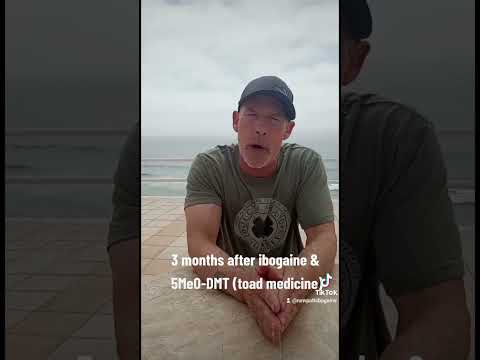
At the absolute forefront of this international medical movement is the utilization of Ibogaine, a naturally occurring psychoactive alkaloid derived from the root bark of the West African Tabernanthe iboga shrub. Unlike traditional detox medications that merely mask withdrawal symptoms, ibogaine interacts directly with the brain's complex receptor networks. Clinical observations indicate that it effectively resets the neural pathways hijacked by severe opioid abuse. For individuals trapped in the vicious cycle of fentanyl dependency, ibogaine therapy is highly celebrated for its unique ability to virtually eliminate acute physical withdrawal symptoms within hours, while simultaneously diminishing deep-seated psychological cravings.
Because this powerful substance remains unscheduled and strictly regulated in Canada and the United States, patients must look to progressive international jurisdictions. Premium facilities like New Path Ibogaine Tijuana have emerged as specialized leaders in this highly niche sector. By combining luxury inpatient accommodations with rigorous cardiovascular monitoring, New Path Ibogaine Tijuana provides a safe, highly controlled environment for patients to undergo this profound neurological and psychological reset, paving the way for sustainable, long-term sobriety that traditional systems consistently fail to deliver.
Evaluating the True Cost of Addiction Treatment: Canada vs. Mexico Facilities
When Canadian families realize the public system cannot accommodate their immediate crisis, they are forced to explore the private sector. Domestic private rehabilitation centers are notoriously exorbitant, often positioned as luxury retreats with price tags that reflect upscale hospitality rather than intensive medical intervention. In Canada, a standard 30-day inpatient program in a private facility can easily financially devastate a family without guaranteeing any innovative treatment beyond traditional group therapy and standard MAT protocols.
Conversely, medical tourism for addiction treatment offers a vastly superior return on healthcare investment. Mexican clinics leverage lower operational and administrative costs to provide highly specialized, doctor-led alternative therapies at a fraction of the domestic rate. The transparent pricing models characteristic of these cross-border facilities allow families to secure a comprehensive, medically supervised detox package—inclusive of specialized treatments like ibogaine, psychiatric evaluations, and luxury lodging—without facing hidden fees or recurring pharmacy costs.
Inside the Comprehensive Medical Protocols of Mexican Treatment Centers
The narrative surrounding international addiction treatment has fundamentally shifted from informal retreats to highly clinical, protocol-driven medical centers. Due to the intense physiological toll of synthetic opioids, reputable Mexican detox facilities do not take chances with patient safety. They operate under strict medical guidelines that mirror, and frequently exceed, the acute care standards found in North American hospitals. The journey from intake to discharge is meticulously structured.
- Extensive Cardiac Screening: Prior to any psychoactive administration, patients undergo comprehensive EKGs, blood panels, and liver function tests to ensure they are physically capable of sustaining advanced pharmacological treatments.
- Pre-Detox Stabilization: To minimize risks, patients transitioning from short-acting synthetics like fentanyl are carefully stabilized using short-acting medical narcotics under 24/7 nursing supervision before the core treatment begins.
- ICU-Trained Medical Monitoring: During the active treatment phase, patients are continuously monitored by ACLS-certified physicians utilizing advanced telemetry to track heart rate, oxygen saturation, and blood pressure in real-time.
- Psychological Integration Therapy: Post-treatment protocols include intensive one-on-one sessions with specialized psychotherapists to help patients process the profound cognitive insights gained during the rapid detoxification process.
- Holistic Nutritional Replenishment: Facilities employ intravenous vitamin therapies (like NAD+ and Myer’s Cocktails) and organic culinary programs to aggressively repair the cellular damage inflicted by long-term chemical abuse.
"When traditional public healthcare systems fail to provide timely intervention for life-threatening conditions like severe fentanyl dependency, patients and their families instinctively look across borders. We are witnessing a massive paradigm shift where medical tourism is no longer solely utilized for elective cosmetic procedures, but has evolved into a vital, immediate lifeline for acute addiction recovery and holistic behavioral health."
— Pramod Goel, CEO of PlacidWay
Comparing Recovery Landscapes: Wait Times and Rehabilitation Success Rates
The statistics surrounding domestic opioid recovery present a grim reality. Because Canadian systems heavily mandate a tapering process that can stretch over months or years, the window for patient non-compliance is exponentially wide. A patient forced to wait three months for a detox bed is statistically highly likely to suffer a fatal overdose or lose the psychological motivation to quit before ever speaking to an addiction specialist. When systems lack immediacy, they ultimately sacrifice efficacy.
By contrast, the international recovery landscape prioritizes immediate stabilization and rapid neuro-restoration. Facilities specializing in alternative medicines report dramatically different outcome metrics. Because treatments like ibogaine can compress weeks of agonizing physical withdrawal into a deeply introspective 24-hour medical event, patients bypass the highest-risk window for immediate relapse. This accelerated timeline, paired with the complete removal from their domestic triggering environment, creates a fertile foundation for sustainable behavioral change and dramatically higher long-term success rates.
Did You Know? The medical tourism sector for behavioral health and addiction treatment is growing at an unprecedented rate of over 20% annually. Experts attribute this boom directly to the introduction of rapid-acting botanical therapies and the severe inadequacies of public behavioral health funding in North America.
The Strategic Role of PlacidWay in Navigating Cross-Border Medical Recovery
While the prospect of traveling internationally for life-saving addiction treatment is a beacon of hope for many, the logistics of arranging cross-border medical care during a family crisis can be paralyzing. The internet is heavily saturated with unverified information, and distinguishing between a high-tier, medically accredited facility and an unsafe retreat requires deep industry knowledge. When dealing with severe fentanyl addiction, there is absolutely zero margin for error regarding patient safety and clinical standards.
This is where dedicated medical tourism facilitators become an indispensable asset. Acting as a trusted, objective intermediary, PlacidWay meticulously vets international clinics, ensuring they possess the necessary ICU-level equipment, board-certified medical staff, and proven track records in handling complex chemical dependencies. By utilizing this strategic platform, families can easily compare elite facilities, review transparent pricing modules, and secure immediate admissions, entirely removing the guesswork and anxiety from an already overwhelming, high-stakes medical decision.
What Patients Experience During a Holistic Fentanyl Detox Program Abroad
The environment in which an individual detoxifies plays a crucial psychological role in their overall recovery trajectory. Domestic rehabs are often stark, clinical, and geographically too close to the patient's familiar triggers and drug supply networks. Traveling to a premier facility in Baja California immediately breaks this destructive geographical cycle. Patients arrive at secure, private compounds designed to foster tranquility and deep introspection. Surrounded by ocean views and isolated from the stressors of their daily lives, their nervous systems can finally exit the chronic "fight or flight" mode associated with active addiction.
The conclusion of the treatment protocol is just as heavily structured as the medical intake. Once the acute physical detoxification is successfully achieved, the focus rapidly shifts toward sustainable aftercare. Patients engage in intensive integration counseling, learning to navigate the emotional clarity that follows a successful neurochemical reset. When these Canadians finally board their return flights home, they do so not as individuals desperately clinging to daily pharmaceutical crutches, but as physically revitalized patients equipped with a profound new lease on life, ready to tackle long-term recovery.
.png)




.png)
.png)
.png)
.png)
.png)
.png)










Share this listing