


US Parkinson's Rush for Tijuana Neuro-Regeneration
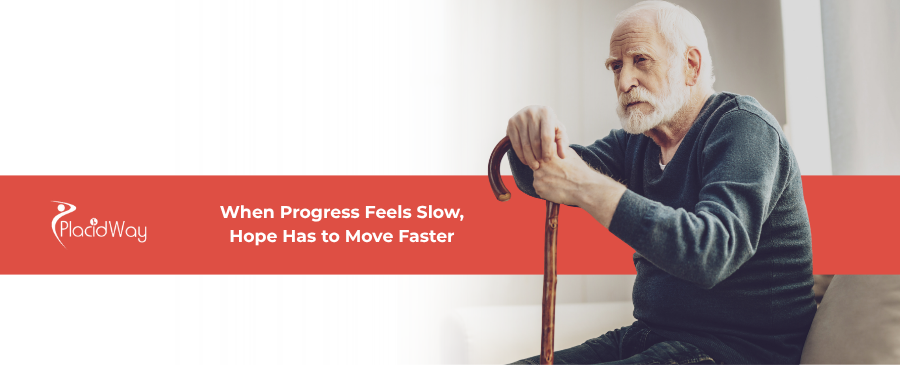
Frustrated by relentless FDA delays, U.S. citizens are now seeking plant-based neuro-regeneration in Tijuana to combat Parkinson's. This immediate access to innovative neuro-therapy is saving lives and bypassing severe bureaucratic hurdles.
The Urgent Crisis Driving Parkinson's Patients Across Borders
The domestic healthcare system in the United States is fundamentally struggling to provide true disease-modifying therapies for progressive neurological conditions. For decades, the standard pharmaceutical approach to Parkinson's disease has relied heavily on synthetic levodopa treatments designed merely to mask symptoms by temporarily replacing lost dopamine. However, these conventional medications inevitably lose their clinical efficacy over prolonged use, ultimately subjecting patients to severe motor fluctuations and debilitating dyskinesia. For individuals rapidly losing their independence and motor control, the timeline offered by conventional neurology is not just discouraging—it is a ticking clock they cannot afford to wait out.
Consequently, the booming sector of alternative medical tourism has emerged as an indispensable lifeline for thousands of desperate families. The massive influx of Americans pursuing Parkinson's alternative treatment in Mexico highlights a profound shift in patient behavior. Rather than accepting an inevitable decline, informed patients are proactively crossing international borders to access potent, plant-derived alkaloids that demonstrating remarkable potential in repairing damaged dopaminergic pathways. This cross-border exodus underscores a critical rejection of palliative domestic care in favor of aggressive, holistic interventions aimed at restoring fundamental neurological function and reclaiming quality of life.
Did You Know? Parkinson's disease is currently recognized as the fastest-growing neurological disorder in the world. As conventional treatments plateau in their effectiveness, the global medical tourism market for alternative neurological therapies is expanding by an astonishing 22% annually, driven almost entirely by patient demand for regenerative care.
Understanding Plant-Based Neuro-Regeneration for Motor Control
The science behind these alternative therapies is rooted in complex botanical pharmacology that directly engages the brain's innate capacity for neuroplasticity. Unlike synthetic pharmaceuticals that simply flood the brain with temporary chemical messengers, specialized plant-based alkaloids interact dynamically with multiple neurotransmitter receptors simultaneously. Emerging clinical data indicates that these compounds can actively stimulate the release of vital proteins such as Glial cell line-derived neurotrophic factor (GDNF) and Brain-derived neurotrophic factor (BDNF). These highly specialized neurotrophic factors serve as the biological equivalent of fertilizer for the brain, fiercely protecting surviving dopaminergic neurons while actively encouraging the sprouting of new neural connections.
This profound ability to essentially "reset" malfunctioning neural circuitry is exactly why internet searches for ibogaine therapy for neuro-regeneration have skyrocketed across North America. Patients and their advocates are engaging in deep, self-directed medical education, uncovering the vast potential of natural neuro-regulators to halt disease progression. By targeting the underlying neurodegenerative decay rather than just addressing the superficial physical tremors, this innovative phyto-therapy provides a comprehensive mechanism for sustainable motor control recovery, offering unprecedented hope where conventional medicine has historically fallen short.
Why FDA Red Tape Pushes Americans to Alternative Destinations
The primary bottleneck denying U.S. citizens access to these groundbreaking therapies is the notoriously rigid and protracted FDA approval pipeline. To bring any novel compound to the commercial market, pharmaceutical developers must navigate a labyrinth of multi-phase clinical trials that routinely span well over a decade. While these stringent regulations are ostensibly designed to ensure maximum public safety, they inadvertently sentence patients with fast-moving, degenerative conditions to years of unnecessary suffering. For a Parkinson's patient experiencing rapid cognitive decline and the loss of independent mobility, waiting ten to fifteen years for bureaucratic validation is practically a death sentence.
This extreme, risk-averse regulatory environment has inadvertently catalyzed a massive geographical shift in healthcare delivery. Empowered by global digital connectivity, patients are actively bypassing domestic red tape by traveling to sovereign jurisdictions where these therapies are legally administered under strict, localized medical supervision. By pursuing medical intervention in progressive healthcare hubs, American patients are effectively taking their constitutional right to try life-saving treatments into their own hands. They are trading the stagnation of domestic regulatory agencies for the immediate, compassionate, and cutting-edge medical intervention available just south of the border.
The Role of Elite Mexican Clinics in Neurological Recovery
The strategic geographic positioning of Baja California has allowed it to blossom into a premier, globally recognized sanctuary for advanced alternative neurological care. The medical infrastructure in this border region has evolved far beyond rudimentary clinics; it now boasts hyper-modern, multi-disciplinary medical campuses equipped with intensive care technologies and staffed by internationally accredited neurologists and emergency medicine specialists. These facilities offer an integrative approach, seamlessly blending indigenous botanical wisdom with rigorous, modern allopathic monitoring to ensure maximum patient safety during profound neurological interventions.
For families navigating this highly complex medical landscape, distinguished facilities such as New Path Ibogaine Tijuana have completely revolutionized the standard of alternative clinical care. By strictly adhering to international safety protocols, this leading clinic pioneers specialized treatment regimens that safely and effectively harness powerful plant-based alkaloids. Through the meticulous integration of precise, individualized dosing with round-the-clock intensive medical oversight, they construct a highly secure, empathetic environment absolutely essential for deep neurological rehabilitation and long-term symptom reversal.
"Patients facing aggressive, degenerative neurological conditions are no longer willing to accept bureaucratic delays as an absolute barrier to their health. They are actively utilizing cross-border healthcare channels to access highly monitored, plant-based regenerative therapies, proving unequivocally that the human demand for medical innovation and survival will always outpace regulatory stagnation."
— Pramod Goel, CEO of PlacidWay
Comparing Parkinson's Treatment Costs: US vs. Mexican Care
Financial toxicity remains one of the most brutal side effects of managing Parkinson's disease within the United States. Domestic patients often face staggering out-of-pocket expenses for specialized physical therapy, round-the-clock home nursing aides, and off-label pharmaceutical trials that insurance conglomerates routinely refuse to cover. This relentless financial drain can easily bankrupt families over a span of a few years. Conversely, the cost of Parkinson's care abroad operates on an entirely different paradigm, offering patients transparent, all-inclusive pricing bundles that eliminate the terror of hidden hospital fees.
When analyzing the economic viability of these alternative therapies, the value proposition of medical travel becomes overwhelmingly clear. Elite Mexican facilities leverage lower administrative overhead and subsidized property costs to deliver VIP-level neurological care at a fraction of the American price point. This dramatic cost reduction allows patients of average means to access groundbreaking, multi-day regenerative protocols that would otherwise be entirely reserved for the ultra-wealthy elite in domestic markets.
Essential Protocols of Advanced Phyto-Therapy in Tijuana
The administration of potent botanical compounds for severe neurodegeneration is not treated casually in highly accredited cross-border facilities. It requires a rigorously structured, scientifically validated methodology to guarantee patient safety and therapeutic efficacy. The exact protocols deployed by top-tier Tijuana medical institutions are meticulously designed to mitigate any potential cardiovascular risks while maximizing the neuro-regenerative benefits of the treatment.
When undergoing treatment in these state-of-the-art clinics, Parkinson's patients follow a strict, multi-tiered clinical protocol that mirrors the standards of premium intensive care units. These non-negotiable safety and therapeutic phases include:
- Extensive Medical Pre-Screening: Mandatory, comprehensive blood panels, advanced electrocardiograms (ECGs), and baseline neurological assessments are conducted to ensure the patient's heart and liver can safely metabolize the botanical compounds.
- Supervised Pharmaceutical Tapering: Because synthetic Parkinson's medications can adversely interact with plant alkaloids, expert neurologists carefully titrate and detoxify patients from specific pharmaceuticals prior to treatment.
- Continuous Telemetry Monitoring: During the acute administration of the neuro-regenerative compound, patients are hooked to sophisticated telemetry monitors. A dedicated physician tracks heart rate variability and oxygen saturation in real-time.
- Intravenous Nutritional Support: To optimize brain healing, patients receive customized IV infusions of essential amino acids, powerful antioxidants (like Glutathione), and cellular hydration throughout their stay.
- Post-Treatment Neuro-Integration: Following the physiological reset, patients engage in specialized physical therapy and cognitive exercises to strengthen the newly formed neural pathways, cementing their physical gains.
Did You Know? The administration of advanced phyto-therapies in clinical settings requires strict cardiac monitoring because the compounds actively rewrite neuro-receptor behaviors. In top Tijuana clinics, the ratio of medical staff to patient during the acute treatment phase is often an unprecedented 3-to-1, ensuring absolute safety.
How PlacidWay Connects Patients to Certified Neuro-Specialists
While the promise of reversing Parkinson's symptoms abroad is incredibly compelling, independently navigating the foreign medical landscape presents significant logistical and safety challenges. The internet is heavily saturated with unregulated retreats and unverified practitioners that lack the necessary emergency medical infrastructure to safely treat complex neurological patients. This dangerous information asymmetry is precisely why global health facilitators have become an absolute necessity for families seeking legitimate medical tourism options.
PlacidWay serves as the ultimate, trusted bridge between vulnerable U.S. patients and the world's most elite, rigorously vetted neurological centers. By maintaining an expansive directory of internationally accredited hospitals and board-certified specialists, PlacidWay eliminates the guesswork and anxiety associated with traveling abroad for healthcare. Patients can utilize the platform to seamlessly compare clinical profiles, verify physician credentials, analyze authentic patient testimonials, and schedule secure virtual consultations. This comprehensive oversight ensures that individuals receive life-altering alternative therapies in environments that prioritize uncompromising medical excellence.
What to Expect During Alternative Neurological Care Recovery
The recovery phase following a major neuro-regenerative procedure is highly delicate and critically important for securing long-term health benefits. Unlike the traditional U.S. outpatient model where patients are hastily discharged to navigate their healing independently, the Mexican medical tourism infrastructure envelopes patients in a highly supportive, extended-care ecosystem. Upon completing the acute phase of their botanical treatment, individuals are transitioned into serene, luxury medical recovery suites that prioritize sensory reduction and deep physiological rest. Here, dedicated nursing teams manage all dietary requirements, administer necessary anti-inflammatory supplements, and closely monitor neurological improvements day by day.
As patients prepare to return across the border, the transformation is often visually and emotionally striking. Many report a profound reduction in resting tremors, a significant improvement in physical gait, and a complete clearance of the "brain fog" typically associated with advanced Parkinson's disease. Before departure, comprehensive exit evaluations are conducted, and patients are provided with detailed, long-term integration plans to share with their domestic physicians. This seamless, deeply compassionate medical journey not only restores vital motor function but frequently grants patients and their families a renewed, vibrant lease on life that was previously thought impossible.



.png)
.png)
.png)




Share this listing