


Austrians Rush to Bratislava for Fast Parkinson's Cell Care

Facing huge wait times at home, a growing wave of patients seeks advanced Parkinson's cell therapy in Bratislava. This health trend offers Austrians rapid access to cutting-edge stem cell treatment in Slovakia, bypassing delays for immediate, life-changing neuroregenerative care.
The Austrian Healthcare Bottleneck: Why Patients Look Abroad
Despite boasting one of the most robust public healthcare systems in Europe, Austria is currently wrestling with unprecedented administrative backlogs and specialized medical bottlenecks. As the national demographic continues to skew older, the demand for targeted neurological treatments has dramatically outpaced the availability of highly specialized clinical slots. Patients diagnosed with progressive neurodegenerative conditions often find themselves trapped in a bureaucratic holding pattern, waiting months merely to secure initial consultations with top-tier specialists. For a disease characterized by aggressive, relentless progression, these systemic delays represent lost windows of opportunity for effective medical intervention.
Consequently, the modern medical consumer is no longer willing to passively accept these domestic limitations. Armed with comprehensive medical data and a desire for immediate action, Austrians are actively seeking regenerative alternatives beyond their immediate borders. By looking toward neighboring nations that possess agile, highly privatized medical infrastructures, patients are successfully bypassing domestic waitlists. This proactive approach to disease management highlights a massive shift in European healthcare dynamics, where the urgency of accessing advanced neuroregenerative therapies easily overrides traditional loyalties to local health networks.
Did You Know? Geographically, Vienna and Bratislava are the closest capital cities in the European Union, separated by merely 60 kilometers (about 37 miles). This unique proximity allows Austrian patients to travel internationally for advanced daily treatments while still being able to sleep in their own beds at night.
The Geographic Advantage: Bratislava as a Prime Medical Hub
The explosion of medical tourism in Bratislava is largely driven by its unrivaled geographical positioning. Often referred to as part of a "Twin City" dynamic with Vienna, the Slovakian capital sits right on the border, connected by high-speed rail, expressways, and even riverboats. This unparalleled connectivity essentially transforms an international medical journey into a brief, localized commute. Austrian citizens do not need to arrange complex air travel, deal with significant currency exchanges, or navigate profound cultural barriers to receive world-class care; they simply take a short drive eastward.
Furthermore, this accessibility has allowed Bratislava to heavily invest in building a medical ecosystem specifically tailored to German-speaking clientele. The premier clinics in the region operate with fully bilingual administrative and medical staff, ensuring that complex medical diagnoses and treatment plans are communicated with absolute clarity. The seamless nature of this cross-border corridor has firmly established the Slovakian capital not just as an alternative, but as a primary destination for sophisticated health shortcuts within the Central European healthcare market.
Breakthroughs in Neuroregenerative Care for Parkinson's Disease
The core magnetic pull drawing patients eastward is the rapid advancement and availability of regenerative medicine, specifically targeted at combating Parkinson's disease. Traditional pharmacological interventions primarily focus on masking symptoms, offering dopamine replacements that often yield diminishing returns and severe side effects over extended periods. In stark contrast, next-generation cell therapy attempts to address the underlying cellular degradation. By utilizing ethically sourced, highly potent mesenchymal stem cells, these innovative treatments focus on reducing systemic neuroinflammation and promoting the regeneration of damaged neural pathways in the brain.
Leading researchers in the field note that these advanced cellular protocols can significantly alter the microenvironment of the central nervous system. When administered by expert neurologists, the therapeutic cells secrete essential neurotrophic factors that not only protect existing, healthy dopamine-producing neurons but also stimulate the body's latent healing mechanisms. While these procedures represent the cutting edge of clinical science, heavily regulated privatized clinics in specialized hubs have streamlined the bureaucratic approval processes, offering patients immediate access to these revolutionary protocols years before they might become standard practice in slower, public health systems.
Inside the Premier Facilities: Spotlight on Elite Cellular Therapy
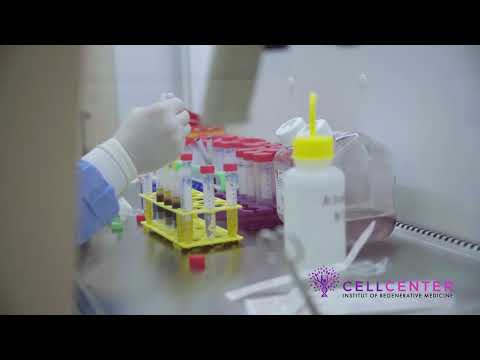
To cater to the high expectations of the international medical traveler, the infrastructure within Slovakia’s private medical sector has evolved into highly sophisticated, ultra-modern campuses. A prime example of this clinical excellence is CellCenter in Slovakia, a pioneering facility that seamlessly integrates state-of-the-art laboratory processing with elite patient care. This clinic has become a beacon for Austrian patients, renowned for strictly adhering to the highest global standards of cellular extraction, cultivation, and targeted application within its specialized neurology wards.
Facilities of this caliber operate entirely differently from traditional, overcrowded public hospitals. They function on a concierge model, prioritizing low patient-to-doctor ratios, hyper-personalized medical charting, and immediate clinical action. Within these centers, dedicated laboratory technicians work in tandem with senior neurologists to formulate precise, individualized cell counts and administration pathways designed specifically for each patient's unique progression of Parkinson's. This level of meticulous, personalized cellular engineering is precisely why the cross-border influx continues to accelerate at a record pace.
Cost vs. Value: Analyzing the Financial Viability of Cross-Border Care
While rapid access and technological superiority are the primary motivators, the economic viability of seeking regenerative care abroad cannot be ignored. Because advanced cell therapies for Parkinson's are frequently classified as experimental or elective by conservative national insurance boards, patients in Western Europe usually face exorbitant out-of-pocket expenses for private domestic care. Slovakia’s lower cost of living, combined with highly subsidized scientific infrastructure and reduced administrative overhead, allows top-tier clinics to offer these premium procedures at significantly more accessible price points.
The financial transparency found in these specialized international hubs is a refreshing change for patients accustomed to hidden fees and convoluted medical billing. Comprehensive packages typically bundle all necessary expenditures—from initial neurological assessments and high-tech cellular processing to post-treatment monitoring. This clear-cut pricing model provides immense value, giving patients back their time, health, and financial security.
"We are observing a massive paradigm shift in European healthcare. Patients diagnosed with progressive conditions like Parkinson's are no longer willing to lose precious months to bureaucratic waitlists. The Vienna-Bratislava medical corridor perfectly exemplifies how proactive patients are leveraging transparent medical tourism to rapidly access advanced regenerative treatments that were previously out of reach."
— Pramod Goel, CEO of PlacidWay
Regulatory Safety and EU Medical Standards in Slovakian Clinics
One of the most persistent concerns for any patient traveling for medical care is the safety and regulatory framework of the destination country. Fortunately, because Slovakia is a fully integrated member state of the European Union, its medical facilities are legally bound by the stringent clinical directives established by the European Medicines Agency (EMA). This ensures that all clinical practices, particularly those involving human tissue and advanced cellular engineering, adhere to identical safety, ethical, and hygienic standards as those mandated in Germany, France, or Austria.
Furthermore, the physicians operating within these elite hubs hold impeccable academic and professional credentials. Top specialists often complete their medical residencies in Western Europe or the United States before returning to lead private practices in Central Europe. Continuous medical education is strictly enforced by national medical boards, ensuring that the surgical and neurological teams remain at the absolute vanguard of global medical science. Patients crossing the border are not compromising on quality; they are simply changing their geographic coordinates to access elite, fully accredited European medicine faster.
Did You Know? The European Union's Cross-Border Healthcare Directive allows citizens to seek specific medical treatments in another EU country. In certain qualifying instances, patients can even petition their domestic health insurance to reimburse a portion of the costs for care received abroad, making medical travel increasingly viable.
The Strategic Role of PlacidWay in Facilitating Seamless Medical Travel
Despite the clear logistical advantages, organizing complex neurological treatments in a foreign country can be a daunting prospect for patients and their families. Determining which clinics hold legitimate certifications, decoding specialized medical jargon, and securely transferring intricate medical dossiers requires expert coordination. This critical juncture is where independent medical tourism facilitators prove absolutely vital, removing the stress of logistics so the patient can focus entirely on their healing and neuroregenerative journey.
PlacidWay serves as the essential bridge between discerning European patients and internationally vetted medical institutions. By providing a transparent digital platform, patients can effortlessly evaluate clinic credentials, analyze comprehensive treatment packages, and schedule immediate virtual consultations with leading neurologists abroad. This streamlined, patient-advocacy approach ensures that individuals do not just travel blindly, but embark on their medical journeys with verified data, assured safety protocols, and complete peace of mind.
Patient Outcomes and What to Expect During the Recovery Phase
The ultimate metric of success in medical travel is the tangible improvement in a patient's quality of life. For individuals undergoing advanced cell therapy for Parkinson's, the clinical pathway is meticulously designed for comfort and minimal invasive trauma. Procedures are typically performed on an outpatient basis or require only a minimal stay within luxury recovery suites. The swift nature of the cellular administration means patients are rarely subjected to the extended, draining hospitalizations associated with traditional surgical interventions, allowing for a rapid return to comfortable surroundings.
Post-treatment outcomes, while inherently variable based on disease progression, frequently yield highly encouraging results. Many patients report notable reductions in muscular rigidity, improved motor function, and a significant decrease in the debilitating tremors characteristic of the disease. Moreover, top international clinics establish robust telehealth follow-up programs, ensuring continuous monitoring and integration of the patient's progress with their primary care physicians back home. This holistic, end-to-end approach solidifies the region's reputation as a transformative hub for those seeking to reclaim their independence.
.png)

.png)


.png)











Share this listing