


Saving Limbs: Italians Seek Slovakian Foot Therapy
A rising medical crisis is driving patients abroad. Desperate to avoid amputation, hundreds are discovering diabetic foot regeneration in Slovakia, utilizing cutting-edge stem cell therapies to salvage limbs, restore mobility, and drastically improve their overall quality of life.
The Escalating Crisis of Diabetic Foot Ulcers in Italy
Throughout the Italian peninsula, the increasing prevalence of advanced diabetes mellitus has triggered a corresponding surge in severe vascular complications, most notably diabetic foot ulcers (DFUs). These chronic, non-healing wounds emerge primarily due to peripheral neuropathy and peripheral arterial disease, conditions that silently destroy nerve endings and restrict critical blood flow to the lower extremities. As local healthcare systems face mounting administrative backlogs and resource constraints, many patients find themselves trapped in a repetitive cycle of standard wound care—comprising basic debridement, topical dressings, and infection control—which often fails to address the underlying ischemic environment necessary for true tissue regeneration.
When conventional domestic therapies reach their clinical limits, the prognosis rapidly darkens. For a significant percentage of patients, the final recommendation from local specialists is minor or major lower-extremity amputation, an irreversible procedure that permanently alters an individual's mobility, independence, and psychological well-being. Unwilling to accept limb loss as an inevitability, highly proactive Italian patients and their families are expanding their medical horizons. They are actively researching international alternatives and turning their attention toward specialized regenerative hubs in Central Europe that offer innovative, scientifically validated alternatives to radical surgical amputation.
Did You Know? Globally, a lower limb is amputated every 20 seconds due to complications from diabetes. However, clinical data suggests that up to 85% of these diabetes-related amputations are entirely preventable through early intervention and advanced regenerative medical therapies.
Why Italian Patients Seek Diabetic Foot Regeneration in Slovakia
The geographical and logistical advantages of Central Europe have made it a premier destination for cross-border medical care. Traveling for advanced diabetic foot regeneration in Slovakia offers Italian patients unparalleled accessibility. With numerous direct, brief flights connecting major Italian cities like Milan, Rome, and Naples to airports in Bratislava and neighboring Vienna, the physical toll of medical travel is meticulously minimized. This proximity allows patients dealing with severe mobility impairments to undertake the journey comfortably, often accompanied by family members who can assist them throughout the specialized clinical process.
Beyond geographical convenience, the primary catalyst driving this cross-border migration is the stark contrast in medical innovation availability. While traditional public health systems often move slowly to adopt expensive, novel biotechnology, the privatized medical tourism sector in Central Europe is highly agile. Slovakian clinical facilities have heavily invested in regenerative biotechnology, positioning themselves as continental leaders in cellular medicine. By focusing intensely on specialized treatments rather than generalized public health, these clinics provide immediate access to groundbreaking stem cell applications that are currently hindered by bureaucratic red tape in the patients' home country.
Inside CellCenter in Slovakia: A Hub for Regenerative Excellence
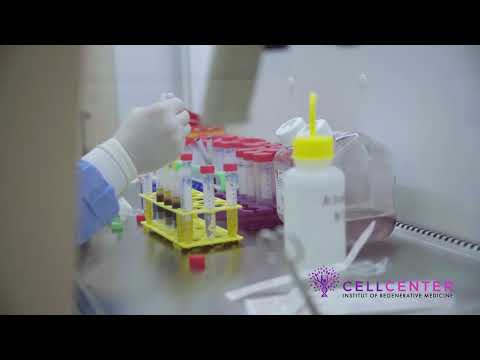
At the absolute forefront of this cross-border medical migration is the highly acclaimed CellCenter in Slovakia, an internationally recognized institution exclusively dedicated to advancing cellular therapies and regenerative medicine. This state-of-the-art clinic has masterfully bridged the gap between complex laboratory science and patient-facing clinical care. By maintaining elite, pharmaceutical-grade cleanrooms and employing some of the most respected biotechnologists in the European Union, the facility ensures that every regenerative protocol is executed with uncompromising precision, safety, and therapeutic efficacy.
What distinguishes this specialized facility is its comprehensive, multidisciplinary approach to limb salvage. When international patients arrive, they are not simply given an injection; they undergo a rigorous, holistic diagnostic workup. Vascular surgeons, endocrinologists, and cellular biologists collaborate to map the patient’s precise circulatory deficits. The highly personalized treatment protocol typically involves harvesting the patient's own autologous cells, processing them to isolate the most potent regenerative components, and precisely delivering them into the ischemic tissues of the affected leg. This meticulous approach has yielded remarkable success rates in accelerating wound closure and successfully preventing amputation.
The Science Behind Stem Cell Therapy for Limb Salvage
To comprehend why this treatment is so revolutionary, one must look at the microscopic cellular mechanics of diabetic tissue degradation. In a diabetic foot, high blood glucose levels systematically destroy micro-capillaries, starving the skin, muscle, and bone of oxygen and vital nutrients. Standard treatments attempt to clean the resulting wounds from the outside in. Conversely, advanced stem cell therapy for diabetic foot ulcers works from the inside out. By introducing concentrated Mesenchymal Stem Cells (MSCs) directly into the compromised limb, the therapy addresses the fundamental biological deficit: the absolute lack of adequate blood supply.
Once introduced to the ischemic environment, these powerful cells perform a critical biological process known as angiogenesis—the physical creation of new blood vessels. The stem cells release powerful growth factors and cytokines that command the body to build new capillary networks around the damaged vascular pathways. As fresh, oxygen-rich blood begins to return to the starved tissues, the natural healing cascade is dramatically reactivated. Granulation tissue forms, nerve pain frequently diminishes due to neuroprotective effects, and chronic, stagnant ulcers finally begin to close, effectively saving the limb from necrosis and surgical removal.
"We are witnessing a profound shift in global healthcare where patients are no longer confined by the limitations of their local medical infrastructure. For conditions as critical as diabetic foot ulcers, the ability to access advanced regenerative therapies abroad is quite literally saving life and limb. By seamlessly connecting vulnerable patients with internationally accredited, pioneering cellular clinics in Central Europe, we are actively preventing unnecessary amputations and restoring human dignity."
— Pramod Goel, CEO of PlacidWay
Comparing the Financial Impact: Conventional Care vs. Slovakian Treatment
The economic realities of chronic diabetic complications are staggering. When evaluating the cost of diabetic foot treatment in Europe, patients frequently underestimate the hidden, long-term financial devastation associated with traditional pathways. A lower-limb amputation does not merely incur surgical fees; it requires lifelong physical therapy, expensive customized prosthetics, continuous pain management, and often home modifications to accommodate wheelchair accessibility. Furthermore, the loss of income due to permanent disability places an insurmountable financial burden on the entire family unit.
In sharp contrast, pursuing advanced limb salvage procedures abroad presents a highly predictable and ultimately more economical investment. Medical tourism packages in Central Europe are designed to be transparent and all-inclusive. Patients receive upfront pricing that encompasses the advanced cell harvesting process, specialized laboratory culturing, medical application, and short-term recovery accommodations. When weighed against the catastrophic lifelong expenses of amputation, the one-time investment in biological limb preservation becomes not just a medical imperative, but a profoundly wise financial decision.
Safety Protocols and EU Regulatory Standards for Cell Therapies
A paramount concern for any international patient undergoing complex cellular treatments is medical safety and institutional regulation. Fortunately, patients crossing borders within the European Union are protected by some of the most stringent biopharmaceutical regulations on the globe. Clinics performing stem cell extraction and reinjection operate under strict adherence to guidelines set forth by the European Medicines Agency (EMA) concerning Advanced Therapy Medicinal Products (ATMPs). This highly regulated framework ensures that the extraction, manipulation, and application of human cells meet rigorous safety, sterility, and ethical standards.
In leading Central European destinations, safety is deeply woven into the institutional fabric. Specialized regenerative clinics utilize closed-system technologies to process stem cells, entirely eliminating the risk of airborne contamination during cellular isolation. Furthermore, because these are autologous treatments—meaning the therapeutic cells are harvested entirely from the patient's own adipose tissue or bone marrow—the risk of immune rejection, allergic reaction, or disease transmission is virtually eradicated. Patients receive a highly potent biologic medicine tailored entirely from their own biological blueprint.
Did You Know? Autologous stem cell treatments have a near-zero risk of biological rejection. Because the regenerative cells used to heal the diabetic foot are harvested directly from the patient’s own body, the immune system accepts them completely, allowing the cells to immediately begin repairing damaged vascular networks.
How PlacidWay Streamlines the Journey for Limb Preservation
When a patient is suffering from critical limb ischemia, time is an absolute luxury they do not possess. Navigating a foreign healthcare system, overcoming language barriers, and verifying the credentials of international laboratories can drastically delay life-saving treatment. This highly stressful logistical burden is where specialized medical tourism facilitators become a vital component of the healing process. Acting as an independent, comprehensive patient advocate, PlacidWay removes the friction from international healthcare access.
By utilizing a curated, globally vetted network, PlacidWay empowers Italian patients to securely review elite facility profiles, analyze transparent cost structures, and verify the specialized board certifications of international stem cell experts. Through dedicated patient coordinators, the entire itinerary—from securing rapid medical visas (if required) and arranging VIP airport transfers, to scheduling initial video consultations with the surgical team—is meticulously managed. This concierge-level facilitation ensures that the patient’s sole focus remains exactly where it should be: on resting, recovering, and healing their body.
What to Expect During the Recovery and Healing Process
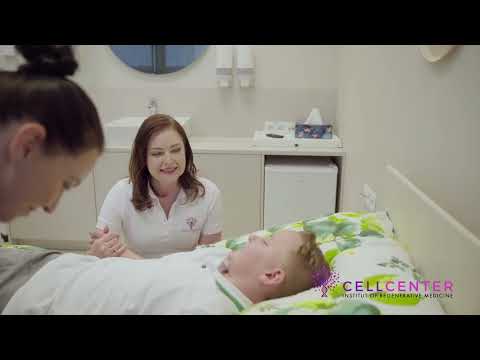
The timeline for regenerative healing is biological, requiring patience and highly structured follow-up care. Following the minimally invasive stem cell application, patients generally spend a few days under close observation in comfortable, specialized medical accommodations. During this immediate post-operative window, the clinical team monitors the injection sites, changes localized wound dressings, and provides exhaustive education on offloading pressure from the healing foot during the journey back to Italy.
The true magic of regenerative medicine unfolds over the subsequent weeks and months. As patients return to their homes, the newly formed blood vessels gradually increase circulation to the extremities. Many report a noticeable reduction in neuropathic pain and visible signs of wound granulation within the first 30 to 60 days. Supported by virtual tele-health check-ins with their international medical team, patients can securely track their progress. By choosing advanced regenerative therapy over standard amputation, they reclaim not just their limbs, but the physical freedom to live their lives without limitations.

.png)


.png)


.png)








Share this listing