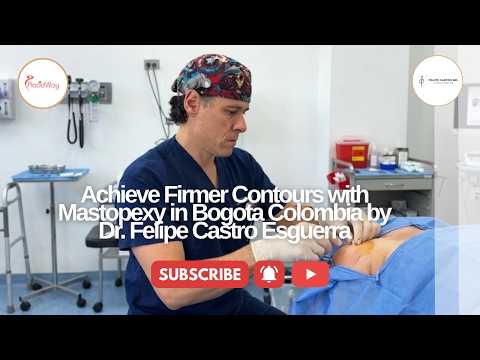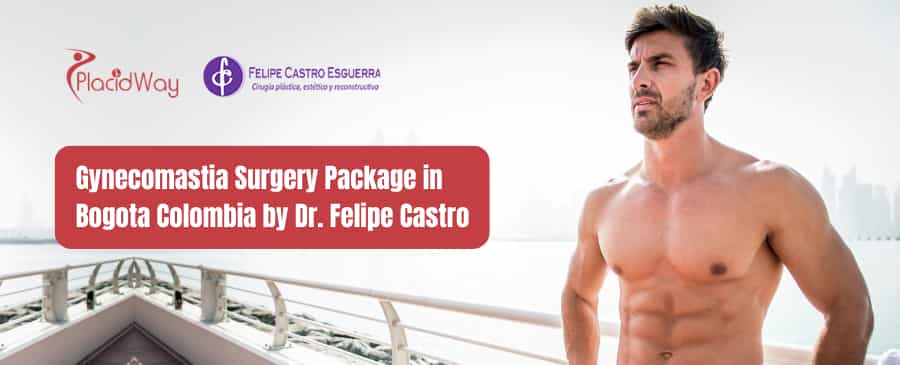
Let’s be completely honest—dealing with enlarged male breast tissue can feel like carrying around unnecessary physical and emotional baggage, but it certainly does not have to be a lifelong burden. Gynecomastia surgery in Bogota, Colombia, led by Dr. Felipe Castro, offers a safe, highly effective medical solution starting at an estimated $2,500 for eligible men seeking permanent male chest contouring. This specialized surgical package caters to adult men in good health, encompassing comprehensive pre-operative assessments, the primary glandular excision and liposuction procedure, and dedicated post-operative monitoring. Conducted in the vibrant, medically advanced capital of Colombia, patients are advised to plan for a 7-day stay to ensure a safe initial recovery. Please note that exact eligibility, personalized treatment plans, and final pricing are strictly determined following a direct medical assessment by the surgeon.
Key Insights: Male Breast Reduction at a Glance
- Estimated Investment: Packages start at roughly $2,500, offering substantial financial relief compared to standard North American or European healthcare markets without compromising clinical standards.
- Surgeon Expertise: Led by Dr. Felipe Castro Esguerra, a highly respected and board-certified plastic surgeon in Colombia specializing in advanced body contouring and male aesthetics.
- Patient Suitability: Ideal for adult men with stabilized breast tissue development, a healthy body mass index (BMI), and those who have not responded to alternative medical or hormonal therapies.
- Procedure Expectations: Treatment typically integrates targeted liposuction with glandular tissue excision to reliably achieve a flatter, firmer, and more traditionally masculine chest contour.
- Pre-Travel Protocol: Requires comprehensive remote medical clearance via secure photograph review and detailed health history assessment before securing travel arrangements to Bogota.
How Much Does Gynecomastia Surgery Cost in Bogota Versus Other Countries?
For many international patients, the primary motivation for medical travel is accessing world-class healthcare at a more sustainable price point. Colombia has emerged as a premier destination for plastic surgery due to its exceptional medical infrastructure and favorable exchange rates. Below is a general comparison of what patients typically spend on male breast reduction across different global healthcare systems.
| Country / Region | Estimated Cost Range (USD) |
|---|---|
| United States | $6,500 - $9,500 |
| United Kingdom | $6,000 - $8,500 |
| Canada | $7,000 - $9,000 |
| Bogota, Colombia (Dr. Felipe Castro) | Starting from $2,500 |
Detailed Breakdown of Your Projected Investment
Transparency is critical when planning medical travel. The table below provides a hypothetical breakdown of how the funds are allocated within the starting package price. Please be aware that this is an estimated baseline structure; actual costs will vary based on the surgical complexity determined during your remote and in-person consultations.
| Procedure Item | Estimated Cost | Description |
|---|---|---|
| Surgeon's Professional Fee | $1,200 | Compensates Dr. Castro for his clinical expertise, surgical time, and specialized technique. |
| Operating Facility Fees | $600 | Covers the use of a fully accredited, state-of-the-art operating theater and recovery room. |
| Anesthesia Services | $400 | Includes medications and the continuous monitoring by a board-certified anesthesiologist. |
| Medical Supplies & Garments | $300 | Standard post-operative medications and the mandatory custom compression vest. |
| Total Estimated Starting Price | $2,500 | Subject to change based on required surgical intensity and individual medical needs. |
What is Included in Your Male Breast Reduction Package?
To ensure a seamless experience, the treatment package is designed to cover the fundamental medical necessities required for a successful procedure. When you travel to Bogota for care with Dr. Castro, your base surgical quote generally includes:
- Comprehensive pre-operative physical examination and surgical planning consultation in Bogota.
- The primary surgical procedure (liposuction, glandular excision, or a combination).
- Professional fees for the lead plastic surgeon and the assisting medical staff.
- Services of a certified anesthesiologist and all required anesthetic medications.
- Use of a fully equipped, modern operating room and immediate post-anesthesia recovery space.
- One custom-fitted medical compression garment required for immediate post-op healing.
- Standard post-operative prescription medications (antibiotics and pain management for the initial recovery phase).
- Scheduled follow-up appointments and dressing changes before you are cleared to fly home.
Package Exclusions: What You Should Budget For?
While the medical package covers your clinical needs, traveling abroad requires additional logistical planning. The following items are strictly out-of-pocket expenses and are not included in the baseline medical quote:
- International round-trip airfare to and from Bogota (El Dorado International Airport).
- Hotel accommodations, Airbnb rentals, or specialized recovery house stays.
- Daily meals, nutritional supplements, and personal leisure expenses.
- Pre-operative laboratory tests (blood work, EKGs) which must generally be completed in your home country prior to travel.
- Local ground transportation (taxis, rideshares, or private drivers to and from the clinic).
- Comprehensive medical travel insurance policies.
- Additional medical interventions required in the rare event of severe, unexpected surgical complications.
Are You a Good Candidate for Male Chest Contouring?
Gynecomastia is incredibly common, affecting a large percentage of men at some point in their lives due to hormonal fluctuations, certain medications, or genetics. However, surgery is a significant step. You may be considered an excellent candidate for this procedure in Colombia if you meet specific clinical criteria:
- Your condition cannot be corrected through alternative medical treatments, hormone therapies, or lifestyle adjustments.
- You are physically healthy, possessing a relatively stable body weight, and do not suffer from life-threatening illnesses or medical conditions that impair healing.
- You are a non-smoker, or you are strictly willing to cease smoking and nicotine use for several weeks before and after surgery to prevent tissue necrosis and poor wound healing.
- Your breast development has stabilized (the tissue is no longer actively growing).
- You maintain realistic expectations regarding the surgical outcomes, understanding that the goal is improvement and contouring, not absolute perfection.
- You are not currently using illicit drugs, unprescribed anabolic steroids, or excessive alcohol, as these can cause gynecomastia to return even after surgical removal.
Essential Medical Records for Your Pre-Op Assessment
Patient safety is the highest priority. Before you are approved to travel to Bogota, Dr. Castro’s medical team will conduct a thorough remote evaluation. To facilitate this vital process, you will be required to securely submit the following medical records:
- A comprehensive written history of your medical background, including past surgeries, chronic conditions, and any known allergies.
- A complete list of current medications, including prescriptions, over-the-counter drugs, herbal supplements, and vitamins.
- Recent standard blood test results, typically including a Complete Blood Count (CBC) and a basic metabolic panel (must be dated within 30 days of the planned surgery).
- Clear, well-lit photographs of your chest (front and side profiles) for the surgeon to evaluate tissue distribution and skin laxity.
- An electrocardiogram (EKG) and a formal medical clearance letter from your primary care physician, which is strictly mandatory if you are over the age of 45 or possess pre-existing health conditions like hypertension or diabetes.
- In specific cases, an endocrinology report or hormone panel may be requested to rule out underlying active medical triggers for the tissue growth.
The Gynecomastia Procedure: A Step-by-Step Guide
Understanding what happens in the operating room can significantly reduce pre-travel anxiety. Gynecomastia surgery is a highly refined procedure tailored to whether your chest enlargement is primarily due to excess fatty tissue, excess glandular tissue, or a combination of both.
Step 1: Administering Anesthesia
To ensure you are entirely comfortable and pain-free, medications will be administered before the procedure begins. Depending on the surgical scope, this will either be intravenous sedation (twilight sleep) paired with local anesthesia, or general anesthesia. Your anesthesiologist will recommend the safest option for your specific profile.
Step 2: The Liposuction Technique (For Fatty Tissue)
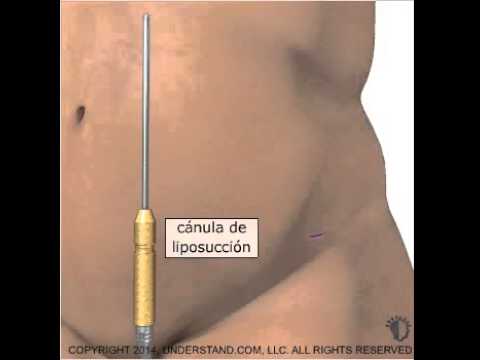
If gynecomastia is primarily caused by excess localized fat (often referred to as pseudo-gynecomastia), Dr. Castro will utilize advanced liposuction techniques. Small, carefully hidden incisions are made, and a thin hollow tube (a cannula) is inserted. The cannula is moved in a controlled motion to loosen the excess fat, which is then gently vacuumed away to sculpt a flatter contour.
Step 3: The Excision Technique (For Glandular Tissue)
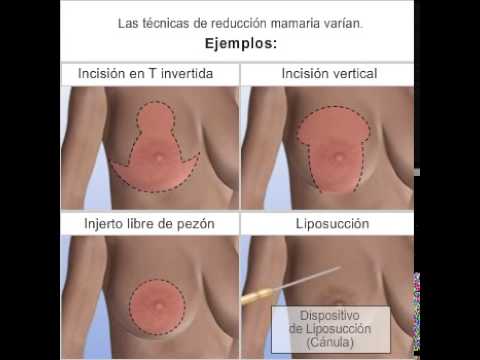
If true breast gland tissue or excess skin must be removed to correct the contour, excision techniques are necessary. Liposuction alone cannot break down dense glandular tissue. The incision is typically placed inconspicuously around the edge of the areola. Excision is also utilized if the areola requires reduction or the nipple needs to be repositioned to a more natural, masculine placement.
Step 4: Closing and Contouring
Many modern procedures require a combination of both liposuction and direct excision to achieve optimal aesthetic results. Once the reshaping is complete, the incisions are carefully closed with precise sutures to minimize scarring, and the chest is bandaged and fitted into a supportive compression garment.
Your Medical Tourism Timeline: From Consultation to Going Home
Traveling for surgery requires a well-structured itinerary. Here is a general timeline of what you can expect when you travel to Bogota for this specialized package.
- Weeks Prior: Remote consultation, submission of photos, medical history review, and pre-operative lab work completed in your home country. Flights and accommodation are booked once medical clearance is granted.
- Day 1 (Arrival): Arrive at El Dorado International Airport in Bogota, travel to your hotel or recovery house, and rest to recover from travel fatigue.
- Day 2 (Pre-Op Meeting): Attend your comprehensive in-person consultation with Dr. Castro. The surgical plan is finalized, physical markings are drawn, and any final local lab tests or paperwork are completed.
- Day 3 (Surgery Day): Arrive at the surgical facility fasting. The procedure generally takes 1.5 to 3 hours. After a few hours in the recovery room, you are typically discharged to return to your hotel with a companion.
- Days 4 to 6 (Initial Healing): Rest at your accommodation. You will experience swelling and soreness. You must wear your compression garment 24/7. Light, short walks in the room are encouraged to promote circulation.
- Day 7 (Follow-Up & Clearance): Final in-person evaluation with Dr. Castro. Dressings are checked, early healing is assessed, and if everything looks healthy, you receive medical clearance to fly back home.
Recommended Stay in Colombia for a Safe Recovery
Proper post-operative monitoring is non-negotiable for patient safety, especially before undertaking air travel.
- Minimum Required Stay: 7 days in Bogota is the standard medical recommendation.
- Why it Matters: This window allows the surgeon to monitor for immediate complications like hematomas (blood collection) or early signs of infection, ensuring you are physically stable enough to handle the cabin pressure and prolonged sitting of a flight.
- Final Clearance: Your exact departure date is ultimately contingent on Dr. Castro's final physical evaluation and your individual healing progress.
Healing Stages: Recovery and Aftercare for Gynecomastia
Recovery from chest contouring is a gradual process. Following your surgeon's aftercare instructions meticulously is vital for achieving the best aesthetic outcome and avoiding setbacks.
The First 48 Hours
Expect moderate discomfort, tightness, bruising, and significant swelling. Pain is manageable with prescribed oral medications. You will be bound in a medical compression vest that must not be removed. Rest on your back with your upper body slightly elevated.
Week 1 to Week 2
Sharp pain transitions to a dull ache. Bruising will begin to fade, changing colors. Most men feel comfortable returning to remote or desk work after 5 to 7 days. The compression garment is still worn continuously, except briefly while showering (once cleared by the doctor). Avoid raising your arms high above your head.
Week 3 to Week 6
Swelling visibly decreases. You can typically transition to wearing the compression garment only part-time (e.g., just during the day or night) based on your surgeon's advice. Light cardio can be reintroduced, but heavy lifting and direct chest exercises must still be strictly avoided to prevent internal muscle and tissue tearing.
3 to 6 Months
Deep internal swelling resolves completely. Incision scars, which initially appear red and raised, will begin to soften and fade into the natural contours of the chest. The final, permanent shape of your newly contoured chest becomes fully visible. You are generally cleared for all intense physical activities.
Understanding Potential Risks and Complications
All surgical procedures, regardless of how expertly they are performed, carry inherent risks. While serious complications from male breast reduction are statistically uncommon when performed by a board-certified plastic surgeon, transparent medical practice requires you to be fully informed. Potential risks include:
- Reactions to anesthesia or respiratory suppression.
- Bleeding (hematoma) or fluid accumulation (seroma) under the skin, which may require minor clinical draining.
- Surgical site infections, mitigated by sterile operating environments and prophylactic antibiotics.
- Temporary or, rarely, permanent changes in nipple or breast sensation (numbness).
- Noticeable scarring, contour irregularities, or slight breast asymmetry that may require secondary touch-up revisions.
- Note: This list is not exhaustive. Dr. Castro will discuss all individual risks related to your specific medical profile during your consultation.
Realistic Outcomes: What to Expect from Male Chest Reduction?
The primary goal of this procedure is aesthetic enhancement and improved psychological well-being.
- Physical Changes: Patients typically experience a significantly flatter, firmer, and more masculine chest contour. Clothing often fits better, and patients frequently report feeling comfortable shirtless in public for the first time in years.
- Permanency: The results of gynecomastia surgery are often permanent. The excised glandular tissue and removed fat cells do not regenerate.
- Future Caveats: It is crucial to understand that significant subsequent weight gain, the use of unprescribed anabolic steroids, or the development of new hormone imbalances can potentially cause remaining tissue to enlarge, reversing the surgical effects.
Meet Dr. Felipe Castro Esguerra: Board-Certified Plastic Surgeon

When traveling abroad for healthcare, the credentials of your treating physician are paramount. Dr. Felipe Castro Esguerra is a distinguished plastic surgeon practicing in Colombia, renowned for his dedication to precision, patient safety, and aesthetic excellence. Specializing in advanced body contouring, Dr. Castro employs modern surgical techniques to ensure outcomes are both highly effective and natural-looking. His practice adheres to rigorous international safety standards, making him a trusted choice for international patients seeking top-tier aesthetic reconstruction in Bogota.
Frequently Asked Questions
Will my surgical scars be highly visible?
Surgeons utilize techniques designed to minimize visible scarring. Incisions for liposuction are tiny and hidden in natural creases. Incisions for glandular excision are typically made along the edge of the areola, where the natural color transition helps camouflage the resulting scar over time.
Can gynecomastia return after surgery?
Generally, the results are permanent because the excised glands and fat cells are physically removed. However, if you experience massive weight gain, abuse anabolic steroids, or develop medical conditions that severely disrupt your hormones, the remaining trace tissue could theoretically enlarge.
Is Bogota safe for medical tourists?
Bogota is a major metropolitan hub featuring modern infrastructure and world-class medical facilities. Like any major global city, basic street smarts are advised, but medical tourists utilizing organized transport, reputable hotels, and accredited clinics find it to be a highly safe and welcoming destination.
Does health insurance cover this package?
Because international medical care is often viewed as elective, most domestic health insurance plans do not cover treatments abroad. This package is designed as a direct-pay, out-of-pocket investment, though the affordability often makes it cheaper than domestic insurance deductibles.
How soon can I fly after my chest reduction?
For your safety, a minimum stay of 7 days in Bogota is recommended. Flying too soon after surgery increases the risk of deep vein thrombosis (blood clots) and severe swelling due to cabin pressure changes. You must wait for official clearance from Dr. Castro.
Will the surgery completely remove my nipples?
Absolutely not. The goal is contouring and reduction. The nipples and areolas remain intact. In severe cases of gynecomastia where there is excess stretched skin, the areola may be reduced in size or surgically repositioned to sit higher on the newly flattened chest.
Is the procedure painful?
You will not feel any pain during the surgery due to anesthesia. Post-operatively, you will experience soreness, tightness, and a sensation similar to an intense chest workout. This is effectively managed with standard oral painkillers prescribed by your surgeon.
Can I cure my gynecomastia with diet and exercise instead?
If your chest enlargement is solely due to excess fat (pseudo-gynecomastia), extreme weight loss may help. However, if you possess actual enlarged glandular tissue (true gynecomastia), diet and exercise cannot shrink the gland. Surgical excision is the only effective treatment.
How do I communicate if I don't speak Spanish?
Many top-tier plastic surgeons in Colombia, including Dr. Castro, are bilingual or have dedicated English-speaking patient coordinators on staff. Clear communication regarding your medical history and surgical goals will never be compromised by a language barrier.
Why do I have to wear a compression vest?
The compression garment is arguably the most important part of your recovery. It controls massive swelling, prevents the buildup of fluid (seroma), and forces your skin to retract and adhere properly to your new, flatter chest contour.
Ready to Reclaim Your Confidence?
You don't have to navigate this journey alone. Take the first step toward a flatter, more contoured chest and renewed self-esteem. Contact our patient support team today to review your case, verify your medical eligibility, and secure a personalized treatment plan with Dr. Felipe Castro in Bogota.
Request Free QuoteMedical Disclaimer: The content provided on this page is for general informational and educational purposes only. It is not intended as a substitute for professional medical advice, formal diagnosis, or treatment planning by a qualified healthcare provider.
References
- Mayo Clinic. (n.d.). Gynecomastia - Symptoms and causes. Read at Mayo Clinic
- National Institutes of Health (NIH). (2014). Management of Gynecomastia. Read at NCBI
- Cleveland Clinic. (n.d.). Enlarged Male Breast Tissue (Gynecomastia). Read at Cleveland Clinic
- American Society of Plastic Surgeons (ASPS). (n.d.). Gynecomastia Surgery Safety. Read at ASPS
- MedlinePlus (U.S. National Library of Medicine). (n.d.). Gynecomastia. Read at MedlinePlus
Share this listing