
What treatment


4+ Best Clinics for Bladder Cancer in South Korea
Trusted Medical Tourism Platform Since 2007
What are the best bladder cancer treatment clinics in South Korea?
The top clinics for bladder cancer treatment in South Korea are: Seoul National University Healthcare System Gangnam Center (Seoul), Samsung Medical Center (Seoul), Gachon University Gil Medical Center (Incheon), SAM Medical Center (Gunpo), The Min Hospital (Seoul), EWHA Womans University Medical Center (Seoul), and Samsung Seoul Medical Center (Seoul).
These leading facilities offer advanced oncology, specialized cancer treatments, and comprehensive healthcare services for global patients. Recognized for research excellence—such as Gachon University's designation as a top research-driven hospital—these centers provide state-of-the-art care. Depending on the required medical procedures, general treatment packages at these South Korean facilities begin around $1,994 USD.
SAM Medical Center


Overview
Opened in 1967, SAM Medical Center of Hyosan Medical Foundation, located in Gyeonggi-do, Korea, was the first general hospital in Anyang. Sam Hospital has grown to have 4 hospital groups such as Sam Anyang Hospital, G Sam Hospital (Sam International Hospital), Sam Women's Hospital and Sam Oriental Hospital and it plans to take a leap toward the world going beyond its region.
Read more details
 100.00% Patient Recommend
Seoul National University Healthcare System Gangnam Center


Overview
Seoul National University Hospital in Seoul offers advanced medical care, specialized centers, and global patient services with expert staff and research excellence.
Read more details

Seoul Smart Bon Clinic in South Korea
Overview
Discover advanced care at Spine, Neurology & Stem Cell Clinic in South Korea by Seoul Smart Bon Clinic with innovative treatments for lasting recovery.
Read more details 100.00% Patient Recommend
Samsung Medical Center
Overview
Samsung Medical Center in Seoul offers advanced medical care, specializing in oncology, cardiology, and neurosurgery with state-of-the-art technology and comprehensive services.
Read more detailsDiscover your treatment options with a free, no-obligation quote!
Get your quote now!Samsung Seoul Medical Center
Samsung Medical Center in Seoul provides advanced, patient-focused care with top specialties in cancer, cardiology, and neurology for global patients.


Gangnam Severance Hospital
Overview
Explore Gangnam Severance Hospital in Seoul, South Korea, a top-tier facility of the Yonsei University Health System, offering advanced medical care and comprehensive services.
Read more details 100.00% Patient Recommend
Gasan Medical Foundation Guangdong Hospital
Overview
Gasan Medical Foundation Guangdong Hospital is a leading healthcare institution in Seoul, Korea, offering advanced medical services in various specialties, with a focus on patient care.
Read more details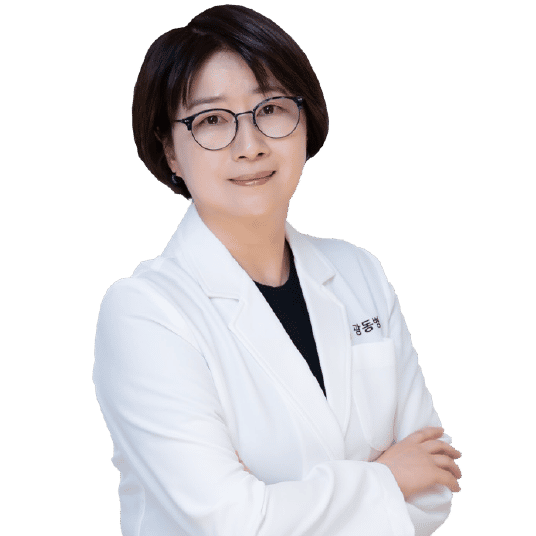
Why South Korea is a Global Leader for Bladder Cancer Treatment?
South Korea has revolutionized oncological care by combining cutting-edge robotics, AI-driven diagnostics, and highly specialized surgical expertise. Here is why international patients choose this medical powerhouse to fight urological cancers.
Pioneers in Robotic Urologic Surgery
South Korean surgeons are globally recognized for their immense volume of robotic-assisted procedures. Using the latest da Vinci surgical systems, they perform highly complex radical cystectomies and neobladder reconstructions with pinpoint precision, minimizing nerve damage and accelerating postoperative recovery.
World-Leading Survival Rates
Due to rigorous national screening programs and aggressive, multidisciplinary treatment approaches, South Korea consistently reports some of the highest 5-year survival rates for bladder and urinary tract cancers in the world, frequently outperforming statistics from North America and Europe.
Advanced Precision Diagnostics
Accurate staging is critical for bladder cancer. South Korean tertiary hospitals utilize state-of-the-art Narrow Band Imaging (NBI) cystoscopy, multiparametric MRI, and next-generation genetic sequencing to identify tumor characteristics at the molecular level, ensuring treatments are highly targeted.
Speed to Treatment
In oncology, time is tissue. Unlike healthcare systems plagued by long waiting lists, South Korea offers a highly efficient "fast-track" system for international patients. You can move from initial consultation and advanced imaging to the operating room or infusion center in a matter of days.
Bladder Cancer Treatment Costs in South Korea vs. United States (2026)
Compare projected 2026 pricing for critical oncological procedures. South Korea offers access to tier-one medical technology and internationally renowned surgeons at a fraction of Western healthcare costs.
| Procedure / Treatment | South Korea Price | US / UK Price | You Save | Savings % |
|---|---|---|---|---|
| Transurethral Resection (TURBT) | $4,500–$7,000 | $15,000–$25,000 | $10,500+ | 70% |
| Robotic Radical Cystectomy | $18,000–$25,000 | $50,000–$80,000 | $32,000+ | 64% |
| Intravesical BCG Therapy (Per Course) | $2,500–$4,000 | $8,000–$12,000 | $5,500+ | 68% |
| Systemic Chemotherapy (Per Cycle) | $3,000–$5,500 | $10,000–$20,000 | $7,000+ | 70% |
* Prices are 2026 estimates based on verified JCI-accredited hospitals in South Korea. Oncology treatment costs vary significantly based on tumor stage, the required combination of surgery and systemic therapies, and duration of hospital stay. Request a free quote for a customized treatment plan.
Seoul vs. Alternative South Korean Cities for Urologic Oncology
While the entire country boasts exceptional medical standards, different cities offer unique environments for cancer treatment and recovery. Compare the top medical hubs in South Korea.
Seoul
Capital City
Home to the "Big Five" tertiary hospitals, Seoul features the highest concentration of specialized tumor boards, advanced robotic surgery centers, and clinical trials. It is the premier choice for complex or advanced-stage cancer cases requiring multidisciplinary intervention.
Busan
Southern Port City
Offers exceptional university hospitals with top-tier oncology departments, coupled with a more relaxed, coastal atmosphere. Many patients prefer Busan for a less congested recovery period while still receiving world-class medical and surgical care.
Incheon
International Gateway
Located right next to the primary international airport, Incheon features modern "Medicity" zones designed specifically for foreign patients. It provides highly efficient diagnostics and treatments without the need to navigate deep into the capital.
Daegu
Southeastern Hub
Designated by the government as a specialized medical city, Daegu houses excellent regional cancer centers. It offers high-quality robotic surgery and systemic therapies in a quieter, more affordable setting compared to Seoul.
Comprehensive Bladder Cancer Procedures in South Korea
South Korean hospitals provide the full spectrum of oncological care, from minimally invasive tumor removal to complex urinary tract reconstruction and next-generation immunotherapies.
Transurethral Resection (TURBT)
$4,500 – $7,000The primary diagnostic and treatment procedure for early-stage, non-muscle-invasive bladder cancer. Surgeons use a resectoscope inserted through the urethra to visualize and precisely scrape away cancerous tissue without any external incisions.
Save $10,500+ vs. US prices
Intravesical BCG Immunotherapy
$2,500 – $4,000 (Per Course)Administered directly into the bladder via a catheter, this liquid immunotherapy stimulates the body's immune system to attack remaining cancer cells. It is highly effective at preventing tumor recurrence after a TURBT procedure.
Save $5,500+ vs. US prices
Robotic Radical Cystectomy & Neobladder
$18,000 – $25,000For muscle-invasive cancer, the entire bladder is removed. South Korean experts utilize robotic arms for extreme precision to preserve sexual function, then reconstruct a new bladder (neobladder) from a segment of the intestine, avoiding an external ostomy bag.
Save $32,000+ vs. US prices
Advanced Systemic & Targeted Therapy
$5,000 – $8,000 (Per Phase)For advanced or metastatic cases, hospitals utilize genetic sequencing to identify tumor mutations. Patients receive highly tailored systemic treatments, including traditional chemotherapy, checkpoint inhibitors, and targeted biological drugs.
Save $8,000+ vs. US prices
How to Choose a Hospital for Bladder Cancer Treatment in South Korea?
Selecting the right facility for oncological care is a life-saving decision. Follow this 5-step checklist to ensure you receive the highest standard of treatment.
Verify International Accreditations
Ensure the hospital holds Joint Commission International (JCI) accreditation or certification from the Korea Accreditation Board for Healthcare (KOIHA). This guarantees the facility meets rigorous global standards for patient safety and infection control.
Look for a Multidisciplinary Tumor Board
Top cancer centers do not rely on a single doctor. Confirm that your case will be reviewed by a tumor board consisting of urologic surgeons, medical oncologists, radiation oncologists, and pathologists working collaboratively on your treatment plan.
Evaluate Robotic Surgery Experience
If facing a cystectomy, ask about the urology department's specific volume of robotic surgeries. Higher procedural volume directly correlates with better surgical margins, reduced complications, and higher rates of successful nerve preservation.
Inquire About Reconstruction Expertise
If your bladder must be removed, discuss the surgeon's expertise in orthotopic neobladder reconstruction versus an ileal conduit. Neobladders offer a much higher quality of life, but require highly specialized surgical skills found mostly in premier centers.
Utilize a Verified Medical Facilitator
Navigating a foreign medical system while battling cancer is overwhelming. Use PlacidWay to connect with hospitals that have dedicated international patient departments, ensuring seamless medical record translation and clear clinical communication.
Your Path to Recovery in South Korea
Understanding the clinical pipeline helps reduce anxiety. Here is the typical process for international oncology patients receiving care in South Korea.
Step 1: Tele-Oncology & Pathology Review
Submit your biopsy reports, cystoscopy videos, and previous scans to PlacidWay. South Korean oncologists will conduct a thorough virtual review to assess tumor grading and determine your preliminary candidacy for specific surgeries or immunotherapies.
Step 2: Arrival & Advanced Staging
Upon hospital admission, you will undergo rapid, high-resolution diagnostic testing. This typically includes a PET-CT scan and multiparametric MRI to confirm the exact depth of tumor invasion and check for any metastasis to surrounding lymph nodes.
Step 3: Multidisciplinary Board Review
With fresh imaging results, the hospital's tumor board convenes. Specialists from urology, oncology, and radiology collaborate to finalize a personalized, evidence-based treatment protocol tailored entirely to your specific cancer pathology.
Step 4: Surgical Intervention or Therapy
You proceed to treatment, whether it is a minimally invasive TURBT, a complex robotic cystectomy, or the initiation of systemic chemotherapy. Surgeries are performed in state-of-the-art operating theaters equipped with the latest technology.
Step 5: Post-Op Care & Long-Term Monitoring
After surgery, you will recover in specialized oncology wards with intensive nursing care. Before returning home, your medical team will provide a comprehensive, translated summary and a detailed long-term follow-up plan for your local oncologist.
Bladder Cancer Treatment in South Korea FAQ
Detailed answers addressing the most common concerns of international patients seeking oncological care in South Korea.
Survivors Who Chose South Korea
Read accounts from international patients who trusted South Korean oncology centers for their complex surgical and therapeutic care.
"When I was diagnosed with muscle-invasive disease, the thought of living with an ostomy bag was devastating. I traveled to Seoul specifically for their expertise in robotic cystectomies and neobladder reconstruction. The precision of the surgical team was incredible. I am now cancer-free and functioning normally, something my local doctors said would be highly unlikely."
"The speed of care in South Korea saved my life. Back home, I was waiting weeks just for an MRI. In Busan, I had full staging done within 48 hours and started targeted immunotherapy immediately after my tumor board review. The international department translated every detail, and the medical technology they used was years ahead of what I had seen before."
Why Choose PlacidWay for Your Oncology Journey?
Seeking cancer treatment abroad requires absolute medical precision and trust. As an independent medical facilitator, PlacidWay connects you with globally accredited South Korean oncology centers securely.
Verified JCI-Accredited Hospitals
We only partner with top-tier South Korean medical centers that hold rigorous international accreditations, ensuring the facility adheres to the highest global standards for surgical safety and oncology protocols.
Objective Clinical Comparisons
Our role is to provide you with transparent, unbiased options from multiple leading cancer centers. We help you compare specialized tumor boards, surgeon experience, and treatment technologies to make an informed choice.
Direct Oncologist Access
We facilitate direct virtual consultations between you and the South Korean urological oncology teams. This allows you to discuss complex pathology and targeted treatment plans before ever leaving your home.
Secure Medical Record Transfer
Our team ensures your sensitive biopsy reports, MRI scans, and full medical history are securely transferred and accurately reviewed by the international medical departments to expedite your clinical assessment.
Fight Cancer with World-Class Precision
Access South Korea's highest-rated robotic surgeons and multidisciplinary tumor boards. Receive premium oncological care and save up to 65% compared to Western treatment costs.
Get Free QuoteDisclaimer: PlacidWay is a medical tourism facilitator and does not provide medical advice, diagnosis, or treatment. We connect patients with independently verified hospitals abroad. Always consult with a qualified oncologist regarding your specific medical condition.
Share with AI
Share this page with AI assistants to get summaries and insights


List of Best Bladder Cancer Clinics in South Korea
Unlock the Best Cancer Treatment Packages Just for You
Discover the ultimate Cancer Treatment packages designed to meet your health and wellness goals. Choose the perfect fit for your journey.

Price starting from $3,500
NK Cell Therapy Package in Tokyo, Japan by HELENE Clinic
HELENE - Stem Cell Clinic
- Cancer Treatment
Tokyo, Japan
Price starting from $3,000
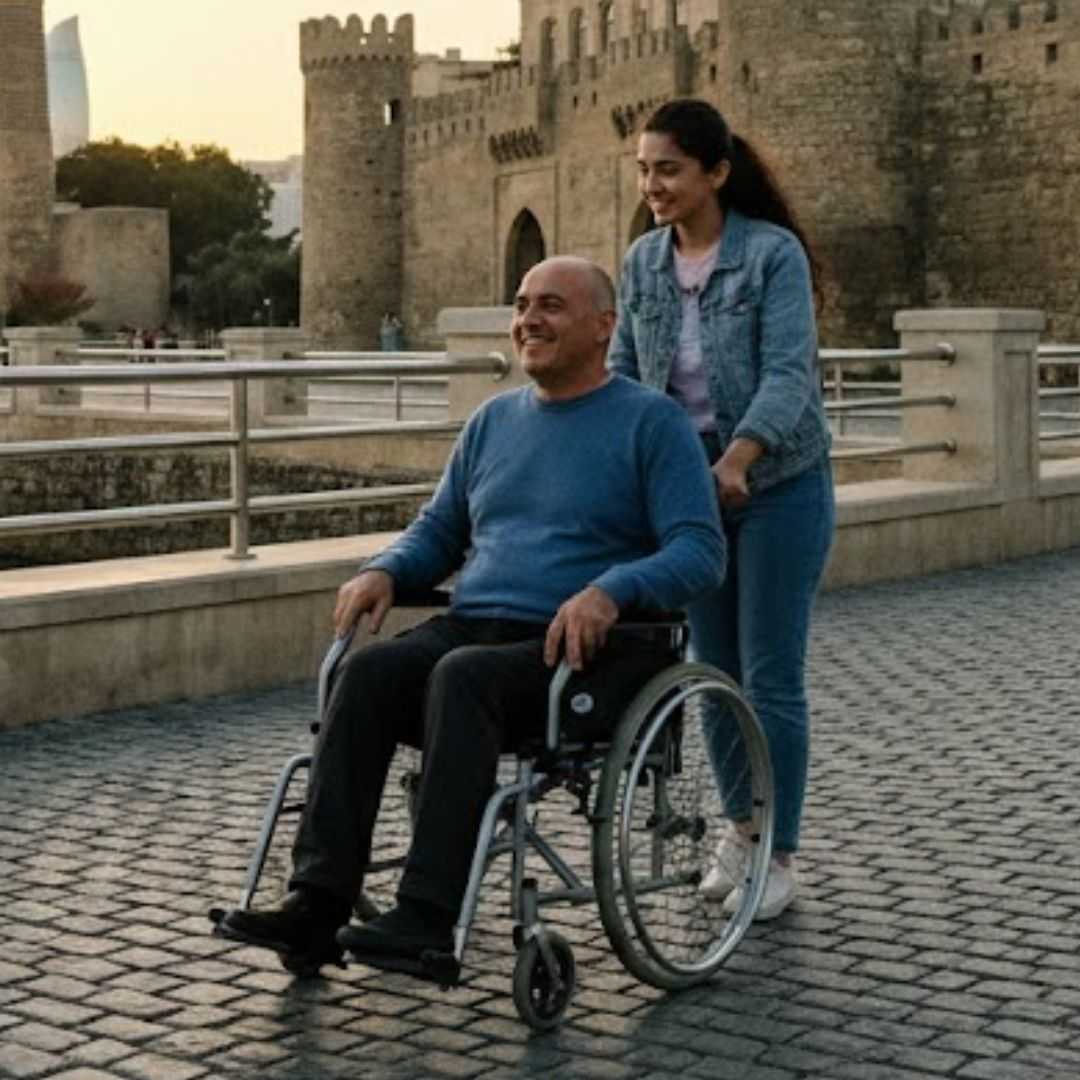
Brain Cancer Treatment Package in Baku, Azerbaijan by LIV Bona Dea Hospital
Liv Bona Dea Hospital in Baku, Azerbaijan
- Cancer Treatment
Baku, Azerbaijan

Price starting from $1,994
Stroke Treatment Package in Seoul, South Korea By SNUH
Seoul National University Healthcare System Gangnam Center
- Cancer Treatment
Seoul, South Korea

Price starting from $12,000
Cervical Cancer Package at Chongqing Sino-Euro Integrated Traditional Chinese and Western Medicine Hospital, Chongqing, China
Chongqing Sino-Euro Integrated Traditional Chinese and Western Medicine Hospital
- Cancer Treatment
Chongqing, China
Transformative Cancer Treatment Experiences: Dive into Procedure Insights
Discover the power of Cancer Treatment through compelling patient experiences. Uncover detailed insights into procedures, recovery journeys, and life-changing results.
.png)
Price starting from $18,000
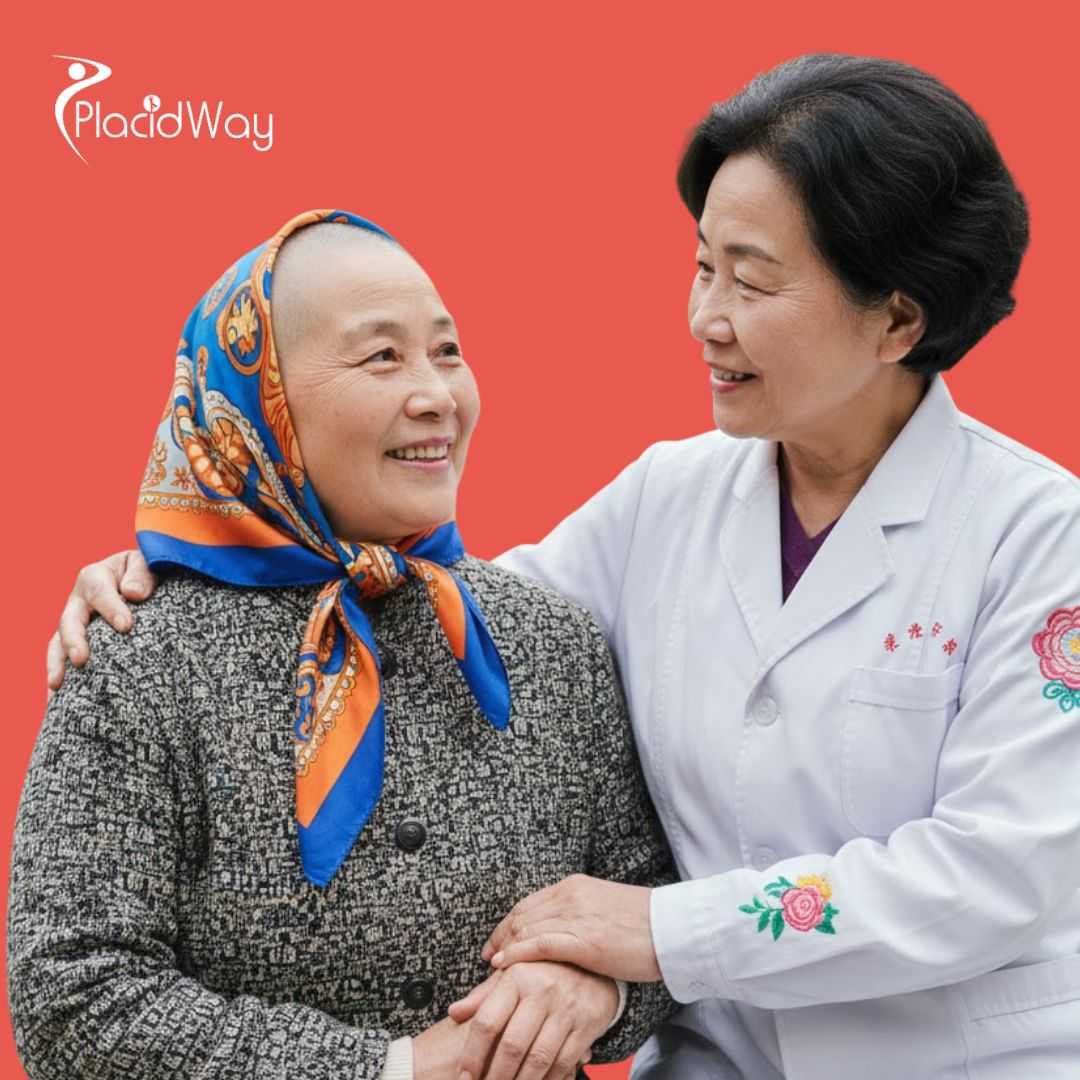
NK Cell Therapy in China
- NK Cell Therapy (Natural Killer Cell Therapy), Cancer Treatment
China
Price starting from $100,000
Immunotherapy China: TILs Therapy for Melanoma
- TILs Therapy for Melanoma, Cancer Treatment
China
.png)
.png)
Price starting from $9,800
NK Cell Therapy for Cancer in Kuala Lumpur, Malaysia
- NK Cell Therapy (Natural Killer Cell Therapy), Cancer Treatment
Kuala Lumpur, Malaysia
Explore Cancer Treatment: Stories, Testimonials, and Procedures
Watch in-depth videos covering everything from Cancer Treatment success stories to detailed procedure explanations. Learn what to expect and hear from real patients.

PlacidWay: Your All-in-One Solution for Patient Acquisition in Medical Tourism
Cancer Treatment
PlacidWay Medical Tourism
China
How PlacidWay Simplifies the Digital Marketplace for Patients and Providers
Cancer Treatment
PlacidWay Medical Tourism
China

Going Beyond Medical Tourism: How PlacidWay's Cutting-Edge Technology is Transforming Healthcare Marketing and CRM for Clinics Globally
Cancer Treatment
PlacidWay Medical Tourism
China

Pramod Goel, CEO of PlacidWay Medical Tourism Interview: How AI is Transforming Patient Journeys
Cancer Treatment
PlacidWay Medical Tourism
China
Learn More with These Cancer Treatment Articles
Take a look at these interesting articles, stories and research that will help you learn more about Cancer Treatment.
NK Cell Immunotherapy in China for Individuals Exploring Innovative Cancer Treatment Options
PlacidWay Medical Tourism
- Cancer Treatment
China
Multiple Myeloma Came Back After a Transplant? Understanding BCMA CAR-T Therapy in China
PlacidWay Medical Tourism
- CAR-T Cell Therapy
China

When Blood Cancer Returns and Options Become Limited — Exploring CAR-T Cell Therapy in China
PlacidWay Medical Tourism
- Cancer Treatment
China
Cancer Treatment Solutions Near You: Explore Top Medical Centers
Discover how Cancer Treatment is transforming lives at leading medical centers in , South Korea. Dive into center profile, specialties, doctors, reviews, etc. and explore the best options tailored to your needs in this region.
SAM Medical Center
Gunpo, South Korea

Seoul Smart Bon Clinic in South Korea
Seoul, South Korea
Samsung Seoul Medical Center
Seoul, South Korea
Samsung Medical Center
Seoul, South Korea








I can go once every six months, but there was also a delicious spaghetti restaurant. I had fun because I got to eat delicious food. I had many good experiences because I was able to eat delicious spaghetti.
Read More