
What treatment


7+ Best Clinics for Maxillary Cancer in South Korea
Trusted Medical Tourism Platform Since 2007
What are the best maxillary cancer treatment clinics in South Korea?
The leading maxillary cancer treatment clinics in South Korea include SAM Medical Center (Gunpo), Seoul National University Healthcare System Gangnam Center (Seoul), Seoul Smart Bon Clinic (Seoul), The Min Hospital (Seoul), Samsung Medical Center (Seoul), EWHA Womans University Medical Center (Seoul), and Gachon University Gil Medical Center (Incheon).
These research-driven facilities offer advanced multispecialty care, specializing in oncology, neurosurgery, and comprehensive cancer treatments. While specific oncology packages vary by patient needs, general surgical and specialized medical procedure costs at these South Korean centers range from $1,000 to $15,000 USD.
SAM Medical Center


Overview
Opened in 1967, SAM Medical Center of Hyosan Medical Foundation, located in Gyeonggi-do, Korea, was the first general hospital in Anyang. Sam Hospital has grown to have 4 hospital groups such as Sam Anyang Hospital, G Sam Hospital (Sam International Hospital), Sam Women's Hospital and Sam Oriental Hospital and it plans to take a leap toward the world going beyond its region.
Read more details
 100.00% Patient Recommend
Seoul National University Healthcare System Gangnam Center


Overview
Seoul National University Hospital in Seoul offers advanced medical care, specialized centers, and global patient services with expert staff and research excellence.
Read more details

Seoul Smart Bon Clinic in South Korea
Overview
Discover advanced care at Spine, Neurology & Stem Cell Clinic in South Korea by Seoul Smart Bon Clinic with innovative treatments for lasting recovery.
Read more details

The Min Hospital
Overview
The Min Hospital operates in Seoul, South Korea, providing service to patients for the last 14 years, and their focus has always been on becoming valuable to their patients.
Read more detailsDiscover your treatment options with a free, no-obligation quote!
Get your quote now! 100.00% Patient Recommend
Samsung Medical Center
Overview
Samsung Medical Center in Seoul offers advanced medical care, specializing in oncology, cardiology, and neurosurgery with state-of-the-art technology and comprehensive services.
Read more detailsEWHA Womans University Medical Center
EWHA Womans University Medical Center (EUMC) first hospital for women in South Korea. They provide a wide range of advanced and superior healthcare services including cardiology, dermatology, cancer treatment, gynecology, urology, neurology, nephrology, pain medicine, orthopedics, orthodontics and more.


Gachon University Gil Medical Center
Gachon University Gil Medical Center, located in Incheon, South Korea, is one of the top medical facilities in the country. It features the most advanced medical facilities and highly experienced staff members. Gachon University Gil medical Center was selected as one of the TOP 3 among 10 research-driven hospitals and made a grand achievement of being designated as the first regional trauma center in Korea.
Samsung Seoul Medical Center
Samsung Medical Center in Seoul provides advanced, patient-focused care with top specialties in cancer, cardiology, and neurology for global patients.
Discover your treatment options with a free, no-obligation quote!
Get your quote now!
Gangnam Severance Hospital
Overview
Explore Gangnam Severance Hospital in Seoul, South Korea, a top-tier facility of the Yonsei University Health System, offering advanced medical care and comprehensive services.
Read more details 100.00% Patient Recommend
Gasan Medical Foundation Guangdong Hospital
Overview
Gasan Medical Foundation Guangdong Hospital is a leading healthcare institution in Seoul, Korea, offering advanced medical services in various specialties, with a focus on patient care.
Read more details
BNH Korea
Located in Seoul, South Korea, B&H Korea helps international and local patients choose the best medical service provider in South Korea based on their budget and needs. A team of renowned medical professionals will take care of your medical trip, including medical consultation, scheduling doctor’s appointments, coordinating surgery appointments, as well as post-care services.

Authored by
Rizal Aditya
Rizal Aditya Oncology & Immunotherapy Content Specialist A highly accomplished clinical content writer with 5 years of experience and over 1500+ authored articles in the healthcare sector. Rizal specializes in delivering expert, evidence-based insight

Reviewed by
Dr. Orhan Sencan
Consult with Dr. Orhan Sencan, a leading oncologist in Istanbul, Turkey, specializing in cancer treatment, immunotherapy, and personalized care for cancer patients.
Last updated on
Why South Korea is the Global Leader for Maxillary Cancer Treatment?
South Korea has established itself as a premier destination for complex oncology care. For patients diagnosed with maxillary sinus cancer, the country offers a vital combination of cutting-edge radiation technology, unparalleled surgical precision, and world-class reconstructive expertise.
Advanced Radiation Technologies
Maxillary tumors are located perilously close to the eyes and brain. South Korean oncology centers are equipped with state-of-the-art Proton Beam Therapy and ultra-precise IMRT systems. These technologies deliver maximum tumor-destroying doses while sparing critical optical and neurological structures.
Exceptional Reconstructive Surgery
Removing cancer from the upper jaw (maxillectomy) often requires extensive facial reconstruction. South Korea is globally renowned for its expertise in microvascular and reconstructive surgery. Oncologic surgeons work simultaneously with plastic surgeons to restore both function and facial aesthetics seamlessly.
Multidisciplinary Tumor Boards
Head and neck cancers require a highly coordinated approach. Korean hospitals utilize dedicated multidisciplinary tumor boards where medical oncologists, radiation oncologists, otolaryngologists, and maxillofacial surgeons collaborate to design a personalized, comprehensive cancer treatment plan for every patient.
Expedited Diagnostics and Treatment
Time is critical in oncology care. While patients in North America or Europe may face weeks of waiting for scans and specialist appointments, South Korean medical centers offer expedited pathways for international patients, allowing for PET-CT staging and treatment initiation within days of arrival.
Maxillary Cancer Treatment Costs in South Korea vs. United States (2026)
Compare projected 2026 pricing for comprehensive head and neck oncology care. South Korea offers access to premium medical technologies and highly specialized surgeons at a fraction of the cost found in Western healthcare systems.
| Procedure / Treatment Phase | South Korea Price | US / UK Price | You Save | Savings % |
|---|---|---|---|---|
| Diagnostic Workup (PET-CT, MRI, Biopsy) | $3,500–$5,500 | $12,000–$18,000 | $8,500+ | 70% |
| Maxillectomy with Microvascular Reconstruction | $20,000–$35,000 | $70,000–$120,000 | $50,000+ | 71% |
| Advanced Radiation Therapy (IMRT) | $12,000–$18,000 | $40,000–$65,000 | $28,000+ | 70% |
| Proton Beam Therapy (Full Course) | $35,000–$45,000 | $90,000–$150,000 | $55,000+ | 61% |
* Prices are 2026 estimates based on top-tier JCI-accredited cancer centers in South Korea. Maxillary cancer treatment is highly individualized. Total costs will vary depending on the tumor stage, the need for free-flap reconstructive surgery, and the combination of modalities (surgery, chemo, radiation). Request a free quote for a customized oncology care plan.
Top South Korean Cities for Oncology Care
While the entire country boasts a highly advanced healthcare system, certain cities host the specialized infrastructure required for complex head and neck cancers. Compare these top medical hubs.
Seoul
Capital City
Home to South Korea's massive "Big Five" hospitals. Seoul is the definitive choice for maxillary cancer, offering the country's highest concentration of proton therapy centers, leading reconstructive surgeons, and cutting-edge clinical trials.
Busan
Southern Port City
Offers an excellent alternative to the bustling capital. Busan features high-level university hospitals equipped with advanced oncology departments, combined with a milder coastal climate that many international patients find conducive to post-treatment recovery.
Incheon
International Gateway
Housing the country's main international airport and several free economic zones, Incheon is rapidly developing its own world-class medical infrastructure. It provides immediate access to excellent cancer care right upon landing.
Daegu
Medi-City Daegu
Designated by the government as a special healthcare hub, Daegu has heavily invested in regional cancer centers. It offers highly personalized, multidisciplinary oncology treatments with slightly lower living costs than Seoul during extended stays.
Comprehensive Maxillary Cancer Treatment Options
Depending on the size, location, and stage of the tumor in the maxillary sinus, South Korean specialists will deploy one or a combination of the following advanced modalities to eradicate the disease and restore function.
Maxillectomy & Reconstruction
$20,000 – $35,000Surgical removal of part or all of the upper jaw containing the tumor. Korean centers excel in immediate reconstruction using microvascular free flaps (taking tissue/bone from the leg or arm) or advanced 3D-printed prosthetics to rebuild the palate and facial structure.
Save $50,000+ vs. US prices
Proton Beam Therapy
$35,000 – $45,000The most advanced form of radiation therapy available. Protons deliver a massive dose of energy directly to the maxillary tumor and then stop entirely, preventing radiation from damaging the adjacent eyes, optic nerves, and brain tissue.
Save $55,000+ vs. US prices
IMRT & CyberKnife Radiosurgery
$12,000 – $18,000Intensity-Modulated Radiation Therapy uses computer-controlled linear accelerators to deliver precise radiation doses that conform to the 3D shape of the tumor. Often used post-surgery to eliminate microscopic cancer cells and prevent recurrence.
Save $28,000+ vs. US prices
Targeted Therapy & Chemotherapy
$5,000 – $10,000 per cycleSystemic treatments used to shrink tumors before surgery or control advanced disease. South Korean oncologists utilize genomic profiling to identify specific mutations in the cancer cells, allowing for highly effective, targeted drug therapies.
Save $15,000+ vs. US prices
How to Choose a Cancer Center in South Korea?
Navigating international oncology care requires careful evaluation. Use this 5-step checklist to ensure you select the right South Korean facility for your maxillary cancer treatment.
Demand International Accreditation
Ensure the hospital holds Joint Commission International (JCI) accreditation or certification from the Korean Institute for Healthcare Accreditation (KOIHA). This guarantees the facility meets rigorous global standards for patient safety and oncological care.
Verify Head & Neck Specialization
Maxillary cancer is rare and complex. Confirm that the hospital has a dedicated Head and Neck Cancer Center with high surgical volumes, rather than just a general oncology ward.
Assess Reconstructive Capabilities
If a maxillectomy is required, ask specifically about their reconstructive teams. The best centers will have specialized plastic surgeons who perform microvascular free tissue transfers simultaneously with the tumor removal.
Check Radiation Technology Access
Inquire if the center has in-house Proton Beam Therapy or the latest IMRT systems. Having these technologies on-site is crucial for treating tumors near the eyes and optic nerves without causing collateral damage.
Partner with a Medical Facilitator
Organizing cancer care abroad is overwhelming. Use PlacidWay to navigate language barriers, expedite medical record reviews, and connect directly with South Korea's elite oncologists for a second opinion.
Your Oncology Care Timeline in South Korea
South Korean hospitals are optimized for efficiency, drastically reducing the time between diagnosis and treatment. Here is what you can expect during your medical journey.
Step 1: Virtual Case Review
Submit your pathology reports, MRI/CT scans, and medical history through PlacidWay. A multidisciplinary team in South Korea will review your case to determine initial eligibility and propose a tentative Cancer Treatment plan.
Step 2: Arrival & Expedited Staging
Upon arriving in Seoul or another medical hub, you will undergo immediate, advanced diagnostic testing. This often includes a high-resolution PET-CT scan and targeted biopsies to precisely map the maxillary tumor's margins.
Step 3: Multidisciplinary Tumor Board
The hospital's head and neck specialists meet to finalize your protocol. Your primary oncologist will then consult with you via an interpreter to explain the sequence of surgery, reconstruction, and potential radiation.
Step 4: Primary Treatment Execution
Treatment begins swiftly. If surgery is required, the maxillectomy and reconstructive procedures are performed in a single comprehensive operation. Alternatively, a daily course of Proton Therapy or IMRT will commence.
Step 5: Recovery and Continued Care
You will recover in specialized inpatient wards with dedicated nursing care. Before returning home, the team will provide detailed post-operative instructions, arrange for customized prosthetics if needed, and set up a schedule for virtual follow-ups.
Maxillary Cancer Treatment in South Korea FAQ
Find answers to critical questions regarding oncology care, surgical procedures, and costs for head and neck cancers in South Korea.
Survivors of Head and Neck Cancers Treated in South Korea
Read accounts from individuals who traveled internationally to access South Korea's advanced oncology technologies and highly skilled surgical teams.
"When I was diagnosed with a tumor in my right maxillary sinus, doctors back home warned that radiation might cause me to lose my vision in that eye. I researched globally and found proton therapy in Seoul. The precision of the Korean oncologists saved my life and my eyesight. The technology they possess is lightyears ahead."
"I needed a partial maxillectomy, and my biggest fear was facial disfigurement. PlacidWay connected me with a hospital in South Korea that specializes in simultaneous reconstruction. The oncologic surgeon and the plastic surgeon operated together. Today, I am cancer-free, and most people cannot even tell I had major facial surgery."
Why Choose PlacidWay for Oncology Care Abroad?
A cancer diagnosis is overwhelming, and navigating foreign medical systems adds to the stress. PlacidWay serves as your dedicated advocate, ensuring you are connected only to verified, world-class medical institutions.
Vetted Cancer Centers
We partner exclusively with internationally accredited (JCI or equivalent) hospitals in South Korea that possess specialized head and neck tumor boards and proven high-volume surgical outcomes.
Transparent Treatment Plans
We ensure that you receive detailed, comprehensive cost estimates upfront. You will know exactly what diagnostic tests, surgeries, radiation sessions, and hospital stays are included before you make a commitment.
Direct Medical Consultations
Time is critical. We expedite the review of your pathology reports and scans, arranging secure virtual consultations directly with leading South Korean oncologists to secure a fast second opinion.
Comprehensive Patient Advocacy
Our coordination team remains by your side throughout the entire process, advocating for your medical needs, managing communication with the hospital staff, and ensuring your post-treatment care is strictly monitored.
Access World-Class Maxillary Cancer Treatment Today
Do not compromise on your oncology care. Receive cutting-edge surgical reconstruction and proton therapy in South Korea while saving up to 70% compared to Western healthcare costs. Reach out for an expedited case review.
Get Free QuoteDisclaimer: PlacidWay is a medical tourism facilitator and does not provide medical advice, diagnosis, or treatment. We connect patients with independently verified hospitals abroad. Always consult with a qualified oncology provider regarding your specific cancer diagnosis and treatment plan.
Share with AI
Share this page with AI assistants to get summaries and insights


List of Best Maxillary Cancer Clinics in South Korea
Unlock the Best Maxillary Cancer Packages Just for You
Discover the ultimate Maxillary Cancer packages designed to meet your health and wellness goals. Choose the perfect fit for your journey.

Price starting from $12,000
Cervical Cancer Package at Chongqing Sino-Euro Integrated Traditional Chinese and Western Medicine Hospital, Chongqing, China
Chongqing Sino-Euro Integrated Traditional Chinese and Western Medicine Hospital
- Cancer Treatment
Chongqing, China

Price starting from $18,995
Alternative Bile Duct Cancer Treatment Package in Tijuana, Mexico by ITC
Alternative Cancer Treatment by ITC - Immunity Therapy Center
- Cancer Treatment
Tijuana, Mexico
Price starting from $10,900
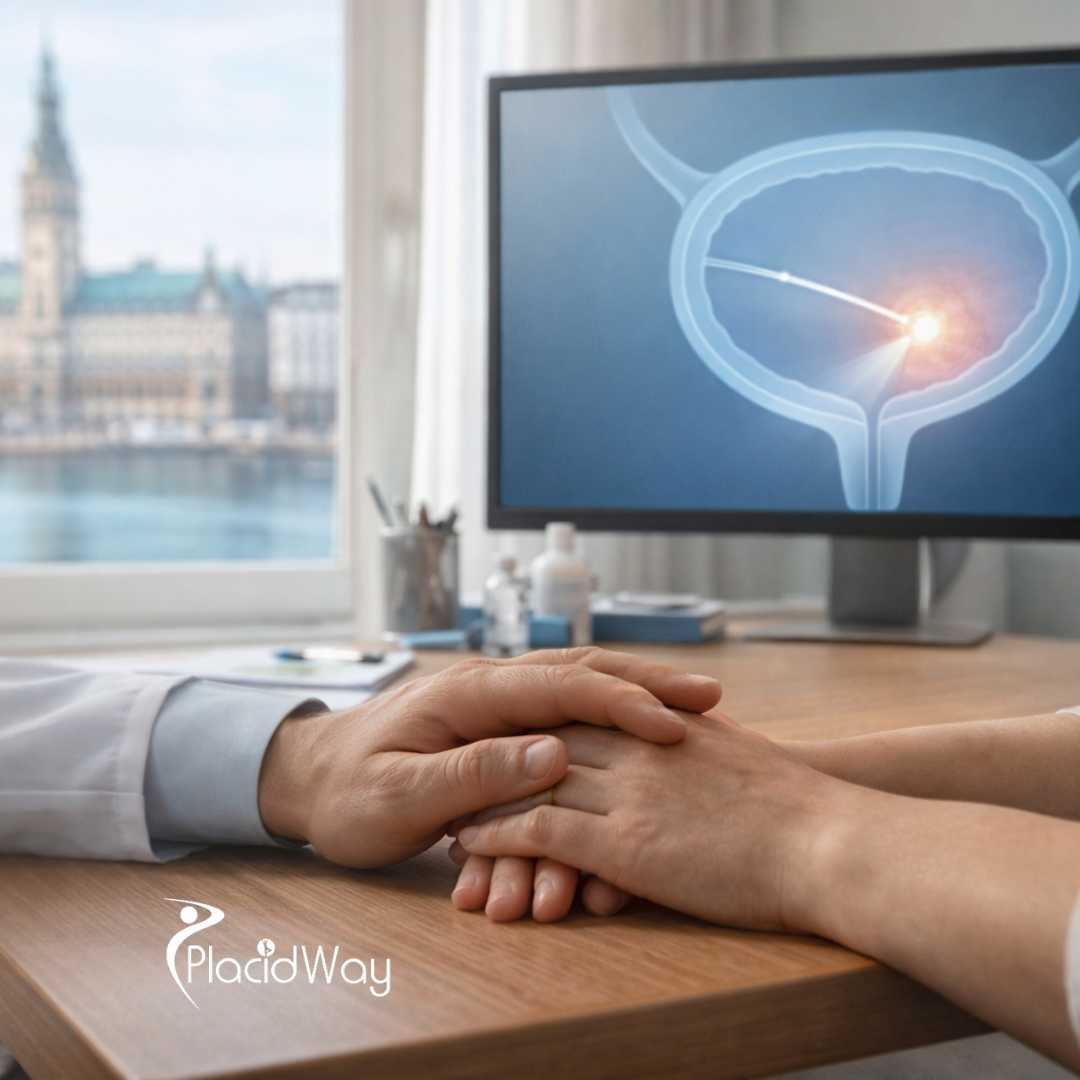
Transurethral Resection Bladder Tumors (TURBT) Package at Asklepios Kliniken Hamburg, Germany
Asklepios Kliniken Hamburg - Multispecialty Hospital in Germany
- Cancer Treatment
Hamburg, Germany

Price starting from $900
PET-CT SCAN + Oncology Consultation Package in Istanbul, Turkey at Medical Park Hospitals
Medical Park Hospitals Group in Istanbul, Turkey
- Cancer Treatment
Istanbul, Turkey
Transformative Maxillary Cancer Experiences: Dive into Procedure Insights
Discover the power of Maxillary Cancer through compelling patient experiences. Uncover detailed insights into procedures, recovery journeys, and life-changing results.
.png)
.png)
Price starting from $9,800
NK Cell Therapy for Cancer in Kuala Lumpur, Malaysia
- NK Cell Therapy (Natural Killer Cell Therapy), Cancer Treatment
Kuala Lumpur, Malaysia
.png)
Price starting from $18,995
Colon Cancer Immunotherapy in Tijuana, Mexico
- Colon Cancer, Cancer Treatment
Tijuana, Mexico
.png)
Nk Cell Therapy in Osaka, Japan
- NK Cell Therapy (Natural Killer Cell Therapy), Cancer Treatment
Osaka, Japan








I can go once every six months, but there was also a delicious spaghetti restaurant. I had fun because I got to eat delicious food. I had many good experiences because I was able to eat delicious spaghetti.
Read More