
What treatment


3+ Best Clinics for Stem Cell Therapy for Lyme Disease in Japan
Trusted Medical Tourism Platform Since 2007
What are the best stem cell therapy clinics for Lyme disease in Japan?
The leading stem cell therapy clinics in Japan include: HELENE - Stem Cell Clinic (Tokyo), Azabu Skin Clinic (Tokyo), Clinique Haru Osaka Umeda (Osaka), and Cell Grand Clinic (Osaka).
These facilities adhere to strict MHLW regulations and utilize GMP-certified labs for safe mesenchymal stem cell (MSC) processing. Alongside chronic Lyme disease, they provide regenerative treatments for diabetes, knee osteoarthritis, neuropathy, spinal cord injuries, and anti-aging. Depending on the personalized medical protocol, stem cell treatment costs in Japan range from $8,000 to $68,000 USD.

 100.00% Patient Recommend
Cell Grand Clinic - Best Stem Cell Clinic in Japan


Overview
Explore Cell Grand Clinic, the best stem cell clinic in Japan specializing in top regenerative therapies for anti-aging, chronic conditions, and wellness.
Read more details

 82.81% Patient Recommend
HELENE - Stem Cell Clinic
Overview
Japan Regenerative Medicine Leading Brand With over a decade of experience and more than 17,000 treated patients. Providing cutting-edge stem cell therapies tailored to various health concerns.
Read more details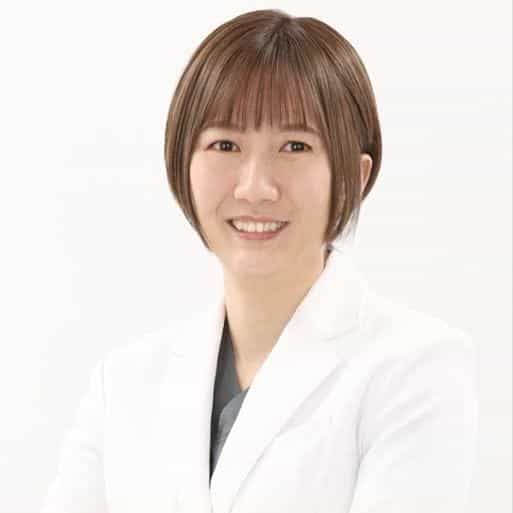


 100.00% Patient Recommend
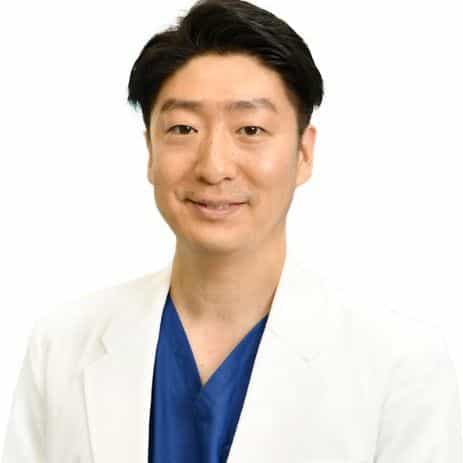
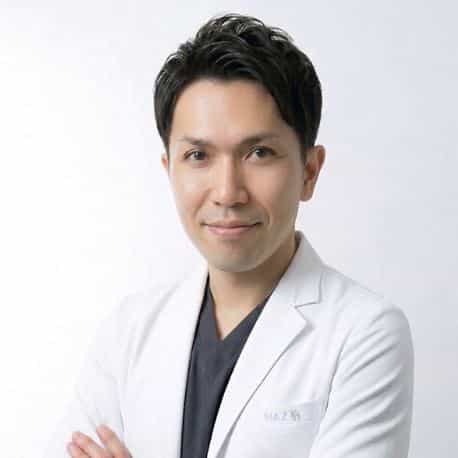
Azabu Skin Clinic - Dermatology and Stem Cell Therapy in Japan
Overview
Azabu Skin Clinic in Tokyo offers advanced stem cell treatments, regenerative treatments, dermatology, and aesthetic care. Book your consultation today.
Read more details
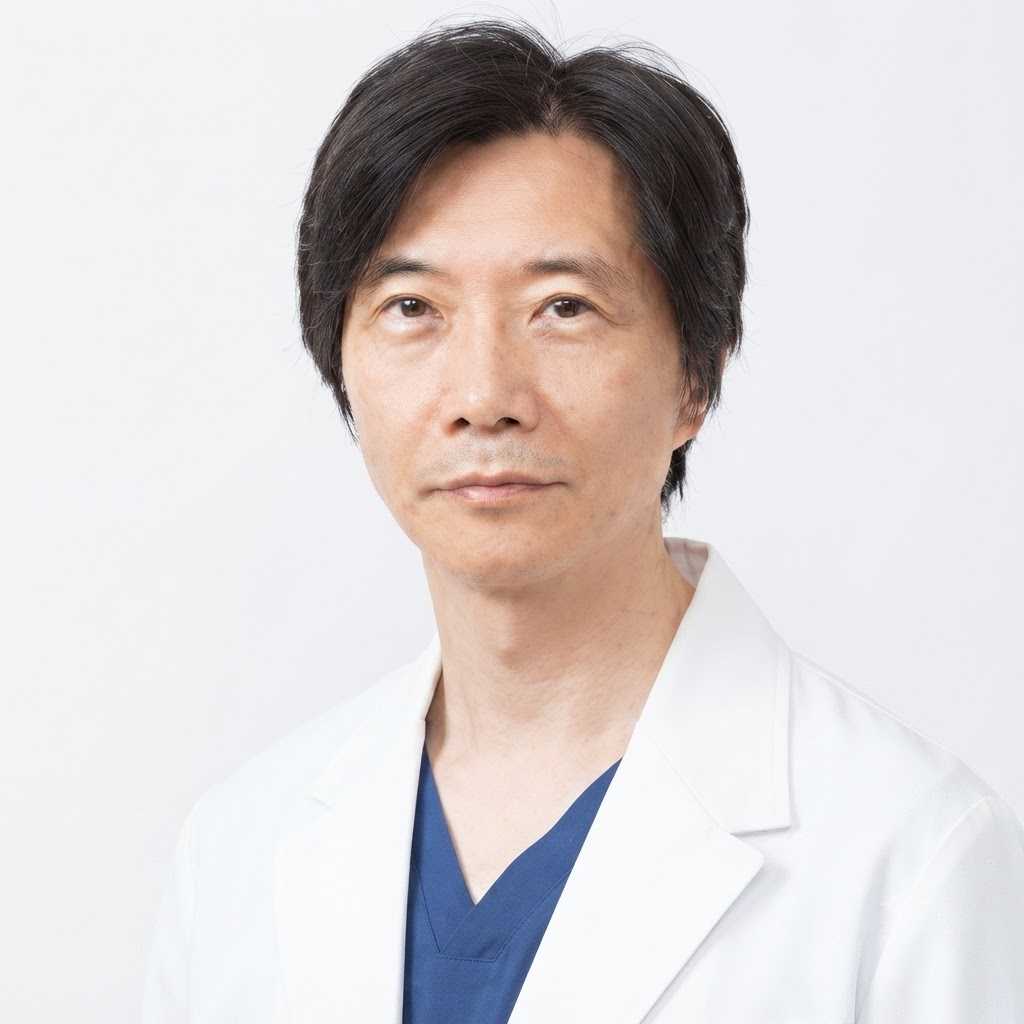
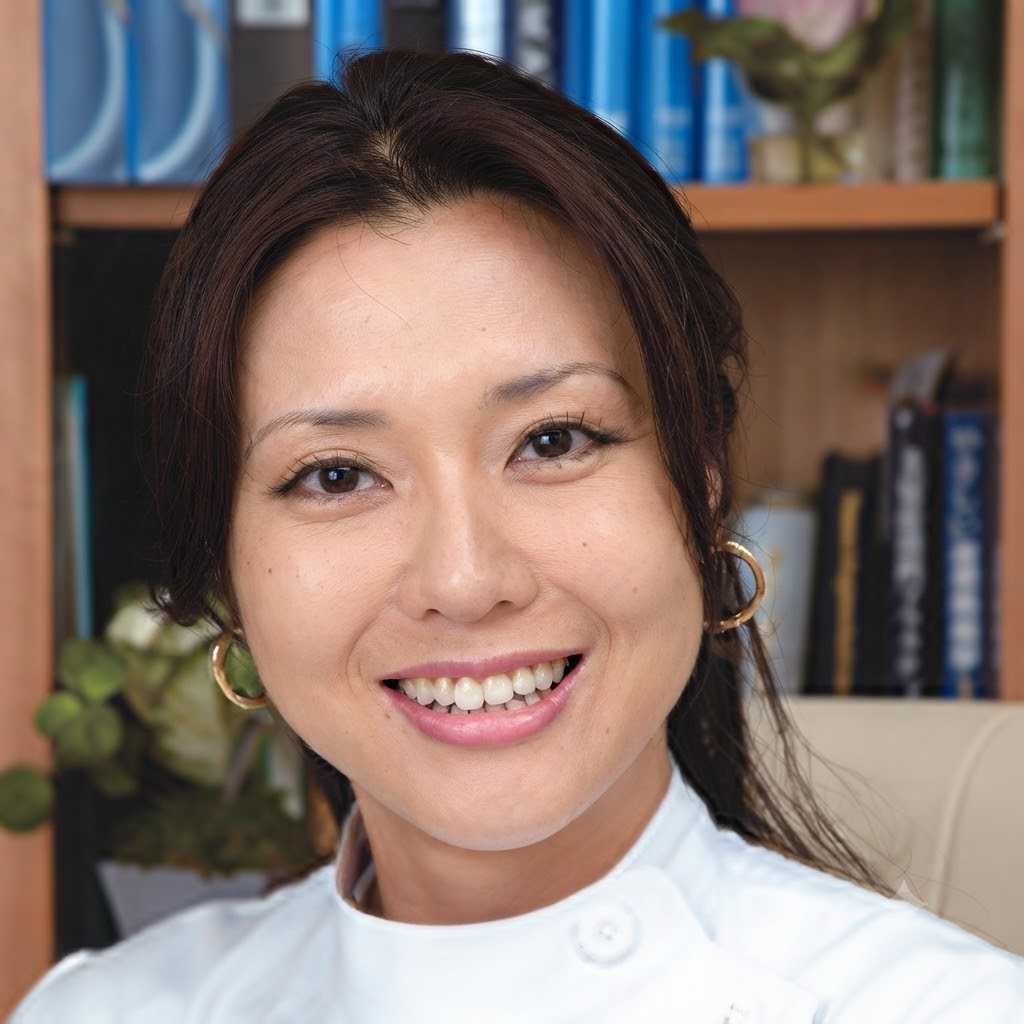
Clinique Haru Osaka Umeda - Japan Stem Cell Treatment
Overview
Clinique Haru Osaka Umeda specializes in Japan stem cell treatments for joint and musculoskeletal conditions using advanced regenerative medicine.
Read more detailsDiscover your treatment options with a free, no-obligation quote!
Get your quote now!
Riso Clinic - Japan Stem Cell Therapy
Overview
Explore Japan stem cell therapy at Riso Clinic in Tokyo. Advanced regenerative treatments for knee osteoarthritis, joint injuries, and cartilage repair.
Read more details
copy.png)
Authored by
Usama Ahmad
Medical content writer with 5+ years of experience specializing in stem cells and regenerative medicine content.

Reviewed by
Dr. Alejandro Fernando
Dr. Alejandro Fernando is a top stem cell specialist in Mexico City, specializing in regenerative medicine, cellular therapies, and chronic disease treatment and Medical Content Reviewer
Last updated on
Which are the leading Stem Cell Therapy for Lyme Disease clinics in Japan?
When seeking top Stem Cell Therapy for Lyme Disease in Japan, clinics prioritize advanced regenerative medicine and patient-centric care. Based on available data, HELENE - Stem Cell Clinic in Tokyo stands out as a highly-rated facility. It emphasizes cutting-edge stem cell therapies tailored for various health concerns, including neurological conditions often associated with chronic Lyme disease.
Identifying a leading clinic involves looking at several factors beyond just location. For Stem Cell Therapy for Lyme Disease in Japan, key considerations include:
- Specialized Expertise: Look for clinics with a proven track record and specific programs for neurological conditions and chronic inflammatory diseases.
- Technology and Research: Clinics involved in ongoing research and utilizing the latest stem cell technologies offer more advanced treatment options.
- Patient Support: Comprehensive care, including initial consultation, personalized treatment plans, and post-treatment follow-up, is crucial for international patients.
- Accreditation and Safety: Verify that the clinic adheres to strict national and international safety standards for regenerative medicine.
What types of stem cells are commonly used for Lyme disease treatment in Japanese clinics?
Japanese clinics offering stem cell therapy for Lyme disease typically utilize mesenchymal stem cells (MSCs) due to their potent immunomodulatory and regenerative properties. These cells, often sourced from adipose tissue (fat) or umbilical cord tissue, are favored for their ability to reduce inflammation, repair damaged tissues, and potentially modulate the immune response compromised by chronic Lyme disease.
Mesenchymal Stem Cells (MSCs) are prominent in regenerative medicine, especially for complex conditions like chronic Lyme. Here's why they are preferred in Japanese clinics:
- Anti-inflammatory Effects: MSCs can suppress overactive immune responses and reduce the chronic inflammation characteristic of Lyme disease.
- Tissue Repair: They possess the capacity to differentiate into various cell types, aiding in the repair of nerve damage, joint issues, or other affected tissues.
- Immune Modulation: MSCs help rebalance the immune system, which is crucial for patients struggling with persistent Lyme symptoms.
- Safety Profile: Autologous (patient's own) MSCs have a low risk of rejection, making them a safe option for many.
How do Japanese clinics approach chronic Lyme disease with regenerative treatments?
Japanese clinics often adopt an integrative and personalized approach to chronic Lyme disease, combining stem cell therapy with complementary treatments to address its complex symptoms. They focus on reducing inflammation, repairing tissue damage, and enhancing immune function, aiming for comprehensive recovery rather than just symptom management.
Treating chronic Lyme disease requires a multi-faceted strategy. Japanese regenerative medicine clinics differentiate themselves by:
- Personalized Treatment Plans: Tailoring therapies based on individual patient assessments, symptom profiles, and diagnostic results.
- Addressing Inflammation: Utilizing stem cells to calm systemic inflammation that contributes to neurological and musculoskeletal pain.
- Supporting Neurological Health: Aiming to regenerate nerve cells and improve neural pathways affected by the disease.
- Immune System Support: Working to modulate and strengthen the patient’s immune response to better combat persistent infections.
- Holistic Integration: Combining stem cell infusions with nutritional support, detoxification protocols, and other adjunctive therapies to optimize outcomes.
What should patients expect during the initial consultation at a Japanese stem cell clinic for Lyme disease?
During an initial consultation for stem cell therapy for Lyme disease in Japan, patients should expect a thorough review of their medical history, including past treatments and current symptoms. The medical team will conduct detailed diagnostic tests to assess the extent of Lyme-related damage and discuss potential treatment options, personalized protocols, and realistic expectations for recovery.
A comprehensive initial consultation is a critical step for patients considering regenerative treatment. Here's what typically happens:
- Detailed Medical History: Doctors will gather extensive information about your Lyme diagnosis, symptom progression, and previous treatments.
- Physical Examination: A complete physical assessment will help identify affected body systems and overall health status.
- Diagnostic Imaging & Lab Tests: Advanced imaging (MRI, CT) and specialized lab tests may be ordered to precisely identify inflammation, tissue damage, and immune markers.
- Treatment Option Discussion: The medical team will explain available stem cell therapies, including sourcing options (e.g., adipose-derived, umbilical cord), administration methods, and expected treatment duration.
- Personalized Plan Outline: Based on the assessment, a preliminary personalized treatment plan will be discussed, highlighting how the clinic plans to address your specific Lyme symptoms and health goals.
- Questions and Concerns: This is your opportunity to ask any questions about the procedure, recovery, and clinic support.
Are Japanese clinics involved in research or clinical trials for stem cell therapy for Lyme disease?
Many leading Japanese regenerative medicine clinics are actively involved in research and development, contributing to the growing body of evidence for stem cell therapy in treating complex conditions like Lyme disease. While specific clinical trials for Lyme disease might vary, their participation in broader regenerative medicine research often informs and refines their treatment protocols for conditions with inflammatory and neurological components.
Japan is a global leader in regenerative medicine, and its clinics often participate in cutting-edge research:
- Research-Driven Protocols: Clinics leverage the latest scientific discoveries to develop and refine their stem cell treatment protocols.
- Advancements in Application: Their involvement in research helps advance the application of stem cell therapies for a wider range of conditions, including those with chronic inflammatory and autoimmune components, such as Lyme disease.
- Collaboration with Academia: Some clinics collaborate with universities and research institutions, fostering a dynamic environment for innovation.
- Focus on Safety and Efficacy: Research often centers on optimizing cell delivery, ensuring cell viability, and enhancing patient safety, which directly benefits Lyme patients.
- Contributing to Global Knowledge: Data collected from these treatments contribute valuable insights to the global understanding of regenerative therapies for challenging diseases.
What kind of patient support services do Japanese stem cell clinics offer for international patients with Lyme disease?
Japanese stem cell clinics often provide comprehensive support services for international patients seeking Lyme disease treatment, including multilingual staff, assistance with travel and accommodation, and dedicated patient coordinators. These services aim to ensure a smooth and comfortable experience, helping patients navigate their medical journey in Japan with ease.
For international patients, a supportive environment is essential. Here’s what you can expect from reputable Japanese clinics:
- Language Support: Access to English-speaking staff or professional medical interpreters to facilitate clear communication.
- Travel and Logistics: Assistance with visa applications, airport transfers, local transportation, and booking suitable accommodations.
- Patient Coordinators: A dedicated coordinator to guide you through every step, from initial inquiry to post-treatment care.
- Cultural Sensitivity: Staff trained to understand and respect diverse cultural backgrounds, ensuring a welcoming environment.
- Post-Treatment Follow-up: Remote consultations and guidance for ongoing care and monitoring after you return home.
- Local Amenities Information: Help with finding local services, dining options, and recreational activities during your stay.
How do Japanese clinics ensure the safety and quality of stem cell treatments for Lyme disease?
Japanese clinics adhere to stringent national regulations set by the Ministry of Health, Labour and Welfare (MHLW), ensuring high standards for stem cell research and clinical application. They implement rigorous protocols for cell sourcing, processing, and administration, focusing on patient safety, quality control, and ethical oversight in all regenerative treatments for Lyme disease.
Ensuring patient safety and treatment quality is paramount in regenerative medicine. Japanese clinics typically uphold these standards through:
- Regulatory Compliance: Strict adherence to Japan’s Act on the Safety of Regenerative Medicine, which provides a robust legal framework for advanced medical treatments.
- Accreditation: Many clinics obtain accreditation from relevant medical bodies, signifying their commitment to quality and safety guidelines.
- GMP-Certified Labs: Stem cells are processed in Good Manufacturing Practice (GMP) certified laboratories, ensuring purity, potency, and sterility.
- Experienced Medical Teams: Treatment is administered by highly trained and experienced specialists in regenerative medicine.
- Comprehensive Patient Screening: Thorough evaluations before treatment to identify suitable candidates and minimize risks.
- Post-Treatment Monitoring: Detailed follow-up to track patient progress, manage any potential side effects, and assess long-term outcomes.
What rehabilitation or follow-up care is provided after stem cell therapy for Lyme disease in Japan?
After stem cell therapy for Lyme disease, Japanese clinics typically provide a structured follow-up care plan, which may include rehabilitation therapies, lifestyle recommendations, and remote consultations. This comprehensive post-treatment support aims to maximize therapeutic benefits, facilitate recovery, and monitor long-term progress for patients.
Effective post-treatment care is vital for sustained improvement following stem cell therapy. Patients can expect:
- Personalized Rehabilitation Programs: Depending on symptoms, this might include physical therapy, occupational therapy, or neurological rehabilitation to support recovery.
- Nutritional Guidance: Recommendations for diet and supplements to reduce inflammation and support overall cellular health.
- Lifestyle Adjustments: Advice on stress management, sleep hygiene, and physical activity to enhance healing and well-being.
- Remote Monitoring and Consultations: Many clinics offer telehealth appointments for international patients to discuss progress and address concerns from home.
- Regular Check-ups: Scheduled follow-up visits or remote assessments to track symptom changes, monitor immune markers, and adjust any ongoing supportive therapies.
- Access to Support Staff: Continued availability of patient coordinators or medical staff for questions and assistance during the recovery phase.
How do Japanese clinics integrate conventional Lyme disease treatments with stem cell therapy?
Japanese clinics specializing in stem cell therapy for Lyme disease often integrate these advanced treatments with conventional approaches when appropriate. They may combine stem cell infusions with targeted antibiotic protocols, immune support, or symptom management strategies to offer a holistic and comprehensive treatment plan, aiming to tackle both the infection and its debilitating chronic effects.
The integration of conventional and regenerative therapies is key to addressing the complexity of Lyme disease:
- Individualized Protocols: Treatment plans are highly individualized, considering each patient's history, disease severity, and response to previous therapies.
- Synergistic Effects: Stem cell therapy can complement traditional treatments by reducing inflammation and promoting tissue repair, which may enhance the effectiveness of other interventions.
- Antibiotic Use: While stem cells focus on healing, some clinics may recommend or continue specific antibiotic regimens to target persistent bacterial infections.
- Symptom Management: Traditional approaches for pain, fatigue, and neurological symptoms are often incorporated alongside regenerative treatments to improve daily functioning.
- Immune System Optimization: Both conventional and integrative methods may be used to strengthen the immune response, helping the body fight off remaining pathogens and prevent relapse.
- Long-term Wellness: The combined approach aims not just for immediate relief but for sustainable health improvements and a reduction in chronic symptoms.
What role does personalized medicine play in stem cell therapy for Lyme disease in Japanese clinics?
Personalized medicine is central to stem cell therapy for Lyme disease in Japanese clinics, where treatments are meticulously tailored to each patient's unique genetic profile, disease presentation, and health needs. This individualized approach optimizes therapeutic outcomes by selecting the most appropriate stem cell type, dosage, and delivery method, ensuring a highly targeted and effective regenerative strategy.
Customizing treatment to the individual is a hallmark of advanced regenerative care in Japan:
- Genetic and Biomarker Analysis: Comprehensive testing helps identify specific inflammatory markers, genetic predispositions, and cellular deficiencies unique to each Lyme patient.
- Disease Manifestation: Treatment plans are adjusted based on whether Lyme disease primarily affects joints, neurological systems, the heart, or other organs.
- Stem Cell Sourcing: Decisions on using autologous (patient's own) or allogeneic (donor) stem cells are made based on suitability and specific therapeutic goals.
- Dosage and Delivery: The quantity of stem cells and the method of administration (e.g., intravenous, intrathecal, localized injections) are precisely determined for optimal impact.
- Integrative Protocols: Adjunctive therapies, such as nutrition, detoxification, and immune support, are customized to complement the stem cell treatment and enhance overall healing.
- Continuous Monitoring: The patient's response to therapy is continuously monitored, allowing for adjustments to the treatment plan to ensure the best possible results.
How PlacidWay helps individuals access Stem Cell Therapy for Lyme Disease in Japan?
PlacidWay provides detailed, up-to-date information about Stem Cell Therapy for Lyme Disease, including benefits, risks, and expected outcomes, helping you understand this complex treatment. We also assist users in comparing treatment options across various clinics, ensuring affordable choices without compromising on the high quality of care. PlacidWay helps you find trusted, accredited clinics and experienced medical professionals specializing in Stem Cell Therapy for Lyme Disease in Japan. We offer one-on-one consultations to help you make informed decisions about your treatment, ensuring your specific needs are met with personalized guidance. Furthermore, PlacidWay ensures continued support after your treatment, including coordinating follow-up care and recovery assistance, for a comprehensive medical journey. Ready to get Stem Cell Therapy for Lyme Disease in Japan? Contact us today for a personalized consultation.Share with AI
Share this page with AI assistants to get summaries and insights


List of Best Stem Cell Therapy for Lyme Disease Clinics in Japan
Explore Stem Cell Therapy for Lyme Disease: Stories, Testimonials, and Procedures
Watch in-depth videos covering everything from Stem Cell Therapy for Lyme Disease success stories to detailed procedure explanations. Learn what to expect and hear from real patients.
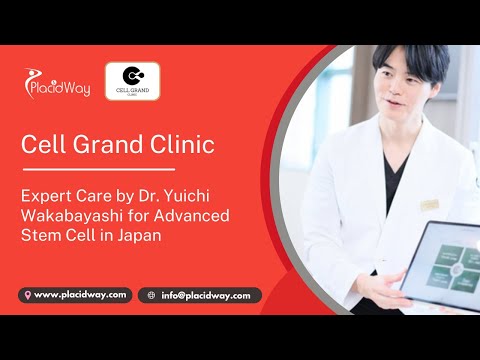
Expert Care by Dr. Yuichi Wakabayashi for Advanced Stem Cell in Japan at Cell Grand Clinic
Cancer Treatment
Cell Grand Clinic - Best Stem Cell Clinic in Japan
Osaka, Japan
Minimally Invasive Stem Cell Therapy and Advanced Cultivation
Cancer Treatment
HELENE - Stem Cell Clinic
Tokyo, Japan

Cell Grand Clinic: Best Stem Cell Clinic in Japan Featured in Exclusive 28-Minute JP TV Interview
Cancer Treatment
Cell Grand Clinic - Best Stem Cell Clinic in Japan
Osaka, Japan

Safety of Stem Cell Therapy Explained by Cell Grand Clinic in Osaka, Japan
Cancer Treatment
Cell Grand Clinic - Best Stem Cell Clinic in Japan
Osaka, Japan
Unlock the Best Stem Cell Therapy for Lyme Disease Packages Just for You
Discover the ultimate Stem Cell Therapy for Lyme Disease packages designed to meet your health and wellness goals. Choose the perfect fit for your journey.

Price starting from $19,800
Stem Cell Treatment Online Consultation Package in Osaka, Japan by Cell Grand Clinic
Cell Grand Clinic - Best Stem Cell Clinic in Japan
- Stem Cell Therapy
Osaka, Japan

Price starting from $16,000
Stem Cell Treatment for Autism Package - Malaysia
Dr. Ebenezer Abel Paul - Stem Cells in Malaysia
- Stem Cell Therapy
Kuala Lumpur, Malaysia

Price starting from $19,800
Diabetes Regenerative Medicine Package in Osaka, Japan by Cell Grand Clinic
Cell Grand Clinic - Best Stem Cell Clinic in Japan
- Stem Cell Therapy
Osaka, Japan

Price starting from $19,800
AGA/FAGA Stem Cell Therapy for Hair Loss Package in Osaka, Japan by Cell Grand Clinic
Cell Grand Clinic - Best Stem Cell Clinic in Japan
- Stem Cell Therapy
Osaka, Japan
Transformative Stem Cell Therapy for Lyme Disease Experiences: Dive into Procedure Insights
Discover the power of Stem Cell Therapy for Lyme Disease through compelling patient experiences. Uncover detailed insights into procedures, recovery journeys, and life-changing results.
.png)
Price starting from $12,800
Stem Cell Therapy for Alzheimer’s Disease in Kuala Lumpur, Malaysia
- Stem Cell Treatment for Alzheimers Disease, Stem Cell Therapy
Kuala Lumpur, Malaysia
.png)
Price starting from $9,800
Stem Cell for Heart Disease in Kuala Lumpur, Malaysia
- Stem Cell Therapy for Heart Disease, Stem Cell Therapy
Kuala Lumpur, Malaysia
.png)
Price starting from $10,000
Stem Cell Therapy for Diabetes in Tokyo, Japan
- Stem Cell Treatment for Diabetes, Stem Cell Therapy
Tokyo, Japan
.png)
Price starting from $9,800
Stem Cell Therapy for Osteoarthritis in Kuala Lumpur, Malaysia
- Stem Cell Therapy for Osteoarthritis, Stem Cell Therapy
Kuala Lumpur, Malaysia








I travel from the United States to receive stem cell treatment for skin rejuvenation. I have relatives in Japan, so I used to visit a few times a year. Since my own cells are cultured and reintroduced into my body, I feel safe and reassured undergoing the treatment. About a month after the facial injections, people around me started noticing positive changes. My skin is now the best it has ever been, and I am very satisfied.
Read More