
What treatment


2+ Best Clinics for Stem Cell Therapy for Neuropathy in Japan
Trusted Medical Tourism Platform Since 2007
What are the best stem cell therapy for neuropathy clinics in Japan?
The leading stem cell therapy for neuropathy clinics in Japan include HELENE - Stem Cell Clinic (Tokyo), Clinique Haru Osaka Umeda (Osaka), and Cell Grand Clinic (Osaka).
These facilities strictly adhere to Japan's Act on the Safety of Regenerative Medicine and operate out of GMP-certified cell processing centers. They specialize in using mesenchymal stem cells (MSCs) to treat various conditions, including neuropathy, osteoarthritis, diabetes, and spinal cord injuries. Comprehensive treatment packages and procedures range in cost from $8,000 to $68,000 USD, depending on the severity of the condition and personalized therapeutic requirements.
 100.00% Patient Recommend
Cell Grand Clinic - Best Stem Cell Clinic in Japan


Overview
Explore Cell Grand Clinic, the best stem cell clinic in Japan specializing in top regenerative therapies for anti-aging, chronic conditions, and wellness.
Read more details

 82.81% Patient Recommend
HELENE - Stem Cell Clinic
Overview
Japan Regenerative Medicine Leading Brand With over a decade of experience and more than 17,000 treated patients. Providing cutting-edge stem cell therapies tailored to various health concerns.
Read more details

Clinique Haru Osaka Umeda - Japan Stem Cell Treatment
Overview
Clinique Haru Osaka Umeda specializes in Japan stem cell treatments for joint and musculoskeletal conditions using advanced regenerative medicine.
Read more details 100.00% Patient Recommend
Azabu Skin Clinic - Dermatology and Stem Cell Therapy in Japan
Overview
Azabu Skin Clinic in Tokyo offers advanced stem cell treatments, regenerative treatments, dermatology, and aesthetic care. Book your consultation today.
Read more details
Discover your treatment options with a free, no-obligation quote!
Get your quote now!
Riso Clinic - Japan Stem Cell Therapy
Overview
Explore Japan stem cell therapy at Riso Clinic in Tokyo. Advanced regenerative treatments for knee osteoarthritis, joint injuries, and cartilage repair.
Read more details
copy.png)
Authored by
Usama Ahmad
Medical content writer with 5+ years of experience specializing in stem cells and regenerative medicine content.

Reviewed by
Dr. Alejandro Fernando
Dr. Alejandro Fernando is a top stem cell specialist in Mexico City, specializing in regenerative medicine, cellular therapies, and chronic disease treatment and Medical Content Reviewer
Last updated on
Which are the best Stem Cell Therapy for Neuropathy clinics in Japan?
For top Stem Cell Therapy for Neuropathy in Japan, HELENE - Stem Cell Clinic in Tokyo stands out. With a 100% patient recommendation rate from 10 reviews, this clinic is a leading brand in regenerative medicine, offering specialized treatments for various health concerns, including neuropathy. Their extensive experience makes them a highly regarded option.
When considering clinics in Japan for advanced neuropathy treatments, HELENE - Stem Cell Clinic is a prominent choice. They have over a decade of experience and have treated more than 16,000 patients. They are recognized for providing personalized, cutting-edge stem cell therapies tailored to specific health conditions. Patients often choose this clinic for its commitment to innovative treatments and high standards of care, reflected in positive patient feedback.
What should I look for in a Stem Cell Therapy for Neuropathy clinic in Japan?
When selecting a Stem Cell Therapy for Neuropathy clinic in Japan, prioritize transparent regulatory compliance, extensive experience, and positive patient testimonials. Key aspects include specialized expertise in neurological conditions, clear treatment protocols outlining cell types and origins, and comprehensive patient support, especially for international patients. Focus on clinics with a strong track record and ethical practices.
It's vital to research a clinic's adherence to Japan's "Act on the Safety of Regenerative Medicine." Verify their specific experience in treating neuropathy, check for patient reviews, and understand the scientific basis of their stem cell treatments. Ensure clear communication regarding personalized treatment plans and long-term follow-up care. A clinic offering robust support for international patients can significantly enhance your treatment journey.
How is Stem Cell Therapy for Neuropathy regulated in Japan?
Stem Cell Therapy in Japan is strictly regulated by the "Act on the Safety of Regenerative Medicine," ensuring high safety and quality. Clinics must adhere to approved protocols, including the use of certified Cell Processing Centers for cell expansion and rigorous quality control. This framework promotes ethical practice and patient protection, positioning Japan as a leader in advanced regenerative treatments.
This comprehensive regulatory act ensures that any clinic providing stem cell treatments follows strict national guidelines for both research and clinical application. It mandates the use of accredited facilities for cell preparation and extensive testing for each batch of cells. This meticulous oversight minimizes risks and builds patient confidence in the advanced regenerative therapies available in Japan.
What types of Stem Cell Therapy are available for neuropathy in Japanese clinics?
Japanese clinics predominantly use Mesenchymal Stem Cells (MSCs) for neuropathy treatment, typically sourced from the patient's own adipose (fat) tissue or bone marrow. These cells are expanded in specialized labs to high concentrations. The aim is to reduce inflammation, promote nerve repair, and improve overall nerve function, with treatments tailored to the specific type and severity of neuropathy.
MSCs are favored for their reparative, anti-inflammatory, and immunomodulatory properties. The treatment usually involves harvesting these cells, culturing them in a controlled laboratory environment to achieve a high therapeutic dose, and then administering them back into the patient. This personalized approach is crucial for effectively addressing the unique characteristics of various neuropathy conditions.
What patient support services do Japanese neuropathy clinics offer?
Japanese neuropathy clinics, especially those welcoming international patients, provide extensive support. This often includes multilingual assistance, help with travel and local accommodation, and a dedicated patient coordinator to guide you through the entire process. They ensure seamless pre-treatment consultations, manage logistics, and coordinate post-treatment follow-up, aiming for a stress-free patient experience from start to finish.
Expect comprehensive services such as interpreters and international patient departments to handle inquiries and all necessary documentation. Assistance with flight arrangements, airport transfers, and lodging recommendations can be invaluable for foreign visitors. These services alleviate logistical burdens, allowing patients to focus fully on their recovery and therapeutic journey while in Japan.
How do Japanese clinics ensure safety in Stem Cell Therapy for Neuropathy?
Japanese clinics prioritize patient safety in Stem Cell Therapy for Neuropathy through strict adherence to national regulations, particularly the Act on the Safety of Regenerative Medicine. This includes using certified laboratories for cell processing, rigorous quality control testing for cell viability and sterility, and comprehensive patient evaluations. These measures ensure a high standard of care and minimize potential risks for patients seeking treatment.
Clinics operate under stringent government-approved protocols. They emphasize using a patient's own (autologous) cells to mitigate immune rejection risks. All cells are prepared in Good Manufacturing Practice (GMP) certified facilities, followed by extensive quality checks before administration. This multi-layered approach ensures both the safety and effectiveness of the regenerative treatments offered.
What distinguishes Japanese clinics for neuropathy stem cell treatment?
Japanese clinics for neuropathy stem cell treatment are set apart by their stringent regulatory environment, which fosters advanced cell culture techniques for higher cell concentrations. They offer highly personalized treatment plans, often integrating cutting-edge research and comprehensive post-treatment support. This commitment to precision, innovation, and holistic patient care defines their approach to regenerative medicine.
The unique legal framework in Japan allows for faster translation of promising research into clinical practice, fostering continuous innovation. Clinics personalize treatments based on individual patient needs, ensuring tailored cell dosages and therapeutic strategies. Their dedication extends beyond the procedure to include lifestyle guidance and long-term monitoring, optimizing treatment efficacy and patient well-being.
What is the typical patient journey at a Stem Cell Therapy for Neuropathy clinic in Japan?
The patient journey typically begins with an initial consultation, either virtual or in-person, for eligibility assessment and treatment planning. This is followed by a minor procedure to harvest cells, which are then cultivated to a therapeutic dosage in a specialized lab. The expanded cells are administered via IV or targeted injections, concluding with structured post-treatment follow-up and recovery guidance for optimal results.
After the initial consultation, a thorough pre-treatment evaluation is conducted at the clinic. The cell harvesting is a relatively simple outpatient procedure. The lab expansion phase, lasting several weeks, ensures high-quality, potent stem cells are ready for administration. Patients receive detailed instructions for post-treatment care and rehabilitation, ensuring a supportive environment for optimal recovery and integration of the therapy.
Are there rehabilitation programs available after Stem Cell Therapy for Neuropathy in Japan?
Yes, many leading Stem Cell Therapy for Neuropathy clinics in Japan integrate or recommend personalized rehabilitation programs to maximize treatment benefits. These programs combine physical therapy, occupational therapy, and nutritional counseling. Their goal is to enhance nerve recovery, restore functionality, and improve overall patient well-being, ensuring a holistic approach to healing after stem cell intervention.
Post-treatment care often includes tailored physical therapy sessions to regain strength and mobility, alongside occupational therapy to improve daily living skills. Nutritional guidance is provided to support nerve regeneration and reduce inflammation throughout the body. This comprehensive rehabilitation aims to complement the regenerative effects of the stem cells, facilitating a more complete and sustained improvement in neuropathy symptoms and quality of life.
What evidence supports Stem Cell Therapy for Neuropathy offered by clinics in Japan?
Clinics in Japan leverage evolving clinical data and robust research, governed by national regulations, to support Stem Cell Therapy for Neuropathy. Evidence primarily demonstrates potential for significant symptom alleviation, reduced inflammation, and improved nerve function rather than full nerve regeneration. Patients receive information on expected outcomes and the scientific basis during detailed consultations.
Japan is at the forefront of regenerative medicine research, with many clinics actively involved in clinical studies and collecting patient outcome data to refine their treatment protocols. The therapeutic benefits stem from stem cells' abilities to secrete neurotrophic and anti-inflammatory factors, modulate immune responses, and protect existing nerve cells. While individual results may vary, ongoing research continually refines the understanding and applications of this advanced therapy.
How PlacidWay helps individuals access Stem Cell Therapy for Neuropathy in Japan?
PlacidWay provides detailed, up-to-date information about Stem Cell Therapy for Neuropathy in Japan, including benefits, risks, and expected outcomes, empowering you to make informed choices. We help users compare treatment in various clinics, ensuring affordable options without compromising on quality. PlacidWay assists you in finding trusted, accredited clinics and medical professionals specializing in Stem Cell Therapy for Neuropathy in Japan. We offer one-on-one consultations to help users make informed decisions about their treatment, ensuring their specific needs are met. PlacidWay ensures continued support after the treatment, including follow-up care and recovery assistance, making your entire medical journey seamless. Ready to get Stem Cell Therapy for Neuropathy in Japan? Contact us today for a personalized consultation.Share with AI
Share this page with AI assistants to get summaries and insights


List of Best Stem Cell Therapy for Neuropathy Clinics in Japan
Explore Stem Cell Therapy for Neuropathy: Stories, Testimonials, and Procedures
Watch in-depth videos covering everything from Stem Cell Therapy for Neuropathy success stories to detailed procedure explanations. Learn what to expect and hear from real patients.

Safety of Stem Cell Therapy Explained by Cell Grand Clinic in Osaka, Japan
Cancer Treatment
Cell Grand Clinic - Best Stem Cell Clinic in Japan
Osaka, Japan
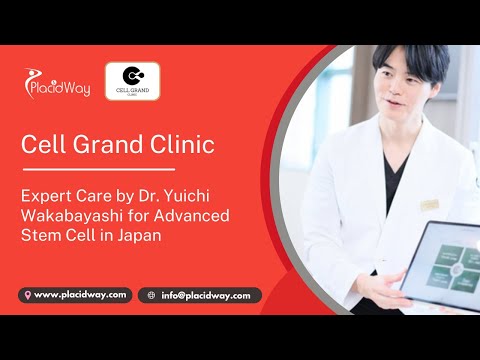
Expert Care by Dr. Yuichi Wakabayashi for Advanced Stem Cell in Japan at Cell Grand Clinic
Cancer Treatment
Cell Grand Clinic - Best Stem Cell Clinic in Japan
Osaka, Japan

Cell Grand Clinic: Best Stem Cell Clinic in Japan Featured in Exclusive 28-Minute JP TV Interview
Cancer Treatment
Cell Grand Clinic - Best Stem Cell Clinic in Japan
Osaka, Japan
Minimally Invasive Stem Cell Therapy and Advanced Cultivation
Cancer Treatment
HELENE - Stem Cell Clinic
Tokyo, Japan
Unlock the Best Stem Cell Therapy for Neuropathy Packages Just for You
Discover the ultimate Stem Cell Therapy for Neuropathy packages designed to meet your health and wellness goals. Choose the perfect fit for your journey.
.png)
Price starting from $10,000
Stem Cell Therapy for Knee Osteoarthritis Package in Tokyo, Japan by HELENE Clinic
HELENE - Stem Cell Clinic
- Stem Cell Therapy
Tokyo, Japan

Price starting from $4,000
Advanced Shoulder Regeneration & Recovery Protocol
CellsClinic in in San Pedro Garza Garcia, Mexico
- Stem Cell Therapy
San Pedro Garza Garcia, Mexico

Price starting from $10,000
Stem Cell Therapy for Heart Disease Package in Tokyo, Japan by HELENE Clinic
HELENE - Stem Cell Clinic
- Stem Cell Therapy
Tokyo, Japan

Price starting from $19,800
Stem Cell Treatment Online Consultation Package in Osaka, Japan by Cell Grand Clinic
Cell Grand Clinic - Best Stem Cell Clinic in Japan
- Stem Cell Therapy
Osaka, Japan
Transformative Stem Cell Therapy for Neuropathy Experiences: Dive into Procedure Insights
Discover the power of Stem Cell Therapy for Neuropathy through compelling patient experiences. Uncover detailed insights into procedures, recovery journeys, and life-changing results.
.png)
Price starting from $9,800
Stem Cell Therapy for Osteoarthritis in Kuala Lumpur, Malaysia
- Stem Cell Therapy for Osteoarthritis, Stem Cell Therapy
Kuala Lumpur, Malaysia
.png)
Price starting from $9,800
Stem Cell Therapy for Brain Injury in Kuala Lumpur, Malaysia
- Stem Cell Therapy for Brain Injury, Stem Cell Therapy
Kuala Lumpur, Malaysia
.png)
Price starting from $9,500
Stem Cell Therapy for Diabetes Bengaluru, India
- Stem Cell Treatment for Diabetes, Stem Cell Therapy
Bengaluru, India
.png)
Price starting from $9,800
Stem Cell Therapy for Dementia in Kuala Lumpur, Malaysia
- Stem Cell Therapy
Kuala Lumpur, Malaysia








I travel from the United States to receive stem cell treatment for skin rejuvenation. I have relatives in Japan, so I used to visit a few times a year. Since my own cells are cultured and reintroduced into my body, I feel safe and reassured undergoing the treatment. About a month after the facial injections, people around me started noticing positive changes. My skin is now the best it has ever been, and I am very satisfied.
Read More