
What treatment


2+ Best Clinics for Stem Cell Treatment for ALS in South Korea
Trusted Medical Tourism Platform Since 2007
What are the best stem cell therapy clinics in South Korea?
The best stem cell therapy clinics in South Korea are: Chaum Medical Center (Seoul), Seoul Smart Bon Clinic (Seoul), and Yonsei BH Clinic (Seoul).
These leading facilities are accredited by the Korean Ministry of Health and Welfare and JCI. They provide advanced regenerative therapies for complex neurological and chronic conditions, including ALS, Parkinson's disease, dementia, lupus, diabetes, and anti-aging. Comprehensive stem cell treatment packages in South Korea generally start around $33,000 USD. These clinics utilize state-of-the-art cell culturing laboratories, advanced diagnostic tools, and offer personalized rehabilitation support for international patients.
 100.00% Patient Recommend
Chaum Medical Center


Overview
Premium healthcare at Chaum Medical Center, Seoul. Personalized anti-aging, stem cell therapy, and advanced medical services for a youthful life.
Read more details
Yonsei BH Clinic


Overview
Yonsei BH Clinic offers advanced stem cell therapy in Seoul, South Korea, for erectile dysfunction, anti-aging, Parkinson disease, dementia, diabetes, and more.
Read more details
Allheart plastic surgery
AllHeart Plastic Surgery in Gangnam specializes in advanced cosmetic procedures, offering expert care in a modern facility for natural and safe results.


Seoul Smart Bon Clinic in South Korea
Overview
Discover advanced care at Spine, Neurology & Stem Cell Clinic in South Korea by Seoul Smart Bon Clinic with innovative treatments for lasting recovery.
Read more details
copy.png)
Authored by
Usama Ahmad
Medical content writer with 5+ years of experience specializing in stem cells and regenerative medicine content.
Reviewed by
Dr. Alejandro Fernando
Dr. Alejandro Fernando is a top stem cell specialist in Mexico City, specializing in regenerative medicine, cellular therapies, and chronic disease treatment and Medical Content Reviewer
Last updated on
Why South Korea is the Premier Destination for Stem Cell Treatment for ALS?
South Korea stands at the forefront of neurological regenerative medicine. For patients diagnosed with Amyotrophic Lateral Sclerosis (ALS), this nation offers pioneering biotechnology, strictly regulated laboratories, and medically advanced protocols designed to protect motor neurons and slow disease progression.
Global Pioneers in ALS Research
South Korea was one of the first countries globally to officially approve an autologous stem cell therapeutic product specifically for ALS through its Ministry of Food and Drug Safety (MFDS). This regulatory leadership means protocols here are backed by years of structured clinical data rather than experimental guesswork.
Advanced Intrathecal Delivery Methods
Treating neurodegenerative diseases requires bypassing the blood-brain barrier. South Korean neurologists are experts in intrathecal administration, safely injecting highly concentrated stem cells directly into the cerebrospinal fluid to ensure maximum delivery to the damaged brain and spinal cord motor neurons.
State-of-the-Art Culturing Facilities
The effectiveness of therapy depends on cell viability. South Korea is home to Good Manufacturing Practice (GMP) certified bio-laboratories that utilize proprietary culturing techniques. This ensures the extracted mesenchymal stem cells yield the highest possible secretion of neurotrophic factors before reinjection.
Comprehensive Neuro-Rehabilitation
South Korean medical centers do not just administer injections; they integrate cellular therapy with world-class neurological rehabilitation. Patients benefit from a synergistic approach combining stem cells, respiratory therapy, and specialized physical therapy to maximize muscle preservation and quality of life.
Stem Cell Treatment for ALS Costs in South Korea vs. US/UK (2026)
While neuro-regenerative therapies are highly specialized, South Korea offers exceptional value compared to the limited, highly expensive options in the West. Compare projected 2026 pricing for comprehensive ALS protocols.
| Procedure | South Korea Price | US / UK Price | You Save | Savings % |
|---|---|---|---|---|
| Neurological Evaluation & Diagnostics | $2,000–$3,500 | $8,000–$12,000 | $6,000+ | 70% |
| Systemic IV Stem Cell Infusion | $12,000–$18,000 | $35,000–$50,000 | $23,000+ | 64% |
| Targeted Intrathecal MSC Injection | $18,000–$25,000 | $45,000–$65,000 | $27,000+ | 60% |
| Comprehensive Multi-Dose ALS Protocol | $28,000–$40,000 | $80,000–$120,000 | $52,000+ | 65% |
* Prices are 2026 estimates based on verified PlacidWay partner clinics in South Korea. Total costs vary significantly based on whether the treatment uses autologous (your own) or allogeneic cells, the number of cell expansions required, and the duration of inpatient neurological rehabilitation. Request a free quote for customized pricing.
Seoul vs. Regional Alternatives for ALS Stem Cell Therapy
Choosing the right location for complex neurological treatment is critical. Here is how South Korea's capital compares to other leading Asian hubs for neuro-regenerative medicine.
Seoul
South Korea Target City
The epicenter of South Korean biotechnology and medical innovation. Seoul is home to the nation's premier university hospitals and specialized stem cell labs, offering the most advanced, government-approved autologous treatments for motor neuron diseases globally.
Busan
South Korea Alternative
Offers access to South Korea's rigorous medical standards but in a quieter, less congested coastal environment. An excellent option for ALS patients who require a less stressful, more manageable urban setting for their prolonged outpatient rehabilitation phase.
Tokyo
Japan Alternative
A fierce competitor in regenerative medicine with highly advanced clinical trials. However, treatments in Tokyo tend to be significantly more expensive than in Seoul, and regulatory pathways for international patients accessing certain stem cell products can be more restrictive.
Bangkok
Thailand Alternative
Known for luxury medical tourism and affordability. While excellent for general wellness and orthopedics, Bangkok currently lacks the same depth of government-backed, specialized neuro-regenerative approvals for ALS specifically when compared to Seoul's KFDA infrastructure.
ALS Stem Cell Procedures in South Korea
South Korean neurologists utilize a spectrum of advanced delivery methods to maximize the neuroprotective properties of stem cells, tailored to the patient's stage of disease progression.
Intrathecal MSC Injection
$18,000 – $25,000The most crucial delivery method for ALS. A neurologist injects high-viability Mesenchymal Stem Cells (MSCs) directly into the spinal fluid via a lumbar puncture. This bypasses the blood-brain barrier, allowing cells to bathe the central nervous system, reducing neuroinflammation and secreting growth factors directly to motor neurons.
Save $27,000+ vs. US prices
Autologous Bone Marrow Culturing
$20,000 – $30,000South Korea excels in autologous treatments. Bone marrow is extracted from the patient's hip, and the stem cells are isolated and cultured in a GMP lab over 3-4 weeks to vastly multiply their numbers before being reintroduced. This eliminates the risk of rejection and optimizes neuroprotective capabilities.
Save $35,000+ vs. US prices
Intravenous (IV) Immunomodulation
$12,000 – $18,000Often used in conjunction with intrathecal delivery, a systemic IV drip of stem cells addresses whole-body inflammation and modulates the overactive immune responses associated with ALS progression. It helps combat systemic fatigue and muscle wasting.
Save $23,000+ vs. US prices
Comprehensive Multi-Dose Protocol
$28,000 – $40,000The most aggressive approach for slowing disease progression. This involves an extended stay in South Korea, encompassing multiple rounds of both intrathecal and IV stem cell deliveries over several weeks, coupled with intensive daily pulmonary and motor-skill rehabilitation.
Save $52,000+ vs. US prices
How to Choose a Clinic for Stem Cell Treatment for ALS in South Korea?
ALS is a complex condition requiring the highest medical standards. Follow this vital 5-step checklist when selecting your South Korean regenerative provider.
Verify Neurological Specialization
Do not choose a general wellness clinic. Ensure the facility has a dedicated neurology department and that your treating physician is a board-certified neurologist experienced specifically in neurodegenerative disorders and motor neuron diseases.
Confirm KFDA / MFDS Compliance
South Korea tightly regulates regenerative medicine. Confirm that the clinic's stem cell protocols and their partner laboratories are fully compliant with the Ministry of Food and Drug Safety (MFDS) guidelines for human cell and tissue products.
Demand Intrathecal Capabilities
For ALS, intravenous (IV) delivery alone is insufficient because it cannot cross the blood-brain barrier effectively. Ensure the clinic has the infrastructure and expertise to perform safe, image-guided intrathecal (spinal) injections.
Inquire About Culturing Time
If opting for autologous (your own) stem cells, understand the timeline. High-quality cell expansion takes 3 to 4 weeks in a lab. If a clinic promises same-day autologous treatment for ALS, they are not multiplying the cells enough for a therapeutic neurological dose.
Partner with a Medical Facilitator
Navigating language barriers and complex medical records in Asia is daunting. Use a reputable facilitator like PlacidWay to translate your medical dossier, schedule peer-to-peer neurologist reviews, and secure placement in top-tier Seoul hospitals.
Your ALS Treatment Journey in South Korea
Understanding the timeline is vital for international patients, especially since autologous cell expansion requires a structured schedule. Here is what to expect.
Step 1: Tele-Consultation & Record Review
Before traveling, submit your EMG results, MRIs, and neurological reports. South Korean specialists will review your case to determine if you are a candidate, focusing on your current stage of progression and pulmonary function.
Step 2: Arrival & Biomarker Testing
Upon arrival in Seoul, you undergo a comprehensive battery of tests at the hospital. This establishes a baseline for your motor function and inflammation levels to accurately measure the therapy's effectiveness later.
Step 3: Bone Marrow Extraction (If Autologous)
If using your own cells, a minor surgical procedure extracts bone marrow from your iliac crest. You can then return home or stay in Korea while the GMP lab spends 3 to 4 weeks isolating and multiplying your specific mesenchymal stem cells.
Step 4: Intrathecal Administration
Once the cells are ready (or immediately if using donor umbilical cells), they are administered via a lumbar puncture into the spinal fluid. Patients typically remain resting in the hospital for 24-48 hours post-injection for close monitoring.
Step 5: Post-Care & Ongoing Monitoring
After returning home, the neuroprotective effects unfold over months. The South Korean medical team conducts scheduled virtual follow-ups to monitor the slowing of disease progression and adjust any secondary medications or rehab protocols.
South Korea Stem Cell Treatment for ALS FAQ
Detailed answers regarding protocols, expectations, and logistics for seeking neuro-regenerative care in Korea.
Voices of Hope: ALS Treatment Outcomes in South Korea
Read accounts from patients and their families who traveled to Seoul to access advanced neuro-regenerative therapies aimed at protecting motor function.
"When my husband was diagnosed with ALS, we were told in the UK to just 'prepare for the worst.' We refused to give up and found a specialized hospital in Seoul. The autologous intrathecal treatment was intense, but eight months later, his rapid decline in grip strength has noticeably plateaued. The doctors there provided us with a realistic management strategy and precious time we wouldn't have had otherwise."
"Traveling to South Korea while dealing with early-stage ALS was daunting, but the level of neurological expertise blew me away. They didn't sell me a fake cure; they explained how stem cells could protect my remaining neurons. A year after my spinal injections, my breathing capacity has remained remarkably stable compared to the sharp drops I was experiencing prior. The Korean medical team was phenomenal."
Why Choose PlacidWay for Your ALS Stem Cell Journey?
Navigating international neurological treatments requires deep expertise. As a leading medical facilitator, PlacidWay securely connects you with South Korea's most authoritative, government-compliant regenerative facilities.
Vetted Neurological Centers
We independently verify that our partner hospitals in South Korea hold strict MFDS compliance for stem cell culturing and possess dedicated neurology departments equipped for advanced intrathecal administration.
Unbiased Medical Options
We advocate for you, not the clinic. PlacidWay provides transparent information across multiple top-tier Korean facilities, allowing you to compare autologous versus allogeneic treatment protocols and make an informed decision.
Direct Specialist Access
We eliminate the guesswork by coordinating direct virtual consultations. You and your local doctors can speak directly with the South Korean neurologists to align expectations and review clinical data before you ever board a plane.
Secure Medical Transfer
Transferring complex neurological dossiers internationally can be difficult. Our team securely handles the transmission of your EMGs, MRIs, and medical history directly to the overseas specialists for accurate pre-assessment.
Protect Your Motor Function and Slow Progression
Time is critical with ALS. Explore advanced, medically regulated neuro-regenerative treatments in South Korea and save up to 70% compared to equivalent Western costs. Connect with a specialist to review your case today.
Get Free QuoteDisclaimer: PlacidWay is a medical tourism facilitator and does not provide medical advice, diagnosis, or treatment. ALS is a progressive disease with no known cure. We connect patients with independently verified clinics abroad offering management and neuroprotective therapies. Always consult with your primary neurologist regarding your specific medical condition before pursuing regenerative therapies.
Share with AI
Share this page with AI assistants to get summaries and insights


List of Best Stem Cell Treatment for ALS Clinics in South Korea
Explore Stem Cell Treatment for ALS: Stories, Testimonials, and Procedures
Watch in-depth videos covering everything from Stem Cell Treatment for ALS success stories to detailed procedure explanations. Learn what to expect and hear from real patients.
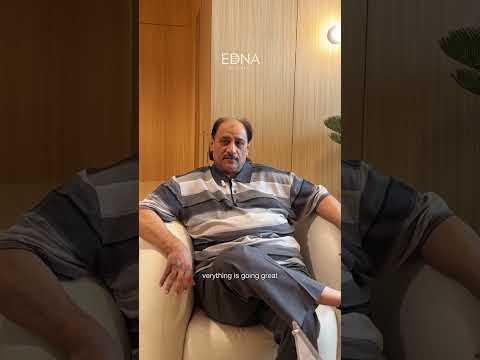
A Quick Look at Our Patient’s Experience at EDNA Wellness Stem Cell Clinic in Bangkok
Cancer Treatment
EDNA Wellness - Surgeon-Led Stem Cell Clinic in Bangkok Thailand
Bangkok, Thailand

This Is the Idea Behind Regenerative Medicine in Bangkok, Thailand | EDNA Wellness
Cancer Treatment
EDNA Wellness - Surgeon-Led Stem Cell Clinic in Bangkok Thailand
Bangkok, Thailand
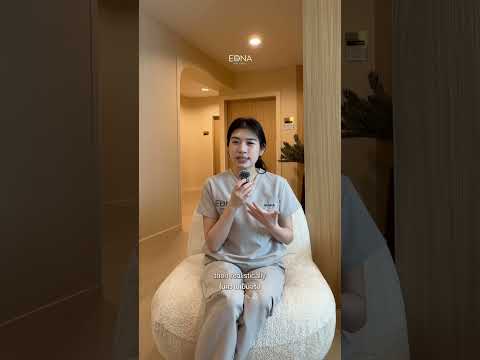
Can Stem Cell Treatment in Bangkok, Thailand Replace Surgery Explained by EDNA Wellness?
Stem Cell Therapy
EDNA Wellness - Surgeon-Led Stem Cell Clinic in Bangkok Thailand
Bangkok, Thailand
Seoulful Healing: Unveiling Excellence in Health Tourism in South Korea
Cosmetic/Plastic Surgery
PlacidKorea
Seoul, South Korea
Unlock the Best Stem Cell Treatment for ALS Packages Just for You
Discover the ultimate Stem Cell Treatment for ALS packages designed to meet your health and wellness goals. Choose the perfect fit for your journey.

Price starting from $6,200
Stem Cell Therapy Package in Seoul, South Korea by VG Plastic Surgery
VG Plastic Surgery
- Anti Aging
Seoul, South Korea
Price starting from $5,500
Stem Cell Therapy for Kidney Failure Package in Puerto Vallarta, Mexico by CellsTime Clinique
CellsTime Clinique Puerto Vallarta
- Stem Cell Therapy
Puerto Vallarta, Mexico

Price starting from $8,000
Stem Cell Therapy for Wellness Optimization Package in Kingston, Jamaica by BIOregeneration
BIOregeneration - Stem Cell Clinic in Jamaica
- Stem Cell Therapy
Kingston, Jamaica

Price starting from $5,000
Stem Cell Therapy for Knee Arthritis Package in Hyderabad India by RegenOrthoSport
RegenOrthoSport - Sports Medicine in Hyderabad India
- Stem Cell Therapy
Hyderabad, India
Transformative Stem Cell Treatment for ALS Experiences: Dive into Procedure Insights
Discover the power of Stem Cell Treatment for ALS through compelling patient experiences. Uncover detailed insights into procedures, recovery journeys, and life-changing results.
.png)
Price starting from $10,000
Stem Cell Therapy for Diabetes in Tokyo, Japan
- Stem Cell Treatment for Diabetes, Stem Cell Therapy
Tokyo, Japan
.png)
Price starting from $9,500
Stem Cell Therapy for Diabetes Bengaluru, India
- Stem Cell Treatment for Diabetes, Stem Cell Therapy
Bengaluru, India
.png)
Price starting from $9,800
Stem Cell Therapy for Osteoarthritis in Kuala Lumpur, Malaysia
- Stem Cell Therapy for Osteoarthritis, Stem Cell Therapy
Kuala Lumpur, Malaysia
.png)
Price starting from $9,800
Stem Cell for Eye Disorders in Kuala Lumpur, Malaysia
- Stem Cell Treatment for Eye Diseases, Stem Cell Therapy
Kuala Lumpur, Malaysia








Hospital attended by rich people in Cheongdam-dong, Gangnam
Read More