
What treatment


3+ Best Clinics for Stem Cell Treatment for Alzheimers Disease in South Korea
Trusted Medical Tourism Platform Since 2007
What are the best stem cell therapy clinics in South Korea for Alzheimer's disease?
The top stem cell therapy clinics for Alzheimer's disease in South Korea include Chaum Medical Center (Seoul), Yonsei BH Clinic (Seoul), Seoul Smart Bon Clinic (Seoul), and VG Plastic Surgery (Seoul).
These internationally accredited facilities specialize in advanced regenerative medicine, utilizing umbilical cord blood-derived mesenchymal stem cells (UCB-MSCs) and neural stem cell transplantation. They treat neurological conditions such as Alzheimer's, dementia, and Parkinson's disease. Comprehensive stem cell treatment packages in South Korea range from $6,200 to $33,000 USD, which typically includes high-resolution diagnostics like MRI and PET scans, rigorous pre-treatment screening, and personalized cognitive rehabilitation.
 100.00% Patient Recommend
Chaum Medical Center


Overview
Premium healthcare at Chaum Medical Center, Seoul. Personalized anti-aging, stem cell therapy, and advanced medical services for a youthful life.
Read more details
Seoul Smart Bon Clinic in South Korea

Overview
Discover advanced care at Spine, Neurology & Stem Cell Clinic in South Korea by Seoul Smart Bon Clinic with innovative treatments for lasting recovery.
Read more details
Yonsei BH Clinic


Overview
Yonsei BH Clinic offers advanced stem cell therapy in Seoul, South Korea, for erectile dysfunction, anti-aging, Parkinson disease, dementia, diabetes, and more.
Read more details
Allheart plastic surgery
AllHeart Plastic Surgery in Gangnam specializes in advanced cosmetic procedures, offering expert care in a modern facility for natural and safe results.


Why South Korea is the Global Leader in Stem Cell Treatment for Alzheimer's Disease?
South Korea has positioned itself at the absolute forefront of regenerative medicine and neurobiology. For patients and families seeking progressive therapies for cognitive decline, this nation offers a highly regulated, technologically unmatched environment for cellular healing.
Pioneering Bio-Technology Laws
Unlike many Western nations heavily restricted by slow regulatory hurdles, South Korea's government actively funds and expedites safe regenerative medicine. This progressive legal framework allows top-tier hospitals to offer commercially approved, highly advanced stem cell applications years ahead of other countries.
Advanced Neurological Cultivation
Korean bio-medical laboratories specialize in cultivating cells specifically for neurological conditions. They utilize proprietary techniques to prime Mesenchymal Stem Cells (MSCs) and isolate neural-specific exosomes designed to target brain inflammation, clear amyloid-beta plaques, and stimulate neurogenesis.
Stringent KFDA Quality Control
Every major stem cell laboratory in South Korea operates under strict Good Manufacturing Practice (GMP) guidelines and is monitored by the Korean Ministry of Food and Drug Safety (KFDA). This guarantees that the cells administered are 100% sterile, highly viable, and of the maximum possible concentration.
Integrative Brain Health Protocols
South Korean specialists understand that cellular injections are just one piece of the puzzle. Elite clinics combine stem cell therapy with comprehensive neuro-rehabilitation, hyperbaric oxygen therapy, and metabolic infusions to create an optimal physiological environment for the brain to heal and retain memory.
Stem Cell Treatment Costs in South Korea vs. United States (2026)
Compare projected 2026 pricing for neuro-regenerative therapies. South Korean facilities provide transparent, package-based pricing for complex protocols that would otherwise be cost-prohibitive or unavailable in North America or the UK.
| Procedure | South Korea Price | US / UK Price | You Save | Savings % |
|---|---|---|---|---|
| Systemic IV Stem Cell Therapy for Cognitive Decline | $12,000–$18,000 | $35,000–$50,000 | $23,000+ | 65% |
| Intrathecal Neuro-Regenerative Administration | $15,000–$22,000 | $45,000–$65,000 | $30,000+ | 66% |
| Neural-Targeted Exosome Therapy | $8,000–$14,000 | $25,000–$40,000 | $17,000+ | 65% |
| Comprehensive Multi-Day Alzheimer's Protocol | $25,000–$35,000 | $80,000–$120,000 | $55,000+ | 70% |
* Prices are 2026 estimates based on specialized neuro-regenerative clinics in South Korea. Total costs vary widely depending on the patient's stage of cognitive decline, the required cell volume (hundreds of millions of cells), laboratory cultivation time, and inpatient monitoring requirements. Request a free quote for customized pricing.
Seoul vs. Alternative South Korean Cities for Cellular Therapy
While the entire country boasts exceptional medical infrastructure, different cities offer varying environments and specializations for neuro-regenerative care.
Seoul
Capital City & Research Center
The epicenter of South Korea's stem cell revolution. Seoul houses the nation's largest research hospitals, elite university clinics, and cutting-edge biopharmaceutical laboratories. It is the premier choice for access to the most advanced Alzheimer's protocols available globally.
Busan
Southern Port City
An excellent secondary medical hub that combines world-class regenerative care with a calmer, ocean-side environment. This is highly beneficial for Alzheimer's patients who may experience anxiety and require a more serene, less chaotic setting than the bustling capital.
Daegu
Medi-City Complex
Designated by the Korean government specifically as a specialized healthcare zone ("Medi-City"). Daegu is home to several focused neurological and anti-aging research centers that offer highly personalized, private cellular treatments.
Incheon
Global Transit Hub
Located right next to the international airport, Incheon features free-economic zone hospitals designed exclusively for international patients. It offers extreme convenience for families traveling with cognitively impaired loved ones who wish to minimize domestic travel times.
Alzheimer's Stem Cell Procedures in South Korea
Korean clinics offer a sophisticated spectrum of treatments aimed at halting disease progression, mitigating neuroinflammation, and supporting cognitive function.
Systemic IV Stem Cell Therapy
$12,000 – $18,000High doses of mesenchymal stem cells are delivered intravenously. This systemic approach is designed to radically reduce whole-body and systemic neuroinflammation, improve vascular blood flow to the brain, and stabilize early-stage cognitive decline.
Save $23,000+ vs. US prices
Intrathecal Stem Cell Administration
$15,000 – $22,000To bypass the highly restrictive blood-brain barrier, specialized neurologists inject cultivated stem cells directly into the spinal canal (cerebrospinal fluid). This delivers a concentrated dose of regenerative factors directly to the central nervous system and brain tissue.
Save $30,000+ vs. US prices
Targeted Neural Exosome Therapy
$8,000 – $14,000Utilizes microscopic vesicles derived from stem cells rather than live cells. Because of their tiny size, exosomes easily cross the blood-brain barrier, delivering crucial growth factors, proteins, and RNA directly to damaged neurons to encourage repair and clear toxic plaques.
Save $17,000+ vs. US prices
Comprehensive Alzheimer's Protocol
$25,000 – $35,000An intensive, multi-day inpatient program for moderate stage patients. It combines both IV and intrathecal stem cell delivery, massive exosome doses, neuro-peptide infusions, and transcranial stimulation to mount the most aggressive defense against disease progression.
Save $55,000+ vs. US prices
How to Choose a Neuro-Regenerative Clinic in South Korea?
Treating Alzheimer's with cellular medicine requires absolute precision and scientific validity. Follow this 5-step checklist to ensure you select a safe, highly capable medical center.
Verify KFDA Laboratory Approvals
The quality of the treatment relies entirely on how the cells are grown. Ensure the hospital's partnering laboratory is strictly certified by the Korean Ministry of Food and Drug Safety (KFDA) and follows Good Manufacturing Practice (GMP) for clinical-grade cell cultivation.
Confirm Neurological Expertise
Do not undergo Alzheimer's treatment at a general anti-aging or cosmetic wellness clinic. Your loved one's case must be evaluated and managed by board-certified neurologists and neurosurgeons who specialize in degenerative brain diseases.
Demand Cell Transparency
Ask for specifics. A reputable Korean clinic will provide exact details regarding the source of the cells (autologous vs. ethically sourced umbilical cord), the total cell count being administered (often in the hundreds of millions), and a pre-treatment viability report.
Assess Delivery Methods
A basic IV drip is rarely enough for severe cognitive issues due to the blood-brain barrier. Check if the medical center is capable of performing safe intrathecal (spinal) injections or uses advanced neural-targeted exosome technologies.
Partner with a Specialized Facilitator
Navigating the Korean medical system and language barriers requires expertise. Utilize PlacidWay to independently verify hospital credentials, assist with translating complex neurological medical records, and advocate for your family's needs.
Your Path to Cognitive Care in South Korea
Understanding the medical journey helps ease the anxiety of traveling with a loved one. Here is the typical process for international patients receiving neurological stem cell therapy.
Step 1: Deep Neurological Review
Submit all recent medical records, cognitive assessments, and MRI or PET scans to PlacidWay. Elite South Korean neurology teams will review the files remotely to determine if the patient is a candidate and propose a scientific treatment protocol.
Step 2: In-Country Assessment
Upon arriving in South Korea, the patient will undergo comprehensive baseline testing at the hospital. This includes detailed blood panels to check for inflammation markers and an in-person evaluation by a specialist neurologist.
Step 3: Laboratory Preparation
If utilizing autologous cells, a small extraction (fat or bone marrow) occurs. The KFDA-certified lab then begins the strict, multi-day process of expanding the cells to the required millions and concentrating the vital neural exosomes.
Step 4: Targeted Administration
Under strict medical supervision in a sterile environment, the regenerative protocol is administered. Depending on the personalized plan, this may involve systemic IV infusions, intrathecal injections, and supportive neuro-peptides over several days.
Step 5: Monitoring & Long-Term Strategy
The patient is monitored to ensure stability before flying home. The medical team provides a detailed post-care strategy, including cognitive exercises and dietary adjustments, and schedules virtual follow-ups to track improvements over the coming months.
South Korea Alzheimer's Therapy FAQ
Get answers to crucial questions regarding efficacy, safety, and the science behind neuro-regenerative treatments in Asia.
Hope Restored: Experiences with Korean Neurological Clinics
Read accounts from families who sought out advanced biological interventions in South Korea when domestic options offered little hope.
"Watching my husband decline was heartbreaking, and our doctors at home simply told us to manage expectations. Traveling to Seoul for regenerative therapy gave us a lifeline. Since his specialized intrathecal treatments, his severe agitation has subsided significantly. We have seen more moments of clarity and recognition in the last six months than we had in the previous two years. It has given us precious time back."
"I was diagnosed with early-stage Alzheimer's in my late fifties. The clinical trials in the US were too slow, so I researched bio-tech options in South Korea. The level of care and scientific rigor at the hospital in Incheon was astounding. After undergoing their comprehensive exosome and stem cell protocol, my brain fog has lifted dramatically, and I have regained enough focus to maintain my independence."
Why Trust PlacidWay with Your Family's Care?
Navigating international stem cell therapies—especially for delicate neurological conditions—requires intense medical scrutiny. PlacidWay ensures you are connected only with South Korea's most legitimate and scientifically sound institutions.
Rigorous Hospital Vetting
We independently audit every South Korean clinic in our network. We only partner with major hospitals that employ board-certified neurologists and possess KFDA-certified laboratories for cellular cultivation.
Transparent Protocol Translation
Medical jargon and language barriers can be overwhelming. We ensure you receive detailed, translated medical plans outlining exact cell counts, delivery methods, and the scientific rationale before making any commitment.
Unbiased Clinic Matching
As a medical facilitator, our loyalty is to the patient. We present multiple comparative options from top-tier regenerative facilities in Korea, empowering you to choose the protocol that aligns best with the patient's specific cognitive needs.
Ethical & Scientific Integrity
We advocate fiercely for patients by connecting them exclusively with clinics practicing evidence-based cellular medicine. We steer you clear of unproven "miracle cures" and focus purely on legitimate biological interventions.
Explore Advanced Cellular Options for Cognitive Decline
Do not let a lack of domestic options dictate your family's future. Access world-leading neuro-regenerative care in South Korea and save up to 70% on groundbreaking treatments. Request a specialist review of your case today.
Get Free QuoteDisclaimer: PlacidWay is a medical tourism facilitator and does not provide medical advice, diagnosis, or treatment. We connect patients with independently verified clinics abroad. Always consult with a qualified healthcare provider regarding your specific medical condition.
Share with AI
Share this page with AI assistants to get summaries and insights


List of Best Stem Cell Treatment for Alzheimers Disease Clinics in South Korea
Unlock the Best Stem Cell Therapy Packages Just for You
Discover the ultimate Stem Cell Therapy packages designed to meet your health and wellness goals. Choose the perfect fit for your journey.

Price starting from $8,400
Stem Cell Therapy for Alzheimers & Dementia Package in India by Dr. Pravin Patel
Dr. Pravin Patel Innovative Hospital & Research Center
- Stem Cell Therapy
Vadodara, India

Price starting from $12,800
Stem Cell Therapy for Alzheimer’s Disease Package in Kuala Lumpur, Malaysia by FirstCell
FirstCell Malaysia
- Stem Cell Therapy
Kuala Lumpur, Malaysia
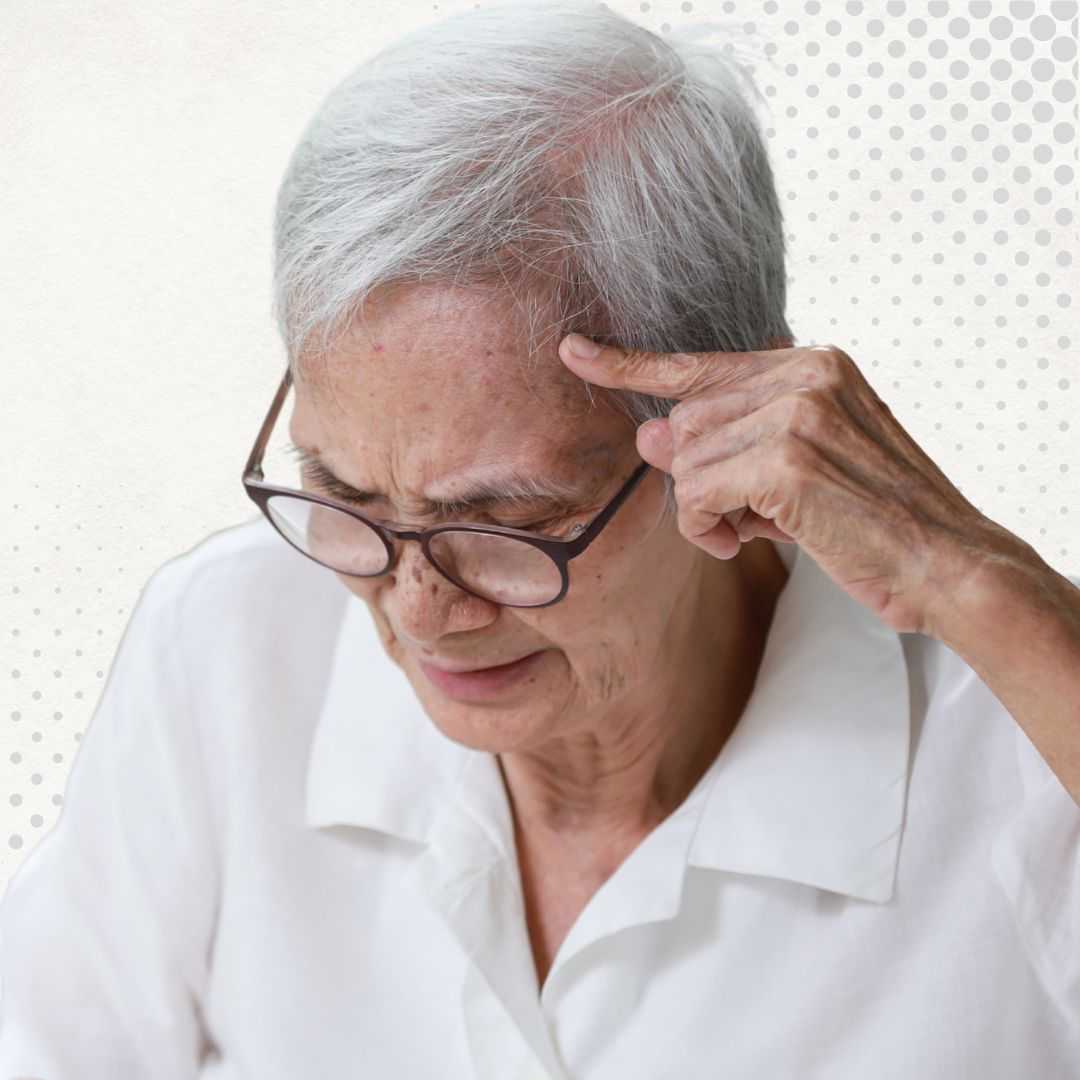
Price starting from $10,000
Stem Cell Therapy for Alzheimer’s Disease Package in Tokyo, Japan by HELENE Clinic
HELENE - Stem Cell Clinic
- Stem Cell Therapy
Tokyo, Japan

Price starting from $16,200
Stem Cell Therapy for Brain or Neurological Disorders Package in Kuala Lumpur, Malaysia by Merkel Clinic
Merkel Clinic
- Stem Cell Therapy
Kuala Lumpur, Malaysia
Transformative Stem Cell Therapy Experiences: Dive into Procedure Insights
Discover the power of Stem Cell Therapy through compelling patient experiences. Uncover detailed insights into procedures, recovery journeys, and life-changing results.
.png)
Price starting from $12,800
Stem Cell Therapy for Alzheimer’s Disease in Kuala Lumpur, Malaysia
- Stem Cell Treatment for Alzheimers Disease, Stem Cell Therapy
Kuala Lumpur, Malaysia

Price starting from $2,500
Stem Cell Therapy for Knee Injuries in Thailand
- Stem Cell Treatment for Knee Osteoarthritis Abroad, Stem Cell Therapy
Thailand
.png)
Price starting from $10,000
Stem Cell Therapy for Alzheimer’s Disease in Japan
- Stem Cell Treatment for Alzheimers Disease, Stem Cell Therapy
Japan
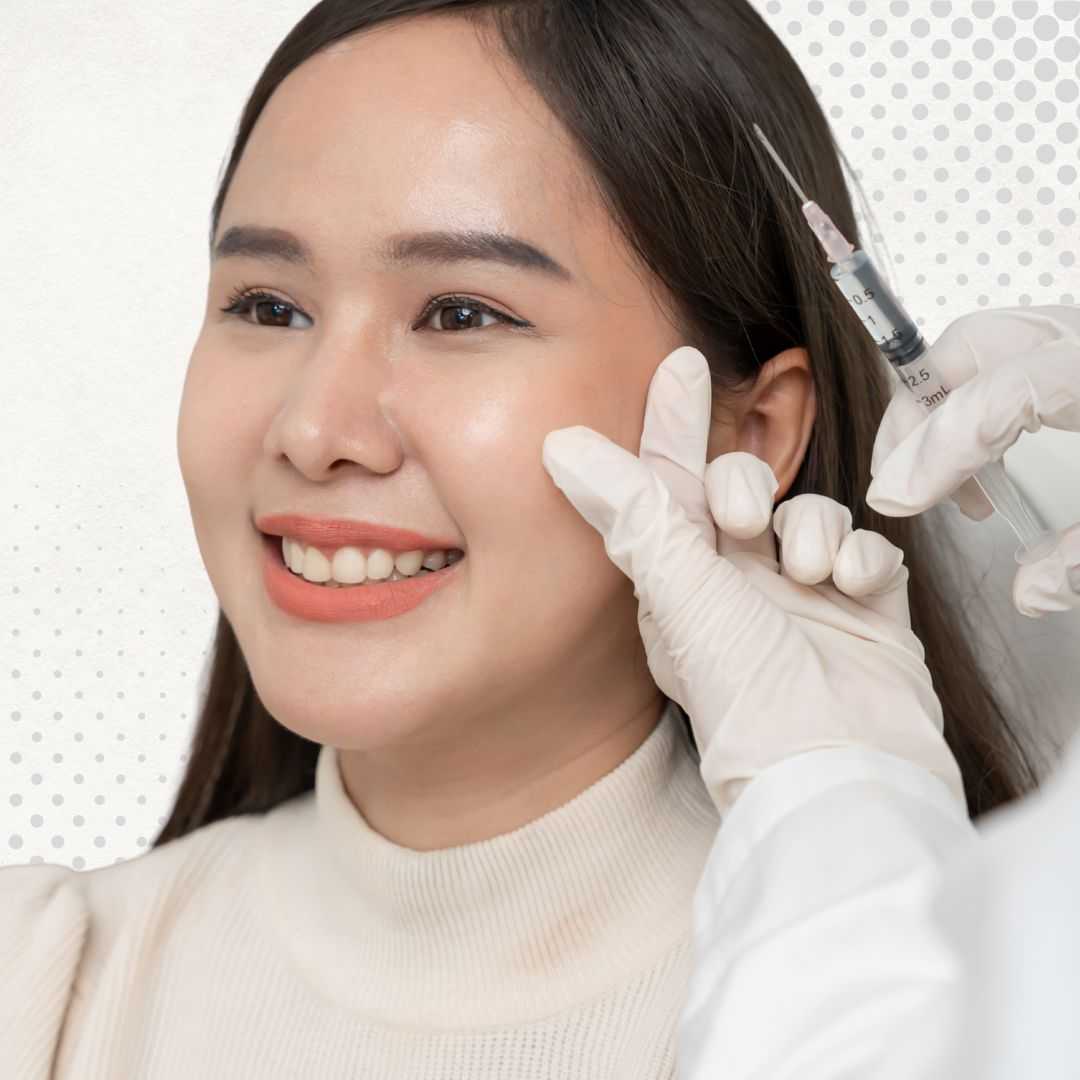
Explore Stem Cell Therapy: Stories, Testimonials, and Procedures
Watch in-depth videos covering everything from Stem Cell Therapy success stories to detailed procedure explanations. Learn what to expect and hear from real patients.
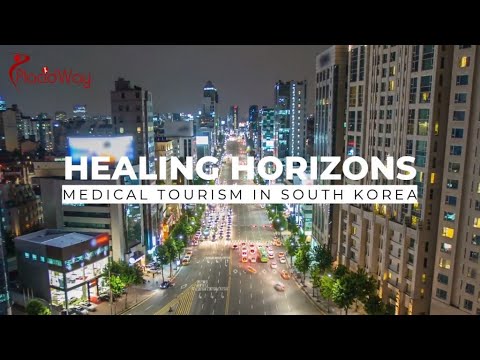
Seoulful Healing: Unveiling Excellence in Health Tourism in South Korea
Stem Cell Therapy
PlacidKorea
South Korea

Intra-arterial Stem Cell Treatment for the Dementia Patients in South Korea
Stem Cell Therapy
Yonsei BH Clinic
South Korea
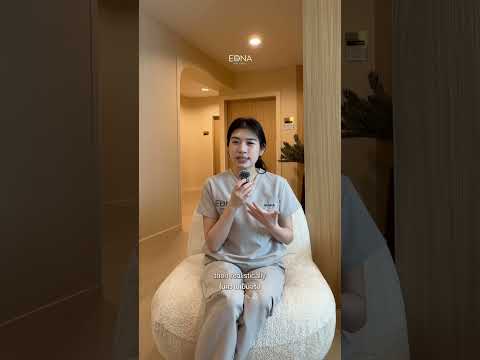
Can Stem Cell Treatment in Bangkok, Thailand Replace Surgery Explained by EDNA Wellness?
Stem Cell Therapy
EDNA Wellness - Surgeon-Led Stem Cell Clinic in Bangkok Thailand
Thailand
Learn More with These Stem Cell Therapy Articles
Take a look at these interesting articles, stories and research that will help you learn more about Stem Cell Therapy.

Advancing Alzheimer’s Treatment with Stem Cell Therapy at Vega Clinic in Bangkok, Thailand
Vega Stem Cell Clinic in Bangkok Thailand
- Stem Cell Therapy
Thailand
Alzheimer's Disease Treatment in Malaysia vs Indonesia - A Comprehensive Guide
PlacidWay Medical Tourism
- Stem Cell Therapy
Malaysia
.png)
Alzheimer’s Disease: Breakthroughs in Stem Cell Treatment at Vega Clinic, Thailand
Vega Stem Cell Clinic in Bangkok Thailand
- Stem Cell Therapy
Thailand
.png)
Alzheimer’s Disease Treatment: Filipinos Are Turning to Stem Cells in Tokyo for Memory Care
PlacidWay Medical Tourism
- Stem Cell Therapy
Japan
Stem Cell Therapy Solutions Near You: Explore Top Medical Centers
Discover how Stem Cell Therapy is transforming lives at leading medical centers in , South Korea. Dive into center profile, specialties, doctors, reviews, etc. and explore the best options tailored to your needs in this region.
Chaum Medical Center
Seoul, South Korea
Seoul Smart Bon Clinic in South Korea
Seoul, South Korea
Yonsei BH Clinic
Seoul, South Korea
Allheart plastic surgery
Seoul, South Korea








Hospital attended by rich people in Cheongdam-dong, Gangnam
Read More