
What treatment


3+ Best Clinics for Stem Cell Treatment for Autism in South Korea
Trusted Medical Tourism Platform Since 2007
What are the best stem cell therapy clinics for autism in South Korea?
The top stem cell therapy clinics in South Korea are Chaum Medical Center (Seoul), Seoul Smart Bon Clinic (Seoul), and Yonsei BH Clinic (Seoul).
These facilities utilize mesenchymal stem cells (MSCs) and operate within GMP-certified laboratories holding prestigious accreditations like JCI. Beyond autism spectrum disorder (ASD), these centers treat neurological and systemic conditions including Parkinson's disease, dementia, diabetes, and offer specialized anti-aging therapies. Treatment packages range from $6,200 to $33,000 USD, providing access to advanced regenerative medicine regulated strictly by the Korean Ministry of Health and Welfare.
 100.00% Patient Recommend
Chaum Medical Center


Overview
Premium healthcare at Chaum Medical Center, Seoul. Personalized anti-aging, stem cell therapy, and advanced medical services for a youthful life.
Read more details
Seoul Smart Bon Clinic in South Korea

Overview
Discover advanced care at Spine, Neurology & Stem Cell Clinic in South Korea by Seoul Smart Bon Clinic with innovative treatments for lasting recovery.
Read more details
Yonsei BH Clinic


Overview
Yonsei BH Clinic offers advanced stem cell therapy in Seoul, South Korea, for erectile dysfunction, anti-aging, Parkinson disease, dementia, diabetes, and more.
Read more details
Allheart plastic surgery
AllHeart Plastic Surgery in Gangnam specializes in advanced cosmetic procedures, offering expert care in a modern facility for natural and safe results.


copy.png)
Authored by
Usama Ahmad
Medical content writer with 5+ years of experience specializing in stem cells and regenerative medicine content.
Reviewed by
Dr. Alejandro Fernando
Dr. Alejandro Fernando is a top stem cell specialist in Mexico City, specializing in regenerative medicine, cellular therapies, and chronic disease treatment and Medical Content Reviewer
Last updated on
Why South Korea is a Global Leader for Stem Cell Therapy for Autism?
South Korea has established itself as a premier hub for advanced biotechnology and regenerative medicine. For families seeking innovative approaches to Autism Spectrum Disorder (ASD), Korean medical centers offer a unique combination of cutting-edge cellular research, rigorous safety standards, and comprehensive pediatric care.
Pioneering Biotechnology Innovation
South Korea heavily invests in stem cell research and cellular expansion technologies. Clinics here utilize some of the world's most advanced Good Manufacturing Practice (GMP) certified laboratories, ensuring that the mesenchymal stem cells cultured for pediatric neurodevelopmental therapies are of the highest viability and purity available globally.
Strict Regulatory and Safety Standards
The Korean Ministry of Food and Drug Safety oversees biological treatments with stringent protocols. This regulatory environment guarantees that stem cell therapies for autism are administered under rigorous clinical guidelines, providing parents with peace of mind regarding the ethical sourcing, screening, and safety of the cellular products used.
Integrative Neuro-Rehabilitation
Korean medical centers do not rely on cellular injections alone. They employ a holistic, multidisciplinary approach, integrating stem cell administrations with specialized pediatric neurology, hyperbaric oxygen therapy, and intensive behavioral and speech rehabilitation to maximize the neuro-regenerative potential for children with autism.
World-Class Hospital Infrastructure
The medical infrastructure in South Korea is highly modernized, featuring robotic-assisted laboratories and specialized pediatric wings designed to reduce sensory overload. International patient departments provide dedicated coordinators and translators, ensuring a smooth, stress-free experience for foreign families navigating complex medical care.
Stem Cell Therapy for Autism Costs in South Korea vs. US/UK (2026)
Review the projected 2026 pricing for comprehensive cellular therapies for ASD. South Korean medical centers offer transparent packages that often include advanced laboratory cell expansion and multi-disciplinary supportive therapies at a fraction of Western costs.
| Procedure Package | South Korea Price | US / UK Price | You Save | Savings % |
|---|---|---|---|---|
| Autologous Stem Cell Protocol (BMAC) | $14,000–$18,000 | $35,000–$45,000 | $21,000+ | 60% |
| Allogeneic MSC Therapy (Umbilical Cord) | $16,000–$22,000 | $45,000–$60,000 | $29,000+ | 64% |
| Intrathecal + IV Stem Cell Combination | $18,500–$24,000 | $55,000–$75,000 | $36,500+ | 66% |
| Intensive Package (Cells + 2 Wk Rehab) | $25,000–$32,000 | $70,000–$95,000 | $45,000+ | 64% |
* Prices are projected 2026 estimates based on specialized medical centers in South Korea. Total costs for pediatric stem cell protocols are highly customized depending on the child's weight, the required cell dosage (millions of cells), the method of administration, and the duration of accompanying rehabilitation therapies. Request a free evaluation for exact pricing.
Top Cities in South Korea for Autism Stem Cell Therapy
While the entire country boasts high medical standards, certain cities have developed specific niches in biotechnology and international patient care. Here is how the top destinations compare for your child's treatment.
Seoul
Capital City
The epicenter of Korean biotechnology, housing the country's most prestigious university hospitals and specialized regenerative medicine institutes. Seoul offers the widest array of highly experienced pediatric neurologists and the most advanced laboratory facilities for cell culturing.
Busan
Southern Port City
South Korea's second-largest city provides world-class medical facilities in a slightly less congested environment than Seoul. Busan is known for comprehensive medical tourism villages and often offers more competitive pricing for extended rehabilitation stays.
Incheon
Global Gateway
Home to the primary international airport and designated Free Economic Zones focusing on global healthcare. Incheon provides maximum convenience for traveling families, featuring ultra-modern hospitals specifically designed to cater to international patients without the need to travel deep into the city.
Jeju Island
Wellness Destination
A growing hub for medical wellness tourism, offering state-of-the-art clinics in a serene, nature-rich environment. Jeju is an excellent option for families of children with ASD who may struggle with the sensory overload of massive metropolitan areas during their recovery phase.
Autism Stem Cell Treatment Protocols in South Korea
Korean medical centers utilize various administration methods and cellular sources tailored to target neuroinflammation and promote neural connectivity in children with Autism Spectrum Disorder.
Intravenous (IV) MSC Infusion
$16,000 – $22,000Mesenchymal Stem Cells (MSCs), typically sourced from ethically donated umbilical cord tissue, are administered via a simple IV drip. This method focuses on systemic immunomodulation, aiming to reduce gastrointestinal inflammation and systemic autoimmune responses frequently associated with ASD.
Save $29,000+ vs. US prices
Intrathecal Stem Cell Administration
$18,000 – $24,000Performed by a pediatric anesthesiologist or neurologist, cells are injected directly into the spinal canal. This allows the stem cells to bypass the blood-brain barrier and travel directly via cerebrospinal fluid to the brain, maximizing targeted neuro-regeneration and reducing neuroinflammation.
Save $32,000+ vs. US prices
Autologous Bone Marrow Protocol
$14,000 – $18,000This approach uses the child's own cells extracted from their bone marrow, processed in a centrifuge, and re-administered. While requiring a minor extraction procedure, it eliminates any risk of immune rejection and utilizes autologous growth factors to stimulate brain healing.
Save $21,000+ vs. US prices
Integrative Therapy Package
$25,000 – $32,000The most comprehensive approach. It combines multiple stem cell administrations (often both IV and Intrathecal) over a 2-week stay, paired with daily sessions of Hyperbaric Oxygen Therapy (HBOT), sensory integration therapy, and targeted nutritional IVs to create an optimal environment for cellular engraftment.
Save $45,000+ vs. US prices
How to Choose a Clinic for Autism Stem Cell Therapy in South Korea?
Selecting a medical provider for your child requires meticulous vetting. Follow this 5-step checklist to ensure safety and clinical excellence when exploring Korean options.
Verify Laboratory GMP Certification
The efficacy of the treatment relies heavily on how the cells are processed. Ensure the clinic operates or partners with a GMP (Good Manufacturing Practice) certified laboratory. This guarantees the stem cells are cultured in pristine, sterile conditions with high viability counts.
Require Pediatric Neurology Expertise
Do not settle for a general regenerative medicine clinic. Ensure the medical team includes board-certified pediatric neurologists and specialists who specifically understand Autism Spectrum Disorder, its biomarkers, and how to interact gently with special needs children.
Evaluate the Administration Options
Discuss whether the clinic offers IV infusions, Intrathecal injections, or both. Understanding why a specific delivery method is recommended for your child's age and severity level indicates that the clinic provides personalized medicine, not a one-size-fits-all approach.
Look for Comprehensive Support Therapies
Stem cells repair tissue, but rehabilitation builds new neural pathways. The best Korean clinics will offer adjunct therapies alongside the cell injections, such as Hyperbaric Oxygen Therapy (HBOT), nutritional counseling, and occupational therapy frameworks.
Utilize an Independent Facilitator
Overcome language barriers and cultural differences by using a trusted facilitator like PlacidWay. We pre-screen Korean medical centers for international patient standards, ensuring they provide dedicated English-speaking coordinators and transparent medical documentation.
Your Child's Medical Journey in South Korea
Knowing what to expect can significantly reduce anxiety for both parents and the child. Here is a typical timeline for autism protocols at top Korean facilities.
Step 1: Virtual Consultation & File Review
Submit your child's medical history, current ASD diagnosis, behavioral reports, and any prior genetic or neurological testing. Korean specialists will review the files via PlacidWay to determine if cellular therapy is appropriate and outline a customized protocol.
Step 2: Arrival & Pediatric Assessment
Upon arrival in South Korea, you will visit the medical center for comprehensive pre-treatment testing. This includes blood work to check for inflammation markers, a physical examination, and consultations with pediatric neurologists to finalize the cell dosage.
Step 3: The Stem Cell Administration
The actual procedure is performed in a child-friendly clinical setting. IV infusions usually take 1-2 hours while the child watches a movie. If an intrathecal injection is required, mild sedation is provided by pediatric anesthesiologists to ensure the child experiences zero distress.
Step 4: Integration of Supportive Therapies
Depending on your package, the days following the administration are filled with supportive treatments. This often involves daily hyperbaric oxygen therapy sessions to increase oxygen flow to the brain, enhancing the survival and function of the newly introduced stem cells.
Step 5: Return Home & Long-Term Monitoring
After a 7 to 14 day stay, you will return home. The clinic will schedule periodic virtual follow-ups at 3, 6, and 12 months to track developmental milestones, improvements in speech or eye contact, and behavioral changes.
South Korea Stem Cell Therapy for Autism FAQ
Find answers to the most crucial questions parents ask when considering cellular treatments for their children in Korea.
What Parents Say About Autism Protocols in South Korea
Read experiences from families who traveled to South Korea to seek advanced cellular treatments for their children through our verified network.
"Our son was non-verbal at age six and struggled with severe sensory meltdowns. The medical center in Seoul was unlike anything we had seen. The pediatric neurologists were so gentle, and the IV process was entirely stress-free. Five months post-treatment, he has started making consistent eye contact and is stringing together 3-word sentences. We are overjoyed with his progress."
"We researched globally before choosing South Korea for its advanced stem cell labs and strict regulations. The combination of umbilical cord cells and daily hyperbaric oxygen therapy made a huge difference. Our daughter's repetitive behaviors have decreased dramatically, and her teachers have noted a massive improvement in her ability to focus in class."
Why Choose PlacidWay for Your Child's Care?
Seeking specialized pediatric care abroad is a major decision. PlacidWay ensures you are connected only with South Korea's most reputable and scientifically sound medical institutions.
Vetted Pediatric & Biotech Centers
We exclusively partner with Korean hospitals that possess specialized pediatric neurology departments and utilize internationally certified, top-tier cellular laboratories.
Objective, Unbiased Guidance
We provide transparent comparisons between different clinics and protocols in Seoul, Busan, and Jeju, allowing you to choose the exact approach that best fits your child's specific diagnosis.
Direct Access to Korean Specialists
We facilitate virtual face-to-face consultations prior to your journey. You can discuss your child's case directly with the leading neuro-regenerative doctors who will be managing the treatment.
Dedicated Patient Advocacy
Our team ensures your child's medical records are properly translated and transferred, and we advocate for your family's needs throughout the evaluation, treatment, and follow-up phases.
Explore Advanced Options for Your Child's Development
Discover how world-leading regenerative protocols in South Korea can help improve your child's quality of life while saving up to 60% compared to equivalent Western treatments.
Get Free QuoteDisclaimer: PlacidWay is a medical tourism facilitator and does not provide medical advice, diagnosis, or treatment. We connect patients with independently verified clinics abroad. Stem cell therapies for autism are considered experimental in many jurisdictions. Always consult with your child's primary pediatric neurologist before pursuing international medical treatments.
Share with AI
Share this page with AI assistants to get summaries and insights


List of Best Stem Cell Treatment for Autism Clinics in South Korea
Explore Stem Cell Treatment for Autism: Stories, Testimonials, and Procedures
Watch in-depth videos covering everything from Stem Cell Treatment for Autism success stories to detailed procedure explanations. Learn what to expect and hear from real patients.
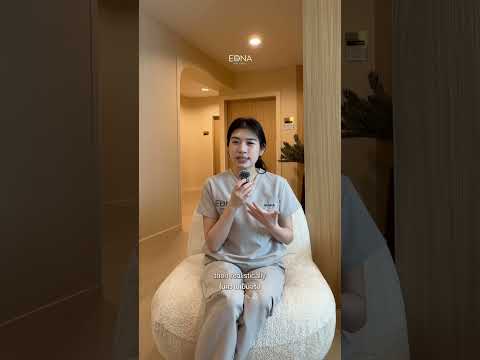
Can Stem Cell Treatment in Bangkok, Thailand Replace Surgery Explained by EDNA Wellness?
Stem Cell Therapy
EDNA Wellness - Surgeon-Led Stem Cell Clinic in Bangkok Thailand
Bangkok, Thailand
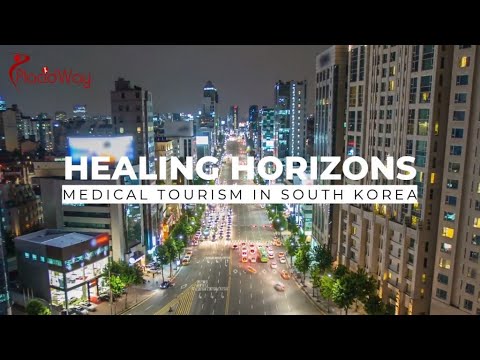
Seoulful Healing: Unveiling Excellence in Health Tourism in South Korea
Cosmetic/Plastic Surgery
PlacidKorea
Seoul, South Korea
This Is the Idea Behind Regenerative Medicine in Bangkok, Thailand | EDNA Wellness
Cancer Treatment
EDNA Wellness - Surgeon-Led Stem Cell Clinic in Bangkok Thailand
Bangkok, Thailand
Personalized Stem Cell Therapy for Autism in Kuala Lumpur, Malaysia by FirstCell – Dr. Vignesh Sugumaran
Stem Cell Therapy
FirstCell Malaysia
Kuala Lumpur, Malaysia
Unlock the Best Stem Cell Treatment for Autism Packages Just for You
Discover the ultimate Stem Cell Treatment for Autism packages designed to meet your health and wellness goals. Choose the perfect fit for your journey.

Price starting from $6,000
Affordable Autism Stem Cell Therapy Package in Noida, India
PlacidWay India Medical Tourism
- Stem Cell Therapy
Mumbai, India

Price starting from $7,000
Advanced Kidney Support & Regenerative Therapy Protocol
CellsClinic in in San Pedro Garza Garcia, Mexico
- Stem Cell Therapy
San Pedro Garza Garcia, Mexico
Price starting from $4,000
Advanced Shoulder Regeneration & Recovery Protocol
CellsClinic in in San Pedro Garza Garcia, Mexico
- Stem Cell Therapy
San Pedro Garza Garcia, Mexico
Price starting from $6,000
Stem Cell Treatment for Autism Package in Mumbai, India
PlacidWay India Medical Tourism
- Stem Cell Therapy
Mumbai, India
Transformative Stem Cell Treatment for Autism Experiences: Dive into Procedure Insights
Discover the power of Stem Cell Treatment for Autism through compelling patient experiences. Uncover detailed insights into procedures, recovery journeys, and life-changing results.
.png)
Price starting from $2,250
Stem Cell Therapy for Meniscus Tear in Bangkok, Thailand
- Stem Cell Therapy for a Meniscus Tear, Stem Cell Therapy
Bangkok, Thailand
.png)
Price starting from $9,800
Stem Cell Therapy for Dementia in Kuala Lumpur, Malaysia
- Stem Cell Therapy
Kuala Lumpur, Malaysia
.png)
Price starting from $16,500
Stem Cell Therapy for Autism in Kuala Lumpur, Malaysia
- Stem Cell Treatment for Autism, Stem Cell Therapy
Kuala Lumpur, Malaysia
.png)
Price starting from $4,500
Stem Cell Therapy for Autism in Thailand
- Stem Cell Treatment for Autism, Stem Cell Therapy
Thailand








Hospital attended by rich people in Cheongdam-dong, Gangnam
Read More