
What treatment


2+ Best Clinics for Stem Cell Treatment for Autoimmune Diseases in Malaysia
Trusted Medical Tourism Platform Since 2007
What are the best stem cell therapy clinics in Malaysia?
The leading stem cell therapy clinics in Malaysia include FirstCell Malaysia (Kuala Lumpur), Dr. Ebenezer Abel Paul (Kuala Lumpur), Live Stem Cell Asia (Petaling Jaya), Merkel Clinic (Kuala Lumpur), and ZELL-V Wellness Hub (Kuala Lumpur).
These centers adhere to rigorous Good Manufacturing Practice (GMP) standards. They specialize in using Mesenchymal Stem Cells (MSCs) and Natural Killer Cells to treat autoimmune diseases, osteoarthritis, autism, kidney failure, and degenerative disc disease, as well as providing anti-aging solutions. Treatment costs generally range from $6,800 to $21,700 USD, offering highly advanced regenerative medicine at competitive international pricing.
 100.00% Patient Recommend
FirstCell Malaysia


Overview
FirstCell specialize on cell-based medicine and treatments especially via MSC and NKC to enhance wellness and for targeted treatment modules. We are committed in delivering excellent treatment.
Read more details

 100.00% Patient Recommend
Live Stem Cell Asia - Premier Stem Cell Clinic in Malaysia
Overview
Discover advanced stem cell Malaysia treatments at Live Stem Cell Asia, Petaling Jaya. Experience personalized care and innovative regenerative solutions.
Read more details
Merkel Clinic
Overview
Merkel Clinic is a leading stem cell therapy center, specializing in innovative treatments for various medical conditions using cutting-edge regenerative medicine techniques.
Read more details
Longevity Clinic by Medkos
Overview
Discover personalized longevity programs, stem cell therapy, NK cell therapy, and metabolic optimization at Longevity Clinic Malaysia.
Read more detailsDiscover your treatment options with a free, no-obligation quote!
Get your quote now!
ZELL-V Wellness Hub - Preventive & Regenerative Medicine Malaysia
Overview
ZELL-V Wellness Hub located in Kuala Lumpur, Malaysia. We offers German & Swiss advanced regenerative medicine, cellular therapy, and wellness programs for health, longevity and vitality.
Read more detailscopy.png)
Authored by
Usama Ahmad
Medical content writer with 5+ years of experience specializing in stem cells and regenerative medicine content.
Reviewed by
Dr. Alejandro Fernando
Dr. Alejandro Fernando is a top stem cell specialist in Mexico City, specializing in regenerative medicine, cellular therapies, and chronic disease treatment and Medical Content Reviewer
Last updated on
Which are the best clinics for Stem Cell Treatment for Autoimmune Diseases in Malaysia?
Based on available data, two highly-rated clinics in Malaysia for Stem Cell Treatment for Autoimmune Diseases stand out: FirstCell Malaysia in Kuala Lumpur, boasting 100% patient recommendation from 13 reviews, and Klinik Setia Gemilang in Shah Alam, with a 98.04% recommendation rate from 51 reviews. Both offer specialized regenerative therapies for various conditions.
When searching for top clinics, patient feedback and recommendations are crucial indicators of quality and satisfaction.
- FirstCell Malaysia: Located in Kuala Lumpur, this clinic specializes in cell-based medicine, offering treatments using Mesenchymal Stem Cells (MSCs) and Natural Killer Cells (NKC) to enhance wellness and provide targeted therapeutic modules. Their perfect patient recommendation score highlights their commitment to excellent treatment outcomes and patient care. They have a strong focus on advanced regenerative therapies.
- Klinik Setia Gemilang: Situated in Shah Alam, this center is renowned for its stem cell therapy, particularly for orthopedic and anti-aging solutions. While their focus might seem broader, their expertise in regenerative medicine translates well to autoimmune applications. Their high patient recommendation rate from a larger pool of reviews suggests consistent quality and positive experiences.
What should I consider when selecting a stem cell clinic for autoimmune diseases in Malaysia?
When choosing a stem cell clinic in Malaysia for autoimmune diseases, prioritize clinical expertise in regenerative medicine, the specific types of stem cells offered, safety protocols, and patient testimonials. Verify the clinic's credentials, the experience of its specialists, and its adherence to international standards for optimal autoimmune care.
Selecting the right clinic is a significant decision for your health journey. Here are key considerations:
- Specialization and Experience: Look for clinics with demonstrated expertise in treating autoimmune diseases specifically with stem cells. Inquire about their track record, published outcomes, and years of experience.
- Types of Stem Cells Used: Different clinics may specialize in various types of stem cells (e.g., Mesenchymal Stem Cells - MSCs from umbilical cord, adipose tissue, or bone marrow). Research which type is most suitable for your specific autoimmune condition and ensure the clinic offers it.
- Safety Protocols and Lab Quality: A reputable clinic will have stringent safety protocols, including comprehensive donor screening (if allogeneic cells are used) and state-of-the-art laboratory facilities for cell processing and storage, adhering to international guidelines.
- Personalized Treatment Plans: Effective autoimmune treatment requires a tailored approach. Choose a clinic that offers individualized treatment plans, considering your unique medical history, specific autoimmune condition, and overall health status.
- Patient Support and Follow-up: Evaluate the level of patient support provided, including pre-treatment consultations, ongoing communication during treatment, and detailed post-treatment follow-up and monitoring to assess progress.
- Accreditation and Regulations: While stem cell therapy can be an evolving field, ensure the clinic operates within national health regulations and ideally holds recognized accreditations for quality and safety.
How do Malaysian clinics ensure safety in stem cell treatments for autoimmune conditions?
Malaysian stem cell clinics prioritize patient safety through rigorous protocols. This includes comprehensive patient assessments, using high-quality, ethically sourced stem cells processed in sterile, accredited laboratories, and strict adherence to established medical guidelines for administration. Continuous monitoring and experienced medical teams further ensure patient well-being during and after treatments for autoimmune conditions.
Ensuring patient safety is paramount in any medical procedure, especially with advanced therapies like stem cell treatment for autoimmune diseases. Clinics in Malaysia typically employ several measures:
- Thorough Patient Screening: Before any treatment, patients undergo extensive medical evaluations to determine their suitability for stem cell therapy, identifying any contraindications or potential risks.
- Ethical Sourcing of Stem Cells: For allogeneic (donor-derived) stem cells, strict ethical guidelines are followed for donor selection and procurement, ensuring the cells are free from diseases and infections.
- Advanced Laboratory Practices: Stem cells are processed and cultured in highly specialized laboratories that adhere to Good Manufacturing Practice (GMP) standards. This ensures cell quality, purity, and sterility, minimizing contamination risks.
- Qualified Medical Professionals: Treatments are administered by experienced doctors and medical teams with specialized training in regenerative medicine and stem cell transplantation, ensuring proper dosage and administration techniques.
- Strict Regulatory Adherence: Clinics operate under the guidelines set by Malaysian health authorities, which aim to regulate the safe and ethical practice of stem cell therapy.
- Post-Treatment Monitoring: Patients are closely monitored post-treatment for any adverse reactions or complications, with clear follow-up protocols in place to track recovery and progress.
What types of autoimmune diseases do Malaysian stem cell clinics treat?
Malaysian stem cell clinics offer treatments for various autoimmune diseases by focusing on immune modulation and regeneration. Commonly addressed conditions include rheumatoid arthritis, lupus, multiple sclerosis, Crohn's disease, and certain thyroid disorders. These therapies aim to reduce inflammation and promote tissue repair, offering a new approach to managing chronic autoimmune conditions.
Stem cell therapy holds promise for a wide range of autoimmune diseases due to its immunomodulatory and regenerative properties. Clinics in Malaysia may target conditions such as:
- Rheumatoid Arthritis (RA): Stem cells can help reduce joint inflammation and pain, potentially slowing disease progression and repairing damaged cartilage.
- Systemic Lupus Erythematosus (SLE): Therapies aim to rebalance the immune system, decreasing the severity of lupus symptoms affecting organs like the kidneys, skin, and joints.
- Multiple Sclerosis (MS): Stem cells are explored for their ability to promote myelin repair and reduce neuroinflammation, potentially improving neurological function and slowing disease progression.
- Crohn's Disease: For inflammatory bowel conditions, stem cell treatments may help reduce intestinal inflammation and promote healing of damaged gut tissue.
- Type 1 Diabetes Mellitus: Some research focuses on using stem cells to modulate the immune attack on pancreatic islet cells, potentially preserving or restoring insulin production.
- Hashimoto's Thyroiditis: Similar to other autoimmune conditions, stem cells may help calm the immune system's attack on the thyroid gland, reducing inflammation and supporting thyroid function. These treatments typically involve Mesenchymal Stem Cells (MSCs), which are known for their ability to regulate immune responses and secrete factors that support tissue regeneration.
Are there rehabilitation services offered alongside stem cell therapy in Malaysian clinics?
Many Malaysian clinics offering stem cell therapy for autoimmune diseases integrate rehabilitation services to maximize treatment outcomes. These may include physiotherapy, occupational therapy, and nutritional counseling, all tailored to support physical recovery, improve mobility, and enhance overall quality of life following advanced regenerative treatments.
Comprehensive patient care often extends beyond the stem cell infusion itself. Many clinics in Malaysia recognize the importance of a holistic approach to recovery and may offer:
- Physiotherapy: Essential for restoring mobility, strength, and function, especially for autoimmune conditions affecting joints or muscles like rheumatoid arthritis or multiple sclerosis. Tailored exercise programs help patients regain independence.
- Occupational Therapy: Focuses on helping patients adapt to daily activities and improve their functional abilities, ensuring they can perform tasks effectively after treatment.
- Nutritional Counseling: Diet plays a significant role in managing autoimmune diseases and supporting overall health. Clinics may provide personalized dietary advice to complement stem cell therapy and enhance long-term well-being.
- Lifestyle Modification Programs: These programs can include stress management techniques, exercise guidance, and recommendations for healthy habits that contribute to better autoimmune disease management.
- Integrative Medicine Approaches: Some clinics might combine stem cell therapy with other complementary treatments, such as hyperbaric oxygen therapy (HBOT) or acupuncture, to optimize healing and recovery. The availability of such services can vary between clinics, so it's advisable to inquire about integrated rehabilitation programs when considering a facility.
What qualifications should I look for in doctors at Malaysian stem cell clinics?
When evaluating doctors at Malaysian stem cell clinics, prioritize specialists with board certifications in regenerative medicine, immunology, or relevant fields like rheumatology or neurology. Look for extensive experience in stem cell applications for autoimmune diseases, continuous medical education, and affiliations with reputable medical associations to ensure high-quality and ethical care.
The expertise of the medical team is a critical factor in the success and safety of stem cell treatments. Here are key qualifications to seek:
- Specialized Medical Degrees: Physicians should hold medical degrees from recognized universities and be licensed to practice in Malaysia.
- Board Certification: Look for board certifications in relevant specialties such as internal medicine, rheumatology (for joint-related autoimmune diseases), neurology (for conditions like MS), or immunology. Certification in regenerative medicine or cellular therapy is also a strong indicator of specialized knowledge.
- Experience in Stem Cell Applications: Ensure the doctors have significant experience specifically in administering stem cell therapies for autoimmune conditions. Inquire about their case volume and success rates.
- Continuous Education: The field of regenerative medicine is rapidly evolving. Doctors who regularly attend international conferences, workshops, and training programs demonstrate a commitment to staying updated with the latest advancements and best practices.
- Research and Publications: Involvement in clinical research or scientific publications related to stem cell therapy for autoimmune diseases indicates a deep understanding and contribution to the field.
- Multidisciplinary Team: Often, the best care comes from a team approach. The clinic should ideally have a multidisciplinary team including immunologists, rheumatologists, neurologists, and rehabilitation specialists to ensure comprehensive patient management.
Do Malaysian clinics offer personalized stem cell treatment plans for autoimmune patients?
Yes, leading Malaysian stem cell clinics prioritize personalized treatment plans for autoimmune patients. These bespoke plans are crucial as autoimmune diseases manifest uniquely in each individual. Clinics conduct thorough diagnostic assessments to tailor stem cell types, dosages, and administration methods, optimizing therapy for each patient's specific condition and health profile.
Personalized medicine is a cornerstone of effective autoimmune disease management, and stem cell clinics in Malaysia are increasingly adopting this approach:
- Individualized Diagnostics: Clinics perform detailed diagnostic tests, including comprehensive blood work, imaging, and genetic markers, to understand the specific autoimmune pathology and patient's unique biological makeup.
- Tailored Cell Selection: Based on the diagnosis, the medical team will determine the most appropriate type and source of stem cells (e.g., umbilical cord-derived MSCs, adipose-derived stem cells) and their optimal dosage.
- Customized Administration Methods: Stem cells can be administered intravenously, locally (e.g., into joints or affected organs), or through other routes. The chosen method is customized to target the specific affected areas and disease mechanisms.
- Integrated Support Therapies: Personalized plans often include complementary therapies such as nutritional guidance, immune-boosting protocols, or physical rehabilitation to enhance the efficacy of stem cell treatment.
- Adaptive Protocols: The treatment plan may be dynamic, adjusting based on the patient's response and progress over time, ensuring the most effective course of therapy. This individualized approach aims to maximize therapeutic benefits and minimize potential side effects, accounting for the unique presentation of autoimmune diseases in each patient.
What is the typical patient journey at a stem cell clinic for autoimmune diseases in Malaysia?
The patient journey at a Malaysian stem cell clinic typically begins with an initial consultation and comprehensive diagnostic tests to assess suitability. This is followed by a personalized treatment plan, the stem cell administration itself (often intravenous or local injections), and then a crucial period of post-treatment monitoring and follow-up care to track progress and manage recovery.
Understanding the steps involved can help patients prepare for their treatment:
- Initial Consultation and Medical Review: Patients provide their complete medical history, including previous diagnoses, treatments, and current medications. This can often be done remotely via telemedicine.
- Comprehensive Diagnostics: Detailed blood tests, imaging studies (MRI, CT scans), and other specialized evaluations are performed to confirm diagnosis, assess disease severity, and evaluate overall health.
- Treatment Plan Development: A personalized plan is formulated by a multidisciplinary team, outlining the type of stem cells, dosage, administration method, and duration of therapy.
- Pre-Treatment Preparations: This might involve specific dietary recommendations, medication adjustments, or other preparations before stem cell administration.
- Stem Cell Administration: The actual procedure, which could involve intravenous (IV) infusions, direct injections into affected joints or organs, or other techniques, depending on the autoimmune condition. This is typically an outpatient procedure.
- Post-Treatment Monitoring: Patients are observed for a short period after administration. Initial recovery instructions are provided.
- Follow-up and Rehabilitation: Regular follow-up appointments (in-person or remote) are scheduled to monitor progress, adjust medications if necessary, and recommend ongoing rehabilitation therapies like physiotherapy or nutritional support.
How important is clinic accreditation for stem cell treatment in Malaysia?
Clinic accreditation is highly important for stem cell treatment in Malaysia as it signifies adherence to stringent quality, safety, and ethical standards. Accredited clinics provide assurance of patient safety, proper cell handling, qualified staff, and transparent practices, which are vital in an evolving field like regenerative medicine. Always choose clinics with recognized accreditations.
Accreditation serves as a vital safeguard for patients seeking advanced medical treatments like stem cell therapy:
- Assurance of Quality: Accreditation indicates that a clinic meets specific quality benchmarks for medical care, facilities, and patient safety established by independent bodies.
- Patient Safety: Accredited facilities are more likely to have rigorous protocols for infection control, emergency response, and overall patient safety during procedures.
- Ethical Practices: Accreditation bodies often review a clinic's ethical guidelines, particularly for complex and evolving treatments like stem cell therapy, ensuring patient rights and well-being are prioritized.
- Qualified Personnel: Accredited clinics typically require their medical staff, including doctors, nurses, and laboratory technicians, to meet specific qualification and training standards.
- Proper Cell Handling: For stem cell treatments, accreditation often ensures that the clinic's laboratories adhere to strict standards for cell procurement, processing, storage, and quality control.
- Regulatory Compliance: While national regulations govern the practice, additional accreditation can demonstrate a clinic's commitment to exceeding minimum standards and adopting international best practices. Before committing to treatment, patients should always inquire about a clinic's accreditations and regulatory compliance to ensure they receive care from a reputable and safe facility.
Can I get a second opinion from Malaysian stem cell clinics for my autoimmune condition?
Yes, many Malaysian stem cell clinics welcome patients seeking a second opinion for their autoimmune condition. Obtaining a second opinion is a valuable step to ensure confidence in your diagnosis and proposed treatment plan. Clinics are often willing to review existing medical records and provide their expert assessment, clarifying treatment options and expected outcomes.
Seeking a second opinion is a common and recommended practice in healthcare, especially for complex or chronic conditions like autoimmune diseases:
- Confirmation of Diagnosis: A second opinion can help confirm your initial diagnosis or provide alternative perspectives, potentially leading to a more precise understanding of your condition.
- Validation of Treatment Plan: It allows you to assess if the proposed stem cell treatment plan aligns with international best practices and is suitable for your specific case.
- Exploration of Alternatives: Different clinics may have varied approaches or offer alternative stem cell therapies. A second opinion can broaden your understanding of all available options.
- Access to Specialized Expertise: Malaysian clinics often have specialists in regenerative medicine who can offer fresh insights based on their specific experience with autoimmune diseases and stem cell applications.
- Peace of Mind: Gaining additional medical perspective can significantly boost your confidence in the chosen treatment path, ensuring you're making an informed decision. Most reputable clinics are open to providing second opinions and may offer remote consultations for international patients to review their medical records before a potential visit. It's always a good idea to bring all relevant medical documents for a thorough review.
How PlacidWay helps individuals access Stem Cell Treatment for Autoimmune Diseases in Malaysia?
PlacidWay provides detailed, up-to-date information about Stem Cell Treatment for Autoimmune Diseases, including benefits, risks, and expected outcomes. We help users compare treatment in various clinics, ensuring affordable options without compromising on quality. PlacidWay assists users in finding trusted, accredited clinics and medical professionals specializing in Stem Cell Treatment for Autoimmune Diseases in Malaysia. We offer one-on-one consultations to help users make informed decisions about their treatment, ensuring their specific needs are met. PlacidWay ensures continued support after the treatment, including follow-up care and recovery assistance. Ready to get Stem Cell Treatment for Autoimmune Diseases in Malaysia? Contact us today for a personalized consultation.Share with AI
Share this page with AI assistants to get summaries and insights


List of Best Stem Cell Treatment for Autoimmune Diseases Clinics in Malaysia
Explore Stem Cell Treatment for Autoimmune Diseases: Stories, Testimonials, and Procedures
Watch in-depth videos covering everything from Stem Cell Treatment for Autoimmune Diseases success stories to detailed procedure explanations. Learn what to expect and hear from real patients.

Transforming Lives: Stem Cell Therapy Success Stories from Kuala Lumpur, Malaysia by FirstCell Clinic
Cancer Treatment
FirstCell Malaysia
Kuala Lumpur, Malaysia

FirstCell: Pioneering Stem Cell Therapy in Kuala Lumpur for Global Patients
Cancer Treatment
FirstCell Malaysia
Kuala Lumpur, Malaysia
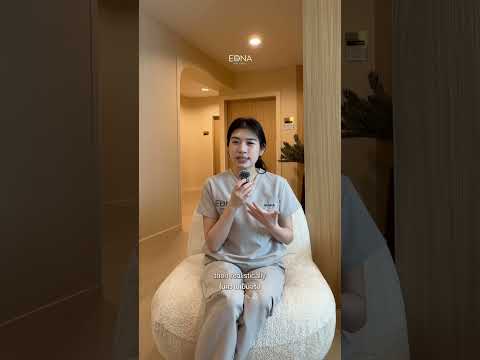
Can Stem Cell Treatment in Bangkok, Thailand Replace Surgery Explained by EDNA Wellness?
Stem Cell Therapy
EDNA Wellness - Surgeon-Led Stem Cell Clinic in Bangkok Thailand
Bangkok, Thailand
Unlock the Best Stem Cell Treatment for Autoimmune Diseases Packages Just for You
Discover the ultimate Stem Cell Treatment for Autoimmune Diseases packages designed to meet your health and wellness goals. Choose the perfect fit for your journey.

Price starting from $9,500
Anti Aging Stem Cell Treatment Package in Petaling Jaya, Malaysia by Live Stem Cell Asia
Live Stem Cell Asia - Premier Stem Cell Clinic in Malaysia
- Stem Cell Therapy
Petaling Jaya, Malaysia

Price starting from $15,500
Intraovarian and Intravenous Stem Cell Fertility Treatment in Kuala Lumpur, Malaysia by FirstCell
FirstCell Malaysia
- Stem Cell Therapy
Kuala Lumpur, Malaysia

Price starting from $11,000
Stem Cell Therapy for ADHD Package in Kuala Lumpur, Malaysia by FirstCell
FirstCell Malaysia
- Stem Cell Therapy
Kuala Lumpur, Malaysia

Price starting from $12,800
Stem Cell Therapy for Stroke Package in Kuala Lumpur, Malaysia by FirstCell
FirstCell Malaysia
- Stem Cell Therapy
Kuala Lumpur, Malaysia
Transformative Stem Cell Treatment for Autoimmune Diseases Experiences: Dive into Procedure Insights
Discover the power of Stem Cell Treatment for Autoimmune Diseases through compelling patient experiences. Uncover detailed insights into procedures, recovery journeys, and life-changing results.
.png)
Price starting from $16,500
Stem Cell Therapy for Autism in Kuala Lumpur, Malaysia
- Stem Cell Treatment for Autism, Stem Cell Therapy
Kuala Lumpur, Malaysia
.png)
Price starting from $9,800
Stem Cell Therapy for Brain Injury in Kuala Lumpur, Malaysia
- Stem Cell Therapy for Brain Injury, Stem Cell Therapy
Kuala Lumpur, Malaysia
.png)
Price starting from $9,800
Stem Cell Therapy for Dementia in Kuala Lumpur, Malaysia
- Stem Cell Therapy
Kuala Lumpur, Malaysia
.png)
Price starting from $9,800
Stem Cell for Eye Disorders in Kuala Lumpur, Malaysia
- Stem Cell Treatment for Eye Diseases, Stem Cell Therapy
Kuala Lumpur, Malaysia








A year ago, I underwent stem cell therapy here. The entire process has been smooth, thanks to the clear explanations provided by the experienced doctor and nurse. I'm now eagerly awaiting the arrival of my first baby.
Read More