
What treatment


1+ Best Clinics for Stem Cell Treatment for Blood Diseases in Malaysia
Trusted Medical Tourism Platform Since 2007
What are the best clinics for stem cell treatment for blood diseases in Malaysia?
The leading stem cell therapy clinics in Malaysia are: FirstCell Malaysia (Kuala Lumpur), Dr. Ebenezer Abel Paul - Stem Cells (Kuala Lumpur), Live Stem Cell Asia (Petaling Jaya), and Klinik Setia Gemilang (Shah Alam).
Adhering to strict Ministry of Health Malaysia (MOH) guidelines, these specialized facilities utilize hematopoietic stem cell transplantation (HSCT), mesenchymal stem cells (MSC), and natural killer cells (NKC). They successfully treat blood disorders including leukemias, lymphomas, myelomas, severe aplastic anemia, and thalassemia. Comprehensive stem cell treatment packages range from $6,800 to $20,000 USD, depending on the patient's specific condition and customized recovery plan.
 100.00% Patient Recommend
FirstCell Malaysia


Overview
FirstCell specialize on cell-based medicine and treatments especially via MSC and NKC to enhance wellness and for targeted treatment modules. We are committed in delivering excellent treatment.
Read more details

 100.00% Patient Recommend
Live Stem Cell Asia - Premier Stem Cell Clinic in Malaysia
Overview
Discover advanced stem cell Malaysia treatments at Live Stem Cell Asia, Petaling Jaya. Experience personalized care and innovative regenerative solutions.
Read more details
Longevity Clinic by Medkos
Overview
Discover personalized longevity programs, stem cell therapy, NK cell therapy, and metabolic optimization at Longevity Clinic Malaysia.
Read more details
Merkel Clinic
Overview
Merkel Clinic is a leading stem cell therapy center, specializing in innovative treatments for various medical conditions using cutting-edge regenerative medicine techniques.
Read more details
Discover your treatment options with a free, no-obligation quote!
Get your quote now!
ZELL-V Wellness Hub - Preventive & Regenerative Medicine Malaysia
Overview
ZELL-V Wellness Hub located in Kuala Lumpur, Malaysia. We offers German & Swiss advanced regenerative medicine, cellular therapy, and wellness programs for health, longevity and vitality.
Read more detailscopy.png)
Authored by
Usama Ahmad
Medical content writer with 5+ years of experience specializing in stem cells and regenerative medicine content.

Reviewed by
Dr. Alejandro Fernando
Dr. Alejandro Fernando is a top stem cell specialist in Mexico City, specializing in regenerative medicine, cellular therapies, and chronic disease treatment and Medical Content Reviewer
Last updated on
Which are the best clinics for Stem Cell Treatment for Blood Diseases in Malaysia?
When considering stem cell treatment for blood diseases in Malaysia, several highly-regarded clinics stand out for their expertise and patient care. Key options include Dr. Ebenezer Abel Paul - Stem Cells in Malaysia, FirstCell Malaysia, Live Stem Cell Asia - Premier Stem Cell Clinic in Malaysia, and Klinik Setia Gemilang. These facilities offer specialized regenerative therapies and are committed to advanced, personalized treatment for various blood-related conditions.
Choosing the "best" clinic often depends on individual needs, but some prominent centers in Malaysia specializing in stem cell treatment for blood diseases have established strong reputations. Dr. Ebenezer Abel Paul - Stem Cells in Malaysia, located in Kuala Lumpur, focuses on cutting-edge regenerative treatments. FirstCell Malaysia, also in Kuala Lumpur, is known for its cell-based medicine, particularly utilizing MSC and NKC for wellness and targeted treatments. Live Stem Cell Asia in Petaling Jaya emphasizes personalized care and innovative regenerative solutions. Lastly, Klinik Setia Gemilang in Shah Alam leads in stem cell therapy, with a broader focus that includes orthopedic and anti-aging treatments.
What types of blood diseases are treated with stem cell therapy in Malaysian clinics?
Malaysian clinics offer stem cell therapy for a range of blood diseases, primarily focusing on conditions where blood cell production is impaired or abnormal. This includes treatments for various leukemias, lymphomas, myelomas, severe aplastic anemia, and certain inherited disorders like thalassemia or sickle cell anemia, aiming to restore healthy blood cell function.
Stem cell therapy, particularly hematopoietic stem cell transplantation (HSCT), is a well-established treatment for numerous blood disorders. In Malaysia, specialized clinics treat conditions such as:
- Leukemias and Lymphomas: Cancers affecting blood-forming cells and the lymphatic system.
- Myeloma: A cancer of plasma cells.
- Aplastic Anemia: A rare condition where the body stops producing enough new blood cells.
- Thalassemia: An inherited blood disorder causing the body to make less hemoglobin.
- Sickle Cell Anemia: An inherited red blood cell disorder that causes healthy red blood cells to become stiff, sticky, and sickle-shaped.
What is the typical process for undergoing stem cell treatment for blood diseases in Malaysia?
The process generally involves an initial consultation and comprehensive diagnostic tests to confirm suitability. This is followed by conditioning chemotherapy or radiation, stem cell infusion (either autologous from the patient or allogeneic from a donor), and meticulous post-transplant care focusing on immune recovery and monitoring for complications in a specialized clinic.
The typical process for stem cell treatment for blood diseases in Malaysian clinics includes several key stages:
- Initial Consultation and Diagnosis: Patients undergo thorough medical evaluations, blood tests, imaging, and sometimes bone marrow biopsies to accurately diagnose the blood disease and determine if stem cell therapy is appropriate.
- Donor Matching/Cell Collection: If allogeneic (donor) transplant is needed, a suitable donor is identified. For autologous (patient's own) transplant, stem cells are collected from the patient's blood or bone marrow.
- Conditioning Regimen: High-dose chemotherapy or radiation therapy is administered to eliminate diseased cells and prepare the body for new stem cells.
- Stem Cell Infusion: The healthy stem cells are intravenously infused into the patient, similar to a blood transfusion.
- Engraftment and Recovery: The transplanted stem cells migrate to the bone marrow, multiply, and begin producing new, healthy blood cells. This phase requires close monitoring in a sterile environment to manage potential complications.
- Follow-up Care: Ongoing monitoring, medication, and support are crucial for long-term recovery and to detect any recurrence or side effects.
- Board Certification: Ensure doctors are certified in relevant fields like hematology, oncology, or internal medicine with a subspecialty in stem cell or regenerative medicine.
- Specialized Training: Experience specifically in hematopoietic stem cell transplantation (HSCT) or other forms of stem cell therapies for blood disorders.
- Accreditation & Affiliations: The clinic and its specialists should ideally be affiliated with recognized medical bodies and adhere to international standards for stem cell research and therapy.
- Experience: A proven track record with a significant number of successful treatments for blood diseases.
- Research & Innovation: Specialists who are active in research or continuously update their knowledge ensure access to the latest advancements.
- Strict Regulatory Compliance: Adhering to the Ministry of Health Malaysia's guidelines and any international standards for cellular therapy.
- Comprehensive Patient Screening: Thorough evaluation of patient eligibility and potential risks before treatment.
- Quality Control of Stem Cells: Rigorous testing and processing of stem cell products to ensure purity, viability, and absence of contamination.
- Infection Control: Treatments often take place in sterile environments (e.g., laminar flow rooms) to minimize infection risk, especially during conditioning and engraftment.
- Experienced Medical Teams: Procedures are performed by highly trained hematologists, oncologists, and support staff.
- Continuous Monitoring: Patients are closely observed for any adverse reactions, complications, or side effects during and after the infusion.
- Immediate Post-Transplant (First Few Weeks): Patients usually remain hospitalized in a protective isolation environment. This critical phase focuses on engraftment, where new stem cells settle in the bone marrow and begin producing blood cells. During this time, patients are susceptible to infection and may experience side effects from conditioning.
- Early Recovery (First 3-6 Months): After discharge, frequent clinic visits are necessary for monitoring blood counts, immune status, and medication management. Patients remain at high risk for infection and graft-versus-host disease (GVHD) if an allogeneic transplant was performed. Light activities may resume.
- Long-Term Recovery (6 Months to 1+ Year): Full immune system recovery can take up to a year or more. Energy levels gradually improve, and most side effects diminish. Long-term follow-up is crucial to monitor for late complications and ensure sustained remission.
- Thalassemia: Stem cell transplantation can offer a curative option by replacing the faulty marrow with healthy, functional stem cells.
- Sickle Cell Anemia: HSCT aims to replace the sickle cells with healthy red blood cells, alleviating the chronic pain and complications associated with the disease.
- Fanconi Anemia: A rare genetic blood disorder affecting bone marrow function, for which stem cell transplant is a primary treatment.
- Visa Assistance: Guidance and documentation support for obtaining medical visas.
- Travel & Accommodation: Help with flight bookings, airport pickups, and arranging comfortable lodging near the clinic.
- Language Interpretation: Professional interpreters for various languages to ensure clear communication with medical staff.
- Patient Coordinators: Dedicated personnel who assist with appointment scheduling, treatment plans, and all logistical aspects.
- Cultural Sensitivity: Staff trained to understand and respect diverse cultural backgrounds.
- Teleconsultations: Remote consultations before travel for initial assessments and to address patient concerns.
- Ministry of Health Malaysia (MOH): Ensure the clinic is licensed and regulated by the Malaysian Ministry of Health, which sets national standards for healthcare facilities.
- International Accreditations: Look for globally recognized accreditations like:
- Joint Commission International (JCI): Signifies high standards in patient care and safety.
- Foundation for the Accreditation of Cellular Therapy (FACT): Specifically accredits programs performing hematopoietic cell transplantation and cellular therapy.
- Clinic Website and Documentation: Accredited clinics prominently display their accreditations on their websites. You can also request to see their certificates.
- Direct Inquiry: Contact the accrediting bodies directly to confirm a clinic's accreditation status.
- Holistic Approach: Beyond just transplanting stem cells, regenerative medicine focuses on creating an optimal internal environment for healing and regeneration.
- Enhanced Recovery: Techniques within regenerative medicine might include growth factors, biomaterials, and other cell-based therapies to support the engraftment of stem cells and accelerate tissue repair.
- Broader Scope: While stem cell therapy is a core component, regenerative medicine encompasses other innovations aimed at restoring normal function to damaged tissues and organs beyond just the blood system, potentially addressing secondary complications of blood diseases.
- Personalized Treatment: Regenerative strategies are often tailored to the individual patient, considering their unique genetic makeup and disease progression to maximize therapeutic benefits.
What qualifications should I look for in specialists at Malaysian stem cell clinics?
When evaluating specialists in Malaysian stem cell clinics, prioritize those with board certifications in hematology, oncology, or regenerative medicine. Experience in stem cell transplantation and active involvement in clinical research or professional associations in regenerative medicine are also crucial indicators of expertise and adherence to high standards of care.
It's vital to research the medical team at any stem cell clinic in Malaysia. Look for specialists who possess:
How do Malaysian clinics ensure patient safety during stem cell treatments for blood diseases?
Malaysian clinics prioritize patient safety through strict adherence to national and international medical guidelines, rigorous screening of stem cell sources, stringent infection control protocols in specialized sterile environments, and continuous monitoring throughout the treatment and recovery phases. Patient education and informed consent are also fundamental.
Ensuring patient safety is paramount for Malaysian clinics offering stem cell treatments for blood diseases. They implement several measures, including:
What are the expected recovery timelines after stem cell therapy for blood diseases in Malaysia?
The initial recovery period, including hospital stay for engraftment and immune system recovery, typically lasts several weeks to a few months. Full recovery and immune reconstitution can take anywhere from six months to a year, or even longer, depending on the individual, the disease treated, and the type of transplant.
Recovery from stem cell therapy for blood diseases is a gradual process with varying timelines:
Do Malaysian stem cell clinics offer specific treatments for inherited blood disorders?
Yes, several Malaysian stem cell clinics specialize in treating inherited blood disorders. They frequently use hematopoietic stem cell transplantation (HSCT) to replace defective blood-forming cells with healthy ones, offering hope for conditions like thalassemia and sickle cell anemia. Treatment plans are highly individualized.
Malaysian stem cell clinics are increasingly focused on inherited blood disorders, which often require lifelong management. For conditions such as:
What support services can international patients expect from Malaysian stem cell clinics?
International patients seeking stem cell treatment in Malaysian clinics can expect comprehensive support, including assistance with medical visas, airport transfers, accommodation arrangements, and language interpretation. Many clinics also offer dedicated patient coordinators to guide them through their entire medical journey, from initial inquiry to post-treatment follow-up.
Malaysian clinics recognize the unique needs of international patients and strive to provide a seamless healthcare experience. Common support services include:
How do I verify the accreditation of a stem cell clinic in Malaysia?
To verify the accreditation of a stem cell clinic in Malaysia, check for licensing by the Ministry of Health Malaysia. Additionally, look for international accreditations such as Joint Commission International (JCI) or Foundation for the Accreditation of Cellular Therapy (FACT), which indicate adherence to global standards for quality and safety in medical care and cellular therapy.
Verifying a clinic's accreditation is crucial for ensuring quality and safety in stem cell treatments for blood diseases. Here's how you can do it:
What role does regenerative medicine play alongside stem cell therapy for blood diseases in Malaysia?
In Malaysia, regenerative medicine often complements stem cell therapy for blood diseases by focusing on holistic healing and optimizing the body's natural repair mechanisms. This broader field encompasses cell therapies, tissue engineering, and molecular approaches, aiming not just to replace diseased cells but also to enhance overall recovery and improve long-term outcomes.
Regenerative medicine is an expanding field that works hand-in-hand with stem cell therapy, particularly in conditions like blood diseases. In Malaysia, this means:
How PlacidWay helps individuals access Stem Cell Treatment for Blood Diseases in Malaysia?
PlacidWay provides detailed, up-to-date information about Stem Cell Treatment for Blood Diseases, including benefits, risks, and expected outcomes, empowering you with knowledge. We help users compare treatment options across various accredited clinics in Malaysia, ensuring you find affordable choices without compromising on quality or safety standards. PlacidWay assists in identifying trusted, internationally accredited clinics and experienced medical professionals specializing in advanced Stem Cell Treatment for Blood Diseases in Malaysia. We offer one-on-one consultations with our expert medical advisors to help you make informed decisions tailored to your specific needs and preferences. Furthermore, PlacidWay ensures continued support even after your treatment, including coordinating follow-up care and recovery assistance, for a comprehensive patient journey. Ready to get Stem Cell Treatment for Blood Diseases in Malaysia? Contact us today for a personalized consultation.Share with AI
Share this page with AI assistants to get summaries and insights


List of Best Stem Cell Treatment for Blood Diseases Clinics in Malaysia
Unlock the Best Stem Cell Therapy Packages Just for You
Discover the ultimate Stem Cell Therapy packages designed to meet your health and wellness goals. Choose the perfect fit for your journey.
Price starting from $16,000
Stem Cell Treatment for Autism Package - Malaysia
Dr. Ebenezer Abel Paul - Stem Cells in Malaysia
- Stem Cell Therapy
Dubai, UAE

Price starting from $9,500
Anti Aging Stem Cell Treatment Package in Petaling Jaya, Malaysia by Live Stem Cell Asia
Live Stem Cell Asia - Premier Stem Cell Clinic in Malaysia
- Stem Cell Therapy
Petaling Jaya, Malaysia

Price starting from $16,200
Stem Cell Therapy for Brain or Neurological Disorders Package in Kuala Lumpur, Malaysia by Merkel Clinic
Merkel Clinic
- Stem Cell Therapy
Kuala Lumpur, Malaysia

Price starting from $21,000
Mesenchymal Stem Cell Therapy for Anti Aging
Vanfo Hino Clinic
- Stem Cell Therapy
Kota Iskandar,Johor Bahru, Malaysia
Transformative Stem Cell Therapy Experiences: Dive into Procedure Insights
Discover the power of Stem Cell Therapy through compelling patient experiences. Uncover detailed insights into procedures, recovery journeys, and life-changing results.
.png)
Price starting from $12,800
Stem Cell Therapy for Alzheimer’s Disease in Kuala Lumpur, Malaysia
- Stem Cell Treatment for Alzheimers Disease, Stem Cell Therapy
Kuala Lumpur, Malaysia
.png)
Price starting from $15,800
Stem Cell Therapy for Kidney Failure in Kuala Lumpur, Malaysia
- Stem Cell Treatment for Kidney Failure, Stem Cell Therapy
Kuala Lumpur, Malaysia
.png)
Price starting from $9,800
Stem Cell for Heart Disease in Kuala Lumpur, Malaysia
- Stem Cell Therapy for Heart Disease, Stem Cell Therapy
Kuala Lumpur, Malaysia
.png)
Price starting from $9,800
Stem Cell for Spinal Cord Injury in Kuala Lumpur, Malaysia
- Stem Cell Treatment for Spinal Cord Injury, Stem Cell Therapy
Kuala Lumpur, Malaysia
Explore Stem Cell Therapy: Stories, Testimonials, and Procedures
Watch in-depth videos covering everything from Stem Cell Therapy success stories to detailed procedure explanations. Learn what to expect and hear from real patients.

Going Beyond Medical Tourism: How PlacidWay's Cutting-Edge Technology is Transforming Healthcare Marketing and CRM for Clinics Globally
Stem Cell Therapy
PlacidWay Medical Tourism
Malaysia

Transforming Lives: Stem Cell Therapy Success Stories from Kuala Lumpur, Malaysia by FirstCell Clinic
Stem Cell Therapy
FirstCell Malaysia
Malaysia
How PlacidWay Simplifies the Digital Marketplace for Patients and Providers
Stem Cell Therapy
PlacidWay Medical Tourism
Malaysia
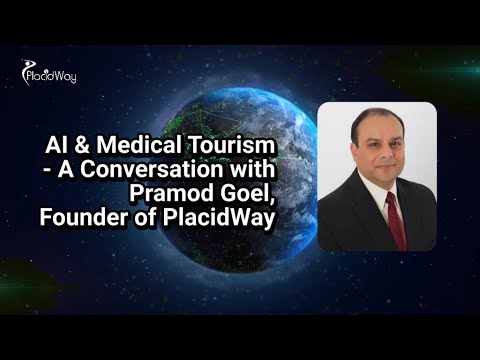
Pramod Goel, CEO of PlacidWay Medical Tourism Interview: How AI is Transforming Patient Journeys
Stem Cell Therapy
PlacidWay Medical Tourism
Malaysia
Learn More with These Stem Cell Therapy Articles
Take a look at these interesting articles, stories and research that will help you learn more about Stem Cell Therapy.

How Stem Cell Therapy Helps Patients with Brain Injuries at FirstCell Clinic in Kuala Lumpur, Malaysia
FirstCell Malaysia
- Stem Cell Therapy
Malaysia

Ghana Medical Travel Trends: The Growing Exodus to India for Regenerative Treatment of Sickle Cell Anemia and Blood Disorders
PlacidWay Medical Tourism
- Stem Cell Therapy
India

Blood Disorders? Stem Cells Are Offering New Hope for Malaysians in Tokyo
PlacidWay Medical Tourism
- Stem Cell Therapy
Japan

Why are Families Flocking to Kuala Lumpur for Advanced Cord-Tissue Stem Cell Success?
PlacidWay Medical Tourism
- Stem Cell Therapy
Malaysia
Stem Cell Therapy Solutions Near You: Explore Top Medical Centers
Discover how Stem Cell Therapy is transforming lives at leading medical centers in , Malaysia. Dive into center profile, specialties, doctors, reviews, etc. and explore the best options tailored to your needs in this region.

Live Stem Cell Asia - Premier Stem Cell Clinic in Malaysia
Petaling Jaya, Malaysia
FirstCell Malaysia
Kuala Lumpur, Malaysia








A year ago, I underwent stem cell therapy here. The entire process has been smooth, thanks to the clear explanations provided by the experienced doctor and nurse. I'm now eagerly awaiting the arrival of my first baby.
Read More