
What treatment


2+ Best Clinics for Stem Cell Treatment for Neurological Diseases in Costa Rica
Trusted Medical Tourism Platform Since 2007
What are the best clinics for stem cell treatment for neurological diseases in Costa Rica?
The leading clinics for stem cell treatment for neurological diseases in Costa Rica are: Cellebration Wellness (San Jose), MEDICELL (San Ramon), and Lifebooster Wellness Center (Santa Cruz).
These facilities are regulated by the Costa Rican Ministry of Health and utilize mesenchymal stem cells (MSCs) derived from umbilical cord tissue, bone marrow, or adipose tissue. They specialize in treating conditions such as Multiple Sclerosis, Parkinson's disease, Alzheimer's, cerebral palsy, and post-stroke recovery. Treatment packages generally start from $8,000 USD, offering advanced regenerative care at a fraction of the cost compared to the United States.
 100.00% Patient Recommend
Cellebration Wellness - Stem Cell Clinic San Jose


Overview
Discover Cellebration Wellness in San Jose, Costa Rica, offering cutting-edge stem cell therapy for Multiple Sclerosis, diabetes, COPD, and more.
Read more details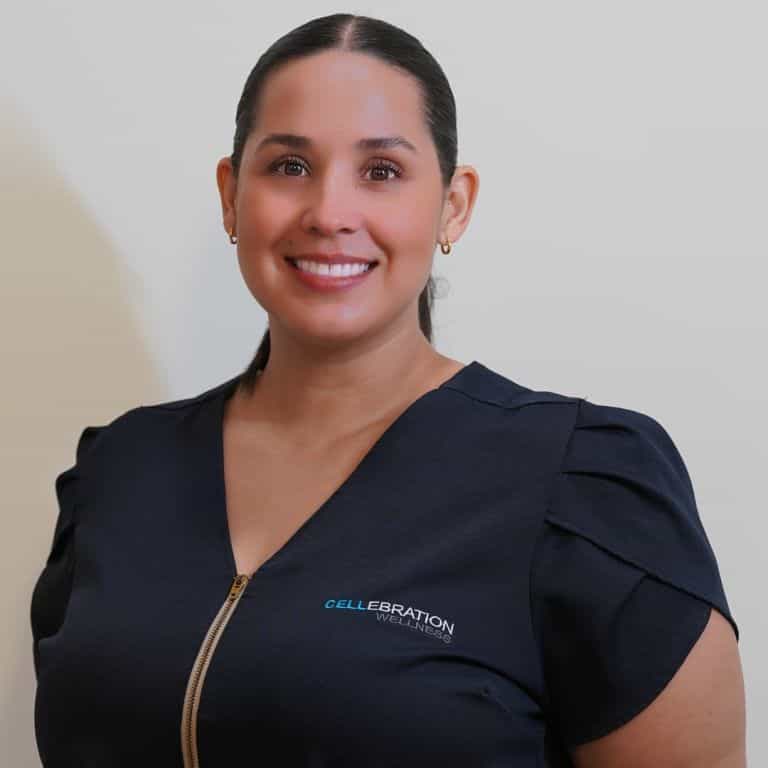


Lifebooster Wellness Center
Overview
Life Booster es un centro de bienestar integral especializado en medicina avanzada y preventiva. Nos enfocamos en tratamientos innovadores como terapia con células madre, exosomas y reemplazo hormonal
Read more details 100.00% Patient Recommend
MEDICELL
Overview
Experience cutting-edge stem cell therapy at MEDICELL, the top regenerative medicine clinic in San Ramon, Costa Rica. Contact us today to learn more!
Read more detailsWhich are the best clinics for Stem Cell Treatment for Neurological Diseases in Costa Rica?
When seeking top clinics for Stem Cell Treatment for Neurological Diseases in Costa Rica, look for facilities with strong patient recommendations, comprehensive services, and a focus on regenerative medicine. Based on patient feedback and specialized offerings, leading choices include Cellebration Wellness and MEDICELL, both known for their high patient satisfaction and advanced stem cell protocols tailored for neurological conditions.
Identifying the "best" clinics for neurological stem cell treatment in Costa Rica involves evaluating several factors beyond general reputation. Two standout facilities in this specialized field, based on available information, are Cellebration Wellness in San Jose and MEDICELL in San Ramon. Both clinics boast 100% patient recommendation rates from multiple reviews, indicating a high level of patient satisfaction and positive outcomes.
- Cellebration Wellness (San Jose): This clinic is recognized for offering advanced stem cell therapy for various conditions, including neurological diseases. Their approach often involves mesenchymal stem cells, known for their neuroprotective and regenerative properties, which can be crucial for conditions like Multiple Sclerosis.
- MEDICELL (San Ramon): Positioned as a leading regenerative medicine clinic, MEDICELL focuses on innovative treatments, including alternative medicine and ozone therapy alongside stem cells. Their patient testimonials highlight a commitment to personalized care and significant improvements in quality of life for individuals with complex conditions.
- Lifebooster Wellness Center (Santa Cruz): While newer in terms of public reviews, Lifebooster Wellness Center emphasizes advanced and preventive medicine, including stem cell therapy and exosomes, which are increasingly explored for neurological applications.
These clinics are often chosen for their commitment to patient-centric care, integration of modern regenerative techniques, and the supportive environment they provide, which is essential for patients undergoing complex treatments for neurological conditions.
What neurological conditions can be treated with stem cell therapy in Costa Rica?
Stem cell therapy in Costa Rica addresses a spectrum of neurological conditions by leveraging the regenerative potential of cells to repair damaged tissues and reduce inflammation. Clinics often treat disorders like Multiple Sclerosis, Parkinson's disease, neuropathies, cerebral palsy, and post-stroke recovery, aiming to improve motor function, cognitive abilities, and overall quality of life.
Clinics in Costa Rica specializing in stem cell treatments for neurological diseases typically offer therapies for a wide array of conditions. These treatments focus on harnessing the body's natural healing mechanisms to potentially regenerate damaged neural tissue, modulate immune responses, and reduce inflammation, which are key components in many neurological disorders. Commonly treated neurological conditions include:
- Multiple Sclerosis (MS): Stem cells may help reduce inflammation, protect existing nerve cells, and potentially promote remyelination, aiding in symptom management and disease progression.
- Parkinson's Disease: Therapies aim to protect dopamine-producing neurons, potentially improving motor symptoms and slowing degeneration.
- Stroke Recovery: Stem cells can assist in repairing brain damage, promoting neuroplasticity, and restoring lost functions post-stroke.
- Cerebral Palsy: Treatment focuses on improving motor skills, cognitive function, and reducing spasticity in children and adults.
- Neuropathies: Addressing nerve damage, whether from diabetes or other causes, to alleviate pain and restore sensation.
- Alzheimer's Disease: Early research suggests stem cells could help in reducing amyloid plaques and tau tangles, improving cognitive decline.
- Amyotrophic Lateral Sclerosis (ALS): Efforts are directed at protecting motor neurons and potentially slowing disease progression.
Patients considering treatment should consult directly with clinics to understand specific protocols and suitability for their particular neurological diagnosis.
What types of stem cell therapies are available for neurological disorders in Costa Rica?
Clinics in Costa Rica utilize various stem cell types for neurological disorders, primarily focusing on mesenchymal stem cells (MSCs) derived from umbilical cord tissue, adipose tissue (fat), or bone marrow. These MSCs are valued for their immunomodulatory, anti-inflammatory, and regenerative properties, which can help repair damaged neural pathways and improve neurological function.
The landscape of stem cell therapy for neurological disorders in Costa Rica primarily revolves around the use of mesenchymal stem cells (MSCs). These cells are preferred due to their multipotent differentiation capabilities, ease of access, and strong immunomodulatory and trophic effects, which are beneficial for addressing neural damage and inflammation.
Common sources and types of stem cell therapies offered include:
- Allogeneic Umbilical Cord Tissue-Derived Mesenchymal Stem Cells (UC-MSCs): This is a popular option due to their youthful vitality, high proliferative capacity, and low immunogenicity, meaning they are less likely to be rejected by the patient's immune system. They are harvested from donated umbilical cord tissue after healthy births.
- Autologous Adipose-Derived Stem Cells (ADSCs): These MSCs are extracted from the patient's own fat tissue through a mini-liposuction procedure. They are a rich source of MSCs and eliminate the risk of immune rejection.
- Autologous Bone Marrow-Derived Mesenchymal Stem Cells (BM-MSCs): Harvested from the patient's own bone marrow, these cells also offer an autologous option, rich in progenitor cells valuable for regenerative processes.
The specific stem cell type and source chosen depend on the patient's condition, overall health, and the clinic's specialized protocols. Clinics often combine these therapies with other regenerative approaches, such as exosome therapy or IV nutritional support, to enhance treatment outcomes for neurological conditions.
What should I look for in a reputable stem cell clinic for neurological diseases in Costa Rica?
When selecting a neurological stem cell clinic in Costa Rica, prioritize regulatory compliance, physician expertise, transparent communication about treatment efficacy and risks, and comprehensive patient support. Seek out clinics with clear protocols for stem cell sourcing and administration, evidence-based practices, and positive patient testimonials to ensure a safe and effective treatment experience.
Choosing a reputable clinic is paramount for effective and safe stem cell treatment for neurological diseases. Here’s what to look for:
- Accreditation and Regulations: Ensure the clinic adheres to Costa Rican health regulations and international best practices for regenerative medicine. Look for affiliations with recognized medical bodies.
- Physician Expertise: Verify that the medical team, especially the neurologists and regenerative medicine specialists, have extensive experience and specialized training in treating neurological conditions with stem cells.
- Transparency in Treatment: A reputable clinic will clearly explain the specific type of stem cells used (e.g., mesenchymal stem cells from umbilical cord or adipose tissue), their source, and the method of administration. They should provide realistic expectations regarding potential outcomes and any associated risks.
- Patient-Centric Care: The clinic should offer personalized treatment plans, considering your specific neurological condition, medical history, and individual needs. Good communication and patient education are crucial.
- Safety Protocols: Inquire about their safety measures, including screening of stem cell donors (if allogeneic cells are used), sterility during procedures, and adverse event reporting.
- Post-Treatment Support: Understand the follow-up care, rehabilitation recommendations, and monitoring protocols to track your progress and address any concerns.
- Ethical Standards: Ensure the clinic operates with high ethical standards regarding patient consent, research involvement, and advertising claims.
Thorough research and direct communication with potential clinics will help you make an informed decision.
What can I expect during my initial consultation for neurological stem cell therapy in Costa Rica?
During your initial consultation for neurological stem cell therapy in Costa Rica, you can expect a comprehensive review of your medical history, current neurological condition, and previous treatments. Clinicians will discuss the suitability of stem cell therapy, explain potential protocols, and detail expected outcomes and risks, allowing ample opportunity to ask questions and clarify concerns.
The initial consultation is a critical step in determining if stem cell therapy is right for your neurological condition. Here's a breakdown of what you can typically expect:
- Detailed Medical History Review: The medical team will meticulously go over your complete medical records, including diagnostic reports (MRI, CT scans, nerve conduction studies), current medications, allergies, and any prior treatments for your neurological disease.
- Current Condition Assessment: You'll undergo a thorough physical examination focusing on neurological function, motor skills, sensation, and cognitive abilities relevant to your condition. Some clinics might request recent blood tests or additional imaging.
- Discussion of Treatment Goals: This is where you openly discuss your expectations and desired outcomes from the therapy. The medical professional will provide an honest assessment of whether these goals are realistic given your specific diagnosis and the current evidence for stem cell therapy.
- Explanation of Stem Cell Options: The clinic will outline the types of stem cells they utilize (e.g., umbilical cord-derived MSCs, adipose-derived MSCs), their sourcing, preparation methods, and proposed administration routes (e.g., intravenous, intrathecal, local injection).
- Potential Benefits and Risks: A clear, balanced discussion of the potential benefits, known risks, and possible side effects associated with the proposed stem cell therapy will be provided.
- Personalized Treatment Plan Outline: If deemed a suitable candidate, you'll receive a preliminary outline of your customized treatment plan, including the number of sessions, duration, and any preparatory steps.
- Q&A Session: This is your opportunity to ask any questions you have about the treatment, the clinic, logistics, or anything else that comes to mind. Don't hesitate to seek clarification.
This comprehensive approach ensures that both you and the medical team are aligned on the potential path forward.
Are there specific patient support services offered by neurological stem cell clinics in Costa Rica?
Yes, leading neurological stem cell clinics in Costa Rica often provide comprehensive patient support services beyond the medical procedure. These can include multilingual patient coordinators, assistance with travel and accommodation, local transport, post-treatment rehabilitation, nutritional guidance, and continuous follow-up to ensure a holistic recovery experience.
Neurological stem cell treatment can be a profound journey, and reputable clinics in Costa Rica understand the importance of robust patient support. Their services are designed to make the entire experience as smooth and stress-free as possible, focusing on both medical care and overall well-being.
Typical patient support services may include:
- Dedicated Patient Coordinators: Many clinics assign a personal coordinator who assists with scheduling, answers non-medical questions, and helps navigate the treatment process. Often, these coordinators are multilingual to support international patients.
- Travel and Accommodation Assistance: For international patients, clinics frequently offer help with airport transfers, booking suitable accommodation, and local transportation to and from the clinic.
- Pre-Treatment Education: Comprehensive materials and sessions are provided to ensure patients fully understand their treatment plan, potential outcomes, and preparation requirements.
- Post-Treatment Rehabilitation: This can include recommendations for physical therapy, occupational therapy, or other specialized rehabilitation programs tailored to neurological recovery.
- Nutritional and Lifestyle Counseling: To optimize recovery and long-term health, clinics often provide advice on diet, supplements, and lifestyle adjustments.
- Psychological Support: Dealing with neurological conditions can be emotionally challenging. Some clinics offer access to counseling or support groups to address mental and emotional well-being.
- Follow-up and Monitoring: Structured follow-up plans, which may include virtual consultations, medical questionnaires, or recommendations for local neurological check-ups, are typically in place to monitor progress and address any concerns.
These services create a supportive ecosystem, enhancing the patient's treatment journey and aiding in optimal recovery from neurological disorders.
How do Costa Rican clinics ensure patient safety in stem cell treatments for neurological diseases?
Costa Rican clinics prioritize patient safety in neurological stem cell treatments by adhering to rigorous national health regulations, using only ethically sourced and screened stem cells, maintaining sterile processing environments, and employing highly trained medical professionals. They implement strict protocols for cell preparation, administration, and post-treatment monitoring to minimize risks and ensure optimal care.
Patient safety is a cornerstone of responsible medical practice, especially in specialized fields like neurological stem cell therapy. Clinics in Costa Rica committed to high standards implement several measures to ensure patient well-being:
- Regulatory Compliance: Reputable clinics operate under the strict guidelines set by the Costa Rican Ministry of Health, which regulates the use and application of stem cell therapies. This includes adherence to protocols for facility standards, laboratory practices, and patient consent.
- Ethical Sourcing and Screening of Stem Cells:
- Allogeneic Cells (from donors): If using umbilical cord-derived stem cells, clinics ensure that these are obtained from fully screened, healthy donors who have consented to the donation after live, healthy births. Donors are tested for infectious diseases, and the cells are processed in accredited laboratories to ensure purity and viability.
- Autologous Cells (from patient's own body): For adipose or bone marrow-derived stem cells, strict sterile procedures are followed during the harvesting process to prevent contamination and infection.
- Sterile Processing and Administration: Stem cell processing is conducted in certified cleanroom laboratories to prevent contamination. Administration procedures are performed by experienced medical personnel in sterile clinical environments.
- Qualified Medical Team: Treatments are overseen by board-certified physicians specializing in regenerative medicine, neurology, and relevant fields, ensuring expert assessment, administration, and management of care.
- Pre-treatment Assessment: Thorough patient evaluations minimize risks by identifying individuals who may not be suitable for therapy due to underlying health issues.
- Continuous Monitoring: Patients are closely monitored during and after the procedure for any adverse reactions, and emergency protocols are in place.
These measures collectively contribute to a safe treatment environment, providing peace of mind for patients seeking regenerative therapies for their neurological conditions.
What kind of follow-up care is typically provided after stem cell treatment for neurological conditions in Costa Rica?
After stem cell treatment for neurological conditions in Costa Rica, clinics typically provide structured follow-up care to monitor progress and optimize long-term results. This often includes scheduled virtual consultations, periodic questionnaires to assess functional improvements, personalized rehabilitation recommendations (physical, occupational therapy), and nutritional guidance, ensuring ongoing support for patient recovery.
Effective follow-up care is crucial for maximizing the benefits of stem cell therapy for neurological conditions and for monitoring the patient's overall health and progress. Clinics in Costa Rica offering these specialized treatments emphasize a comprehensive post-treatment plan.
Typical follow-up care often includes:
- Scheduled Consultations: Patients usually have follow-up appointments, often via teleconference for international patients, at predetermined intervals (e.g., 1 month, 3 months, 6 months, 1 year post-treatment). These sessions allow the medical team to assess recovery, discuss any changes in symptoms, and adjust recommendations as needed.
- Progress Monitoring: Patients might be asked to complete detailed questionnaires or functional scales to track improvements in neurological symptoms, mobility, pain levels, and quality of life. This data helps evaluate treatment efficacy.
- Rehabilitation Recommendations: Depending on the neurological condition, clinics provide personalized recommendations for physical therapy, occupational therapy, speech therapy, or other rehabilitative exercises. These are vital for reinforcing neurological gains.
- Nutritional and Lifestyle Advice: Ongoing guidance on diet, hydration, and supplements is common, aimed at supporting cellular regeneration and overall health. Specific lifestyle modifications might also be suggested.
- Local Physician Coordination: Clinics may assist in communicating with the patient’s local healthcare providers to ensure continuity of care and integrate the stem cell treatment into their existing medical management.
- Adverse Event Reporting: Patients are encouraged to report any unexpected side effects or concerns promptly, ensuring that the clinic can provide timely advice or intervention.
This continuous support system is designed to facilitate the best possible long-term outcomes and manage expectations realistically for complex neurological disorders.
Do clinics in Costa Rica utilize advanced technologies for neurological stem cell procedures?
Yes, leading stem cell clinics in Costa Rica often integrate advanced technologies and techniques into their neurological treatment protocols. This includes utilizing sophisticated imaging for precise cell delivery, employing state-of-the-art laboratory facilities for stem cell isolation and expansion, and incorporating innovative adjunct therapies like hyperbaric oxygen or exosome treatments to enhance regenerative outcomes for neurological patients.
Costa Rica has become a hub for medical tourism, partly due to its adoption of advanced medical technologies in specialized fields like regenerative medicine. Clinics offering neurological stem cell treatments are no exception, continuously seeking to enhance efficacy and patient safety through innovation.
Key technological integrations often include:
- Advanced Imaging Guidance: For precise delivery of stem cells to targeted neurological areas (e.g., spinal cord, specific brain regions), clinics may use real-time imaging technologies like fluoroscopy or ultrasound. This ensures accuracy and minimizes potential damage to surrounding tissues.
- State-of-the-Art Laboratory Facilities: The quality and viability of stem cells are paramount. Reputable clinics operate or partner with laboratories equipped with advanced technology for:
- Cell Isolation and Processing: Using automated systems to efficiently and safely extract stem cells from adipose tissue or bone marrow.
- Cell Culture and Expansion: Employing bioreactors and controlled environments to multiply stem cells to therapeutic numbers while maintaining their potency and purity.
- Quality Control: Rigorous testing using flow cytometry and other analytical tools to ensure the safety, sterility, and viability of the cell product before administration.
- Adjunctive Therapies: Many clinics complement stem cell infusions with other advanced regenerative modalities to optimize results for neurological patients. These might include:
- Hyperbaric Oxygen Therapy (HBOT): To increase oxygen delivery to tissues, which can support healing and reduce inflammation.
- Exosome Therapy: Utilizing exosomes, which are tiny vesicles containing growth factors and signaling molecules, to further enhance cellular communication and regenerative processes.
- Intravenous (IV) Nutritional Support: Customized IV drips containing vitamins, minerals, and amino acids to support overall cellular health and recovery.
These technological advancements underscore the commitment of Costa Rican clinics to providing cutting-edge care for neurological diseases.
What is the typical patient journey for stem cell therapy for neurological diseases in Costa Rica?
The patient journey for neurological stem cell therapy in Costa Rica typically begins with an initial consultation and medical review to assess suitability. This leads to a personalized treatment plan, followed by the stem cell procedure itself (harvesting, processing, and administration). Post-treatment, patients undergo a recovery period, often with rehabilitation and continuous remote monitoring, culminating in long-term follow-up to track progress.
Understanding the typical patient journey can help manage expectations and provide clarity for individuals considering stem cell therapy for neurological diseases in Costa Rica. While exact protocols may vary slightly between clinics, the general path is structured and patient-focused.
Here's a common outline:
- Phase 1: Initial Consultation & Evaluation (Remote or On-site):
- Medical Review: Patients submit detailed medical records, including diagnosis, imaging, and previous treatments.
- Physician Assessment: A specialist reviews the case to determine eligibility and discusses potential outcomes, risks, and benefits.
- Treatment Plan Development: If suitable, a personalized treatment plan is created, detailing the type of stem cells, number of infusions, and duration.
- Phase 2: Pre-Treatment & Preparation:
- Travel Arrangements: For international patients, clinics often assist with booking flights, accommodations, and local transport.
- Pre-Procedure Instructions: Patients receive guidelines on diet, medications to avoid, and other preparations.
- Final Health Checks: On arrival, a final physical examination and blood tests confirm the patient's readiness for treatment.
- Phase 3: The Procedure:
- Stem Cell Harvest (if autologous): Adipose tissue or bone marrow is harvested under local anesthesia.
- Cell Processing: Stem cells are isolated, concentrated, and/or expanded in a sterile laboratory.
- Cell Administration: The prepared stem cells are administered, typically via intravenous (IV) infusion, intrathecal injection (into the spinal fluid), or specific localized injections, depending on the neurological condition.
- Phase 4: Post-Treatment & Recovery:
- Observation: Patients are monitored for a short period post-procedure.
- Initial Recovery: A few days to a week of local recovery in Costa Rica, often with light activity and rest.
- Rehabilitation & Lifestyle: Recommendations for ongoing physical therapy, nutritional support, and lifestyle adjustments are provided.
- Phase 5: Long-Term Follow-up:
- Remote Monitoring: Regular virtual check-ups and symptom questionnaires are used to track progress over several months to a year.
- Support: Continued access to patient coordinators for questions and support.
This structured journey ensures that patients receive continuous care and support throughout their stem cell therapy for neurological conditions.
What accreditations or certifications should a stem cell clinic for neurological diseases in Costa Rica hold?
A reputable stem cell clinic for neurological diseases in Costa Rica should ideally hold national licensure from the Costa Rican Ministry of Health and adhere to international standards. While specific "stem cell accreditations" are still evolving globally, look for clinics with ISO certifications, affiliations with medical societies, and a transparent commitment to ethical practices and patient safety.
Given that the field of stem cell therapy is relatively new and rapidly evolving, specific international accreditations solely for "stem cell clinics" are still under development. However, discerning patients can look for several key indicators of a clinic's commitment to quality, safety, and ethical practice, particularly for complex neurological treatments.
Essential accreditations and certifications include:
- National Licensure: The clinic must be fully licensed and regulated by the Costa Rican Ministry of Health (Ministerio de Salud de Costa Rica). This ensures adherence to national healthcare standards for facility operation, medical personnel, and basic patient safety.
- International Quality Management Systems (e.g., ISO 9001): While not specific to stem cells, ISO certification indicates a clinic's commitment to international quality management standards, covering patient care, administrative processes, and facility operations.
- Physician Credentials: Verify that the medical doctors are licensed to practice in Costa Rica and hold board certifications or specialized training in relevant fields such as neurology, regenerative medicine, or cellular therapy. Membership in professional medical associations also demonstrates commitment to professional standards.
- Laboratory Certifications: If the clinic processes stem cells on-site, inquire about the laboratory's certifications. Look for evidence that the lab adheres to Good Manufacturing Practice (GMP) or Good Laboratory Practice (GLP) standards, ensuring the safety, purity, and potency of the cell products.
- Transparency and Ethical Practice: While not a certification, a clinic's transparency about its protocols, cell sourcing, research participation, and clear communication regarding realistic expectations and potential risks is a strong indicator of ethical standards.
Patients should actively inquire about these credentials during their research and consultation phase to ensure they receive care from a credible and responsible provider.
How do clinics in Costa Rica manage patient expectations for neurological stem cell treatments?
Clinics in Costa Rica manage patient expectations for neurological stem cell treatments through transparent, evidence-based communication during consultations. They provide realistic assessments of potential improvements, discuss limitations, emphasize individualized responses, and outline the ongoing rehabilitation required, ensuring patients understand that stem cell therapy is not a guaranteed cure but a regenerative aid to improve quality of life.
Managing patient expectations is a crucial aspect of ethical and effective care, especially for innovative therapies like neurological stem cell treatments. Reputable clinics in Costa Rica adopt a transparent and educational approach to ensure patients have a clear understanding of what to expect.
This typically involves:
- Realistic Outcome Discussions: During initial consultations, medical professionals clearly communicate that stem cell therapy for neurological diseases is generally considered a regenerative approach aimed at improving symptoms and functional capacity, rather than an instant cure. They set expectations for gradual improvements over time.
- Emphasis on Individual Variability: Clinics explain that treatment responses can vary significantly among individuals due to differences in disease progression, overall health, and genetic factors. What works for one patient may not produce identical results for another.
- Data-Driven Information: Providing information based on current clinical research, published studies, and the clinic's own patient data (while respecting privacy) helps ground expectations in scientific evidence rather than anecdotal success stories.
- Highlighting the Role of Adjunctive Therapies: Patients are informed that stem cell therapy is often part of a broader treatment strategy that includes rehabilitation (physical, occupational, speech therapy), nutritional support, and lifestyle modifications. Continued engagement in these areas is crucial for maximizing benefits.
- Detailed Risk-Benefit Analysis: A thorough discussion of potential risks and side effects, alongside the benefits, ensures patients make informed decisions without underestimating challenges.
- No Guaranteed Cures: Clinics explicitly state that while significant improvements are often seen, complete cures for complex neurological diseases are not guaranteed, and the primary goal is often to enhance quality of life and manage symptoms.
By fostering open and honest communication, these clinics build trust and empower patients to make well-informed choices about their neurological stem cell treatment journey.
What is the role of neurological rehabilitation alongside stem cell therapy in Costa Rica?
Neurological rehabilitation is a critical component alongside stem cell therapy in Costa Rica, enhancing treatment efficacy by promoting neural pathway reorganization and functional recovery. Stem cells provide the biological repair mechanisms, while targeted rehabilitation stimulates brain plasticity, helps retrain motor skills, and integrates new neural connections, maximizing functional improvements for patients with neurological conditions.
Neurological rehabilitation plays a profoundly synergistic role with stem cell therapy in Costa Rica, amplifying the potential benefits of the regenerative treatment. Stem cells work at a cellular level, aiming to repair damage, reduce inflammation, and create a more favorable environment for neural regeneration. However, this biological repair needs to be guided and solidified through functional training.
The key aspects of this synergy include:
- Maximizing Neural Plasticity: Stem cells can potentially introduce new, healthy cells or support the repair of existing ones. Rehabilitation, such as physical, occupational, or speech therapy, provides the necessary stimulation to encourage these new cells or repaired pathways to integrate into functional networks. It helps the brain "rewire" itself more effectively.
- Functional Retraining: For conditions affecting motor skills (e.g., Parkinson's, stroke, cerebral palsy), rehabilitation directly addresses the retraining of movement patterns. As stem cells contribute to a healthier neural environment, the brain's capacity to learn and adapt improves, making rehabilitation more effective.
- Enhancing Mobility and Independence: While stem cells lay the groundwork for repair, intensive therapy helps translate these cellular improvements into tangible gains in strength, balance, coordination, and cognitive function, ultimately leading to greater independence in daily activities.
- Reducing Secondary Complications: Rehabilitation can prevent muscle atrophy, joint contractures, and other secondary issues that often arise from neurological conditions and immobility.
- Personalized Programs: Clinics often collaborate with rehabilitation specialists to design customized programs that start shortly after stem cell administration and continue long-term, either locally in Costa Rica or coordinated with the patient’s home country.
In essence, stem cells provide the "hardware upgrade," and neurological rehabilitation offers the "software update," allowing patients to fully harness their body's renewed potential.
What diagnostic tests are required before undergoing neurological stem cell therapy in Costa Rica?
Before neurological stem cell therapy in Costa Rica, patients typically undergo comprehensive diagnostic tests to assess their condition and overall health suitability. These include detailed neurological examinations, advanced imaging (MRI, CT scans), blood tests (complete blood count, metabolic panel, inflammatory markers), and potentially nerve conduction studies or lumbar punctures, ensuring a precise understanding of the patient's neurological status.
A thorough diagnostic workup is an essential prerequisite for neurological stem cell therapy in Costa Rica. This extensive evaluation ensures patient safety and helps the medical team design the most appropriate and personalized treatment plan. The required tests typically aim to confirm the neurological diagnosis, assess its severity, identify any underlying health issues, and evaluate the patient's general fitness for the procedure.
Common diagnostic tests include:
- Comprehensive Neurological Examination: A specialist will conduct a detailed physical and neurological assessment to evaluate motor function, reflexes, sensation, coordination, balance, and cognitive status.
- Advanced Imaging:
- Magnetic Resonance Imaging (MRI): Essential for visualizing brain and spinal cord structures, detecting lesions, atrophy, or other abnormalities relevant to conditions like Multiple Sclerosis, stroke, or spinal cord injury.
- Computed Tomography (CT) Scans: May be used for bone structure assessment or in specific cases where MRI is contraindicated.
- Extensive Blood Work:
- Complete Blood Count (CBC): To assess overall blood health and detect infections or anemia.
- Comprehensive Metabolic Panel (CMP): To evaluate kidney and liver function, electrolyte balance, and blood glucose levels.
- Inflammatory Markers (e.g., CRP, ESR): To detect systemic inflammation.
- Infectious Disease Screening: Tests for HIV, Hepatitis B and C, syphilis, and other transmissible diseases are crucial.
- Autoimmune Markers: If an autoimmune neurological condition is suspected.
- Electrophysiological Studies:
- Nerve Conduction Studies (NCS) and Electromyography (EMG): To assess nerve and muscle function, particularly for neuropathies or motor neuron diseases.
- Evoked Potentials (EP): To measure electrical activity in the brain in response to sensory stimulation, useful for conditions like MS.
- Lumbar Puncture (Spinal Tap): In some cases, a cerebrospinal fluid (CSF) analysis might be required to detect biomarkers or inflammatory cells for certain neurological diseases.
These diagnostic steps collectively provide a complete picture of the patient's health status, guiding the medical team in making informed decisions about stem cell therapy.
How PlacidWay helps individuals access Stem Cell Treatment for Neurological Diseases in Costa Rica?
How PlacidWay helps individuals access Stem Cell Treatment for Neurological Diseases in Costa Rica?
PlacidWay provides detailed, up-to-date information about Stem Cell Treatment for Neurological Diseases, including benefits, risks, and expected outcomes. We help users compare treatment in various clinics, ensuring affordable options without compromising on quality. PlacidWay assists users in finding trusted, accredited clinics and medical professionals specializing in Stem Cell Treatment for Neurological Diseases in Costa Rica. We offer one-on-one consultations to help users make informed decisions about their treatment, ensuring their specific needs are met. PlacidWay ensures continued support after the treatment, including follow-up care and recovery assistance. Ready to get Stem Cell Treatment for Neurological Diseases in Costa Rica? Contact us today for a personalized consultation.Share with AI
Share this page with AI assistants to get summaries and insights


List of Best Stem Cell Treatment for Neurological Diseases Clinics in Costa Rica
Unlock the Best Stem Cell Therapy Packages Just for You
Discover the ultimate Stem Cell Therapy packages designed to meet your health and wellness goals. Choose the perfect fit for your journey.

Price starting from $9,099
Stem Cell Therapy for Neurological Disease Packages in Tijuana, Mexico by CellsTime Clinique
CellsTime Clinique Tijuana
- Stem Cell Therapy
Tijuana, Mexico

Price starting from $6,500
Stem Cell Therapy for Autism in Tijuana, Mexico
PlacidWay Mexico Medical Tourism
- Stem Cell Therapy
Tijuana,Mexicali, Mexico

Price starting from $8,000
Stem Cell Therapy for Autoimmune Disease Package in San Jose, Costa Rica by Cellebration Wellness
Cellebration Wellness - Stem Cell Clinic San Jose
- Stem Cell Therapy
San Jose, Costa Rica

Price starting from $5,995
Stem Cell Therapy for Neurological Disease Package in Guadalajara, Mexico by Instituto de Terapia Celular
Instituto de Terapia Celular - Stem Cell Guadalajara Mexico
- Stem Cell Therapy
Tijuana,Guadalajara, Mexico
Transformative Stem Cell Therapy Experiences: Dive into Procedure Insights
Discover the power of Stem Cell Therapy through compelling patient experiences. Uncover detailed insights into procedures, recovery journeys, and life-changing results.
.png)
Price starting from $4,599
Osteoarthritis Stem Cell Treatment in Mexico
- Stem Cell Therapy for Osteoarthritis, Stem Cell Therapy
Mexico
-(1).png)
Price starting from $5,000
Stem Cell Therapy for Multiple Sclerosis in Mexico
- Stem Cell Treatment for Multiple Sclerosis, Stem Cell Therapy
Mexico

Price starting from $8,000
Stem Cell Therapy for Osteoarthritis in Costa Rica
- Stem Cell Therapy for Osteoarthritis, Stem Cell Therapy
Costa Rica

Price starting from $8,000
Stem Cell Therapy for Autoimmune Disease in Costa Rica
- Stem Cell Treatment for Autoimmune Diseases, Stem Cell Therapy
Costa Rica
Explore Stem Cell Therapy: Stories, Testimonials, and Procedures
Watch in-depth videos covering everything from Stem Cell Therapy success stories to detailed procedure explanations. Learn what to expect and hear from real patients.
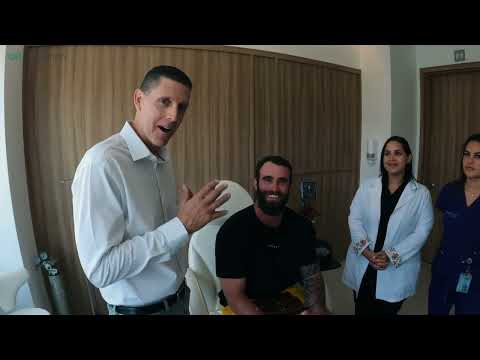
Advanced Stem Cell Therapy Procedures in San Jose, Costa Rica for Optimal Recovery
Stem Cell Therapy
Cellebration Wellness - Stem Cell Clinic San Jose
Costa Rica
Breakthrough Stem Cell Therapy for Psoriasis in San Jose, Costa Rica
Stem Cell Therapy
Cellebration Wellness - Stem Cell Clinic San Jose
Costa Rica

The Future of Medical Tourism: How PlacidWay is Innovating Patient Acquisition for Regenerative Medicine and Orthopedic Clinics
Stem Cell Therapy
PlacidWay Medical Tourism
Costa Rica

Pramod Goel, CEO of PlacidWay Medical Tourism Interview: How AI is Transforming Patient Journeys
Stem Cell Therapy
PlacidWay Medical Tourism
Costa Rica
Learn More with These Stem Cell Therapy Articles
Take a look at these interesting articles, stories and research that will help you learn more about Stem Cell Therapy.

The Dopamine Defense: How Santo Domingo’s Neuro-Regenerative Hubs are Slowing Disease Trajectories for Global Patients
PlacidWay Medical Tourism
- Stem Cell Therapy
Dominican Republic

Defending Dopamine: Advanced Neurological Cell Therapies Amidst Puerto Vallarta’s Serenity
PlacidWay Medical Tourism
- Stem Cell Therapy
Mexico

Neural Navigation: Why Santo Domingo is the New Frontline for Combining Stem Cells with Advanced Robotic Rehabilitation
PlacidWay Medical Tourism
- Stem Cell Therapy
Dominican Republic
.png)
Revolutionary Stem Cell Treatments for Neurological Conditions in Mexico City: Inside MexStemCells Clinic’s Success
PlacidWay Mexico Medical Tourism
- Stem Cell Therapy
Mexico
Stem Cell Therapy Solutions Near You: Explore Top Medical Centers
Discover how Stem Cell Therapy is transforming lives at leading medical centers in , Costa Rica. Dive into center profile, specialties, doctors, reviews, etc. and explore the best options tailored to your needs in this region.
Cellebration Wellness - Stem Cell Clinic San Jose
San Jose, Costa Rica
Lifebooster Wellness Center
Santa Cruz, Costa Rica
MEDICELL
San Ramon, Costa Rica








I had an incredible experience with Cellebration Wellness. The facility felt more like a luxury spa than a clinic, the staff was professional and compassionate, and the entire stem cell process—from prep to post-care—was smooth and supportive. Highly recommend for anyone exploring regenerative therapy.
Read More