
What treatment


1 Best Fertility Treatment Doctors in South Korea
Top Rated Fertility Treatment Specialists in South Korea with 5 Verified Patient Reviews | Avg. Rating 5.0★
Trusted Medical Tourism Platform Since 2007
We feature 1 top-rated fertility treatment specialists in South Korea, holding a 5.0-star average across 5 verified patient reviews. Patients have access to established clinics and medical centers throughout the region that focus on customized reproductive endocrinology and specialized infertility management.
These medical professionals perform targeted treatments, including standard IVF, ICSI, and egg freezing. Care is managed by specialists holding certifications from the Korean Board of Obstetrics and Gynecology, KSRM, and ASRM. Additional active credentials include ESHRE recognition and REI sub-specialization, with procedures safely completed inside JCI-accredited facilities. Medical centers support patients visiting from abroad by offering English-speaking doctors, in-house interpreters for Russian and Arabic, and initial virtual consultations to organize care before traveling.
 Language: English,Korean
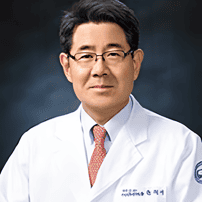
Dr. Yoon Tae Ki, M.D., Ph.D.
- IVF Specialist,
Dr. Yoon Tae Ki: Leading Fertility Specialist in Seoul, South Korea Dr. Yoon Tae Ki, M.D., Ph.D., is a highly experienced Fertility Specialist in Seoul, South Korea at CHA Gangn
Read more details
Complete List of Verified Fertility Treatment Doctors in South Korea
| Doctor | Location | Speciality | Center Name | Rating | Language |
|---|---|---|---|---|---|
| Dr. Yoon Tae Ki, M.D., Ph.D. |
Seoul, South Korea | IVF Specialist, | CHA Gangnam Medical Center | 5.0 | English, Korean |
Authored by
Amelia Pricilia
Amelia Pricilia- Fertility & Medical Tourism Writer A dedicated writer with 5+ years of experience and 1,100+ articles, translating complex reproductive science into compassionate, trusted patient guides for international IVF journeys.
Reviewed by
Dr. Brenda Sanchez
Consult with Dr. Brenda Sanchez, a leading fertility specialist in Mexico City, offering personalized care for IVF, infertility treatment, and reproductive health.
Last updated on
Frequently Asked Questions About
Who are the best fertility specialists in South Korea?
South Korea is renowned for exceptional reproductive endocrinologists. Top professionals include Dr. Yoon Tae Ki, M.D., Ph.D., a leading expert in complex IVF and fertility preservation. When evaluating specialists, look for doctors with high success rates in treating international patients. Dr. Yoon Tae Ki and similar top-tier experts boast clinical pregnancy rates exceeding 50% for standard IVF. Review doctor profiles on PlacidWay and schedule a virtual consultation to find the perfect match for your fertility journey.
What qualifications should I look for in a South Korean IVF expert?
When selecting a South Korean IVF expert, ensure they are a board-certified obstetrician and gynecologist with a subspecialty in reproductive endocrinology. Look for memberships in prestigious organizations like the Korean Society for Reproductive Medicine (KSRM) or the American Society for Reproductive Medicine (ASRM). Top specialists often hold Ph.D. degrees alongside their M.D. Always ask your prospective doctor for their specific training background. Verify their international accreditations before booking your treatment abroad.
How do I verify a fertility doctor's IVF success rates in South Korea?
Verifying an IVF specialist’s success rate in South Korea requires asking for data specific to your age group and fertility issue, rather than generic clinic numbers. Top doctors achieve live birth rates of 45-60% for women under 35. Request verified statistics from the Korean Ministry of Health and Welfare or clinic-specific audited reports. During your initial consultation, directly ask the doctor for their personal success rates with cases matching your diagnosis to make an informed decision.
Are there English speaking reproductive endocrinologists in South Korea for international patients?
Yes, South Korea caters extensively to medical tourists, offering numerous board-certified, English-speaking reproductive endocrinologists. Many top fertility specialists have completed fellowships in the US or UK, ensuring seamless communication. Dedicated international clinics also provide in-house medical interpreters free of charge for languages like English, Russian, and Arabic. To guarantee clear communication regarding complex IVF protocols, always confirm your chosen doctor's English proficiency or interpreter availability prior to booking your first appointment.
Why is Dr. Yoon Tae Ki considered a top fertility expert in South Korea?
Dr. Yoon Tae Ki, M.D., Ph.D., is globally recognized as a pioneer in fertility treatments and IVF in South Korea. He holds extensive experience in advanced reproductive technologies, including ICSI and egg freezing, catering to complex infertility cases. His background includes rigorous academic research and international board certifications, yielding success rates above the national average of 45%. Review Dr. Yoon Tae Ki's complete medical profile on PlacidWay to see if his expertise aligns with your needs.
What medical board certifications do top South Korean fertility doctors hold?
Elite fertility doctors in South Korea must pass rigorous exams by the Korean Board of Obstetrics and Gynecology, followed by a specialized fellowship in Reproductive Endocrinology and Infertility (REI). Many top-tier specialists also pursue international recognition, holding certifications from the European Society of Human Reproduction and Embryology (ESHRE). These credentials ensure they utilize the latest global IVF protocols. Always request proof of REI sub-specialization when comparing doctors to guarantee you receive the highest standard of care.
How much does an initial consultation with an IVF specialist in South Korea cost?
An initial consultation with a top-rated IVF specialist in South Korea typically costs between $100 and $250 USD. This fee usually includes a comprehensive medical history review, pelvic ultrasound, and a preliminary discussion of your personalized fertility protocol. Diagnostic blood work (like AMH testing) may add $150 to $300. Contact our patient coordinators today to get an exact quote and book your priority consultation with leading experts like Dr. Yoon Tae Ki.
How to choose a fertility doctor for complex cases like advanced maternal age in South Korea?
For advanced maternal age (over 35), you need a South Korean fertility specialist highly experienced in customized stimulation protocols, preimplantation genetic testing (PGT-A), and low ovarian reserve management. Seek doctors who actively publish research on diminished ovarian reserve and boast high blastocyst conversion rates. Ask prospective specialists how many patients over 40 they treat annually and their specific live birth rates for that demographic. Compare specialized doctors to ensure the best customized care plan.
Should I choose my South Korean fertility treatment based on the clinic or the specific doctor?
While high-tech embryology labs in top Korean clinics are crucial, your specific doctor dictates your personalized IVF protocol, which ultimately drives success. A skilled reproductive endocrinologist accurately adjusts hormone dosages and times your egg retrieval perfectly. Look for a synergy: a highly credentialed doctor like Dr. Yoon Tae Ki operating within a JCI-accredited facility. Always prioritize a doctor's individual expertise and communication style, then verify their clinic's lab quality before finalizing your decision.
How long is the wait time to see a top reproductive endocrinologist in South Korea?
Wait times to see a highly sought-after reproductive endocrinologist in South Korea range from 2 to 6 weeks, depending on the season and the doctor's international reputation. However, many international patient departments offer expedited booking channels for medical tourists, sometimes reducing wait times to just 7-10 days. Since fertility treatments are highly time-sensitive and tied to your menstrual cycle, contact a medical tourism facilitator immediately to secure your preferred dates and doctor.
Medical Disclaimer: The information provided on this page is for educational and informational purposes only and does not constitute medical advice. Always consult with a qualified healthcare professional before making any medical decisions. PlacidWay facilitates connections between patients and providers but does not endorse any specific doctor, clinic, or procedure. Individual results may vary, and surgical procedures carry risks including infection, scarring, and complications.
List of Best Fertility Treatment Doctors in South Korea
Fertility Treatment Solutions Near You: Explore Top Medical Centers
Discover how Fertility Treatment is transforming lives at leading medical centers in , South Korea. Dive into center profile, specialties, doctors, reviews, etc. and explore the best options tailored to your needs in this region.
CHA Gangnam Medical Center
Seoul, South Korea
SAM Medical Center
Gunpo, South Korea
MizMedi Hospital
Seoul, South Korea
Transformative Fertility Treatment Experiences: Dive into Procedure Insights
Discover the power of Fertility Treatment through compelling patient experiences. Uncover detailed insights into procedures, recovery journeys, and life-changing results.
.png)
Price starting from $7,500
IVF in Bangkok Thailand
- In Vitro Fertilization (IVF), Fertility Treatment
Bangkok, Thailand

Price starting from $11,000
Family Balancing in Thailand
- IVF with Gender Selection, Fertility Treatment
Thailand
.png)
Price starting from $10,000
IVF with Gender Selection in Bangkok Thailand
- IVF with Gender Selection, Fertility Treatment
Bangkok, Thailand
.png)
Price starting from $7,500
Egg Freezing in Bangkok Thailand
- Egg Freezing Treatment, Fertility Treatment
Bangkok, Thailand
Explore Fertility Treatment : Stories, Testimonials, and Procedures
Watch in-depth videos covering everything from Fertility Treatment success stories to detailed procedure explanations. Learn what to expect and hear from real patients.

CHA Medical Center: Leading Healthcare Services Across South Korea - Watch Video
Fertility Treatment
CHA Gangnam Medical Center
South Korea
Seoulful Healing: Unveiling Excellence in Health Tourism in South Korea
Fertility Treatment
PlacidKorea
South Korea

Fertility Center in Seoul, South Korea by CHA Gangnam Medical Center
Fertility Treatment
CHA Gangnam Medical Center
South Korea
High‑Success Advanced IVF Treatment at CHA Gangnam Medical Center, Seoul Korea
Fertility Treatment
PlacidWay Medical Tourism
South Korea
Learn More with These Fertility Treatment Articles
Take a look at these interesting articles, stories and research that will help you learn more about Fertility Treatment .
Comparing Bangkok’s IVF Costs to Australia: A 2026 Fertility Cost Analysis
PlacidWay Medical Tourism
- Fertility Treatment
Thailand

Important Information on Erectile Dysfunction Treatment in South Korea
PlacidWay Asia Medical Tourism
- Fertility Treatment
South Korea

How Much Does IVF Cost in Bangkok? Is Bangkok Good for IVF?
PlacidWay Medical Tourism
- Fertility Treatment
Thailand

IVF and Genetic Testing in India vs. Thailand: What Families Should Know
PlacidWay Medical Tourism
- Fertility Treatment
Thailand
We collaborate with internationally accredited hospitals and clinics to ensure the highest standards of safety, quality, and patient care.

JCI
Joint Commission International

ISO
International Organization for Standardization

COFEPRIS
COFEPRIS (Federal Commission for Sanitary Risk Protection - Mexico)

TURKEY MOH
Turkey Ministry of Health

DHCC
Dubai Healthcare City Authority (DHCC)

NABH
NABH (National Accreditation Board for Hospitals & Healthcare Providers - India)

KOREA MOHW
Korea Ministry of Health & Welfare (MOHW)
