

Contents
For couples dreaming of completing their family with a specific gender, Thailand stands out as a beacon of hope and advanced medical technology. Known globally as the "Land of Smiles," this Southeast Asian gem has established itself as a leader in reproductive medicine, specifically offering Preimplantation Genetic Testing (PGT-A) combined with IVF. This advanced screening process not only ensures the genetic health of your future child but allows for family balancing with incredible accuracy.
Choosing Family Balancing in Thailand means accessing world-class fertility centers in Bangkok, Phuket, and Chiang Mai that rival Western facilities in quality but at a fraction of the cost. The process here is transparent and medically rigorous. Thai fertility specialists utilize Next Generation Sequencing (NGS) technology, which provides the highest level of detail regarding the chromosomal health of your embryos.
Beyond the medical expertise, the supportive atmosphere of Thailand plays a crucial role. Stress is a known factor in fertility success; the serene environment, luxury hospitality, and compassionate care found in Thai clinics create the optimal mindset for successful treatment.
Whether you are seeking a boy to carry on the family name or a girl to complete your household, Thailand offers a scientifically proven, safe, and ethical pathway to achieve your family goals while ensuring your baby is free from genetic abnormalities.
Why Choose IVF in Thailand?
Thailand has become a premier destination for international couples seeking high-quality reproductive care, combining world-class clinical expertise with an unparalleled patient-centric experience that minimizes the stress often associated with fertility treatments.
-
Advanced Medical Infrastructure: Access to state-of-the-art clinics featuring the latest in embryology lab technology.
-
Cost-Effectiveness: High success rates provided at a fraction of the cost compared to the U.S., UK, or Australia.
-
Expert Specialists: Many Thai fertility experts are internationally trained and board-certified in reproductive medicine.
-
Holistic Healing Environment: The relaxing, luxury-hospitality culture helps reduce patient cortisol levels, which can positively impact IVF outcomes.
-
English-Speaking Support: Clinics offer comprehensive medical concierge services to ensure clear communication and support for international patients.
Understanding IVF and ICSI
In-Vitro Fertilization (IVF) is the process of fertilizing an egg with sperm outside the body in a specialized laboratory. Once fertilization occurs, the resulting embryo is monitored for several days before being transferred back into the uterus to facilitate pregnancy.
Intracytoplasmic Sperm Injection (ICSI) is an advanced technique often used in conjunction with IVF. It involves the direct injection of a single, healthy sperm into a mature egg. This method significantly increases fertilization rates, particularly in cases involving male factor infertility, and is a standard practice in Thai clinics to maximize the number of viable embryos available for genetic screening.
Gender Selection for Family Balance
Family balancing allows couples who have already had children to choose the gender of their next child to achieve a more balanced household. In Thailand, this is achieved through rigorous scientific methods rather than medical guesswork, ensuring high levels of precision.
By screening the embryos before implantation, specialists can identify the biological sex of each healthy embryo. This ensures that the process is not only effective in helping families reach their goals but is also performed with a primary focus on the genetic health and viability of the embryo being transferred.
NGS (Next-Generation Sequencing) for Accuracy
Next-Generation Sequencing (NGS) represents the gold standard in genetic screening for IVF. Unlike older technologies, NGS allows for the comprehensive analysis of all 23 pairs of chromosomes. This high-resolution testing ensures that embryos selected for transfer are free from chromosomal abnormalities (aneuploidy), which significantly lowers the risk of miscarriage and increases the likelihood of a successful, healthy pregnancy. For couples seeking gender selection, NGS provides 99.9% accuracy, making it the most reliable tool in modern reproductive medicine.
Benefits for International Couples
Thailand’s medical tourism industry is uniquely designed to cater to international patients, offering streamlined processes that make travel for fertility treatments simple and efficient. Clinics typically provide dedicated English-speaking case managers who coordinate every aspect of your medical journey, from initial virtual consultations to post-treatment follow-ups.
Furthermore, the integration of medical care with Thailand's world-famous hospitality allows couples to turn their fertility journey into a restorative retreat. This combination of clinical excellence, logistical support, and a peaceful recovery environment makes Thailand one of the most attractive options for couples worldwide.
Did You Know?
The term "Gender Selection" in Thailand is medically conducted as Preimplantation Genetic Testing (PGT-A). The primary goal is to screen embryos for chromosomal abnormalities (like Down Syndrome). The gender of the embryo is revealed as a secondary finding of this comprehensive health screening, allowing parents to choose a healthy embryo of the desired sex.
Key Insights at a Glance
Thailand boasts IVF success rates of 60-75% for women under 35, comparable to top U.S. clinics.
Clinics utilize Next Generation Sequencing (NGS), the most advanced method for 99.9% gender accuracy.
Treatment costs are typically 30-50% lower than in the United States or Australia.
Many fertility centers are JCI-accredited, ensuring high safety and hygiene standards.
While commercial surrogacy is banned, IVF with genetic screening is legal and regulated for married couples.
The "Relaxation Effect"
Studies suggest that stress reduction can improve IVF outcomes. Thailand's unique combination of medical treatment with a vacation-like atmosphere—complete with massages and beach visits—helps lower cortisol levels, potentially boosting your chances of a successful implantation.
Navigating fertility treatment costs can be complex, but all-inclusive packages simplify the process. In the section below, we have selected top-rated fertility centers offering comprehensive bundles. These packages generally include ovarian stimulation medications, egg retrieval, ICSI fertilization, PGT-A (genetic screening) for a set number of embryos, and the embryo transfer procedure. Explore these options to find a transparent plan that suits your family's needs.
Note: Packages often specify the number of embryos to be screened (e.g., up to 5 embryos). Be sure to check this limit.

Price starting from $11,000
IVF with Gender Selection in Thailand by Gift Fertility Bangkok
Best IVF & Fertility Treatments at Gift Fertility Bangkok
- Fertility Treatment
Bangkok, Thailand
Financial planning is a key step in your fertility journey. The table below outlines the average costs for IVF with Gender Selection (PGT-A) in Thailand compared to Western prices. You will notice significant cost advantages, often allowing patients to afford multiple cycles if necessary for the same price as one cycle in their home country. These figures are estimates to help you budget effectively.
Tip: Always ask if medication costs are included in the quote, as these can vary based on individual response to stimulation.
IVF with Gender Selection Centers Cost Comparison in Thailand
| Provider | Procedure | Price |
|---|---|---|
| Best IVF & Fertility Treatments at Gift Fertility Bangkok | IVF with Gender Selection, Fertility Treatment | $11000 |
IVF with Gender Selection Cost Comparison in Thailand
| Country | Procedure | Price |
|---|---|---|
| United Kingdom | IVF with Gender Selection, Fertility Treatment | $17000 |
| Australia | IVF with Gender Selection, Fertility Treatment | $15500 |
| United States | IVF with Gender Selection, Fertility Treatment | $20000 |
| Canada | IVF with Gender Selection, Fertility Treatment | $22000 |
Success in family balancing relies heavily on the quality of the embryology lab. We have curated a list of premier fertility clinics in Thailand known for their high success rates and advanced genetic laboratories. These centers are vetted for their technological capabilities, including clean-room standards and laser-assisted hatching. Review the profiles below to see their accreditations and facility highlights.
Look For: RTAC (Reproductive Technology Accreditation Committee) or JCI accreditation as markers of excellence.
LRC Fertility Clinic - Best IVF Clinic Bangkok
Bangkok, Thailand
Best IVF & Fertility Treatments at Gift Fertility Bangkok
Bangkok, Thailand
Fertility treatment is an emotional journey, and hearing from others who have walked this path can be incredibly comforting. The videos below feature real stories from international couples who successfully balanced their families in Thailand. Watch their experiences regarding the medical process, the care they received from Thai staff, and the joy of finally holding their dream baby.
Insight: Pay attention to how patients describe the communication level with their doctors, as this is vital for remote coordination.
Honest feedback helps build trust. In this section, you will find verified reviews and ratings from parents who chose Thailand for their IVF and gender selection procedures. Read through their comments on clinic efficiency, transparency of costs, and overall satisfaction to help you make an informed decision about which provider is right for your family.
Review Tip: Look for reviews that mention "success on the first try" or "clear explanation of genetic reports."

IVF Gender Selection in Thailand: A Complete Guide to Family Balancing
IVF gender selection in Thailand allows couples to choose the sex of their baby through advanced reproductive technologies. This process, also called family balancing, is done using Preimplantation Genetic Diagnosis (PGD) or Preimplantation Genetic Screening (PGS), which identifies the embryo’s gender before implantation. Many couples from around the world travel to Thailand for IVF with gender selection because of the country’s high success rates, affordable costs, and world-class fertility clinics. However, it’s essential to understand the legal regulations, procedures, costs, and best clinics before making a decision. Who Is Eligible for IVF with Family Balancing in Thailand? Thailand has specific regulations for gender selection through IVF. Eligibility criteria may vary by clinic, but common factors include: Medical necessity – Gender selection may be permitted to prevent genetic disorders linked to a specific gender. Family balancing – Couples with at least one child of a specific gender may qualify to select an embryo of the opposite sex. Psychological assessment – Some clinics require counseling or psychological evaluations to ensure parents understand the implications of family balancing. It’s essential to choose a licensed fertility clinic in Thailand that follows the country’s strict ethical and medical guidelines. Step-by-Step IVF Gender Selection Process in Thailand The IVF with gender selection process follows these steps: Initial Consultation & Assessment – A fertility specialist evaluates the couple’s reproductive health and eligibility. Ovarian Stimulation – Fertility medications stimulate egg production. Egg Retrieval – Mature eggs are collected from the ovaries. Sperm Collection – The male partner provides a sperm sample, which is processed to select healthy sperm. Fertilization – The eggs are fertilized in a lab using IVF or ICSI (Intracytoplasmic Sperm Injection). Genetic Testing & Gender Selection – PGD/PGS testing determines the gender of embryos, allowing parents to select their preferred sex. Embryo Transfer – The selected embryo is transferred into the uterus. Pregnancy Test – A blood test confirms pregnancy after 10-14 days. This process ensures over 99% accuracy in selecting the desired gender, making it one of the most reliable methods for family balancing. How Much Does IVF Gender Selection Cost in Thailand? The cost of IVF with gender selection in Thailand depends on the clinic, procedures, and additional services required. Below is a general cost breakdown: Treatment/Service Estimated Cost (USD) Basic IVF Treatment $8,000 - $12,000 PGD/PGS for Gender Selection $3,000 - $5,000 Total Cost (IVF + Gender Selection) $11,000 - $17,000 Additional Fertility Medications $1,500 - $3,500 Embryo Freezing & Storage $500 - $1,000 per year Some clinics in Thailand offer IVF packages that include accommodations, transportation, and additional fertility services. Comparison: IVF Costs in Thailand vs. Other Countries Country IVF with Gender Selection Cost Thailand $11,000 - $17,000 United States $20,000 - $30,000 United Kingdom $15,000 - $25,000 Australia $18,000 - $28,000 Thailand remains one of the most affordable destinations for high-quality, legally permitted gender selection IVF treatments. 5 Essential Tips Before Family Balancing in Thailand Research IVF Clinics – Choose a licensed and accredited clinic with experience in gender selection. Maintain a Healthy Lifestyle – A balanced diet, exercise, and stress management improve fertility outcomes. Plan Financially – Understand the total costs, including medications, embryo freezing, and follow-up treatments. Seek Emotional Support – IVF can be an emotional process; consider counseling or support groups. Communicate with Your Partner – Keep open discussions about expectations, concerns, and decisions. Benefits of Family Balancing in Thailand Accurate Gender Selection – PGD/PGS testing ensures 99% accuracy in choosing the desired gender. Genetic Disorder Prevention – Screen embryos for over 100 genetic diseases before implantation. Higher IVF Success Rates – Selecting the healthiest embryos increases pregnancy success rates. Affordable Treatment Costs – IVF in Thailand is 50-70% cheaper than in the U.S. or Australia. Top-Quality Medical Facilities – Thailand has world-class fertility centers with experienced specialists. Top IVF Clinics in Thailand for Gender Selection If you’re considering IVF with gender selection in Thailand, these clinics are known for high success rates and excellent patient care: Clinic Name Location Specialty First Fertility PGS Center Bangkok Advanced PGD/PGS & Family Balancing Beyond IVF Bangkok High IVF Success Rates & Personalized Care These clinics offer state-of-the-art reproductive technology, experienced specialists, and full-service fertility treatments. Best IVF Doctors in Thailand for Gender Selection Doctor Name Clinic Expertise Dr. Watcharaporn Weerakul First Fertility PGS Center IVF & PGD Expert Dr. Phunsak Suchonwanit Beyond IVF Gender Selection & Fertility Specialist IVF Success Rates in Thailand Success rates depend on factors such as age, embryo quality, and reproductive health. On average: 50-65% success rate for women under 35 30-50% success rate for women aged 35-40 15-30% success rate for women over 40 Using donor eggs or embryos increases the chances of a successful pregnancy. Did You Know? Thailand is a leading destination for medical tourism, including fertility treatments. Many IVF clinics offer full packages, including hotel stays and airport transfers. PGD testing not only helps with gender selection but also reduces the risk of genetic disorders. FAQs About IVF Gender Selection in Thailand 1. Is IVF gender selection legal in Thailand? Yes, Thailand allows IVF gender selection for medical reasons and family balancing. 2. How much does IVF with gender selection cost in Thailand? The cost ranges from $11,000 to $17,000 USD, depending on the clinic and procedures. 3. How accurate is gender selection through IVF in Thailand? IVF with PGD/PGS has a 99% accuracy rate, ensuring the selected embryo is of the desired gender. 4. How long does the IVF process take in Thailand? The entire process takes 4 to 6 weeks, with international patients staying for 2 to 3 weeks for procedures. 5. Are IVF clinics in Thailand internationally accredited? Yes, many fertility clinics in Thailand have international accreditation and use the latest reproductive technologies. Start Your IVF Gender Selection Journey in Thailand Today! Thailand offers world-class fertility treatments, high success rates, and cost-effective options for IVF with gender selection. If you’re ready to explore your options, contact a top fertility clinic in Thailand today and take the next step toward completing your family!
What Is the IVF Gender Selection Cost in Thailand Pattaya & Is It Worth It?
The estimated IVF gender selection cost in Thailand (Pattaya) ranges from $8,000 to $12,000. Thai law strictly prohibits gender selection for family balancing; it is only legally permitted to prevent severe sex-linked genetic disorders. Navigating the world of fertility treatments can be overwhelming, especially when considering options abroad. For patients carrying genetic mutations, combining in vitro fertilization (IVF) with preimplantation genetic testing (PGT) offers a pathway to a healthy pregnancy. Many international patients look toward Southeast Asia for these services, drawn by advanced medical infrastructure and comprehensive care. Understanding the actual IVF gender selection cost in Thailand—and the strict legal framework surrounding it—is the first crucial step for anyone considering this journey. This guide explores the medical procedures, estimated expenses, legal restrictions, and overall value of pursuing fertility care in the coastal city of Pattaya. Key Takeaways Legal Restriction: Sex selection in Thailand is strictly limited to medical necessities (preventing sex-linked genetic diseases) and is illegal for non-medical family balancing. Estimated Costs: A full IVF cycle with genetic testing in Pattaya typically ranges between $8,000 and $12,000, depending on individual medication needs. The Procedure: Gender is identified during Preimplantation Genetic Testing (PGT), which primarily screens embryos for chromosomal abnormalities and inherited diseases. Medical Tourism Hub: Pattaya offers internationally accredited facilities, combining advanced reproductive technology with a calm, low-stress environment for recovery. Time Commitment: International patients should plan for a stay of approximately three to four weeks for a complete treatment cycle. What are the current legal regulations for gender selection in Thailand? Thailand's 2015 Assisted Reproductive Technology law strictly bans gender selection for non-medical reasons. You can only undergo this procedure to prevent severe sex-linked genetic diseases. It is vital for international patients to understand that the legal landscape for fertility treatments in Thailand changed significantly in 2015. The Protection of Children Born from Assisted Reproductive Technologies Act was implemented to heavily regulate the fertility industry. Under this law, commercial surrogacy and sex selection for family balancing were strictly outlawed. Today, any reputable IVF gender selection clinic in Thailand operates under the mandate that embryo screening can only be performed for medical purposes. If a couple carries a known sex-linked genetic mutation—such as Duchenne muscular dystrophy or fragile X syndrome—doctors are legally permitted to use preimplantation genetic testing to identify the sex of the embryo. This ensures that only embryos not at risk of developing the debilitating disease are transferred to the uterus. Patients traveling for medical tourism in Thailand must be prepared to provide extensive medical documentation proving their genetic carrier status before a clinic will approve testing that reveals embryo gender. Attempting to bypass these laws is illegal and unethical, and legitimate medical professionals will not accommodate requests based solely on parental preference. How much does the complete IVF with PGD process cost in Pattaya? Patients typically pay between $8,000 and $12,000 for a standard IVF cycle paired with preimplantation genetic testing in Pattaya. When evaluating the financial aspect of fertility treatments abroad, clarity is essential. The cost in Pattaya is often more competitive than in Western countries, but it still represents a significant investment. The baseline price generally covers the core medical procedures required to create, test, and transfer an embryo. To provide a clearer picture, here is a breakdown of what is typically included in that estimated range: Treatment Phase What It Typically Includes Pre-treatment Initial consultations, baseline blood tests, and pelvic ultrasounds. Ovarian Stimulation Hormone medications to stimulate egg production and monitoring scans. Retrieval & Fertilization Surgical egg retrieval, anesthesia, sperm preparation, and ICSI (Intracytoplasmic Sperm Injection). Genetic Testing Embryo biopsy and PGT analysis (usually capped at a specific number of embryos, e.g., 4 to 8). Embryo Transfer Preparation of the uterine lining and the transfer of a medically cleared embryo. Please note: The figures above are estimates. Prices vary by facility, changes in medication protocols, and currency exchange rates. What factors influence your overall IVF gender selection cost in Thailand? Your final expenses will depend on medication requirements, the number of embryos tested, and the specific genetic screening technology utilized. While the base price provides a helpful guideline, individual medical needs dictate the final bill. The most significant variable in any IVF cycle is the cost of stimulation medications. A younger patient with a high ovarian reserve may require lower doses of hormones, whereas a patient with diminished reserve might need higher doses over a longer period, significantly increasing the pharmacy bill. Another major factor is the genetic testing itself. Clinics typically include the biopsy and screening of a set number of embryos in their standard packages. If you are fortunate enough to yield a high number of viable embryos, testing the additional ones will incur extra laboratory fees per embryo. Lastly, patients must factor in the possibility of needing a frozen embryo transfer (FET) rather than a fresh transfer. Often, the time required to receive comprehensive genetic test results means embryos must be frozen. The medications to prepare the uterus for an FET, alongside cryopreservation storage fees, will add to the overall financial commitment. Important Consideration: Travel Expenses Do not forget to budget for your time in Thailand. Flights, a 3–4 week hotel stay, food, and local transportation in Pattaya are separate from your medical bills and should be factored into your financial planning. How does the PGD/PGT process work for genetic screening? PGT involves extracting a few cells from a developing embryo to screen its DNA for genetic abnormalities and chromosomal makeup before transfer. Preimplantation Genetic Testing (PGT) is a sophisticated laboratory procedure performed in conjunction with IVF. After eggs are retrieved and fertilized, usually via Intracytoplasmic Sperm Injection (ICSI), the resulting embryos are cultured in an incubator for five to six days until they reach the blastocyst stage. Once an embryo reaches this stage, an embryologist carefully performs a biopsy. They remove a minute number of cells from the trophectoderm—the part of the embryo that will eventually form the placenta, leaving the inner cell mass (which forms the fetus) untouched. These extracted cells are then sent to a genetics laboratory for DNA analysis. The testing can look for overall chromosomal normalcy (PGT-A) or specific single-gene disorders (PGT-M). Because the sex chromosomes (X and Y) are evaluated during this process to rule out sex-linked diseases, the gender of the embryo is naturally revealed to the medical team. Only embryos that are free from the targeted genetic disorders are cleared for transfer to the patient's uterus. Is traveling to an IVF gender selection clinic in Thailand worth it? For couples at risk of passing on severe genetic disorders, the medical benefits, advanced technology, and comprehensive care often make the investment worthwhile. Deciding if international fertility treatment is "worth it" is highly subjective and depends heavily on a family's medical needs and financial situation. For those who are carriers of debilitating sex-linked diseases, the ability to ensure their child will not suffer from these conditions is often viewed as invaluable. The emotional relief of knowing an embryo is medically cleared before pregnancy begins can drastically reduce the anxiety associated with high-risk pregnancies. From a practical standpoint, Thailand remains a highly regarded destination for medical care. The country has heavily invested in healthcare infrastructure, and many fertility specialists practicing in Pattaya have received training internationally. The laboratories are equipped with modern technology required for delicate procedures like embryo biopsy and vitrification (fast-freezing). Furthermore, the cost of treatment, even when factoring in travel expenses, is often lower than in North America or parts of Europe. When combined with the high standard of clinical care and the supportive, hospitality-focused culture of Thailand, many international patients find the overall experience provides excellent value. Who is an ideal candidate for medically indicated sex selection? Suitable candidates typically include individuals carrying genetic mutations for sex-linked conditions such as hemophilia or Duchenne muscular dystrophy. Because Thailand restricts gender selection to medical necessity, candidates must meet specific clinical criteria. Ideal candidates are typically couples who have undergone genetic counseling and have been identified as carriers of X-linked recessive disorders. In these conditions, female offspring may become carriers without showing symptoms, while male offspring have a significantly higher risk of inheriting and suffering from the disease. Conditions that commonly warrant this type of screening include: Hemophilia A and B Duchenne and Becker muscular dystrophy Fragile X syndrome Certain types of severe combined immunodeficiency (SCID) In addition to genetic carrier status, candidates must be medically suitable for IVF. This requires a thorough evaluation of the female partner's ovarian reserve, uterine health, and overall physical ability to carry a pregnancy, as well as an assessment of the male partner's sperm quality. What are the potential risks and limitations of IVF and PGT? Like any medical procedure, IVF carries risks such as ovarian hyperstimulation syndrome (OHSS), multiple pregnancies, and potential damage to the biopsied embryo. It is crucial to approach fertility treatments with a realistic understanding of the medical risks. The ovarian stimulation phase requires daily hormone injections, which can lead to side effects ranging from mild bloating and mood swings to Ovarian Hyperstimulation Syndrome (OHSS). While severe OHSS is rare, it requires immediate medical management to prevent complications such as fluid buildup in the abdomen or blood clots. The surgical egg retrieval carries standard risks associated with anesthesia, as well as a small risk of bleeding or pelvic infection. Regarding the genetic testing, while embryologists are highly skilled, the biopsy procedure inherently carries a small risk of damaging the embryo, which could arrest its development. A significant limitation patients must prepare for is the possibility of cycle cancellation. Sometimes, ovaries do not respond to medication, or fertilization fails. Furthermore, PGT may reveal that all resulting embryos carry the genetic abnormality, leaving no healthy embryos available for transfer. Comprehensive discussions with a reproductive endocrinologist are essential to set realistic expectations. How long should you plan to stay in Pattaya for IVF treatment? Most international patients need to plan for a stay of three to four weeks to accommodate the entire stimulation, retrieval, and transfer process. Timing is a critical factor for patients pursuing medical tourism in Thailand. IVF is a time-sensitive procedure tied directly to the female patient's menstrual cycle. Typically, treatment begins on the second or third day of menstruation. The ovarian stimulation phase involves daily injections and frequent clinic visits for blood tests and ultrasounds over 10 to 12 days. Following stimulation, the egg retrieval is scheduled. If a patient is undergoing genetic testing, the embryos must grow in the laboratory for five to six days before biopsy. Because the genetic analysis itself takes several days to a week, clinics often freeze the biopsied embryos. Patients have two options regarding their travel timeline. They can stay in Pattaya for an extended period (about a month) waiting for results and preparing the uterus for a frozen transfer, or they can fly home after the egg retrieval and return to Thailand a few months later for a shorter trip solely for the embryo transfer. What should you look for in a fertility clinic in Pattaya? Prospective patients should seek out clinics with international accreditation, in-house genetic laboratories, and transparent success rate reporting. Selecting the right healthcare provider is the most important decision in your fertility journey. When researching facilities in Pattaya, look for clinics that hold accreditations from recognized domestic and international health organizations. These credentials indicate adherence to strict safety and quality control standards. Because you are seeking genetic screening, inquire whether the clinic has an in-house genetics laboratory or if they send biopsies to an external facility. In-house labs can sometimes reduce the waiting time for results and minimize the handling of delicate embryonic material. Furthermore, prioritize transparency. A reputable clinic will provide clear, itemized cost estimates without hidden fees and will be honest about their success rates relative to your specific age and medical background. They should also clearly communicate their adherence to Thailand's legal restrictions regarding sex selection, ensuring you are receiving lawful, ethical care. Why Choose PlacidWay for Medical Tourism in Thailand? Planning medical treatment abroad involves managing numerous details, from understanding complex procedures to finding reputable healthcare providers. PlacidWay exists to support patients through this research and planning phase by offering comprehensive, educational resources. Extensive Network: PlacidWay connects patients with a wide network of internationally accredited hospitals and specialized fertility centers globally, including in Thailand. Educational Resources: They provide detailed, factual information about various medical procedures, helping patients understand their options before making decisions. Transparent Provider Profiles: Patients can review clinic credentials, physician qualifications, and facility capabilities in one centralized location. Facilitated Communication: The platform helps bridge the initial communication gap between international patients and overseas medical teams. Customized Information: PlacidWay allows patients to request specific information and treatment estimates based on their unique medical requirements. Frequently Asked Questions Can I undergo IVF gender selection in Pattaya solely for family balancing? No. Under Thailand's 2015 Assisted Reproductive Technology law, sex selection for non-medical reasons, such as family balancing, is strictly prohibited. It is only permitted to prevent the transmission of severe sex-linked genetic disorders. Does the estimated IVF cost in Thailand include travel and accommodation? No, the estimated medical costs typically only cover the clinical procedures, laboratory fees, and standard fertility medications. Flights, accommodation, and daily living expenses in Pattaya must be budgeted separately. Are IVF success rates guaranteed if I use preimplantation genetic testing? No medical procedure can offer a 100% guarantee. While genetic testing can help identify embryos without specific chromosomal abnormalities, success rates depend heavily on maternal age, egg quality, uterine health, and other individual medical factors. What is the difference between PGT-A and PGT-M? PGT-A screens embryos for overall chromosomal abnormalities (aneuploidy), while PGT-M looks for specific single-gene mutations (monogenic disorders) that a patient is known to carry, such as hemophilia. Can extra embryos be frozen for future use in Pattaya clinics? Yes, most modern fertility clinics in Thailand offer cryopreservation (freezing) for viable embryos that are not used in the initial transfer cycle. This allows you to attempt another pregnancy in the future without repeating the egg retrieval process. How many trips to Thailand will I need for a complete IVF cycle? Many patients complete the process in a single trip lasting three to four weeks. However, some prefer a two-trip approach: one shorter trip for ovarian stimulation and egg retrieval, and a second trip a month or two later for the frozen embryo transfer. Is it safe to fly home immediately after an embryo transfer? Generally, flying after an embryo transfer does not negatively impact implantation rates. However, most reproductive endocrinologists advise resting for 24 to 48 hours before undertaking a long-haul flight. Always consult your treating physician. What happens if no healthy embryos are identified during genetic testing? If the genetic screening reveals that all embryos carry the targeted genetic disorder or chromosomal abnormalities, an embryo transfer will not be performed. You and your doctor will then discuss alternative options, which may include another IVF cycle or using donor gametes. Do healthcare teams in Pattaya fertility clinics speak English? Yes, clinics that frequently treat international patients usually have fluent English-speaking doctors and dedicated patient coordinators. Many facilities also provide translation services for other languages. Are there age limits for undergoing IVF treatments in Thailand? While there is no strict national legal age limit, individual clinics usually set their own policies based on medical safety and efficacy. Many clinics will not perform IVF using a woman's own eggs past the age of 45 to 50 due to significantly reduced success rates and increased health risks. Compare Treatment Options Gather the information you need to make an informed decision about your fertility care abroad. Request Treatment Information References Use of preimplantation genetic testing for monogenic defects (PGT-M) – American Society for Reproductive Medicine (ASRM) Infertility Fact Sheet – World Health Organization (WHO) Preimplantation Genetic Testing: Current Status and Future Prospects – National Center for Biotechnology Information (NCBI) Preimplantation Genetic Testing – American College of Obstetricians and Gynecologists (ACOG) Guidelines on Assisted Reproductive Technology – The Medical Council of Thailand Assisted Reproductive Technology (ART) – Centers for Disease Control and Prevention (CDC) In vitro fertilisation (IVF) – Human Fertilisation and Embryology Authority (HFEA) Medical Disclaimer: The information provided in this article is for educational and informational purposes only and does not constitute medical advice. Fertility treatments, including IVF and PGT, carry medical risks and may not be suitable for everyone. Legal regulations regarding sex selection vary by country and are subject to change. Always consult with a qualified reproductive endocrinologist or healthcare professional for a personalized assessment of your medical history, eligibility, and treatment options.
How Much Does Gender Selection Cost in Thailand?
Choosing the gender of your baby is a deeply personal decision for many couples, often driven by a desire for family balancing or to avoid specific genetic disorders. Thailand has emerged as a prominent destination for gender selection through In Vitro Fertilization (IVF) combined with Preimplantation Genetic Diagnosis (PGD) or Preimplantation Genetic Screening (PGS). This advanced medical procedure offers a unique opportunity for prospective parents. This blog post will delve into the various aspects of gender selection cost in Thailand, providing a comprehensive overview of prices, procedures, and important considerations to help you make informed decisions on your path to parenthood. How much does a complete gender selection IVF cycle in Thailand cost? "A complete gender selection IVF cycle in Thailand typically costs between $12,000 to $15,000 USD, though some packages can range from $10,000 to $17,000, depending on the clinic and services included." A comprehensive gender selection IVF cycle in Thailand includes several stages, from initial consultation and ovarian stimulation to egg retrieval, fertilization, genetic testing, and embryo transfer. The price variations depend on factors such as the clinic's reputation, the specific technologies used, the number of embryos tested, and whether additional services like medication, embryo freezing, or extended genetic screening are part of the package. Many clinics offer all-inclusive packages designed to provide transparency and cover most of the necessary medical steps, making Thailand an attractive option for international patients seeking affordable gender selection without compromising on quality. What is included in the typical gender selection IVF package in Thailand? "A typical gender selection IVF package in Thailand usually includes initial consultation, ovarian stimulation medication, egg retrieval, laboratory procedures (IVF/ICSI), PGT-A/PGD testing for gender selection, embryo transfer, and initial pregnancy monitoring." These packages are designed to streamline the process for international patients. Beyond the core medical procedures, some clinics may also include services such as airport transfers, translation services, and assistance with accommodation arrangements. It's crucial to clarify with the chosen clinic what exactly is covered in their quoted price to avoid any unexpected costs. Understanding these inclusions helps in budgeting and planning your gender selection journey in Thailand effectively. Why is gender selection more affordable in Thailand compared to Western countries? "Gender selection in Thailand is often 40-60% more affordable than in countries like the US or Europe due to lower operational costs, competitive healthcare markets, and a strong focus on medical tourism." The cost difference can be attributed to several factors. Thailand has a lower cost of living and, consequently, lower labor costs for medical staff and facility maintenance. The competitive nature of the medical tourism industry in Thailand encourages clinics to offer more attractive pricing while maintaining high standards of care and technology. This combination of affordability and quality makes Thailand a leading destination for fertility treatments, including gender selection. Is gender selection legal in Thailand for non-medical reasons? "Yes, gender selection for non-medical reasons (also known as family balancing) is generally legal in Thailand, though it is primarily offered in conjunction with IVF and PGD/PGS procedures." Thailand's legal framework allows for gender selection for family balancing, unlike some Western countries where it may be restricted to medical reasons only (e.g., preventing sex-linked genetic disorders). This legality, combined with advanced medical facilities, makes Thailand a preferred choice for couples worldwide who wish to choose the sex of their baby. However, it's important to note that Thai law typically requires patients to be married couples to undergo IVF with gender selection. What are the eligibility criteria for gender selection IVF in Thailand? "Ideal candidates for gender selection IVF in Thailand typically include female partners under 43 years of age with good ovarian reserve, normal uterine cavity, and no major medical conditions, along with a valid marriage certificate as required by Thai law." These criteria ensure a higher chance of success for the procedure. Fertility clinics in Thailand conduct thorough assessments, including medical history reviews, hormonal profile testing, and semen analysis, to determine a couple's suitability for IVF with gender selection. Lifestyle modifications and stopping certain medications may also be advised prior to starting the treatment. How long does the gender selection IVF process take in Thailand? "The gender selection IVF process in Thailand typically takes 2-3 weeks for the active treatment phase, with preparation beginning 2-3 months prior, and a full pregnancy test result after about 34-35 days from the start of ovarian stimulation." The typical schedule involves: initial consultation and tests (Day 1-2), ovarian stimulation and monitoring (Day 2-12), egg retrieval (Day 13-14), embryo development and genetic testing (Day 14-19), embryo transfer (Day 19-20), and a pregnancy test two weeks after transfer. International patients usually plan a stay of at least 2-3 weeks in Thailand for the core procedures. What is Preimplantation Genetic Diagnosis (PGD) and how does it relate to gender selection? "Preimplantation Genetic Diagnosis (PGD) is a genetic testing technique used during IVF to screen embryos for specific genetic disorders and to determine their gender before implantation, ensuring only healthy embryos of the desired sex are transferred." PGD is crucial for gender selection because it allows embryologists to identify the sex chromosomes (XX for female, XY for male) of each embryo. This is done by taking a small biopsy from the embryo at the blastocyst stage (usually Day 5 or 6 of development) and analyzing its genetic material. Only the embryos with the desired gender, and that are free from tested genetic abnormalities, are then selected for transfer to the uterus. This technology is a cornerstone of effective gender selection IVF programs in Thailand. What are the success rates for gender selection IVF in Thailand? "Success rates for gender selection IVF in Thailand are generally high, often comparable to leading clinics worldwide, with reported success rates of 50-65% for women under 35, and varying based on the woman's age and embryo quality." While individual results can vary, many clinics in Thailand utilize advanced laboratory techniques and highly skilled specialists, contributing to favorable outcomes. Factors influencing success include the woman's age, ovarian reserve, sperm quality, and the number and quality of embryos available for transfer after PGD/PGS testing. Reputable clinics will provide transparent success rates based on their patient demographics. Are there any hidden costs in gender selection packages in Thailand? "While many gender selection packages in Thailand aim to be all-inclusive, potential hidden costs can include additional fertility medications beyond the package limit, extended embryo freezing and storage fees, or costs for multiple IVF cycles if the first one is unsuccessful." It's vital for patients to scrutinize the detailed breakdown of costs provided by clinics. Ask specific questions about what is and isn't included, such as the number of embryos covered for genetic testing, the duration of embryo storage, and any follow-up appointments or unexpected complications. Transparent communication with the clinic ensures a clear understanding of the total cost of gender selection in Thailand. What post-procedure care is involved after gender selection IVF in Thailand? "After gender selection IVF in Thailand, post-procedure care typically involves a pregnancy test approximately two weeks after embryo transfer, continued hormonal support, and follow-up consultations with the fertility specialist." Patients are usually advised to rest and avoid strenuous activities immediately after the embryo transfer. Clinics provide clear instructions regarding medication continuation (e.g., progesterone) to support early pregnancy. For international patients, clinics often offer remote follow-up options or coordinate care with their local healthcare providers to ensure continuous support. What happens if the first gender selection IVF cycle is unsuccessful? "If the first gender selection IVF cycle in Thailand is unsuccessful, clinics typically discuss options for a second cycle, which may involve additional costs for medication and procedures, or suggest alternative fertility treatments." Many clinics offer discounted rates for subsequent cycles or have packages that include multiple attempts. The fertility specialist will review the previous cycle's details to identify potential reasons for failure and adjust the treatment plan accordingly. It is important for couples to consider the possibility of needing more than one cycle when planning their gender selection journey and budgeting. What preparations are needed before traveling to Thailand for gender selection? "Before traveling to Thailand for gender selection, couples should undergo comprehensive fertility assessments, medical history review, hormonal profile testing, and semen analysis in their home country, and secure a valid marriage certificate." These preliminary tests help the Thai clinic create a personalized treatment plan and avoid unnecessary delays upon arrival. Additionally, patients should arrange for passports, visas (if required), travel insurance, and plan for accommodation and local transportation for their stay of several weeks. Preparing these aspects in advance ensures a smoother and less stressful gender selection experience in Thailand. Which clinics are reputable for gender selection in Thailand? "Reputable clinics for gender selection in Thailand include Genea Clinic, Safe Fertility Clinic, Bumrungrad International Hospital, Praram 9 Hospital, Takara IVF Bangkok, and First Fertility PGS Center, all known for their advanced technology and experienced specialists." These clinics are often internationally accredited (e.g., JCI, RTAC) and boast high success rates. When choosing a clinic for gender selection in Thailand, it is recommended to research their specific expertise in PGD/PGS, read patient testimonials, and inquire about their certifications and the qualifications of their medical team. How does PGT-A compare to PGD for gender selection? "PGT-A (Preimplantation Genetic Testing for Aneuploidies) screens embryos for chromosomal abnormalities, including sex chromosomes, while PGD (Preimplantation Genetic Diagnosis) specifically tests for single-gene disorders, though both can determine gender." In the context of gender selection, PGT-A is commonly used as it identifies aneuploidies (abnormal number of chromosomes) which includes screening for XX or XY chromosomes. This dual benefit allows for the selection of embryos that are both chromosomally normal and of the desired gender, potentially increasing the chances of a healthy pregnancy and birth. PGD, while also capable of gender identification, is more focused on preventing the transmission of known genetic diseases within a family. What are the ethical considerations surrounding gender selection? "Ethical considerations around gender selection primarily revolve around the concept of "designer babies," potential gender imbalance in society, and the moral implications of choosing traits for non-medical reasons." While gender selection is legal in Thailand, these ethical debates exist globally. Many argue that family balancing can bring psychological and social benefits to families, while others express concerns about the slippery slope towards eugenics. These considerations are personal and vary greatly among individuals and cultures. Can single parents undergo gender selection in Thailand? "Generally, IVF with gender selection in Thailand is available for married couples, and single parents may face legal obstacles in accessing these services." Thai law often requires a valid marriage certificate for couples undergoing assisted reproductive technologies. It's essential for single individuals considering gender selection in Thailand to verify current regulations and clinic policies as they can vary. Explore PlacidWay for solutions related to medical tourism, healthcare services, or other relevant offerings.
In the delicate field of reproductive medicine, experience is everything. We have identified leading fertility specialists in Thailand who are pioneers in IVF and genetic screening. These doctors are celebrated for their high ethical standards, academic contributions to reproductive science, and compassionate bedside manner. Reviewing their qualifications will give you confidence that you are in expert hands.
Western-Trained Embryologists
International Fellowships & Certifications
Many top specialists have completed fellowships in the USA or Europe, bringing global best practices back to Thailand. They stay updated with the latest ESHRE (European Society of Human Reproduction and Embryology) and ASRM (American Society for Reproductive Medicine) guidelines.
Genetic Screening Experts
Specialized in PGT-A and NGS
These doctors don't just perform IVF; they specialize in the genetic components of reproduction. They are experts in interpreting complex NGS data to identify the healthiest embryos, maximizing your chances of a successful pregnancy and the desired gender outcome.
Compassionate Care Leaders
Holistic & Personalized Treatment
Thai specialists are renowned for their warm, empathetic approach. They understand the emotional toll of fertility treatments and provide personalized protocols rather than a "one-size-fits-all" approach, often incorporating holistic advice on diet and lifestyle to improve egg quality.
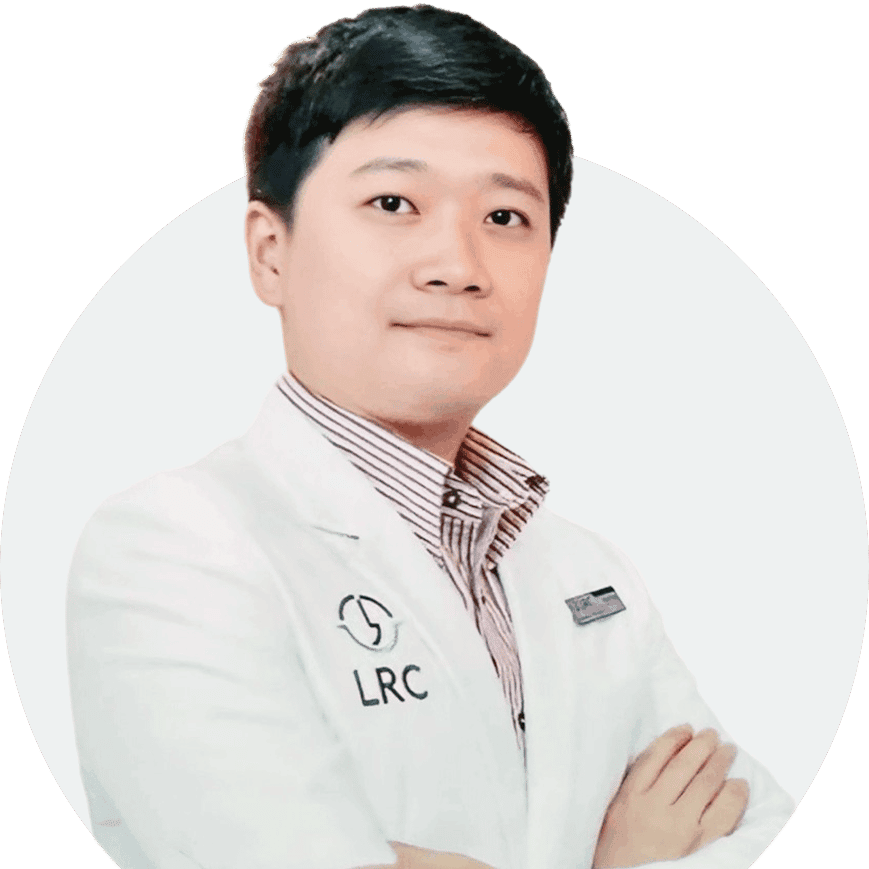
Somphoch Pumipichet M.D.
LRC Fertility Center - Best IVF Clinic Bangkok
- IVF Specialist
Bangkok, Thailand

Wasin Naknam
Deep & Harmonicare (DHC) IVF Center: Premier Assisted Fertility Care in Thailand
- Infertility/IVF
Bangkok, Thailand
World-Class Technology & Labs
Thailand has invested heavily in becoming a medical hub. Fertility clinics here are equipped with the latest embryoscopes and Next Generation Sequencing (NGS) platforms.
This technology allows for the precise screening of 23 chromosome pairs, ensuring that only healthy embryos are transferred. This level of technological sophistication matches or exceeds what is available in many Western countries, but is more readily accessible here.
Exceptional Value for Money
The cost of living and medical labor in Thailand allows clinics to offer premium services at affordable rates. Patients can often pay for their flights, luxury accommodation, and the entire medical procedure for less than the cost of the treatment alone in the US.
This financial accessibility removes a significant barrier for many couples, making the dream of a balanced family a reality without incurring massive debt.
Privacy and Tourism
Thailand offers a discreet environment for your medical journey. You can combine your treatment with a holiday, enjoying pristine beaches, rich culture, and world-renowned cuisine.
This "Fertility Tourism" aspect helps couples detach from the stresses of daily life, which is beneficial for the success of the treatment. The supportive infrastructure for tourists makes navigation, dining, and relaxation effortless.
Planning a family is a deeply personal journey, and seeking treatment abroad requires a partner you can trust. PlacidWay simplifies your path to parenthood by connecting you with Thailand's most reputable fertility experts.
Clinic Verification
We rigorously screen fertility centers to ensure they meet international standards for embryology labs and hold necessary accreditations.
Transparent Quotes
We obtain clear, itemized cost estimates from multiple clinics so you can compare prices for IVF and PGT-A without hidden fees.
Doctor Access
We facilitate initial communication with fertility specialists, allowing you to ask questions about protocols and success rates before you travel.
Treatment Coordination
Our team helps coordinate your appointment schedule with the clinic to match your menstrual cycle and travel dates efficiently.
Educational Resources
We provide guides on the legalities of gender selection and IVF in Thailand, ensuring you are fully informed about regulations.
Patient Support
We stand by you throughout the process, advocating for your needs and ensuring your experience is as smooth and stress-free as possible.
Your dream family is closer than you think. Contact PlacidWay today to explore your options and receive a free, personalized consultation for family balancing in Thailand.
Get Your Free Personalized Quote























Share this listing