

เนื้อหา
สำหรับคู่รักที่ใฝ่ฝันอยากมีลูกเพศที่ต้องการ ประเทศไทยโดดเด่นในฐานะดินแดนแห่งความหวังและเทคโนโลยีทางการแพทย์ที่ล้ำสมัย เป็นที่รู้จักไปทั่วโลกในฐานะ "ดินแดนแห่งรอยยิ้ม" อัญมณีแห่งเอเชียตะวันออกเฉียงใต้แห่งนี้ได้สร้างชื่อเสียงในฐานะผู้นำด้านเวชศาสตร์การเจริญพันธุ์ โดยเฉพาะอย่างยิ่งการตรวจวินิจฉัยทางพันธุกรรมก่อนการฝังตัวอ่อน (PGT-A) ร่วมกับการทำเด็กหลอดแก้ว (IVF) กระบวนการคัดกรองขั้นสูงนี้ไม่เพียงแต่ช่วยให้มั่นใจในสุขภาพทางพันธุกรรมของลูกในอนาคต แต่ยังช่วยให้การวางแผนครอบครัวมีความแม่นยำอย่างเหลือเชื่อ
การเลือกประเทศไทยเพื่อวางแผนครอบครัว หมายถึงการเข้าถึงศูนย์รักษาภาวะมีบุตรยากระดับโลกในกรุงเทพฯ ภูเก็ต และเชียงใหม่ ที่มีคุณภาพเทียบเท่ากับสถานพยาบาลในประเทศตะวันตก แต่มีค่าใช้จ่ายที่ต่ำกว่ามาก กระบวนการที่นี่โปร่งใสและได้มาตรฐานทางการแพทย์ ผู้เชี่ยวชาญด้านภาวะมีบุตรยากของไทยใช้เทคโนโลยี Next Generation Sequencing (NGS) ซึ่งให้รายละเอียดสูงสุดเกี่ยวกับสุขภาพโครโมโซมของตัวอ่อนของคุณ
นอกเหนือจากความเชี่ยวชาญทางการแพทย์แล้ว บรรยากาศที่เอื้ออำนวยของประเทศไทยก็มีบทบาทสำคัญอย่างยิ่ง ความเครียดเป็นปัจจัยหนึ่งที่ส่งผลต่อความสำเร็จในการรักษาภาวะมีบุตรยาก สภาพแวดล้อมที่สงบ การบริการระดับหรู และการดูแลเอาใจใส่ที่พบได้ในคลินิกของไทย ช่วยสร้างสภาวะจิตใจที่เหมาะสมที่สุดสำหรับการรักษาที่ประสบความสำเร็จ
ไม่ว่าคุณจะต้องการลูกชายเพื่อสืบทอดนามสกุล หรือลูกสาวเพื่อเติมเต็มครอบครัว ประเทศไทยมีวิธีการที่ได้รับการพิสูจน์ทางวิทยาศาสตร์ ปลอดภัย และมีจริยธรรม เพื่อบรรลุเป้าหมายครอบครัวของคุณ พร้อมทั้งรับประกันว่าลูกของคุณจะปราศจากความผิดปกติทางพันธุกรรม
คุณรู้หรือไม่?
ในประเทศไทย คำว่า "การเลือกเพศ" ในทางการแพทย์นั้น หมายถึง การตรวจวินิจฉัยทางพันธุกรรมก่อนการฝังตัวของตัว อ่อน (Preimplantation Genetic Testing หรือ PGT-A) เป้าหมายหลักคือการคัดกรองตัวอ่อนเพื่อหาความผิดปกติของโครโมโซม (เช่น กลุ่มอาการดาวน์) เพศของตัวอ่อนจะถูกเปิดเผยเป็นผลรองจากการตรวจสุขภาพอย่างครอบคลุมนี้ ทำให้พ่อแม่สามารถเลือกตัวอ่อนที่มีสุขภาพดีและมีเพศตามที่ต้องการได้
ข้อมูลเชิงลึกที่สำคัญโดยสรุป
ประเทศไทยมีอัตราความสำเร็จของการทำ IVF สูงถึง 60-75% สำหรับผู้หญิงอายุต่ำกว่า 35 ปี ซึ่งเทียบได้กับคลินิกชั้นนำในสหรัฐอเมริกา
คลินิกต่างๆ ใช้เทคโนโลยีการจัดลำดับดีเอ็นเอรุ่นใหม่ (Next Generation Sequencing หรือ NGS) ซึ่งเป็นวิธีการที่ทันสมัยที่สุด ให้ความแม่นยำในการระบุเพศสูงถึง 99.9%
โดยทั่วไปแล้ว ค่าใช้จ่ายในการรักษาจะต่ำกว่าในสหรัฐอเมริกาหรือออสเตรเลียประมาณ 30-50%
ศูนย์รักษาภาวะมีบุตรยากหลายแห่งได้รับการรับรองจาก JCI ซึ่งรับประกันมาตรฐานความปลอดภัยและสุขอนามัยระดับสูง
แม้ว่าการอุ้มบุญเชิงพาณิชย์จะถูกห้าม แต่การทำเด็กหลอดแก้วร่วมกับการตรวจคัดกรองทางพันธุกรรมนั้นถูกกฎหมายและมีข้อกำหนดสำหรับคู่สมรส
"ผลของการผ่อนคลาย"
ผลการศึกษาชี้ให้เห็นว่าการลดความเครียดสามารถช่วยให้ผลลัพธ์ของการทำ IVF ดีขึ้นได้ การผสมผสานที่เป็นเอกลักษณ์ของประเทศไทยระหว่างการรักษาทางการแพทย์กับบรรยากาศที่ผ่อนคลายราวกับวันหยุดพักผ่อน พร้อมด้วยบริการนวดและการไปเที่ยวชายหาด ช่วยลดระดับคอร์ติซอล ซึ่งอาจเพิ่มโอกาสในการฝังตัวของตัวอ่อนได้สำเร็จ
การคำนวณค่าใช้จ่ายในการรักษาภาวะมีบุตรยากอาจซับซ้อน แต่แพ็กเกจแบบครบวงจรจะช่วยให้กระบวนการง่ายขึ้น ในส่วนด้านล่างนี้ เราได้คัดเลือกศูนย์รักษาภาวะมีบุตรยากชั้นนำที่เสนอแพ็กเกจแบบครบวงจร โดยทั่วไปแพ็กเกจเหล่านี้จะรวมถึงยาสำหรับกระตุ้นรังไข่ การเก็บไข่ การปฏิสนธิแบบ ICSI การตรวจคัดกรองทางพันธุกรรม (PGT-A) สำหรับตัวอ่อนจำนวนหนึ่ง และขั้นตอนการย้ายตัวอ่อน สำรวจตัวเลือกเหล่านี้เพื่อค้นหาแผนการที่โปร่งใสและเหมาะสมกับความต้องการของครอบครัวคุณ
หมายเหตุ: โดยปกติแล้วแพ็กเกจจะระบุจำนวนตัวอ่อนที่จะทำการตรวจคัดกรอง (เช่น สูงสุด 5 ตัวอ่อน) โปรดตรวจสอบขีดจำกัดนี้ให้แน่ใจ

Price starting from $11,000
IVF with Gender Selection in Thailand by Gift Fertility Bangkok
Best IVF & Fertility Treatments at Gift Fertility Bangkok
- Fertility Treatment
Bangkok, Thailand
การวางแผนทางการเงินเป็นขั้นตอนสำคัญในการเดินทางสู่การมีบุตรของคุณ ตารางด้านล่างแสดงค่าใช้จ่ายเฉลี่ยสำหรับการทำ IVF ร่วมกับการเลือกเพศ (PGT-A) ในประเทศไทยเมื่อเทียบกับราคาในประเทศตะวันตก คุณจะสังเกตเห็นข้อได้เปรียบด้านต้นทุนที่สำคัญ ซึ่งมักทำให้ผู้ป่วยสามารถทำการรักษาหลายรอบได้หากจำเป็นในราคาเดียวกับการทำเพียงรอบเดียวในประเทศของตนเอง ตัวเลขเหล่านี้เป็นเพียงประมาณการเพื่อช่วยให้คุณวางแผนงบประมาณได้อย่างมีประสิทธิภาพ
คำแนะนำ: ควรสอบถามเสมอว่าค่าใช้จ่ายเรื่องยาได้รวมอยู่ในใบเสนอราคาแล้วหรือไม่ เนื่องจากค่าใช้จ่ายเหล่านี้อาจแตกต่างกันไปขึ้นอยู่กับการตอบสนองต่อการกระตุ้นของแต่ละบุคคล
IVF with Gender Selection เปรียบเทียบราคาศูนย์ใน Thailand
| ผู้ให้บริการ | ขั้นตอน | ราคา |
|---|---|---|
| Best IVF & Fertility Treatments at Gift Fertility Bangkok | IVF with Gender Selection, Fertility Treatment | $11000 |
IVF with Gender Selection การเปรียบเทียบต้นทุนใน Thailand
| ประเทศ | ขั้นตอน | ราคา |
|---|---|---|
| United Kingdom | IVF with Gender Selection, Fertility Treatment | $17000 |
| Australia | IVF with Gender Selection, Fertility Treatment | $15500 |
| United States | IVF with Gender Selection, Fertility Treatment | $20000 |
| Canada | IVF with Gender Selection, Fertility Treatment | $22000 |
ความสำเร็จในการสร้างสมดุลครอบครัวขึ้นอยู่กับคุณภาพของห้องปฏิบัติการด้านตัวอ่อนวิทยาเป็นอย่างมาก เราได้รวบรวมรายชื่อคลินิกผู้มีบุตรยากชั้นนำในประเทศไทยที่ขึ้นชื่อเรื่องอัตราความสำเร็จสูงและห้องปฏิบัติการทางพันธุกรรมที่ทันสมัย ศูนย์เหล่านี้ได้รับการตรวจสอบความสามารถทางเทคโนโลยี รวมถึงมาตรฐานห้องปลอดเชื้อและการฟักตัวของตัวอ่อนด้วยเลเซอร์ โปรดตรวจสอบรายละเอียดด้านล่างเพื่อดูการรับรองและจุดเด่นของสิ่งอำนวยความสะดวก
มองหา: การรับรองจาก RTAC (Reproductive Technology Accreditation Committee) หรือ JCI ซึ่งถือเป็นเครื่องหมายแสดงถึงความเป็นเลิศ
LRC Fertility Clinic - Best IVF Clinic Bangkok
Bangkok, Thailand

Best IVF & Fertility Treatments at Gift Fertility Bangkok
Bangkok, Thailand

การรักษาภาวะมีบุตรยากเป็นกระบวนการที่เต็มไปด้วยอารมณ์ความรู้สึก และการได้ฟังเรื่องราวจากผู้ที่เคยผ่านประสบการณ์นี้มาแล้วจะช่วยปลอบประโลมใจได้อย่างมาก วิดีโอด้านล่างนี้เป็นเรื่องราวจากคู่รักชาวต่างชาติที่ประสบความสำเร็จในการสร้างครอบครัวในประเทศไทย รับชมประสบการณ์ของพวกเขาเกี่ยวกับการรักษาทางการแพทย์ การดูแลที่ได้รับจากเจ้าหน้าที่ไทย และความสุขที่ได้อุ้มลูกน้อยในฝันในที่สุด
ข้อคิด: ให้ความสำคัญกับวิธีที่ผู้ป่วยอธิบายระดับการสื่อสารกับแพทย์ของตน เนื่องจากนี่เป็นสิ่งสำคัญสำหรับการประสานงานทางไกล
ความคิดเห็นที่ตรงไปตรงมาช่วยสร้างความไว้วางใจ ในส่วนนี้ คุณจะพบรีวิวและการให้คะแนนที่ได้รับการตรวจสอบแล้วจากผู้ปกครองที่เลือกประเทศไทยสำหรับขั้นตอนการทำ IVF และการเลือกเพศของทารก อ่านความคิดเห็นของพวกเขาเกี่ยวกับประสิทธิภาพของคลินิก ความโปร่งใสของค่าใช้จ่าย และความพึงพอใจโดยรวม เพื่อช่วยให้คุณตัดสินใจได้อย่างรอบคอบว่าผู้ให้บริการรายใดเหมาะสมสำหรับครอบครัวของคุณ
เคล็ดลับการอ่านรีวิว: มองหารีวิวที่กล่าวถึง "ความสำเร็จตั้งแต่ครั้งแรก" หรือ "คำอธิบายที่ชัดเจนเกี่ยวกับรายงานทางพันธุกรรม"

IVF Gender Selection in Thailand: A Complete Guide to Family Balancing
IVF gender selection in Thailand allows couples to choose the sex of their baby through advanced reproductive technologies. This process, also called family balancing, is done using Preimplantation Genetic Diagnosis (PGD) or Preimplantation Genetic Screening (PGS), which identifies the embryo’s gender before implantation. Many couples from around the world travel to Thailand for IVF with gender selection because of the country’s high success rates, affordable costs, and world-class fertility clinics. However, it’s essential to understand the legal regulations, procedures, costs, and best clinics before making a decision. Who Is Eligible for IVF with Family Balancing in Thailand? Thailand has specific regulations for gender selection through IVF. Eligibility criteria may vary by clinic, but common factors include: Medical necessity – Gender selection may be permitted to prevent genetic disorders linked to a specific gender. Family balancing – Couples with at least one child of a specific gender may qualify to select an embryo of the opposite sex. Psychological assessment – Some clinics require counseling or psychological evaluations to ensure parents understand the implications of family balancing. It’s essential to choose a licensed fertility clinic in Thailand that follows the country’s strict ethical and medical guidelines. Step-by-Step IVF Gender Selection Process in Thailand The IVF with gender selection process follows these steps: Initial Consultation & Assessment – A fertility specialist evaluates the couple’s reproductive health and eligibility. Ovarian Stimulation – Fertility medications stimulate egg production. Egg Retrieval – Mature eggs are collected from the ovaries. Sperm Collection – The male partner provides a sperm sample, which is processed to select healthy sperm. Fertilization – The eggs are fertilized in a lab using IVF or ICSI (Intracytoplasmic Sperm Injection). Genetic Testing & Gender Selection – PGD/PGS testing determines the gender of embryos, allowing parents to select their preferred sex. Embryo Transfer – The selected embryo is transferred into the uterus. Pregnancy Test – A blood test confirms pregnancy after 10-14 days. This process ensures over 99% accuracy in selecting the desired gender, making it one of the most reliable methods for family balancing. How Much Does IVF Gender Selection Cost in Thailand? The cost of IVF with gender selection in Thailand depends on the clinic, procedures, and additional services required. Below is a general cost breakdown: Treatment/Service Estimated Cost (USD) Basic IVF Treatment $8,000 - $12,000 PGD/PGS for Gender Selection $3,000 - $5,000 Total Cost (IVF + Gender Selection) $11,000 - $17,000 Additional Fertility Medications $1,500 - $3,500 Embryo Freezing & Storage $500 - $1,000 per year Some clinics in Thailand offer IVF packages that include accommodations, transportation, and additional fertility services. Comparison: IVF Costs in Thailand vs. Other Countries Country IVF with Gender Selection Cost Thailand $11,000 - $17,000 United States $20,000 - $30,000 United Kingdom $15,000 - $25,000 Australia $18,000 - $28,000 Thailand remains one of the most affordable destinations for high-quality, legally permitted gender selection IVF treatments. 5 Essential Tips Before Family Balancing in Thailand Research IVF Clinics – Choose a licensed and accredited clinic with experience in gender selection. Maintain a Healthy Lifestyle – A balanced diet, exercise, and stress management improve fertility outcomes. Plan Financially – Understand the total costs, including medications, embryo freezing, and follow-up treatments. Seek Emotional Support – IVF can be an emotional process; consider counseling or support groups. Communicate with Your Partner – Keep open discussions about expectations, concerns, and decisions. Benefits of Family Balancing in Thailand Accurate Gender Selection – PGD/PGS testing ensures 99% accuracy in choosing the desired gender. Genetic Disorder Prevention – Screen embryos for over 100 genetic diseases before implantation. Higher IVF Success Rates – Selecting the healthiest embryos increases pregnancy success rates. Affordable Treatment Costs – IVF in Thailand is 50-70% cheaper than in the U.S. or Australia. Top-Quality Medical Facilities – Thailand has world-class fertility centers with experienced specialists. Top IVF Clinics in Thailand for Gender Selection If you’re considering IVF with gender selection in Thailand, these clinics are known for high success rates and excellent patient care: Clinic Name Location Specialty First Fertility PGS Center Bangkok Advanced PGD/PGS & Family Balancing Beyond IVF Bangkok High IVF Success Rates & Personalized Care These clinics offer state-of-the-art reproductive technology, experienced specialists, and full-service fertility treatments. Best IVF Doctors in Thailand for Gender Selection Doctor Name Clinic Expertise Dr. Watcharaporn Weerakul First Fertility PGS Center IVF & PGD Expert Dr. Phunsak Suchonwanit Beyond IVF Gender Selection & Fertility Specialist IVF Success Rates in Thailand Success rates depend on factors such as age, embryo quality, and reproductive health. On average: 50-65% success rate for women under 35 30-50% success rate for women aged 35-40 15-30% success rate for women over 40 Using donor eggs or embryos increases the chances of a successful pregnancy. Did You Know? Thailand is a leading destination for medical tourism, including fertility treatments. Many IVF clinics offer full packages, including hotel stays and airport transfers. PGD testing not only helps with gender selection but also reduces the risk of genetic disorders. FAQs About IVF Gender Selection in Thailand 1. Is IVF gender selection legal in Thailand? Yes, Thailand allows IVF gender selection for medical reasons and family balancing. 2. How much does IVF with gender selection cost in Thailand? The cost ranges from $11,000 to $17,000 USD, depending on the clinic and procedures. 3. How accurate is gender selection through IVF in Thailand? IVF with PGD/PGS has a 99% accuracy rate, ensuring the selected embryo is of the desired gender. 4. How long does the IVF process take in Thailand? The entire process takes 4 to 6 weeks, with international patients staying for 2 to 3 weeks for procedures. 5. Are IVF clinics in Thailand internationally accredited? Yes, many fertility clinics in Thailand have international accreditation and use the latest reproductive technologies. Start Your IVF Gender Selection Journey in Thailand Today! Thailand offers world-class fertility treatments, high success rates, and cost-effective options for IVF with gender selection. If you’re ready to explore your options, contact a top fertility clinic in Thailand today and take the next step toward completing your family!
What Is the IVF Gender Selection Cost in Thailand Pattaya & Is It Worth It?
The estimated IVF gender selection cost in Thailand (Pattaya) ranges from $8,000 to $12,000. Thai law strictly prohibits gender selection for family balancing; it is only legally permitted to prevent severe sex-linked genetic disorders. Navigating the world of fertility treatments can be overwhelming, especially when considering options abroad. For patients carrying genetic mutations, combining in vitro fertilization (IVF) with preimplantation genetic testing (PGT) offers a pathway to a healthy pregnancy. Many international patients look toward Southeast Asia for these services, drawn by advanced medical infrastructure and comprehensive care. Understanding the actual IVF gender selection cost in Thailand—and the strict legal framework surrounding it—is the first crucial step for anyone considering this journey. This guide explores the medical procedures, estimated expenses, legal restrictions, and overall value of pursuing fertility care in the coastal city of Pattaya. Key Takeaways Legal Restriction: Sex selection in Thailand is strictly limited to medical necessities (preventing sex-linked genetic diseases) and is illegal for non-medical family balancing. Estimated Costs: A full IVF cycle with genetic testing in Pattaya typically ranges between $8,000 and $12,000, depending on individual medication needs. The Procedure: Gender is identified during Preimplantation Genetic Testing (PGT), which primarily screens embryos for chromosomal abnormalities and inherited diseases. Medical Tourism Hub: Pattaya offers internationally accredited facilities, combining advanced reproductive technology with a calm, low-stress environment for recovery. Time Commitment: International patients should plan for a stay of approximately three to four weeks for a complete treatment cycle. What are the current legal regulations for gender selection in Thailand? Thailand's 2015 Assisted Reproductive Technology law strictly bans gender selection for non-medical reasons. You can only undergo this procedure to prevent severe sex-linked genetic diseases. It is vital for international patients to understand that the legal landscape for fertility treatments in Thailand changed significantly in 2015. The Protection of Children Born from Assisted Reproductive Technologies Act was implemented to heavily regulate the fertility industry. Under this law, commercial surrogacy and sex selection for family balancing were strictly outlawed. Today, any reputable IVF gender selection clinic in Thailand operates under the mandate that embryo screening can only be performed for medical purposes. If a couple carries a known sex-linked genetic mutation—such as Duchenne muscular dystrophy or fragile X syndrome—doctors are legally permitted to use preimplantation genetic testing to identify the sex of the embryo. This ensures that only embryos not at risk of developing the debilitating disease are transferred to the uterus. Patients traveling for medical tourism in Thailand must be prepared to provide extensive medical documentation proving their genetic carrier status before a clinic will approve testing that reveals embryo gender. Attempting to bypass these laws is illegal and unethical, and legitimate medical professionals will not accommodate requests based solely on parental preference. How much does the complete IVF with PGD process cost in Pattaya? Patients typically pay between $8,000 and $12,000 for a standard IVF cycle paired with preimplantation genetic testing in Pattaya. When evaluating the financial aspect of fertility treatments abroad, clarity is essential. The cost in Pattaya is often more competitive than in Western countries, but it still represents a significant investment. The baseline price generally covers the core medical procedures required to create, test, and transfer an embryo. To provide a clearer picture, here is a breakdown of what is typically included in that estimated range: Treatment Phase What It Typically Includes Pre-treatment Initial consultations, baseline blood tests, and pelvic ultrasounds. Ovarian Stimulation Hormone medications to stimulate egg production and monitoring scans. Retrieval & Fertilization Surgical egg retrieval, anesthesia, sperm preparation, and ICSI (Intracytoplasmic Sperm Injection). Genetic Testing Embryo biopsy and PGT analysis (usually capped at a specific number of embryos, e.g., 4 to 8). Embryo Transfer Preparation of the uterine lining and the transfer of a medically cleared embryo. Please note: The figures above are estimates. Prices vary by facility, changes in medication protocols, and currency exchange rates. What factors influence your overall IVF gender selection cost in Thailand? Your final expenses will depend on medication requirements, the number of embryos tested, and the specific genetic screening technology utilized. While the base price provides a helpful guideline, individual medical needs dictate the final bill. The most significant variable in any IVF cycle is the cost of stimulation medications. A younger patient with a high ovarian reserve may require lower doses of hormones, whereas a patient with diminished reserve might need higher doses over a longer period, significantly increasing the pharmacy bill. Another major factor is the genetic testing itself. Clinics typically include the biopsy and screening of a set number of embryos in their standard packages. If you are fortunate enough to yield a high number of viable embryos, testing the additional ones will incur extra laboratory fees per embryo. Lastly, patients must factor in the possibility of needing a frozen embryo transfer (FET) rather than a fresh transfer. Often, the time required to receive comprehensive genetic test results means embryos must be frozen. The medications to prepare the uterus for an FET, alongside cryopreservation storage fees, will add to the overall financial commitment. Important Consideration: Travel Expenses Do not forget to budget for your time in Thailand. Flights, a 3–4 week hotel stay, food, and local transportation in Pattaya are separate from your medical bills and should be factored into your financial planning. How does the PGD/PGT process work for genetic screening? PGT involves extracting a few cells from a developing embryo to screen its DNA for genetic abnormalities and chromosomal makeup before transfer. Preimplantation Genetic Testing (PGT) is a sophisticated laboratory procedure performed in conjunction with IVF. After eggs are retrieved and fertilized, usually via Intracytoplasmic Sperm Injection (ICSI), the resulting embryos are cultured in an incubator for five to six days until they reach the blastocyst stage. Once an embryo reaches this stage, an embryologist carefully performs a biopsy. They remove a minute number of cells from the trophectoderm—the part of the embryo that will eventually form the placenta, leaving the inner cell mass (which forms the fetus) untouched. These extracted cells are then sent to a genetics laboratory for DNA analysis. The testing can look for overall chromosomal normalcy (PGT-A) or specific single-gene disorders (PGT-M). Because the sex chromosomes (X and Y) are evaluated during this process to rule out sex-linked diseases, the gender of the embryo is naturally revealed to the medical team. Only embryos that are free from the targeted genetic disorders are cleared for transfer to the patient's uterus. Is traveling to an IVF gender selection clinic in Thailand worth it? For couples at risk of passing on severe genetic disorders, the medical benefits, advanced technology, and comprehensive care often make the investment worthwhile. Deciding if international fertility treatment is "worth it" is highly subjective and depends heavily on a family's medical needs and financial situation. For those who are carriers of debilitating sex-linked diseases, the ability to ensure their child will not suffer from these conditions is often viewed as invaluable. The emotional relief of knowing an embryo is medically cleared before pregnancy begins can drastically reduce the anxiety associated with high-risk pregnancies. From a practical standpoint, Thailand remains a highly regarded destination for medical care. The country has heavily invested in healthcare infrastructure, and many fertility specialists practicing in Pattaya have received training internationally. The laboratories are equipped with modern technology required for delicate procedures like embryo biopsy and vitrification (fast-freezing). Furthermore, the cost of treatment, even when factoring in travel expenses, is often lower than in North America or parts of Europe. When combined with the high standard of clinical care and the supportive, hospitality-focused culture of Thailand, many international patients find the overall experience provides excellent value. Who is an ideal candidate for medically indicated sex selection? Suitable candidates typically include individuals carrying genetic mutations for sex-linked conditions such as hemophilia or Duchenne muscular dystrophy. Because Thailand restricts gender selection to medical necessity, candidates must meet specific clinical criteria. Ideal candidates are typically couples who have undergone genetic counseling and have been identified as carriers of X-linked recessive disorders. In these conditions, female offspring may become carriers without showing symptoms, while male offspring have a significantly higher risk of inheriting and suffering from the disease. Conditions that commonly warrant this type of screening include: Hemophilia A and B Duchenne and Becker muscular dystrophy Fragile X syndrome Certain types of severe combined immunodeficiency (SCID) In addition to genetic carrier status, candidates must be medically suitable for IVF. This requires a thorough evaluation of the female partner's ovarian reserve, uterine health, and overall physical ability to carry a pregnancy, as well as an assessment of the male partner's sperm quality. What are the potential risks and limitations of IVF and PGT? Like any medical procedure, IVF carries risks such as ovarian hyperstimulation syndrome (OHSS), multiple pregnancies, and potential damage to the biopsied embryo. It is crucial to approach fertility treatments with a realistic understanding of the medical risks. The ovarian stimulation phase requires daily hormone injections, which can lead to side effects ranging from mild bloating and mood swings to Ovarian Hyperstimulation Syndrome (OHSS). While severe OHSS is rare, it requires immediate medical management to prevent complications such as fluid buildup in the abdomen or blood clots. The surgical egg retrieval carries standard risks associated with anesthesia, as well as a small risk of bleeding or pelvic infection. Regarding the genetic testing, while embryologists are highly skilled, the biopsy procedure inherently carries a small risk of damaging the embryo, which could arrest its development. A significant limitation patients must prepare for is the possibility of cycle cancellation. Sometimes, ovaries do not respond to medication, or fertilization fails. Furthermore, PGT may reveal that all resulting embryos carry the genetic abnormality, leaving no healthy embryos available for transfer. Comprehensive discussions with a reproductive endocrinologist are essential to set realistic expectations. How long should you plan to stay in Pattaya for IVF treatment? Most international patients need to plan for a stay of three to four weeks to accommodate the entire stimulation, retrieval, and transfer process. Timing is a critical factor for patients pursuing medical tourism in Thailand. IVF is a time-sensitive procedure tied directly to the female patient's menstrual cycle. Typically, treatment begins on the second or third day of menstruation. The ovarian stimulation phase involves daily injections and frequent clinic visits for blood tests and ultrasounds over 10 to 12 days. Following stimulation, the egg retrieval is scheduled. If a patient is undergoing genetic testing, the embryos must grow in the laboratory for five to six days before biopsy. Because the genetic analysis itself takes several days to a week, clinics often freeze the biopsied embryos. Patients have two options regarding their travel timeline. They can stay in Pattaya for an extended period (about a month) waiting for results and preparing the uterus for a frozen transfer, or they can fly home after the egg retrieval and return to Thailand a few months later for a shorter trip solely for the embryo transfer. What should you look for in a fertility clinic in Pattaya? Prospective patients should seek out clinics with international accreditation, in-house genetic laboratories, and transparent success rate reporting. Selecting the right healthcare provider is the most important decision in your fertility journey. When researching facilities in Pattaya, look for clinics that hold accreditations from recognized domestic and international health organizations. These credentials indicate adherence to strict safety and quality control standards. Because you are seeking genetic screening, inquire whether the clinic has an in-house genetics laboratory or if they send biopsies to an external facility. In-house labs can sometimes reduce the waiting time for results and minimize the handling of delicate embryonic material. Furthermore, prioritize transparency. A reputable clinic will provide clear, itemized cost estimates without hidden fees and will be honest about their success rates relative to your specific age and medical background. They should also clearly communicate their adherence to Thailand's legal restrictions regarding sex selection, ensuring you are receiving lawful, ethical care. Why Choose PlacidWay for Medical Tourism in Thailand? Planning medical treatment abroad involves managing numerous details, from understanding complex procedures to finding reputable healthcare providers. PlacidWay exists to support patients through this research and planning phase by offering comprehensive, educational resources. Extensive Network: PlacidWay connects patients with a wide network of internationally accredited hospitals and specialized fertility centers globally, including in Thailand. Educational Resources: They provide detailed, factual information about various medical procedures, helping patients understand their options before making decisions. Transparent Provider Profiles: Patients can review clinic credentials, physician qualifications, and facility capabilities in one centralized location. Facilitated Communication: The platform helps bridge the initial communication gap between international patients and overseas medical teams. Customized Information: PlacidWay allows patients to request specific information and treatment estimates based on their unique medical requirements. Frequently Asked Questions Can I undergo IVF gender selection in Pattaya solely for family balancing? No. Under Thailand's 2015 Assisted Reproductive Technology law, sex selection for non-medical reasons, such as family balancing, is strictly prohibited. It is only permitted to prevent the transmission of severe sex-linked genetic disorders. Does the estimated IVF cost in Thailand include travel and accommodation? No, the estimated medical costs typically only cover the clinical procedures, laboratory fees, and standard fertility medications. Flights, accommodation, and daily living expenses in Pattaya must be budgeted separately. Are IVF success rates guaranteed if I use preimplantation genetic testing? No medical procedure can offer a 100% guarantee. While genetic testing can help identify embryos without specific chromosomal abnormalities, success rates depend heavily on maternal age, egg quality, uterine health, and other individual medical factors. What is the difference between PGT-A and PGT-M? PGT-A screens embryos for overall chromosomal abnormalities (aneuploidy), while PGT-M looks for specific single-gene mutations (monogenic disorders) that a patient is known to carry, such as hemophilia. Can extra embryos be frozen for future use in Pattaya clinics? Yes, most modern fertility clinics in Thailand offer cryopreservation (freezing) for viable embryos that are not used in the initial transfer cycle. This allows you to attempt another pregnancy in the future without repeating the egg retrieval process. How many trips to Thailand will I need for a complete IVF cycle? Many patients complete the process in a single trip lasting three to four weeks. However, some prefer a two-trip approach: one shorter trip for ovarian stimulation and egg retrieval, and a second trip a month or two later for the frozen embryo transfer. Is it safe to fly home immediately after an embryo transfer? Generally, flying after an embryo transfer does not negatively impact implantation rates. However, most reproductive endocrinologists advise resting for 24 to 48 hours before undertaking a long-haul flight. Always consult your treating physician. What happens if no healthy embryos are identified during genetic testing? If the genetic screening reveals that all embryos carry the targeted genetic disorder or chromosomal abnormalities, an embryo transfer will not be performed. You and your doctor will then discuss alternative options, which may include another IVF cycle or using donor gametes. Do healthcare teams in Pattaya fertility clinics speak English? Yes, clinics that frequently treat international patients usually have fluent English-speaking doctors and dedicated patient coordinators. Many facilities also provide translation services for other languages. Are there age limits for undergoing IVF treatments in Thailand? While there is no strict national legal age limit, individual clinics usually set their own policies based on medical safety and efficacy. Many clinics will not perform IVF using a woman's own eggs past the age of 45 to 50 due to significantly reduced success rates and increased health risks. Compare Treatment Options Gather the information you need to make an informed decision about your fertility care abroad. Request Treatment Information References Use of preimplantation genetic testing for monogenic defects (PGT-M) – American Society for Reproductive Medicine (ASRM) Infertility Fact Sheet – World Health Organization (WHO) Preimplantation Genetic Testing: Current Status and Future Prospects – National Center for Biotechnology Information (NCBI) Preimplantation Genetic Testing – American College of Obstetricians and Gynecologists (ACOG) Guidelines on Assisted Reproductive Technology – The Medical Council of Thailand Assisted Reproductive Technology (ART) – Centers for Disease Control and Prevention (CDC) In vitro fertilisation (IVF) – Human Fertilisation and Embryology Authority (HFEA) Medical Disclaimer: The information provided in this article is for educational and informational purposes only and does not constitute medical advice. Fertility treatments, including IVF and PGT, carry medical risks and may not be suitable for everyone. Legal regulations regarding sex selection vary by country and are subject to change. Always consult with a qualified reproductive endocrinologist or healthcare professional for a personalized assessment of your medical history, eligibility, and treatment options.
How Much Does Gender Selection Cost in Thailand?
Choosing the gender of your baby is a deeply personal decision for many couples, often driven by a desire for family balancing or to avoid specific genetic disorders. Thailand has emerged as a prominent destination for gender selection through In Vitro Fertilization (IVF) combined with Preimplantation Genetic Diagnosis (PGD) or Preimplantation Genetic Screening (PGS). This advanced medical procedure offers a unique opportunity for prospective parents. This blog post will delve into the various aspects of gender selection cost in Thailand, providing a comprehensive overview of prices, procedures, and important considerations to help you make informed decisions on your path to parenthood. How much does a complete gender selection IVF cycle in Thailand cost? "A complete gender selection IVF cycle in Thailand typically costs between $12,000 to $15,000 USD, though some packages can range from $10,000 to $17,000, depending on the clinic and services included." A comprehensive gender selection IVF cycle in Thailand includes several stages, from initial consultation and ovarian stimulation to egg retrieval, fertilization, genetic testing, and embryo transfer. The price variations depend on factors such as the clinic's reputation, the specific technologies used, the number of embryos tested, and whether additional services like medication, embryo freezing, or extended genetic screening are part of the package. Many clinics offer all-inclusive packages designed to provide transparency and cover most of the necessary medical steps, making Thailand an attractive option for international patients seeking affordable gender selection without compromising on quality. What is included in the typical gender selection IVF package in Thailand? "A typical gender selection IVF package in Thailand usually includes initial consultation, ovarian stimulation medication, egg retrieval, laboratory procedures (IVF/ICSI), PGT-A/PGD testing for gender selection, embryo transfer, and initial pregnancy monitoring." These packages are designed to streamline the process for international patients. Beyond the core medical procedures, some clinics may also include services such as airport transfers, translation services, and assistance with accommodation arrangements. It's crucial to clarify with the chosen clinic what exactly is covered in their quoted price to avoid any unexpected costs. Understanding these inclusions helps in budgeting and planning your gender selection journey in Thailand effectively. Why is gender selection more affordable in Thailand compared to Western countries? "Gender selection in Thailand is often 40-60% more affordable than in countries like the US or Europe due to lower operational costs, competitive healthcare markets, and a strong focus on medical tourism." The cost difference can be attributed to several factors. Thailand has a lower cost of living and, consequently, lower labor costs for medical staff and facility maintenance. The competitive nature of the medical tourism industry in Thailand encourages clinics to offer more attractive pricing while maintaining high standards of care and technology. This combination of affordability and quality makes Thailand a leading destination for fertility treatments, including gender selection. Is gender selection legal in Thailand for non-medical reasons? "Yes, gender selection for non-medical reasons (also known as family balancing) is generally legal in Thailand, though it is primarily offered in conjunction with IVF and PGD/PGS procedures." Thailand's legal framework allows for gender selection for family balancing, unlike some Western countries where it may be restricted to medical reasons only (e.g., preventing sex-linked genetic disorders). This legality, combined with advanced medical facilities, makes Thailand a preferred choice for couples worldwide who wish to choose the sex of their baby. However, it's important to note that Thai law typically requires patients to be married couples to undergo IVF with gender selection. What are the eligibility criteria for gender selection IVF in Thailand? "Ideal candidates for gender selection IVF in Thailand typically include female partners under 43 years of age with good ovarian reserve, normal uterine cavity, and no major medical conditions, along with a valid marriage certificate as required by Thai law." These criteria ensure a higher chance of success for the procedure. Fertility clinics in Thailand conduct thorough assessments, including medical history reviews, hormonal profile testing, and semen analysis, to determine a couple's suitability for IVF with gender selection. Lifestyle modifications and stopping certain medications may also be advised prior to starting the treatment. How long does the gender selection IVF process take in Thailand? "The gender selection IVF process in Thailand typically takes 2-3 weeks for the active treatment phase, with preparation beginning 2-3 months prior, and a full pregnancy test result after about 34-35 days from the start of ovarian stimulation." The typical schedule involves: initial consultation and tests (Day 1-2), ovarian stimulation and monitoring (Day 2-12), egg retrieval (Day 13-14), embryo development and genetic testing (Day 14-19), embryo transfer (Day 19-20), and a pregnancy test two weeks after transfer. International patients usually plan a stay of at least 2-3 weeks in Thailand for the core procedures. What is Preimplantation Genetic Diagnosis (PGD) and how does it relate to gender selection? "Preimplantation Genetic Diagnosis (PGD) is a genetic testing technique used during IVF to screen embryos for specific genetic disorders and to determine their gender before implantation, ensuring only healthy embryos of the desired sex are transferred." PGD is crucial for gender selection because it allows embryologists to identify the sex chromosomes (XX for female, XY for male) of each embryo. This is done by taking a small biopsy from the embryo at the blastocyst stage (usually Day 5 or 6 of development) and analyzing its genetic material. Only the embryos with the desired gender, and that are free from tested genetic abnormalities, are then selected for transfer to the uterus. This technology is a cornerstone of effective gender selection IVF programs in Thailand. What are the success rates for gender selection IVF in Thailand? "Success rates for gender selection IVF in Thailand are generally high, often comparable to leading clinics worldwide, with reported success rates of 50-65% for women under 35, and varying based on the woman's age and embryo quality." While individual results can vary, many clinics in Thailand utilize advanced laboratory techniques and highly skilled specialists, contributing to favorable outcomes. Factors influencing success include the woman's age, ovarian reserve, sperm quality, and the number and quality of embryos available for transfer after PGD/PGS testing. Reputable clinics will provide transparent success rates based on their patient demographics. Are there any hidden costs in gender selection packages in Thailand? "While many gender selection packages in Thailand aim to be all-inclusive, potential hidden costs can include additional fertility medications beyond the package limit, extended embryo freezing and storage fees, or costs for multiple IVF cycles if the first one is unsuccessful." It's vital for patients to scrutinize the detailed breakdown of costs provided by clinics. Ask specific questions about what is and isn't included, such as the number of embryos covered for genetic testing, the duration of embryo storage, and any follow-up appointments or unexpected complications. Transparent communication with the clinic ensures a clear understanding of the total cost of gender selection in Thailand. What post-procedure care is involved after gender selection IVF in Thailand? "After gender selection IVF in Thailand, post-procedure care typically involves a pregnancy test approximately two weeks after embryo transfer, continued hormonal support, and follow-up consultations with the fertility specialist." Patients are usually advised to rest and avoid strenuous activities immediately after the embryo transfer. Clinics provide clear instructions regarding medication continuation (e.g., progesterone) to support early pregnancy. For international patients, clinics often offer remote follow-up options or coordinate care with their local healthcare providers to ensure continuous support. What happens if the first gender selection IVF cycle is unsuccessful? "If the first gender selection IVF cycle in Thailand is unsuccessful, clinics typically discuss options for a second cycle, which may involve additional costs for medication and procedures, or suggest alternative fertility treatments." Many clinics offer discounted rates for subsequent cycles or have packages that include multiple attempts. The fertility specialist will review the previous cycle's details to identify potential reasons for failure and adjust the treatment plan accordingly. It is important for couples to consider the possibility of needing more than one cycle when planning their gender selection journey and budgeting. What preparations are needed before traveling to Thailand for gender selection? "Before traveling to Thailand for gender selection, couples should undergo comprehensive fertility assessments, medical history review, hormonal profile testing, and semen analysis in their home country, and secure a valid marriage certificate." These preliminary tests help the Thai clinic create a personalized treatment plan and avoid unnecessary delays upon arrival. Additionally, patients should arrange for passports, visas (if required), travel insurance, and plan for accommodation and local transportation for their stay of several weeks. Preparing these aspects in advance ensures a smoother and less stressful gender selection experience in Thailand. Which clinics are reputable for gender selection in Thailand? "Reputable clinics for gender selection in Thailand include Genea Clinic, Safe Fertility Clinic, Bumrungrad International Hospital, Praram 9 Hospital, Takara IVF Bangkok, and First Fertility PGS Center, all known for their advanced technology and experienced specialists." These clinics are often internationally accredited (e.g., JCI, RTAC) and boast high success rates. When choosing a clinic for gender selection in Thailand, it is recommended to research their specific expertise in PGD/PGS, read patient testimonials, and inquire about their certifications and the qualifications of their medical team. How does PGT-A compare to PGD for gender selection? "PGT-A (Preimplantation Genetic Testing for Aneuploidies) screens embryos for chromosomal abnormalities, including sex chromosomes, while PGD (Preimplantation Genetic Diagnosis) specifically tests for single-gene disorders, though both can determine gender." In the context of gender selection, PGT-A is commonly used as it identifies aneuploidies (abnormal number of chromosomes) which includes screening for XX or XY chromosomes. This dual benefit allows for the selection of embryos that are both chromosomally normal and of the desired gender, potentially increasing the chances of a healthy pregnancy and birth. PGD, while also capable of gender identification, is more focused on preventing the transmission of known genetic diseases within a family. What are the ethical considerations surrounding gender selection? "Ethical considerations around gender selection primarily revolve around the concept of "designer babies," potential gender imbalance in society, and the moral implications of choosing traits for non-medical reasons." While gender selection is legal in Thailand, these ethical debates exist globally. Many argue that family balancing can bring psychological and social benefits to families, while others express concerns about the slippery slope towards eugenics. These considerations are personal and vary greatly among individuals and cultures. Can single parents undergo gender selection in Thailand? "Generally, IVF with gender selection in Thailand is available for married couples, and single parents may face legal obstacles in accessing these services." Thai law often requires a valid marriage certificate for couples undergoing assisted reproductive technologies. It's essential for single individuals considering gender selection in Thailand to verify current regulations and clinic policies as they can vary. Explore PlacidWay for solutions related to medical tourism, healthcare services, or other relevant offerings.
ในสาขาการแพทย์ด้านการเจริญพันธุ์ที่ละเอียดอ่อน ประสบการณ์คือทุกสิ่ง เราได้คัดเลือกแพทย์ผู้เชี่ยวชาญด้านการเจริญพันธุ์ชั้นนำในประเทศไทย ซึ่งเป็นผู้บุกเบิกด้าน IVF และการตรวจคัดกรองทางพันธุกรรม แพทย์เหล่านี้ได้รับการยกย่องในด้านมาตรฐานจริยธรรมที่สูง การมีส่วนร่วมทางวิชาการในด้านวิทยาศาสตร์การเจริญพันธุ์ และการดูแลผู้ป่วยอย่างเอาใจใส่ การตรวจสอบคุณสมบัติของพวกเขาจะทำให้คุณมั่นใจได้ว่าคุณอยู่ในมือของผู้เชี่ยวชาญ
นักวิทยาศาสตร์ด้านเอ็มบริโอที่ได้รับการฝึกฝนจากตะวันตก
ทุนการศึกษาและใบรับรองระดับนานาชาติ
ผู้เชี่ยวชาญชั้นนำหลายท่านสำเร็จการฝึกอบรมเฉพาะทางในสหรัฐอเมริกาหรือยุโรป นำแนวปฏิบัติที่ดีที่สุดระดับโลกกลับมาสู่ประเทศไทย พวกเขาติดตามข้อมูลล่าสุดเกี่ยวกับแนวทางปฏิบัติของ ESHRE (European Society of Human Reproduction and Embryology) และ ASRM (American Society for Reproductive Medicine) อย่างสม่ำเสมอ
ผู้เชี่ยวชาญด้านการตรวจคัดกรองทางพันธุกรรม
เชี่ยวชาญด้าน PGT-A และ NGS
แพทย์เหล่านี้ไม่ได้แค่ทำการผสมเทียมเท่านั้น แต่พวกเขายังเชี่ยวชาญด้านพันธุกรรมที่เกี่ยวข้องกับการสืบพันธุ์ด้วย พวกเขาเป็นผู้เชี่ยวชาญในการตีความข้อมูล NGS ที่ซับซ้อนเพื่อระบุตัวอ่อนที่แข็งแรงที่สุด เพิ่มโอกาสในการตั้งครรภ์ที่ประสบความสำเร็จและได้เพศของทารกตามที่ต้องการ
ผู้นำด้านการดูแลด้วยความเห็นอกเห็นใจ
การรักษาแบบองค์รวมและเฉพาะบุคคล
แพทย์ผู้เชี่ยวชาญชาวไทยมีชื่อเสียงในด้านวิธีการที่อบอุ่นและเห็นอกเห็นใจ พวกเขาเข้าใจถึงผลกระทบทางอารมณ์ของการรักษาภาวะมีบุตรยาก และให้การรักษาแบบเฉพาะบุคคล แทนที่จะใช้วิธีการแบบ "แบบเดียวใช้ได้กับทุกคน" โดยมักจะรวมคำแนะนำแบบองค์รวมเกี่ยวกับอาหารและการดำเนินชีวิตเพื่อปรับปรุงคุณภาพของไข่ด้วย
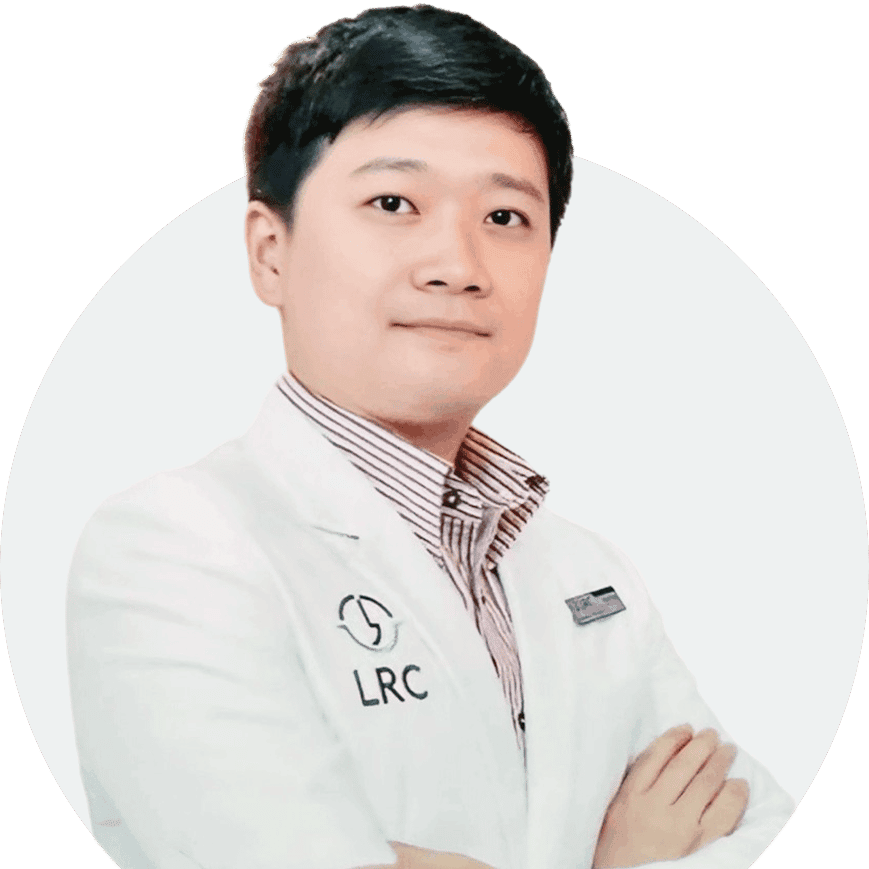
Somphoch Pumipichet M.D.
LRC Fertility Center - Best IVF Clinic Bangkok
- IVF Specialist
Bangkok, Thailand

Wasin Naknam
Deep & Harmonicare (DHC) IVF Center: Premier Assisted Fertility Care in Thailand
- Infertility/IVF
Bangkok, Thailand
เทคโนโลยีและห้องปฏิบัติการระดับโลก
ประเทศไทยได้ลงทุนอย่างมากในการพัฒนาตนเองให้เป็นศูนย์กลางทางการแพทย์ คลินิกผู้มีบุตรยากในประเทศไทยเพียบพร้อมด้วยเครื่องมือที่ทันสมัยที่สุด เช่น กล้องส่องตัวอ่อน และแพลตฟอร์มการจัดลำดับดีเอ็นเอรุ่นใหม่ (NGS)
เทคโนโลยีนี้ช่วยให้สามารถคัดกรองโครโมโซม 23 คู่ได้อย่างแม่นยำ ทำให้มั่นใจได้ว่าจะมีเพียงตัวอ่อนที่แข็งแรงเท่านั้นที่จะถูกย้ายเข้าสู่มดลูก ระดับความก้าวหน้าทางเทคโนโลยีนี้เทียบเท่าหรือเหนือกว่าสิ่งที่มีอยู่ในหลายประเทศตะวันตก แต่เข้าถึงได้ง่ายกว่าในที่นี่
คุ้มค่าเงินอย่างเหลือเชื่อ
ค่าครองชีพและค่าแรงทางการแพทย์ในประเทศไทยทำให้คลินิกต่างๆ สามารถให้บริการที่มีคุณภาพสูงในราคาที่จับต้องได้ ผู้ป่วยมักจะสามารถจ่ายค่าตั๋วเครื่องบิน ที่พักหรู และค่ารักษาพยาบาลทั้งหมดได้ในราคาที่ต่ำกว่าค่ารักษาพยาบาลเพียงอย่างเดียวในสหรัฐอเมริกาเสียอีก
การเข้าถึงบริการทางการเงินนี้ช่วยขจัดอุปสรรคสำคัญสำหรับคู่รักหลายคู่ ทำให้ความฝันที่จะมีครอบครัวที่อบอุ่นเป็นจริงได้โดยไม่ต้องเป็นหนี้สินจำนวนมาก
ความเป็นส่วนตัวและการท่องเที่ยว
ประเทศไทยมอบสภาพแวดล้อมที่เป็นส่วนตัวสำหรับการเดินทางเพื่อรับการรักษาทางการแพทย์ของคุณ คุณสามารถผสมผสานการรักษากับวันหยุดพักผ่อน เพลิดเพลินไปกับชายหาดที่สวยงาม วัฒนธรรมอันrich และอาหารที่มีชื่อเสียงระดับโลก
ด้าน "การท่องเที่ยวเพื่อการรักษาภาวะมีบุตรยาก" นี้ช่วยให้คู่รักได้ผ่อนคลายจากความเครียดในชีวิตประจำวัน ซึ่งเป็นประโยชน์ต่อความสำเร็จของการรักษา โครงสร้างพื้นฐานที่เอื้ออำนวยต่อการท่องเที่ยวทำให้การเดินทาง การรับประทานอาหาร และการพักผ่อนเป็นไปอย่างสะดวกสบาย
การวางแผนครอบครัวเป็นเรื่องส่วนตัวอย่างยิ่ง และการเข้ารับการรักษาในต่างประเทศจำเป็นต้องมีพันธมิตรที่คุณไว้วางใจได้ PlacidWay ช่วยให้เส้นทางสู่การเป็นพ่อแม่ของคุณง่ายขึ้น ด้วยการเชื่อมต่อคุณกับผู้เชี่ยวชาญด้านภาวะมีบุตรยากที่มีชื่อเสียงที่สุดในประเทศไทย
การตรวจสอบคลินิก
เราคัดกรองศูนย์รักษาภาวะมีบุตรยากอย่างเข้มงวด เพื่อให้แน่ใจว่าศูนย์เหล่านั้นได้มาตรฐานสากลสำหรับห้องปฏิบัติการด้านตัวอ่อนวิทยา และมีใบรับรองที่จำเป็น
คำคมที่โปร่งใส
เราได้รับใบเสนอราคาค่าใช้จ่ายที่ชัดเจนและแยกรายการจากคลินิกหลายแห่ง เพื่อให้คุณสามารถเปรียบเทียบราคาสำหรับการทำ IVF และ PGT-A ได้โดยไม่มีค่าธรรมเนียมแอบแฝง
การเข้าถึงแพทย์
เราอำนวยความสะดวกในการติดต่อสื่อสารเบื้องต้นกับผู้เชี่ยวชาญด้านภาวะมีบุตรยาก ช่วยให้คุณสามารถสอบถามเกี่ยวกับขั้นตอนการรักษาและอัตราความสำเร็จก่อนเดินทางได้
การประสานงานการรักษา
ทีมงานของเราจะช่วยประสานงานตารางนัดหมายของคุณกับคลินิกให้ตรงกับรอบเดือนและวันเดินทางของคุณอย่างมีประสิทธิภาพ
แหล่งข้อมูลทางการศึกษา
เราจัดทำคู่มือเกี่ยวกับข้อกฎหมายเรื่องการเลือกเพศและการทำเด็กหลอดแก้วในประเทศไทย เพื่อให้คุณได้รับทราบข้อมูลเกี่ยวกับกฎระเบียบอย่างครบถ้วน
การสนับสนุนผู้ป่วย
เราจะอยู่เคียงข้างคุณตลอดกระบวนการ สนับสนุนความต้องการของคุณ และทำให้ประสบการณ์ของคุณราบรื่นและปราศจากความเครียดมากที่สุดเท่าที่จะเป็นไปได้
ครอบครัวในฝันของคุณอยู่ใกล้กว่าที่คุณคิด ติดต่อ PlacidWay วันนี้เพื่อสำรวจตัวเลือกของคุณและรับคำปรึกษาส่วนตัวฟรีเกี่ยวกับการสร้างสมดุลครอบครัวในประเทศไทย
รับใบเสนอราคาส่วนตัวฟรี























Share this listing