
IVF Gender Selection in Thailand Pattaya: Cost, Process & Benefits

Navigating the world of fertility treatments can be overwhelming, especially when considering options abroad. For patients carrying genetic mutations, combining in vitro fertilization (IVF) with preimplantation genetic testing (PGT) offers a pathway to a healthy pregnancy. Many international patients look toward Southeast Asia for these services, drawn by advanced medical infrastructure and comprehensive care.
Understanding the actual IVF gender selection cost in Thailand—and the strict legal framework surrounding it—is the first crucial step for anyone considering this journey. This guide explores the medical procedures, estimated expenses, legal restrictions, and overall value of pursuing fertility care in the coastal city of Pattaya.
Key Takeaways
- Legal Restriction: Sex selection in Thailand is strictly limited to medical necessities (preventing sex-linked genetic diseases) and is illegal for non-medical family balancing.
- Estimated Costs: A full IVF cycle with genetic testing in Pattaya typically ranges between $8,000 and $12,000, depending on individual medication needs.
- The Procedure: Gender is identified during Preimplantation Genetic Testing (PGT), which primarily screens embryos for chromosomal abnormalities and inherited diseases.
- Medical Tourism Hub: Pattaya offers internationally accredited facilities, combining advanced reproductive technology with a calm, low-stress environment for recovery.
- Time Commitment: International patients should plan for a stay of approximately three to four weeks for a complete treatment cycle.
What are the current legal regulations for gender selection in Thailand?
It is vital for international patients to understand that the legal landscape for fertility treatments in Thailand changed significantly in 2015. The Protection of Children Born from Assisted Reproductive Technologies Act was implemented to heavily regulate the fertility industry. Under this law, commercial surrogacy and sex selection for family balancing were strictly outlawed.
Today, any reputable IVF gender selection clinic in Thailand operates under the mandate that embryo screening can only be performed for medical purposes. If a couple carries a known sex-linked genetic mutation—such as Duchenne muscular dystrophy or fragile X syndrome—doctors are legally permitted to use preimplantation genetic testing to identify the sex of the embryo. This ensures that only embryos not at risk of developing the debilitating disease are transferred to the uterus.
Patients traveling for medical tourism in Thailand must be prepared to provide extensive medical documentation proving their genetic carrier status before a clinic will approve testing that reveals embryo gender. Attempting to bypass these laws is illegal and unethical, and legitimate medical professionals will not accommodate requests based solely on parental preference.
How much does the complete IVF with PGD process cost in Pattaya?
When evaluating the financial aspect of fertility treatments abroad, clarity is essential. The cost in Pattaya is often more competitive than in Western countries, but it still represents a significant investment. The baseline price generally covers the core medical procedures required to create, test, and transfer an embryo.
To provide a clearer picture, here is a breakdown of what is typically included in that estimated range:
| Treatment Phase | What It Typically Includes |
|---|---|
| Pre-treatment | Initial consultations, baseline blood tests, and pelvic ultrasounds. |
| Ovarian Stimulation | Hormone medications to stimulate egg production and monitoring scans. |
| Retrieval & Fertilization | Surgical egg retrieval, anesthesia, sperm preparation, and ICSI (Intracytoplasmic Sperm Injection). |
| Genetic Testing | Embryo biopsy and PGT analysis (usually capped at a specific number of embryos, e.g., 4 to 8). |
| Embryo Transfer | Preparation of the uterine lining and the transfer of a medically cleared embryo. |
Please note: The figures above are estimates. Prices vary by facility, changes in medication protocols, and currency exchange rates.
What factors influence your overall IVF gender selection cost in Thailand?
While the base price provides a helpful guideline, individual medical needs dictate the final bill. The most significant variable in any IVF cycle is the cost of stimulation medications. A younger patient with a high ovarian reserve may require lower doses of hormones, whereas a patient with diminished reserve might need higher doses over a longer period, significantly increasing the pharmacy bill.
Another major factor is the genetic testing itself. Clinics typically include the biopsy and screening of a set number of embryos in their standard packages. If you are fortunate enough to yield a high number of viable embryos, testing the additional ones will incur extra laboratory fees per embryo.
Lastly, patients must factor in the possibility of needing a frozen embryo transfer (FET) rather than a fresh transfer. Often, the time required to receive comprehensive genetic test results means embryos must be frozen. The medications to prepare the uterus for an FET, alongside cryopreservation storage fees, will add to the overall financial commitment.
Important Consideration: Travel Expenses
Do not forget to budget for your time in Thailand. Flights, a 3–4 week hotel stay, food, and local transportation in Pattaya are separate from your medical bills and should be factored into your financial planning.
How does the PGD/PGT process work for genetic screening?
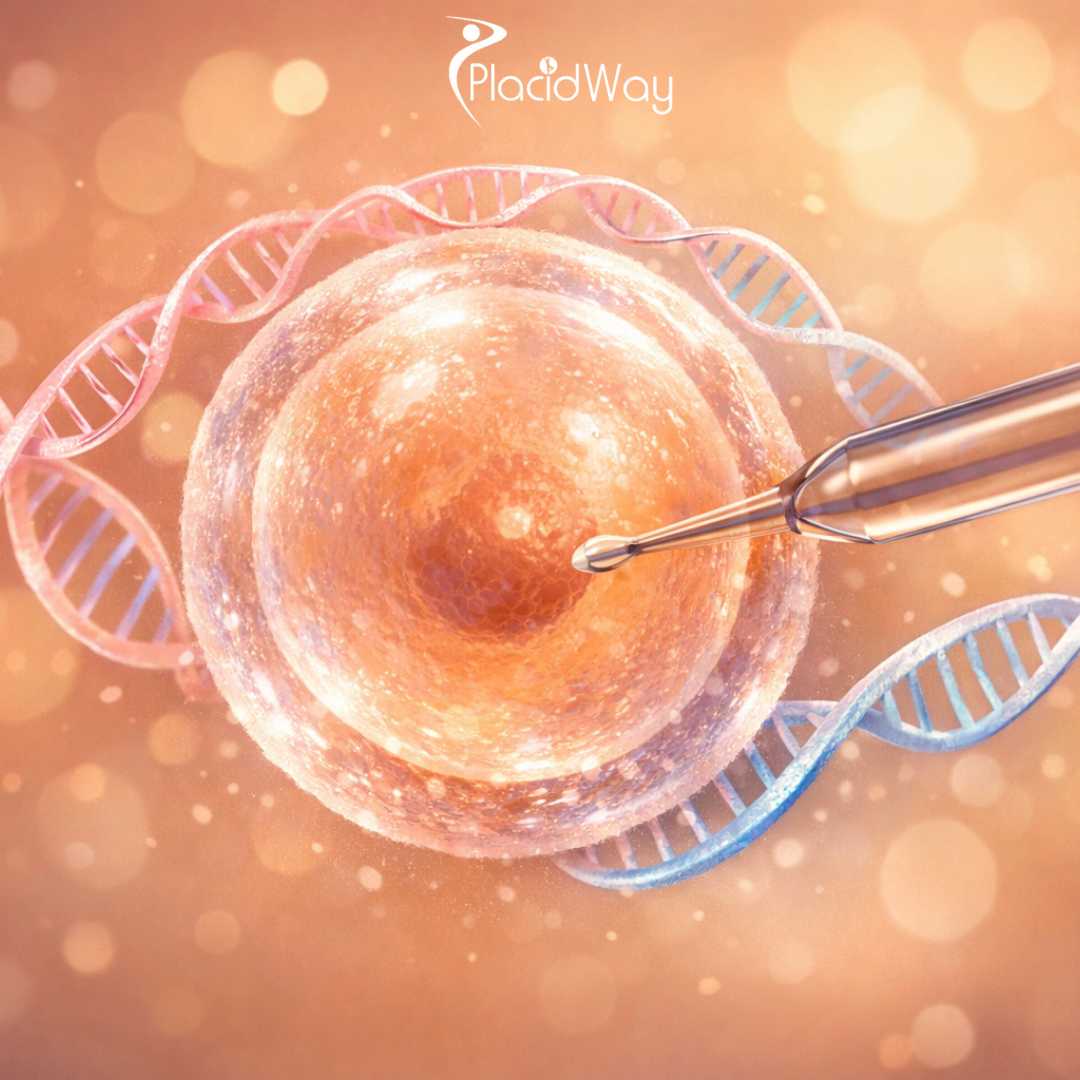
Preimplantation Genetic Testing (PGT) is a sophisticated laboratory procedure performed in conjunction with IVF. After eggs are retrieved and fertilized, usually via Intracytoplasmic Sperm Injection (ICSI), the resulting embryos are cultured in an incubator for five to six days until they reach the blastocyst stage.
Once an embryo reaches this stage, an embryologist carefully performs a biopsy. They remove a minute number of cells from the trophectoderm—the part of the embryo that will eventually form the placenta, leaving the inner cell mass (which forms the fetus) untouched. These extracted cells are then sent to a genetics laboratory for DNA analysis.
The testing can look for overall chromosomal normalcy (PGT-A) or specific single-gene disorders (PGT-M). Because the sex chromosomes (X and Y) are evaluated during this process to rule out sex-linked diseases, the gender of the embryo is naturally revealed to the medical team. Only embryos that are free from the targeted genetic disorders are cleared for transfer to the patient's uterus.
Is traveling to an IVF gender selection clinic in Thailand worth it?
Deciding if international fertility treatment is "worth it" is highly subjective and depends heavily on a family's medical needs and financial situation. For those who are carriers of debilitating sex-linked diseases, the ability to ensure their child will not suffer from these conditions is often viewed as invaluable. The emotional relief of knowing an embryo is medically cleared before pregnancy begins can drastically reduce the anxiety associated with high-risk pregnancies.
From a practical standpoint, Thailand remains a highly regarded destination for medical care. The country has heavily invested in healthcare infrastructure, and many fertility specialists practicing in Pattaya have received training internationally. The laboratories are equipped with modern technology required for delicate procedures like embryo biopsy and vitrification (fast-freezing).
Furthermore, the cost of treatment, even when factoring in travel expenses, is often lower than in North America or parts of Europe. When combined with the high standard of clinical care and the supportive, hospitality-focused culture of Thailand, many international patients find the overall experience provides excellent value.
Who is an ideal candidate for medically indicated sex selection?
Because Thailand restricts gender selection to medical necessity, candidates must meet specific clinical criteria. Ideal candidates are typically couples who have undergone genetic counseling and have been identified as carriers of X-linked recessive disorders. In these conditions, female offspring may become carriers without showing symptoms, while male offspring have a significantly higher risk of inheriting and suffering from the disease.
Conditions that commonly warrant this type of screening include:
- Hemophilia A and B
- Duchenne and Becker muscular dystrophy
- Fragile X syndrome
- Certain types of severe combined immunodeficiency (SCID)
In addition to genetic carrier status, candidates must be medically suitable for IVF. This requires a thorough evaluation of the female partner's ovarian reserve, uterine health, and overall physical ability to carry a pregnancy, as well as an assessment of the male partner's sperm quality.
What are the potential risks and limitations of IVF and PGT?
It is crucial to approach fertility treatments with a realistic understanding of the medical risks. The ovarian stimulation phase requires daily hormone injections, which can lead to side effects ranging from mild bloating and mood swings to Ovarian Hyperstimulation Syndrome (OHSS). While severe OHSS is rare, it requires immediate medical management to prevent complications such as fluid buildup in the abdomen or blood clots.
The surgical egg retrieval carries standard risks associated with anesthesia, as well as a small risk of bleeding or pelvic infection. Regarding the genetic testing, while embryologists are highly skilled, the biopsy procedure inherently carries a small risk of damaging the embryo, which could arrest its development.
A significant limitation patients must prepare for is the possibility of cycle cancellation. Sometimes, ovaries do not respond to medication, or fertilization fails. Furthermore, PGT may reveal that all resulting embryos carry the genetic abnormality, leaving no healthy embryos available for transfer. Comprehensive discussions with a reproductive endocrinologist are essential to set realistic expectations.
How long should you plan to stay in Pattaya for IVF treatment?
Timing is a critical factor for patients pursuing medical tourism in Thailand. IVF is a time-sensitive procedure tied directly to the female patient's menstrual cycle. Typically, treatment begins on the second or third day of menstruation. The ovarian stimulation phase involves daily injections and frequent clinic visits for blood tests and ultrasounds over 10 to 12 days.
Following stimulation, the egg retrieval is scheduled. If a patient is undergoing genetic testing, the embryos must grow in the laboratory for five to six days before biopsy. Because the genetic analysis itself takes several days to a week, clinics often freeze the biopsied embryos.
Patients have two options regarding their travel timeline. They can stay in Pattaya for an extended period (about a month) waiting for results and preparing the uterus for a frozen transfer, or they can fly home after the egg retrieval and return to Thailand a few months later for a shorter trip solely for the embryo transfer.
What should you look for in a fertility clinic in Pattaya?
Selecting the right healthcare provider is the most important decision in your fertility journey. When researching facilities in Pattaya, look for clinics that hold accreditations from recognized domestic and international health organizations. These credentials indicate adherence to strict safety and quality control standards.
Because you are seeking genetic screening, inquire whether the clinic has an in-house genetics laboratory or if they send biopsies to an external facility. In-house labs can sometimes reduce the waiting time for results and minimize the handling of delicate embryonic material.
Furthermore, prioritize transparency. A reputable clinic will provide clear, itemized cost estimates without hidden fees and will be honest about their success rates relative to your specific age and medical background. They should also clearly communicate their adherence to Thailand's legal restrictions regarding sex selection, ensuring you are receiving lawful, ethical care.
Why Choose PlacidWay for Medical Tourism in Thailand?
Planning medical treatment abroad involves managing numerous details, from understanding complex procedures to finding reputable healthcare providers. PlacidWay exists to support patients through this research and planning phase by offering comprehensive, educational resources.
- Extensive Network: PlacidWay connects patients with a wide network of internationally accredited hospitals and specialized fertility centers globally, including in Thailand.
- Educational Resources: They provide detailed, factual information about various medical procedures, helping patients understand their options before making decisions.
- Transparent Provider Profiles: Patients can review clinic credentials, physician qualifications, and facility capabilities in one centralized location.
- Facilitated Communication: The platform helps bridge the initial communication gap between international patients and overseas medical teams.
- Customized Information: PlacidWay allows patients to request specific information and treatment estimates based on their unique medical requirements.
Frequently Asked Questions
Can I undergo IVF gender selection in Pattaya solely for family balancing?
No. Under Thailand's 2015 Assisted Reproductive Technology law, sex selection for non-medical reasons, such as family balancing, is strictly prohibited. It is only permitted to prevent the transmission of severe sex-linked genetic disorders.
Does the estimated IVF cost in Thailand include travel and accommodation?
No, the estimated medical costs typically only cover the clinical procedures, laboratory fees, and standard fertility medications. Flights, accommodation, and daily living expenses in Pattaya must be budgeted separately.
Are IVF success rates guaranteed if I use preimplantation genetic testing?
No medical procedure can offer a 100% guarantee. While genetic testing can help identify embryos without specific chromosomal abnormalities, success rates depend heavily on maternal age, egg quality, uterine health, and other individual medical factors.
What is the difference between PGT-A and PGT-M?
PGT-A screens embryos for overall chromosomal abnormalities (aneuploidy), while PGT-M looks for specific single-gene mutations (monogenic disorders) that a patient is known to carry, such as hemophilia.
Can extra embryos be frozen for future use in Pattaya clinics?
Yes, most modern fertility clinics in Thailand offer cryopreservation (freezing) for viable embryos that are not used in the initial transfer cycle. This allows you to attempt another pregnancy in the future without repeating the egg retrieval process.
How many trips to Thailand will I need for a complete IVF cycle?
Many patients complete the process in a single trip lasting three to four weeks. However, some prefer a two-trip approach: one shorter trip for ovarian stimulation and egg retrieval, and a second trip a month or two later for the frozen embryo transfer.
Is it safe to fly home immediately after an embryo transfer?
Generally, flying after an embryo transfer does not negatively impact implantation rates. However, most reproductive endocrinologists advise resting for 24 to 48 hours before undertaking a long-haul flight. Always consult your treating physician.
What happens if no healthy embryos are identified during genetic testing?
If the genetic screening reveals that all embryos carry the targeted genetic disorder or chromosomal abnormalities, an embryo transfer will not be performed. You and your doctor will then discuss alternative options, which may include another IVF cycle or using donor gametes.
Do healthcare teams in Pattaya fertility clinics speak English?
Yes, clinics that frequently treat international patients usually have fluent English-speaking doctors and dedicated patient coordinators. Many facilities also provide translation services for other languages.
Are there age limits for undergoing IVF treatments in Thailand?
While there is no strict national legal age limit, individual clinics usually set their own policies based on medical safety and efficacy. Many clinics will not perform IVF using a woman's own eggs past the age of 45 to 50 due to significantly reduced success rates and increased health risks.
Compare Treatment Options
Gather the information you need to make an informed decision about your fertility care abroad.
Request Treatment InformationReferences
- Use of preimplantation genetic testing for monogenic defects (PGT-M) – American Society for Reproductive Medicine (ASRM)
- Infertility Fact Sheet – World Health Organization (WHO)
- Preimplantation Genetic Testing: Current Status and Future Prospects – National Center for Biotechnology Information (NCBI)
- Preimplantation Genetic Testing – American College of Obstetricians and Gynecologists (ACOG)
- Guidelines on Assisted Reproductive Technology – The Medical Council of Thailand
- Assisted Reproductive Technology (ART) – Centers for Disease Control and Prevention (CDC)
- In vitro fertilisation (IVF) – Human Fertilisation and Embryology Authority (HFEA)
Medical Disclaimer: The information provided in this article is for educational and informational purposes only and does not constitute medical advice. Fertility treatments, including IVF and PGT, carry medical risks and may not be suitable for everyone. Legal regulations regarding sex selection vary by country and are subject to change. Always consult with a qualified reproductive endocrinologist or healthcare professional for a personalized assessment of your medical history, eligibility, and treatment options.



























Share this listing