
What treatment


20+ Key FAQs on Fertility Treatment in Thailand
Questions About Fertility Treatment in Thailand? Start Here
Trusted Medical Tourism Platform Since 2007
What is the success rate of IVF in Thailand?
The success rate of IVF in Thailand generally ranges from 40% to 60% per embryo transfer for women under 35. Individual outcomes depend heavily on maternal age, underlying fertility issues, egg quality, and the use of techniques like PGT-A. When individuals and couples face challenges conceiving naturally, seeking fertility treatments abroad often becomes a viable consideration. If you are researching IVF in Thailand, understanding the clinical outcomes, safety protocols, and medical realities is essential. Patients frequently ask, "What is the success rate of IVF in Thailand?"—a question that requires a nuanced look at medical statistics, individual health factors, and the technologies utilized by specialists in Southeast Asia. This comprehensive guide explores how success rates are calculated, what medical variables impact your personal chances, patient eligibility, and what to expect when pursuing medical tourism in Thailand for fertility care. Key Takeaways Success rates are largely age-dependent, typically highest for patients under 35 and declining as maternal age increases. Thailand offers advanced Assisted Reproductive Technology (ART), including ICSI and Preimplantation Genetic Testing (PGT-A). Individual outcomes vary based on comprehensive medical history, ovarian reserve, embryo quality, and male factor fertility. The IVF cost in Thailand is often more manageable compared to Western nations, without sacrificing clinical facility standards. Proper planning, medical consultations, and partnering with an established IVF clinic in Thailand are crucial steps for safe and effective medical travel. How Does Maternal Age Impact IVF Success in Thailand? Maternal age is the single most significant factor influencing IVF success, as female fertility naturally declines due to a decrease in egg quantity and chromosomal quality over time. Globally, and similarly in Thailand, a woman’s age at the time of egg retrieval plays a dominant role in the likelihood of achieving a live birth. For women under the age of 35, success rates per embryo transfer are typically at their highest. During this window, ovaries generally produce a robust number of eggs in response to stimulation medication, and a higher percentage of those eggs are chromosomally normal. As women move into their late 30s, the clinical pregnancy rate begins to decrease. By age 40 and beyond, the natural decline accelerates significantly. Older eggs are more prone to genetic abnormalities (aneuploidy), which can lead to lower fertilization rates, failure of the embryo to implant, or early miscarriage. While treatments can assist with conception, they cannot reverse the natural aging of reproductive cells. Maternal Age Bracket Estimated Success Rate (Per Transfer) Under 35 years 40% – 60% 35 to 37 years 35% – 45% 38 to 40 years 20% – 30% Over 40 years 5% – 15% Note: These percentages are general estimates based on international averages and typical clinic reporting. Individual results will vary based on specific medical circumstances. What Medical Factors Influence Your Chances of a Successful Pregnancy? Beyond age, individual medical history, underlying reproductive health conditions, lifestyle choices, and a partner's sperm quality play critical roles in determining the effectiveness of the treatment. A successful in vitro fertilization cycle depends on a complex interplay of physiological factors. Physicians evaluating your case will look closely at several parameters before estimating your prognosis: Ovarian Reserve: Measured by AMH (Anti-Müllerian Hormone) blood levels and antral follicle counts on an ultrasound, this indicates how many eggs might be retrieved. Uterine Health: The presence of fibroids, polyps, scar tissue, or endometriosis can interfere with an embryo's ability to implant in the uterine lining. Male Factor Infertility: Sperm count, motility (movement), and morphology (shape) directly impact fertilization rates. Lifestyle and BMI: Smoking, excessive alcohol consumption, and having a Body Mass Index (BMI) that is significantly over or underweight can negatively affect hormone absorption and pregnancy outcomes. Previous IVF Attempts: How a patient responded to stimulation medications in the past provides valuable diagnostic clues for future protocols. How Does Preimplantation Genetic Testing (PGT-A) Affect Outcomes? PGT-A screens embryos for chromosomal abnormalities before transfer, which can improve the likelihood of implantation and reduce the risk of miscarriage for suitable patients. Preimplantation Genetic Testing for Aneuploidies (PGT-A) is frequently offered by clinics in Thailand, particularly for women over 35 or those with a history of recurrent pregnancy loss. After eggs are fertilized and grow to the blastocyst stage (usually day 5 or 6), an embryologist carefully biopsies a few cells. These cells are tested to ensure the embryo has the correct number of chromosomes (46). Transferring an embryo known as "euploid" (chromosomally normal) significantly increases the chance of implantation and drastically lowers the chance of a miscarriage. However, it is vital to understand that PGT-A does not create better embryos; it simply serves as a sophisticated selection tool. If a cycle produces no euploid embryos, a transfer will not take place. Patients should discuss the benefits and limitations of PGT-A with their specialist to determine if it is medically appropriate for their situation. What Is the Average IVF Cost in Thailand? The estimated IVF cost in Thailand typically ranges from $6,000 to $12,000 USD per cycle, depending on the clinic, specific medication protocols, and additional technologies used. Financial considerations are a primary driver for patients exploring options abroad. The cost structure in Thailand is generally more affordable than in the United States, Australia, or the United Kingdom. This estimate usually encompasses consultations, ultrasound monitoring, egg retrieval, fertilization, and the embryo transfer itself. However, patients must account for variable expenses. The amount and type of stimulation medications required can fluctuate based on a woman's age and ovarian reserve. Additionally, techniques such as ICSI (Intracytoplasmic Sperm Injection), embryo freezing (cryopreservation), and PGT-A will incur additional charges. When budgeting for treatment, patients should request a comprehensive, itemized breakdown from the facility and factor in travel, accommodation, and food expenses for the duration of their stay. Are Fertility Clinics in Thailand Regulated and Safe? Yes, fertility centers in Thailand are regulated by the Thai Medical Council and the Ministry of Public Health, ensuring stringent clinical standards and adherence to ethical guidelines. Safety and regulatory oversight are critical concerns for anyone traveling for medical care. The medical sector in Thailand is highly developed, with many facilities catering specifically to international patients. Facilities offering ART are subject to strict national laws. For instance, commercial surrogacy and the buying or selling of eggs and sperm are strictly prohibited under Thai law to prevent exploitation. Furthermore, many leading hospitals and specialized clinics pursue international accreditation, such as from the Joint Commission International (JCI). This accreditation signifies that the facility meets rigorous global standards for patient safety, hygiene, and quality of care. Patients should always verify the credentials, board certifications of the physicians, and the accreditation status of a clinic before committing to treatment. Important Consideration: Navigating foreign medical systems requires diligence. Always consult with a local healthcare professional in your home country before traveling to ensure you are medically fit for the physical demands of IVF and international travel. What Technologies Are Used by an IVF Clinic in Thailand to Improve Success? An established IVF clinic in Thailand often utilizes state-of-the-art laboratory techniques and advanced embryology equipment to maximize the chances of healthy embryo development. The strength of a fertility treatment program relies heavily on the quality of its embryology laboratory. Clinics in Thailand frequently invest in modern technologies designed to optimize every stage of the fertilization and growth process: Intracytoplasmic Sperm Injection (ICSI): A procedure where a single, healthy sperm is injected directly into an egg, bypassing many male infertility issues. Time-Lapse Incubators: These machines take continuous photographs of embryos as they develop, allowing embryologists to monitor growth without removing the embryos from a stable environment. Vitrification: An ultra-rapid freezing technique used for eggs and embryos that minimizes the formation of ice crystals, resulting in highly successful thaw survival rates. Endometrial Receptivity Analysis (ERA): A biopsy of the uterine lining that helps pinpoint the optimal window for embryo implantation. Who Is a Good Candidate for IVF in Thailand? Suitable candidates generally include couples facing unexplained infertility, blocked fallopian tubes, severe male factor issues, or those requiring genetic screening to prevent inherited diseases. Not everyone experiencing fertility struggles immediately requires in vitro fertilization. Often, less invasive treatments like ovulation induction or IUI (Intrauterine Insemination) are explored first. However, IVF may be the most appropriate pathway for women with damaged or absent fallopian tubes, severe endometriosis, or diminished ovarian reserve. It is equally important to understand contraindications. Women with severe underlying health issues—such as uncontrolled hypertension, advanced heart disease, or certain active infections—may not be safe candidates for pregnancy or the stimulation process. A thorough pre-travel consultation involving blood tests, pelvic ultrasounds, and a review of medical records is vital to confirm eligibility. What Should I Expect During the IVF Process Abroad? Traveling for treatment involves initial remote consultations, traveling for ovarian stimulation and egg retrieval, and typically staying in the destination country for two to four weeks. The journey usually begins from your home country via video consultations. You will likely be asked to undergo preliminary testing at a local clinic and share those results with the specialist in Thailand. Once a treatment protocol is designed, you will plan your travel. Upon arrival, the stimulation phase involves daily hormone injections for about 10 to 12 days, coupled with frequent ultrasound monitoring. When follicles are mature, a minor surgical procedure under light sedation is performed to retrieve the eggs. Following fertilization in the lab, embryos grow for 3 to 6 days. Depending on the plan, a fresh embryo may be transferred into the uterus, or all embryos may be frozen (a "freeze-all" cycle) for transfer at a later date, allowing the patient's body time to recover from the medications. How Does Medical Tourism in Thailand Support Fertility Patients? Medical tourism in Thailand provides a well-established infrastructure, combining high-quality healthcare with English-speaking support staff and comfortable recovery environments. Thailand has spent decades developing its healthcare infrastructure to cater to global travelers. Facilities in cities like Bangkok or Phuket often feature dedicated international patient departments. These departments assist with language translation, medical record transfers, and understanding the logistics of care away from home. Many patients find that removing themselves from the daily stress of work and home life allows them to focus entirely on their treatment. Additionally, some clinics integrate holistic wellness approaches, such as acupuncture and nutritional counseling, alongside standard medical protocols to support overall well-being during a highly emotional time. What Are the Potential Risks and Complications of IVF? While generally safe, treatment carries potential medical risks such as Ovarian Hyperstimulation Syndrome (OHSS), multiple pregnancies, and the possibility of an ectopic pregnancy. No medical procedure is entirely without risk. The use of injectable hormones can occasionally lead to OHSS, where the ovaries become swollen and painful. Mild cases resolve on their own, but severe cases require medical intervention and fluid monitoring. There is also a small risk of infection or bleeding associated with the egg retrieval procedure. Transferring more than one embryo increases the risk of a multiple pregnancy (twins or higher-order multiples). Multiples carry significantly higher risks for both the mother and the babies, including premature birth and low birth weight. For this reason, many international clinics strongly advocate for Single Embryo Transfer (SET). Lastly, patients must arrange for continuous prenatal care with an obstetrician in their home country once a pregnancy is achieved, ensuring safe monitoring through to delivery. Why Choose PlacidWay for Medical Tourism? Navigating international healthcare options can feel overwhelming. PlacidWay serves as an informational platform designed to help patients explore health services globally. Here is how the platform assists individuals seeking fertility care: Global Network Access: PlacidWay provides access to an extensive directory of healthcare providers across numerous countries, allowing patients to compare different international clinics. Educational Resources: The platform offers detailed informational resources to help patients better understand complex medical treatments and the medical travel process. Cost Transparency: Patients can use the platform to request customized, direct cost estimates from medical facilities, aiding in accurate financial planning. Direct Communication: PlacidWay facilitates initial contact and communication between prospective patients and international medical teams. Empowered Research: The service is designed to allow individuals to research different destinations, treatment approaches, and facilities at their own pace without pressure. Frequently Asked Questions (FAQs) How long do I need to stay in Thailand for an IVF cycle? Most patients need to stay in Thailand for approximately three to four weeks for a complete fresh IVF cycle. This covers the period from the start of ovarian stimulation through egg retrieval and embryo transfer. If you opt for a freeze-all cycle, you may make two shorter trips instead. Can I choose the gender of my baby during IVF in Thailand? No. Under Thai law, gender selection for family balancing purposes is strictly prohibited. Preimplantation Genetic Testing (PGT) is permitted only for medical reasons, such as screening for severe inherited genetic diseases, not for sex selection. What is the age limit for undergoing IVF in Thailand? While there is no strict legal age limit, most clinics evaluate patients on a case-by-case basis. Many facilities are hesitant to treat women over 50 due to significantly lower success rates and increased maternal risks during pregnancy. Individual health assessments dictate eligibility. Do Thai fertility clinics use ICSI standardly? Intracytoplasmic Sperm Injection (ICSI) is very commonly used in Thai fertility clinics, especially for international patients. While not strictly mandatory for every patient, clinics frequently recommend it to maximize fertilization rates, particularly when male factor infertility is present or when eggs have been frozen. How do I transport my medical records to a Thai clinic? Medical records, including previous blood tests, semen analyses, and ultrasound reports, can typically be securely emailed or uploaded to the clinic's encrypted patient portal before you travel. Having these records translated into English is highly recommended. Is it safe to fly after an embryo transfer in Thailand? Most fertility specialists advise waiting at least 24 to 48 hours after an embryo transfer before flying. While flying itself does not typically impact implantation, resting briefly helps minimize stress. Always consult your specific physician for clearance before booking your return flight. Can I use a sperm or egg donor in Thailand? Thailand has strict regulations regarding third-party reproduction. Commercial egg, sperm, and embryo donation is illegal. Altruistic (non-paid) donation is allowed under highly specific legal frameworks, but navigating these laws as a foreign patient can be complex and requires specialized legal guidance. Does health insurance cover IVF in Thailand? Most standard domestic and international health insurance policies do not cover elective fertility treatments abroad. However, you should check with your provider, as some plans may cover diagnostic testing or specific medications, even if the procedure itself is out-of-pocket. What happens if I develop OHSS while in Thailand? If you develop Ovarian Hyperstimulation Syndrome (OHSS), your clinic will provide medical management, which may include fluid monitoring, medication, and rest. In severe cases, hospitalization may be required. This highlights the importance of having travel medical insurance that covers treatment complications. How successful is frozen embryo transfer (FET) compared to fresh transfer? Frozen embryo transfers (FET) often yield success rates comparable to, or sometimes slightly higher than, fresh transfers. FET allows the patient's body to recover from stimulation medications, providing a more natural uterine environment for implantation. Success ultimately depends on embryo quality and maternal age at the time of freezing. Explore Your Fertility Treatment Options Today Gather detailed information, compare international facilities, and request cost estimates to help you make an informed decision regarding your healthcare. Request Treatment Information References Female Age-Related Fertility Decline – American Society for Reproductive Medicine (ASRM) Assisted Reproductive Technology (ART) Data – Centers for Disease Control and Prevention (CDC) Infertility Fact Sheet – World Health Organization (WHO) Fertility Treatment Trends and Figures – Human Fertilisation & Embryology Authority (HFEA) Evaluating Infertility – American College of Obstetricians and Gynecologists (ACOG) Guidelines and Legal Frameworks for ART – European Society of Human Reproduction and Embryology (ESHRE) Medical Disclaimer: The information provided in this article is for educational and informational purposes only and does not constitute medical advice, diagnosis, or treatment planning. In vitro fertilization success rates, risks, and suitability vary significantly based on individual medical histories and specific patient circumstances. Always consult with a qualified, board-certified fertility specialist or healthcare provider to determine if any medical procedure is appropriate for you....
Read more details


Which Clinics In Thailand Are Considered Best For Ivf With Pgd
The best clinics for IVF with PGD in Thailand are typically internationally accredited fertility centers located in major medical hubs like Bangkok and Phuket. Patients should look for JCI accreditation and experienced reproductive endocrinologists. When researching IVF with PGD in Thailand, it is natural to look for a definitive list of the "best" clinics. However, because reproductive medicine is highly individualized, the best facility for one patient may not be the ideal choice for another. Rather than focusing on a specific brand name, it helps to understand how to evaluate a clinic's medical standards, laboratory capabilities, and experience with international patients. Thailand has developed a strong reputation in the field of reproductive medicine, drawing patients from across the globe. To make an informed decision about your fertility care, you need to know what questions to ask, what credentials to verify, and how to prepare for the realities of treatment abroad. Key Takeaways The quality of an IVF clinic is largely determined by its embryology laboratory and adherence to international protocols. Preimplantation Genetic Diagnosis (PGD) requires specialized laboratory equipment and trained geneticists to evaluate embryos safely. Reputable centers will hold accreditations from organizations like the Joint Commission International (JCI). Thailand enforces strict legal regulations regarding assisted reproduction, which international patients must follow. Patients should plan for a stay of three to four weeks and coordinate ongoing prenatal care with their local physician. What criteria define a top-tier fertility clinic in Thailand? The best fertility centers are defined by their advanced laboratory standards, experienced embryologists, and strict adherence to international patient safety protocols. Finding the right IVF with PGD clinic in Thailand means looking past marketing materials and focusing on medical infrastructure. The success of In Vitro Fertilization, especially when combined with genetic testing, relies heavily on the environment where the embryos are cultured. A clinic's embryology lab should utilize advanced clean-room technology to control air quality, temperature, and light exposure. Additionally, you should look into the credentials of the medical team. The treating physicians should be board-certified reproductive endocrinologists, ideally with fellowships or training from recognized international institutions. The presence of in-house geneticists and highly experienced embryologists is also crucial when PGD is part of your treatment plan. Transparency is another key indicator of a reliable clinic. Reputable facilities will openly discuss their clinical pregnancy rates, but they will also explain that these statistics vary significantly based on patient age and underlying medical conditions. They will never promise a 100% success rate or guarantee a pregnancy. Where are the leading reproductive medicine hubs in Thailand located? Major cities such as Bangkok, Phuket, and Chiang Mai host the country's most established fertility centers designed to accommodate international patients. Bangkok: As the capital, Bangkok is the epicenter of medical care in Thailand. It houses the largest concentration of accredited hospitals and standalone fertility centers. The city offers advanced medical infrastructure and easy access via international flights. Phuket: Known primarily as a holiday destination, Phuket also features modern medical facilities that cater to foreigners. Many patients prefer the calmer environment for their recovery period during an IVF cycle. Chiang Mai: Located in the north, Chiang Mai provides excellent healthcare facilities at a generally more relaxed pace than Bangkok, making it another viable option for an extended medical stay. Accessibility: These hubs are equipped with robust support systems for international patients, including translation services, dedicated international coordinators, and assistance with medical documentation. Follow-up Care: Because these cities have comprehensive medical ecosystems, patients have easy access to emergency care or specialized consultations should any unexpected complications arise during their treatment. How does PGD testing improve IVF outcomes for patients? Preimplantation Genetic Diagnosis (PGD) helps identify specific inherited genetic conditions or chromosomal abnormalities before an embryo is selected for transfer. When patients undergo IVF, not all embryos created in the lab will be genetically normal. PGD (often used interchangeably with PGT-A or PGT-M depending on the exact test) involves taking a small biopsy of cells from a day-5 or day-6 embryo (blastocyst). Geneticists analyze these cells to check for chromosomal aneuploidy (too many or too few chromosomes) or specific monogenic diseases. By transferring only those embryos that have tested as genetically normal, clinicians may reduce the risk of implantation failure and miscarriage. It can be particularly beneficial for patients with a known family history of genetic disorders, those who have experienced recurrent pregnancy loss, or older patients facing a higher risk of chromosomal abnormalities. However, it is vital to understand the limitations. PGD requires embryos to reach the blastocyst stage, which does not always happen. The biopsy process itself carries a very small risk of damaging the embryo. Furthermore, testing normal does not guarantee that the embryo will successfully implant or result in a live birth. What international accreditations should a Thai fertility center hold? Patients should look for facilities accredited by the Joint Commission International (JCI) and recognized by the Thai Medical Council for reproductive technology. Accreditation is an objective way to measure a clinic's commitment to patient safety and quality of care. The Joint Commission International (JCI) is widely considered the gold standard in global healthcare. When a facility holds JCI accreditation, it means they undergo rigorous, independent evaluations of their clinical practices, equipment maintenance, and emergency protocols. In addition to international bodies, the clinic must be licensed by Thailand’s Ministry of Public Health and adhere to the guidelines set by the Royal Thai College of Obstetricians and Gynaecologists (RTCOG). These local regulatory bodies ensure that clinics operate legally and ethically within the country. Some top laboratories may also hold specialized pathology or laboratory accreditations, such as ISO 15189 (Medical Laboratories) or certifications from international reproductive societies. Checking these credentials offers peace of mind that the clinic operates to a high, verifiable standard. Important Consideration Always ask a prospective clinic directly about their licensing. Legitimate facilities will gladly provide evidence of their accreditations and explain how they maintain their quality control standards. Are there age limits or legal restrictions for IVF with PGD in Thailand? Thailand has specific legal regulations governing assisted reproductive technology, including strict restrictions on commercial surrogacy and non-medical gender selection. Marriage Requirements: Thai law currently stipulates that assisted reproductive technology services are legally available to heterosexual couples who are legally married. Gender Selection: Using PGD solely for family balancing or non-medical gender selection is prohibited under Thai law. Genetic testing is permitted for screening out chromosomal abnormalities and inherited diseases. Age Limits: While there is no strict national legal age cutoff, most responsible clinics have internal medical guidelines. They may decline treatment using a woman's own eggs if she is over a certain age (often 45-50) due to low success rates and increased health risks. Third-Party Reproduction: Commercial surrogacy and commercial egg/sperm donation are banned. Altruistic donation is heavily regulated and usually restricted to relatives of the couple. Legal Documentation: International patients must present valid passports and translated, notarized marriage certificates before beginning treatment. How should international patients prepare for fertility treatment abroad? Preparing for fertility treatment abroad requires coordinating initial diagnostic testing with your local doctor and planning for an extended medical stay. Success in cross-border reproductive care requires thorough preparation. Before traveling, you will typically conduct video consultations with the Thai fertility specialist. They will request preliminary tests, such as a transvaginal ultrasound to check your ovarian reserve, blood panels to measure hormones (like AMH, FSH, and LH), and a semen analysis for your partner. These can usually be done in your home country. You may also start some preliminary medications, such as birth control pills, to synchronize your menstrual cycle before flying. Your doctor will provide a detailed calendar outlining when you need to arrive in Thailand and when your monitoring appointments will begin. Mentally and physically preparing is also vital. The IVF process can be emotionally taxing, and being far from your usual support network adds a layer of complexity. Ensuring you have comfortable accommodations and a clear understanding of the treatment timeline can significantly reduce stress. What is the average timeline for an IVF cycle with genetic testing? A standard IVF cycle incorporating genetic testing typically requires patients to stay in the country for three to four weeks, or split their treatment into two separate trips. When PGD is involved, the treatment timeline differs slightly from a fresh IVF cycle. You generally need to arrive in Thailand just before your period starts. Ovarian stimulation begins on day two or three of your cycle and involves 10 to 12 days of daily hormone injections. During this time, you will visit the clinic frequently for ultrasounds and blood work to monitor follicle growth. Once the eggs are mature, the retrieval procedure takes place. The eggs are fertilized, and the embryos are cultured for five to six days. At the blastocyst stage, the embryologist performs the biopsy for PGD. Because genetic analysis takes time (often one to two weeks), the embryos must be frozen. Due to this wait time, most patients undergo a "freeze-all" cycle. You may choose to return home after the egg retrieval and fly back to Thailand a month or two later for a Frozen Embryo Transfer (FET), or stay in Thailand for an extended period if your schedule permits. What factors influence IVF with PGD cost in Thailand? The overall IVF with PGD cost in Thailand can vary based on medication dosages, the number of embryos tested, and individual clinical needs. Medication Variations: The cost of stimulation drugs is a major variable. Older patients or those with diminished ovarian reserve often require higher doses of medication, which increases the total cost. Number of Embryos Tested: PGD pricing is frequently structured per embryo or in batches (e.g., up to four embryos). If you have a high yield of blastocysts, the testing costs will rise accordingly. Additional Lab Techniques: Depending on sperm quality, you may require ICSI (Intracytoplasmic Sperm Injection) to fertilize the eggs, which incurs an additional fee. Storage Fees: If you freeze remaining embryos for future use, you will pay initial freezing fees followed by annual cryopreservation storage costs. Diagnostic Testing: Any pre-cycle testing, blood work, and semen analysis conducted at the clinic will add to the overall estimate. Always ask for a comprehensive breakdown of what is and isn't included in package pricing. How do Thai clinics manage patient safety and embryo security? Established facilities use strict identification protocols, advanced clean-room technology, and continuous monitoring systems to protect embryos and ensure patient safety. Safety is the cornerstone of medical tourism in Thailand. For fertility treatments, safety extends beyond the surgical procedure of egg retrieval; it heavily involves laboratory security. Top clinics employ strict chain-of-custody protocols, often utilizing electronic witnessing systems using RFID tags to ensure that eggs, sperm, and embryos are correctly matched to the right patient at every step. To mitigate the medical risks of IVF, such as Ovarian Hyperstimulation Syndrome (OHSS), responsible physicians monitor hormone levels closely during stimulation. They may adjust medications dynamically or trigger ovulation with alternative medications to reduce OHSS risk. They also strongly advocate for elective single embryo transfers (eSET) after PGD, as transferring multiple embryos significantly increases the risk of complicated multiple pregnancies. Finally, patient safety includes structured aftercare. Before you travel back home, your clinic should provide you with a comprehensive medical report, detailed instructions for ongoing hormonal support, and clear guidance on what to do if you experience bleeding, severe pain, or other symptoms. You should always arrange for a local obstetrician to oversee your early pregnancy care once you return. Why Choose PlacidWay for Medical Tourism? Navigating cross-border healthcare can be complex, especially for sensitive treatments like fertility care. PlacidWay serves as a global medical tourism resource, helping patients access medical care internationally. Here is how PlacidWay assists patients: Access to Information: PlacidWay provides educational resources and detailed profiles of healthcare providers around the world. Provider Connectivity: The platform helps connect you directly with medical centers so you can ask specific clinical questions and request consultations. Comparison Tools: Patients can review different facilities, treatment options, and estimated pricing structures in one centralized location. Multi-Lingual Support Resources: PlacidWay offers platforms and customer service options to help bridge language barriers during the initial inquiry phase. Focus on Accredited Centers: The directory highlights clinics that possess recognized local and international healthcare accreditations. Frequently Asked Questions Is IVF with PGD painful? The IVF process involves injectable medications that can cause mild discomfort. The egg retrieval is typically performed under light sedation or anesthesia, meaning you will not feel pain during the procedure, though mild cramping often follows. How many embryos are usually transferred? Medical guidelines increasingly recommend elective single embryo transfer (eSET) when using PGD, as genetic testing helps identify the most viable embryo. This approach minimizes the risks associated with multiple pregnancies. Can PGD test for all genetic diseases? No. While PGD can test for specific known single-gene disorders (like cystic fibrosis or sickle cell anemia) and chromosomal abnormalities, it cannot screen for every possible genetic condition or guarantee a completely healthy baby. What happens to unused embryos? Viable embryos that are not transferred can typically be cryopreserved (frozen) for future use. Patients must pay an annual storage fee and can decide later whether to use, donate, or discard them according to local Thai regulations. Are donor eggs permitted in Thailand? Thailand has strict laws regarding third-party reproduction. Commercial egg donation is prohibited, and there are specific legal requirements governing altruistic donation, often requiring the donor to be a relative of the married couple. Is it safe to fly after an embryo transfer? Most specialists recommend resting for one to two days after a transfer before taking a long-haul flight. Flying itself does not negatively impact implantation, but patients should stay hydrated and move around to prevent blood clots. What are the main risks of IVF? Risks include Ovarian Hyperstimulation Syndrome (OHSS), ectopic pregnancy, multiple pregnancies (if multiple embryos are transferred), and procedural complications like bleeding or infection during egg retrieval. Do I need a special visa for medical treatment in Thailand? Depending on your nationality and the length of your treatment, you may enter on a standard tourist visa or visa exemption. For longer stays, Thailand offers specific medical visas that can be arranged with the help of your chosen facility. How long does the PGD testing process take in the lab? The embryo biopsy is usually performed on day five or six of development. The genetic analysis itself typically takes one to two weeks, which is why patients undergo a frozen embryo transfer in a subsequent cycle. Will my home country doctor accept my treatment records from Thailand? Yes, reputable Thai facilities provide comprehensive medical records, laboratory reports, and transfer details in English. You should share these with your local obstetrician to ensure continuity of care during your pregnancy. Explore Your Fertility Treatment Options Gather information, review clinic credentials, and compare treatment options safely and securely. Request Treatment Information References Guidelines and Practice Committee Documents – American Society for Reproductive Medicine (ASRM) Clinical Guidelines – European Society of Human Reproduction and Embryology (ESHRE) Hospital Accreditation Standards – Joint Commission International (JCI) Medical Regulations and Licensing – The Medical Council of Thailand Assisted Reproductive Technology (ART) Data – Centers for Disease Control and Prevention (CDC) Pre-implantation Genetic Testing for Aneuploidy (PGT-A) – Human Fertilisation and Embryology Authority (HFEA) Infertility Fact Sheet – World Health Organization (WHO) Medical Disclaimer: The information provided in this article is for educational and informational purposes only and does not constitute medical advice. Fertility treatments, including IVF and PGD, carry risks and may not be suitable for everyone. Success rates vary widely based on individual health, age, and medical history. Always consult with a qualified healthcare professional to determine if a specific medical treatment is appropriate for you....
Read more details
Is Gender Selection Legal in Thailand?
Gender selection for non-medical reasons, such as family balancing, is strictly illegal in Thailand under the Assisted Reproductive Technology Act. It is only permitted for medical purposes to prevent severe sex-linked genetic diseases. When planning fertility treatments abroad, understanding local laws is the most vital step in your journey. Many couples looking into gender selection in Thailand are often unaware of the strict legislative changes that occurred over the last decade. While the country was once known for having a highly permissive regulatory environment regarding reproductive technology, lawmakers and medical councils have since established rigid guidelines to align with international ethical standards. Today, Thailand offers advanced in vitro fertilization (IVF) and genetic testing facilities, but these services operate under clear legal boundaries. Whether you are traveling for standard fertility care or looking into specific genetic screening, knowing exactly what is and isn't permitted protects you from legal complications and helps you make informed healthcare decisions. Key Takeaways Non-medical gender selection (family balancing) is banned in Thailand. Preimplantation Genetic Testing (PGT) is legally restricted to screening for severe genetic conditions. The 2015 ART Act regulates all fertility treatments and strictly prohibits commercial sex selection. Only couples with a documented risk of sex-linked genetic diseases qualify for medical gender selection. International patients are bound by the same medical laws as Thai citizens when seeking treatment. Why did Thailand ban non-medical gender selection? Thailand banned social gender selection to prevent demographic imbalances, stop the commercialization of human reproduction, and align with global ethical medical standards. Before 2015, the landscape for assisted reproductive technology in Southeast Asia was largely unregulated. This regulatory gap led to a surge of international patients traveling specifically to choose the sex of their babies. Recognizing the ethical concerns of creating artificial gender imbalances in society, the Thai government intervened. The turning point was the introduction of the Protection of Children Born from Assisted Reproductive Technologies Act (often simply called the ART Act) in 2015. This legislation overhauled the entire fertility industry in the country. It explicitly outlawed commercial surrogacy and banned gender selection for social reasons, commonly referred to as family balancing. The Medical Council of Thailand supports these regulations, asserting that medical technology should be used to treat infertility and prevent disease, not to fulfill personal preferences regarding a child's sex. Consequently, clinics must adhere to stringent reporting and operational standards to maintain their licenses. Can I use PGT-A or PGD for family balancing in Thailand? No, using genetic testing technologies like PGT-A or PGD specifically to choose the sex of your baby for social reasons is strictly prohibited by Thai law. Preimplantation Genetic Testing for Aneuploidies (PGT-A) and Preimplantation Genetic Diagnosis (PGD) are highly advanced technologies used during IVF. They involve removing a few cells from a developing embryo to screen its DNA before it is transferred to the uterus. In many fertility clinics across Thailand, PGT-A is routinely and legally performed to screen for chromosomal abnormalities, such as Down syndrome. This helps increase the chances of a healthy pregnancy and reduces the risk of miscarriage. However, doctors are legally forbidden from disclosing the sex of the embryos to the parents or selecting which embryo to transfer based on its gender. If your primary motivation for pursuing IVF and genetic testing is family balancing, you will find that compliant medical facilities in Thailand will decline to provide this specific service. Testing is strictly limited to medical health verification. What medical conditions qualify for legal gender selection in Thailand? Gender selection is legally permitted only when a couple carries genes for severe, sex-linked genetic disorders that could be fatal or debilitating to a child of a specific sex. The only exception to the gender selection ban in Thailand is a documented, verifiable medical necessity. Certain genetic diseases are inherited differently depending on the sex of the child. These are known as X-linked or Y-linked disorders. To qualify for medical gender selection, patients must undergo thorough genetic counseling and present medical evidence showing a high risk of transmitting a serious disease. Examples of conditions that may justify medical sex selection include: Hemophilia: A severe bleeding disorder typically affecting males. Duchenne Muscular Dystrophy: A degenerative muscle disease primarily passed to male offspring. Fragile X Syndrome: A genetic condition causing intellectual disability, where severity often links to the child's sex. How does the Assisted Reproductive Technology Act affect international patients? International patients traveling for fertility care are subject to the exact same legal restrictions and requirements as Thai citizens under the ART Act. Many people assume that foreign citizens paying out of pocket might have access to services that locals do not. In the context of reproductive medicine, this is entirely false. The laws governing medical tourism in Thailand ensure that all medical practices happening within the country's borders comply with national legislation. Under the ART Act, fertility treatments are legally restricted to married heterosexual couples. Single women, same-sex couples, and unmarried couples are currently excluded from accessing IVF and related technologies in Thailand, regardless of their nationality. Furthermore, the ban on social sex selection and commercial surrogacy applies uniformly to everyone. Patients traveling from abroad must provide official documentation, including a valid marriage certificate translated and legalized according to local requirements, before any clinic can initiate treatment. Are there legal alternatives for family balancing near Thailand? Because Thailand bans social gender selection, patients seeking family balancing must look to destinations where the legal framework explicitly permits the practice for non-medical reasons. Since you cannot legally pursue family balancing in Thailand, couples often explore other regions. The legality of gender selection varies drastically across the globe, heavily influenced by regional ethics, religious beliefs, and medical policies. While many countries in Europe and Asia maintain strict bans similar to Thailand, certain jurisdictions in North America and parts of the Middle East have more permissive regulations regarding family balancing. In these locations, private clinics may offer IVF combined with PGT specifically for choosing a child's sex. If you choose to seek treatment in another country, it is critical to consult with local legal and medical professionals. You must ensure the clinic operates safely, transparently, and in full compliance with that nation’s specific reproductive laws. What happens if a gender selection clinic in Thailand offers non-medical services? Any clinic offering illegal gender selection faces severe penalties, including hefty fines, closure, and the revocation of the attending physicians' medical licenses. The Thai Ministry of Public Health and the Medical Council of Thailand actively monitor and regulate fertility centers. If a facility markets itself as a gender selection clinic in Thailand for social reasons, it is operating entirely outside the law. Participating in illegal medical procedures poses massive risks to the patient. Unregulated clinics often bypass standard safety protocols, operate in secrecy, and lack emergency support if complications arise during egg retrieval or embryo transfer. Furthermore, if the authorities raid or close a clinic while you are undergoing treatment, your cycle will be abruptly terminated. You could lose your financial investment, face legal questioning, and experience significant emotional and physical distress. Always ensure your chosen provider adheres strictly to national laws. How much does legally permitted IVF with genetic testing cost? For patients who legally qualify for medical gender selection or standard chromosomal screening, the estimated cost of an IVF cycle with genetic testing ranges from $7,000 to $12,000 USD. If you meet the stringent medical criteria to screen embryos for sex-linked diseases, you will still need to plan for the financial aspects of care. The gender selection cost in Thailand for medical cases relies entirely on the complexity of the IVF cycle and the depth of the genetic testing required. A typical pricing structure includes several components: Stimulation Medications: Often making up a significant portion of the cost, depending on the dosage your body requires. Laboratory Fees: Covers egg retrieval, sperm preparation, and ICSI (Intracytoplasmic Sperm Injection) if needed. Genetic Biopsy and Analysis: PGT-M (testing for specific monogenic diseases) often costs more than standard aneuploidy screening. Embryo Transfer: The medical procedure of placing the healthy embryo into the uterus. Important Consideration: These costs are estimates and do not include travel, accommodation, or unforeseen medical complications. Prices vary significantly between hospitals and specialized private clinics. How do clinics verify the medical need for gender selection? Clinics require a comprehensive review of your medical history, family genetics, and formal evaluations from certified genetic counselors to authorize medical sex selection. Because the law provides a very narrow exception for gender selection, fertility specialists must rigorously document their justification for performing the procedure. You cannot simply state that you have a family history of a disease; you must prove it through verified medical channels. The process usually begins with genetic counseling. A specialist will map out your family tree and order blood tests or karyotyping for both partners. If a specific sex-linked genetic mutation is identified, the medical team will create a customized probe to look for that exact mutation during the embryo testing phase. All this documentation is kept on file by the clinic. In the event of an audit by the Ministry of Public Health, the clinic must be able to present clear, undeniable evidence that the sex selection was performed strictly to save the future child from a severe genetic illness. Is medical tourism in Thailand still viable for other fertility treatments? Yes, Thailand remains a highly respected destination for standard fertility treatments like IVF, egg freezing, and ICSI, provided patients meet the legal marriage requirements. Despite the ban on social sex selection and surrogacy, medical tourism in Thailand continues to thrive in the fertility sector. The country is home to numerous internationally accredited hospitals and modern clinics staffed by reproductive endocrinologists who have trained globally. Patients travel to Bangkok and other major cities to access high-quality care at a lower cost compared to North America or Europe. Standard treatments, including ovarian stimulation, egg freezing for fertility preservation, and IVF for overcoming basic infertility, are completely legal and widely available. The stringent laws now in place have actually improved the overall safety and quality of the medical landscape. By eliminating unregulated practices, patients can feel confident that licensed clinics operate under strict clinical oversight and prioritize patient health over commercial interests. What should patients consider before traveling for fertility care? Patients must verify their legal eligibility, compile comprehensive medical records, arrange for proper translation of documents, and consult with specialists before booking travel. Embarking on a medical journey abroad requires meticulous preparation. Before purchasing flights or committing to a clinic, you must ensure that you meet the legal criteria for treatment in your chosen destination. For Thailand, this means confirming you are part of a legally married heterosexual couple with a valid marriage certificate. Gather all previous medical records, fertility test results, and notes from previous IVF cycles if applicable. Having these documents translated into English (or Thai) will streamline your initial consultations and help doctors formulate an accurate treatment plan. Finally, remember that fertility treatments are not guaranteed to succeed on the first try. You should physically prepare for the possibility of needing an extended stay or returning for a subsequent cycle. Discuss the protocol for managing potential complications—such as Ovarian Hyperstimulation Syndrome (OHSS)—with both your home physician and your overseas specialist. Why Choose PlacidWay for Medical Tourism in Thailand? Navigating international healthcare regulations can be complex. PlacidWay offers a structured approach to helping patients find appropriate and legally compliant medical care abroad. Clinic Profiles PlacidWay provides access to detailed clinic profiles, doctor qualifications, and facility accreditations to aid in your research. Global Comparison The platform allows you to compare legal, regulated fertility treatments across multiple international destinations. Pricing Transparency Patients can review estimated pricing structures and treatment costs before committing to a specific medical facility. Direct Connection The portal connects individuals directly with healthcare providers for personalized medical consultations. Educational Resources PlacidWay offers educational materials to help patients understand local medical laws and treatment guidelines before traveling. Frequently Asked Questions Can I choose the gender of my baby through IVF in Thailand? No, you cannot choose the gender of your baby for social reasons or family balancing. Thai law restricts gender selection exclusively to cases where it is medically necessary to prevent severe sex-linked genetic diseases. Is sperm spinning or Microsort legal for gender selection in Thailand? Any technology used specifically to select the sex of a baby for non-medical reasons, including sperm sorting techniques, falls under the national ban on social gender selection. What is the penalty for illegal gender selection in Thailand? Medical professionals caught offering illegal gender selection face severe consequences, including hefty fines, imprisonment, and the revocation of their medical licenses. The clinic itself may also be permanently closed. Can a single woman or same-sex couple undergo IVF in Thailand? Under the current Assisted Reproductive Technology Act, fertility treatments using ART are legally restricted to legally married heterosexual couples. Do Thai hospitals report international patients who request family balancing? Doctors and clinics will simply refuse to provide the service and inform you of the legal restrictions. You are expected to respect local laws during your medical consultation. Is PGT-A allowed to check for chromosomal abnormalities in Thailand? Yes, Preimplantation Genetic Testing for Aneuploidies (PGT-A) is completely legal and frequently used to screen embryos for chromosomal abnormalities like Down syndrome, but the clinic cannot legally disclose or select the embryo based on sex. How long does a legal IVF and PGD cycle take in Thailand? A standard IVF cycle combined with genetic testing typically takes between three to six weeks. International patients often need to plan for an extended stay or multiple shorter trips. Can I bring my own embryos to Thailand for gender selection? Importing or exporting embryos, sperm, or eggs for commercial purposes or to bypass national laws regarding gender selection is strictly prohibited under Thai regulations. Does insurance cover medically necessary gender selection? Standard travel or health insurance rarely covers fertility treatments. Some specialized global health policies might offer partial coverage for genetic screening if there is a documented history of severe genetic disease, but this requires thorough verification. What documentation do I need for legal genetic screening in Thailand? Patients must provide a valid marriage certificate, comprehensive medical records, documented family history of a sex-linked genetic condition, and reports from prior genetic counseling. Compare Treatment Options Connect with verified medical providers globally to discuss legally compliant fertility treatments and gather the information you need. Request Treatment Information References Guidelines on Assisted Reproductive Technology - The Medical Council of Thailand Legislation and regulations of assisted reproductive technology in Asia - National Center for Biotechnology Information (NCBI) Infertility and Assisted Reproduction - World Health Organization (WHO) Ethics Committee Documents on Sex Selection - American Society for Reproductive Medicine (ASRM) Protection of Children Born from Assisted Reproductive Technologies Act - Ministry of Public Health Thailand Guidelines for Preimplantation Genetic Testing - International Society for Stem Cell Research Medical Disclaimer: The information provided in this article is for educational and informational purposes only and does not constitute medical or legal advice. Fertility laws change, and medical outcomes vary significantly depending on individual health conditions and genetic factors. We do not endorse any illegal activities or methods to bypass national regulations. Always consult with a qualified healthcare professional and legal counsel to assess your specific eligibility, understand treatment risks, and verify compliance with local legislation before pursuing medical care abroad....
Read more detailsDiscover your treatment options with a free, no-obligation quote!
Get your quote now!
What Are The Main Advantages Of Undergoing Egg Freezing In Thailand?
The main advantages of undergoing egg freezing in Thailand include significant cost savings, access to internationally accredited medical facilities, and the use of advanced vitrification technology, all in a renowned medical tourism destination. Making the decision to preserve your fertility is a deeply personal and often complex choice. For many individuals, opting to undergo egg freezing in Thailand has become an increasingly popular route. By combining highly developed medical infrastructure with more accessible pricing models, the country attracts thousands of international patients seeking reproductive care every year. This growing trend reflects a broader shift toward proactive family planning and borderless healthcare solutions. If you are exploring your options for oocyte cryopreservation abroad, understanding the medical standards, logistical requirements, and regulatory landscape is essential. This guide covers the main benefits, typical procedures, safety considerations, and practical facts you should know before planning your journey. Key Takeaways Cost estimates for the procedure are typically lower than those in North America or Western Europe. The procedure requires a time commitment of approximately 14 to 20 days in the country. Medical facilities often utilize fast-freezing vitrification technology to improve cell survival rates. While single women can legally freeze their eggs, local laws restrict embryo creation and IVF to married heterosexual couples. Proper medical consultation is required to assess your individual risks and suitability for ovarian stimulation. How Much Does Egg Freezing Cost In Thailand Compared To Other Countries? The primary advantage for many patients is the financial aspect, as the estimated egg freezing cost in Thailand can be significantly lower than in countries like the US or the UK, often without sacrificing the standard of care. In locations such as the United States, a single cycle of egg freezing can range heavily, often not including the required hormone medications or annual storage fees. When exploring options abroad, patients frequently find that the total expenditure—even factoring in flights and accommodation—remains highly competitive. Costs vary widely depending on the specific facility, the dosage of fertility medications required based on your age and ovarian reserve, and how many years of storage you pay for upfront. Most package estimates provided by facilities include physician consultations, ultrasound monitoring, blood tests, egg retrieval surgery, and the first year of cryogenic storage. Region Estimated Cost per Cycle (Medication often extra) United States $10,000 - $15,000+ United Kingdom £3,500 - £5,000+ Thailand $3,500 - $6,000 (Estimates vary widely) Note: The figures above are broad estimates. Individual clinic pricing, medication protocols, and currency exchange rates will cause actual costs to fluctuate. What Is The Quality Of Medical Care Like At An Egg Freezing Clinic In Thailand? Many reproductive facilities in the region are equipped with advanced embryology laboratories and hold international accreditations, ensuring that an egg freezing clinic in Thailand adheres to strict clinical and safety protocols. One of the main reasons patients travel to Southeast Asia for reproductive care is the high standard of medical infrastructure available in major urban centers. Many private hospitals and specialized fertility centers have pursued accreditations from organizations such as the Joint Commission International (JCI). This accreditation indicates that the facility adheres to rigorous global standards regarding patient safety, equipment sterilization, and clinical governance. Additionally, the fertility specialists handling your case often have international backgrounds. It is common to find reproductive endocrinologists and clinical embryologists who have completed fellowships or specialized training in North America, Europe, or Australia. This allows for smooth communication, as English is widely spoken in the medical tourism sector. The embryology lab itself is a critical component of the process. High-quality clinics invest heavily in clean-room technology, specialized incubators, and strict temperature controls to ensure that delicate reproductive cells are handled in the optimal environment before and during the freezing process. Who Is Eligible For Elective Egg Freezing Under Thai Medical Regulations? While elective egg freezing is generally available to adult women regardless of marital status, Thailand's Assisted Reproductive Technology (ART) laws place strict limitations on how those eggs can be used in the future. If you are a single woman wanting to preserve your fertility for social, career, or medical reasons, you are typically eligible to undergo the stimulation and retrieval process. The country's medical regulations permit the freezing and storage of unfertilized oocytes. However, it is vital to understand the long-term legal landscape. Under current Thai laws designed to regulate reproductive medicine and prevent commercial surrogacy exploitation, the fertilization of eggs (creating embryos) and subsequent implantation are strictly controlled. Generally, only legally married, heterosexual couples can undergo IVF treatments or utilize a surrogate within the country. Because of this, many international patients choose to freeze their eggs in Southeast Asia due to the cost and quality, with the long-term plan of either using them in Thailand once they meet the legal marriage requirements or securely shipping the frozen eggs back to their home country for fertilization later. What Are The Success Rates For Oocyte Cryopreservation In Thailand? Success rates for preserving eggs depend heavily on the patient’s age at the time of retrieval and the total number of eggs frozen, rather than the geographic location of the clinic. It is crucial to approach fertility preservation with realistic expectations. Medical organizations globally emphasize that freezing eggs does not guarantee a future baby. Instead, it provides a statistical possibility of pregnancy later in life. The younger you are when you freeze your eggs, the higher the quality and genetic competence of those eggs tend to be. Women in their late twenties and early thirties generally yield a higher number of mature eggs per cycle and have better survival and fertilization rates upon thawing compared to women in their late thirties or forties. Most advanced fertility centers utilize modern vitrification techniques that yield a high post-thaw survival rate (often estimated between 80% to 90%). However, the chances of those surviving eggs successfully fertilizing, developing into healthy embryos, and resulting in a live birth depend entirely on your biological profile and future reproductive health. Discussing your Anti-Müllerian Hormone (AMH) levels and antral follicle count with a specialist will give you a clearer personal estimate. How Long Do I Need To Stay In Thailand For The Procedure? Patients should plan to stay for approximately 14 to 20 days. This timeframe covers the initial consultation, hormone stimulation, monitoring scans, the egg retrieval procedure, and a brief recovery period. The timeline is tied closely to your menstrual cycle. Most treatment protocols require you to have your initial baseline scan on Day 2 or Day 3 of your period. Because international travel can sometimes delay or shift menstrual cycles due to stress or time zone changes, it is wise to arrive a few days before your period is expected. Phase Typical Day What Happens Baseline Check Day 2 or 3 of cycle Ultrasound and blood tests to check hormone levels. Start of daily injections. Monitoring Days 5 to 11 Visits every few days to monitor follicle growth and adjust medication dosages. Trigger Shot Approx. Day 12 A final injection is given exactly 36 hours before retrieval to mature the eggs. Retrieval Approx. Day 14 A short outpatient surgical procedure under sedation. After the retrieval, doctors typically require you to remain in the area for three to five days to monitor your recovery and ensure you do not develop complications before clearing you for a long-haul flight home. What Are The Potential Medical Risks And Side Effects Of Egg Retrieval? While generally safe, the process carries risks including Ovarian Hyperstimulation Syndrome (OHSS), adverse reactions to fertility medications, and rare surgical complications such as bleeding or pelvic infection. Patient safety must always remain the priority. The process of hormone stimulation forces the ovaries to mature multiple eggs simultaneously, which causes the ovaries to swell significantly. Many women experience bloating, mood swings, fatigue, breast tenderness, and mild pelvic discomfort during the injection phase. The most notable risk is OHSS. In mild cases, this causes abdominal pain and bloating that resolves on its own. In severe, albeit rare, cases, OHSS can lead to rapid weight gain, severe abdominal pain, vomiting, shortness of breath, and fluid buildup in the abdomen. This requires immediate medical intervention. Your physician will monitor you closely via ultrasound and bloodwork to adjust your medication dosage and mitigate this risk. The retrieval itself involves using a transvaginal ultrasound probe fitted with a needle to puncture the vaginal wall and access the ovaries. Because it is a surgical procedure, it carries inherent risks of infection, damage to surrounding organs (like the bowel or bladder), and internal bleeding. Always discuss your personal medical history and these potential complications thoroughly with your doctor before committing to treatment. Can I Combine Medical Tourism In Thailand With My Treatment Cycle? Yes, combining treatment with medical tourism in Thailand is common, provided you stick to low-impact, relaxing activities and avoid strenuous physical exertion as your ovaries enlarge. Many patients use the required two-to-three-week stay to enjoy the cultural and relaxing elements of the destination. However, this is not the time for rigorous adventure tourism. As you progress through the stimulation phase, your ovaries will become enlarged and fragile. Doctors strongly advise against high-impact exercises, heavy lifting, swimming in public pools (especially post-retrieval due to infection risks), or activities that involve twisting the torso (like certain yoga poses). Twisting can lead to a serious medical emergency called ovarian torsion, where the heavy ovary twists on its blood supply. Instead, medical tourists are encouraged to enjoy gentle walks, sightseeing, spa therapies (avoiding deep abdominal massages), and the local cuisine. Maintaining a stress-free environment is often beneficial for your overall well-being during the emotional ups and downs of hormone therapy. What Technology Is Used To Freeze And Store Eggs In Thai Facilities? Top facilities employ a rapid-freezing technology known as vitrification, which prevents damaging ice crystals from forming inside the egg, thereby significantly improving cell survival rates. Historically, a slow-freezing method was used for human oocytes, but eggs have a high water content, which often led to ice crystals forming and shattering the cell structure upon thawing. The advancement of vitrification has revolutionized fertility preservation globally. During vitrification, the eggs are treated with cryoprotectants (anti-freeze solutions) and flash-frozen at incredibly fast speeds. This transforms the cellular fluid into a glass-like state. Reputable fertility labs in the region utilize this exact technology, aligning with modern best practices seen in top Western clinics. Once frozen, the oocytes are stored in specialized tanks of liquid nitrogen at -196°C (-320°F). These tanks are heavily monitored with automated alarm systems to ensure the temperature remains perfectly stable over the years. How Do I Transfer My Frozen Eggs Back To My Home Country Later? You can use specialized medical courier services that maintain continuous cryogenic temperatures during transit to safely ship your biological material across international borders. Because of local legal restrictions regarding IVF for unmarried individuals, many patients who freeze their eggs abroad eventually need to move them. Specialized cryo-shipping companies manage this complex logistical process. They use "dry shippers"—containers filled with liquid nitrogen vapor that safely hold temperatures for days without the risk of liquid spilling during flights. This process involves extensive coordination between your current facility, the receiving fertility center in your home country, and the shipping company. There are strict customs regulations, export permits, and health screening documentation required for the international transfer of human tissue. Keep in mind that cryo-shipping adds an additional expense to your overall fertility planning, often costing several thousand dollars depending on the distance and courier service utilized. Why Choose PlacidWay for Medical Tourism in Thailand? Navigating international healthcare systems can be challenging. PlacidWay acts as an informational resource to help you understand your options. Here is how they support medical tourists: Comprehensive Provider Directory: Provides a centralized platform to discover various medical centers and specialized fertility clinics abroad. Educational Content: Offers detailed articles, guides, and resources about different procedures to help you gather initial information. Facility Comparisons: Allows patients to compare the listed services, available technologies, and general facility details side by side. Direct Connection: Facilitates initial communication by helping you request quotes and treatment outlines directly from the international medical providers. Patient-Focused Platform: Focuses on empowering individuals with the data needed to have informed discussions with their own local healthcare providers before traveling. Frequently Asked Questions Is there an age limit for freezing eggs in Thailand? While there is no strict legal age limit for freezing your eggs in Thailand, most medical professionals recommend undergoing the procedure before age 35 for optimal egg quality. Clinics may evaluate patients over 40 on a case-by-case basis, as success rates decrease significantly with advanced maternal age. Does freezing eggs guarantee a future pregnancy? No. Oocyte cryopreservation preserves your eggs for potential future use, but it does not guarantee a successful pregnancy. Outcomes depend on your age when the eggs were frozen, the number of eggs retrieved, sperm quality, and how your body responds to future IVF treatments. Does the egg retrieval procedure hurt? The retrieval process is typically performed under light sedation or anesthesia, meaning you will not feel pain during the procedure. Afterward, you may experience mild cramping, bloating, and soreness for a few days, which can usually be managed with over-the-counter pain relief recommended by your doctor. How many eggs should I aim to freeze? The ideal number of eggs to freeze depends primarily on your age. Medical guidelines often suggest freezing 10 to 15 eggs for women under 35 to have a reasonable chance of at least one future pregnancy. Women over 35 may need to freeze more eggs to achieve similar statistical odds. Are there annual storage fees for frozen eggs in Thailand? Yes, maintaining frozen eggs requires ongoing cryogenic storage. Clinics typically include the first year of storage in the initial procedure cost. Afterward, you will need to pay an annual maintenance fee, which varies by facility but is generally lower than storage fees in Western countries. Can I fly immediately after the egg retrieval? It is usually recommended to wait at least a few days to a week before flying home. This allows your medical team to monitor you for any signs of Ovarian Hyperstimulation Syndrome (OHSS) or internal bleeding. Always get clearance from your treating physician before booking your return flight. Will taking stimulation hormones affect my future natural fertility? There is currently no scientific evidence suggesting that undergoing ovarian stimulation for egg freezing depletes your overall egg reserve faster or negatively impacts your ability to conceive naturally in the future. The procedure simply rescues eggs that would have otherwise naturally degenerated during that menstrual cycle. What happens if I develop Ovarian Hyperstimulation Syndrome (OHSS)? If you develop OHSS, your ovaries become swollen and painful. Mild cases often resolve on their own with rest and hydration. Severe cases may require hospitalization for intravenous fluids and monitoring. Your medical team will adjust your medication to minimize this risk throughout the cycle. Can my partner use my frozen eggs in Thailand if we are unmarried? Under Thailand’s Assisted Reproductive Technology (ART) laws, IVF and surrogacy treatments are strictly regulated. Currently, you must be in a legally recognized heterosexual marriage to undergo embryo creation and transfer in Thailand. Single women can freeze their eggs, but using them locally requires meeting marriage criteria or shipping them abroad. Do Thai clinics offer financing plans for international patients? Most medical facilities in Thailand require international patients to pay upfront or in installments throughout the treatment cycle. While local residents might access financing, foreigners usually rely on personal funds, medical loans from their home country, or credit cards. Explore Your Fertility Preservation Options Gather the information you need to make an informed decision about your reproductive health journey abroad. Compare facility details and request educational information today. Request Treatment Information Medical Disclaimer: The information provided in this article is for educational and informational purposes only and does not constitute professional medical advice, diagnosis, or treatment. Medical protocols, success rates, regulations, and risks vary by individual. Always seek the advice of a qualified healthcare provider or reproductive endocrinologist regarding any questions you may have about fertility preservation or medical conditions. Do not disregard professional medical advice or delay in seeking it because of something you have read here. References Oocyte Cryopreservation – American College of Obstetricians and Gynecologists (ACOG) Mature Oocyte Cryopreservation: A Guideline – American Society for Reproductive Medicine (ASRM) Assisted Reproductive Technology (ART) – Centers for Disease Control and Prevention (CDC) Egg Freezing – Human Fertilisation and Embryology Authority (HFEA) Global Healthcare Accreditation Standards – Joint Commission International (JCI) Egg Freezing Overview & Risks – Mayo Clinic...
Read more details
What Is The Success Rate Of ICSI Procedures In Bangkok?
The success rate for Intracytoplasmic Sperm Injection (ICSI) in Thailand generally ranges between 40% and 60% per treatment cycle. However, this percentage is highly dependent on individual factors, most notably maternal age and the underlying causes of infertility. When considering fertility treatments abroad, many individuals and couples look closely at the success rates, medical infrastructure, and quality of care available in their destination. Undergoing ICSI in Bangkok has become a notable option for patients worldwide. The procedure, which involves injecting a single healthy sperm directly into a mature egg, is particularly useful for addressing male-factor infertility. While the statistics are encouraging, it is vital to understand that success rates are not universally applicable. Every patient brings a unique medical history to the process. Key Takeaways ICSI is a specialized form of IVF that significantly improves fertilization chances when male-factor infertility is present. Maternal age remains the most critical variable; younger patients typically experience higher clinical pregnancy rates. Success is defined differently across the medical field—understand the difference between fertilization, clinical pregnancy, and live birth rates. Many international patients combine their fertility care with extended stays, requiring careful logistical and emotional planning. Multiple treatment cycles are often necessary, and outcomes can never be entirely guaranteed. How does age affect the success of ICSI treatment? Maternal age is the single most significant biological factor determining ICSI success, as both the quantity and genetic viability of eggs naturally decline over time. For patients under the age of 35, the chances of achieving a successful pregnancy per embryo transfer are typically at their highest, often hovering near the upper end of the 40% to 60% average. In this demographic, eggs generally have fewer chromosomal abnormalities, which leads to healthier embryos that are more likely to implant successfully in the uterine lining. As patients move into their late 30s and early 40s, the statistical likelihood of success begins to decrease. By age 40 and older, success rates per cycle can drop below 20%. This decline occurs because older eggs are more susceptible to genetic errors during cell division. While the sperm can still be successfully injected into the egg via the ICSI technique, the resulting embryo may stop developing early on or fail to implant. Specialists often discuss these age-related realities openly so patients can set realistic expectations. What factors influence ICSI outcomes in Thailand? Beyond age, variables such as sperm quality, uterine receptivity, laboratory standards, and the patient's lifestyle all play critical roles in the outcome of an ICSI cycle. While ICSI effectively bypasses many sperm-related hurdles by directly delivering the sperm into the egg, the internal quality of the sperm still matters. High levels of sperm DNA fragmentation can lead to poor embryo development or early pregnancy loss, even after successful fertilization. Therefore, comprehensive semen analysis is a standard prerequisite. The environment in which the embryo develops is equally crucial. The quality of the embryology lab—including its air filtration systems, incubators, and the skill of the embryologists—directly affects embryo viability. Furthermore, the patient’s uterine health is essential for implantation. Conditions such as fibroids, polyps, or endometriosis can create a hostile environment for an embryo. Lifestyle factors, including diet, smoking habits, alcohol consumption, and stress levels, can also subtly influence overall reproductive health. Is ICSI more successful than standard IVF? ICSI is not inherently more successful than standard IVF for general infertility, but it significantly improves fertilization rates for couples facing severe male-factor infertility. In a standard In Vitro Fertilization (IVF) procedure, thousands of sperm are placed in a dish with a single egg, and the fertilization process is left to happen naturally. This method works well when sperm count, motility, and morphology are within normal ranges. However, if the sperm struggle to swim or penetrate the egg's outer shell, standard IVF often results in failed fertilization. ICSI solves this specific mechanical problem. By utilizing a microscopic needle to inject one viable sperm directly into the center of the egg, embryologists can essentially guarantee that the sperm reaches its destination. For patients with low sperm counts or poor motility, ICSI drastically increases the number of fertilized eggs available for transfer. However, once fertilization occurs, the subsequent embryo development and implantation rates are generally similar to those of standard IVF. Expert Insight Fertilization is only the first step. An egg that successfully fertilizes through ICSI still must grow into a healthy blastocyst and successfully implant into the uterine wall to result in a pregnancy. How are success rates measured at an ICSI clinic in Bangkok? Clinics typically report outcomes using clinical pregnancy rates or live birth rates, rather than simply stating how many eggs were successfully fertilized. When reviewing data from any ICSI clinic in Bangkok, it helps to understand the terminology used. Fertilization rate refers to the percentage of retrieved eggs that successfully fertilize after the sperm is injected. While this number is usually quite high with ICSI, it does not equate to a baby. More meaningful metrics include the clinical pregnancy rate, which confirms a pregnancy via ultrasound detection of a fetal heartbeat. The most definitive metric is the live birth rate, which represents the percentage of treatment cycles that result in the delivery of a living infant. Because miscarriages can occur after a clinical pregnancy is established, the live birth rate is always slightly lower than the clinical pregnancy rate. When consulting with medical professionals, patients should clarify which specific metric is being discussed. What is the estimated ICSI cost in Bangkok? The estimated ICSI cost in Bangkok generally ranges from $7,000 to $12,000 USD, though final totals vary based on medication requirements and specialized testing. Pricing for fertility treatments can fluctuate widely depending on the complexity of the patient's medical needs. A standard cycle fee usually covers the clinical consultations, ultrasound monitoring, the egg retrieval procedure, the ICSI lab process, and the initial embryo transfer. However, hormonal stimulation medications represent a significant portion of the total expense and vary from patient to patient. Additionally, many patients opt for supplementary procedures that can increase the overall cost. For example, Preimplantation Genetic Testing (PGT) is often recommended to screen embryos for chromosomal abnormalities before transfer, which adds to the laboratory fees. Freezing remaining embryos for future use (cryopreservation) also incurs initial processing and annual storage fees. Patients should request a detailed, itemized estimate during their initial consultations to avoid unexpected expenses. What happens if the first ICSI cycle fails? If an initial cycle does not result in a pregnancy, specialists will review the cycle data to adjust stimulation protocols or recommend further diagnostic testing before attempting another transfer. Experiencing an unsuccessful cycle is emotionally taxing, but it also provides doctors with valuable diagnostic information. By analyzing how a patient's ovaries responded to medications, how the embryos developed in the lab, and the condition of the uterine lining at the time of transfer, the medical team can refine their approach for future attempts. If the patient has frozen embryos remaining from the first cycle, the next step is usually a Frozen Embryo Transfer (FET), which is physically less demanding and significantly less expensive than a full retrieval cycle. If no embryos remain, a new stimulation cycle is required. In cases of recurrent implantation failure, doctors may suggest additional procedures, such as an endometrial receptivity analysis (ERA) or a closer examination of the uterine cavity. Are there risks or complications associated with ICSI? While routine and generally safe, ICSI procedures carry potential risks, including Ovarian Hyperstimulation Syndrome (OHSS), multiple pregnancies, and procedural complications. Because ICSI is a form of IVF, patients undergo hormonal stimulation to produce multiple eggs. In some cases, the ovaries overreact to these medications, leading to Ovarian Hyperstimulation Syndrome (OHSS). Symptoms can range from mild abdominal bloating to severe fluid retention and pain requiring medical intervention. Close ultrasound and blood test monitoring during the stimulation phase is critical to mitigating this risk. Another consideration is the risk of multiple pregnancies if more than one embryo is transferred. Twins or triplets carry higher risks for both the mother and the babies, including premature birth and low birth weight. Consequently, many modern clinics advocate for elective single embryo transfer (eSET) in suitable patients. Additionally, the egg retrieval process is a minor surgical procedure and carries a very small risk of bleeding, infection, or damage to surrounding organs. Why do international patients choose medical tourism in Bangkok for fertility care? Patients often pursue medical tourism in Bangkok for fertility care due to the availability of advanced embryology technology, modern private healthcare facilities, and potentially lower overall costs compared to their home countries. Thailand's private healthcare sector has established a reputation for offering complex medical treatments to international visitors. Many facilities are equipped with specialized clean-room laboratories and modern incubators essential for delicate processes like ICSI and embryo biopsy. Furthermore, the medical professionals often have extensive experience managing diverse international patient profiles. Additionally, the economic aspect of fertility treatment plays a major role. Even when factoring in flights, accommodation, and daily living expenses, the total financial outlay for an IVF/ICSI cycle in Southeast Asia can sometimes be lower than paying out-of-pocket for the same procedure in North America, Europe, or Australia. The ability to recover in a private, comfortable environment away from the daily stresses of work and home life is also a factor some patients value. How long do I need to stay in Thailand for an ICSI cycle? Patients planning a complete, fresh ICSI cycle should anticipate staying in the destination country for approximately three to four weeks. The timeline for a full cycle involves several distinct phases. First is the ovarian stimulation phase, which typically takes 10 to 14 days of daily injectable medications and frequent clinical monitoring. Once the eggs are mature, the retrieval procedure is scheduled. The eggs and sperm are then combined in the lab via ICSI, and the resulting embryos are cultured for three to five days. If a fresh transfer is planned, the embryo is placed into the uterus at this point. After the transfer, patients are generally advised to rest for a few days before undertaking long-haul travel. Some patients opt to fly home shortly after the transfer and take their pregnancy blood test locally, while others prefer to wait the two weeks in the country to receive their results directly from their treating specialist. Patients undergoing genetic testing (PGT) may need to return home after the egg retrieval and fly back months later for a frozen embryo transfer, altering the travel timeline entirely. Why Choose PlacidWay for Medical Tourism? Navigating international fertility care can be complex. PlacidWay offers an informational platform to help patients research their options globally. Comprehensive Facility Information: Provides access to details regarding international fertility centers and their listed services. Cost Comparisons: Allows individuals to view and compare estimated pricing structures across different geographical regions. Credential Visibility: Offers information concerning medical facilities' recognized accreditations and technological capabilities. Direct Communication: Connects prospective patients directly with healthcare coordinators at the clinics for personalized inquiries. Consolidated Resources: Acts as a centralized portal for exploring medical tourism options, reducing the time spent searching multiple independent sites. Frequently Asked Questions Does ICSI guarantee fertilization? No, ICSI does not guarantee fertilization. While it directly injects a single sperm into the egg, biological factors related to the egg's cellular machinery or the sperm's DNA can still prevent fertilization from occurring. Can ICSI overcome severe sperm morphology issues? ICSI is specifically designed to address severe male-factor infertility, including poor morphology (shape) or low motility, by bypassing the natural processes sperm need to penetrate the egg. Is preimplantation genetic testing (PGT) necessary with ICSI? PGT is not strictly necessary for every patient, but fertility specialists often recommend it for older patients or those with a history of recurrent pregnancy loss to ensure embryos are genetically sound before transfer. How can I prepare my body for an ICSI cycle? Preparing for ICSI typically involves adopting a nutrient-rich diet, limiting alcohol and caffeine, avoiding tobacco, managing stress, and taking any prenatal vitamins or supplements recommended by your healthcare provider. Are success rates higher with fresh or frozen embryos? Many modern fertility centers observe slightly higher success rates with frozen embryo transfers, as this allows the patient's body to recover from stimulation medications and the uterine lining to reach an optimal state for implantation. Can I travel back home immediately after an embryo transfer? While you are physically able to travel shortly after a transfer, many specialists recommend resting locally for a day or two before taking a long international flight to minimize physical and mental stress. What is the difference between clinical pregnancy and live birth rates? A clinical pregnancy rate measures how often an embryo implants and a fetal heartbeat is detected on an ultrasound. A live birth rate measures how many of those pregnancies result in the delivery of a living baby, which is always slightly lower due to the risk of miscarriage. Does insurance cover fertility treatments in Thailand? Coverage varies entirely by your personal health insurance policy. Most standard international travel or health insurance plans do not cover elective fertility treatments, so patients usually pay out of pocket. How is the quality of embryology labs regulated in Bangkok? Facilities operating in the private sector are regulated by the Thai Medical Council and the Ministry of Public Health. Many facilities also seek international accreditations to maintain strict standards for lab air quality, temperature control, and equipment. What role does sperm DNA fragmentation play in ICSI success? High levels of sperm DNA fragmentation can negatively impact embryo development, lower implantation rates, and increase the risk of miscarriage, even if the egg is successfully fertilized via ICSI. Ready to Explore Your Options? Compare treatment options and gather the information you need to make an informed decision about your fertility journey abroad. Request Treatment Information References Practice Guidance and Committee Documents – American Society for Reproductive Medicine (ASRM) Assisted Reproductive Technology (ART) Data – Centers for Disease Control and Prevention (CDC) Guidelines and Legal Recommendations – European Society of Human Reproduction and Embryology (ESHRE) Infertility Fact Sheet – World Health Organization (WHO) In Vitro Fertilization (IVF) Overview – Mayo Clinic In Vitro Fertilization Committee Opinion – American College of Obstetricians and Gynecologists (ACOG) Medical Disclaimer The content provided in this article is for informational and educational purposes only and should not be construed as medical advice, diagnosis, or treatment planning. Infertility treatments, including IVF and ICSI, carry inherent medical risks and varying success rates depending on individual health profiles. Outcomes are never fully guaranteed. Always consult with a qualified fertility specialist or appropriately licensed healthcare provider to assess your individual eligibility, discuss potential complications, and determine the safest course of medical action before pursuing treatment or traveling abroad for healthcare....
Read more details
What Is the IVF Gender Selection Cost in Thailand Pattaya & Is It Worth It?
The estimated IVF gender selection cost in Thailand (Pattaya) ranges from $8,000 to $12,000. Thai law strictly prohibits gender selection for family balancing; it is only legally permitted to prevent severe sex-linked genetic disorders. Navigating the world of fertility treatments can be overwhelming, especially when considering options abroad. For patients carrying genetic mutations, combining in vitro fertilization (IVF) with preimplantation genetic testing (PGT) offers a pathway to a healthy pregnancy. Many international patients look toward Southeast Asia for these services, drawn by advanced medical infrastructure and comprehensive care. Understanding the actual IVF gender selection cost in Thailand—and the strict legal framework surrounding it—is the first crucial step for anyone considering this journey. This guide explores the medical procedures, estimated expenses, legal restrictions, and overall value of pursuing fertility care in the coastal city of Pattaya. Key Takeaways Legal Restriction: Sex selection in Thailand is strictly limited to medical necessities (preventing sex-linked genetic diseases) and is illegal for non-medical family balancing. Estimated Costs: A full IVF cycle with genetic testing in Pattaya typically ranges between $8,000 and $12,000, depending on individual medication needs. The Procedure: Gender is identified during Preimplantation Genetic Testing (PGT), which primarily screens embryos for chromosomal abnormalities and inherited diseases. Medical Tourism Hub: Pattaya offers internationally accredited facilities, combining advanced reproductive technology with a calm, low-stress environment for recovery. Time Commitment: International patients should plan for a stay of approximately three to four weeks for a complete treatment cycle. What are the current legal regulations for gender selection in Thailand? Thailand's 2015 Assisted Reproductive Technology law strictly bans gender selection for non-medical reasons. You can only undergo this procedure to prevent severe sex-linked genetic diseases. It is vital for international patients to understand that the legal landscape for fertility treatments in Thailand changed significantly in 2015. The Protection of Children Born from Assisted Reproductive Technologies Act was implemented to heavily regulate the fertility industry. Under this law, commercial surrogacy and sex selection for family balancing were strictly outlawed. Today, any reputable IVF gender selection clinic in Thailand operates under the mandate that embryo screening can only be performed for medical purposes. If a couple carries a known sex-linked genetic mutation—such as Duchenne muscular dystrophy or fragile X syndrome—doctors are legally permitted to use preimplantation genetic testing to identify the sex of the embryo. This ensures that only embryos not at risk of developing the debilitating disease are transferred to the uterus. Patients traveling for medical tourism in Thailand must be prepared to provide extensive medical documentation proving their genetic carrier status before a clinic will approve testing that reveals embryo gender. Attempting to bypass these laws is illegal and unethical, and legitimate medical professionals will not accommodate requests based solely on parental preference. How much does the complete IVF with PGD process cost in Pattaya? Patients typically pay between $8,000 and $12,000 for a standard IVF cycle paired with preimplantation genetic testing in Pattaya. When evaluating the financial aspect of fertility treatments abroad, clarity is essential. The cost in Pattaya is often more competitive than in Western countries, but it still represents a significant investment. The baseline price generally covers the core medical procedures required to create, test, and transfer an embryo. To provide a clearer picture, here is a breakdown of what is typically included in that estimated range: Treatment Phase What It Typically Includes Pre-treatment Initial consultations, baseline blood tests, and pelvic ultrasounds. Ovarian Stimulation Hormone medications to stimulate egg production and monitoring scans. Retrieval & Fertilization Surgical egg retrieval, anesthesia, sperm preparation, and ICSI (Intracytoplasmic Sperm Injection). Genetic Testing Embryo biopsy and PGT analysis (usually capped at a specific number of embryos, e.g., 4 to 8). Embryo Transfer Preparation of the uterine lining and the transfer of a medically cleared embryo. Please note: The figures above are estimates. Prices vary by facility, changes in medication protocols, and currency exchange rates. What factors influence your overall IVF gender selection cost in Thailand? Your final expenses will depend on medication requirements, the number of embryos tested, and the specific genetic screening technology utilized. While the base price provides a helpful guideline, individual medical needs dictate the final bill. The most significant variable in any IVF cycle is the cost of stimulation medications. A younger patient with a high ovarian reserve may require lower doses of hormones, whereas a patient with diminished reserve might need higher doses over a longer period, significantly increasing the pharmacy bill. Another major factor is the genetic testing itself. Clinics typically include the biopsy and screening of a set number of embryos in their standard packages. If you are fortunate enough to yield a high number of viable embryos, testing the additional ones will incur extra laboratory fees per embryo. Lastly, patients must factor in the possibility of needing a frozen embryo transfer (FET) rather than a fresh transfer. Often, the time required to receive comprehensive genetic test results means embryos must be frozen. The medications to prepare the uterus for an FET, alongside cryopreservation storage fees, will add to the overall financial commitment. Important Consideration: Travel Expenses Do not forget to budget for your time in Thailand. Flights, a 3–4 week hotel stay, food, and local transportation in Pattaya are separate from your medical bills and should be factored into your financial planning. How does the PGD/PGT process work for genetic screening? PGT involves extracting a few cells from a developing embryo to screen its DNA for genetic abnormalities and chromosomal makeup before transfer. Preimplantation Genetic Testing (PGT) is a sophisticated laboratory procedure performed in conjunction with IVF. After eggs are retrieved and fertilized, usually via Intracytoplasmic Sperm Injection (ICSI), the resulting embryos are cultured in an incubator for five to six days until they reach the blastocyst stage. Once an embryo reaches this stage, an embryologist carefully performs a biopsy. They remove a minute number of cells from the trophectoderm—the part of the embryo that will eventually form the placenta, leaving the inner cell mass (which forms the fetus) untouched. These extracted cells are then sent to a genetics laboratory for DNA analysis. The testing can look for overall chromosomal normalcy (PGT-A) or specific single-gene disorders (PGT-M). Because the sex chromosomes (X and Y) are evaluated during this process to rule out sex-linked diseases, the gender of the embryo is naturally revealed to the medical team. Only embryos that are free from the targeted genetic disorders are cleared for transfer to the patient's uterus. Is traveling to an IVF gender selection clinic in Thailand worth it? For couples at risk of passing on severe genetic disorders, the medical benefits, advanced technology, and comprehensive care often make the investment worthwhile. Deciding if international fertility treatment is "worth it" is highly subjective and depends heavily on a family's medical needs and financial situation. For those who are carriers of debilitating sex-linked diseases, the ability to ensure their child will not suffer from these conditions is often viewed as invaluable. The emotional relief of knowing an embryo is medically cleared before pregnancy begins can drastically reduce the anxiety associated with high-risk pregnancies. From a practical standpoint, Thailand remains a highly regarded destination for medical care. The country has heavily invested in healthcare infrastructure, and many fertility specialists practicing in Pattaya have received training internationally. The laboratories are equipped with modern technology required for delicate procedures like embryo biopsy and vitrification (fast-freezing). Furthermore, the cost of treatment, even when factoring in travel expenses, is often lower than in North America or parts of Europe. When combined with the high standard of clinical care and the supportive, hospitality-focused culture of Thailand, many international patients find the overall experience provides excellent value. Who is an ideal candidate for medically indicated sex selection? Suitable candidates typically include individuals carrying genetic mutations for sex-linked conditions such as hemophilia or Duchenne muscular dystrophy. Because Thailand restricts gender selection to medical necessity, candidates must meet specific clinical criteria. Ideal candidates are typically couples who have undergone genetic counseling and have been identified as carriers of X-linked recessive disorders. In these conditions, female offspring may become carriers without showing symptoms, while male offspring have a significantly higher risk of inheriting and suffering from the disease. Conditions that commonly warrant this type of screening include: Hemophilia A and B Duchenne and Becker muscular dystrophy Fragile X syndrome Certain types of severe combined immunodeficiency (SCID) In addition to genetic carrier status, candidates must be medically suitable for IVF. This requires a thorough evaluation of the female partner's ovarian reserve, uterine health, and overall physical ability to carry a pregnancy, as well as an assessment of the male partner's sperm quality. What are the potential risks and limitations of IVF and PGT? Like any medical procedure, IVF carries risks such as ovarian hyperstimulation syndrome (OHSS), multiple pregnancies, and potential damage to the biopsied embryo. It is crucial to approach fertility treatments with a realistic understanding of the medical risks. The ovarian stimulation phase requires daily hormone injections, which can lead to side effects ranging from mild bloating and mood swings to Ovarian Hyperstimulation Syndrome (OHSS). While severe OHSS is rare, it requires immediate medical management to prevent complications such as fluid buildup in the abdomen or blood clots. The surgical egg retrieval carries standard risks associated with anesthesia, as well as a small risk of bleeding or pelvic infection. Regarding the genetic testing, while embryologists are highly skilled, the biopsy procedure inherently carries a small risk of damaging the embryo, which could arrest its development. A significant limitation patients must prepare for is the possibility of cycle cancellation. Sometimes, ovaries do not respond to medication, or fertilization fails. Furthermore, PGT may reveal that all resulting embryos carry the genetic abnormality, leaving no healthy embryos available for transfer. Comprehensive discussions with a reproductive endocrinologist are essential to set realistic expectations. How long should you plan to stay in Pattaya for IVF treatment? Most international patients need to plan for a stay of three to four weeks to accommodate the entire stimulation, retrieval, and transfer process. Timing is a critical factor for patients pursuing medical tourism in Thailand. IVF is a time-sensitive procedure tied directly to the female patient's menstrual cycle. Typically, treatment begins on the second or third day of menstruation. The ovarian stimulation phase involves daily injections and frequent clinic visits for blood tests and ultrasounds over 10 to 12 days. Following stimulation, the egg retrieval is scheduled. If a patient is undergoing genetic testing, the embryos must grow in the laboratory for five to six days before biopsy. Because the genetic analysis itself takes several days to a week, clinics often freeze the biopsied embryos. Patients have two options regarding their travel timeline. They can stay in Pattaya for an extended period (about a month) waiting for results and preparing the uterus for a frozen transfer, or they can fly home after the egg retrieval and return to Thailand a few months later for a shorter trip solely for the embryo transfer. What should you look for in a fertility clinic in Pattaya? Prospective patients should seek out clinics with international accreditation, in-house genetic laboratories, and transparent success rate reporting. Selecting the right healthcare provider is the most important decision in your fertility journey. When researching facilities in Pattaya, look for clinics that hold accreditations from recognized domestic and international health organizations. These credentials indicate adherence to strict safety and quality control standards. Because you are seeking genetic screening, inquire whether the clinic has an in-house genetics laboratory or if they send biopsies to an external facility. In-house labs can sometimes reduce the waiting time for results and minimize the handling of delicate embryonic material. Furthermore, prioritize transparency. A reputable clinic will provide clear, itemized cost estimates without hidden fees and will be honest about their success rates relative to your specific age and medical background. They should also clearly communicate their adherence to Thailand's legal restrictions regarding sex selection, ensuring you are receiving lawful, ethical care. Why Choose PlacidWay for Medical Tourism in Thailand? Planning medical treatment abroad involves managing numerous details, from understanding complex procedures to finding reputable healthcare providers. PlacidWay exists to support patients through this research and planning phase by offering comprehensive, educational resources. Extensive Network: PlacidWay connects patients with a wide network of internationally accredited hospitals and specialized fertility centers globally, including in Thailand. Educational Resources: They provide detailed, factual information about various medical procedures, helping patients understand their options before making decisions. Transparent Provider Profiles: Patients can review clinic credentials, physician qualifications, and facility capabilities in one centralized location. Facilitated Communication: The platform helps bridge the initial communication gap between international patients and overseas medical teams. Customized Information: PlacidWay allows patients to request specific information and treatment estimates based on their unique medical requirements. Frequently Asked Questions Can I undergo IVF gender selection in Pattaya solely for family balancing? No. Under Thailand's 2015 Assisted Reproductive Technology law, sex selection for non-medical reasons, such as family balancing, is strictly prohibited. It is only permitted to prevent the transmission of severe sex-linked genetic disorders. Does the estimated IVF cost in Thailand include travel and accommodation? No, the estimated medical costs typically only cover the clinical procedures, laboratory fees, and standard fertility medications. Flights, accommodation, and daily living expenses in Pattaya must be budgeted separately. Are IVF success rates guaranteed if I use preimplantation genetic testing? No medical procedure can offer a 100% guarantee. While genetic testing can help identify embryos without specific chromosomal abnormalities, success rates depend heavily on maternal age, egg quality, uterine health, and other individual medical factors. What is the difference between PGT-A and PGT-M? PGT-A screens embryos for overall chromosomal abnormalities (aneuploidy), while PGT-M looks for specific single-gene mutations (monogenic disorders) that a patient is known to carry, such as hemophilia. Can extra embryos be frozen for future use in Pattaya clinics? Yes, most modern fertility clinics in Thailand offer cryopreservation (freezing) for viable embryos that are not used in the initial transfer cycle. This allows you to attempt another pregnancy in the future without repeating the egg retrieval process. How many trips to Thailand will I need for a complete IVF cycle? Many patients complete the process in a single trip lasting three to four weeks. However, some prefer a two-trip approach: one shorter trip for ovarian stimulation and egg retrieval, and a second trip a month or two later for the frozen embryo transfer. Is it safe to fly home immediately after an embryo transfer? Generally, flying after an embryo transfer does not negatively impact implantation rates. However, most reproductive endocrinologists advise resting for 24 to 48 hours before undertaking a long-haul flight. Always consult your treating physician. What happens if no healthy embryos are identified during genetic testing? If the genetic screening reveals that all embryos carry the targeted genetic disorder or chromosomal abnormalities, an embryo transfer will not be performed. You and your doctor will then discuss alternative options, which may include another IVF cycle or using donor gametes. Do healthcare teams in Pattaya fertility clinics speak English? Yes, clinics that frequently treat international patients usually have fluent English-speaking doctors and dedicated patient coordinators. Many facilities also provide translation services for other languages. Are there age limits for undergoing IVF treatments in Thailand? While there is no strict national legal age limit, individual clinics usually set their own policies based on medical safety and efficacy. Many clinics will not perform IVF using a woman's own eggs past the age of 45 to 50 due to significantly reduced success rates and increased health risks. Compare Treatment Options Gather the information you need to make an informed decision about your fertility care abroad. Request Treatment Information References Use of preimplantation genetic testing for monogenic defects (PGT-M) – American Society for Reproductive Medicine (ASRM) Infertility Fact Sheet – World Health Organization (WHO) Preimplantation Genetic Testing: Current Status and Future Prospects – National Center for Biotechnology Information (NCBI) Preimplantation Genetic Testing – American College of Obstetricians and Gynecologists (ACOG) Guidelines on Assisted Reproductive Technology – The Medical Council of Thailand Assisted Reproductive Technology (ART) – Centers for Disease Control and Prevention (CDC) In vitro fertilisation (IVF) – Human Fertilisation and Embryology Authority (HFEA) Medical Disclaimer: The information provided in this article is for educational and informational purposes only and does not constitute medical advice. Fertility treatments, including IVF and PGT, carry medical risks and may not be suitable for everyone. Legal regulations regarding sex selection vary by country and are subject to change. Always consult with a qualified reproductive endocrinologist or healthcare professional for a personalized assessment of your medical history, eligibility, and treatment options....
Read more details
How Much Does In-Vitro Fertilization Cost in Thailand?
The estimated In-Vitro Fertilization Cost in Thailand typically ranges from $5,500 to $9,000 per cycle. This price generally includes initial consultations, ultrasound monitoring, egg retrieval, fertilization, and the fresh embryo transfer procedure. Key Takeaways: In-Vitro Fertilization in Thailand Significant Savings: The procedure offers substantial financial savings compared to fertility care in North America or Europe. Legal Compliance: Treatments are legally restricted to married couples presenting valid documentation. Advanced Tech: Advanced technologies such as chromosomal screening are available but typically increase the total baseline price. Medications Excluded: Hormone stimulation medications are often billed separately based on individual patient requirements. Global Standards: International patients benefit from modern infrastructure and English-speaking medical teams. Why Is Thailand a Popular Destination for In-Vitro Fertilization? Couples choose this destination due to the combination of highly trained reproductive endocrinologists, modern clinical facilities, and competitive pricing structures that do not compromise on medical quality. The landscape of medical tourism in Thailand has evolved significantly, transforming the nation into a leading hub for advanced reproductive care. Many specialists have received rigorous training and fellowships in Western countries, ensuring that their clinical protocols align with international healthcare standards. A reputable In-Vitro Fertilization clinic in Thailand is typically equipped with state-of-the-art embryology laboratories. These sophisticated environments utilize advanced incubation systems and strict quality controls essential for optimal embryo development and higher implantation probabilities. Beyond the technical capabilities, international patients highly value the holistic and compassionate approach to care. Fertility struggles bring immense emotional stress, and the supportive, culturally welcoming environment provided by local healthcare teams helps alleviate much of the anxiety associated with complex medical journeys. Did You Know? Many specialized facilities offer complementary wellness services such as acupuncture and nutritional counseling, aiming to support stress reduction and optimize physiological readiness for conception. What Is the Average In-Vitro Fertilization Cost in Thailand Compared to Other Countries? The In-Vitro Fertilization cost in Thailand presents substantial savings, typically amounting to 50% to 70% less than equivalent treatments performed in the United States or the United Kingdom. This stark price difference does not indicate a reduction in medical efficacy. The financial variations are primarily driven by the lower cost of living, operational overhead, and administrative expenses within the destination country. These systemic economic differences allow facilities to offer premium healthcare at accessible rates. When analyzing In-Vitro Fertilization in Thailand, patients must recognize that these figures represent base estimates. Complex cases requiring specialized interventions such as surgical sperm extraction or comprehensive chromosomal screening will adjust the final total upward. Region Estimated Base Cycle Cost (USD) Primary Financial Consideration Thailand $5,500 - $9,000 Highly competitive pricing with modern technology United States $12,000 - $20,000+ Premium pricing often excluding basic medications United Kingdom $7,000 - $12,000 Strict clinical regulations and varied private costs What Factors Influence the Total Price at an In-Vitro Fertilization Clinic in Thailand? Individual medical requirements directly dictate the final invoice. Variables such as maternal age, underlying diagnoses, required laboratory techniques, and the duration of hormone stimulation all contribute to overall expenses. Advanced Laboratory Techniques: Procedures like Intracytoplasmic Sperm Injection or assisted hatching require specialized embryologist skills and advanced equipment resulting in added fees. Preimplantation Genetic Testing: Biopsying embryos to screen for chromosomal abnormalities or specific genetic disorders represents a significant additional laboratory cost. Cryopreservation Needs: Freezing surplus embryos or utilizing frozen sperm requires dedicated storage media and ongoing annual maintenance fees. Multiple Treatment Cycles: Patients facing diminished ovarian reserve may require consecutive stimulation rounds to retrieve sufficient healthy oocytes inherently multiplying total expenditure. Specialized Consultations: Addressing severe male factor infertility or complex immunological issues may necessitate collaborative care with urologists or other medical specialists. Are IVF Medications Included in the Standard Cost for In-Vitro Fertilization in Thailand? Hormone stimulation medications are frequently excluded from the base cycle price due to the highly individualized nature of prescribing, typically adding $1,000 to $2,500 to the budget. Endocrinologists design specific stimulation protocols based on a patient's age, body mass index, and ovarian reserve indicators such as Anti-Mullerian Hormone levels. Younger patients may require lower doses of gonadotropins, whereas older patients generally require aggressive, higher-dose protocols. An established In-Vitro Fertilization clinic in Thailand utilizes internationally recognized, FDA-cleared or equivalent pharmaceutical brands to ensure safety and predictable physiological responses during stimulation. What Are the Legal Regulations for Medical Tourism in Thailand Concerning Fertility? The national government strictly regulates assisted reproduction, mandating that treatments are exclusively available to legally married heterosexual couples, with commercial surrogacy strictly prohibited. To initiate any clinical protocols, patients must present certified marriage documentation, which facilities maintain for regulatory compliance. Third-party reproduction is heavily restricted, and egg or sperm donation operates under strict altruistic guidelines. Important Consideration Always ensure your chosen medical facility is fully accredited and legally registered with the Thai Ministry of Public Health to perform assisted reproductive technologies safely and ethically. How Long Does the In-Vitro Fertilization Process Take for International Patients in Thailand? A complete fresh cycle typically requires international patients to stay in Thailand for approximately three to four weeks, covering monitoring, retrieval, and embryo transfer. The clinical timeline begins early in the menstrual cycle with baseline evaluations, followed by ten to twelve days of daily hormonal injections and regular ultrasound tracking. Once optimal follicular maturation is achieved, a trigger injection precedes surgical retrieval, and cultured embryos are transferred after three to five days. What Medical Technologies Are Available During In-Vitro Fertilization in Thailand? Modern centers utilize advanced reproductive technologies including time-lapse embryo imaging, comprehensive chromosomal screening, and sophisticated vitrification freezing techniques. Time-lapse incubation allows embryologists to monitor cellular division continuously without disturbing stable incubator environments. Preimplantation Genetic Testing screens blastocysts for aneuploidy, significantly reducing miscarriage rates and improving the likelihood of a healthy pregnancy. How Can Patients Verify the Quality of an In-Vitro Fertilization Clinic in Thailand? Ensuring quality involves verifying facility accreditations, reviewing age-categorized clinical success rates, and confirming the educational credentials of lead medical specialists. Patients should look for certifications from international healthcare evaluation organizations. Ethical facilities provide transparent, verifiable statistical data regarding clinical pregnancy and live birth rates without making guaranteed success claims. What Risks Should Patients Consider When Traveling for Fertility Treatments? While treatments are generally safe, patients face clinical risks such as Ovarian Hyperstimulation Syndrome alongside logistical and emotional challenges inherent to international medical travel. Clinical Complications: Ovarian Hyperstimulation Syndrome can cause painful abdominal swelling requiring careful monitoring. Transferring multiple embryos increases the likelihood of high-risk multiple pregnancies. Travel Stress: The physical demands of international flights combined with the psychological stress of treatment may impact overall well-being. Proper scheduling and ample rest periods are essential. Post-Treatment Care: Patients must establish a clear plan for early pregnancy monitoring with their local obstetrician upon returning home to manage any delayed complications safely. Unpredictable Outcomes: Medical tourism does not guarantee success. Patients must emotionally and financially prepare for the possibility that initial cycles may not result in pregnancy. Why Choose PlacidWay for Your Reproductive Healthcare Journey? PATIENT SUPPORT 5 Core Pillars Curated Global Network Access a diverse network of fertility centers offering reproductive healthcare services and advanced treatment options. Transparent Cost Information Review treatment estimates and package information to support more informed budgeting and financial planning. Direct Clinical Communication Request initial consultations with fertility specialists to discuss treatment options before making travel arrangements. Verification Support Review available information about clinic credentials, accreditations, technologies, and physician qualifications. Educational Empowerment Access educational resources that help patients understand fertility procedures, treatment considerations, and medical travel. Frequently Asked Questions About In-Vitro Fertilization in Thailand 1. Is gender selection allowed during In-Vitro Fertilization in Thailand? Gender selection for purely non-medical or family balancing reasons is strictly restricted by national medical guidelines. It is typically only permitted when screening for severe sex-linked genetic disorders to ensure the health of the future child. 2. Do I need to be legally married to undergo In-Vitro Fertilization in Thailand? Yes, national regulations require patients to be legally married in order to access assisted reproductive technologies. Clinics will mandate the presentation of an official marriage certificate before initiating any fertility treatment protocols. 3. Can single women access In-Vitro Fertilization clinics in Thailand? Current legal frameworks do not permit single women to undergo assisted reproductive treatments. Fertility services are strictly regulated and legally reserved for married heterosexual couples presenting documented proof of their union. 4. What happens to unused embryos after In-Vitro Fertilization in Thailand? Surplus high-quality embryos can be cryopreserved for future use by the biological parents. These frozen embryos remain viable for transfer during subsequent cycles provided the marital status of the couple remains legally intact. 5. Is egg donation permitted for international patients seeking In-Vitro Fertilization in Thailand? Egg donation is permitted under strict regulations meaning commercial compensation for donors is illegal. Donors are generally required to be relatives of the wife or strictly anonymous altruistic volunteers coordinated through regulated channels. 6. Are there age limits for women undergoing In-Vitro Fertilization in Thailand? While there is no strict national legal age cutoff, individual fertility centers typically establish their own safety thresholds. Most facilities evaluate patients over the age of 45 on a strict case-by-case basis based on ovarian reserve and physical health. 7. Does the estimated In-Vitro Fertilization cost in Thailand cover genetic testing? Standard treatment packages generally do not include preimplantation genetic testing. Advanced chromosomal screening requires specialized laboratory work and will represent an additional financial expense beyond the base cycle price. 8. What languages do medical staff speak during medical tourism in Thailand? Leading fertility centers employ multidisciplinary teams highly proficient in English. Dedicated international patient departments also frequently offer translation services in various languages to ensure clear communication of medical information. 9. How long should I rest before flying after In-Vitro Fertilization in Thailand? Specialists typically recommend resting for two to three days following the embryo transfer before undertaking international air travel. This brief observation period helps manage immediate post-procedural discomfort and allows the medical team to grant final travel clearance. 10. Are donor sperm treatments available for couples having In-Vitro Fertilization in Thailand? Donor sperm can be utilized for married couples facing severe male factor infertility providing it adheres to non-commercial regulations. The process must follow local legal guidelines emphasizing altruistic donation rather than compensated third-party reproduction. Explore Your Reproductive Healthcare Options Review comprehensive clinic profiles, compare estimated treatment costs, and connect directly with specialists to make informed medical decisions regarding IVF Packages in Thailand. Request Treatment Information Medical Disclaimer: This article is strictly for educational purposes and does not constitute professional medical advice. Estimates may vary by clinic, patient age, and medical history. Always consult with a licensed endocrinologist before making healthcare decisions. References Infertility Fact Sheet – World Health Organization (WHO) Clinical Practice Guidelines – American Society for Reproductive Medicine (ASRM) Guidelines on Reproductive Care – European Society of Human Reproduction and Embryology (ESHRE) Safety of Assisted Reproductive Technologies – National Center for Biotechnology Information (NCBI)...
Read more detailsDiscover your treatment options with a free, no-obligation quote!
Get your quote now!
Can Foreigners Get IVF in Thailand?
Yes, foreigners can legally get IVF in Thailand provided they are legally married. The country offers world-class fertility treatments at affordable rates. The average IVF cost in Thailand ranges from $5,000 to $9,000 per cycle for global patients. Key Takeaways: Fertility Care For International Patients Legal Requirement: Treatment is exclusively available to legally married heterosexual couples presenting a valid marriage certificate. Financial Savings: Patients typically save up to sixty percent compared to North American healthcare pricing. Advanced Technology: Full access to sophisticated laboratory techniques including ICSI, blastocyst culturing, and preimplantation genetic testing. Regulatory Safety: Stringent government regulations protect patients and ensure the highest ethical medical standards. Holistic Care: Comprehensive support encompassing meticulous clinical coordination and English-speaking medical staff. What are the exact legal marriage requirements for IVF in Thailand? Foreign couples must be legally married in a heterosexual union to access fertility treatments in the country. You must present a valid, legally binding marriage certificate recognized by your home country. Thailand strictly regulates artificial reproductive technology to prevent exploitation and ensure ethical medical practices. The core legal stipulation requires all international patients to provide a verified marriage certificate before initiating any fertility protocol. This document is thoroughly checked by the legal departments of the chosen facility to ensure full compliance with national health ministry guidelines. Same-sex couples and single women are currently not permitted to undergo in vitro fertilization under the current legal framework. The legislation was updated several years ago to focus exclusively on assisting legally married heterosexual couples experiencing documented infertility issues. This ensures that all treatments align with the ethical standards set forth by local medical councils. Patients should have their marriage certificates officially translated into English and notarized prior to their arrival. Having your documentation properly authenticated prevents administrative delays and allows your medical team to focus entirely on your clinical care and treatment schedule. How does the IVF cost in Thailand compare to Western countries? The IVF cost in Thailand is significantly lower than in the United States or Europe, often saving patients up to sixty percent. A standard cycle typically ranges between five thousand and nine thousand dollars. Patients traveling from North America or Europe find that the financial burden of fertility care is drastically reduced when seeking treatment overseas. The comprehensive price tag usually covers specialist consultations, routine ultrasound monitoring, egg retrieval, and the actual embryo transfer process. Additional advanced laboratory procedures like intracytoplasmic sperm injection are often bundled into the base package rather than billed as expensive add-ons. Medication expenses make up a significant portion of the total investment, but pharmaceutical costs in the region are strictly regulated and highly competitive. Even when factoring in accommodation and daily living expenses, the total expenditure remains vastly more economical than multiple out-of-pocket cycles in Western nations. Transparent pricing models provided by medical facilitators ensure that international couples do not encounter hidden fees during their clinical journey. Did You Know? Many international patients choose to combine their fertility treatment with a relaxing tropical holiday. The lowered stress levels associated with a beautiful environment are medically proven to positively impact hormone balance and overall treatment readiness. What advanced reproductive technologies are offered at an IVF clinic in Thailand? Every modern IVF clinic in Thailand provides state-of-the-art laboratory technologies identical to those found in elite global facilities. This includes advanced embryo incubation and genetic screening capabilities. Couples engaging in medical tourism in Thailand can access highly sophisticated laboratory environments equipped with time-lapse embryo incubators. These advanced machines allow embryologists to continuously monitor cell division without disturbing the delicate growing environment. This uninterrupted observation significantly improves the selection of the most viable embryos for implantation. Intracytoplasmic sperm injection is routinely utilized to overcome severe male factor infertility. By injecting a single healthy sperm directly into a mature egg, specialists can achieve high fertilization rates even in complex cases. This microscopic precision is a standard offering that drastically increases the chances of creating healthy embryos. Preimplantation genetic testing for aneuploidies is another highly sought-after technology available to international patients. This screening technique examines embryos for chromosomal abnormalities before transfer, reducing the risk of miscarriage and increasing the probability of a successful, healthy pregnancy for older demographics. Is gender selection legally permitted during IVF in Thailand? Gender selection strictly for family balancing is strictly prohibited by law for all patients undergoing fertility treatments. Genetic screening can only be utilized to identify and prevent severe hereditary diseases. The national medical council firmly bans the use of preimplantation genetic testing solely for the purpose of choosing the sex of a baby. Comprehensive chromosomal screening is exclusively reserved for medical necessities to ensure the birth of a healthy child free from genetic defects. Couples with a documented family history of sex-linked genetic disorders may apply for an exception under strict medical review boards. Medical professionals face severe penalties and loss of their medical licenses if they violate these strict ethical guidelines regarding embryo sex selection. International patients are advised to align their expectations with these ethical regulations before committing to a treatment program in the country. How long should foreign couples plan to stay for medical tourism in Thailand? International patients should prepare for a minimum stay of three to four weeks to complete a fresh fertility cycle. This timeframe covers ovarian stimulation through to the final embryo transfer. The timeline for medical tourism in Thailand requires careful planning as fertility treatments demand consistent monitoring. The female partner usually needs to arrive a day or two before her menstrual cycle begins to undergo baseline ultrasound scans and hormonal blood tests. This initial assessment dictates the specific dosage of stimulation medications required for the coming weeks. The ovarian stimulation phase typically lasts between ten and fourteen days, requiring clinic visits every few days to monitor follicular growth. Once the follicles reach optimal size, the egg retrieval procedure is scheduled. The male partner must be present during this window to provide his sample unless frozen sperm was arranged previously. Following fertilization in the laboratory, embryos develop for three to five days before the transfer takes place. Medical professionals highly recommend that patients rest locally for at least a few days post-transfer before embarking on a long international flight. Therefore, a four-week window ensures a stress-free environment conducive to a successful implantation. What factors influence the success rates of an IVF clinic in Thailand? Success rates at an IVF clinic in Thailand are exceptionally high, often rivaling or exceeding global benchmarks. These outcomes depend heavily on maternal age, clinical expertise, and laboratory quality. Maternal age remains the most critical determinant of clinical success, with younger patients generally experiencing higher rates of healthy pregnancies. The rigorous training and extensive international experience of local fertility specialists contribute significantly to positive patient outcomes. Facilities maintaining strict laboratory air quality and utilizing cutting-edge embryology equipment consistently report superior fertilization and blastocyst development metrics. Personalized stimulation protocols tailored to the unique hormonal profile of each patient prevent overstimulation while maximizing egg yield. The integration of comprehensive genetic screening helps identify the most robust embryos, thereby decreasing implantation failure rates. A lower stress environment fostered by excellent patient care and holistic support services positively impacts the overall physical readiness of the patient. Are egg freezing and embryo freezing available for foreign patients? Yes, international patients can utilize highly advanced vitrification technology to freeze their eggs or embryos. This rapid-freezing method ensures exceptional survival rates upon thawing for future family planning. Cryopreservation is a foundational service offered to individuals engaging in medical tourism in Thailand. Facilities utilize a flash-freezing technique known as vitrification, which prevents the formation of damaging ice crystals within the delicate cellular structures of eggs and embryos. This modern approach guarantees an incredibly high survival rate when the reproductive material is eventually thawed for use. Married couples often choose to freeze surplus high-quality embryos remaining after a fresh transfer cycle. This provides a cost-effective and physically less demanding option for expanding their family in the future, as it bypasses the need to repeat the intensive ovarian stimulation and egg retrieval phases. The annual storage fees for frozen embryos are generally quite affordable. Women who wish to preserve their fertility for medical reasons also travel internationally to access these top-tier cryopreservation services. By freezing healthy eggs at a younger age, they secure their reproductive options and gain peace of mind while receiving exceptional clinical care in a highly regulated medical environment. Is commercial surrogacy allowed for those seeking IVF in Thailand? Commercial surrogacy and paid egg donation are strictly illegal for all foreign nationals seeking treatment. The laws were rigorously reformed to protect women and prevent international surrogacy exploitation. Legislation passed several years ago explicitly bans international patients from hiring commercial surrogates within the country. Only married heterosexual couples where at least one spouse holds local citizenship can legally apply for altruistic surrogacy arrangements. The buying and selling of human eggs, sperm, and embryos is entirely prohibited under strict national health codes. Egg and sperm donation can only occur on a strictly altruistic basis and involves complex legal approvals even for local residents. Facilities focusing on international patients strictly adhere to these regulations and only provide treatment using the genetic material of the married couple. Why should international patients choose PlacidWay for their fertility journey? PlacidWay offers an unparalleled, transparent platform to help couples navigate their international fertility options safely. We connect you with globally accredited facilities that meet the highest standards of medical excellence. Unbiased Medical Information: We provide extensive, thoroughly researched data about top-tier medical facilities to ensure you make highly informed healthcare decisions regarding your reproductive future. Transparent Financial Estimates: Our dedicated patient coordination team assists in acquiring comprehensive pricing models with absolutely no hidden fees to protect your medical budget. Exclusive Quality Verification: We exclusively partner with highly vetted, internationally certified medical centers that boast proven track records of exceptional patient safety and clinical outcomes. Direct Medical Communication: Our platform facilitates direct, seamless communication between you and international medical specialists to thoroughly discuss your unique clinical requirements before commitment. Personalized Treatment Guidance: We offer comprehensive guidance throughout the entire medical planning process to ensure you feel completely supported while exploring your international healthcare options. Frequently Asked Questions About IVF in Thailand What is the maximum age limit for a woman to undergo IVF in Thailand? While there is no strict legal age limit cut-off dictated by the government, most medical facilities cap the treatment age at 50 years old. This policy is strictly based on the medical safety of the mother and the drastically reduced success rates of carrying a pregnancy to term at an advanced maternal age. Do Thai fertility centers accept medical records and tests from my home country? Yes, facilities highly encourage patients to send their previous medical records, blood tests, and ultrasound reports prior to arrival. However, certain time-sensitive tests, such as infectious disease screenings and baseline hormonal panels, must usually be repeated locally to ensure the most accurate and current data for your protocol. Are there English speaking medical staff at a typical Thai fertility center? Absolutely. Facilities catering to international patients employ highly fluent English-speaking medical professionals, nurses, and dedicated patient coordinators. Many centers also provide dedicated in-house translation services for other major languages to ensure clear communication regarding complex medical terminology. What payment methods are widely accepted for fertility treatments in Thailand? Major medical centers universally accept international credit cards, including Visa and Mastercard, as well as direct bank wire transfers. It is highly advisable to notify your bank regarding your travel plans to prevent any security blocks when processing large medical payments overseas. Is preimplantation genetic testing mandatory for all foreign IVF patients in Thailand? No, genetic screening is not legally mandatory for every patient. However, it is strongly recommended by specialists for women over the age of thirty-five, couples with a history of recurrent miscarriage, or those with known hereditary genetic conditions to vastly improve the chances of a healthy implantation. How soon can I fly back home after an embryo transfer procedure in Thailand? Most fertility specialists recommend that international patients wait at least three to five days after the embryo transfer before taking a long-haul flight. This brief resting period minimizes physical stress and allows the embryo the best possible environment to begin the delicate implantation process. Are there specific dietary guidelines recommended by Thai fertility specialists during treatment? Specialists generally advise following a highly nutritious, anti-inflammatory diet rich in lean proteins, fresh vegetables, and healthy fats while undergoing stimulation. Patients are strongly advised to completely avoid alcohol, heavily processed foods, and excessive caffeine intake to optimize reproductive health and medication efficacy. Can a single foreign woman access fertility treatments like IUI or IVF in Thailand? No, current national legislation strictly prohibits single women and unmarried couples from accessing artificial reproductive technologies. Only legally married heterosexual couples holding a valid marriage certificate are legally permitted to undergo these specific clinical procedures. What happens to my frozen embryos if I decide to return to my home country? Couples can safely store their vitrified embryos at the local facility by paying an annual maintenance fee. If you wish to transfer the embryos to a clinic in your home country later, specialized medical courier services can safely transport the cryopreserved material under strict temperature controls. Is acupuncture available alongside standard fertility treatments in Thai medical facilities? Yes, many modern medical centers offer integrative therapies, including traditional acupuncture. These holistic treatments are often scheduled immediately before and after the embryo transfer to help increase uterine blood flow, reduce patient stress, and potentially enhance overall implantation success rates. Start Your Path to Parenthood in Thailand Today Don't let high local medical costs halt your dreams of building a family. PlacidWay connects you with globally accredited, ethically verified fertility centers. Get a free, no-obligation quote, receive personalized treatment insights from top reproductive specialists, and begin your secure medical journey today. Get Your Free Quote...
Read more details
IVF Gender Selection in Thailand: A Complete Guide to Family Balancing
IVF gender selection in Thailand allows couples to choose the sex of their baby through advanced reproductive technologies. This process, also called family balancing, is done using Preimplantation Genetic Diagnosis (PGD) or Preimplantation Genetic Screening (PGS), which identifies the embryo’s gender before implantation. Many couples from around the world travel to Thailand for IVF with gender selection because of the country’s high success rates, affordable costs, and world-class fertility clinics. However, it’s essential to understand the legal regulations, procedures, costs, and best clinics before making a decision. Who Is Eligible for IVF with Family Balancing in Thailand? Thailand has specific regulations for gender selection through IVF. Eligibility criteria may vary by clinic, but common factors include: Medical necessity – Gender selection may be permitted to prevent genetic disorders linked to a specific gender. Family balancing – Couples with at least one child of a specific gender may qualify to select an embryo of the opposite sex. Psychological assessment – Some clinics require counseling or psychological evaluations to ensure parents understand the implications of family balancing. It’s essential to choose a licensed fertility clinic in Thailand that follows the country’s strict ethical and medical guidelines. Step-by-Step IVF Gender Selection Process in Thailand The IVF with gender selection process follows these steps: Initial Consultation & Assessment – A fertility specialist evaluates the couple’s reproductive health and eligibility. Ovarian Stimulation – Fertility medications stimulate egg production. Egg Retrieval – Mature eggs are collected from the ovaries. Sperm Collection – The male partner provides a sperm sample, which is processed to select healthy sperm. Fertilization – The eggs are fertilized in a lab using IVF or ICSI (Intracytoplasmic Sperm Injection). Genetic Testing & Gender Selection – PGD/PGS testing determines the gender of embryos, allowing parents to select their preferred sex. Embryo Transfer – The selected embryo is transferred into the uterus. Pregnancy Test – A blood test confirms pregnancy after 10-14 days. This process ensures over 99% accuracy in selecting the desired gender, making it one of the most reliable methods for family balancing. How Much Does IVF Gender Selection Cost in Thailand? The cost of IVF with gender selection in Thailand depends on the clinic, procedures, and additional services required. Below is a general cost breakdown: Treatment/Service Estimated Cost (USD) Basic IVF Treatment $8,000 - $12,000 PGD/PGS for Gender Selection $3,000 - $5,000 Total Cost (IVF + Gender Selection) $11,000 - $17,000 Additional Fertility Medications $1,500 - $3,500 Embryo Freezing & Storage $500 - $1,000 per year Some clinics in Thailand offer IVF packages that include accommodations, transportation, and additional fertility services. Comparison: IVF Costs in Thailand vs. Other Countries Country IVF with Gender Selection Cost Thailand $11,000 - $17,000 United States $20,000 - $30,000 United Kingdom $15,000 - $25,000 Australia $18,000 - $28,000 Thailand remains one of the most affordable destinations for high-quality, legally permitted gender selection IVF treatments. 5 Essential Tips Before Family Balancing in Thailand Research IVF Clinics – Choose a licensed and accredited clinic with experience in gender selection. Maintain a Healthy Lifestyle – A balanced diet, exercise, and stress management improve fertility outcomes. Plan Financially – Understand the total costs, including medications, embryo freezing, and follow-up treatments. Seek Emotional Support – IVF can be an emotional process; consider counseling or support groups. Communicate with Your Partner – Keep open discussions about expectations, concerns, and decisions. Benefits of Family Balancing in Thailand Accurate Gender Selection – PGD/PGS testing ensures 99% accuracy in choosing the desired gender. Genetic Disorder Prevention – Screen embryos for over 100 genetic diseases before implantation. Higher IVF Success Rates – Selecting the healthiest embryos increases pregnancy success rates. Affordable Treatment Costs – IVF in Thailand is 50-70% cheaper than in the U.S. or Australia. Top-Quality Medical Facilities – Thailand has world-class fertility centers with experienced specialists. Top IVF Clinics in Thailand for Gender Selection If you’re considering IVF with gender selection in Thailand, these clinics are known for high success rates and excellent patient care: Clinic Name Location Specialty First Fertility PGS Center Bangkok Advanced PGD/PGS & Family Balancing Beyond IVF Bangkok High IVF Success Rates & Personalized Care These clinics offer state-of-the-art reproductive technology, experienced specialists, and full-service fertility treatments. Best IVF Doctors in Thailand for Gender Selection Doctor Name Clinic Expertise Dr. Watcharaporn Weerakul First Fertility PGS Center IVF & PGD Expert Dr. Phunsak Suchonwanit Beyond IVF Gender Selection & Fertility Specialist IVF Success Rates in Thailand Success rates depend on factors such as age, embryo quality, and reproductive health. On average: 50-65% success rate for women under 35 30-50% success rate for women aged 35-40 15-30% success rate for women over 40 Using donor eggs or embryos increases the chances of a successful pregnancy. Did You Know? Thailand is a leading destination for medical tourism, including fertility treatments. Many IVF clinics offer full packages, including hotel stays and airport transfers. PGD testing not only helps with gender selection but also reduces the risk of genetic disorders. FAQs About IVF Gender Selection in Thailand 1. Is IVF gender selection legal in Thailand? Yes, Thailand allows IVF gender selection for medical reasons and family balancing. 2. How much does IVF with gender selection cost in Thailand? The cost ranges from $11,000 to $17,000 USD, depending on the clinic and procedures. 3. How accurate is gender selection through IVF in Thailand? IVF with PGD/PGS has a 99% accuracy rate, ensuring the selected embryo is of the desired gender. 4. How long does the IVF process take in Thailand? The entire process takes 4 to 6 weeks, with international patients staying for 2 to 3 weeks for procedures. 5. Are IVF clinics in Thailand internationally accredited? Yes, many fertility clinics in Thailand have international accreditation and use the latest reproductive technologies. Start Your IVF Gender Selection Journey in Thailand Today! Thailand offers world-class fertility treatments, high success rates, and cost-effective options for IVF with gender selection. If you’re ready to explore your options, contact a top fertility clinic in Thailand today and take the next step toward completing your family!...
Read more details
Why is Thailand Considered a Leader in Medical Tourism Gender Affirming Care?
Thailand is a leader in gender affirming care due to its long history and expertise in transgender healthcare, highly skilled surgeons, and modern medical facilities. The combination of high-quality care, cultural acceptance, and significantly lower costs compared to Western countries makes it a top destination for medical tourists seeking gender affirming procedures. For many individuals around the world, the journey to align their physical appearance with their gender identity is a deeply personal and life-changing process. While gender affirming care is becoming more accessible globally, one country stands out as a pioneering destination: Thailand. Often referred to as the "Land of Smiles," Thailand has cultivated a strong reputation as a leader in medical tourism, particularly for gender affirming care. This reputation is built on a foundation of decades of experience, exceptional surgical expertise, and a welcoming cultural environment that makes patients feel comfortable and respected. If you're considering gender affirming surgery or other related treatments, it's natural to have questions about where to go and what to expect. Thailand's established infrastructure for medical tourism, combined with its specialized knowledge in this field, provides compelling answers. This blog post will explore the key reasons why Thailand has become a global hub for gender affirming care, addressing the most common questions people have about the quality, safety, and overall experience of seeking treatment there. From the highly skilled surgeons to the state-of-the-art clinics and the significantly lower costs, we'll cover everything you need to know to understand why so many people choose Thailand for this important step in their lives. What makes Thailand a global leader in gender affirming care? "Thailand is a global leader in gender affirming care due to its long-standing expertise, highly skilled surgeons, advanced medical facilities, and a supportive cultural environment for transgender individuals." Thailand's reputation as a top destination for gender affirming care is well-earned. The country has been performing these surgeries for nearly 50 years, giving its medical professionals a depth of experience that is hard to find elsewhere. This long history has allowed surgeons to perfect their techniques and specialize in the complex procedures required for gender affirmation. Beyond the experience of the surgeons, the medical infrastructure in Thailand is world-class. Many hospitals and clinics are modern, equipped with the latest technology, and hold international accreditations like JCI (Joint Commission International). This ensures that the standards of care, safety, and patient protocols are on par with, or even exceed, those in Western countries. Another significant factor is the cultural context. Thailand has a generally more open and accepting attitude towards transgender people compared to many other nations. This cultural understanding translates into compassionate and respectful care from medical staff, which is crucial for patients undergoing such a deeply personal and emotional journey. Patients often report feeling welcome and not judged, which greatly enhances their overall experience and recovery. What is the cost of gender affirming surgery in Thailand compared to the US? "The cost of gender affirming surgery in Thailand is significantly lower than in the US, with savings often ranging from 50% to 80% after factoring in travel and accommodation expenses." The affordability of gender affirming care is one of the primary reasons people choose Thailand. While procedures in the US can cost tens of thousands of dollars, or even more, a similar surgery in Thailand is a fraction of the price. For instance, a vaginoplasty (male-to-female surgery) in Thailand can range from $8,000 to $20,000, whereas in the US, the same procedure can easily exceed $40,000 to $60,000, and in some cases, much more. Here is a general cost comparison for common procedures: Procedure Average Cost in Thailand (USD) Average Cost in the US (USD) Vaginoplasty (MTF) $8,000 - $20,000 $40,000 - $60,000+ Phalloplasty (FTM) $12,000 - $22,000 $50,000 - $150,000+ Breast Augmentation (MTF) $2,000 - $5,000 $6,000 - $10,000+ Top Surgery (FTM) $4,600 - $8,000 $7,000 - $12,000+ Facial Feminization Surgery (FFS) $5,000 - $15,000 $20,000 - $50,000+ These savings are substantial, and they often include the surgeon's fee, hospital stay, anesthesia, and sometimes even a few nights in a recovery hotel. The lower cost of living and operational expenses in Thailand, combined with a competitive market for medical tourism, allows clinics to offer these procedures at a much more accessible price point without compromising on quality or safety. Are Thai surgeons for gender affirming care highly skilled and experienced? "Yes, Thai surgeons specializing in gender affirming care are widely regarded as some of the most skilled and experienced in the world, often with decades of practice and a high volume of procedures." The expertise of Thai surgeons is a major draw for international patients. With gender affirming procedures being performed in Thailand since the 1970s, a generation of surgeons has gained unparalleled experience. Many of these doctors have performed thousands of surgeries, allowing them to refine their techniques and achieve excellent results. Many of Thailand's top surgeons are also internationally recognized and participate in global conferences and training. They are knowledgeable about the latest surgical advancements and often follow international standards of care, such as those set by the World Professional Association for Transgender Health (WPATH). This ensures patients receive a high level of care that is both innovative and safe. The sheer volume of patients they treat means they have extensive practice, which is critical for complex and delicate procedures. What types of gender affirming procedures are available in Thailand? "Thailand offers a comprehensive range of gender affirming procedures, including male-to-female (MTF) and female-to-male (FTM) surgeries, as well as facial feminization and masculinization surgeries." Thailand's medical facilities provide a full spectrum of gender affirming care to meet the diverse needs of transgender and gender-diverse individuals. The services are not limited to a single type of procedure but include both surgical and non-surgical options. Common procedures include: Male-to-Female (MTF) Surgeries: Vaginoplasty (creation of a neo-vagina) Orchiectomy (removal of testicles) Breast augmentation Facial feminization surgery (FFS), which includes rhinoplasty, jaw and chin contouring, and forehead reconstruction Tracheal shave (Adam's apple reduction) Female-to-Male (FTM) Surgeries: Top surgery (mastectomy and chest masculinization) Hysterectomy and oophorectomy (removal of the uterus and ovaries) Phalloplasty or metoidioplasty (creation of a penis) Other Procedures: Voice feminization or masculinization surgery Body contouring and liposuction These procedures are often offered as part of comprehensive packages that can include pre-operative consultations, the surgery itself, hospital stay, and post-operative care, making the process streamlined for international patients. How is the quality of care and safety in Thai hospitals for gender affirming care? "The quality of care and safety in Thai hospitals is very high, with many facilities holding international accreditations and following global medical standards." Despite the lower costs, the quality of care in Thailand is not sacrificed. Medical facilities that cater to international patients, especially for specialized procedures like gender affirming care, are often state-of-the-art. Many of these private hospitals have received accreditation from organizations such as the Joint Commission International (JCI), a US-based non-profit that certifies healthcare organizations globally. This accreditation signifies a commitment to meeting strict standards for patient safety and quality of care. In addition to modern infrastructure, the medical staff, from surgeons to nurses and support staff, are well-trained. Many speak English, which helps in clear communication and reduces anxiety for international patients. Clinics also provide detailed pre-operative and post-operative instructions to ensure a smooth recovery and successful outcome. The emphasis is on providing a holistic experience that prioritizes patient comfort and safety at every step. What is the recovery process like for gender affirming surgery in Thailand? "The recovery process in Thailand is designed to be comprehensive and comfortable, with packages often including hospital stays and subsequent accommodation for rest and recuperation." The recovery process after gender affirming surgery is a crucial part of the journey. Recognizing this, many Thai clinics have established comprehensive post-operative care plans. A typical process includes a stay in the hospital for a few days immediately following the surgery, where patients receive round-the-clock medical attention, pain management, and nursing support. After being discharged from the hospital, patients are often advised to stay in a nearby recovery house or hotel for a week or two. This period allows them to rest and heal in a peaceful environment while still being close to the clinic for follow-up appointments. Patients receive guidance on wound care, medication, and physical activity during this time. The famous Thai hospitality often extends to these recovery facilities, where staff are supportive and understanding. Is Thailand a safe and welcoming country for transgender medical tourists? "Thailand is generally considered a safe and welcoming destination for transgender medical tourists due to its cultural acceptance and established medical tourism industry." For many transgender individuals, the cultural environment of a destination is just as important as the quality of its medical care. Thailand's society has a history of recognizing and accepting gender diversity, which can make patients feel much more at ease. The concept of "Kathoey," or transgender women, has been a visible part of Thai society for decades, leading to a level of public familiarity and acceptance that is not always present in other countries. The medical community in Thailand is also experienced in catering to the specific needs of transgender patients, providing care that is both medically sound and emotionally supportive. Patients are treated with respect, and the clinics are often private and discreet, ensuring a comfortable experience. While no country is entirely free of prejudice, Thailand's overall reputation for tolerance and compassion makes it a preferred choice for those seeking gender affirming care. What is the role of international accreditation in Thai hospitals for gender affirming care? "International accreditations, such as JCI, play a crucial role by ensuring that Thai hospitals meet rigorous global standards for patient safety and quality of care." When considering surgery abroad, international accreditation is a key indicator of quality. For gender affirming care, many leading Thai hospitals have pursued and obtained accreditations from reputable organizations like the Joint Commission International (JCI). This accreditation is a seal of approval that shows a facility has voluntarily undergone a strict evaluation process and meets high standards in areas such as: Infection control Patient safety protocols Surgical and anesthesia care Staff qualifications and training Facility management and safety Choosing a JCI-accredited hospital gives medical tourists peace of mind, knowing that the facility adheres to globally recognized best practices. This is particularly important for complex procedures like gender affirming surgeries, where safety and precision are paramount. How do I choose a reputable clinic and surgeon for gender affirming care in Thailand? "Choosing a reputable clinic involves researching a surgeon's experience, checking for international accreditations, and reading patient testimonials and reviews to ensure a good fit." Selecting the right clinic and surgeon is the most important step in the process. With so many options, it's essential to do thorough research. Here are some key factors to consider: Surgeon's Experience: Look for surgeons with extensive experience specifically in the procedure you need. Find out how many of these surgeries they have performed and ask to see before-and-after photos. Clinic Accreditation: As mentioned, check for international accreditations like JCI. This indicates a commitment to high standards. Patient Testimonials: Read reviews and watch video testimonials from former patients. This can provide valuable insight into the patient experience, from consultation to recovery. Communication: Ensure the clinic and surgeon's team are responsive and provide clear, detailed information in English. Good communication is vital for a smooth process. All-inclusive Packages: A reputable clinic will often offer comprehensive packages that cover all costs, leaving no room for unexpected fees. What should I expect during the pre-operative consultation for gender affirming care in Thailand? "The pre-operative consultation typically involves a thorough medical and psychological evaluation, a discussion of surgical goals, and a detailed explanation of the procedure and recovery process." Before any surgery, a detailed consultation is necessary to ensure the patient is a good candidate and that all expectations are aligned. For gender affirming care in Thailand, this process is usually very comprehensive. The initial consultation can often be done remotely via video call or email, where you will discuss your medical history, goals for the surgery, and any concerns you may have. When you arrive in Thailand, you will have an in-person meeting with the surgeon and their team. This may include a physical examination, blood tests, and a psychological evaluation to ensure you are mentally and emotionally prepared for the procedure. The surgeon will explain the procedure, potential risks, and the expected outcomes in detail, giving you a chance to ask any questions. How does Thailand's medical tourism industry support gender affirming care? "Thailand's established medical tourism industry provides a robust support system for gender affirming care, including streamlined travel, accommodation, and concierge services." Thailand's medical tourism industry is not just about the hospitals; it's a complete ecosystem designed to make the patient journey seamless. For those seeking gender affirming care, this means having access to a range of services that go beyond the surgical table. This support system includes: Medical Tourism Facilitators: Companies that help patients with everything from finding the right clinic and surgeon to booking flights and accommodation. Airport Transfers: Many packages include airport pickup and drop-off to ensure a stress-free arrival and departure. Hotel & Recovery Home Options: Clinics often have partnerships with hotels or offer their own recovery homes, providing a comfortable and safe place to recuperate. Translators and Patient Coordinators: Dedicated staff who speak English and other languages assist patients throughout their stay, ensuring clear communication with the medical team. This comprehensive support system allows patients to focus on their health and recovery without worrying about logistics, making the entire experience smoother and more pleasant. What are the post-operative follow-ups like for patients traveling abroad? "Post-operative follow-ups for international patients typically involve a series of in-person checks during their stay, followed by remote communication with the medical team after they return home." Once a patient has completed their recovery period in Thailand and is cleared to travel, the care does not stop. The post-operative follow-up is an important part of the process. During their stay, patients will have scheduled in-person check-ups with the surgeon to monitor their healing progress. After returning home, clinics often provide a plan for remote follow-up. This can include: Virtual Consultations: Patients can schedule video calls with their surgeon to discuss their healing and ask questions. Email and Photo Updates: Patients can send photos of their progress via email for the medical team to review. Coordination with Local Doctors: The Thai clinic can provide detailed medical reports and instructions that patients can share with their local healthcare providers for ongoing care, such as hormone therapy management. This ensures that patients have continuous support and guidance even after they leave the country. What is the role of technology and innovation in Thailand's gender affirming care? "Thai clinics utilize advanced technology and innovative surgical techniques to enhance the safety and effectiveness of gender affirming procedures." Thailand's leading hospitals and clinics are committed to using modern technology to improve surgical outcomes and patient experience. This includes using: 3D Imaging and Planning: For procedures like facial feminization surgery, 3D imaging helps surgeons create a precise and personalized surgical plan. Minimally Invasive Techniques: Where possible, surgeons use minimally invasive methods to reduce scarring and recovery time. Advanced Anesthesia and Monitoring: Modern anesthesia and monitoring systems ensure patient safety throughout the procedure. This commitment to innovation, combined with the surgeons' extensive experience, helps cement Thailand's position at the forefront of gender affirming care. Do I need a letter of psychological readiness for surgery in Thailand? "Most clinics in Thailand require a letter of psychological readiness from a qualified mental health professional, as per international standards like those from WPATH." To ensure the well-being of the patient and to adhere to ethical standards, almost all reputable clinics in Thailand will require a letter of psychological readiness. This is a standard requirement aligned with the World Professional Association for Transgender Health (WPATH) Standards of Care. The letter should be from a licensed psychologist or psychiatrist who has evaluated you and confirmed your readiness for surgery. This step is in place to protect the patient and ensure that they have a stable and supportive foundation for their journey. Can I combine my gender affirming surgery with a vacation in Thailand? "Yes, many patients combine their gender affirming surgery with a vacation, but it is recommended to focus on recovery first and plan any sightseeing for the later part of their trip." One of the unique benefits of seeking gender affirming care in Thailand is the opportunity to recover in a beautiful and relaxing environment. Many patients choose to extend their stay beyond the immediate recovery period to enjoy the country's famous beaches, cultural sites, and cuisine. However, it's crucial to prioritize your health and recovery. The initial days and weeks after surgery require rest and care. While it's tempting to explore immediately, it is wise to schedule any tourism activities for the later stages of your trip when you are feeling stronger and have been cleared by your surgeon. This approach allows you to get the most out of your medical journey and your visit to Thailand. To explore solutions related to medical tourism, healthcare services, or other relevant offerings, we invite you to explore PlacidWay....
Read more details
Why Are International Patients Choosing Thailand for Personalized Fertility Care?
International patients choose Thailand for personalized fertility care due to its world-class medical technology, high success rates, significantly lower costs compared to the West, and a patient-centric approach that combines medical expertise with compassionate care. Choosing to start a family is one of the most significant journeys a person can undertake, but for many, the path is not always straightforward. In recent years, Thailand has emerged as a premier global destination for individuals and couples seeking a way to overcome reproductive challenges. But what exactly makes this Southeast Asian nation so special? It isn't just about the beautiful beaches or the legendary hospitality; it’s about a sophisticated medical infrastructure that prioritizes personalized fertility care and cutting-edge assisted reproductive technology (ART). When you look at the global landscape of reproductive medicine, Thailand stands out because it offers a rare combination of high-tech solutions and high-touch care. Patients from Australia, the United States, China, and Europe are increasingly bypassing local options to fly to Bangkok or Chiang Mai. They are looking for answers that feel tailored to their specific biological needs rather than a "one-size-fits-all" protocol. In this guide, we will explore the 15 most critical questions regarding IVF in Thailand, the costs of fertility treatment, and the legal and medical framework that supports international patients. Whether you are just beginning to research fertility clinics in Thailand or you are looking for advanced options like PGD/PGS testing or ICSI, understanding the landscape is vital. Thailand provides a sanctuary where medical excellence meets emotional support, making the daunting process of infertility treatment feel manageable and hopeful. Let’s dive into the specifics of why Thailand is the top choice for medical tourism in fertility care. What makes personalized fertility care in Thailand different? "Personalized fertility care in Thailand differs by offering individualized treatment protocols tailored to each patient's specific hormonal profile and genetic history, rather than following standardized, rigid procedures used in many other countries." In many Western countries, fertility treatments can often feel like a conveyor belt. Patients are frequently put on "standard" stimulation cycles based on age alone. In contrast, fertility specialists are known for deep-diving into the patient’s history. They utilize advanced diagnostic tools to monitor how a patient's body responds to medication in real-time, adjusting dosages daily to maximize egg quality and minimize risks like OHSS. This level of attention ensures that the IVF protocol is unique to you. From the choice of embryo culture media to the specific timing of the embryo transfer, every step is optimized. This bespoke approach is a primary reason why success rates for IVF in Thailand remain consistently high across various age groups. How much does IVF cost in Thailand compared to other countries? "IVF in Thailand typically costs between $5,000 and $9,000 per cycle, which is roughly 50% to 70% cheaper than the United States or Australia, while maintaining equivalent or superior laboratory standards." The affordability of fertility treatment is a massive factor for international patients. While a single cycle of IVF in the U.S. can easily exceed $20,000 once medications and genetic testing are added, Thailand offers a much more accessible price point. This allows couples to potentially undergo multiple cycles if needed without the same level of financial devastation. Below is a detailed cost comparison table showing the estimated prices for a standard IVF cycle across popular medical tourism destinations: Country Estimated IVF Cost (USD) Inclusions (Typical) Thailand $5,500 - $8,500 Procedures, basic meds, labs United States $15,000 - $25,000 Procedure only (often excludes meds) Australia $10,000 - $15,000 Standard cycle United Kingdom $8,000 - $12,000 Private clinic rates Singapore $9,000 - $14,000 High-end private care What are the success rates for IVF in Thailand? "Success rates for IVF in Thailand are among the highest in Asia, ranging from 45% to 65% per transfer for women under 35, largely due to the widespread use of blastocyst culture and NGS testing." Success is defined by many factors, but clinical pregnancy rates in Thailand are highly competitive with top-tier global clinics. The secret lies in their advanced embryology laboratories. Most leading facilities in Thailand utilize Next-Generation Sequencing (NGS) for chromosomal screening, which helps in selecting the healthiest embryos for transfer. Blastocyst Culture: Growing embryos to day 5 increases the chance of implantation. Cryopreservation: Advanced "freeze-all" techniques allow the woman's body to recover from stimulation before transfer. Expert Embryologists: Many Thai specialists have trained in the UK, USA, or Australia. Is ICSI (Intracytoplasmic Sperm Injection) common in Thailand? "Yes, ICSI is a standard procedure in Thai fertility centers, often used to treat male-factor infertility or to increase fertilization rates in complex IVF cases." For couples dealing with low sperm count or motility, ICSI in Thailand is a game-changer. Instead of letting fertilization happen naturally in a dish, a single healthy sperm is injected directly into the egg. Thai clinics have mastered this delicate micro-manipulation technique. Moreover, the cost for ICSI in Thailand is often bundled into the IVF package, making it much more affordable than in countries where every additional technique comes with a hefty surcharge. This focus on comprehensive fertility solutions ensures that patients have the best tools at their disposal from the start. What is the legal status of gender selection in Thailand? "As of current Thai medical regulations, non-medical gender selection is prohibited; however, PGT-A testing for chromosomal health is legally permitted and widely used to ensure healthy pregnancies." While Thailand was once a hub for "family balancing" or gender selection, the Medical Council of Thailand updated its regulations to align with international ethical standards. Today, Preimplantation Genetic Testing (PGT) is used primarily to screen for genetic disorders such as Down Syndrome or Thalassemia. This shift has actually improved success rates because the focus has returned to the biological viability of the embryo. By selecting only euploid (chromosomally normal) embryos, clinics reduce the risk of miscarriage and failed implantations, providing a safer path to a healthy baby. How long do I need to stay in Thailand for fertility treatment? "A typical IVF cycle in Thailand requires a stay of about 18 to 21 days, covering the stimulation phase, egg retrieval, and embryo transfer." For international patients, planning the trip is essential. Usually, the journey begins on Day 2 of the menstrual cycle. The first 10-12 days involve ovarian stimulation and monitoring. After egg retrieval, there is a short waiting period for fertilization and genetic testing, followed by the transfer. Many patients opt for a "split cycle," where they visit for retrieval, return home, and come back later for a Frozen Embryo Transfer (FET). This personalized scheduling is highly flexible in Thailand, with clinics catering to the travel needs of global visitors. Are Thai fertility clinics internationally accredited? "Yes, many top-tier Thai fertility centers hold JCI (Joint Commission International) accreditation and RTAC (Reproductive Technology Accreditation Committee) certification, ensuring global safety standards." When seeking healthcare abroad, quality assurance is paramount. JCI accreditation is the "gold standard" in global healthcare, signifying that the facility meets rigorous safety and quality protocols. Furthermore, RTAC certification, which originated in Australia, is specifically designed for fertility clinics. Thailand has more JCI-accredited hospitals than almost any other country in Southeast Asia. This regulatory oversight gives international patients the peace of mind that they are receiving care that is equal to, if not better than, what they would find at home. Can single women or same-sex couples access fertility care in Thailand? "Current Thai law primarily restricts ART services, including IVF and surrogacy, to legally married heterosexual couples; single women and same-sex couples may face significant legal barriers." It is important for medical tourists to be aware of the Protection of Children Born through Assisted Reproductive Technologies Act. This law was enacted to regulate the industry. While Thailand is socially very progressive and welcoming, the legal framework for fertility treatment in Thailand requires a marriage certificate for most procedures. However, many clinics offer fertility preservation (egg freezing) for single women, which is a growing trend. This allows women to "stop the biological clock" while navigating their personal or professional lives, utilizing Thailand's advanced cryopreservation technology. What advanced technologies are used in Thai fertility labs? "Thailand utilizes state-of-the-art technologies including Time-lapse embryo monitoring (EmbryoScope), Laser-assisted hatching, and MACS (Magnetic Activated Cell Sorting) for sperm selection." The innovation in fertility care in Thailand is relentless. For instance, Time-lapse monitoring allows embryologists to watch embryos grow 24/7 without removing them from the incubator. This minimizes stress on the embryos and provides data-driven insights into which embryo has the highest implantation potential. Other techniques like MACS help in selecting sperm with the best DNA integrity, significantly helping couples with recurrent pregnancy loss. These premium fertility services are often standard offerings in Bangkok's top centers. Why is the 'Patient-Centric' approach so popular in Thailand? "The patient-centric approach in Thailand combines high-quality medical care with 'Thai Hospitality,' offering dedicated coordinators, translators, and emotional support throughout the IVF journey." Medical treatments can be stressful, especially infertility treatments. Thailand excels in making the environment feel less like a hospital and more like a wellness retreat. Many clinics provide international patient coordinators who speak fluent English, Mandarin, or Japanese to guide patients through every step. This holistic fertility care often includes acupuncture, nutritional counseling, and stress management techniques. By treating the "whole person" and not just the reproductive system, Thai clinics foster a positive environment that many believe contributes to their high success rates. What are the risks of traveling to Thailand for IVF? "The primary risks include travel-related stress, potential communication barriers in smaller clinics, and the lack of immediate local follow-up care once the patient returns to their home country." While the medical quality in Thailand is exceptional, international medical travel does require careful planning. Coordination with a local OBGYN in your home country is vital for post-transfer care. Travel insurance that covers medical complications is also highly recommended. Furthermore, while top clinics have excellent English-speaking staff, smaller facilities might have language barriers. It is always best to choose a clinic that specializes in international patients to ensure a seamless experience. How do I choose the best fertility clinic in Thailand? "To choose the best clinic, verify their JCI/RTAC accreditation, review their specific success rates for your age group, and ensure they offer advanced testing like NGS and ICSI." Don't just look at the fertility care price in Thailand; look at the value. A cheaper clinic might lack the advanced lab equipment necessary for difficult cases. Ask for a consultation (often available via Zoom) to meet the doctor and see if their personalized approach aligns with your needs. Check for patient reviews and testimonials from other international patients. Real-world experiences can provide insights into the clinic's communication style and the level of emotional support provided during the process. Is egg freezing (oocyte cryopreservation) available for foreigners in Thailand? "Yes, egg freezing is widely available for international patients in Thailand and is a popular choice for women looking to preserve their fertility for future use." With the rise of "social freezing," Thailand has become a destination for fertility preservation. The vitrification (flash-freezing) technology used in Thai labs ensures a very high survival rate for eggs once they are thawed years later. The cost of egg freezing in Thailand is also significantly lower than in the West, and the annual storage fees are very competitive, making it a viable long-term strategy for proactive reproductive health. What should I expect during my first fertility consultation in Thailand? "During the first consultation, expect a detailed medical history review, a pelvic ultrasound, blood tests for hormone levels (AMH), and a discussion of your customized treatment plan." The initial visit is all about gathering data. The fertility specialist will evaluate your ovarian reserve and check for any structural issues like fibroids or polyps. For the male partner, a semen analysis is usually conducted to check count and motility. This is also the time when the financial coordinator will provide a detailed breakdown of IVF costs and any additional procedures like PGT-A. Transparency is a hallmark of the top medical centers in Thailand. How does the 'Medical Hub' policy of Thailand benefit fertility patients? "The 'Medical Hub' policy ensures government support for the healthcare sector, leading to streamlined visa processes for medical tourists and continuous investment in the latest medical technologies." The Thai government has actively promoted the country as a Global Medical Hub. For patients, this means easier access through Medical Visas (MT visa) which can allow for longer stays than a standard tourist visa. It also means that the infrastructure—from transport to specialized clinics—is built to handle the needs of international visitors. This macro-level support ensures that fertility care in Thailand remains at the forefront of the industry, with constant updates to facilities and ongoing training for medical professionals to maintain their expert status. Ready to take the next step in your fertility journey? Navigating the world of reproductive medicine can be overwhelming, but you don't have to do it alone. Explore PlacidWay to find highly-rated fertility solutions, connect with world-class clinics in Thailand, and receive the personalized care you deserve. Find Fertility Solutions Now...
Read more details
How Much Does Gender Selection Cost in Thailand?
Choosing the gender of your baby is a deeply personal decision for many couples, often driven by a desire for family balancing or to avoid specific genetic disorders. Thailand has emerged as a prominent destination for gender selection through In Vitro Fertilization (IVF) combined with Preimplantation Genetic Diagnosis (PGD) or Preimplantation Genetic Screening (PGS). This advanced medical procedure offers a unique opportunity for prospective parents. This blog post will delve into the various aspects of gender selection cost in Thailand, providing a comprehensive overview of prices, procedures, and important considerations to help you make informed decisions on your path to parenthood. How much does a complete gender selection IVF cycle in Thailand cost? "A complete gender selection IVF cycle in Thailand typically costs between $12,000 to $15,000 USD, though some packages can range from $10,000 to $17,000, depending on the clinic and services included." A comprehensive gender selection IVF cycle in Thailand includes several stages, from initial consultation and ovarian stimulation to egg retrieval, fertilization, genetic testing, and embryo transfer. The price variations depend on factors such as the clinic's reputation, the specific technologies used, the number of embryos tested, and whether additional services like medication, embryo freezing, or extended genetic screening are part of the package. Many clinics offer all-inclusive packages designed to provide transparency and cover most of the necessary medical steps, making Thailand an attractive option for international patients seeking affordable gender selection without compromising on quality. What is included in the typical gender selection IVF package in Thailand? "A typical gender selection IVF package in Thailand usually includes initial consultation, ovarian stimulation medication, egg retrieval, laboratory procedures (IVF/ICSI), PGT-A/PGD testing for gender selection, embryo transfer, and initial pregnancy monitoring." These packages are designed to streamline the process for international patients. Beyond the core medical procedures, some clinics may also include services such as airport transfers, translation services, and assistance with accommodation arrangements. It's crucial to clarify with the chosen clinic what exactly is covered in their quoted price to avoid any unexpected costs. Understanding these inclusions helps in budgeting and planning your gender selection journey in Thailand effectively. Why is gender selection more affordable in Thailand compared to Western countries? "Gender selection in Thailand is often 40-60% more affordable than in countries like the US or Europe due to lower operational costs, competitive healthcare markets, and a strong focus on medical tourism." The cost difference can be attributed to several factors. Thailand has a lower cost of living and, consequently, lower labor costs for medical staff and facility maintenance. The competitive nature of the medical tourism industry in Thailand encourages clinics to offer more attractive pricing while maintaining high standards of care and technology. This combination of affordability and quality makes Thailand a leading destination for fertility treatments, including gender selection. Is gender selection legal in Thailand for non-medical reasons? "Yes, gender selection for non-medical reasons (also known as family balancing) is generally legal in Thailand, though it is primarily offered in conjunction with IVF and PGD/PGS procedures." Thailand's legal framework allows for gender selection for family balancing, unlike some Western countries where it may be restricted to medical reasons only (e.g., preventing sex-linked genetic disorders). This legality, combined with advanced medical facilities, makes Thailand a preferred choice for couples worldwide who wish to choose the sex of their baby. However, it's important to note that Thai law typically requires patients to be married couples to undergo IVF with gender selection. What are the eligibility criteria for gender selection IVF in Thailand? "Ideal candidates for gender selection IVF in Thailand typically include female partners under 43 years of age with good ovarian reserve, normal uterine cavity, and no major medical conditions, along with a valid marriage certificate as required by Thai law." These criteria ensure a higher chance of success for the procedure. Fertility clinics in Thailand conduct thorough assessments, including medical history reviews, hormonal profile testing, and semen analysis, to determine a couple's suitability for IVF with gender selection. Lifestyle modifications and stopping certain medications may also be advised prior to starting the treatment. How long does the gender selection IVF process take in Thailand? "The gender selection IVF process in Thailand typically takes 2-3 weeks for the active treatment phase, with preparation beginning 2-3 months prior, and a full pregnancy test result after about 34-35 days from the start of ovarian stimulation." The typical schedule involves: initial consultation and tests (Day 1-2), ovarian stimulation and monitoring (Day 2-12), egg retrieval (Day 13-14), embryo development and genetic testing (Day 14-19), embryo transfer (Day 19-20), and a pregnancy test two weeks after transfer. International patients usually plan a stay of at least 2-3 weeks in Thailand for the core procedures. What is Preimplantation Genetic Diagnosis (PGD) and how does it relate to gender selection? "Preimplantation Genetic Diagnosis (PGD) is a genetic testing technique used during IVF to screen embryos for specific genetic disorders and to determine their gender before implantation, ensuring only healthy embryos of the desired sex are transferred." PGD is crucial for gender selection because it allows embryologists to identify the sex chromosomes (XX for female, XY for male) of each embryo. This is done by taking a small biopsy from the embryo at the blastocyst stage (usually Day 5 or 6 of development) and analyzing its genetic material. Only the embryos with the desired gender, and that are free from tested genetic abnormalities, are then selected for transfer to the uterus. This technology is a cornerstone of effective gender selection IVF programs in Thailand. What are the success rates for gender selection IVF in Thailand? "Success rates for gender selection IVF in Thailand are generally high, often comparable to leading clinics worldwide, with reported success rates of 50-65% for women under 35, and varying based on the woman's age and embryo quality." While individual results can vary, many clinics in Thailand utilize advanced laboratory techniques and highly skilled specialists, contributing to favorable outcomes. Factors influencing success include the woman's age, ovarian reserve, sperm quality, and the number and quality of embryos available for transfer after PGD/PGS testing. Reputable clinics will provide transparent success rates based on their patient demographics. Are there any hidden costs in gender selection packages in Thailand? "While many gender selection packages in Thailand aim to be all-inclusive, potential hidden costs can include additional fertility medications beyond the package limit, extended embryo freezing and storage fees, or costs for multiple IVF cycles if the first one is unsuccessful." It's vital for patients to scrutinize the detailed breakdown of costs provided by clinics. Ask specific questions about what is and isn't included, such as the number of embryos covered for genetic testing, the duration of embryo storage, and any follow-up appointments or unexpected complications. Transparent communication with the clinic ensures a clear understanding of the total cost of gender selection in Thailand. What post-procedure care is involved after gender selection IVF in Thailand? "After gender selection IVF in Thailand, post-procedure care typically involves a pregnancy test approximately two weeks after embryo transfer, continued hormonal support, and follow-up consultations with the fertility specialist." Patients are usually advised to rest and avoid strenuous activities immediately after the embryo transfer. Clinics provide clear instructions regarding medication continuation (e.g., progesterone) to support early pregnancy. For international patients, clinics often offer remote follow-up options or coordinate care with their local healthcare providers to ensure continuous support. What happens if the first gender selection IVF cycle is unsuccessful? "If the first gender selection IVF cycle in Thailand is unsuccessful, clinics typically discuss options for a second cycle, which may involve additional costs for medication and procedures, or suggest alternative fertility treatments." Many clinics offer discounted rates for subsequent cycles or have packages that include multiple attempts. The fertility specialist will review the previous cycle's details to identify potential reasons for failure and adjust the treatment plan accordingly. It is important for couples to consider the possibility of needing more than one cycle when planning their gender selection journey and budgeting. What preparations are needed before traveling to Thailand for gender selection? "Before traveling to Thailand for gender selection, couples should undergo comprehensive fertility assessments, medical history review, hormonal profile testing, and semen analysis in their home country, and secure a valid marriage certificate." These preliminary tests help the Thai clinic create a personalized treatment plan and avoid unnecessary delays upon arrival. Additionally, patients should arrange for passports, visas (if required), travel insurance, and plan for accommodation and local transportation for their stay of several weeks. Preparing these aspects in advance ensures a smoother and less stressful gender selection experience in Thailand. Which clinics are reputable for gender selection in Thailand? "Reputable clinics for gender selection in Thailand include Genea Clinic, Safe Fertility Clinic, Bumrungrad International Hospital, Praram 9 Hospital, Takara IVF Bangkok, and First Fertility PGS Center, all known for their advanced technology and experienced specialists." These clinics are often internationally accredited (e.g., JCI, RTAC) and boast high success rates. When choosing a clinic for gender selection in Thailand, it is recommended to research their specific expertise in PGD/PGS, read patient testimonials, and inquire about their certifications and the qualifications of their medical team. How does PGT-A compare to PGD for gender selection? "PGT-A (Preimplantation Genetic Testing for Aneuploidies) screens embryos for chromosomal abnormalities, including sex chromosomes, while PGD (Preimplantation Genetic Diagnosis) specifically tests for single-gene disorders, though both can determine gender." In the context of gender selection, PGT-A is commonly used as it identifies aneuploidies (abnormal number of chromosomes) which includes screening for XX or XY chromosomes. This dual benefit allows for the selection of embryos that are both chromosomally normal and of the desired gender, potentially increasing the chances of a healthy pregnancy and birth. PGD, while also capable of gender identification, is more focused on preventing the transmission of known genetic diseases within a family. What are the ethical considerations surrounding gender selection? "Ethical considerations around gender selection primarily revolve around the concept of "designer babies," potential gender imbalance in society, and the moral implications of choosing traits for non-medical reasons." While gender selection is legal in Thailand, these ethical debates exist globally. Many argue that family balancing can bring psychological and social benefits to families, while others express concerns about the slippery slope towards eugenics. These considerations are personal and vary greatly among individuals and cultures. Can single parents undergo gender selection in Thailand? "Generally, IVF with gender selection in Thailand is available for married couples, and single parents may face legal obstacles in accessing these services." Thai law often requires a valid marriage certificate for couples undergoing assisted reproductive technologies. It's essential for single individuals considering gender selection in Thailand to verify current regulations and clinic policies as they can vary. Explore PlacidWay for solutions related to medical tourism, healthcare services, or other relevant offerings....
Read more detailsTable of Contents
- What is the success rate of IVF in Thailand?
- Which Clinics In Thailand Are Considered Best For Ivf With Pgd
- Is Gender Selection Legal in Thailand?
- What Are The Main Advantages Of Undergoing Egg Freezing In Thailand?
- What Is The Success Rate Of ICSI Procedures In Bangkok?
- What Is the IVF Gender Selection Cost in Thailand Pattaya & Is It Worth It?
Unlock the Best Fertility Treatment Packages Just for You
Discover the ultimate Fertility Treatment packages designed to meet your health and wellness goals. Choose the perfect fit for your journey.
Price starting from $15,000
ICSI Package with Gender Selection by Deep & Harmonicare (DHC) IVF Center
Deep & Harmonicare (DHC) IVF Center: Premier Assisted Fertility Care in Thailand
- Fertility Treatment
Bangkok, Thailand

Price starting from $7,500
Egg Freezing Package in Bangkok Thailand at LRC Fertility Center
LRC Fertility Clinic - Best IVF Clinic Bangkok
- Fertility Treatment
Bangkok, Thailand

Price starting from $10,000
Advanced IVF and Gender Selection in Thailand Package at Takara Bangkok
Takara IVF Bangkok
- Fertility Treatment
Bangkok, Thailand

Price starting from $12,800
Trusted Gender Selection IVF Thailand Package by First Fertility Clinic Bangkok
First Fertility PGS Center
- Fertility Treatment
Bangkok, Thailand
Fertility Treatment Solutions Near You: Explore Top Medical Centers
Discover how Fertility Treatment is transforming lives at leading medical centers in , Thailand. Dive into center profile, specialties, doctors, reviews, etc. and explore the best options tailored to your needs in this region.

First Fertility PGS Center
Bangkok, Thailand
Genesis Fertility Center in Bangkok Thailand
Bangkok, Thailand
LRC Fertility Clinic - Best IVF Clinic Bangkok
Bangkok, Thailand

Genea IVF and Genetics Center in Bangkok, Thailand
Bangkok, Thailand
Transformative Fertility Treatment Experiences: Dive into Procedure Insights
Discover the power of Fertility Treatment through compelling patient experiences. Uncover detailed insights into procedures, recovery journeys, and life-changing results.

Price starting from $7,500
Egg Freezing in Bangkok Thailand
- Egg Freezing Treatment, Fertility Treatment
Bangkok, Thailand

Price starting from $8,400
ICSI in Thailand
- Intracytoplasmic sperm injection (ICSI), Fertility Treatment
Thailand

Price starting from $8,400
ICSI Fertility Treatment in Bangkok Thailand
- Intracytoplasmic sperm injection (ICSI), Fertility Treatment
Bangkok, Thailand

Price starting from $3,800
Frozen Embryo Transfer (FET) in Bangkok, Thailand
- Frozen Embryo Transfer Cycle, Fertility Treatment
Bangkok, Thailand
Explore Fertility Treatment: Stories, Testimonials, and Procedures
Watch in-depth videos covering everything from Fertility Treatment success stories to detailed procedure explanations. Learn what to expect and hear from real patients.

Khun Grace and Khun Keng's IVF Journey with PGS and Embryo Transfer at Genea IVF in Bangkok, Thailand
Fertility Treatment
Genea IVF and Genetics Center in Bangkok, Thailand
Thailand

PlacidWay Surpasses 100,000 Patient Referrals in 2024, Celebrating a Major Milestone
Fertility Treatment
PlacidWay Medical Tourism
Thailand

Pramod Goel, CEO of PlacidWay Medical Tourism Interview: How AI is Transforming Patient Journeys
Fertility Treatment
PlacidWay Medical Tourism
Thailand
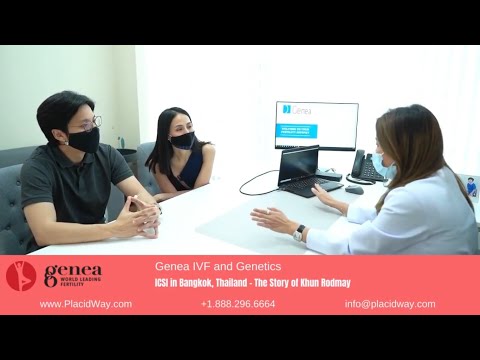
Khun Rodmay's Journey Through ICSI at Genea IVF in Bangkok, Thailand
Fertility Treatment
Genea IVF and Genetics Center in Bangkok, Thailand
Thailand
Learn More with These Fertility Treatment Articles
Take a look at these interesting articles, stories and research that will help you learn more about Fertility Treatment.

IVF in Thailand: A Patient Guide to Making an Informed Decision
PlacidWay Medical Tourism
- Fertility Treatment
Thailand

IVF in Bangkok, Thailand: Questions Patients Should Ask Before Treatment
PlacidWay Medical Tourism
- Fertility Treatment
Thailand

How Much Does Tubal Ligation Reversal Cost in Bangkok, Thailand?
PlacidWay Asia Medical Tourism
- Fertility Treatment
Thailand

IVF with Gender Selection in Thailand: Tailored Fertility Treatments for Australian Couples
PlacidWay Medical Tourism
- Fertility Treatment
Thailand







