
Key Benefits of Egg Freezing in Thailand for International Patients
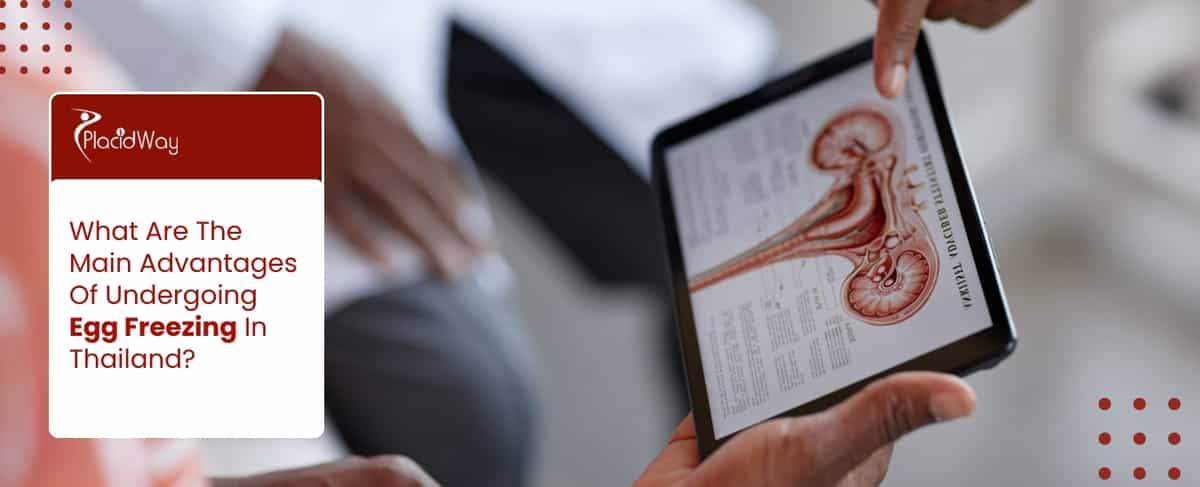
Making the decision to preserve your fertility is a deeply personal and often complex choice. For many individuals, opting to undergo egg freezing in Thailand has become an increasingly popular route. By combining highly developed medical infrastructure with more accessible pricing models, the country attracts thousands of international patients seeking reproductive care every year. This growing trend reflects a broader shift toward proactive family planning and borderless healthcare solutions.
If you are exploring your options for oocyte cryopreservation abroad, understanding the medical standards, logistical requirements, and regulatory landscape is essential. This guide covers the main benefits, typical procedures, safety considerations, and practical facts you should know before planning your journey.
Key Takeaways
- Cost estimates for the procedure are typically lower than those in North America or Western Europe.
- The procedure requires a time commitment of approximately 14 to 20 days in the country.
- Medical facilities often utilize fast-freezing vitrification technology to improve cell survival rates.
- While single women can legally freeze their eggs, local laws restrict embryo creation and IVF to married heterosexual couples.
- Proper medical consultation is required to assess your individual risks and suitability for ovarian stimulation.
How Much Does Egg Freezing Cost In Thailand Compared To Other Countries?
In locations such as the United States, a single cycle of egg freezing can range heavily, often not including the required hormone medications or annual storage fees. When exploring options abroad, patients frequently find that the total expenditure—even factoring in flights and accommodation—remains highly competitive.
Costs vary widely depending on the specific facility, the dosage of fertility medications required based on your age and ovarian reserve, and how many years of storage you pay for upfront. Most package estimates provided by facilities include physician consultations, ultrasound monitoring, blood tests, egg retrieval surgery, and the first year of cryogenic storage.
| Region | Estimated Cost per Cycle (Medication often extra) |
|---|---|
| United States | $10,000 - $15,000+ |
| United Kingdom | £3,500 - £5,000+ |
| Thailand | $3,500 - $6,000 (Estimates vary widely) |
Note: The figures above are broad estimates. Individual clinic pricing, medication protocols, and currency exchange rates will cause actual costs to fluctuate.
What Is The Quality Of Medical Care Like At An Egg Freezing Clinic In Thailand?
One of the main reasons patients travel to Southeast Asia for reproductive care is the high standard of medical infrastructure available in major urban centers. Many private hospitals and specialized fertility centers have pursued accreditations from organizations such as the Joint Commission International (JCI). This accreditation indicates that the facility adheres to rigorous global standards regarding patient safety, equipment sterilization, and clinical governance.
Additionally, the fertility specialists handling your case often have international backgrounds. It is common to find reproductive endocrinologists and clinical embryologists who have completed fellowships or specialized training in North America, Europe, or Australia. This allows for smooth communication, as English is widely spoken in the medical tourism sector.
The embryology lab itself is a critical component of the process. High-quality clinics invest heavily in clean-room technology, specialized incubators, and strict temperature controls to ensure that delicate reproductive cells are handled in the optimal environment before and during the freezing process.
Who Is Eligible For Elective Egg Freezing Under Thai Medical Regulations?
If you are a single woman wanting to preserve your fertility for social, career, or medical reasons, you are typically eligible to undergo the stimulation and retrieval process. The country's medical regulations permit the freezing and storage of unfertilized oocytes.
However, it is vital to understand the long-term legal landscape. Under current Thai laws designed to regulate reproductive medicine and prevent commercial surrogacy exploitation, the fertilization of eggs (creating embryos) and subsequent implantation are strictly controlled. Generally, only legally married, heterosexual couples can undergo IVF treatments or utilize a surrogate within the country.
Because of this, many international patients choose to freeze their eggs in Southeast Asia due to the cost and quality, with the long-term plan of either using them in Thailand once they meet the legal marriage requirements or securely shipping the frozen eggs back to their home country for fertilization later.
What Are The Success Rates For Oocyte Cryopreservation In Thailand?
It is crucial to approach fertility preservation with realistic expectations. Medical organizations globally emphasize that freezing eggs does not guarantee a future baby. Instead, it provides a statistical possibility of pregnancy later in life.
The younger you are when you freeze your eggs, the higher the quality and genetic competence of those eggs tend to be. Women in their late twenties and early thirties generally yield a higher number of mature eggs per cycle and have better survival and fertilization rates upon thawing compared to women in their late thirties or forties.
Most advanced fertility centers utilize modern vitrification techniques that yield a high post-thaw survival rate (often estimated between 80% to 90%). However, the chances of those surviving eggs successfully fertilizing, developing into healthy embryos, and resulting in a live birth depend entirely on your biological profile and future reproductive health. Discussing your Anti-Müllerian Hormone (AMH) levels and antral follicle count with a specialist will give you a clearer personal estimate.
How Long Do I Need To Stay In Thailand For The Procedure?
The timeline is tied closely to your menstrual cycle. Most treatment protocols require you to have your initial baseline scan on Day 2 or Day 3 of your period. Because international travel can sometimes delay or shift menstrual cycles due to stress or time zone changes, it is wise to arrive a few days before your period is expected.
| Phase | Typical Day | What Happens |
|---|---|---|
| Baseline Check | Day 2 or 3 of cycle | Ultrasound and blood tests to check hormone levels. Start of daily injections. |
| Monitoring | Days 5 to 11 | Visits every few days to monitor follicle growth and adjust medication dosages. |
| Trigger Shot | Approx. Day 12 | A final injection is given exactly 36 hours before retrieval to mature the eggs. |
| Retrieval | Approx. Day 14 | A short outpatient surgical procedure under sedation. |
After the retrieval, doctors typically require you to remain in the area for three to five days to monitor your recovery and ensure you do not develop complications before clearing you for a long-haul flight home.
What Are The Potential Medical Risks And Side Effects Of Egg Retrieval?
Patient safety must always remain the priority. The process of hormone stimulation forces the ovaries to mature multiple eggs simultaneously, which causes the ovaries to swell significantly. Many women experience bloating, mood swings, fatigue, breast tenderness, and mild pelvic discomfort during the injection phase.
The most notable risk is OHSS. In mild cases, this causes abdominal pain and bloating that resolves on its own. In severe, albeit rare, cases, OHSS can lead to rapid weight gain, severe abdominal pain, vomiting, shortness of breath, and fluid buildup in the abdomen. This requires immediate medical intervention. Your physician will monitor you closely via ultrasound and bloodwork to adjust your medication dosage and mitigate this risk.
The retrieval itself involves using a transvaginal ultrasound probe fitted with a needle to puncture the vaginal wall and access the ovaries. Because it is a surgical procedure, it carries inherent risks of infection, damage to surrounding organs (like the bowel or bladder), and internal bleeding. Always discuss your personal medical history and these potential complications thoroughly with your doctor before committing to treatment.
Can I Combine Medical Tourism In Thailand With My Treatment Cycle?
Many patients use the required two-to-three-week stay to enjoy the cultural and relaxing elements of the destination. However, this is not the time for rigorous adventure tourism. As you progress through the stimulation phase, your ovaries will become enlarged and fragile.
Doctors strongly advise against high-impact exercises, heavy lifting, swimming in public pools (especially post-retrieval due to infection risks), or activities that involve twisting the torso (like certain yoga poses). Twisting can lead to a serious medical emergency called ovarian torsion, where the heavy ovary twists on its blood supply.
Instead, medical tourists are encouraged to enjoy gentle walks, sightseeing, spa therapies (avoiding deep abdominal massages), and the local cuisine. Maintaining a stress-free environment is often beneficial for your overall well-being during the emotional ups and downs of hormone therapy.
What Technology Is Used To Freeze And Store Eggs In Thai Facilities?
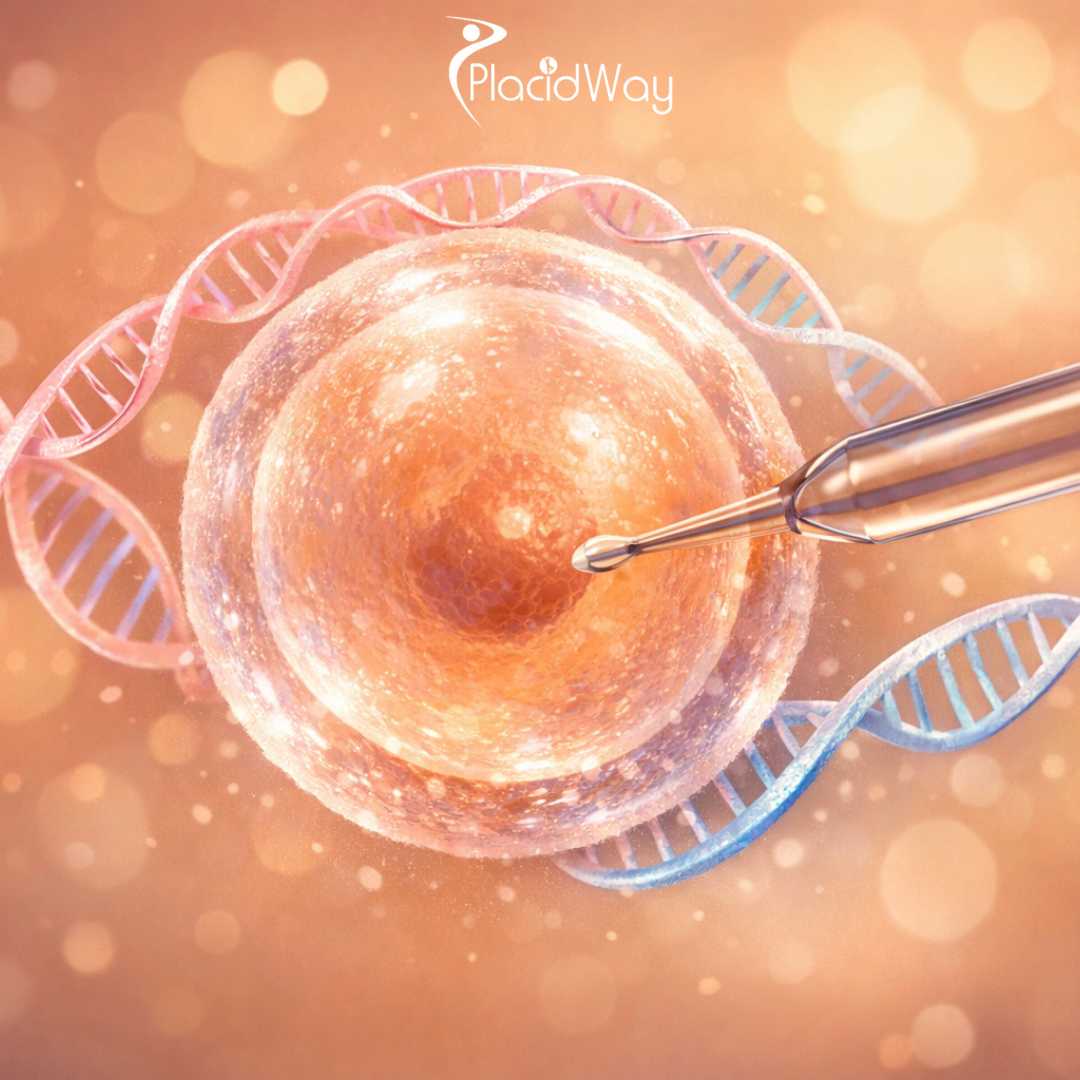
Historically, a slow-freezing method was used for human oocytes, but eggs have a high water content, which often led to ice crystals forming and shattering the cell structure upon thawing. The advancement of vitrification has revolutionized fertility preservation globally.
During vitrification, the eggs are treated with cryoprotectants (anti-freeze solutions) and flash-frozen at incredibly fast speeds. This transforms the cellular fluid into a glass-like state. Reputable fertility labs in the region utilize this exact technology, aligning with modern best practices seen in top Western clinics.
Once frozen, the oocytes are stored in specialized tanks of liquid nitrogen at -196°C (-320°F). These tanks are heavily monitored with automated alarm systems to ensure the temperature remains perfectly stable over the years.
How Do I Transfer My Frozen Eggs Back To My Home Country Later?
Because of local legal restrictions regarding IVF for unmarried individuals, many patients who freeze their eggs abroad eventually need to move them. Specialized cryo-shipping companies manage this complex logistical process. They use "dry shippers"—containers filled with liquid nitrogen vapor that safely hold temperatures for days without the risk of liquid spilling during flights.
This process involves extensive coordination between your current facility, the receiving fertility center in your home country, and the shipping company. There are strict customs regulations, export permits, and health screening documentation required for the international transfer of human tissue.
Keep in mind that cryo-shipping adds an additional expense to your overall fertility planning, often costing several thousand dollars depending on the distance and courier service utilized.
Why Choose PlacidWay for Medical Tourism in Thailand?
Navigating international healthcare systems can be challenging. PlacidWay acts as an informational resource to help you understand your options. Here is how they support medical tourists:
- Comprehensive Provider Directory: Provides a centralized platform to discover various medical centers and specialized fertility clinics abroad.
- Educational Content: Offers detailed articles, guides, and resources about different procedures to help you gather initial information.
- Facility Comparisons: Allows patients to compare the listed services, available technologies, and general facility details side by side.
- Direct Connection: Facilitates initial communication by helping you request quotes and treatment outlines directly from the international medical providers.
- Patient-Focused Platform: Focuses on empowering individuals with the data needed to have informed discussions with their own local healthcare providers before traveling.
Frequently Asked Questions
Is there an age limit for freezing eggs in Thailand?
While there is no strict legal age limit for freezing your eggs in Thailand, most medical professionals recommend undergoing the procedure before age 35 for optimal egg quality. Clinics may evaluate patients over 40 on a case-by-case basis, as success rates decrease significantly with advanced maternal age.
Does freezing eggs guarantee a future pregnancy?
No. Oocyte cryopreservation preserves your eggs for potential future use, but it does not guarantee a successful pregnancy. Outcomes depend on your age when the eggs were frozen, the number of eggs retrieved, sperm quality, and how your body responds to future IVF treatments.
Does the egg retrieval procedure hurt?
The retrieval process is typically performed under light sedation or anesthesia, meaning you will not feel pain during the procedure. Afterward, you may experience mild cramping, bloating, and soreness for a few days, which can usually be managed with over-the-counter pain relief recommended by your doctor.
How many eggs should I aim to freeze?
The ideal number of eggs to freeze depends primarily on your age. Medical guidelines often suggest freezing 10 to 15 eggs for women under 35 to have a reasonable chance of at least one future pregnancy. Women over 35 may need to freeze more eggs to achieve similar statistical odds.
Are there annual storage fees for frozen eggs in Thailand?
Yes, maintaining frozen eggs requires ongoing cryogenic storage. Clinics typically include the first year of storage in the initial procedure cost. Afterward, you will need to pay an annual maintenance fee, which varies by facility but is generally lower than storage fees in Western countries.
Can I fly immediately after the egg retrieval?
It is usually recommended to wait at least a few days to a week before flying home. This allows your medical team to monitor you for any signs of Ovarian Hyperstimulation Syndrome (OHSS) or internal bleeding. Always get clearance from your treating physician before booking your return flight.
Will taking stimulation hormones affect my future natural fertility?
There is currently no scientific evidence suggesting that undergoing ovarian stimulation for egg freezing depletes your overall egg reserve faster or negatively impacts your ability to conceive naturally in the future. The procedure simply rescues eggs that would have otherwise naturally degenerated during that menstrual cycle.
What happens if I develop Ovarian Hyperstimulation Syndrome (OHSS)?
If you develop OHSS, your ovaries become swollen and painful. Mild cases often resolve on their own with rest and hydration. Severe cases may require hospitalization for intravenous fluids and monitoring. Your medical team will adjust your medication to minimize this risk throughout the cycle.
Can my partner use my frozen eggs in Thailand if we are unmarried?
Under Thailand’s Assisted Reproductive Technology (ART) laws, IVF and surrogacy treatments are strictly regulated. Currently, you must be in a legally recognized heterosexual marriage to undergo embryo creation and transfer in Thailand. Single women can freeze their eggs, but using them locally requires meeting marriage criteria or shipping them abroad.
Do Thai clinics offer financing plans for international patients?
Most medical facilities in Thailand require international patients to pay upfront or in installments throughout the treatment cycle. While local residents might access financing, foreigners usually rely on personal funds, medical loans from their home country, or credit cards.
Explore Your Fertility Preservation Options
Gather the information you need to make an informed decision about your reproductive health journey abroad. Compare facility details and request educational information today.
Request Treatment InformationReferences
- Oocyte Cryopreservation – American College of Obstetricians and Gynecologists (ACOG)
- Mature Oocyte Cryopreservation: A Guideline – American Society for Reproductive Medicine (ASRM)
- Assisted Reproductive Technology (ART) – Centers for Disease Control and Prevention (CDC)
- Egg Freezing – Human Fertilisation and Embryology Authority (HFEA)
- Global Healthcare Accreditation Standards – Joint Commission International (JCI)
- Egg Freezing Overview & Risks – Mayo Clinic


























Share this listing