Fertility Treatment in Georgia costs on average $22800, with most clinics quoting between $600 and $45000. Based on verified quotes from 11+ clinics, last updated 2026-06-01. Compare clinic prices, see what's included, and estimate your total trip cost below.
Last Updated: Aug 2026 Author: Amelia Pricilia Medically reviewed by Dr. Brenda Sanchez
Medical Center Reviews
90 Reviews
6.5K
$600 Price starting from
Share this listing
Quick Facts: Fertility Treatment in Georgia
Get key facts on fertility treatment in Georgia at a glance. Explore procedure details, prime locations, average costs, and complete price ranges for 2026.
Procedure
Fertility Treatment
Location
Georgia
Average Price (USD)
$22800
Price Range (USD)
$600 - $45000
Last Verified
2026-06-01
How Much Does a Fertility Treatment Cost in Georgia?
Explore detailed 2026 pricing for various types of fertility treatment in Georgia. Compare average costs for IVF, IUI, egg donation, and related procedures.
Procedure
Low
High
Typically Includes
Intrauterine Insemination (IUI)
$500
$1,500
Basic artificial insemination process
Standard IVF
$2,500
$4,500
Depends on clinic expertise
IVF with ICSI
$3,000
$5,500
Includes specialized sperm injection
IVF with Egg Donation
$6,000
$9,500
Includes donor compensation fees
Gestational Surrogacy
$35,000
$55,000
Comprehensive medical and legal
Prices are starting estimates; final cost varies by clinic, surgeon experience, and patient anatomy. Always request a personalized quote.
Cost Breakdown by Component
Understand the complete cost breakdown for fertility treatment in Georgia. Review individual expenses for medical consultations, medications, and lab procedures.
Component
Low (USD)
High (USD)
Notes
Consultations & Testing
$200
$600
Initial diagnostics and bloodwork
Stimulation Medications
$800
$1,800
Varies by required dosage
Egg Retrieval Procedure
$800
$1,500
Includes anesthesia and facility
Embryology Lab Fees
$1,000
$2,000
Fertilization, culturing, and freezing
Embryo Transfer
$500
$900
Ultrasound guided placement procedure
Which Clinics in Georgia Offer the Best Fertility Treatment Packages?
Discover top-rated clinics offering the best fertility treatment packages in Georgia. Compare facility credentials, success rates, and specialized medical care.
What Is Usually Included and Not Included in a Georgia Surrogacy, Fertility Treatment Package?
Clarify your budget by reviewing what is included and excluded in Georgia fertility treatment packages. Check coverage for medications, testing, and transfers.
✓ Typically Included
These are the items most patients expect to see inside a standard fertility treatment package in Georgia. The exact clinic package can still vary, so users should confirm details in writing.
Initial fertility specialist consultations
Routine ultrasound monitoring sessions
Egg retrieval procedure with anesthesia
Standard in vitro fertilization (IVF)
Embryo culturing to blastocyst stage
Fresh embryo transfer procedure
Basic semen analysis and preparation
✗ Often Not Included
These are the items most patients expect to see excluded from a standard fertility treatment package in Georgia. The exact clinic package can still vary, so users should confirm details in writing.
International flights to Georgia
Hotel or local accommodation
Ovarian stimulation medications
Preimplantation genetic testing (PGT)
Donor eggs or sperm
What Do Real Families Say About Surrogacy, Fertility Treatment in Georgia?
Read verified patient testimonials about their fertility treatment experiences in Georgia. Gain valuable insights into clinic care, success rates, and recovery.
★★★★★ 5 / 5 · 90 verified reviews
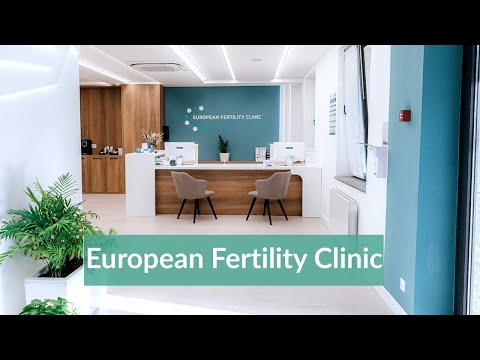
"Modern and beautiful clinic, comfortable waiting area, friendly administrator. I was very pleased with the consultation with Dr. Natalia Knyazeva. Thank you!"
- Anastasia (Verified by PlacidWay)
"I recommend obstetrician-gynecologist and reproductive specialist Natalya Knyazeva. After the appointment, you will definitely be calm, and you will understand what to do, how to solve your issue, your situation."
- Volha Karol (Verified by PlacidWay)
"I visited a gynecologist and had blood tests. The doctor is very neat and tactful. The tests arrived quickly, on time as promised. I can recommend this clinic!"
- Jane Polikarpova (Verified by PlacidWay)
Frequently Asked Questions About Surrogacy, Fertility Treatment in Georgia
Find direct answers to frequently asked questions about fertility treatment in Georgia. Resolve common concerns regarding safety, travel logistics, and recovery.
How much does fertility treatment cost in Georgia compared to other countries?
Fertility treatments in Georgia typically cost 50-70% less than in the US or Western Europe, making it highly affordable while maintaining excellent medical standards and advanced care.
What types of fertility treatments are legally available in Georgia?
Georgia legally permits a wide range of fertility treatments, including IVF, ICSI, egg and sperm donation, and gestational surrogacy for heterosexual married couples.
Why is Georgia a popular destination for IVF and gestational surrogacy?
Georgia offers progressive reproductive laws, high success rates, and affordable pricing. Gestational surrogacy and egg donation are legally protected for married heterosexual couples.
Are there age limits for women undergoing IVF treatment in Georgia?
Most medical facilities in Georgia accept female IVF patients up to age 50. Egg donation is often recommended for women over 40 to ensure the highest possible overall success rates.
How long do I need to stay in Georgia for a complete IVF cycle?
A standard IVF cycle requires a stay of approximately 15 to 20 days. This allows time for ovarian stimulation, egg retrieval, fertilization, and the final embryo transfer procedure.
Is commercial surrogacy legal for international patients in Georgia?
Yes, commercial gestational surrogacy is fully legal in Georgia for married heterosexual couples from abroad. The intended parents' names are placed directly on the birth certificate.
What is the average success rate for IVF treatments in Georgia?
IVF success rates in Georgia average between 50% and 65% per cycle, depending on maternal age, medical history, and whether donor eggs or the patient's own eggs are utilized.
Do fertility specialists and medical staff in Georgia speak English?
Yes, the vast majority of fertility specialists and medical staff in Georgia are highly fluent in English, ensuring clear communication and a stress-free experience for foreign patients.
Can international fertility patients access anonymous egg donors in Georgia?
Yes, Georgia has a robust and legally regulated anonymous egg and sperm donation system. Patients can select donors based on detailed physical characteristics and medical backgrounds.
Are advanced reproductive technologies like PGT-A available in Georgia?
Preimplantation Genetic Testing (PGT-A) is widely available in Georgia. It allows embryologists to screen embryos for chromosomal abnormalities before transfer, improving IVF success.
What documents are required for international surrogacy in Georgia?
Heterosexual couples need a valid marriage certificate, passports, and documentation proving the medical need for surrogacy. All foreign documents require notarization and an apostille.
Is it safe to travel to Georgia for medical tourism and fertility care?
Georgia is considered a very safe destination for medical tourists. The country boasts modern infrastructure, safe cities, and a welcoming culture specifically tailored to foreign patients.
Ready to Explore Advanced Healthcare Options?
Get a free, personalized quote from leading, board-certified specialists. No obligation our patient coordination team will reply within 24 hours.
PlacidWay.com provides medical travel information, not healthcare services. We don't endorse any providers, and we're not responsible for the care you receive.
Pricing: Prices on our site are estimates only, provided by the centers. Always confirm actual prices directly with the provider before booking to ensure full transparency and avoid hidden fees.
Your Health: Consult your local licensed healthcare provider before pursuing any treatment found on our site. Your health decisions are your responsibility.
Share with AI
Share this page with AI assistants to get summaries and insights
Request your Free Quote
×
Trusted Medical Tourism Platform Since 2007
60+
Countries
2k+
Clinics
19.5k+
Reviews
2.5k+
Qualified Doctors
1.1M+
Patients Served Since 2007
Fertility Treatment in Georgia: Success Stories and Procedure Walkthroughs










.png)

.png)
.png)








Share this listing