What treatment

What treatment
The price for Sports Medicine in Fort Lauderdale, United States typically ranges from $4500 to $4500. On average, you can expect to pay around $4500 for this procedure. The price may vary depending on the clinic and the specific details of the treatment, so it’s always best to consult with a local provider for the most accurate quote.
In Fort Lauderdale, United States, Sports Medicine typically costs between $4500 and $4500. The final price can depend on the clinic’s reputation, medical team, and the complexity of the procedure. It’s a good idea to get a detailed consultation to understand the full scope of services and any additional costs that may apply to your treatment.
Discover your treatment options with a free, no-obligation quote!
Get your quote now!The cost for a sports medicine procedure such as knee arthroscopy in Fort Lauderdale, United States, generally ranges from $7,000 to $25,000. This price can vary significantly based on the complexity of the injury, the specific techniques used, and facility fees.
Understanding the cost of medical procedures can be confusing, but breaking it down helps. A common sports medicine procedure like knee arthroscopy involves several components that contribute to the final bill. This minimally invasive surgery is used to diagnose and treat problems inside a joint, and its price tag reflects the expertise and technology required.
The total cost is a sum of different parts. You're not just paying for the surgeon's time; you're also covering the cost of the operating room, the anesthesiologist, surgical supplies, and any implants that might be needed. For instance, a simple diagnostic arthroscopy will be on the lower end of the price spectrum, while a more complex procedure like a meniscus repair will cost more.
Several key factors can influence the final cost of sports medicine treatment. These include the surgeon's experience, the type of facility (hospital vs. outpatient surgical center), the extent of the injury, the cost of anesthesia, and the need for medical imaging like MRIs or X-rays.
Let's look at these factors more closely:
Yes, most health insurance plans in the United States cover medically necessary sports medicine procedures, especially those required to restore function after an injury. However, coverage depends on your specific plan, deductibles, and co-payments. It's crucial to get pre-authorization from your insurance provider.
Navigating insurance can be one of the most challenging parts of planning for surgery. Before scheduling your procedure, you or your provider's office should contact your insurance company to confirm coverage. You'll need to understand your deductible (the amount you pay before insurance kicks in), your copayment (a fixed amount you pay for a service), and your coinsurance (the percentage of costs you pay after meeting your deductible).
Some elective or newer, experimental treatments might not be covered. Always ask for the specific procedure codes (CPT codes) that the surgeon will use and check them with your insurance company to avoid any surprise bills.
Yes, potential hidden costs can arise. These might include pre-operative consultations, post-operative physical therapy, prescription medications, medical equipment like braces or crutches, and any follow-up appointments. Always ask for a detailed breakdown of all potential charges upfront.
It's easy to focus on the cost of the surgery itself, but the journey doesn't end there. Post-operative care is just as important and comes with its own set of costs. For example, prescription pain medication and antibiotics are common after surgery. You may also need durable medical equipment (DME), such as a specialized brace, sling, or crutches, to aid in your recovery. The most significant post-op cost is often physical therapy, which is vital for regaining strength and mobility but can add up over several months.
A quoted price for a sports medicine procedure usually includes the surgeon's fee, the anesthesiologist's fee, and the facility or operating room fees. It may not always include initial consultations, diagnostic imaging, or post-operative rehabilitation, so it's important to clarify what the package covers.
When you receive a cost estimate, think of it as the "main event" price. This core price generally covers the services provided on the day of the surgery. To get a full picture of your financial responsibility, you should ask for a comprehensive list of what is and isn't included. A transparent provider will be happy to detail every anticipated charge, from the very first consultation to your final follow-up visit.
Post-operative physical therapy is a critical part of recovery and can be a significant expense. In Fort Lauderdale, a single session can cost between $100 and $350. The total cost will depend on the number of sessions required, which could span several weeks or months.
The total cost of physical therapy (PT) is highly variable. After a procedure like an ACL reconstruction, a patient might need PT two to three times a week for four to six months. This could result in a total cost of thousands of dollars. The price per session depends on your insurance coverage and the specific clinic. Some plans may cover a set number of visits per year, so it's essential to understand your benefits before starting therapy.
Costs vary due to differences in facility overhead, the type of technology and equipment used, and negotiated rates with insurance companies. Hospitals generally charge more than standalone ambulatory surgery centers because they have higher operating costs and provide more comprehensive care.
A hospital has to support a wide range of services, including emergency rooms and intensive care units, which drives up its overhead costs. An ambulatory surgery center (ASC) is a more specialized, streamlined facility that focuses on outpatient procedures, so its operating costs are lower. Additionally, the prices you see are heavily influenced by the rates that facilities negotiate with private insurance companies, which can differ dramatically.
Many healthcare providers and facilities in the United States offer payment plans or partner with third-party medical financing companies. These options allow patients to pay for their treatment over time. It's a good idea to inquire about these possibilities during your initial consultation.
If you're facing a large out-of-pocket expense, don't hesitate to ask the billing department about your options. Some providers offer interest-free payment plans if the balance is paid within a certain timeframe. Others work with companies like CareCredit, which function like credit cards specifically for healthcare expenses. These can be a great way to manage costs without delaying necessary treatment.
There is a substantial cost difference. Non-surgical treatments like physical therapy, injections (e.g., cortisone, PRP), and bracing are significantly less expensive, often ranging from a few hundred to a few thousand dollars. Surgical interventions are far more costly due to fees for the surgeon, anesthesia, and the operating facility.
Whenever possible, physicians will recommend a conservative, non-surgical approach first. This might involve a course of physical therapy, anti-inflammatory medications, or therapeutic injections. These methods are not only less invasive but also much more affordable. Surgery is typically reserved for injuries that don't respond to conservative treatment or require structural repair, which explains the significant jump in cost.
To get an accurate cost estimate, you need a formal consultation with a sports medicine specialist. After an examination and review of your imaging results, the provider's office can give you a detailed breakdown of anticipated costs, including their fees and estimates for the facility and anesthesia.
An online price list can give you a ballpark figure, but it can't account for your unique medical situation. The only way to know for sure is to be evaluated by a professional. During your consultation, the surgeon will determine the exact procedure you need. Afterward, their administrative staff can work with your insurance information to provide a personalized estimate of your out-of-pocket expenses. Be proactive and ask questions to ensure you have a clear financial picture before moving forward.
Navigating the complexities of healthcare can be daunting, especially when trying to find high-quality, affordable care. PlacidWay simplifies this process by providing a comprehensive platform for patients seeking sports medicine treatments in the United States. Here’s how we help:
Ready to explore your options for sports medicine treatment?
Contact PlacidWay today to get started on your path to recovery.
Important Disclaimer
PlacidWay.com provides medical travel information, not healthcare services. We don't endorse any providers, and we're not responsible for the care you receive.
Pricing: Prices on our site are estimates only, provided by the centers. Always confirm actual prices directly with the provider before booking to ensure full transparency and avoid hidden fees.
Your Health: Consult your local licensed healthcare provider before pursuing any treatment found on our site. Your health decisions are your responsibility.
Share this page with AI assistants to get summaries and insights


Discover the finest Sports Medicine packages in Fort Lauderdale, United States. Choose from tailored options that deliver the best results.
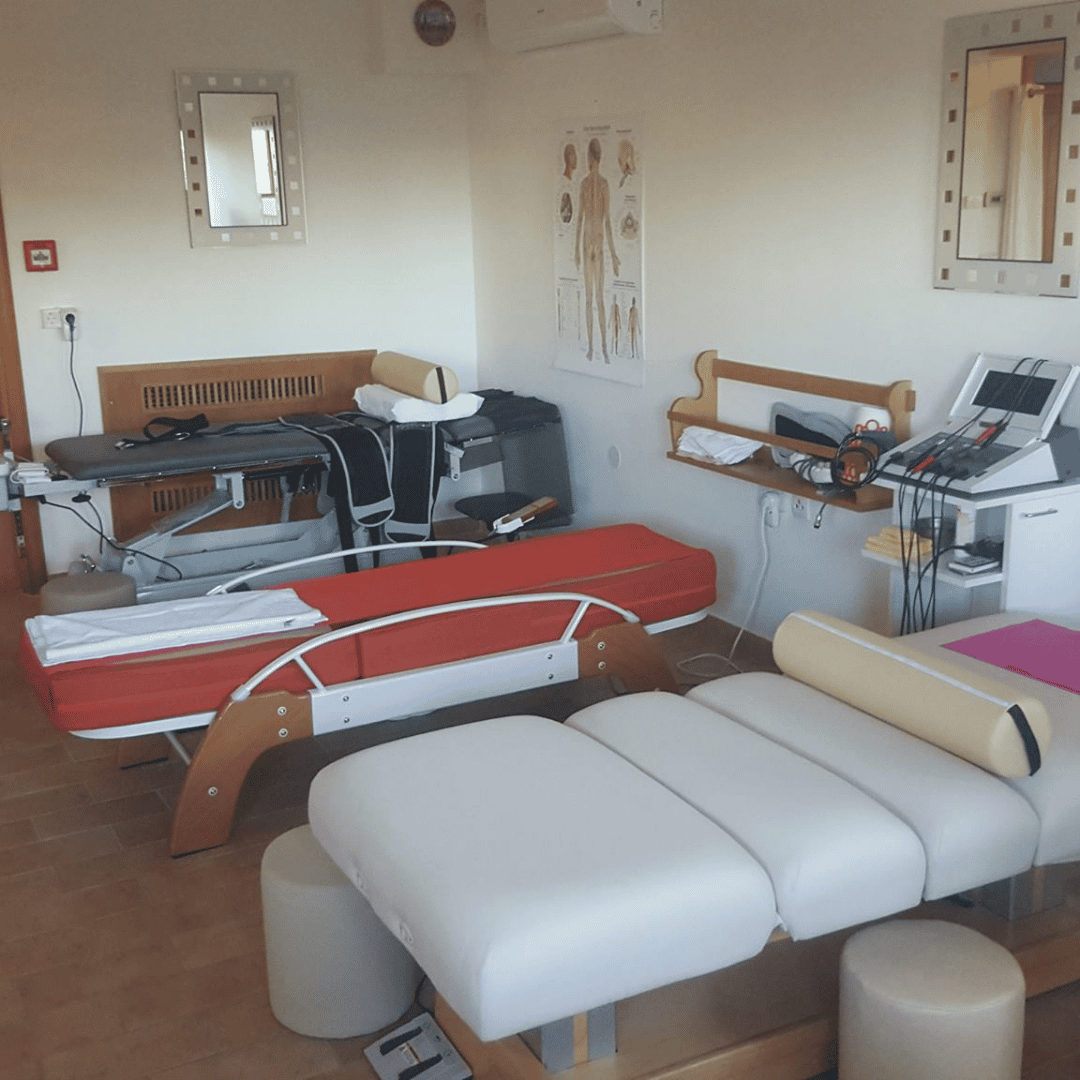
Murter, Croatia

Price starting from $6,500
Guadalajara,Puerto Vallarta, Mexico

Price starting from $7,000
Puerto Vallarta, Mexico

Price starting from $399
Beijing, China
Explore the journeys of patients in Fort Lauderdale, United States as they share their Sports Medicine experiences. Gain valuable insights into the procedures and the life-changing impacts they had.
.png)
Price starting from $6,500
Mexico

Price starting from $4,400
Dominican Republic