


Goalkeeper vs Forward Injury Recovery with Stem Cell Treatments for Sports Injuries Mexico
Soccer demands peak physical condition, but when trauma strikes on the pitch, understanding the nuances of goalkeeper vs forward injury recovery becomes critical for a successful return. Today, elite athletes are bypassing invasive surgeries and lengthy downtimes. Instead, they are embracing advanced regenerative medicine. Opting for stem cell treatments for sports injuries Mexico has become the premier choice for professionals seeking rapid, holistic healing. This comprehensive guide explores the unique biomechanical breakdown of positional soccer injuries and reveals why cross-border regenerative therapies are revolutionizing modern sports rehabilitation.
Video Chapters & Quick Navigation
The Biomechanics of Soccer: Understanding the Positional Divide
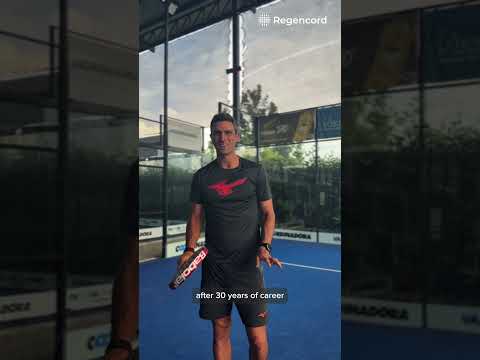
The beautiful game requires distinct physical attributes depending on where a player operates on the pitch. This positional specialization directly influences the type of injuries sustained during competition. As highlighted at in the video, goalkeepers and forwards experience vastly different biomechanical stresses.
Goalkeepers rely on explosive lateral movements, leaping ability, and rapid reflexes to protect the net. Their bodies are subjected to high-impact collisions with the ground, goalposts, and opposing players. In contrast, forwards depend on maximum sprint speeds, sharp directional changes, and sudden decelerations.
Understanding these unique stressors is the first step in formulating an effective rehabilitation protocol. Traditional sports medicine often applies a generalized approach to injury recovery. However, modern regenerative therapies are highly targeted, addressing the specific structural damage unique to each soccer position.
Goalkeeper Injury Profiles: The High-Impact Toll of Protecting the Net
A goalkeeper's role is inherently unnatural from a biomechanical standpoint. They are repeatedly launching their bodies horizontally, forcing their upper extremities to bear the brunt of their body weight upon landing. This repetitive trauma leads to chronic upper-body injuries rarely seen in outfield players.
Shoulder and Rotator Cuff Trauma
The glenohumeral joint is notoriously unstable, making it highly susceptible to dislocation and rotator cuff tears during full-extension dives. When a goalkeeper lands on an outstretched arm, the impact forces travel directly into the shoulder joint. Over time, this causes micro-tears in the labrum and surrounding tendons.
These injuries often result in severe inflammation and a reduced range of motion, which is catastrophic for a shot-stopper. Traditional surgical repair of a torn rotator cuff can sideline a goalkeeper for six to nine months. This extended absence is why many are now turning to alternative regenerative medicine.
Hip Contusions and Wrist Fractures
Beyond the shoulders, the hips and wrists absorb massive amounts of kinetic energy. Chronic bursitis in the hips is common due to repeated contact with the turf. Wrist sprains and scaphoid fractures occur frequently when goalkeepers attempt to brace their falls or deflect high-velocity shots at close range.
Healing these small, complex joints with limited blood supply has historically been difficult. This is precisely where advanced cellular therapies shine, delivering concentrated healing factors directly into the avascular tissue.
Forward Injury Profiles: The Torquing Forces of Speed and Agility
While goalkeepers battle upper-body trauma, forwards face a completely different anatomical nightmare. Their game is built on sudden acceleration, rapid deceleration, and high-speed pivoting. As discussed at , these movements generate immense torque on the lower extremities.
Anterior Cruciate Ligament (ACL) Tears
The ACL is the primary stabilizer of the knee, and it is highly vulnerable during sharp cutting maneuvers. When a forward plants their foot and rotates their torso to evade a defender, the rotational force can easily exceed the ligament's tensile strength. An ACL rupture is widely considered one of the most devastating injuries in professional soccer.
Standard ACL reconstruction involves harvesting a tendon graft, drilling into the bone, and undergoing up to a year of grueling physical therapy. For older players or those with partial tears, invasive surgery can sometimes mean the end of a career.
Hamstring Strains and Ankle Sprains
High-speed sprinting places the hamstring muscle group under intense eccentric loading. Hamstring strains and tears are the most frequent non-contact injuries among forwards. The recurrence rate is frustratingly high, often plaguing athletes for multiple seasons.
Similarly, severe lateral ankle sprains are common when navigating through tight defensive lines. Repeated sprains lead to chronic ankle instability, diminishing a forward's explosive first step. Finding a way to permanently repair this damaged tissue without creating restrictive scar tissue is paramount.
Comparative Injury Matrix: Goalkeeper vs. Forward
| Position | Primary Injury Zones | Mechanism of Injury | Regenerative Target Area |
|---|---|---|---|
| Goalkeeper | Shoulders, Wrists, Hips | Lateral diving, blunt trauma, joint hyperextension | Glenohumeral joint, hip bursa, carpal ligaments |
| Forward | Knees, Hamstrings, Ankles | Sprint deceleration, cutting torque, tackled from behind | ACL/MCL ligaments, muscle fascia, ankle syndesmosis |
The Rise of Stem Cell Treatments for Sports Injuries Mexico
When rest, ice, and traditional physical therapy fail to resolve chronic pain, athletes are increasingly turning to regenerative medicine. As detailed at , the limits of conventional surgery are pushing players toward innovative solutions. Stem cell treatments for sports injuries Mexico have emerged as the gold standard for non-invasive recovery.
Instead of cutting into the body and mechanically altering the joint, regenerative medicine utilizes the body's natural cellular hardware. By introducing highly potent stem cells into the damaged area, doctors can trigger a massive healing response. This process reduces inflammation and initiates the rebuilding of cartilage, ligaments, and tendons.
Mexico has uniquely positioned itself at the forefront of this medical revolution. With world-class facilities and progressive regulatory frameworks, Mexican clinics offer cellular therapies that are structurally superior to those currently permitted in many Western nations. This has created a massive influx of sports medical tourism south of the border.
The Biological Mechanics: How Stem Cells Target Athletic Trauma
To understand why this treatment is so effective, one must understand the biology of Mesenchymal Stem Cells (MSCs). These are multipotent adult stem cells capable of differentiating into various structural tissues, including osteoblasts (bone cells), chondrocytes (cartilage cells), and myocytes (muscle cells).
The Power of Wharton's Jelly
The most potent MSCs are typically ethically sourced from the umbilical cord tissue of healthy, full-term deliveries, specifically from a substance called Wharton's Jelly. These day-zero cells are incredibly robust, highly proliferative, and completely immunoprivileged.
Because they are immunoprivileged, there is no risk of the athlete's body rejecting the cells. When injected into a forward's torn hamstring or a goalkeeper's damaged rotator cuff, these cells act as biological general contractors. As noted at , they release exosomes and growth factors that orchestrate the rapid repair of local tissue.
Paracrine Signaling and Anti-Inflammation
The primary mechanism of action is paracrine signaling. The injected stem cells communicate with the athlete's existing, dormant cells, commanding them to wake up and begin the healing process. Furthermore, MSCs possess profound anti-inflammatory properties.
Chronic inflammation is the enemy of athletic recovery. It causes pain, restricts movement, and degrades healthy tissue. By shutting down localized inflammation, stem cell therapy provides immediate pain relief while simultaneously repairing the structural integrity of the joint.
Comparing Traditional Surgery to Advanced Regenerative Medicine
For decades, orthoscopic surgery was the only viable option for severe sports injuries. However, surgery comes with significant drawbacks. It requires general anesthesia, carries the risk of hospital-acquired infections, and often results in the formation of rigid, restrictive scar tissue.
Scar tissue lacks the elasticity of natural ligaments. When a forward's knee is repaired surgically, the resulting scar tissue alters the biomechanics of their gait, frequently leading to compensatory injuries in the opposite leg. Stem cell therapy, conversely, promotes true tissue regeneration rather than mere scar formation.
The downtime associated with surgery is also a massive detriment to an athlete's career. A surgical repair often means losing an entire season. With stem cell treatments for sports injuries Mexico, the procedure is performed via localized injection, and many athletes return to light training within a matter of weeks, not months.
The Medical Tourism Advantage: Why Athletes Travel to Mexico
You might wonder why professional athletes from the US, Canada, and Europe are flying to places like Tijuana, Cancun, and Guadalajara for medical care. The answer lies in the intersection of advanced medical technology and progressive healthcare regulations. Mexico has cultivated a highly sophisticated medical tourism infrastructure.
World-Class Clinical Standards
The top regenerative clinics in Mexico operate out of pristine, state-of-the-art hospitals that rival the finest facilities in the Western world. These centers are staffed by board-certified orthopedic specialists and regenerative medicine pioneers who have often trained internationally.
These facilities utilize advanced imaging technology, such as fluoroscopy and ultrasound guidance, to ensure that the stem cells are delivered with millimeter precision directly into the site of the micro-tear. This exactness is critical for maximizing the efficacy of the treatment.
Navigating Legal Regulations: The US Framework vs. Mexican Advancements
The primary driver pushing athletes across the border is the regulatory difference regarding cellular expansion. In the United States, the FDA heavily restricts the manipulation of stem cells. Clinics in the US are generally only permitted to perform autologous treatments (using the patient's own bone marrow or fat) without expanding the cell count.
As explained at , an older athlete's autologous stem cells are aged and less robust. Furthermore, without laboratory expansion, the cell count is extremely low—often just a few million cells. This is rarely enough to heal severe sports trauma.
Under Mexico's COFEPRIS (Federal Committee for Protection from Sanitary Risks) regulations, laboratories are legally permitted to isolate MSCs and expand them in a controlled environment over several weeks. This allows doctors in Mexico to administer doses of 50 million to 300 million vibrant, highly potent stem cells, resulting in vastly superior clinical outcomes.
Comprehensive Cost Analysis: Affordable Excellence in Regenerative Therapies
Beyond the superior cell counts, the economics of seeking treatment in Mexico are highly favorable. In the United States, highly restricted, lower-dose stem cell treatments can cost upwards of $10,000 to $15,000 per joint. Because these procedures are almost never covered by insurance, athletes bear the entire financial burden.
In contrast, comprehensive stem cell treatments for sports injuries Mexico typically range between $3,500 and $6,000. This dramatic price reduction is due to the lower cost of living, reduced administrative overhead, and highly efficient lab protocols in Mexico, not a reduction in medical quality.
Stem Cell Therapy Comparison: US vs. Mexico
| Feature | United States | Mexico |
|---|---|---|
| Cell Expansion Allowed? | No (Strictly regulated) | Yes (COFEPRIS approved) |
| Typical Cell Count | 1 to 3 Million (Unexpanded) | 50 to 300 Million (Cultured) |
| Average Cost per Joint | $8,000 - $15,000 | $3,500 - $6,000 |
| Primary Source Material | Autologous (Patient's Bone Marrow/Fat) | Allogeneic (Umbilical Cord Wharton's Jelly) |
The Step-by-Step Patient Journey for Stem Cell Therapy Abroad
The prospect of traveling to a foreign country for medical treatment can be daunting, but organizations like PlacidWay have streamlined the entire process. The journey begins long before the athlete ever boards a plane. Initial consultations are conducted virtually, allowing Mexican specialists to review MRI scans and medical histories.
Once approved for treatment, the logistical planning is handled entirely by medical tourism facilitators. As highlighted at , comprehensive packages typically include ground transportation from the airport, luxury hotel accommodations, and a personal medical concierge to translate and guide the athlete.
The procedure itself is surprisingly brief. The intra-articular injection usually takes less than an hour, performed on an outpatient basis. After a brief observation period, the athlete is discharged to rest comfortably in their hotel, bypassing the miserable hospital stays associated with orthopedic surgery.
Tailored Rehabilitation: Maximizing Post-Treatment Results
Receiving the stem cell injection is only the first half of the recovery equation. Proper post-treatment rehabilitation is vital for ensuring the newly regenerating tissue matures correctly. The rehabilitation protocols for goalkeepers and forwards diverge significantly at this stage.
Goalkeeper Rehab Protocols
For a goalkeeper recovering from a rotator cuff stem cell treatment, the first few weeks require strict immobilization to allow the cells to adhere and proliferate. As healing progresses, therapy shifts to isometric shoulder exercises to rebuild stability.
By week six, dynamic stretching and light plyometrics are introduced to restore the explosive range of motion needed for diving. Because there is no surgical trauma to recover from, the goalkeeper can focus purely on strengthening the joint rather than fighting through post-operative pain.
Forward Rehab Protocols
For a forward recovering from ACL or meniscus therapy, lower-body hydrotherapy is often implemented early on. The buoyancy of water allows the athlete to maintain cardiovascular fitness without putting weight-bearing stress on the healing knee joint.
Gradually, therapy progresses to closed-kinetic chain exercises, such as controlled squats and lunges. The final phase involves rigorous agility ladder drills and sprinting to ensure the newly regenerated ligament can withstand the torquing forces of competitive soccer.
The Psychological Rebound: Getting Back on the Pitch Mentally
Physical healing is only part of the battle; the psychological toll of a severe sports injury is profound. Athletes often struggle with a loss of identity, fear of re-injury, and the intense pressure of missing crucial matches. The extended timelines of traditional surgery exacerbate these mental hurdles.
Regenerative medicine offers a psychological lifeline. As discussed at , experiencing rapid pain relief and witnessing an accelerated timeline back to the pitch provides a massive morale boost. When a forward doesn't have to face the daunting prospect of a scalpel, their mindset shifts from anxiety to proactive recovery.
Ultimately, the goal of stem cell treatments for sports injuries Mexico is not just to patch up a damaged joint, but to restore the athlete completely. By utilizing advanced cellular science, precise clinical execution, and tailored biomechanical rehabilitation, soccer players can reclaim their careers, returning to the field stronger, faster, and more resilient than before.
Ready to Accelerate Your Injury Recovery?
Don't let a sports injury end your athletic career. PlacidWay Medical Tourism connects elite athletes with Mexico's top-rated regenerative clinics. Discover how high-dose, cultured stem cell therapy can get you back on the pitch faster and stronger.
GET A FREE CLINICAL EVALUATION

















Share this listing