Stem Cell Therapy in United States costs on average $12849, with most clinics quoting between $699 and $25000. Based on verified quotes from 35+ clinics, last updated 2026-06-01. Compare clinic prices, see what's included, and estimate your total trip cost below.
Last Updated: Aug 2026 Author: Usama Ahmad Medically reviewed by Dr. Alejandro Fernando
Medical Center Reviews
2358 Reviews
6.5K
$699 Price starting from
Share this listing
Quick Facts: Stem Cell Therapy in United States
Review essential quick facts for stem cell therapy in the United States, including average treatment costs, overall price ranges, and key location details.
Procedure
Stem Cell Therapy
Location
United States
Average Price (USD)
$12849
Price Range (USD)
$699 - $25000
Last Verified
2026-06-01
How Much Does a Stem Cell Therapy Cost in United States?
The cost of stem cell therapy in the United States varies by treatment type. Compare prices for orthopedic, neurological, and anti-aging stem cell procedures.
Procedure
Low
High
Typically Includes
Orthopedic Stem Cell Injection
$4,000
$8,000
Depends on joint size complexity
Systemic IV Stem Cell Therapy
$5,000
$15,000
Varies by cell count source
Hair Restoration Stem Cell Therapy
$3,000
$6,000
Based on treatment area size
Neurological Stem Cell Protocol
$10,000
$25,000
Complex multi day treatment plans
Prices are starting estimates; final cost varies by clinic, surgeon experience, and patient anatomy. Always request a personalized quote.
Cost Breakdown by Component
Understand the complete cost breakdown for stem cell therapy in the United States. Review expenses for consultations, cell harvesting, processing, and therapy.
Component
Low (USD)
High (USD)
Notes
Cell Harvesting and Processing
$1,500
$4,000
Bone marrow adipose or umbilical
Specialist Physician Fee
$1,000
$5,000
Depends on provider specific expertise
Facility Clinic Fee
$800
$3,000
Varies by location and amenities
Image Guidance
$300
$800
Ensures precise delivery to target
Pre-treatment Imaging and Labs
$300
$1,000
Necessary for accurate treatment clearance
Which Clinics in United States Offer the Best Stem Cell Therapy Packages?
Discover top-rated clinics offering comprehensive stem cell therapy packages in the United States. Evaluate facility credentials, medical teams, and amenities.
Stem Cell Treatment for Eye Diseases, Stem Cell Therapy
★★★★★ 4.6 (32)
What Is Usually Included and Not Included in a United States Stem Cell Treatment for Eye Diseases, Stem Cell Therapy Package?
Clarify your stem cell therapy package scope in the United States. See exactly what medical fees are included and which travel or lodging expenses are extra.
✓ Typically Included
These are the items most patients expect to see inside a standard stem cell therapy package in the United States. The exact clinic package can still vary, so users should confirm details in writing.
Initial medical consultation and evaluation
Stem cell harvesting and extraction
Cell processing and concentration
Image-guided injection or IV infusion
Local anesthesia or mild sedation
Standard pre-procedure lab work
Post-treatment monitoring in clinic
Standard follow-up consultation
✗ Often Not Included
These are the items most patients expect to see excluded from a standard stem cell therapy package in the United States. The exact clinic package can still vary, so users should confirm details in writing.
Domestic or international travel expenses
Hotel or recovery accommodations
Advanced imaging like MRI or CT
Long-term physical therapy or rehab
Future booster injections or treatments
What Do Real Families Say About Stem Cell Treatment for Eye Diseases, Stem Cell Therapy in United States?
Read authentic patient reviews about stem cell therapy in the United States. Explore personal success stories, clinical outcomes, and overall care experiences.
★★★★★ 4.8 / 5 · 2358 verified reviews
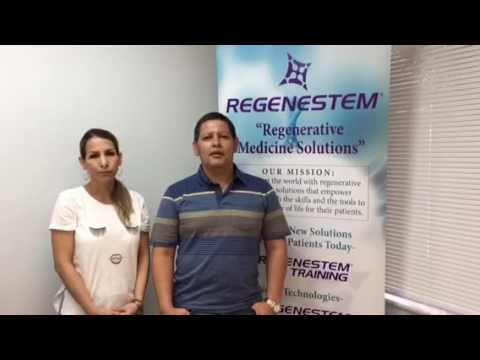
"I just visited Regenestem office in Plantation, Florida and did an adipose stem cell procedure, peripheral blood stem cell, Ozone and IV vitamins treatment. It is a very clean safe place with excellent team who takes care of you. Everything was explained and all the questions answered. Dr. Stephen Channey is the best doctor I have ever met, he is very professional, caring and loving person. He does care about the patient and outcomes of the procedure. He knows what he is doing 100% and makes you feel at ease during the procedure. He answered all the questions during and after treatment and he has a great sense of humor so he makes you laugh! I would definitely recommend Regenestem to my friends and family. You will be in good hands! Ricardo and his team are the best!"
- MyInex City (Verified by PlacidWay)
"The people at this centre are wonderful, competent, caring; extremely knowledgeable & compassionate. They answer questions readily & completely & explain procedures to satisfaction. I highly recommend them. They respect each individual they work with."
- Metrouser0099 Aa (Verified by PlacidWay)
"After many years of deciding whether not to do stem cell therapy I finally decided and found the perfect place to do it. I now have had both knees injected with my home stump stem cells and the procedure could’ve been better faster or more professional the whole team here it’s an absolute but it is pleasure to work with and the best organization hands down in South Florida"
- James Dorsey (Verified by PlacidWay)
Frequently Asked Questions About Stem Cell Treatment for Eye Diseases, Stem Cell Therapy in United States
Find answers to common questions about stem cell therapy in the United States. Address key concerns regarding safety, recovery times, and treatment protocols.
What is the average cost of stem cell therapy in the United States in 2026?
The average cost ranges from $5,000 to $25,000 per treatment in the US. Prices vary based on the specific condition, joint treated, and the type of cells used during the procedure.
Does health insurance cover the price of stem cell treatments in the US?
Most standard US health insurance plans do not cover stem cell therapy, considering it experimental. Patients typically pay out-of-pocket, though some flex accounts may apply.
Are stem cell procedures FDA approved in the United States?
The FDA has only approved specific stem cell products for blood forming system disorders. Most orthopedic and anti-aging stem cell treatments are offered as off-label procedures.
What types of stem cells are legally used for therapy in the USA?
US clinics primarily use adult autologous stem cells harvested from a patient's own bone marrow or adipose (fat) tissue. Umbilical cord tissue products are also widely utilized.
How safe is autologous stem cell therapy in the United States?
Autologous treatments are generally very safe because they use your own cells, minimizing rejection risks. US facilities follow strict sterile guidelines to prevent infections.
What medical conditions are commonly treated with stem cells in the US?
Common applications include orthopedic issues like knee osteoarthritis, sports injuries, and joint pain. It is also increasingly used for autoimmune disorders and neuropathy.
What is the success rate for orthopedic stem cell therapy in America?
Success rates vary by condition, but many patients report a 70% to 80% improvement in joint pain and mobility. Results typically depend on age and the severity of the injury.
How long is the recovery time after receiving stem cell injections in the US?
Most patients experience minimal downtime, returning to light daily activities within a few days. Full tissue healing and maximum pain relief usually take two to three months.
How many stem cell therapy sessions will I need to see results?
Many orthopedic conditions require only a single comprehensive injection to achieve long-lasting relief. Severe degenerative diseases might require a personalized multi-step plan.
Is the stem cell extraction and injection procedure painful?
The procedure involves minimal discomfort. US providers use local anesthesia during bone marrow or fat extraction, and precise ultrasound guidance for the final injections.
How long do the results of stem cell treatments last for joint pain?
Results can last from several years to a lifetime. By promoting actual tissue regeneration, this US therapy offers long-term structural improvement rather than temporary relief.
Ready to Explore Advanced Healthcare Options?
Get a free, personalized quote from leading, board-certified specialists. No obligation our patient coordination team will reply within 24 hours.
PlacidWay.com provides medical travel information, not healthcare services. We don't endorse any providers, and we're not responsible for the care you receive.
Pricing: Prices on our site are estimates only, provided by the centers. Always confirm actual prices directly with the provider before booking to ensure full transparency and avoid hidden fees.
Your Health: Consult your local licensed healthcare provider before pursuing any treatment found on our site. Your health decisions are your responsibility.
Share with AI
Share this page with AI assistants to get summaries and insights
Request your Free Quote
×
Trusted Medical Tourism Platform Since 2007
60+
Countries
2k+
Clinics
19.5k+
Reviews
2.5k+
Qualified Doctors
1.1M+
Patients Served Since 2007
Stem Cell Therapy in United States: Success Stories and Procedure Walkthroughs









.png)










Share this listing