
Achieve Sculpted Abs: Your Guide to Abdominal Etching Abroad
Are you dedicated to your fitness routine, spending hours at the gym, eating healthily, yet still find your abdominal muscles hiding beneath a stubborn layer of fat? Many active individuals dream of a more defined midsection, often referred to as a "six-pack" or "washboard abs." While diet and exercise are fundamental, sometimes genetics and localized fat pockets make achieving that chiseled look incredibly challenging.
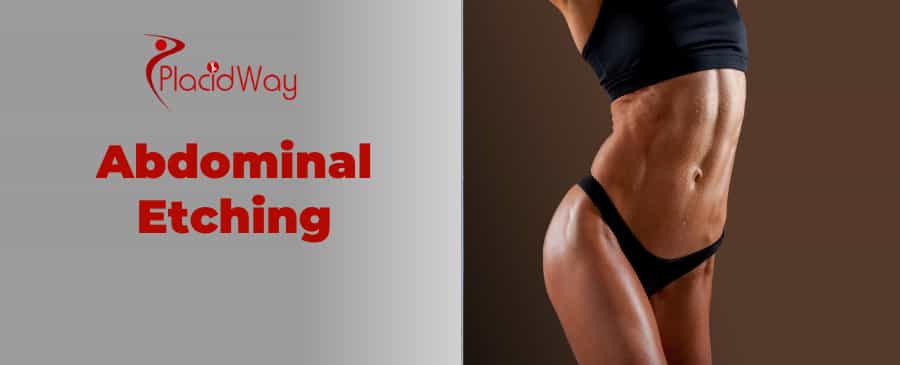
This is where Abdominal Etching, also known as high-definition liposculpture or 6-pack surgery, comes into play. It's not just about removing fat; it's an art form of body contouring that meticulously sculpts the fat around your natural muscle lines to enhance their visibility, giving you a significantly more athletic and defined appearance. Imagine finally seeing the results of all your hard work, beautifully highlighted.
For many, the cost of such a specialized procedure can be a barrier. This is why medical tourism has emerged as an attractive option, offering world-class care at a fraction of the price found in Western countries. Exploring abdominal etching abroad means accessing highly skilled surgeons and state-of-the-art facilities, making your aesthetic goals more attainable. If you've been searching for "abs definition procedure," "VASER liposuction for abs," or "body contouring overseas," you're in the right place to discover how to achieve your desired physique.
Concerns Addressed by Abdominal Etching
Many individuals who consider abdominal etching aren't struggling with significant weight issues. Instead, they face specific aesthetic concerns:
- Lack of Abdominal Definition: Despite consistent core workouts and a healthy lifestyle, the abdominal muscles (rectus abdominis, obliques) lack the desired crisp, defined appearance. This is often the primary reason people search for "how to get a six-pack with surgery."
- Stubborn Localized Fat Pockets: These are small, resistant fat deposits that cling to the abdomen, particularly above and around the belly button, which don't respond to diet or exercise. Patients often ask, "Can I get rid of belly fat with surgery?"
- Desire for an Athletic Physique: Wanting to achieve a more sculpted, athletic, and toned aesthetic that reflects their commitment to fitness.
- Genetic Predisposition: Some individuals are genetically prone to storing fat in their abdominal area, making muscle definition harder to achieve naturally.
- Post-Weight Loss or Bodybuilding Plateau: After significant weight loss or intense bodybuilding, some find that their ideal muscle definition remains elusive.
Why Do People Get Abdominal Etching? Causes and Contributing Factors
Unlike medical conditions with clear pathological causes, the "causes" for seeking abdominal etching are more related to aesthetic aspirations and physiological realities:
- Genetics: Individual body fat distribution is heavily influenced by genetics. Some people are predisposed to store fat in their abdominal area, even when they are otherwise lean. This makes it difficult to achieve visible abs naturally.
- Hormonal Factors: Hormones can influence where the body stores fat. For instance, higher cortisol levels might contribute to abdominal fat.
- Age: As people age, metabolism slows down, and it can become harder to lose fat and maintain muscle definition.
- Lifestyle Limitations: While diet and exercise are crucial, there's a limit to how much they can spot-reduce fat or sculpt specific muscle outlines. Abdominal etching offers a way to bypass these natural limitations for a more defined outcome.
- Skin Elasticity: Good skin elasticity is vital for the success of abdominal etching, as it allows the skin to retract smoothly over the newly sculpted contours. Poor elasticity is a risk factor for less optimal results.
- Body Mass Index (BMI): While not a direct cause, having a BMI close to the ideal range is a crucial factor, as the procedure is designed for contouring, not significant weight loss.
Types of Procedures/Treatments Available: Abdominal Etching Explained
Abdominal etching is a highly refined technique that goes beyond traditional liposuction:
- Traditional Liposuction: Primarily focuses on reducing overall fat volume in a target area. It's effective for larger fat deposits but doesn't necessarily create intricate muscle definition.
- VASER High-Definition Liposuction (commonly used for etching): VASER (Vibration Amplification of Sound Energy at Resonance) uses ultrasonic energy to gently liquefy fat cells before they are suctioned out. This allows for more precise fat removal and sculpting around muscles, making it ideal for creating that coveted "high-definition" look. It's often searched for as "VASER abs" or "hi-def lipo."
- The Etching Process: The surgeon carefully removes fat both superficially and deeper, defining the lines of the rectus abdominis (the "six-pack" muscles) and the obliques (side muscles). They also thin the fat overlying the muscles to make them appear more prominent. This precise sculpting is what differentiates it from standard liposuction.
Eligibility for Abdominal Etching: Who is the Ideal Candidate?
While abdominal etching can be transformative, it's not for everyone. The best candidates typically meet the following criteria:
- Good Physical Health: Free from serious medical conditions that could impair healing or increase surgical risks. Non-smokers are preferred.
- Near Ideal Body Weight: This procedure is for contouring, not weight loss. Candidates should have a stable weight, ideally within 10-15 pounds of their goal. Significant overweight or obesity makes one unsuitable.
- Well-Developed Abdominal Muscles: The etching process highlights existing muscles, so having a good muscular foundation is crucial for optimal results. If you don't have well-developed abs, the results won't be as dramatic.
- Good Skin Elasticity: The skin needs to retract smoothly over the newly sculpted contours. Poor skin elasticity (e.g., from significant weight fluctuations or aging) could lead to loose skin after fat removal, potentially requiring a tummy tuck.
- Realistic Expectations: Patients must understand that while results can be dramatic, they are still natural-looking and depend on individual anatomy. It's not a magic bullet for unhealthy lifestyles.
Recovery Time and Expectations After Abdominal Etching
Understanding the recovery process is key to a smooth journey and appreciating your new physique:
- Immediately After: You will likely feel some soreness and swelling. A compression garment is essential to reduce swelling, help the skin conform to the new contours, and promote healing. This garment typically needs to be worn for 4-6 weeks.
- Pain Management: Discomfort is usually manageable with prescribed pain medication. Many describe it as severe muscle soreness, similar to an intense workout.
- Downtime: Most patients can return to light, non-strenuous activities and desk work within 5-7 days. Strenuous exercise, heavy lifting, and intense core workouts are usually restricted for 4-6 weeks.
- Swelling and Bruising: Bruising usually fades within 2-3 weeks. Swelling is gradual and can take several months to fully resolve. Initial results are visible relatively quickly, but the final, crisp definition emerges as swelling completely dissipates, often around 3-6 months.
- Results: The etched appearance becomes more prominent over time. Maintaining a stable weight and healthy lifestyle is crucial for preserving your results long-term.
Abdominal Etching Risks and Side Effects
While generally safe when performed by a qualified surgeon, it's important to be aware of potential risks and side effects:
- General Surgical Risks: These include infection, excessive bleeding, adverse reactions to anesthesia, and prolonged swelling or bruising.
- Contour Irregularities: Uneven fat removal can lead to dents, bumps, or asymmetrical results. Choosing an experienced surgeon minimizes this risk. This is a common concern when people search for "bad abdominal etching results."
- Numbness or Changes in Sensation: Temporary or, in rare cases, permanent numbness in the treated area is possible.
- Seroma: Accumulation of fluid under the skin, which may require drainage.
- Skin Discoloration: Persistent discoloration or hyperpigmentation in the treated areas.
- Poor Skin Retraction: If skin elasticity is not adequate, the skin may not conform smoothly to the new contours, leading to laxity.
- Scarring: Small, inconspicuous incisions are made, but like any incision, they can result in scars. An experienced surgeon places these strategically in less visible areas.
Abdominal Etching Worldwide Cost Comparison
One of the most compelling reasons for considering abdominal etching abroad is the significant cost savings without compromising on quality. Here’s a general comparison:
| Country | Estimated Cost Range (USD) | Notes |
|---|---|---|
| USA | $8,000 - $15,000+ | Highest costs, often includes surgeon's fee, anesthesia, facility fees. |
| UK | $7,000 - $12,000+ | Similar high costs to the USA. |
| Canada | $7,000 - $11,000+ | Private clinics, not typically covered by public health. |
| Mexico | $3,500 - $7,000 | Popular for medical tourism, high-quality clinics, proximity for North Americans. |
| Turkey | $3,000 - $6,500 | Very competitive pricing, modern facilities, experienced surgeons. |
| Colombia | $3,800 - $7,500 | Known for aesthetic procedures, excellent surgeons, and packages. |
| Thailand | $4,000 - $8,000 | Growing medical tourism hub, combines treatment with travel. |
Note: These are estimated ranges and can vary based on the surgeon's experience, clinic reputation, type of anesthesia, and additional services included in the package. Always get a personalized quote.
Why Consider Abdominal Etching Abroad?
The allure of medical tourism for procedures like abdominal etching extends beyond just price:
- Cost-Effectiveness: As seen in the table above, the primary driver for many is the substantial savings compared to Western countries. This allows more people to access advanced aesthetic procedures.
- Access to Specialized Surgeons: Many countries have become centers of excellence for plastic surgery, boasting highly skilled surgeons who perform these procedures frequently, gaining vast experience.
- State-of-the-Art Facilities: Clinics catering to international patients often feature modern equipment, advanced technology (like VASER), and adhere to international safety standards.
- Reduced Waiting Times: In some countries, getting an appointment for elective surgery can involve long waits. Abroad, you often have more immediate access.
- Privacy and Recovery: Combining your procedure with a trip abroad can offer a discreet environment for recovery, away from your usual social circles.
- Integrated Travel Experience: For many, the journey isn't just about the procedure; it's about exploring a new culture, receiving excellent care, and having a memorable experience.
Which Countries Offer the Best Value for Abdominal Etching?
Several nations have established themselves as prime destinations for high-quality, affordable abdominal etching:
- Mexico: Particularly popular for North American patients due to proximity. Cities like Tijuana, Cancun, and Guadalajara have numerous accredited clinics with experienced, often US-trained, plastic surgeons.
- Turkey: Istanbul is a medical tourism hotspot, known for its advanced clinics, excellent infrastructure, and significantly lower costs for cosmetic procedures like abdominal etching.
- Colombia: Particularly Medellín and Bogota, are renowned for their highly skilled plastic surgeons and advanced techniques in body contouring, including high-definition liposuction.
- Thailand: Offers a unique blend of high-quality medical care, luxurious recovery facilities, and an exotic travel destination, with competitive pricing in cities like Bangkok and Phuket.
- Brazil: Long considered a global leader in plastic surgery, offering innovative techniques and highly artistic surgeons, though costs can be slightly higher than other medical tourism hubs.
What to Expect When Traveling for Abdominal Etching Abroad?
Embarking on a medical journey abroad requires careful planning:
- Initial Consultation: Most clinics offer virtual consultations to assess your suitability, discuss goals, and provide a preliminary quote. PlacidWay can help facilitate this.
- Travel Arrangements: This includes booking flights, accommodation (often specific for post-op recovery), and local transportation. Many medical tourism agencies offer package deals.
- Pre-operative Appointments: Once you arrive, you'll have in-person consultations, medical examinations, and lab tests to ensure you're fit for surgery.
- The Procedure: Performed under general anesthesia, usually taking a few hours.
- Post-operative Stay: You'll typically need to stay in the destination country for 7-14 days for initial recovery and follow-up appointments with your surgeon. This allows for removal of drains (if any), wound checks, and instruction on compression garment use.
- Return Home: You'll receive detailed aftercare instructions and advice on how to manage your recovery once you're back in your home country.
How to Ensure Safety and Quality for Abdominal Etching Abroad?
Your safety and the quality of your results are paramount:
- Accreditation: Look for clinics with international accreditations like Joint Commission International (JCI), which signifies adherence to rigorous patient safety and quality standards.
- Surgeon Credentials: Verify your surgeon's qualifications, board certifications, and specific experience in abdominal etching and high-definition liposuction. Ask for before-and-after photos of their previous patients.
- Facility Standards: Ensure the clinic uses modern equipment, adheres to strict hygiene protocols, and has emergency response capabilities.
- Patient Reviews and Testimonials: Research independent reviews and patient stories from previous international patients.
- Medical Tourism Facilitators: Services like PlacidWay partner with vetted, high-quality clinics and surgeons globally. They can provide transparency, coordinate logistics, and offer peace of mind.
- Communication: Ensure clear communication with the medical staff, especially regarding language barriers. Many international clinics have English-speaking staff.
What are Patient Success Stories from Abroad for Abdominal Etching?
Success stories from patients who have undergone abdominal etching abroad often share common themes:
- "Finally, My Abs Show!": Many patients express immense satisfaction in seeing the defined "six-pack" or oblique lines they've worked so hard for, which were previously hidden. For example, John, a fitness enthusiast from Canada, traveled to Colombia after years of frustration, achieving the defined physique he always wanted at a third of the Canadian cost.
- Boost in Confidence: The aesthetic improvement often translates into a significant boost in self-esteem and body confidence. Sarah, from the UK, chose Turkey for her procedure and shared how she now feels much more comfortable and proud of her body on the beach.
- Excellent Care and Experience: Patients frequently highlight the warm hospitality, personalized attention, and professional care they received in clinics abroad, often exceeding their expectations. They appreciate the comprehensive packages that include airport transfers, accommodation, and post-op care.
- Affordability without Compromise: The ability to achieve desired results at a fraction of the cost, without feeling like quality was sacrificed, is a recurring positive theme. Many describe it as a "win-win" situation, allowing them to invest in their appearance while also experiencing a new culture.
- Sustainable Results: Those who maintain their healthy lifestyle post-procedure report long-lasting and satisfying results, solidifying their decision to travel for treatment.
Is Abdominal Etching Worth It?
The "worth" of abdominal etching is highly personal. However, for the right candidate, the answer is often a resounding yes. It provides a solution for a very specific aesthetic goal: highlighting existing muscle definition. If you:
- Have dedicated effort to diet and exercise without achieving the desired abdominal definition.
- Are at or near your ideal body weight.
- Possess good skin elasticity and well-developed underlying abdominal muscles.
- Have realistic expectations about the outcome.
Then abdominal etching can be incredibly rewarding. It can bridge the gap between your fitness efforts and your aesthetic goals, providing the final touch to a body you've worked hard to achieve. Many patients consider it a worthwhile investment in their self-image and confidence.
How Long Do Abdominal Etching Results Last?
The permanence of abdominal etching is a common question. Here's what you need to know:
- Fat Removal is Permanent: When fat cells are removed during liposuction, they are gone for good and do not regenerate in the treated area. This means the sculpted contours are permanent.
- Maintaining the Results: While the fat cells removed are gone, the remaining fat cells in your body (including in the treated area, though fewer) can still expand if you gain a significant amount of weight. This expansion can obscure the meticulously etched definition.
- Lifestyle is Key: To ensure long-lasting results, it is crucial to maintain a stable weight through a healthy diet and regular exercise. Consider the procedure as a refinement of your existing commitment to fitness, not a substitute.
- Aging and Gravity: Natural aging processes and gravity will still affect your skin and body over time. However, the underlying muscle definition created by the etching should remain if weight is stable.
Is Abdominal Etching Painful?
The thought of pain is a natural concern for any surgical procedure:
- During the Procedure: Abdominal etching is performed under general anesthesia, meaning you will be completely asleep and feel no pain whatsoever. Local anesthesia with sedation is also an option for some cases.
- Immediately After: As the anesthesia wears off, you will start to feel discomfort. This is usually described as significant soreness, tenderness, and bruising, similar to having done thousands of sit-ups or being hit by a truck.
- Pain Management: Your surgeon will prescribe pain medication to help manage this discomfort during the initial recovery phase. Many patients find that the pain peaks in the first 2-3 days and then gradually subsides.
- Compression Garment: The compression garment also plays a role in reducing discomfort by minimizing swelling and supporting the treated areas.
- Long-term Discomfort: Chronic pain is rare. Numbness or altered sensation in the treated area can occur temporarily and usually resolves over several weeks or months.
Take the Next Step with PlacidWay
Ready to explore treatment options abroad? Discover top clinics, compare prices, and get a free quote tailored to your needs with PlacidWay.
Cosmetic Surgery Abroad, Plastic Surgery Abroad















Share this listing