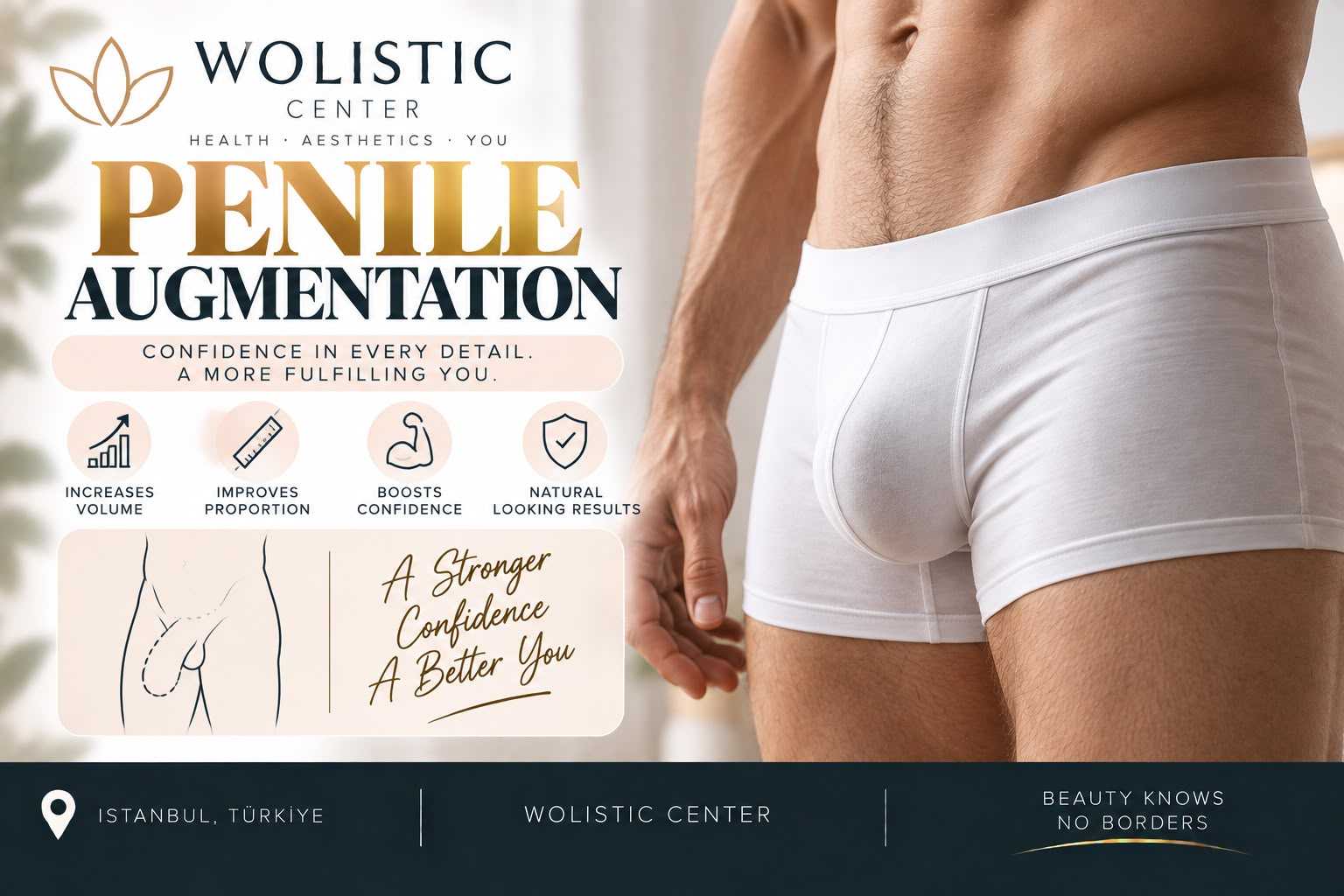
Penile Augmentation in Turkey

Publish date: Modified date: Medically reviewed by: Dr. Lorenzo Halverson on Oct 06, 2026 Author: Amelia Pricilia
Penile Augmentation in Turkey

Contents

Let’s be real—bringing up intimate surgery is not exactly typical dinner table conversation, and dealing with sky-high prices at home only makes the process more stressful. Men from the US, UK, and Europe seeking penile augmentation often hit a wall of prohibitive costs and limited local options. Finding a discreet, reliable solution without compromising on medical standards can feel like searching for a needle in a haystack. That is exactly why so many patients are exploring penile augmentation in Turkey as a practical, highly private alternative.

Beyond the obvious appeal of privacy, the primary draw here is the combination of specialized care and financial accessibility. While clinics in your home country might charge upward of $10,000 for girth enhancement procedures, the exact procedure cost in Turkey typically ranges from $3,500 to $4,500. When comparing facilities, prioritize clinics holding international accreditations like JCI (Joint Commission International) or local operational licenses from the Turkish Ministry of Health, ensuring your safety always comes first.

What You Should Know

Procedure Cost
$3,500 - $4,500 on average
Common Techniques
Autologous fat transfer, dermal fillers
Time in Country
Typically 5 to 7 days
Anesthesia
Local with sedation or general anesthesia
Clinic Credentials
JCI, Turkish Ministry of Health certification

Figuring out the logistics of medical travel can be overwhelming, which is why inclusive packages are so appealing. A well-structured package removes the guesswork by bundling your procedure, airport transfers, hotel accommodation, and translation services into one clear itinerary.

Before committing, always check exactly what the package covers. Does it include follow-up consultations, necessary garments, or medications for your recovery time? Compare the packages below to see which option offers the best comprehensive care and value for your specific journey.

`

Transparent pricing is crucial when planning any medical procedure abroad. The average cost for penile augmentation in Turkey ranges between $3,500 and $5,000, depending heavily on the technique chosen, such as autologous fat transfer or dermal fillers. This is significantly lower than the $9,000 to $12,000 often quoted in North America or Western Europe.

When evaluating prices, make sure the quote includes surgeon fees, anesthesia, and facility charges so you are not caught off guard by hidden expenses. Compare the cost options listed below to better understand the financial commitment required for your treatment.

Penile Augmentation Centers Cost Comparison in Turkey

Provider Procedure Price
Group Florence Nightingale Hospitals in Istanbul Turkey Penile Augmentation, Cosmetic/Plastic Surgery $9000

Penile Augmentation Cost Comparison in Turkey

Country Procedure Price
United States Penile Augmentation, Cosmetic/Plastic Surgery $17500
United Kingdom Penile Augmentation, Cosmetic/Plastic Surgery $15500
Canada Penile Augmentation, Cosmetic/Plastic Surgery $12500

When choosing a surgical facility abroad, you want more than just a glossy brochure. Finding the right clinic for intimate surgery means looking closely at their medical infrastructure and patient safety protocols. Do not just take their word for it; verify their operating licenses through the Turkish Medical Association and look for recognized hospital accreditations.

A reputable center will be fully transparent about their hygiene standards, the equipment they use for fat transfer or filler procedures, and their post-operative care plans. Take a moment to compare the certified clinics listed below to find a facility that aligns with your medical needs and safety standards.

Sometimes, reading about a medical procedure just is not enough to truly understand what to expect. Watching detailed videos can demystify the surgical process, showing you exactly how techniques like girth enhancement are safely performed in a clinical setting.

Educational videos often feature certified urologists explaining the anatomy, the step-by-step procedure, and realistic outcomes, helping to ease pre-surgery anxiety. Browse the video resources below to gain a clearer perspective on the treatment and recovery journey.

Nothing provides more honest insight than hearing directly from men who have already navigated this journey. Patient reviews offer a window into the real-world experience, from the initial consultation and surgical facility environment to the bedside manner of the medical team.

Look for testimonials that discuss post-operative care, communication with the clinic, and long-term satisfaction with the results. Reading through the patient reviews below will help you set realistic expectations and choose a provider you can trust.

Planning an intimate procedure abroad naturally brings up several questions regarding safety, techniques, and travel logistics. Here are some of the most common questions patients ask about undergoing penile augmentation in Turkey.

What techniques are used for penile augmentation in Turkey?

Clinics typically offer autologous fat transfer (using your body's own fat) or hyaluronic acid fillers for girth enhancement. Your urologist will recommend the safest and most effective method based on your anatomy and specific goals.

How long do I need to stay in Turkey for the procedure?

Most patients are advised to stay in the country for 5 to 7 days. This allows enough time for the initial surgery, adequate rest, and crucial follow-up appointments with your surgeon before flying home.

Is penile augmentation surgery painful?

The procedure itself is performed under local anesthesia with sedation or general anesthesia, so you will not feel pain during the surgery. Mild to moderate discomfort during the first few days of recovery is common but manageable with prescribed medication.

When can I resume normal physical activities?

Light walking is encouraged immediately to promote circulation, but strenuous exercise and heavy lifting should be completely avoided for at least 4 to 6 weeks. Always follow your surgeon's specific post-operative care guidelines.

How soon can I engage in sexual activity after the procedure?

Surgeons generally advise abstaining from sexual intercourse and masturbation for 4 to 6 weeks. This resting period is critical for proper healing and to ensure the transferred fat or fillers settle correctly without displacement.

Are the results of a fat transfer permanent?

A portion of the transferred fat will naturally be absorbed by the body within the first few months. However, the fat that successfully establishes a blood supply is generally considered long-lasting, though some patients opt for a minor touch-up later.

Will this procedure affect my erectile function?

When performed by a qualified, board-certified urologist, augmentation primarily targets the superficial layers just under the skin for girth enhancement. It does not interfere with the internal erectile chambers (corpora cavernosa) responsible for erections.

How do I verify a surgeon's qualifications in Turkey?

Look for specialists who are board-certified in urology or plastic surgery and registered with the Turkish Medical Association. Memberships in international organizations, such as the European Association of Urology, also indicate a high standard of clinical expertise.

Are Turkish clinics safe for this type of surgery?

Yes, many private clinics and hospitals in Turkey adhere to strict international medical standards. Facilities holding accreditations from organizations like JCI follow rigorous hygiene protocols, utilize advanced technology, and prioritize high patient safety standards.

Can I travel back home comfortably after the procedure?

Flying back is generally safe once you receive final medical clearance, usually a few days post-surgery. Your doctor will advise you to wear loose, comfortable clothing and to get up occasionally to walk during the flight to maintain good circulation.

Who are the Top 5 Plastic Surgeons in Istanbul Turkey?

Ranking the top 5 plastic surgeons in Istanbul, Turkey, is subjective and depends on diverse perspectives, specific procedure needs, and individual anatomy. Instead of focusing on a ranked list, patients should seek board-certified specialists. When searching for highly qualified plastic surgeons in Istanbul Turkey, many patients look for definitive lists or rankings. However, assessing medical professionals is highly subjective. A surgeon who excels in facial reconstruction might not be the most suitable choice for body contouring. Because individual medical needs, aesthetic goals, and anatomical structures differ widely, there is no universal "top 5" that applies to everyone. Instead of relying on arbitrary rankings, your focus should be on verifying credentials, evaluating experience, and understanding how to navigate the healthcare system safely as an international patient. This guide will help you understand how to evaluate specialists and plan your healthcare journey responsibly. Key Takeaways Rankings of surgeons are subjective; prioritize board certification and specialized experience over internet lists. Look for memberships in recognized organizations like ISAPS, EBOPRAS, and the Turkish Medical Association. Thoroughly research your chosen plastic surgery clinic in Turkey for international accreditation and safety standards. Realistic expectations and careful medical screening are essential for patient safety. Plan for a sufficient recovery period in Istanbul before attempting to travel back home. 1. Why Is Istanbul a Leading Destination for Plastic Surgery? Istanbul has developed a robust medical infrastructure featuring experienced specialists, modern healthcare facilities, and a strategic geographic location bridging Europe and Asia. Over the last decade, Istanbul has positioned itself as a prominent hub for individuals seeking medical treatments abroad. The city hosts numerous private hospitals and specialized clinics that frequently cater to international patients. The combination of medical expertise, accessibility, and modern technology attracts thousands of people each year. Many surgeons practicing in Istanbul have pursued advanced training or fellowships internationally, bringing global standards back to their local practices. Furthermore, the high volume of procedures performed in the city allows specialists to gain extensive hands-on experience in their specific fields of aesthetic and reconstructive surgery. However, while the city offers numerous high-quality options, it is important to remember that not all facilities operate at the same level. Thorough independent research remains a critical step in ensuring your health and safety. 2. What Qualifications Should You Look for in a Plastic Surgeon in Istanbul? Patients should prioritize surgeons who hold specialized board certifications, maintain active memberships in recognized professional societies, and have extensive experience in the specific procedure desired. When evaluating plastic surgery in Turkey, credentials are your primary indicator of a surgeon's foundational competence. In Turkey, a qualified plastic surgeon completes medical school followed by a rigorous multi-year residency program specifically in plastic, reconstructive, and aesthetic surgery. Key qualifications to look for include: Turkish Board Certification: Ensure the doctor is a registered specialist with the Turkish Ministry of Health. Professional Memberships: Look for affiliations with the Turkish Society of Plastic Reconstructive and Aesthetic Surgeons (TPRCD). International Affiliations: Memberships in the International Society of Aesthetic Plastic Surgery (ISAPS) or certification by the European Board of Plastic Reconstructive and Aesthetic Surgery (EBOPRAS) suggest adherence to global medical standards. 3. How Can You Verify a Surgeon's Credentials in Turkey? You can verify a surgeon's credentials by cross-referencing their name with official databases, such as the Turkish Medical Association and international surgical societies. Taking the time to verify a doctor's background can help you make a more informed and safer decision. Start by asking the clinic directly for the surgeon's full name and medical license number. You can often check this information against the Turkish Medical Association's records to confirm they are licensed to practice. Additionally, if a surgeon claims membership in international bodies like ISAPS, you can usually visit the organization's official website and use their "Find a Surgeon" tool to verify the doctor's active status. Do not rely solely on badges or logos displayed on a clinic's marketing materials, as these are sometimes used improperly. Expert Insight: Asking a surgeon about their complication rates and how they manage post-operative emergencies is a vital part of the credentialing process. A responsible professional will discuss risks openly. 4. What Are the Most Popular Plastic Surgery Procedures in Turkey? Patients frequently travel to Istanbul for procedures such as rhinoplasty, breast augmentation, hair transplantation, and various body contouring surgeries. Different surgeons typically focus on specific areas of the body. For instance, some specialists dedicate their practice entirely to facial aesthetics, making them highly experienced in complex procedures like revision rhinoplasty or facelifts. Others may focus on body contouring, performing tummy tucks, liposuction, and breast surgeries. While these procedures are popular, suitability varies greatly from person to person. A procedure that yields excellent results for one patient may be contraindicated for another due to differing anatomy, skin elasticity, or underlying medical conditions. A comprehensive medical evaluation is always required to determine if a specific surgery is appropriate for you. 5. How Much Does Plastic Surgery Cost in Turkey Compared to Other Countries? While individual pricing varies widely, the estimated plastic surgery cost in Turkey is often lower than in the US or Western Europe, primarily due to differences in currency valuation and local operational costs. Financial considerations are a major driver for international patients. It is common to find that procedural estimates in Istanbul are more accessible than in many Western nations. However, it is vital to understand that lower costs do not automatically equate to lower quality, nor do they guarantee a successful outcome. The price difference is largely driven by local economic factors, lower labor costs, and government incentives for healthcare exports. When comparing estimates, be sure you understand exactly what is included. Ask whether the quoted price covers anesthesia, hospital fees, post-operative garments, medications, and follow-up consultations. Unanticipated expenses can quickly inflate the overall cost of your trip. Procedure Factor Impact on Final Cost Estimate Surgeon's Expertise Highly sought-after, board-certified specialists typically charge more. Facility Type JCI-accredited hospitals may have higher fees than private day clinics. Complexity Revision surgeries or combining multiple procedures increases the price. 6. Are Clinics and Facilities Safe and Regulated? Legitimate clinics and hospitals in Turkey are regulated by the Ministry of Health, and many reputable facilities voluntarily seek international accreditation to demonstrate high safety standards. Patient safety heavily depends on the facility where the surgery is performed. The Turkish Ministry of Health conducts regular inspections of registered healthcare providers. However, for an added layer of assurance, many international patients seek out hospitals that hold accreditation from the Joint Commission International (JCI) or similar global bodies. Before selecting a facility, ask about their emergency protocols, intensive care unit (ICU) availability, and infection control measures. Surgery inherently carries risks, and having access to comprehensive medical support is crucial if complications arise during or immediately after the procedure. 7. What Should You Expect During the Consultation Process? A thorough consultation will involve a review of your medical history, a physical assessment, a candid discussion of potential risks and alternatives, and the setting of realistic expectations. The consultation is an opportunity for both you and the surgeon to determine if proceeding is medically appropriate. A responsible doctor will review your current medications, past surgeries, and underlying health conditions to assess your surgical risk. During this time, the surgeon should outline the expected recovery timeline and discuss possible complications, such as infection, bleeding, scarring, or unfavorable aesthetic results. Be wary of any provider who minimizes risks or promises "perfect" results, as no medical procedure can be guaranteed. 8. How Long Should You Plan to Stay in Istanbul for Recovery? Patients are generally advised to stay in Istanbul for 7 to 14 days post-surgery to allow for initial healing, drain removal, and essential follow-up appointments before flying. Your length of stay depends heavily on the complexity of your surgery. Rushing home too soon can severely compromise your health. Air travel shortly after surgery increases the risk of deep vein thrombosis (DVT) and pulmonary embolism due to prolonged immobility and cabin pressure changes. During your post-operative stay, you will likely have one or more follow-up visits with your surgeon to monitor healing, remove stitches or drains, and ensure no early signs of infection are present. Always follow your surgeon's explicit clearance regarding when it is safe for you to board an airplane. 9. What Are the Risks Associated With Medical Tourism for Surgery? Participating in medical tourism in Turkey involves specific risks, including challenges with continuity of care, long-distance travel during recovery, and managing complications once back home. While traveling for healthcare can offer benefits, it introduces unique challenges. Language barriers, despite the availability of translators, can sometimes lead to miscommunications regarding aftercare instructions or symptoms. Furthermore, the physical stress of traveling can negatively impact your recovery process. The most significant risk is continuity of care. If you develop a late-stage complication—such as an infection or issues with wound healing—weeks after returning home, your operating surgeon will not be available to treat you in person. You must be prepared to seek care from a local healthcare provider, which may incur additional, sometimes substantial, out-of-pocket costs. Important Consideration: Before traveling, it is highly advisable to consult with a primary care doctor in your home country to discuss your plans and establish a safety net for local aftercare. 10. How Can You Prepare for a Successful Surgery and Trip? Preparation involves obtaining medical clearance, optimizing your health by quitting smoking or adjusting medications as advised, and organizing your travel logistics well in advance. Successful outcomes often begin weeks before you arrive in the operating room. Your surgeon will likely require you to stop smoking and cease taking certain medications or supplements (like aspirin or herbal blood thinners) that can increase bleeding risks. Strict adherence to these pre-operative instructions is critical for your safety. Logistically, plan your trip to minimize stress. Choose accommodation that is comfortable, easily accessible (avoiding steep stairs if you are having body surgery), and located near your clinic. Having a companion travel with you can significantly ease the burden of the initial recovery days. Why Choose PlacidWay for Medical Tourism in Turkey? Navigating the options for medical care abroad can be a complex process. PlacidWay acts as an informational platform designed to help patients connect with healthcare providers worldwide. Here are factual points about how the platform functions: Extensive Directory: PlacidWay offers an international directory of healthcare facilities and clinics, allowing patients to review diverse options in Turkey. Provider Information: The platform displays available profiles, facility details, and listed credentials to help patients in their research phase. Direct Communication: Users can request information directly from the listed clinics to ask specific questions about treatments and medical protocols. Procedure Education: PlacidWay provides articles and resources to help educate patients on various medical procedures and general medical tourism practices. Global Reach: The network covers multiple specialties, allowing patients to compare options across different cities and countries according to their preferences. Frequently Asked Questions Do plastic surgeons in Istanbul speak English? Many board-certified plastic surgeons who work frequently with international patients speak English fluently. Clinics often provide translation services for patients who speak other languages to ensure clear communication regarding medical history and treatment goals. How long after plastic surgery in Turkey can I fly home? The recommended time to wait before flying varies by procedure and individual recovery, but it typically ranges from 7 to 14 days. Flying too soon after major surgery can increase the risk of deep vein thrombosis (DVT) and other complications. Will I need to pay for a consultation with a surgeon in Istanbul? Consultation fees vary. Some clinics offer free initial online consultations to review photos and discuss preliminary goals, while others charge a fee that may be deducted from the final procedure cost if you proceed with surgery. Can I combine multiple plastic surgeries in one trip to Turkey? Combining procedures is sometimes possible and can reduce overall recovery time and travel costs. However, this depends heavily on your overall health, the length of time you will be under anesthesia, and the surgeon's medical assessment of your safety. What happens if I experience complications after returning home from Istanbul? If complications arise after returning home, you will need to seek care from a local healthcare provider. It is highly recommended to establish a relationship with a local doctor before traveling and to ensure you have comprehensive medical tourism insurance. How can I pay for plastic surgery in Istanbul? Most clinics in Istanbul accept major credit cards, cash in major currencies (such as Euros, US Dollars, or GBP), and direct bank transfers. Financing options are rarely offered directly to international patients, so securing funds prior to travel is necessary. Are the results of plastic surgery permanent? While plastic surgery can provide long-lasting changes, results are not strictly permanent. Aging, gravity, weight fluctuations, and lifestyle choices will continue to affect your body and skin over time. What is the European Board of Plastic Reconstructive and Aesthetic Surgery (EBOPRAS)? EBOPRAS is a professional organization that sets high standards for plastic surgery training and practice in Europe. Many top surgeons in Turkey hold EBOPRAS certification, indicating they meet rigorous international medical standards. Should I travel alone for plastic surgery in Turkey? While some patients do travel alone, having a companion can provide valuable emotional and physical support during the initial recovery days, especially when navigating a foreign city and managing post-operative discomfort. Do clinics in Turkey provide aftercare supplies? Many clinics include basic aftercare supplies, such as compression garments, prescribed medications, and specialized dressings, in their surgical packages. You should confirm exactly what is included during your consultation. Compare Treatment Options Ready to learn more? Connect with medical providers to ask questions and gather detailed information about your specific treatment needs. Request Treatment Information References Patient Safety and Medical Tourism – International Society of Aesthetic Plastic Surgery (ISAPS) Medical Tourism: Traveling Abroad for Plastic Surgery – American Society of Plastic Surgeons (ASPS) Medical Tourism Travel Information – Centers for Disease Control and Prevention (CDC) Health Care Quality and Patient Safety – World Health Organization (WHO) Find an Accredited Organization – Joint Commission International (JCI) Information for Patients – European Board of Plastic Reconstructive and Aesthetic Surgery (EBOPRAS) Disclaimer: The information provided in this article is for educational and informational purposes only and does not constitute medical advice. Treatment outcomes, recovery times, and risks vary by individual patient. Always consult with a qualified, board-certified healthcare professional for an individualized medical assessment before making any decisions regarding surgery or medical travel.

The success and safety of your procedure rest entirely in the hands of your chosen specialist. For an intimate surgery like this, it is essential to seek out a board-certified urologist or a plastic surgeon who specializes specifically in male genital aesthetics.

Take the time to verify their medical credentials, ask direct questions about their complication rates, and review their portfolio to assess their level of expertise. Compare the qualified surgeons listed below to find an expert who makes you feel confident and comfortable in their care.

Turkey has firmly established itself as a global hub for medical tourism, attracting thousands of men from the United States, the UK, the Middle East, and Western Europe every year. Patients travel here not just for the significant cost savings, but to access world-class medical facilities that specialize in male intimate health and aesthetic procedures. Cities like Istanbul and Antalya blend advanced medical infrastructure with a rich cultural experience, making the recovery period feel more like a secluded, private retreat.

Traveling to Turkey is straightforward, with major international airports like Istanbul Airport (IST) offering direct flights from most global hubs. Upon arrival, the local hospitality is geared specifically toward medical tourists, offering privacy, luxury accommodations, and seamless travel logistics.

Visa RequirementsMany nationalities require an e-Visa, easily obtained online before departure.
Local CurrencyTurkish Lira (TRY), though major clinics readily accept Euros and US Dollars.
LanguageEnglish is widely spoken in clinics, and dedicated translators are usually provided.
Getting AroundVIP transfers are typically included in medical packages for safe, private transport.

When planning your trip, consider arriving a day or two early to acclimatize and settle in before your scheduled procedure. The combination of expert healthcare, strict patient privacy, and a welcoming environment makes Turkey a highly practical destination for this deeply personal journey. Look at the local destination guides below to help plan your medical trip effectively.

Taking the step to pursue penile augmentation abroad requires careful planning, trusted information, and the right medical team by your side. Comparing your options thoroughly is the best way to ensure a safe procedure that meets your personal goals and high medical standards. PlacidWay can help streamline this process by connecting you with accredited clinics and board-certified specialists who prioritize your well-being.

Our team is here to assist you with transparent cost estimates, verifying doctor credentials, and finding comprehensive travel packages, removing the stress of organizing it all yourself. If you are ready to explore your options and take the next step toward your procedure in Turkey, reach out to us today.

References

Penile Augmentation in Turkey thumbnail

About Experience

Trusted Medical Tourism Platform Since 2007

60+
Countries
2k+
Clinics
19.5k+
Reviews
2.5k+
Qualified Doctors
1.1M+
Patients Served Since 2007