

Cosmetic/Plastic Surgery Abroad: Compare the Plans, Not Just the Results
The contrast patients most often miss is a lower surgical quote versus a lower-risk treatment plan. A quote may describe the operation while leaving out anesthesia, treatment of complications, follow-up or the care you will need after returning home. Those differences matter as much as the proposed change to your appearance.
Cosmetic/Plastic Surgery Abroad covers very different procedures, from rhinoplasty and body contouring to burn repair and breast reconstruction. The useful question is not whether overseas surgery is better. It is whether a specific surgeon, facility and cross-border care plan fit your condition and your ability to recover safely.
Names a procedure and an appealing result, but leaves the operating surgeon, clinical rationale, exclusions or aftercare unclear.
Names the treating provider, explains why the technique fits you, and sets out risks, recovery, inclusions and follow-up in writing.
Mild concerns versus complex conditions: what plastic surgery abroad may address
A concern described as “mild” may need no operation. An advanced condition may require staged reconstruction rather than one cosmetic procedure. Surgeons assess severity differently by body area: photographs and examination may show skin laxity or asymmetry, while breathing tests, cancer records or assessments of movement reveal functional problems.
The range of reasons for seeking plastic surgery includes:
- Face and nose: wrinkles, volume loss, jowls, drooping eyelids, under-eye bags, prominent ears, a double chin, a recessed chin or facial asymmetry. Nose concerns include a hump, wide nostrils, deformity after injury, a deviated septum and impaired breathing.
- Breast and chest: small, uneven, sagging, unusually large or tuberous breasts, inverted nipples, gynecomastia, congenital differences and defects after cancer treatment or trauma.
- Body, skin and hair: localized fat, loose skin after pregnancy or major weight loss, abdominal muscle separation, buttock asymmetry, scars, stretch marks, keloids, benign lesions, cysts, lipomas and hair loss affecting the scalp, eyebrows or beard.
- Reconstruction: cleft lip or palate, craniofacial or hand differences, birthmarks, vascular malformations, facial fractures, tendon or nerve injuries, burns, scar contractures and tissue loss after cancer surgery. Hand conditions may include carpal tunnel syndrome, trigger finger, Dupuytren’s contracture or tumors.
- Gender-affirming, intimate and revision needs: chest or facial surgery, body contouring, selected genital reconstruction, labial asymmetry, buried penis, and correction of prior results such as implant displacement, rupture, hardening or contour irregularity.
On a report, functional means a problem affects an ability such as breathing, hand use or movement. Reconstructive describes repair of a defect. Aesthetic describes an appearance-focused goal. A procedure can serve more than one purpose, so ask an overseas surgeon which problems the proposed operation will and will not address.
Surgery versus alternatives: compare what each option can actually change
For mild facial aging, skin care or nonsurgical treatment may be more proportionate than a facelift. Exercise can improve strength and weight management, but it will not remove substantial loose skin. A breathing problem caused by a deviated septum needs a different assessment from a request to change nose shape.
Compare plans by the problem they solve, not by procedure name alone:
| Concern | Less invasive or different option | What surgery may add |
|---|---|---|
| Facial lines or volume loss | Skin treatments or injectables may address selected changes. | A lift or eyelid procedure can reposition or remove tissue, with greater recovery and surgical risk. |
| Breast shape or size | Supportive garments or a smaller-scope procedure may meet some goals. | A lift, reduction, implant or reconstruction addresses different causes of shape change. |
| Abdominal contour | Weight management or liposuction may suit selected fat deposits. | A tummy tuck can remove excess skin and, when appropriate, repair separated muscles. |
| Hair thinning | Medical treatment or hair systems may be suitable. | Transplantation moves available follicles but does not stop future hair loss. |
Having the same procedure at home may make repeated examinations, wound care and revisions easier. Going abroad may offer a different specialist or technique, but adds travel burden and divides follow-up between teams. For cancer reconstruction, congenital conditions, complex hand surgery or revision after complications, continuity may outweigh a difference in the initial quote.
A suitable candidate versus a patient who needs more assessment
A strong candidate has a clearly defined goal, realistic expectations, a stable health picture and enough support for recovery. Being older does not automatically rule out surgery. A surgeon will look more closely at heart and lung health, mobility, nutrition, medications and the demands of the particular operation.
Diabetes may affect wound healing, smoking and nicotine use raise healing risks, and a high body mass index can increase risks for some operations. These factors call for individual assessment, not an automatic decision from a photograph. Active infection, an unresolved medical problem or expectations that surgery cannot meet may mean postponing or declining treatment.
The overseas clinic can begin with records sent from home, but remote screening is not final clearance. Before paying a deposit, ask what must be reviewed:
- Relevant photographs, previous operative reports and details of any implants or grafts.
- Diagnoses, medical history, allergies, medication and supplement lists, and any anesthesia problems.
- Requested blood tests, imaging and specialist reports, such as breast imaging, nasal assessment or cancer-treatment records.
- Your recovery support at home and the name of a local clinician willing to assess a problem if needed.
The surgeon and anesthesia team should confirm the plan after an in-person examination. That visit may reveal a different degree of skin laxity, an unexpected functional problem or a reason not to proceed. Ask what happens to your deposit and other arrangements if the medical plan changes.
One procedure name versus the actual technique and materials
“Rhinoplasty,” “breast surgery” or “body contouring” does not specify what will happen. Rhinoplasty may change only the outside shape or also address breathing. Breast augmentation may use implants or the patient’s own fat, while reconstruction may involve implants, tissue moved from another area or several operations.
Names can differ between countries. A “tummy tuck” may appear as abdominoplasty, and repair of separated abdominal muscles may be called rectus plication. A hair-transplant offer should distinguish the method of follicle removal from the method of implantation. Ask for the anatomical plan rather than assuming two marketing names mean the same operation.
For implants, fillers, surgical mesh or other devices, get the manufacturer, product name, model and intended placement in writing. Confirm what happens if the specified product is unavailable, whether it is approved for the intended use in the treating jurisdiction, and which records you will receive. No brand substitutes for a sound indication and a surgeon trained in its use.
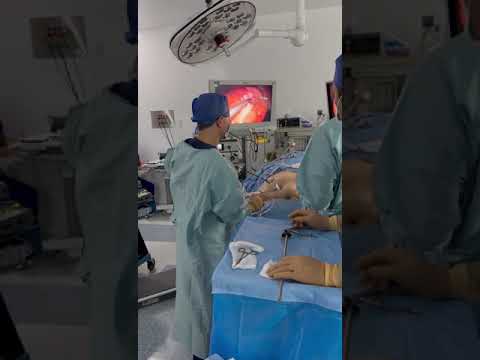
In the operating room versus immediately afterward
- Confirm and mark the plan. The surgeon checks your goals, examination findings, consent and operative markings. The anesthesia team reassesses safety.
- Perform the agreed repair or reshaping. Depending on the operation, the surgeon may remove tissue, reposition it, repair deeper structures, place an implant, transfer fat or graft skin.
- Close and protect the area. Closure may involve stitches, dressings, a support garment or a drain that carries fluid away from the wound.
- Monitor early recovery. The team checks pain, bleeding, breathing, circulation and the operated tissue before discharge. Some procedures require more intensive monitoring than others.
Ask who performs each key step, who provides anesthesia and where an urgent return to the operating room would take place. These answers are especially important when comparing a small cosmetic operation with major reconstruction or several procedures proposed together.
Expected improvement versus a guarantee: results and risks side by side
Realistic results depend on starting anatomy, healing and the limits of the chosen technique. A facelift does not stop aging. Liposuction does not prevent future weight change. Implants may need monitoring or later replacement, and a hair transplant depends on donor-hair supply and continuing hair loss. Scars generally change as they mature but do not disappear.
There is no meaningful single success percentage, complication range or result duration for “plastic surgery.” Published figures vary by operation, patient group and how outcomes are measured. Ask the surgeon for procedure-specific ranges for someone with your risk factors, including how the clinic defines a good result and records revisions. Treat guaranteed symmetry, “scar-free” results and unexplained success claims as reasons to ask more questions.
Bruising, swelling, temporary numbness and some discomfort are often expected. Increasing pain, a rapidly expanding swollen area, fever, worsening redness, wound separation, tissue turning unusually dark, chest pain or shortness of breath need prompt medical assessment. Do not wait for an overseas reply when symptoms could be urgent.
Possible complications include bleeding, infection, fluid collections, poor wound healing, prominent scars, altered sensation and an unsatisfactory shape. Major operations can also carry risks such as blood clots or anesthesia complications. An implant brings additional device-specific risks, including displacement, rupture or capsular contracture, when scar tissue tightens around it.
Ask how the team handles each complication: examination and observation, wound care, drainage, hospital treatment or another operation. Distance makes even a treatable problem more complicated. Before travelling, establish who answers messages, what can be assessed by photographs or video, which symptoms require a local emergency service, and who pays if revision requires another trip.
Preparing at home versus decisions made at the overseas clinic
Before departure: arrange requested tests and medical reviews, discuss nicotine cessation and any medication changes with your own doctors, and plan help with daily tasks. Do not stop prescribed medicines on your own. Check whether a local doctor can review wounds, provide follow-up assessments or refer you for urgent care.
At the clinic: expect an examination, a discussion of alternatives, consent, anesthesia assessment and a final decision about whether the proposed operation remains appropriate. If several procedures are combined, ask how that changes operative complexity, recovery needs and complication planning.
Arrival, accommodation, mobility support and a companion should be planned around medical needs, not sightseeing. You may need to remain near the treating team until early checks are complete, drains or dressings have been addressed, and you are fit for travel. The surgeon should assess travel readiness individually, particularly after extensive surgery or when movement is limited.
For destination-specific options, prices, entry requirements and individualized stay or flight planning, a PlacidWay patient coordinator can help.
Early healing near the surgeon versus recovery back home
Immediately after surgery, near the clinic: staff monitor the effects of anesthesia, pain, bleeding and circulation. You learn how to protect the operative area and use any prescribed garment or dressing. For a flap, which is tissue moved with its blood supply, the team may also check that the transferred tissue is healthy.
As swelling and wounds settle, usually still near the treating team: the surgeon reviews healing, manages drains or dressings if used, and decides whether you need another examination before travel. Activity restrictions differ greatly between an eyelid procedure, abdominal surgery, hand repair and a free flap reconstruction.
Back home: bruising may fade before swelling has fully resolved. Scars, sensation and final contour can keep changing well after routine activity resumes. Follow the written plan for wound care, movement, rehabilitation and check-ins rather than assuming that feeling better means healing is complete.
Before leaving, obtain your discharge summary, operative and anesthesia reports, prescriptions, relevant imaging, implant or device details, rehabilitation instructions, emergency contacts and a written follow-up schedule. Give copies to your local doctor. Agree on which team will interpret concerns and who will arrange an in-person assessment if photographs are not enough.
Similar-sounding terms versus what they mean for your follow-up
These words may appear in plans, reports and discharge papers. Their practical meaning matters when care is shared across borders.
Dehiscence
Part of a closed wound has opened. Ask which team should examine it.
Seroma
A collection of fluid beneath the skin. It may need assessment or drainage.
Hematoma
A collection of blood. A rapidly growing or painful one needs urgent attention.
Hypertrophic scar or keloid
Raised scar tissue. A keloid can grow beyond the original wound boundary.
Revision
A later operation to adjust a result or treat a problem. It is not always minor and may carry different risks from the first surgery.
Long-term care depends on the operation. A local clinician may monitor scars, function, breast implants or continuing hair loss. The original surgeon can review images and records remotely, but cannot perform a physical examination from overseas. If revision is considered, ask who will establish the cause, when healing can be judged fairly, and whether local treatment or another trip is the safer option.
Comparing overseas offers: clinical fit versus the lowest quote
Compare destinations for reasons tied to your procedure: availability of a reconstructive or subspecialty team, facility licensing and oversight, access to the proposed technique, rehabilitation services, and whether follow-up can work from your home. Waiting time and affordability matter, but a complex operation also needs a realistic route to urgent care.
Treatment cost is not the same as total travel cost. Complexity, surgeon involvement, anesthesia, facility resources, diagnostics, implants, inpatient care and rehabilitation can all change a quote. Request final inclusions and exclusions in writing, including consultations, tests, medications, garments, hotel, transfers, follow-up and the cost policy for complications or revision.
Verify that the surgeon is licensed for the proposed work and ask about training specific to your procedure. For a cleft repair, free flap, hand injury or gender-affirming operation, relevant specialist experience differs from experience with routine aesthetic surgery. Confirm the facility’s license, anesthesia coverage, emergency capabilities and access to any specialist or technology the plan depends on.
Questions that separate two cosmetic or reconstructive surgery plans
- What diagnosis or anatomical finding explains your recommended procedure, and what are the reasonable alternatives?
- Which surgeon will perform the critical steps, and how often does that surgeon treat cases like mine?
- What exact technique and materials will you use? Will I receive implant or device identification?
- What result is realistic for my starting anatomy, and what procedure-specific complication and revision ranges do you report?
- What monitoring, rehabilitation and in-person checks will I need before returning home?
- Who handles an urgent problem after I leave, what is included in the quote, and what could require additional payment or another trip?
Compare the answers side by side: diagnosis, technique, surgeon’s role, materials, facility, expected monitoring, recovery support, complication response, home follow-up and total quoted scope. An offer that cannot answer those points is incomplete, even if its headline price is attractive.
Discuss a cosmetic or reconstructive surgery plan abroad
A PlacidWay patient coordinator can help you compare proposals for your specific procedure and identify details to clarify before you book.
Request informationReferences
- NHS — Cosmetic procedures
- American Society of Plastic Surgeons — Patient Safety
- U.S. Food and Drug Administration — Breast Implants
- World Health Organization — Patient safety
- Centers for Disease Control and Prevention — Blood Clots
This page is for general information and is not medical advice. Consult a qualified doctor about your condition, treatment options and fitness for surgery.























Share this listing