
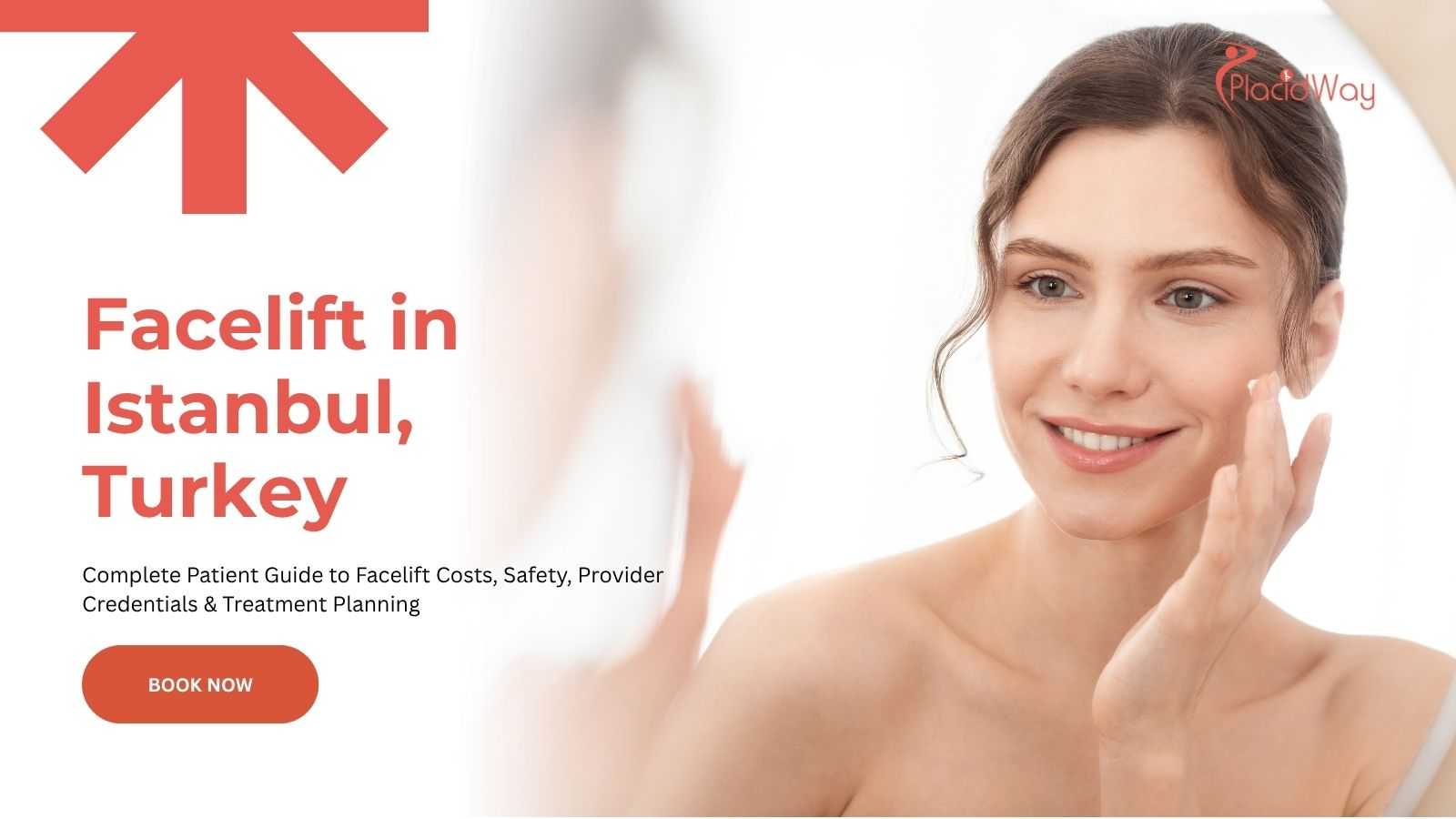
You may be noticing deeper facial folds or skin laxity and are exploring options to restore a more youthful appearance, but traveling abroad for a major facial surgery requires careful planning and research. When considering an international destination, it is crucial to look beyond the appealing price tags and focus deeply on patient safety protocols, the specific board certifications of your surgeon, and whether the facility holds a valid Turkish Ministry of Health license. By understanding the realistic costs, recovery timelines, and exact credentials required for aesthetic surgery in this region, you can make an informed, confident decision about your healthcare journey.
Quick Answer Summary
- Estimated Cost: Typically ranges from $3,500 to $6,500 USD, depending on surgical technique and package inclusions.
- Safety Overview: Istanbul offers highly regulated private hospitals, but patient safety depends entirely on verifying national licenses and surgeon board certifications.
- Ideal Candidate: Non-smokers in good overall physical health experiencing noticeable facial sagging, deep creases, or loss of skin elasticity.
- Recovery Time: Most patients stay in Istanbul for 7 to 10 days; initial social recovery takes about 2 to 3 weeks.
- Why Patients Choose Istanbul: Access to experienced reconstructive surgeons, comprehensive care packages, and high-quality private healthcare infrastructure at a lower cost than North America or Europe.
- Important Credentials to Verify: Always look for a facility licensed by the Turkish Ministry of Health and a surgeon certified by TPRECD (Turkish Society of Plastic Reconstructive and Aesthetic Surgeons).
Why International Patients Choose Istanbul for a Facelift
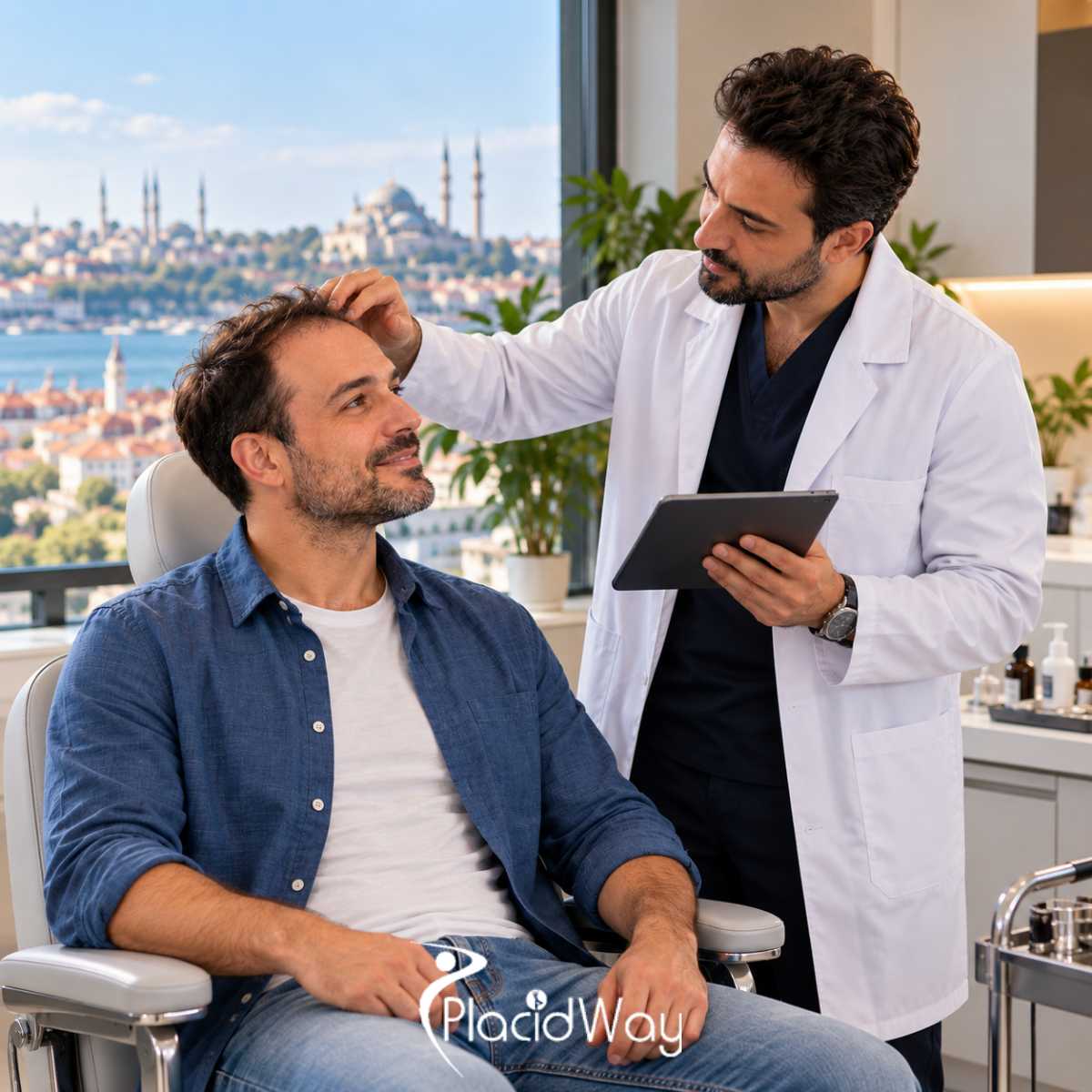
Making the decision to undergo facial rejuvenation is deeply personal, and choosing to travel internationally for the procedure adds another layer of complexity. Istanbul has emerged as a prominent hub for medical travel, particularly for complex aesthetic surgeries like a rhytidectomy (facelift).
Patients typically travel from the United Kingdom, the United States, Germany, and the Middle East. They are often driven by a combination of high domestic healthcare costs and a desire for specialized surgical expertise. When evaluating this destination, patients usually highlight several primary motivations:
- Access to surgeons performing a high annual volume of facial reconstructions.
- Significant cost differences compared to private clinics in the US or UK.
- Comprehensive care protocols that bundle airport transfers, nursing care, and hotel stays.
- Mandatory oversight of medical tourism clinics by the Turkish Ministry of Health.
- Availability of advanced surgical techniques, such as the deep plane facelift.
Patient Tip: While comprehensive packages are convenient, your primary focus should always be on the clinical environment and the primary surgeon's qualifications, not the luxury of the hotel accommodation.
Understanding the Facelift Procedure
A facelift is a surgical procedure designed to improve visible signs of aging in the face and neck. As you age, the skin loses elasticity, and facial tissues lose volume, resulting in sagging, jowls, and deep creases around the nose and mouth.
During the procedure, a specialized aesthetic surgeon will typically make incisions in front of and behind the ear, extending into the hairline. The surgeon repositions underlying facial muscles and tissues, removes excess skin, and redrapes the remaining skin over the newly structured facial contours. This complex anatomy requires a surgeon with a deep understanding of the facial nerve network to prevent complications.
Because every face ages differently, there is no single technique that works for everyone. Your surgeon may recommend adjusting the deeper muscular layers, known as the SMAS (Superficial Musculoaponeurotic System), to achieve more natural, longer-lasting results rather than simply pulling the skin tight.
Patient Demographics for Facial Surgery in Turkey
Understanding who travels for this procedure can provide context for your own decision-making process. According to 2024 healthcare travel reports and demographic tracking from national aesthetic societies, international patients seeking facial surgery in Turkey span various age groups, though the majority fall within the middle-aged demographic seeking restorative procedures.
The visual data below reflects the 2024 age distribution of international patients traveling to Turkey for facial rejuvenation procedures, illustrating that patients between 45 and 64 represent the largest segment of medical travelers for this specific treatment.
2024 Age Distribution of International Facelift Patients in Turkey
Furthermore, medical tourism tracking data spanning late 2024 to early 2025 shows a steady increase in patient volume arriving specifically for surgical facial aesthetic procedures in Istanbul's licensed private hospitals.
2024–2025 Indexed Growth: Cross-Border Facial Surgery Consultations in Istanbul
Types of Facelifts Performed in Istanbul
Surgeons in Turkey offer several variations of the procedure depending on your anatomy, age, and aesthetic goals. A thorough physical consultation is required to determine which technique will safely yield the best clinical outcome for your facial structure.
| Procedure Type | Surgical Approach | Ideal Patient Profile |
|---|---|---|
| SMAS Facelift | Tightens the Superficial Musculoaponeurotic System layer beneath the skin. | Patients with moderate to severe sagging in the mid-to-lower face and neck. |
| Deep Plane Facelift | Releases ligaments deeper under the SMAS to lift entire facial compartments. | Patients requiring significant repositioning of the mid-face and deep nasolabial folds. |
| Mini Facelift | Involves shorter incisions, typically focusing on the lower jawline and jowls. | Younger patients with mild to moderate skin laxity and isolated jowl formation. |
The deep plane technique has become increasingly requested by international patients due to its potential for more natural-looking results that do not stretch the skin tightly. However, this technique requires an advanced understanding of the facial nerve network, reinforcing the need to select a highly qualified, board-certified surgeon.
Complementary Procedures Often Combined with a Facelift
In many cases, facial aging affects multiple zones simultaneously. Addressing only the lower face while leaving heavy upper eyelids untouched can result in an unbalanced appearance. Your medical provider may recommend combining treatments to ensure facial harmony.
Commonly combined procedures include:
- Blepharoplasty (Eyelid Surgery): Removes excess skin and fat from the upper or lower eyelids to refresh tired-looking eyes.
- Neck Lift (Platysmaplasty): Tightens neck muscles and removes loose skin under the chin, often performed concurrently with a facelift.
- Fat Grafting: Harvests your body’s own fat to restore lost volume in the cheeks and temples.
Clinical Caution: Combining surgeries increases the total time spent under general anesthesia. Your anesthesiologist and surgeon must conduct a rigorous pre-operative health assessment to ensure you are healthy enough for an extended surgical duration.
Cost of a Facelift in Istanbul vs. Your Home Country
Cost is a primary driver for medical travel, but transparency is essential. When comparing prices, you must understand exactly what is included. In Istanbul, clinics often quote "all-inclusive packages," which encompass surgical fees, anesthesia, hospital stay, post-operative medications, hotel accommodation, and airport transfers.
Below is an estimated comparison of facelift costs across different countries. Please note that these figures are averages in USD and will vary based on the specific surgeon's expertise, the hospital's facilities, and the complexity of your anatomy.
| Country | Estimated Cost Range (USD) | Inclusions Typically Quoted |
|---|---|---|
| Istanbul, Turkey | $3,500 – $6,500 | Surgery, anesthesia, hospital stay, hotel, transfers, follow-up. |
| United States | $12,000 – $25,000+ | Surgeon fee only (facility and anesthesia billed separately). |
| United Kingdom | $10,000 – $18,000+ | Surgery, facility fee, anesthesia, immediate post-op care. |
Hidden costs can arise if you require an extended hospital stay due to unforeseen medical events, or if you choose to upgrade your hotel. Always request an itemized, written quotation from your clinic before transferring any deposit.
How to Choose a Safe Clinic and Hospital in Turkey
Patient safety must be the foundation of your medical travel planning. Istanbul has highly advanced private medical infrastructure, but healthcare standards can vary between facilities. To protect your health, you must verify the facility's credentials directly.
First and foremost, the clinic or hospital must hold a valid operating license from the Turkish Ministry of Health (Sa?l?k Bakanl???). Furthermore, clinics catering to international patients must possess an International Health Tourism Authorization Certificate, meaning they have met specific government criteria for treating foreign patients.
Essential Hospital Trust Signals
- Turkish Ministry of Health License.
- On-site Intensive Care Unit (ICU) capabilities.
- 24/7 in-house medical staff and emergency response.
- Transparent protocols for managing surgical complications.
Secondary Quality Indicators
- ISO 9001 Quality Management Certification.
- JCI (Joint Commission International) Accreditation.
- Dedicated international patient coordinators and interpreters.
While international accreditations like JCI are excellent indicators of strict quality control and facility safety, many reputable, highly safe facilities in Istanbul operate strictly under stringent national Ministry of Health regulations. Always prioritize national licensing first.
Verifying Your Surgeon's Credentials in Turkey
The facility is important, but the hands performing your surgery dictate your aesthetic outcome and safety. Do not rely solely on social media before-and-after photos, as these can be misleading or digitally altered.
You must ensure your doctor is a recognized specialist in plastic and reconstructive surgery. In Turkey, you should verify that your surgeon is registered with the national medical council and holds board certification.
- TPRECD: Look for membership in the Turkish Society of Plastic Reconstructive and Aesthetic Surgeons. This proves the surgeon has completed rigorous national specialty training.
- TSAPS: Membership in the Turkish Society of Aesthetic Plastic Surgery indicates a dedicated focus on aesthetic procedures.
- EBOPRAS: Many top surgeons in Istanbul also hold certification from the European Board of Plastic Reconstructive and Aesthetic Surgery, demonstrating their skills meet European standards.
Ask your surgeon how many facelifts they perform annually and whether they hold active hospital privileges to perform complex facial surgeries in fully equipped operating theaters.
Evaluating Patient Safety and Potential Risks
All surgical procedures carry inherent risks, and a facelift is a major invasive surgery. No medical treatment is entirely risk-free. Recognizing these risks and understanding how your surgical team mitigates them is vital for informed consent.
Potential complications associated with a rhytidectomy can include:
- Hematoma: A collection of blood under the skin that may require surgical drainage.
- Infection: Managed with strict sterile surgical environments and post-operative antibiotics.
- Facial Nerve Injury: Rare but serious; can cause temporary or, in very rare cases, permanent facial muscle weakness.
- Poor Wound Healing: More common in patients who smoke or have uncontrolled diabetes.
- Scarring: While incisions are hidden in the hairline, unpredictable healing can lead to thickened scars.
Safety Requirement: You must cease all nicotine use (smoking, vaping, patches) for at least 4 to 6 weeks before and after surgery. Nicotine constricts blood vessels, drastically increasing the risk of skin necrosis and severe complications.
Recovery Timeline and Staying in Istanbul
Proper post-operative care is just as critical as the surgery itself. Traveling immediately after a facelift is strongly discouraged due to swelling, the need for surgical drain removal, and the risk of blood clots during flights.
Most clinics in Istanbul require international patients to stay in the city for a minimum of 7 to 10 days post-surgery. Your recovery will generally follow this timeline:
| Timeframe | Clinical Process & Patient Sensation | Action Required |
|---|---|---|
| Days 1–2 | Maximum swelling and bruising. You will wear a compression garment. Mild to moderate discomfort is typical. | Rest in the hospital or hotel. Keep your head elevated at all times to minimize swelling. |
| Days 3–5 | Swelling begins to plateau. Surgical drains (if used) are typically removed by the clinical team. | Attend your scheduled follow-up appointment. Take prescribed medications exactly as directed. |
| Days 7–10 | Sutures are removed. Bruising begins to fade to yellow/green. You may feel tightness in the neck and jaw. | Final clinical clearance from your surgeon before you are allowed to fly home. |
| Weeks 3–4 | Most visible swelling subsides. Incisions continue to heal. Numbness around the ears is normal. | Resume light social activities. Protect scars strictly from sun exposure. |
Healing is a gradual process. It may take up to six months to a year for deep tissue swelling to resolve entirely and for the final facial contours to settle naturally.
Travel Logistics and Medical Tourism Regulations
Traveling to Istanbul requires logistical preparation alongside your medical planning. Turkey has streamlined its visa process for many nationalities through the e-Visa system, but you must check your specific country's requirements prior to booking.
Because you are traveling for medical purposes, ask your clinic coordinator for a formal invitation or treatment letter. This documentation can be helpful at customs and is often required if you are purchasing specific medical travel insurance.
Standard travel insurance usually excludes coverage for elective cosmetic surgery complications. You should investigate specialized medical complications insurance designed for medical tourists. This ensures that if you require an extended hospital stay or immediate revision due to a medical event, you are not burdened with out-of-pocket emergency costs.
Frequently Asked Questions
How long do the results of a facelift typically last?
While a facelift permanently resets your facial anatomy, it does not stop the aging process. Depending on the technique used, genetics, and lifestyle factors like sun protection and diet, results generally last between 10 to 15 years before patients may desire a secondary procedure.
Will I have visible scars after my surgery?
Incisions are strategically placed within the hairline and the natural creases around the ears to minimize visibility. While scars are permanent, they typically fade significantly over the first year and become very difficult to notice once fully healed.
What is the difference between a mini facelift and a full facelift?
A mini facelift uses shorter incisions to target minor sagging in the lower face and jowls, making it suitable for younger patients. A full facelift addresses severe sagging across the mid-face, lower face, and neck, requiring longer incisions and deeper muscle manipulation.
Is it safe to fly back home a few days after surgery?
No. Flying too soon after major surgery increases the risk of deep vein thrombosis (blood clots) and severe swelling due to cabin pressure changes. Surgeons in Istanbul typically require you to stay in the city for at least 7 to 10 days for proper follow-up care before clearing you to fly.
How painful is the recovery from a facelift?
Most patients report feeling a tight, uncomfortable sensation rather than severe pain. This discomfort is usually well-managed with prescribed oral analgesics during the first few days. Numbness around the cheeks and ears is common and slowly resolves over several months.
Why is a deep plane facelift more expensive?
The deep plane technique is a highly specialized surgery that accesses the deeper structural layers of the face beneath the SMAS layer. It requires extensive anatomical knowledge, carries higher surgical complexity, and takes longer to perform, which increases the surgical and facility costs.
Do clinics in Istanbul provide language translators?
Yes, reputable clinics and hospitals that hold the International Health Tourism Authorization Certificate typically employ dedicated patient coordinators and in-house medical interpreters who speak English, Arabic, German, or other major languages to ensure clear communication.
Am I a good candidate if I smoke?
Active smokers are generally rejected for facelift surgery due to a significantly increased risk of skin necrosis (tissue death), poor wound healing, and extreme scarring. You must quit all nicotine products for a minimum of 4 to 6 weeks before and after the procedure.
What happens if I experience complications after returning home?
Before choosing a provider, you should ask about their specific revision policy and post-operative communication protocols. Some clinics offer telemedicine follow-ups. You should also secure specialized medical tourism complications insurance to cover emergency local care in your home country if needed.
Are the before-and-after photos on clinic websites reliable?
While they can give you an idea of a surgeon's style, marketing photos should not be your sole decision-making tool. Always prioritize verifying the surgeon's board certifications (TPRECD, EBOPRAS) and the hospital's Ministry of Health licensing over social media imagery.
Need Help Evaluating Your Options?
PlacidWay can help you connect with highly credentialed, board-certified facial aesthetic surgeons in Istanbul, compare transparent treatment quotes, and evaluate licensed facilities.
Request Information TodayDisclaimer: This information is for educational purposes only and does not replace professional medical advice. Always consult a qualified healthcare provider before making medical decisions.
References
- Republic of Turkey Ministry of Health (Sa?l?k Bakanl???) – Official Healthcare Regulations
- International Health Tourism Data 2024 – USHA? (International Health Services)
- ISAPS Global Survey 2024 on Aesthetic/Cosmetic Procedures – International Society of Aesthetic Plastic Surgery
- Facelift Safety and Risks – American Society of Plastic Surgeons
- Turkish Society of Plastic Reconstructive and Aesthetic Surgeons (TPRECD) – Surgeon Certification Standards
- Anatomy, Head and Neck, Face – StatPearls, National Center for Biotechnology Information
- Complications in Facelift Surgery and Their Management – PubMed Central

















Share this listing