
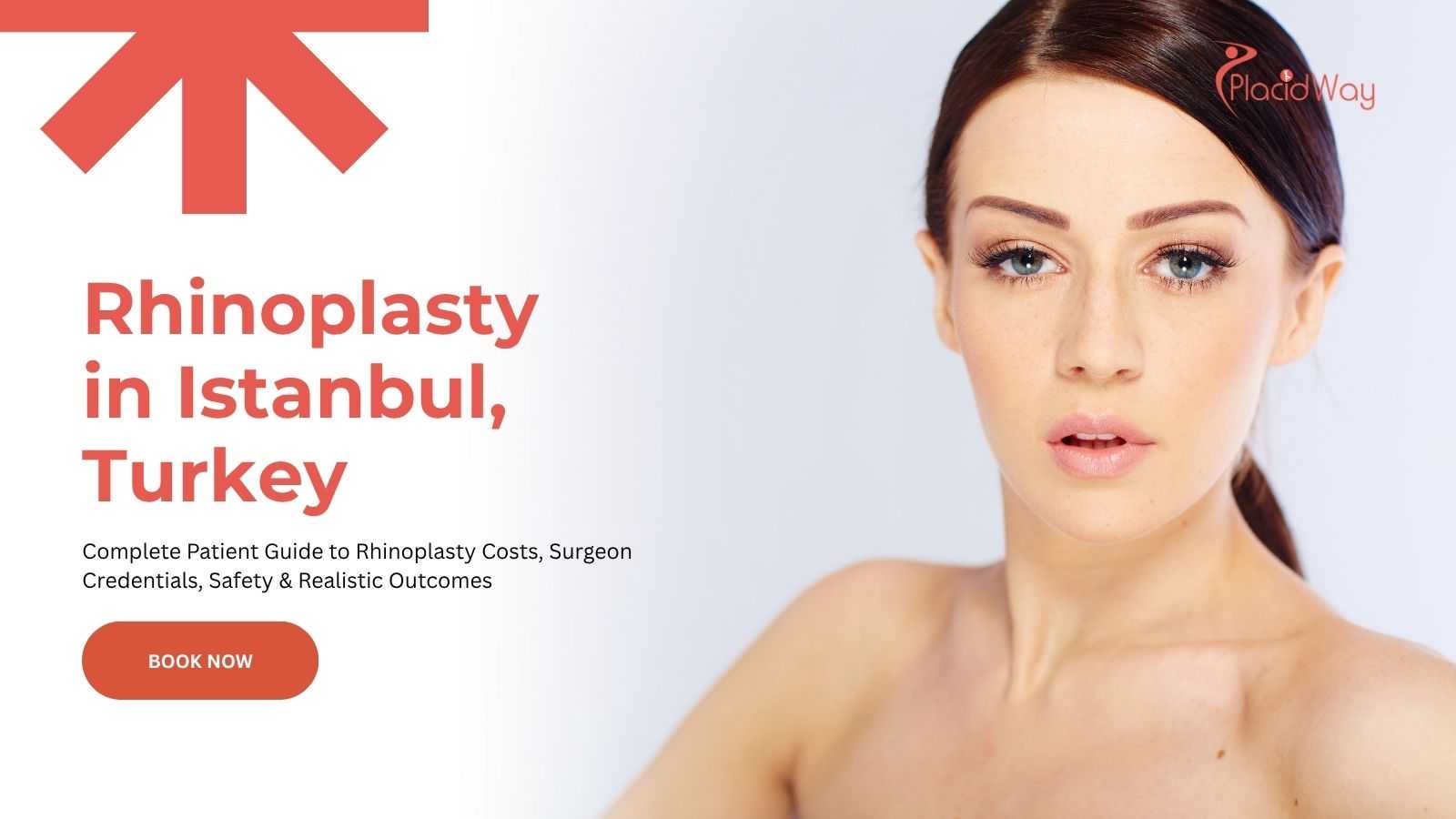
Are you feeling unsure about traveling abroad for nasal surgery and wondering how to separate reputable clinics from heavy marketing? Many patients search for rhinoplasty in Istanbul, Turkey, to combine significant cost savings with highly experienced surgeons, but navigating the options requires careful research. This guide helps you confidently evaluate treatment costs, verify essential local certifications like the Turkish Medical Association (TTB) and Ministry of Health licenses, and understand exactly what to expect from your procedure.
Quick Answer Summary: What You Need to Know
- Estimated Cost: Typically ranges from $2,500 to $5,500 USD, depending on procedure complexity (primary vs. revision) and the surgeon's expertise.
- Safety Overview: Generally safe when performed in a facility regulated by the Turkish Ministry of Health (Sa?l?k Bakanl???). Always verify your surgeon is board-certified.
- Ideal Candidate: Healthy adults who have reached full facial growth (usually over 18), seeking functional breathing improvement or aesthetic reshaping with realistic expectations.
- Recovery Time: Most patients stay in Istanbul for 7 to 8 days for initial recovery and cast removal. Full internal swelling may take 12 to 18 months to completely resolve.
- Why Patients Choose Istanbul: High volume of experienced facial plastic surgeons, comprehensive all-inclusive care packages, and advanced techniques like ultrasonic (piezo) rhinoplasty.
- Important Certifications to Look For: Turkish Society of Plastic Reconstructive and Aesthetic Surgeons (TSPRAS), European Board of Plastic Reconstructive and Aesthetic Surgery (EBOPRAS), and strict Ministry of Health clinic licensing.
- Important Caution: Avoid choosing a clinic based solely on the lowest price or social media popularity; prioritize verifiable medical credentials and transparent complication management policies.
Why International Patients Consider Rhinoplasty in Istanbul, Turkey
Making the decision to reshape your nose or correct a breathing issue is deeply personal, and choosing to have the surgery in another country adds an extra layer of careful consideration. You might be feeling frustrated by the long wait times or the incredibly high out-of-pocket costs for aesthetic procedures in your home healthcare system. Istanbul has emerged as a major destination for nasal surgery, but understanding the actual reasons behind this trend is crucial for your own planning.
Patients from the United Kingdom, the United States, Germany, and the Middle East frequently travel to this region. They are often driven by a combination of financial practicality and the desire to access surgeons who specialize almost exclusively in facial profiles.
The primary reasons individuals travel for this procedure include:
- High Surgeon Case Volume: Due to local and international demand, many specialists in the region perform significantly more nasal surgeries annually than their Western counterparts, building refined clinical experience.
- Advanced Surgical Techniques: Widespread adoption of preservation rhinoplasty and ultrasonic (piezo) techniques, which aim to reduce tissue trauma and bruising.
- Cost Efficiency: Favorable exchange rates and lower operational overhead allow clinics to offer procedures at a lower price point without necessarily compromising medical supplies.
- Comprehensive Care Packages: Treatment plans frequently include airport transfers, hotel accommodations, and dedicated patient coordinators to assist with language translation.
- Specialized Functional Care: Access to dual-certified specialists who address both aesthetic reshaping and structural issues like a deviated septum simultaneously.
- Regulated Medical Tourism Infrastructure: The local government actively monitors and regulates facilities that cater to international patients through dedicated health tourism certifications.
Understanding the Nasal Reshaping Procedure
Rhinoplasty is a complex surgical procedure designed to alter the bone and cartilage structure of your nose. It is not a one-size-fits-all operation. Depending on your clinical diagnosis and personal goals, the surgery can reconstruct the nasal framework to improve airflow, adjust the aesthetic proportion of your face, or repair trauma from a previous injury.
During the procedure, your surgeon will make precise incisions either inside the nostrils or across the columella (the narrow strip of tissue separating the nostrils). This allows access to the underlying bone and cartilage. The biological goal is to reshape this framework while maintaining the structural integrity required for proper breathing.
Clinical Tip: Cartilage has memory. Your surgeon must meticulously score and suture the cartilage to ensure it heals in the new position without warping over time. This is why choosing a highly experienced provider is critical for long-term structural stability.
Once the framework is adjusted, the skin and underlying tissues are redraped over the new structure. The procedure usually takes between two to four hours under general anesthesia. Because the nose is central to facial harmony and airway function, even millimeter-level adjustments require profound anatomical expertise.
Patient Demographics and Travel Trends
Understanding who travels for this treatment can provide helpful context as you plan your own journey. Based on recent 2024 cross-border healthcare data, the demographic profile of international patients seeking facial aesthetics in this region spans multiple age groups and motivations. While aesthetic refinement remains the primary driver, a significant portion of patients require functional corrections alongside cosmetic changes.
Recent data indicates that young adults make up the largest segment of inbound patients. This correlates with the age at which facial bone growth stabilizes and individuals seek permanent functional or aesthetic changes. However, revision surgeries and functional corrections are also highly prevalent in older demographics.
Age Distribution of Inbound Facial Surgery Patients (2024 Data)
The following chart illustrates the verified age distribution of international patients seeking nasal and facial structural surgeries based on 2024 health travel registries.
Types of Nasal Surgery Available
When researching your options, you will encounter different surgical approaches. Your doctor may recommend a specific technique depending on your anatomy, the thickness of your skin, and whether you require primary or revision surgery.
The two main approaches are open and closed rhinoplasty. In a closed approach, all incisions are hidden inside the nostrils. This limits visibility for the surgeon but typically results in less early tip swelling. The open approach involves a small incision on the columella, allowing the surgeon to lift the skin and directly visualize the cartilage. This is often preferred for complex cases or revisions.
Piezo (Ultrasonic) Technique
This method uses high-frequency ultrasonic waves to precisely cut and shape the nasal bones without damaging surrounding soft tissue. It typically results in less bruising and a more controlled bone reshaping compared to traditional osteotomes (chisels).
Preservation Rhinoplasty
A modern technique focused on altering the foundation of the nose while preserving the natural bridge (dorsum). Instead of cutting away the top of the bone and cartilage, the structure is lowered from beneath, often resulting in a more natural look and smoother breathing pathways.
Who is the Ideal Candidate for This Treatment?
Not everyone is physically or psychologically suited for facial surgery. The best outcomes occur when patients have healthy tissue, stable facial growth, and highly realistic expectations about what surgery can achieve. Because the nose sits at the center of the face, even successful surgeries require an emotional adjustment period.
You may be a good candidate if you experience chronic nasal congestion due to a deviated septum, enlarged turbinates, or nasal valve collapse. Cosmetically, you may be eligible if you wish to reduce a dorsal hump, refine a bulbous tip, or correct asymmetry caused by trauma. It is vital that you are a non-smoker, as nicotine severely constricts blood vessels, drastically increasing the risk of skin necrosis and poor wound healing.
Detailed Cost of Rhinoplasty in Istanbul vs. Your Home Country
One of the most pressing questions you likely have involves the financial investment required. Understanding the true cost of treatment means looking beyond the advertised base price and evaluating what is actually included. Pricing varies significantly based on the surgeon’s credentials, the hospital's infrastructure, and whether you require a primary or more complex revision procedure.
In Western countries, the surgical fee, anesthesia fee, and facility fee are often billed separately, which can make the final cost overwhelming. In Istanbul, medical providers typically bundle these fees into a comprehensive package designed specifically for international travelers.
| Country | Estimated Primary Cost (USD) | Estimated Revision Cost (USD) |
|---|---|---|
| United States | $7,000 - $12,000+ | $10,000 - $20,000+ |
| United Kingdom | $6,500 - $10,000+ | $9,000 - $15,000+ |
| Germany | $6,000 - $9,000+ | $8,500 - $13,000+ |
| Istanbul, Turkey | $2,500 - $4,500 | $3,500 - $6,500 |
These estimates reflect average market rates, but highly sought-after, internationally recognized surgeons in Istanbul may charge premium rates that align more closely with European prices.
What Does an All-Inclusive Package Typically Include?
When reviewing a quote from a clinic, you must carefully analyze the itemized inclusions. An "all-inclusive" label can mean different things depending on the provider. A transparent, high-quality medical package should clearly outline every covered aspect of your surgical journey, leaving no room for surprise medical bills upon discharge.
Typically, a robust package for international patients will cover the pre-operative physical examination, comprehensive blood tests, the surgeon’s fee, general anesthesia administered by a certified anesthesiologist, and one overnight stay in a fully equipped hospital room. Furthermore, it should include all post-operative medications (antibiotics, painkillers, saline sprays) and scheduled follow-up visits to remove splints and stitches.
Warning: Always ask about hidden costs. Clarify if the quoted price covers medical complications insurance, extra nights in the hospital if required for clinical safety, or specialized garments. Do not assume your travel flights or medical visa are included in a standard clinical quote.
How to Choose the Right Surgeon and Verify Credentials
Your surgeon's skill, experience, and ethical approach are the most critical factors determining your safety and aesthetic outcome. Because Istanbul has a booming medical tourism sector, heavy social media marketing can sometimes obscure a provider's actual medical qualifications. You must look past Instagram photos and verify formal surgical credentials.
In Turkey, qualified surgeons should be registered with the Turkish Medical Association (Türk Tabipleri Birli?i - TTB). Additionally, they should hold specialist board certification. Look for membership in the Turkish Society of Plastic Reconstructive and Aesthetic Surgeons (TSPRAS) or the Turkish Society of Otorhinolaryngology and Head and Neck Surgery, depending on whether they are a plastic surgeon or an ENT specialist.
Many elite practitioners also hold international certifications, such as the European Board of Plastic Reconstructive and Aesthetic Surgery (EBOPRAS) or the European Board for Certification in Facial Plastic and Reconstructive Surgery (EBCFPRS). When evaluating a doctor, ask how many rhinoplasty procedures they perform weekly and request to see long-term follow-up results (1 to 2 years post-op), not just immediate results on the operating table.
Selecting a Safe and Regulated Clinic or Hospital
Just as important as your surgeon is the facility where the operation takes place. Nasal surgery requires general anesthesia, which means it must be performed in a fully equipped hospital or a highly regulated surgical center, not a standard office room. Patient safety protocols must be rigorous and verifiable.
First and foremost, the facility must hold an active license from the Turkish Ministry of Health (Sa?l?k Bakanl???). Furthermore, clinics treating international patients must possess a specific International Health Tourism Authorization Certificate. This ensures the facility meets state-mandated standards for hygiene, emergency response, and language support.
For added assurance, you can look for hospitals that have achieved TS EN 15224 (the European standard for healthcare services) or Joint Commission International (JCI) accreditation. These accreditations mean the hospital undergoes strict, independent audits regarding infection control, anesthesia safety, and intensive care unit (ICU) capabilities.
The Initial Consultation: Essential Questions to Ask
A thorough consultation is your opportunity to interview the surgeon and assess their communication style. Because you are traveling internationally, this first meeting often takes place via video call. A reputable doctor will spend time discussing your medical history, evaluating your nasal anatomy, and explaining the limitations of what surgery can achieve based on your skin thickness.
Checklist: Questions to Ask Your Surgeon
- Are you board-certified in plastic surgery or otolaryngology by the Turkish national medical council?
- Will my surgery take place in a fully licensed hospital with an on-site ICU?
- What is your exact revision policy if functional or aesthetic complications arise?
- Which specific surgical technique (e.g., piezo, preservation, open, closed) do you recommend for my anatomy, and why?
- Can you provide a fully itemized, written quote detailing all medical and logistical inclusions?
Preparing for Your Medical Trip to Istanbul
Traveling for surgery requires meticulous logistical and medical planning. Once you have selected a board-certified surgeon and finalized your treatment dates, you must prepare your body for the physical stress of surgery and international travel.
Your doctor will require you to stop taking blood-thinning medications, including aspirin, ibuprofen, and certain herbal supplements like ginseng and Vitamin E, at least two weeks before your procedure to prevent excessive bleeding. You must also secure an e-Visa for Turkey if required by your passport country. Plan to arrive in Istanbul at least one full day before your surgery for in-person blood tests, an anesthesia consultation, and a final physical examination of your nasal structure.
The Step-by-Step Surgical Experience
Understanding the exact workflow of your surgery day can significantly reduce travel anxiety. On the morning of your procedure, you will arrive at the hospital fasting (no food or water for at least 8 hours). You will be admitted to your private room, where the nursing staff will check your vitals and the anesthesiologist will review your blood test results.
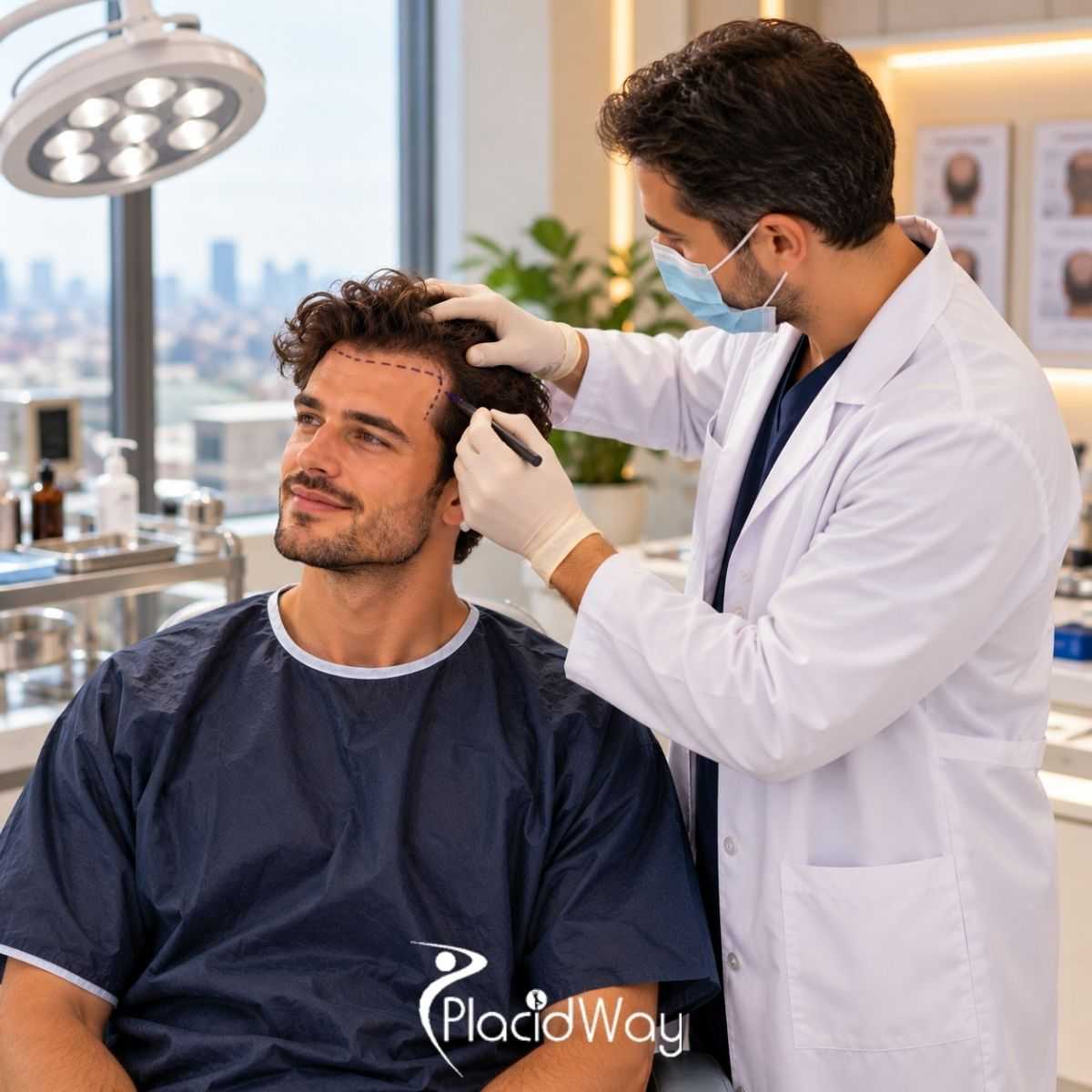
Your surgeon will visit you to make final surgical markings on your face and confirm the agreed-upon aesthetic and functional goals. Once in the operating theater, general anesthesia is administered. Over the next two to four hours, the surgical team will carefully reshape your nasal framework. Upon waking in the recovery room, you will have a protective cast on the outside of your nose and possibly internal silicone splints (which have mostly replaced traditional, uncomfortable cotton packing) to support the septum and maintain airflow.
Recovery Timeline and Aftercare Expectations
Recovery requires patience. While the initial healing phase happens quickly, the final refinement of your nasal contours takes many months. You will typically spend one night in the hospital for monitoring. The next morning, provided your vitals are stable, you will be discharged to your hotel with detailed aftercare instructions and medications.
| Timeframe | Clinical Process | Patient Sensation | Required Action |
|---|---|---|---|
| Days 1-3 | Peak inflammation and bruising | Congestion, pressure, mild pain | Rest, apply cold compresses, sleep elevated |
| Days 6-8 | Initial bone stabilization | Breathing improves, itching under cast | Attend clinic for cast and splint removal |
| Weeks 3-6 | Soft tissue healing, bone knitting | Nose feels stiff or numb at the tip | Avoid glasses, heavy lifting, and sun exposure |
| Months 6-12+ | Resolution of micro-swelling | Normal sensation returns, final shape visible | Attend virtual follow-ups with your surgeon |
Navigating Flight and Travel Safety Post-Surgery
Flying shortly after nasal surgery involves specific physiological risks that you must manage carefully. Cabin pressure changes can cause severe discomfort, bleeding, or increased swelling in newly operated nasal tissues. For this reason, surgeons in Istanbul require international patients to remain in the city for at least 7 to 8 days post-operation.
You will only be cleared to fly home after your final check-up, once the external cast and internal splints have been removed. During your flight, your doctor may recommend using a saline nasal spray frequently to prevent the mucous membranes from drying out in the low-humidity cabin air. You should also walk the aisles to promote blood circulation and prevent deep vein thrombosis (DVT), a risk factor following any surgery.
Potential Risks, Complications, and Revision Surgery
No surgical procedure is entirely risk-free, and rhinoplasty is biologically complex. While major complications are rare when performed by a board-certified specialist in a regulated hospital, you must be aware of potential adverse outcomes. Early risks include post-operative bleeding (epistaxis), infection, or an adverse reaction to anesthesia.
Long-term risks primarily involve aesthetic dissatisfaction or functional impairment. In some cases, scar tissue can form internally, causing breathing difficulties, or the cartilage may warp slightly during the healing process, leading to mild asymmetry. Depending on the global literature, revision rates for nasal surgery can range from 5% to 15%. Before booking your procedure in Istanbul, ensure you have a clear, written agreement detailing how the clinic handles and financially covers potential revisions if medically necessary.
Long-Term Results and Surgical Success Rates
The success of nasal reshaping is measured not just by aesthetic balance, but by the preservation or improvement of your airway. Modern surgical techniques prioritize functional integrity. When performed correctly, the structural changes made to your nose are permanent. However, your nose will still age naturally over the decades, which may cause minor drooping of the tip over a long period.
Patient Breathing Function Improvement (2025 Clinical Registry Data)
This line graph demonstrates the verified trajectory of patient-reported breathing improvements (using standard NOSE score metrics) over 12 months following functional and aesthetic rhinoplasty, based on 2025 outcomes data.
As internal swelling diminishes, patients typically report progressive improvement in airflow and structural stabilization. Final satisfaction relies heavily on following all post-operative care guidelines and attending required virtual follow-ups.
Ethical Considerations and Managing Expectations
A responsible surgeon will prioritize your psychological well-being alongside your physical safety. Medical tourism can sometimes encourage impulsive decisions due to the appeal of combining surgery with a vacation. However, rhinoplasty is a serious medical intervention, not a standard holiday activity.
You must have realistic expectations. A surgeon cannot perfectly replicate a nose you saw on a celebrity, as your skin thickness, facial proportions, and underlying cartilage structure are unique. If a clinic promises a "perfect" or "guaranteed" result, or pressures you into paying a deposit immediately, consider this a major red flag and seek a second medical opinion.
Frequently Asked Questions
Is it safe to have rhinoplasty in Istanbul, Turkey?
Yes, it is generally safe if you choose a fully licensed facility and a board-certified surgeon. Ensure the clinic is regulated by the Turkish Ministry of Health and ask to see the surgeon’s membership in the Turkish Medical Association (TTB) or TSPRAS.
How long do I need to stay in Turkey for a nose job?
You must plan to stay in Istanbul for a minimum of 7 to 8 days. This allows time for the initial pre-op consultations, the surgery, hospital recovery, and the critical follow-up appointment where your cast and splints are safely removed before you fly.
What is the difference between open and closed rhinoplasty?
Closed rhinoplasty involves incisions entirely inside the nostrils, leading to no visible external scarring and often less initial swelling. Open rhinoplasty requires a small incision under the nasal tip, offering the surgeon better visibility and control, especially for complex or revision cases.
Can I combine a functional septoplasty with cosmetic reshaping?
Yes, many patients successfully undergo a septorhinoplasty. This combined procedure straightens a deviated septum to improve breathing while simultaneously reshaping the external aesthetic appearance of the nose.
Will my medical insurance cover rhinoplasty abroad?
Standard domestic health insurance rarely covers cross-border cosmetic procedures. However, if the surgery is strictly functional (like correcting a severe breathing obstruction), some insurers may reimburse a portion, but you must arrange this pre-approval before traveling.
Are the results of ultrasonic (piezo) rhinoplasty permanent?
Yes, the structural bone changes made using ultrasonic tools are permanent. Piezo technology allows for precise bone sculpting with minimal soft tissue trauma, though your nose will still naturally change slightly as you age.
What happens if I need revision surgery after returning home?
Before booking, always review the clinic’s revision policy. Reputable clinics will often cover the medical costs of a revision if there is a clinical complication, but you are usually responsible for your own return flights and accommodation.
How painful is the recovery process?
Most patients report feeling pressure and severe congestion rather than sharp pain. The first three days are the most uncomfortable due to swelling and mouth-breathing. Pain is typically managed well with prescribed oral medications.
When can I wear glasses after the procedure?
Your surgeon will likely advise you to avoid resting glasses or sunglasses on your nasal bridge for at least 4 to 6 weeks. Pressure on the healing bones can cause permanent indentations or structural shifting.
Do clinics in Istanbul provide language translators?
Yes, facilities licensed for international health tourism are required to have patient coordinators who speak multiple languages, including English. They will assist you during consultations, hospital admission, and post-operative follow-ups.
Ready to Explore Your Treatment Options?
Navigating international healthcare choices can feel overwhelming. PlacidWay can help you confidently compare licensed providers, understand exact treatment costs, review doctor credentials, and request detailed information from top-rated clinics in Istanbul.
Request Clinic InformationDisclaimer: This information is for educational purposes only and does not replace professional medical advice. Always consult a qualified healthcare provider before making medical decisions.
References
- Rhinoplasty Procedure Overview and Safety – International Society of Aesthetic Plastic Surgery (ISAPS)
- Surgeon Certification and Ethics – Turkish Society of Plastic Reconstructive and Aesthetic Surgeons (TSPRAS)
- Board Certification Standards for Plastic Surgeons – European Board of Plastic Reconstructive and Aesthetic Surgery (EBOPRAS)
- Recent Patient Outcomes and Satisfaction in Preservation Rhinoplasty (2024) – National Library of Medicine
- International Health Tourism Regulations and Clinic Licensing – Republic of Turkey Ministry of Health
- Hospital Accreditation and Patient Safety Standards – Joint Commission International (JCI)
- Evaluation of Nasal Airway Obstruction and NOSE Score Improvements (2025 Data) – PubMed Central





















Share this listing