


Youthful Results with Facelift in Istanbul by Wolistic Center
About this video: Reclaiming a rested, vibrant appearance is a deeply personal journey, and Wolistic Center offers world-class solutions for patients seeking comprehensive aesthetic transformations. Over time, factors such as natural aging, environmental exposure, and significant weight changes can alter structural facial contours, leading many international patients to explore high-caliber surgical correction options abroad. [00:00]
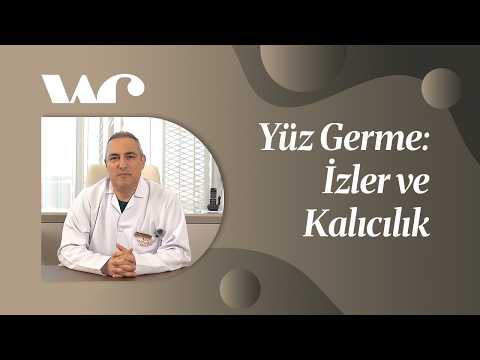
In this informative overview, expert plastic surgeon Dr. Ismail Murat Onyedi breaks down the structural science and customized techniques behind advanced Face Lift Surgery in Istanbul Turkey. Watch to learn how modern, deeper-layer tissue manipulation creates highly durable results, ensuring a seamless and safe surgical experience at a leading medical oasis. [00:06]
Video Chapters & Quick Navigation
The field of aesthetic medicine continues to advance rapidly, presenting patients with sophisticated options to reverse the global visible signs of tissue descent. Today, individuals look for highly tailored experiences that avoid the outdated, tightly pulled look of the past, opting instead for structural restoration. Choosing an elite clinical destination is paramount to achieving a natural balance that enhances intrinsic facial anatomy. [00:14]
Turkey has established an ironclad global footprint in medical tourism by successfully merging state-of-the-art operative technology with premier patient hospitality. Clinics in this dynamic region focus intensely on comprehensive treatment strategies, helping individuals from all walks of life return home feeling structurally renewed and thoroughly rejuvenated. [00:19]
Understanding Cosmetic Facial Surgery in Turkey
Facial aging is a multi-dimensional biological sequence involving skin laxity, fat redistribution, and the gradual loosening of underlying muscular support networks. When these structural factors combine, they manifest as deep creases, prominent jowls along the jawline, and significant soft-tissue descent. Addressing these concerns comprehensively requires a deep understanding of surgical anatomy and customized planning. [00:21]
Opting for Cosmetic Facial Surgery in Turkey allows international patients to access specialized plastic surgeons who excel at adjusting complex deeper tissue relationships. Rather than merely addressing superficial skin, modern operative protocols focus heavily on lifting the internal matrix, ensuring an authentic and well-balanced overall transformation. [00:26]
This comprehensive method is particularly advantageous for individuals dealing with laxity caused by major weight loss or natural chronological aging. By safely excising redundant skin and resetting compromised tissue foundations, specialists successfully restore the crisp contours that define a youthful physical profile. [00:31]
Customized Approaches for Distinct Facial Quadrants
No two faces age identically; some individuals display distinct structural changes primarily in the upper orbital zone, while others experience heavy sagging concentrated in the lower cheek and submental regions. Experienced plastic surgeons utilize a variety of modular techniques to isolate and correct these specific anatomical areas based on an individual's unique needs. [00:36]
For individuals presenting with significant submental laxity, executing a dedicated Neck Lift Surgery in Turkey offers an isolated pathway to tighten loose muscular bands and redefine a blurred jawline. Depending on individual goals, surgeons can seamlessly combine a neck lift with a mid-face or lower rhytidectomy to yield comprehensive harmony. [00:41]
The Art of Discreet Incision Placement and Scar Camouflage
A primary concern for many patients undergoing a rhytidectomy is the location and long-term visibility of the resulting surgical scars. Elite plastic surgeons prioritize advanced incisional artistry, carefully positioning access points within natural anatomical creases and hair-bearing boundaries to optimize aesthetic outcomes. [00:43]
When executing standard lifting procedures, the incision tracks delicately along the natural margin in front of the ear, curves smoothly beneath the lobule, and extends discreetly behind the auricle. This classic approach ensures the fine scar line is well-concealed from view once fully healed. [00:48]
In cases limited purely to lower rejuvenation, incisions can be contained entirely behind the ear structure. However, if a patient requires a highly structured jaw contour, the surgical entry pattern may adapt slightly to provide the direct structural access needed to lift the lower jowl network. [00:51]
When profound laxity spans across the entire midface and forehead, the entry track extends smoothly upward into the protective hairline. If downward descent has also impacted the brow region, the approach can continue laterally toward the temple to give the surgeon complete structural control over the entire upper facial plain. [01:00]
Every structural path is carefully selected during the pre-operative planning phase to accommodate the patient's individual hair thickness and natural hairlines. This meticulous attention to detail ensures that whether incisions sit inside the hairline or right along its border, they remain virtually unnoticeable during casual daily interactions. [01:06]
The Science of the SMAS Layer: Ensuring Long-Lasting Rejuvenation
Historically, early facelift techniques relied strictly on pulling and trimming the skin layer, which frequently produced a windswept look that aged poorly over time. Modern Facial Rejuvenation in Istanbul Turkey has shifted away from this superficial approach by focusing intensely on the deep fascial system known anatomically as the SMAS. [01:14]
During a comprehensive procedure, tissues are carefully mobilized and shifted in a natural upward and outward direction. By addressing the deep muscle-retaining foundations directly, the surgeon restores structural volume back to the cheeks and jaw without placing tension on the overlying skin. [01:19]
This vital tightening of the deeper SMAS layer is standard across almost all variations of facial surgery, including modified mini-lifts. Elevating these foundational structures ensures that the skin drapes smoothly and tension-free over the newly sculpted underlying contours. [01:26]
Investing this clinical focus into the deep supportive layers yields an inherently natural look that ages gracefully alongside the patient. Securing these internal layers prevents premature sagging, providing a highly stable result that stands up effectively to the ongoing gravitational effects of time. [01:31]
Why Istanbul is the Premier Destination for Anti Aging Surgery in Turkey
Istanbul has earned its reputation as a leading destination for advanced Anti Aging Surgery in Turkey by consistently delivering stellar outcomes paired with competitive pricing structures. The city features a dense network of ultra-modern, internationally accredited surgical clinics that closely track global safety and procedural standards. [01:41]
International travelers enjoy comprehensive care packages that seamlessly integrate pre-operative diagnostic testing, private hospital accommodations, and detailed post-surgical nursing support. This stress-free ecosystem allows individuals to undergo complex cosmetic procedures abroad with total peace of mind and complete confidence. [01:45]
Expected Medical Outcomes and Patient Rejuvenation Timelines
The primary medical goal of any well-executed rhytidectomy is to safely turn back the clock on facial aging while completely preserving the patient's individual expressions. Following a standard recovery period, individuals typically appear between 5 to 10 years younger, showing a notable restoration of structural harmony.
Initial post-operative swelling and bruising gradually subside over the first few weeks, revealing a crisper jawline, smoother cheeks, and a beautifully refreshed neck contour. These positive changes continue to refine over several months, resulting in a durable, radiant outcome that significantly boosts long-term self-confidence.
Wolistic Center: Pioneering Patient-Centered Aesthetic Excellence
Wolistic Center in Istanbul Turkey stands out as a premier example of excellence by placing patient safety and personalized care at the center of its practice. The facility works exclusively with renowned, board-certified plastic surgeons who take the time to align every operative plan with the patient's precise aesthetic goals.
Utilizing state-of-the-art medical technology and maintaining pristine sterile environments, the clinic ensures that each step of the surgical journey is executed flawlessly. From the initial virtual assessment to your final post-operative follow-up, their dedicated clinical team provides top-tier support tailored for international travelers.
| Surgical Choice | Anatomical Correction Focus | Primary Aesthetic Benefits |
|---|---|---|
| Full Face Lift Surgery | Midface Sagging, Deep Wrinkles, Jowl Formation | Restores volume to depleted cheeks, redefines the jawline, and yields global facial harmony. |
| Deep SMAS Tightening | Underlying Muscular Fascia & Structural Base | Creates natural-looking contours, avoids a pulled appearance, and ensures durable results. |
| Isolated Neck Lift | Submental Laxity, Loose Skin Bands, Turkey Neck | Smoothes the submental profile, eliminates loose skin, and recreates a sharp neck angle. |
Navigating Your Surgical Recovery and Travel Plan in Istanbul
Embarking on a journey for facial enhancement requires proper scheduling, but the streamlined support systems available in Turkey make the process exceptionally simple. International patients receive a highly organized care itinerary that maps out clinical consultations, the operative timeline, and specialized post-treatment lymphatic evaluations.
Most modern techniques are designed to minimize tissue trauma, allowing individuals to transition smoothly from early clinical monitoring to light, relaxing leisure activities within a few days. This allows patients to enjoy the rich historical sites and peaceful coastal breezes that define this iconic city.
Giving your body a quiet, supportive environment to rest during the early stages of healing plays an integral role in minimizing swelling and lowering cortisol. Recovering in a world-class cultural hub provides a uniquely restorative experience, ensuring you return home looking refreshed, revitalized, and completely renewed.
Ready to Reveal a Refreshed Appearance in Istanbul?
PlacidWay Medical Tourism connects you directly with top-tier aesthetic centers like Wolistic Center, offering world-class Facial Rejuvenation in Istanbul Turkey from premier board-certified plastic surgeons. Let our coordinators manage your travel logistics so you can focus fully on a smooth, life-changing aesthetic transformation.
GET A FREE QUOTEView Full Video Transcript
[00:00] Hello, I'm Dr. Ismail Murat Onyedi, a Plastic Surgeon. I'd like to give you a brief overview of facelift surgery.
[00:06] What is a facelift? A facelift is a procedure designed to remove sagging skin, reduce deep wrinkles, and rejuvenate the face. These changes may occur due to aging, skin wear over time, or significant weight loss. The procedure involves removing excess tissue to restore a younger appearance.
[00:21] Facelift surgery can be tailored to different areas of the face. Some people experience more aging around the eyes and upper face.
[00:31] Others develop sagging in the neck after major weight loss, while some notice drooping in the cheeks. Depending on the patient's needs, we may perform a neck lift alone or combine it with a mid-face or lower-face lift.
[00:43] During the procedure, excess tissue is removed. The incision is carefully hidden in front of the ear and continues behind the ear to make the scar as discreet as possible.
[00:51] If we are performing only a neck lift, the incision may remain entirely behind the ear. However, if the patient desires a more defined jawline, the incision may extend slightly in front of the ear.
[01:00] When there is sagging throughout the entire face, the incision extends into the hairline and upward.
[01:06] If the eyebrows have also descended, the incision may continue toward the temple and forehead. We always try to conceal the scar within the hairline whenever possible.
[01:14] In some cases, the incision is placed along the border between the hairline and the face.
[01:19] In general, we lift the facial tissues upward and outward to restore a youthful contour.
[01:26] We don't simply tighten the skin. In nearly every facelift—even many mini facelifts—we also tighten the deeper fascial layer (SMAS), which supports the facial muscles.
[01:31] By lifting these deeper structures upward and outward, we create a more natural-looking and longer-lasting result.
[01:41] Tightening the deeper tissue helps make the outcome more durable over time.
[01:45] As a result, patients often appear 5 to 10 years younger, and in some cases, even more.













Share this listing