


Finding an effective and specialized medical approach for chronic swelling is a priority for countless patients worldwide. Exploring manual lymphatic drainage for lymphedema treatment in Turkey offers patients access to highly trained specialists and state-of-the-art rehabilitation facilities. This condition requires precise medical interventions rather than standard cosmetic approaches to manage fluid retention effectively.
Lymphedema occurs when the lymphatic system fails to drain properly, leading to significant tissue swelling, discomfort, and a reduced quality of life. Accessing specialized physical therapy networks can drastically alter the progression of this chronic condition. Understanding the intricacies of manual lymphatic drainage is the first step toward long-term fluid management and tissue health.
Video Chapters
- Understanding What Manual Lymphatic Drainage Massage Actually Is
- The Scientific Proof Behind Lymphedema Swelling Reduction Methods
- Exploring Lymphedema Treatment Options After Breast Cancer Surgery
- Why Manual Lymph Drainage Is Not a Standalone Medical Solution
- Core Components of Complex Decongestive Therapy for Lymphedema
- The Role of Professional Healthcare Specialists in Lymphatic Care
- Long-Term Management and Patient Education for Chronic Lymphatic Conditions
- Choosing Turkey as a Medical Tourism Destination for Rehabilitation
Understanding What Manual Lymphatic Drainage Massage Actually Is
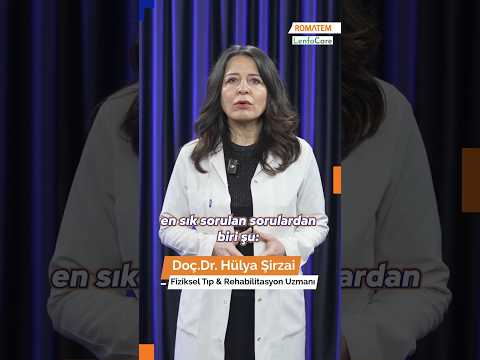
When patients first explore treatment, they often ask if this therapy truly works for fluid retention. As highlighted at [00:00], manual lymphatic drainage is frequently questioned regarding its actual efficacy in the clinical setting. The reality is that this specialized technique forms the absolute foundation of modern lymphedema rehabilitation protocols.
This therapeutic approach is far removed from the deep tissue relaxation therapies found in standard spas. As discussed at [00:15], manual lymphatic drainage is not a classic massage; it requires a highly specific manipulation of the skin. The primary objective is to reroute the accumulated lymph fluid from congested areas toward healthy, functioning lymphatic vessels.
The technique relies on extremely light, rhythmic strokes that gently stretch the superficial skin layers. This delicate stretching action directly stimulates the lymph capillaries situated just beneath the skin's surface. By opening these capillary structures, the therapist encourages the stagnant protein-rich fluid to re-enter the lymphatic circulatory system.
The Anatomy Behind the Therapy
To comprehend why these gentle strokes are required, one must understand the fragility of the lymphatic network. Lymphatic vessels are highly superficial, meaning aggressive or deep pressure can actually crush them and halt fluid movement completely. This is why traditional Swedish massage techniques are contraindicated for lymphedema patients.
The lymphatic system acts as the body's primary waste removal and immune transportation network. When lymph nodes are removed or damaged, the resulting traffic jam of fluid causes severe tissue engorgement. Manual drainage acts as a physical detour sign, directing this traffic through alternative, healthy routes in the body.
The Scientific Proof Behind Lymphedema Swelling Reduction Methods
Patients rightly demand evidence-based treatments before committing time and financial resources to physical rehabilitation. As noted at [00:30], numerous scientific studies evaluate the true clinical impact of these specialized drainage techniques. The medical consensus heavily supports the use of physical therapy for measurable volume reduction.
Clinical research consistently demonstrates that specialized drainage provides substantial relief from the heavy, aching symptoms associated with fluid buildup. By systematically moving the interstitial fluid, the physical tension on the skin and underlying tissues is significantly diminished. This reduction in pressure directly correlates with improved limb mobility and decreased pain.
Volumetric measurements taken during clinical trials provide objective data regarding limb size reduction. Medical professionals utilize precise tools, such as water displacement methods or optoelectronic perometry, to track the limb's exact circumference. These tools routinely show a marked decrease in swelling following a structured course of lymphatic therapy.
| Treatment Aspect | Classic Deep Tissue Massage | Manual Lymphatic Drainage |
|---|---|---|
| Applied Pressure | Deep, firm pressure targeting muscles. | Very light, skin-stretching pressure. |
| Primary Target | Muscle knots, fascia, and general tension. | Superficial lymph vessels and fluid. |
| Vessel Impact | Can compress or damage fragile lymphatics. | Stimulates and opens lymphatic pathways. |
| Lymphedema Use | Strictly contraindicated; can worsen swelling. | The gold standard for fluid reduction. |
Exploring Lymphedema Treatment Options After Breast Cancer Surgery
Secondary lymphedema is a common and distressing complication for many oncology patients worldwide. Mentioned specifically at [00:45], breast cancer survivors frequently develop this condition following surgical interventions. Axillary lymph node dissection and targeted radiation therapy significantly disrupt the normal flow of lymph fluid in the upper extremities.
When lymph nodes are removed from the underarm to check for cancer spread, the arm loses its primary drainage pathway. This surgical necessity leaves the limb highly vulnerable to fluid accumulation over the following months or even years. Prompt therapeutic intervention is critical to prevent the swelling from becoming a hard, fibrotic mass.
Intensive manual lymphatic drainage applied over a period of a few weeks produces highly noticeable results in these specific cases. The targeted physical therapy facilitates a marked decrease in arm volume, allowing patients to wear normal clothing again. Restoring the limb's natural proportions is vital for the patient's psychological recovery following their oncology journey.
The Psychological Relief of Effective Therapy
Living with a visibly swollen limb serves as a constant, unwanted reminder of a patient's battle with cancer. Finding effective lymphedema treatment options helps individuals reclaim their body image and mental wellbeing. Physical reduction of the limb translates directly into renewed self-confidence and emotional stability.
Patients often report that the heaviness of an untreated limb restricts their participation in beloved hobbies and daily chores. When proper drainage techniques are applied, the restoration of movement is profoundly liberating. Addressing the physical symptoms allows survivors to transition fully into their post-cancer recovery phase.
Why Manual Lymph Drainage Is Not a Standalone Medical Solution
A common misconception among newly diagnosed patients is that specialized massage alone will cure their condition permanently. Emphasized clearly at [01:00], manual lymph drainage is rarely prescribed as an isolated, solitary therapy. Treating it as a standalone miracle cure inevitably leads to disappointment and rapid relapse of tissue swelling.
The physical manipulation of the skin successfully pushes the fluid out of the congested limb temporarily. However, without a physical barrier to maintain that newly achieved reduced state, gravity and natural capillary filtration will cause the fluid to return. The newly emptied tissue spaces act almost like a sponge, ready to absorb fluid the moment the therapy session ends.
This physiological reality mandates a more comprehensive approach to long-term fluid management. Single-modality treatments simply cannot address the complex hydrodynamic pressures constantly at play within the human body. Medical professionals must implement multi-layered strategies to lock in the progress achieved on the treatment table.
Core Components of Complex Decongestive Therapy for Lymphedema
To achieve lasting clinical success, therapists rely on a universally recognized gold standard of care. Outlined at [01:15], the most effective approach is known as Complex Decongestive Therapy (CDT). This intensive programmatic approach combines several distinct pillars of treatment into one cohesive rehabilitation plan.
Complex decongestive therapy for lymphedema is divided into an intensive reduction phase and a long-term maintenance phase. The intensive phase occurs daily in a clinical setting to drive down limb volume as rapidly as safely possible. The maintenance phase empowers the patient to manage their condition independently at home using prescribed techniques.
The Five Pillars of the Treatment Program
Each component of CDT serves a unique physiological purpose, and omitting any single pillar compromises the entire outcome. The therapy is a delicate balance of fluid manipulation, pressure application, and patient compliance.
- Manual Lymphatic Drainage: The daily physical stimulation required to manually evacuate protein-rich fluid from the swollen tissues.
- Bandaging and Compression: Applying specialized short-stretch bandages immediately after drainage to prevent fluid re-accumulation.
- Decongestive Exercise: Performing specific movements while bandaged to activate the muscle pump, further driving lymph fluid upwards.
- Meticulous Skin Care: Utilizing pH-balanced lotions to prevent dangerous bacterial infections like cellulitis in compromised tissues.
- Patient Education: Teaching the individual how to apply self-bandaging and recognize the early warning signs of complications.
The bandaging phase is particularly crucial because standard elastic bandages found in pharmacies are inappropriate for this condition. Lymphedema requires short-stretch bandages that provide high working pressure during muscle movement and low resting pressure when the limb is still. This dynamic pressure environment is what safely maintains the reduced limb volume over time.
The Role of Professional Healthcare Specialists in Lymphatic Care
Executing a comprehensive decongestive program requires an advanced understanding of human anatomy and fluid dynamics. As stressed at [02:00], this therapy must absolutely be administered by highly trained health professionals. Certified Lymphedema Therapists (CLTs) undergo hundreds of hours of specialized medical training beyond their standard physical therapy degrees.
An untrained massage therapist attempting to treat lymphedema can easily cause severe medical complications. Applying incorrect pressure or pushing fluid into a damaged quadrant of the body can exacerbate the swelling exponentially. Improperly applied compression bandages can act as a tourniquet, cutting off arterial blood supply and risking severe tissue necrosis.
A qualified clinical specialist will properly map out the body's functioning watersheds before ever touching the patient. They meticulously plan exactly which healthy lymph nodes will receive the redirected fluid based on the patient's specific surgical history. This highly customized approach is what differentiates legitimate medical rehabilitation from generic spa treatments.
Long-Term Management and Patient Education for Chronic Lymphatic Conditions
Because lymphatic impairment is a chronic, lifelong condition, the ultimate goal of any clinical program is patient independence. The clinical intensive phase merely sets the stage for a lifetime of successful self-management. Patients must fully embrace their role in maintaining their limb volume through dedicated daily routines.
Once the swelling is maximally reduced in the clinic, patients are fitted for custom, medical-grade compression garments. These specialized garments replace the bulky bandages and must be worn daily from morning until night. Regular replacement of these garments is necessary, as the elastic fibers degrade after several months of continuous wear.
Dietary choices and weight management also play an undeniable role in controlling lymphatic burden on the body. Excess adipose tissue places additional strain on an already failing lymphatic system, making swelling much harder to control. Patients receive nutritional guidance to help minimize systemic inflammation and support overall vascular health.
Preventing Infections and Complications
The protein-rich fluid that characterizes lymphedema is a perfect breeding ground for aggressive bacterial pathogens. Even a minor paper cut, insect bite, or scratched cuticle can rapidly escalate into a life-threatening infection known as cellulitis. Patients are taught rigorous skin care protocols to maintain an impenetrable barrier against environmental bacteria.
Any sign of sudden redness, increased heat, or systemic fever requires immediate emergency medical intervention and antibiotics. Managing these risks is a central theme of the education provided by clinical specialists. Proactive surveillance keeps patients out of the hospital and ensures their lymphatic condition remains stable.
Choosing Turkey as a Medical Tourism Destination for Rehabilitation
Many patients living with chronic swelling face long waitlists or a complete lack of specialized clinics in their home countries. This global shortage of qualified care has driven patients to seek out lymphedema treatment options in advanced medical hubs. Turkey has rapidly emerged as a premier destination for complex physical rehabilitation and physical therapy interventions.
Specialized medical facilities in Turkey offer intensive, inpatient decongestive therapy programs that are often unavailable elsewhere. Patients can stay in dedicated rehabilitation hospitals where they receive twice-daily drainage sessions and constant medical supervision. This highly immersive environment accelerates the volume reduction process significantly compared to outpatient visits.
Beyond the clinical excellence, the cost-effectiveness of seeking comprehensive care abroad is a major deciding factor for families. High-tier clinics provide multidisciplinary teams, including oncologists, physical therapists, and nutritionists, all operating under one coordinated care plan. This holistic, concentrated approach ensures that every pillar of complex decongestive therapy is executed flawlessly.
Start Your Lymphedema Recovery Journey Today
Don't let chronic swelling control your life. Connect with highly trained specialists and access world-class Complex Decongestive Therapy and manual lymphatic drainage protocols.
Get Free QuoteView Full Video Transcript
[00:00] Lenfödem tedavisinde en s?k sorulan sorulardan biri ?u: Manuel lenf drenaj? gerçekten i?e yar?yor mu?
[00:08] Öncelikle manuel lenf drenaj?, lenfödem tedavisinde kullan?lan özel bir masaj tekni?idir.
[00:15] Ama bu klasik bir masaj de?ildir. Amaç dokularda biriken lenf s?v?s?n?n lenf damarlar? arac?l???yla do?ru bölgelere yönlendirmektir.
[00:27] Peki bilimsel olarak gerçekten etkili mi? Bilimsel çal??malara bakt???m?zda manuel lenf drenaj?n?n özellikle ?i?li?in azalt?lmas? ve semptomlar?n hafifletilmesi konusunda fayda sa?layabildi?ini gösteren birçok çal??ma bulunmaktad?r.
[00:44] Örne?in baz? ara?t?rmalarda, özellikle meme kanseri sonras? geli?en lenfödemde, yo?un uygulanan manuel lenf drenaj?n?n birkaç haftal?k tedavi sürecinde kol hacminde belirgin azalma sa?layabildi?i gösterilmi?tir.
[00:59] Ancak burada önemli bir nokta var: Manuel lenf drenaj? genellikle tek ba??na uygulanan bir tedavi de?ildir.
[01:10] Lenfödem tedavisinde en etkili yakla??m genellikle Kompleks Dekonjestif Terapi dedi?imiz tedavi program?d?r.
[01:16] Bu programda: manuel lenf drenaj?, bandajlama veya kompresyon, egzersiz, cilt bak?m?, hasta e?itimi birlikte uygulan?r.
[01:25] Ara?t?rmalar da gösteriyor ki manuel lenf drenaj? özellikle bu tedavi program?n?n bir parças? oldu?unda daha etkili sonuçlar vermektedir.
[01:36] Yani k?saca ?unu söyleyebiliriz: Manuel lenf drenaj? faydal? bir tedavi yöntemidir, ancak tek ba??na mucize bir tedavi de?ildir.
[01:47] Do?ru hastada, do?ru zamanda ve do?ru tedavi program? içinde uyguland???nda lenfödem tedavisinde önemli bir rol oynar.
[01:57] Bu nedenle manuel lenf drenaj?n?n mutlaka lenfödem konusunda e?itimli sa?l?k profesyonelleri taraf?ndan ve bir tedavi program? içinde uygulanmas? gerekir.
[02:09] Unutmay?n: Lenfödem tedavisinde ba?ar?, tek bir yöntemden de?il do?ru tedavi kombinasyonundan gelir.





.jpg)








Share this listing