

If you are considering traveling for cosmetic eye rejuvenation, understanding the medical standards and realistic costs of eyelid surgery in Istanbul, Turkey is essential for your safety and peace of mind. Many international patients choose this destination to access experienced specialists, but navigating the options requires knowing exactly which Ministry of Health licenses and board certifications to verify. This guide helps you navigate the entire process, addressing your primary concerns about treatment quality, expected expenses, and how to identify reputable clinics abroad.
- Estimated Cost: Typically ranges from $1,500 to $3,500 USD, varying based on whether you need upper, lower, or combined blepharoplasty.
- Safety Overview: High safety profiles exist when you select facilities licensed by the Turkish Ministry of Health and surgeons registered with the national medical council.
- Ideal Candidate: You may be a suitable candidate if you experience sagging upper eyelid skin that impairs vision or persistent under-eye puffiness.
- Recovery Time: Most patients need 7 to 14 days in Istanbul for initial healing and suture removal before flying home safely.
- Why Patients Choose Istanbul: The destination offers a combination of highly experienced plastic surgeons and comprehensive, medically regulated care packages.
- Important Caution: Always verify your chosen specialist holds board certification from the Turkish Society of Plastic Reconstructive and Aesthetic Surgeons (TSPRAS) rather than relying solely on clinic marketing.
Understanding Eyelid Surgery Abroad
Eyelid surgery, medically known as blepharoplasty, removes excess skin, muscle, and occasionally fat from the upper or lower eyelids. As we age, our eyelids stretch, and the muscles supporting them weaken, leading to heavy, drooping lids or bags under the eyes. Deciding to undergo this procedure in a different country involves careful planning and thorough research to ensure a safe outcome.
Istanbul has emerged as a major destination for cosmetic procedures. Patients travel here seeking a balance of specialized surgical expertise and structured international patient care. However, the abundance of choices means you must carefully evaluate facilities and surgeons before making a medical decision.
Patients typically travel to this region for several practical and medical reasons:
- Access to high-volume aesthetic surgeons who specialize specifically in facial rejuvenation.
- Significant cost reductions compared to private healthcare systems in the UK, US, and Western Europe.
- Comprehensive medical packages that often include on-the-ground transport and dedicated patient coordinators.
- Stringent oversight of prominent private hospitals by the national Ministry of Health.
- Shorter wait times for elective aesthetic surgeries compared to national health services in their home countries.
Exploring the Types of Blepharoplasty
Eyelid surgery is not a single, universal procedure. Your surgeon will recommend a specific technique depending on your facial anatomy, the condition of your skin, and your vision requirements. During your initial evaluation, a qualified specialist will examine your eye structure to determine the most appropriate surgical approach.
Upper Eyelid Surgery
This approach targets the upper lid specifically. The surgeon creates an incision within the natural fold of your eyelid, allowing them to remove or reposition fat deposits, tighten muscles, and trim away excess skin. This method addresses hoods of skin that may interfere with your peripheral vision and can restore a more rested appearance to the eyes.
Lower Eyelid Surgery
Lower eyelid surgery primarily addresses under-eye bags and puffiness. The incision is typically made just below the lower lash line or inside the lower eyelid (a transconjunctival incision). This allows the surgeon to remove or redistribute excess fat. If excess skin is present, it can also be carefully removed to create a smoother contour.
Analyzing the Cost of Eyelid Surgery in Istanbul
Understanding the financial aspects of medical travel requires looking beyond the initial advertised price. The cost of eyelid surgery in Istanbul varies based on the complexity of the procedure, the type of anesthesia used, the surgeon’s expertise, and the facility’s clinical standards. All prices discussed are estimates in USD and can fluctuate.
When comparing prices, it is vital to understand what the quote includes. Medical tourism clinics often provide all-inclusive packages. These packages typically bundle the surgery, pre-operative testing, post-operative medications, clinical follow-ups, and sometimes local hotel accommodation and airport transfers.
You must distinguish between a base surgical fee and a comprehensive package fee. Always request an itemized quote so you understand exactly what you are paying for and what might trigger additional out-of-pocket expenses, such as extended hospital stays or specific medical complications insurance.
| Procedure Type | Estimated Cost in USA/UK | Estimated Cost in Istanbul, Turkey |
|---|---|---|
| Upper Blepharoplasty | $3,500 - $5,500 | $1,500 - $2,200 |
| Lower Blepharoplasty | $4,000 - $6,500 | $1,700 - $2,500 |
| Combined Upper & Lower | $7,000 - $10,000 | $2,500 - $3,500 |
The price discrepancy primarily reflects lower operational costs, regional salary variations, and advantageous exchange rates, rather than a lack of medical quality. However, unusually low prices should serve as a warning sign. Clinics offering prices significantly below the regional average may cut corners on safety protocols, sterilization, or surgeon qualifications.
Patient Demographics and Treatment Trends
To understand the landscape of medical travel for facial aesthetics, it helps to examine who is traveling and why. Based on documented 2024 healthcare tourism registries and aesthetic society data, patients seeking blepharoplasty in Turkey predominantly come from Western Europe, North America, and the Middle East.
The decision to undergo eyelid surgery is often driven by both functional and aesthetic motivations. While some younger patients seek genetic corrections, the majority fall within the 40 to 60 age bracket, reflecting the natural progression of facial aging and skin laxity.
Age Distribution for Blepharoplasty Patients (2024 Data)
Top Source Regions for Aesthetic Travel (2024 Data)
This demographic data underscores that blepharoplasty patients in Istanbul are part of a highly regulated, high-volume international patient pathway. The clinical workflows and patient care protocols are specifically designed around the needs of cross-border travelers from these regions.
Selecting Safe and Accredited Clinics
The safety of your eyelid surgery depends heavily on the facility where it is performed. While Istanbul boasts many state-of-the-art hospitals, not every clinic operates at the same standard. You must evaluate the clinic’s legal standing and medical infrastructure before paying any deposits.
First, verify that the facility holds a valid license from the Turkish Ministry of Health (Sa?l?k Bakanl???). This license ensures the clinic meets the national requirements for hygiene, equipment, and emergency preparedness. Furthermore, for those traveling internationally, it is beneficial if the clinic holds an International Health Tourism Authorization Certificate, which means the government regulates their patient coordination services.
In addition to national licensing, many reputable hospitals in Istanbul achieve international accreditations such as Joint Commission International (JCI). While JCI is not mandatory, it indicates that the hospital voluntarily adheres to rigorous global patient safety and quality care standards.
Evaluating Your Surgeon's Credentials
Your surgeon's qualifications are the single most critical factor in achieving a safe and satisfactory outcome. Eyelid skin is incredibly delicate, and the underlying musculature is complex. You need an expert, not just a general medical practitioner.
When reviewing a surgeon in Turkey, ask for proof of their specific board certifications. A qualified professional should be registered with the Turkish Medical Association (Türk Tabipleri Birli?i - TTB). Crucially, they must be recognized as a specialist in Plastic, Reconstructive, and Aesthetic Surgery.
You can further validate their expertise by checking if they hold active membership with the Turkish Society of Plastic Reconstructive and Aesthetic Surgeons (TSPRAS). Many elite surgeons in Istanbul will also hold memberships in international organizations like the International Society of Aesthetic Plastic Surgery (ISAPS) or the American Society of Plastic Surgeons (ASPS).
Surgeon Vetting Checklist
- Is the surgeon licensed by the Turkish Ministry of Health?
- Are they a board-certified plastic surgeon or oculoplastic surgeon?
- Are they an active member of TSPRAS?
- How many times have they performed blepharoplasty in the last year?
- Can they provide unedited, medically accurate before-and-after photos of previous cases?
- Do they operate in a fully accredited hospital setting?
The Medical Consultation Process
A thorough consultation is your first defense against poor outcomes. Most international patients begin with an online video consultation. During this phase, you will discuss your medical history, any current medications, and your aesthetic goals. Be prepared to provide clear photographs of your eyes from multiple angles.
A trustworthy surgeon will use this time to evaluate whether you are a safe candidate. They will discuss your vision health, inquire about dry eye syndromes, and check for conditions like glaucoma or thyroid eye disease, which may contraindicate surgery. They should provide a realistic assessment of what surgery can and cannot achieve.
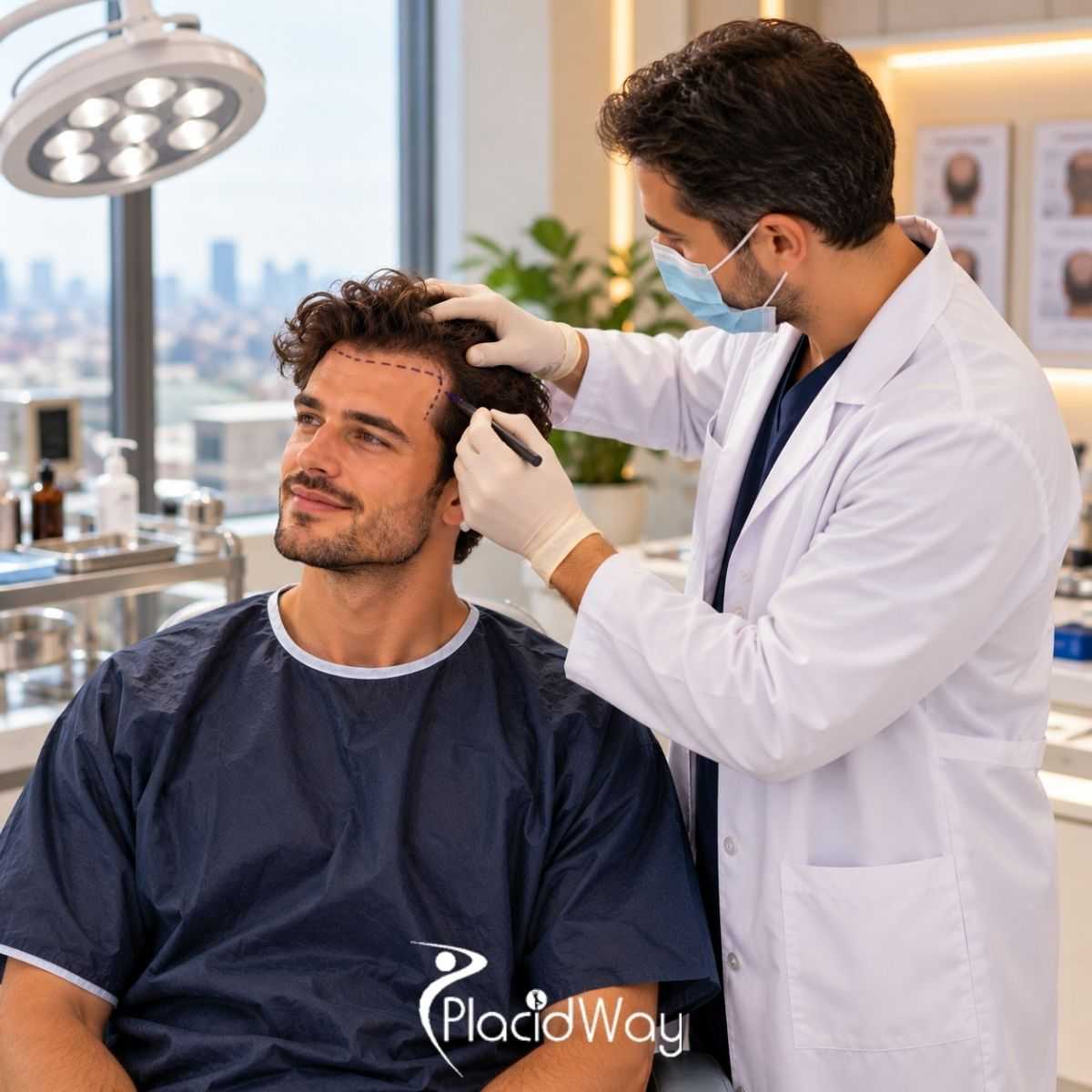
Once you arrive in Istanbul, you will undergo an in-person, pre-operative consultation. The surgeon will physically examine your facial structure, test your skin elasticity, and mark the precise surgical lines. This is the moment to clarify any final doubts and confirm the surgical plan.
Recognizing Risks and Contraindications
Like all surgical procedures, blepharoplasty carries inherent risks. While serious complications are rare in the hands of board-certified specialists, you must be fully informed before consenting to treatment. Understanding these risks helps you monitor your recovery effectively.
Common, temporary side effects include bruising, swelling, slight asymmetry during the healing phase, and dry or irritated eyes. These typically resolve within a few weeks using prescribed eye drops and cold compresses.
More significant medical risks include infection, noticeable scarring, difficulty closing your eyes completely (lagophthalmos), or the outward turning of the lower eyelid (ectropion). In extremely rare cases, retrobulbar hemorrhage can occur, which requires immediate medical intervention to protect your vision. This is why undergoing surgery in a medically equipped hospital, rather than a basic clinic, is critical.
| Potential Risk | Clinical Prevention Strategy |
|---|---|
| Infection | Strict surgical sterility; post-operative antibiotic use as prescribed. |
| Dry Eyes | Careful tissue removal limits; use of lubricating drops during recovery. |
| Ectropion (Lid pulling down) | Conservative lower lid skin removal; securing muscles correctly (canthopexy). |
| Asymmetry | Precise pre-operative marking; surgeon expertise in facial symmetry. |
Travel Planning and Logistics
Traveling to Turkey for medical reasons requires organized logistics. Most international patients fly into Istanbul Airport (IST) or Sabiha Gökçen International Airport (SAW). Depending on your nationality, you may need an e-Visa to enter the country, which can usually be obtained online before departure.
For eyelid surgery, you should plan to stay in Istanbul for a minimum of 7 to 8 days. This duration allows the surgeon to perform the procedure, monitor your initial healing, and safely remove the sutures before you board a pressurized aircraft. Flying too soon after facial surgery can increase swelling and the risk of bleeding.
When booking accommodation, prioritize hotels close to your chosen clinic or hospital. Navigating Istanbul’s busy traffic immediately after surgery can be stressful. Many comprehensive treatment packages include specialized hotel stays and VIP transfers specifically adapted for post-operative patients.
Step-by-Step Eyelid Surgery Procedure
Knowing exactly what happens on the day of surgery can alleviate preoperative anxiety. When you arrive at the hospital, you will undergo final blood tests and meet with the anesthesiologist. Blepharoplasty is often performed under local anesthesia with intravenous sedation, though general anesthesia may be used if combined with other procedures.
For upper eyelid surgery, the surgeon makes an incision along the natural crease of the eyelid. They gently separate the skin from the underlying tissue, remove targeted fat pads, trim the redundant skin, and close the incision with very fine sutures. Because the incision is placed in the natural fold, the resulting scar is usually well-hidden.
For lower eyelid surgery, the surgeon may use a transconjunctival approach (inside the eyelid) to remove or reposition fat without an external scar. If excess skin needs to be removed, an external incision is made just beneath the lash line. The entire procedure typically takes one to two hours, depending on whether both upper and lower lids are treated.
Post-Operative Recovery Timeline
The recovery from blepharoplasty requires patience. Your eyelids will look bruised and swollen immediately after surgery. You may experience blurry vision, light sensitivity, and a sensation of tightness. These are normal biological responses to surgical trauma.
Strictly following your surgeon’s aftercare protocol is essential. You will need to apply cold compresses diligently in the first 48 hours to minimize swelling. You must sleep with your head elevated and avoid strenuous activities that raise your blood pressure, as this can induce bleeding.
| Timeframe | Biological Process | Patient Sensation | Required Action |
|---|---|---|---|
| Days 1-3 | Acute inflammation and fluid retention. | Tightness, swelling, mild discomfort, blurry vision. | Use cold compresses; rest with head elevated; apply prescribed drops. |
| Days 4-7 | Initial tissue sealing; bruising peaks and begins to fade. | Itching at incision sites, reduced swelling. | Attend follow-up for suture removal; avoid rubbing eyes. |
| Weeks 2-4 | Resolution of major bruising; skin starts normalizing. | Feeling more normal; incisions may look slightly pink. | Can usually resume light work and wear makeup; protect from sun. |
| Months 3-6 | Deep tissue healing; scars mature and fade. | Normal sensation returns. | Continue UV protection; evaluate final aesthetic outcome. |
Realistic Expectations and Longevity
Eyelid surgery provides long-lasting improvements, but it does not stop the natural aging process. By removing the excess skin and fat that have accumulated over decades, the procedure effectively "resets" the clock on your eye contour.
In many cases, the results of upper blepharoplasty last between 7 to 15 years before natural skin laxity becomes noticeable again. Lower blepharoplasty results rarely need to be repeated, as the fat removed from under the eyes does not typically return. However, as the mid-face ages, changes in the cheek area can affect the overall lower eye appearance.
It is important to manage your expectations. Surgery will not erase dark circles caused by pigmentation, nor will it eliminate crow’s feet (the dynamic wrinkles at the corners of your eyes). Your surgeon may suggest complementary non-surgical treatments to address these specific concerns.
Combining Procedures for Facial Harmony
Many patients traveling to Istanbul opt to combine blepharoplasty with other facial procedures to optimize their surgical journey and minimize overall recovery time. Since you are already undergoing anesthesia and a healing period, addressing multiple concerns simultaneously can be clinically and financially efficient.
A common combination is eyelid surgery with a brow lift. Sometimes, what appears to be excess upper eyelid skin is actually a drooping brow pushing the tissue downward. A brow lift elevates the tissues above the eyes, while blepharoplasty refines the lids themselves. Other common pairings include facelifts, neck lifts, or fat grafting to restore lost facial volume.
Non-Surgical Alternatives to Consider
Not everyone requires surgical intervention. Depending on your age, skin quality, and specific concerns, a qualified dermatologist or aesthetic surgeon might recommend non-surgical alternatives. These options involve minimal downtime but offer more subtle, temporary results compared to blepharoplasty.
Neuromodulators (like Botox) can temporarily elevate the tail of the brow, giving the upper eyelid a slight lift and softening crow’s feet. Dermal fillers can be strategically injected into the tear trough area to camouflage mild under-eye bags and hollows.
Surgical Blepharoplasty
- Removes physical excess skin and fat.
- Results last 7 to 15+ years.
- Requires 1-2 weeks of strict recovery downtime.
- Higher initial cost but long-term value.
Non-Surgical Alternatives
- Camouflages issues using injectables or lasers.
- Results last 6 to 18 months.
- Minimal to zero downtime required.
- Lower immediate cost, but requires regular maintenance.
Managing Post-Treatment Care at Home
Your medical journey does not end when you fly back home. Proper aftercare in your home country is vital to securing your final results. Before leaving Istanbul, ensure you have a copy of your surgical notes, a clear schedule for online follow-up appointments, and emergency contact numbers for your clinic.
You must strictly protect your healing incisions from sun exposure for at least six months. UV rays can cause the delicate scar tissue to hyperpigment (turn dark), making it much more visible. Always wear high-quality sunglasses and apply medical-grade SPF around the eye area once your incisions have fully closed.
Be aware of warning signs that require immediate medical attention. If you experience sudden, severe eye pain, rapid swelling on one side, visual loss, or signs of systemic infection (like fever), do not wait for an online consultation with Turkey. You must visit your local emergency room or an ophthalmologist immediately.
Frequently Asked Questions
Review these common patient questions to further inform your decision-making process regarding eyelid surgery abroad.
Is eyelid surgery in Turkey safe for international patients?
Eyelid surgery is generally safe when performed by a board-certified plastic surgeon in a Ministry of Health-licensed facility. Always prioritize stringent vetting of credentials and hospital accreditations over price to minimize medical risks.
Will the scars from blepharoplasty be visible?
Surgeons strategically place incisions in the natural crease of the upper lid and just below the lash line on the lower lid. Once fully healed and matured over several months, the resulting scars are typically faint and easily concealed.
How many days should I stay in Istanbul after the surgery?
You should plan to remain in Istanbul for at least 7 to 8 days. This allows sufficient time for initial healing, the critical removal of your surgical sutures, and clearance from your doctor before flying.
Can I get both upper and lower eyelid surgery at the same time?
Yes, combining upper and lower blepharoplasty into a single procedure is common. Your surgeon will evaluate your health and facial anatomy to ensure a combined approach is medically appropriate for you.
What happens if I experience complications after returning home?
Reputable clinics provide long-term online follow-up care. However, for acute emergencies like severe pain or infection, you must seek immediate care at a local hospital or ophthalmologist. Ask your clinic about medical complications insurance before booking.
Are the results of eyelid surgery permanent?
The removed tissue does not grow back, providing long-lasting results. However, natural aging continues. Upper eyelid results typically last 7 to 15 years, while lower eyelid fat removal is often a lifetime correction.
Does the surgery change the shape of my eyes?
Standard blepharoplasty is designed to rejuvenate your existing eye shape, not alter it. However, if excess skin was heavily hooding your eyes, they may appear slightly larger and more open post-surgery.
Why is eyelid surgery in Turkey cheaper than in the UK or USA?
The cost difference is driven by lower operational costs, regional salary scales, and exchange rates. It does not reflect a lower standard of medical care, provided you select a certified and regulated facility.
What kind of anesthesia is used during the procedure?
Surgeons typically perform blepharoplasty using local anesthesia combined with intravenous sedation, keeping you comfortable and relaxed. General anesthesia may be recommended if combined with other extensive facial surgeries.
When can I wear makeup and contact lenses again?
Most patients can safely resume wearing contact lenses and light eye makeup about two weeks after surgery, once incisions are fully closed and swelling has significantly decreased. Always get clearance from your surgeon first.
Ready to Explore Your Options?
PlacidWay can help you compare highly rated providers, understand your exact treatment costs, and verify surgeon credentials in Istanbul, Turkey. Let us assist you in making a safe, informed healthcare decision.
Request Free InformationDisclaimer: This information is for educational purposes only and does not replace professional medical advice. Always consult a qualified healthcare provider before making medical decisions.
References
- ISAPS Global Survey 2024: International Statistics on Aesthetic Surgical Procedures – International Society of Aesthetic Plastic Surgery
- Health Tourism Data and Regulations (2024-2025) – Ministry of Health, Republic of Türkiye
- Eyelid Surgery Safety and Risks – American Society of Plastic Surgeons
- Blepharoplasty: Eyelid Surgery Overview – American Academy of Ophthalmology
- Medical Professional Registration and Verification – Turkish Medical Association (TTB)
- Board Certifications and Specialist Memberships – Turkish Society of Plastic Reconstructive and Aesthetic Surgeons (TSPRAS)























Share this listing