
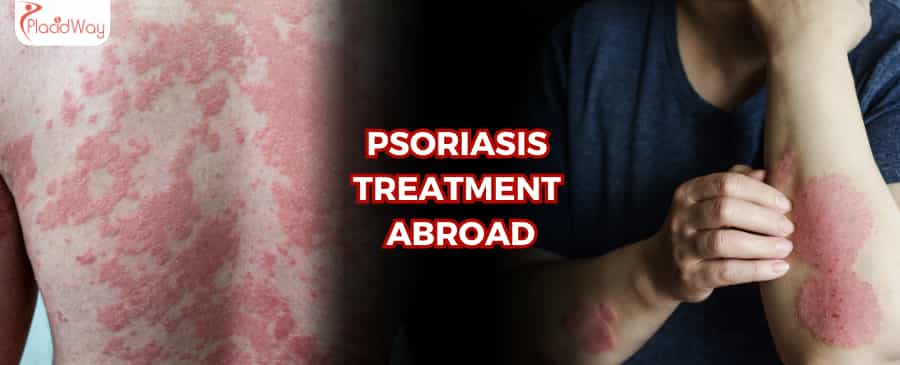
Finding Relief: Navigating Psoriasis Treatment Options Globally
Living with psoriasis can be a daily challenge, affecting not just your skin but your confidence, comfort, and overall well-being. The persistent red, scaly patches, intense itching, and occasional joint pain can feel relentless, making simple tasks or social interactions daunting. If you've been searching for answers to "how to get rid of psoriasis" or "what are the best treatments for psoriasis," you're not alone. Millions worldwide grapple with this chronic autoimmune condition, and the quest for effective, sustainable relief is universal.
Psoriasis is more than just a skin condition; it's a systemic issue where your immune system mistakenly attacks healthy skin cells, causing them to reproduce too rapidly. Instead of shedding normally, these new cells pile up on the skin's surface, forming the characteristic plaques. This can lead to significant discomfort, and in some cases, psoriatic arthritis, a debilitating joint condition.
For many, the cost and accessibility of advanced psoriasis treatments in their home country can be a major hurdle. Expensive medications like biologics, long wait times for specialized care, or limited treatment options often lead patients to explore alternatives. This is where medical tourism comes into play, offering a beacon of hope for those seeking high-quality, affordable care in leading dermatology centers across the globe. Imagine accessing cutting-edge therapies, expert dermatologists, and personalized treatment plans without the prohibitive costs. Whether you're dealing with plaque psoriasis, guttate, inverse, pustular, or erythrodermic psoriasis, understanding your options, both locally and internationally, is the first step towards clearer skin and a better quality of life.
What Does Psoriasis Look Like? Understanding the Symptoms of Psoriasis
Psoriasis manifests in various forms, but the most common type, plaque psoriasis, presents with distinct and often uncomfortable symptoms. If you've ever asked "what are the signs of psoriasis?" or "can psoriasis spread?", here's what to look for:
- Red Patches with Silvery Scales: These are the hallmark of plaque psoriasis. The patches can range from small, isolated spots to large areas of skin. They are often raised and inflamed.
- Dry, Cracked Skin that May Bleed: The extreme dryness and thickness of psoriatic plaques can lead to painful cracking, especially in areas subjected to movement, like around joints.
- Itching, Burning, or Soreness: These sensations can be intense and significantly impact daily life and sleep quality.
- Thickened, Pitted, or Ridged Nails: Psoriasis can affect the nails, causing them to detach from the nail bed (onycholysis) or develop discoloration.
- Swollen and Stiff Joints: This indicates psoriatic arthritis, a serious complication affecting approximately 30% of people with psoriasis. Joint pain, stiffness, and swelling can mimic other forms of arthritis.
- Location: Psoriasis commonly appears on the elbows, knees, scalp, lower back, face, palms, and soles of the feet, but it can affect any part of the body, including genitals and skin folds (inverse psoriasis).
Understanding these symptoms is crucial for early diagnosis and effective management. Recognizing "psoriasis flare ups" and their triggers is also a key part of living with the condition.
Why Do I Have Psoriasis? Exploring Causes and Risk Factors
Psoriasis is not contagious; you cannot catch it from another person. It's an immune-mediated disease, meaning your immune system plays a central role. People often search for "what causes psoriasis flare ups?" or "is psoriasis genetic?" The exact cause isn't fully understood, but it's believed to be a combination of genetic predisposition and environmental factors:
- Immune System Dysfunction: In psoriasis, T cells (a type of white blood cell) mistakenly become overactive, triggering an inflammatory response that leads to rapid skin cell growth.
- Genetics: If you have a close family member with psoriasis, your risk of developing the condition is higher. However, not everyone with the genetic markers will develop psoriasis.
- Triggers: While genetics load the gun, environmental factors pull the trigger. Common triggers include:
- Infections: Strep throat and other infections can trigger guttate psoriasis or worsen existing plaque psoriasis.
- Stress: High stress levels can exacerbate psoriasis symptoms or cause new flare-ups.
- Skin Injury: Trauma to the skin, such as cuts, scrapes, sunburns, or insect bites, can sometimes lead to psoriasis lesions (Koebner phenomenon).
- Certain Medications: Beta-blockers (for high blood pressure), lithium (for bipolar disorder), antimalarial drugs, and NSAIDs can worsen psoriasis.
- Smoking and Alcohol: Both smoking and heavy alcohol consumption are known to increase the risk and severity of psoriasis.
- Vitamin D Deficiency: Low levels of Vitamin D have been linked to psoriasis severity.
Understanding these factors can help individuals manage their condition and avoid potential triggers.
What are the Best Psoriasis Treatments Available Globally?
While there's no "cure for psoriasis," a wide array of treatments can effectively manage symptoms and improve quality of life. The "best psoriasis treatment" is highly individual and depends on the type and severity of your psoriasis, your overall health, and your response to therapies. Patients often search for "new psoriasis treatments" or "effective psoriasis solutions."
- Topical Treatments:
- Corticosteroids: Reduce inflammation and itch.
- Vitamin D Analogues: Slow down skin cell growth.
- Retinoids (Vitamin A derivatives): Reduce inflammation and normalize skin cell production.
- Calcineurin Inhibitors: Suppress the immune system, useful for sensitive areas.
- Salicylic Acid: Helps shed scales.
- Coal Tar: Reduces scaling, itching, and inflammation.
- Light Therapy (Phototherapy):
- UVB Phototherapy: Controlled exposure to ultraviolet B light slows skin cell growth.
- PUVA: Psoralen (a light-sensitizing medication) combined with UVA light.
- Excimer Laser: Targets specific affected areas with a high dose of UVB light.
- Oral and Injectable Medications (Systemic Treatments):
- Methotrexate: Decreases skin cell production and suppresses the immune system.
- Cyclosporine: Suppresses the immune system.
- Acitretin (Oral Retinoid): Reduces skin cell growth.
- Otezla (Apremilast): A newer oral medication that targets specific molecules inside immune cells.
- Biologics: These are advanced, often injectable, protein-based drugs derived from living cells. They target specific parts of the immune system involved in psoriasis development. "Cost of biologics abroad" is a common search term due to their high price. Examples include:
- TNF-alpha inhibitors (e.g., Humira, Enbrel, Remicade)
- IL-17 inhibitors (e.g., Cosentyx, Taltz)
- IL-23 inhibitors (e.g., Tremfya, Skyrizi)
- IL-12/23 inhibitors (e.g., Stelara)
Many medical tourism destinations offer access to these cutting-edge biologics and various forms of phototherapy, often at a fraction of the cost in Western countries.
Who is Eligible for Psoriasis Treatment Abroad?
Eligibility for psoriasis treatment abroad largely mirrors the criteria for receiving these treatments in your home country, but with an added focus on your ability to travel and manage international logistics. Generally, you would be a good candidate if you:
- Have Moderate to Severe Psoriasis: This includes patients for whom topical treatments or light therapy have proven insufficient, and systemic medications or biologics are being considered.
- Are Seeking Specific Treatments: If a particular medication (like a new biologic) or therapy (e.g., advanced phototherapy) is not available, affordable, or approved in your country, traveling abroad might be your best option.
- Are Healthy Enough for Travel: You should be in generally good health, without severe underlying conditions that would make international travel risky.
- Are Willing to Travel and Stay: Some treatments, especially phototherapy or initial biologic loading doses, may require a stay of several weeks in the destination country.
- Have Realistic Expectations: Understand that psoriasis is chronic and requires ongoing management, even with highly effective treatments.
- Are Looking for Cost Savings: Many patients travel specifically because treatments, especially biologics, are significantly more affordable abroad.
A thorough medical evaluation and consultation with a medical tourism facilitator like PlacidWay will help determine your specific eligibility and connect you with suitable clinics.
How Long Until My Skin Clears? Recovery Time and Expectations from Psoriasis Treatment
Setting realistic expectations about recovery and improvement is vital for anyone undergoing psoriasis treatment. Psoriasis is a chronic condition, and while treatments can lead to significant skin clearing, it's rare for it to disappear completely or permanently. The goal is long-term management and symptom control.
- Topical Treatments: You might start seeing improvement in 2-4 weeks, but consistent application for several months might be needed for optimal results.
- Phototherapy: A typical course of 2-3 sessions per week over several weeks to months is often required before significant clearing is observed. Maintenance sessions might follow.
- Oral Systemic Medications: Improvement can begin within a few weeks to a few months, depending on the drug.
- Biologics: These powerful medications can take longer to show their full effect. While some patients report initial improvement within weeks, significant skin clearing (e.g., PASI 75, 90, or 100 — a 75%, 90%, or 100% reduction in Psoriasis Area and Severity Index) often takes 3-6 months, and sometimes longer, to achieve. Maintenance doses are ongoing, typically every few weeks or months.
It's important to remember that treatments may need to be adjusted over time as your body's response changes. "Psoriasis remission" is a positive outcome, but flare-ups can still occur.
Are Psoriasis Medications Safe? Risks and Side Effects of Psoriasis Treatments
All medical treatments carry potential risks and side effects, and psoriasis therapies are no exception. Understanding these is crucial for informed decision-making and for asking your doctor "what are the side effects of psoriasis treatment?"
- Topical Treatments:
- Corticosteroids: Skin thinning, stretch marks, bruising, increased hair growth, or acne with prolonged use.
- Vitamin D Analogues: Skin irritation, burning, stinging.
- Coal Tar: Skin irritation, staining of clothes, photosensitivity.
- Phototherapy:
- UVB: Sunburn-like reactions, increased risk of skin cancer with long-term cumulative exposure.
- PUVA: Nausea, itching, sensitivity to light, increased risk of skin cancer and cataracts.
- Oral and Injectable Medications (Systemic): These generally have more significant side effects due to their systemic action.
- Methotrexate: Liver damage, nausea, fatigue, bone marrow suppression. Requires regular blood tests.
- Cyclosporine: Kidney damage, high blood pressure, increased risk of infection. Requires careful monitoring.
- Acitretin: Severe birth defects (if pregnant), dry skin and mucous membranes, elevated cholesterol and triglycerides.
- Otezla: Nausea, diarrhea, headache, depression.
- Biologics: As they modulate the immune system, biologics can increase the risk of infections (including tuberculosis and fungal infections) and may have other rare but serious side effects like neurological issues or heart problems. Specific risks vary by drug.
Your doctor will weigh the potential benefits against these risks when prescribing treatment. Regular monitoring is often required, especially for systemic medications and biologics.
How Much Does Psoriasis Treatment Cost Globally? Worldwide Cost Comparison
One of the primary drivers for medical tourism in psoriasis treatment is the staggering difference in costs, particularly for advanced therapies like biologics. Many patients search for "affordable psoriasis treatment overseas" or "cost of biologics abroad." Below is an illustrative comparison; exact prices vary based on the clinic, doctor, country, and specific treatment plan.
| Treatment Type | USA/Western Europe (Annual Estimate) | Medical Tourism Destinations (Annual Estimate) | Potential Savings |
|---|---|---|---|
| Topical Medications (Prescription Creams) | $500 - $3,000+ | $200 - $1,000 | 30% - 70% |
| Phototherapy (UVB, Excimer Laser) | $5,000 - $15,000 | $1,500 - $5,000 | 50% - 70% |
| Systemic Oral Medications (e.g., Methotrexate, Otezla) | $5,000 - $25,000+ | $1,500 - $10,000 | 40% - 80% |
| Biologics (e.g., Humira, Stelara, Cosentyx) | $30,000 - $80,000+ | $10,000 - $30,000+ | 50% - 70% |
These figures often include the cost of the medication, consultations, and administration. The significant savings can make life-changing treatments accessible to many who otherwise couldn't afford them.
Why Consider Psoriasis Treatment Abroad?
The decision to travel abroad for medical care is significant, but for psoriasis patients, the benefits can be life-changing. Beyond "affordable psoriasis treatment," there are several compelling reasons:
- Cost Savings: As seen above, the most prominent reason is often the drastic reduction in treatment costs, especially for expensive biologics and long-term care.
- Access to Advanced Therapies: Some countries may have earlier access to newly approved drugs or specialized therapies not yet available or common in your home country.
- Reduced Wait Times: In healthcare systems with long waiting lists for dermatologists or specific treatments, traveling abroad can mean faster access to care.
- High-Quality Care and Expertise: Many medical tourism destinations boast internationally accredited hospitals and highly skilled dermatologists trained in leading global institutions.
- Privacy and Anonymity: For some, receiving treatment away from home offers a sense of privacy.
- Integrated Care and Wellness: Some clinics abroad offer a more holistic approach, combining medical treatment with lifestyle advice, dietary support, and stress management, often in appealing recovery environments.
For those feeling stuck or limited by local options, "medical tourism for psoriasis" opens up a world of possibilities.
Which Countries Offer the Best Value for Psoriasis Treatment?
When searching for "best countries for psoriasis treatment" or "psoriasis clinic international," certain nations consistently stand out for their combination of quality, expertise, and affordability:
- Turkey: Known for its advanced medical infrastructure, highly skilled dermatologists, and competitive pricing for biologics and phototherapy. Istanbul and Ankara are major hubs.
- India: Offers world-class dermatology at significantly lower costs, with numerous NABH and JCI accredited hospitals. Ayurveda and integrated approaches are also options.
- Mexico: A popular choice for North American patients due to proximity. Offers modern clinics, English-speaking staff, and excellent value for various psoriasis treatments.
- Thailand: Renowned for its hospitality and high-quality medical services, particularly in Bangkok, which boasts several JCI-accredited hospitals offering comprehensive dermatological care.
- Poland: An emerging destination in Central Europe, offering European standards of care and modern clinics at very attractive prices, especially for patients from Western Europe.
- South Korea: While potentially pricier than other Asian options, South Korea is a leader in dermatology and medical aesthetics, offering cutting-edge treatments and technologies.
Each country has its unique advantages, and the "best" choice depends on your specific needs, budget, and travel preferences.
What to Expect When Traveling for Psoriasis Treatment?
Traveling for psoriasis treatment involves a few key steps to ensure a smooth and effective experience:
- Initial Consultation & Research: Start by contacting a reputable medical tourism facilitator like PlacidWay. They will help you research clinics, compare doctors, and provide initial cost estimates. You'll need to share your detailed medical history, including previous diagnoses, treatments, and current medications.
- Treatment Plan & Quote: Based on your medical records, international dermatologists will offer a preliminary treatment plan and a comprehensive quote, often including consultations, treatment sessions, and sometimes accommodation assistance.
- Travel Logistics: Once you decide, you'll arrange flights, accommodation, and potentially a medical visa. Facilitators often assist with these arrangements.
- Arrival and Pre-Treatment: Upon arrival, you'll have in-person consultations, further examinations, and potentially diagnostic tests to finalize your treatment plan.
- Treatment: This could involve daily phototherapy sessions for several weeks, periodic biologic injections, or a course of oral medication, depending on your plan.
- Follow-up and Aftercare: Before returning home, you'll have a final consultation. Your medical team will provide detailed instructions for aftercare and ongoing management. For long-term conditions like psoriasis, coordinating follow-up care with your local doctor is crucial.
Think of it like planning a specialized health journey, with support at every step to ensure your comfort and care.
How to Ensure Safety and Quality of Psoriasis Treatment Abroad?
Ensuring safety and quality is paramount when considering "psoriasis treatment overseas." Here are key steps to mitigate risks and make an informed decision:
- Choose JCI or ISO Accredited Facilities: Look for hospitals and clinics that have international accreditation, such as Joint Commission International (JCI) or ISO certifications. These indicate adherence to global standards of patient safety and quality.
- Verify Doctor Credentials: Confirm that the dermatologists are board-certified, have specialized training in psoriasis, and are members of reputable medical associations. Many international doctors have received training in Western countries.
- Read Patient Reviews and Testimonials: Search for "medical tourism psoriasis reviews" and look for feedback from other international patients. Websites like PlacidWay can provide verified patient stories.
- Utilize a Reputable Medical Tourism Facilitator: A good facilitator acts as your advocate, vetting clinics, coordinating logistics, and ensuring clear communication throughout your journey.
- Ensure Clear Communication: Make sure you fully understand your treatment plan, potential risks, expected outcomes, and aftercare instructions. English-speaking staff should be available.
- Plan for Continuity of Care: Discuss with your local doctor how they can manage your care once you return home, especially for ongoing medications like biologics.
- Understand Legal and Ethical Standards: Familiarize yourself with the medical and legal standards of the destination country.
Diligent research and using trusted resources are your best defenses against potential issues.
What Are Patient Success Stories from Abroad for Psoriasis?
The true measure of success in medical tourism for psoriasis lies in the tangible improvements experienced by patients. While individual results vary, numerous stories highlight the positive impact:
- "Clarity I Thought Was Impossible": Sarah, from Canada, struggled for years with severe plaque psoriasis and psoriatic arthritis. The cost of biologics in her home country was prohibitive. She traveled to Turkey, where she accessed the same biologic medication at less than a third of the cost. Within three months, her skin cleared significantly, and her joint pain became manageable, allowing her to resume her active lifestyle.
- "A New Lease on Life": Mark, from the UK, faced long waiting lists for advanced phototherapy. He opted for a clinic in Thailand, combining his treatment with a relaxing wellness retreat. The consistent, high-quality phototherapy sessions dramatically reduced his plaques, and he returned home not only with clearer skin but also feeling refreshed and less stressed.
- "Affordable Biologics Changed Everything": Elena, from the US, was constantly worried about how to afford her biologic injections. She found a clinic in Mexico through PlacidWay that offered the same brand-name biologic at a fraction of the price. The ease of access, combined with compassionate care, transformed her financial burden and allowed her to maintain clear skin without compromise.
These stories underscore the potential of medical tourism to connect patients with effective, affordable solutions, leading to profound improvements in their physical health and emotional well-being. They provide hope for those still searching for answers to "how to get rid of psoriasis permanently" and highlight that while a cure might not exist, a life of managed symptoms and comfort is within reach.
Take the Next Step with PlacidWay
Ready to explore treatment options abroad? Discover top clinics, compare prices, and get a free quote tailored to your needs with PlacidWay.
Alternative Chronic Health Therapies | Best Medical Centers Abroad




.png)

.png)



.png)
-(1).png)
.png)









Share this listing