
Reclaim Your Health: Understanding Thyroid Gland Surgery & Global Options
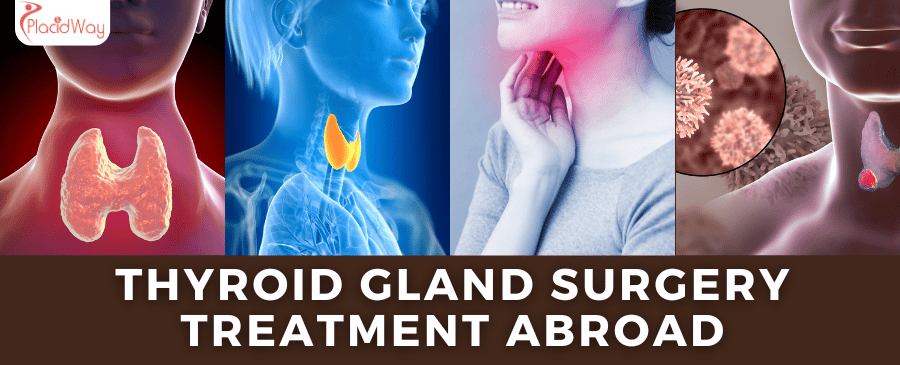
Finding out you might need thyroid gland surgery can bring a mix of emotions – concern about your health, questions about the procedure, and perhaps anxiety about the costs and recovery. The thyroid, a small, butterfly-shaped gland located at the base of your neck, plays a vital role in regulating many body functions, from metabolism to heart rate. When this crucial gland develops problems, such as thyroid nodules, an enlarged goiter, or even thyroid cancer, surgery may become a necessary step toward restoring your well-being.
Thyroid gland surgery, scientifically known as a thyroidectomy, involves removing part or all of this gland. This procedure is often recommended to treat conditions that either pose a health risk or cause uncomfortable symptoms. For many individuals, navigating these health challenges also involves considering the best possible care, which sometimes means exploring options beyond local borders.
Welcome to our comprehensive guide on thyroid gland surgery, designed to answer your pressing questions and shed light on why medical tourism might be a viable, high-quality, and often more affordable path to treatment. We'll explore everything from the symptoms that signal a need for surgery to understanding the potential risks and recovery process, and delve into the benefits of seeking this essential care abroad.
What are the common symptoms that indicate you might need thyroid gland surgery?
Recognizing the signs that your thyroid might need surgical intervention is the first step toward better health. While many thyroid conditions can be managed with medication, certain symptoms often point towards the necessity of surgery. Patients frequently search for "lump in throat thyroid" or "swollen neck symptoms thyroid" when experiencing these issues. Here are some key indicators:
- A Noticeable Lump or Nodule: This is one of the most common reasons for considering surgery. You might feel a lump yourself, or it could be discovered during a routine physical or imaging test. While most thyroid nodules are benign, some can be cancerous or grow large enough to cause problems.
- Difficulty Swallowing or Breathing: A significantly enlarged thyroid (goiter) or a large nodule can press on your esophagus or trachea, leading to a sensation of food getting stuck, difficulty swallowing (dysphagia), or shortness of breath.
- Voice Changes: The recurrent laryngeal nerve, which controls your vocal cords, runs very close to the thyroid gland. Pressure from a large nodule or tumor can cause hoarseness or other voice alterations.
- Neck Pain or Discomfort: While less common, some thyroid conditions can cause localized pain in the neck or a feeling of pressure or tightness.
- Hyperthyroidism Symptoms Not Responding to Treatment: In cases of an overactive thyroid (hyperthyroidism), if medications or radioactive iodine therapy are not effective, surgery may be considered to remove the overactive parts of the gland. Symptoms include unexplained weight loss, rapid heartbeat, anxiety, and tremors.
- Cosmetic Concerns: Very large goiters can cause visible deformity in the neck, which some patients choose to address surgically for cosmetic reasons.
What are the main causes and risk factors for thyroid conditions requiring surgery?
Understanding why thyroid issues develop can help in prevention and early diagnosis. Patients often search for "what causes thyroid lumps" or "risk factors for thyroid cancer." The primary reasons for needing thyroid surgery are:
- Thyroid Cancer: This is the most common reason for thyroidectomy. There are several types of thyroid cancer, including papillary, follicular, medullary, and anaplastic. A biopsy (fine needle aspiration) is typically performed to confirm the diagnosis.
- Benign Thyroid Nodules: While non-cancerous, these can grow large enough to cause symptoms (difficulty swallowing, breathing) or be cosmetically undesirable. Sometimes, surgery is chosen if the nodules are suspicious, even if not definitively cancerous, to rule out malignancy.
- Goiter: An enlarged thyroid gland can be diffuse or contain multiple nodules. A large goiter can cause compressive symptoms or be a cosmetic concern. Surgical removal might be necessary if it becomes too large.
- Hyperthyroidism (Overactive Thyroid): Conditions like Graves' disease or toxic thyroid nodules can cause the thyroid to produce too much hormone. If anti-thyroid medications or radioactive iodine therapy fail or are contraindicated, surgery can provide a definitive cure.
Risk Factors Include:
- Family History: A family history of thyroid disease or cancer can increase your risk.
- Radiation Exposure: Exposure to radiation, especially during childhood (e.g., for medical treatments), is a significant risk factor for thyroid cancer.
- Iodine Imbalance: Both insufficient (iodine deficiency) and excessive iodine intake can contribute to goiter formation and thyroid dysfunction.
- Gender and Age: Women are more prone to thyroid conditions than men, and the risk often increases with age.
- Certain Genetic Syndromes: Conditions like Multiple Endocrine Neoplasia type 2 (MEN 2) significantly increase the risk of medullary thyroid cancer.
What types of thyroid gland surgery procedures are available?
The type of thyroid surgery performed depends on the specific condition, its size, and whether it's cancerous. Your surgeon will discuss the best approach for your individual case. Common patient searches include "partial thyroidectomy vs total" or "what is a lobectomy."
- Total Thyroidectomy: This procedure involves removing the entire thyroid gland. It is typically performed for thyroid cancer that affects both lobes, very large goiters, or certain cases of severe hyperthyroidism. After a total thyroidectomy, patients require lifelong thyroid hormone replacement medication.
- Hemithyroidectomy (Thyroid Lobectomy): In this procedure, only one lobe of the thyroid gland is removed. It's often chosen for benign nodules confined to one side, smaller cancers in one lobe, or unilateral goiters. Many patients do not require lifelong hormone replacement after a hemithyroidectomy, as the remaining lobe can produce sufficient hormones.
- Subtotal Thyroidectomy (Partial Thyroidectomy): This involves removing most of the thyroid gland, leaving a small portion behind. It was historically used for hyperthyroidism and some goiters but is less common now with the prevalence of total thyroidectomy or lobectomy.
- Isthmusectomy: This is the removal of the isthmus, the small bridge of tissue connecting the two thyroid lobes. It's rare and typically performed for small nodules or cancers located exclusively in the isthmus.
Minimally invasive approaches, such as endoscopic or robotic thyroidectomy, are also available in some specialized centers, particularly for smaller nodules or specific types of cancer, offering potentially smaller scars and faster recovery.
Who is eligible for thyroid gland surgery, and when is it recommended?
The decision for thyroid surgery is a carefully considered one, based on diagnostic findings and the patient's overall health. Doctors often weigh the benefits against the risks, guiding patients through this important choice. Patients might ask "who needs thyroidectomy" or "when is thyroid surgery necessary."
Thyroid gland surgery is typically recommended for:
- Confirmed or Highly Suspected Thyroid Cancer: This is the most urgent indication for surgery.
- Large or Symptomatic Benign Nodules: If non-cancerous nodules are growing rapidly, causing difficulty breathing or swallowing, or are cosmetically bothersome.
- Large Goiters: An enlarged thyroid gland that causes compressive symptoms or is disfiguring.
- Uncontrolled Hyperthyroidism: When medication and radioactive iodine therapy are ineffective, not tolerated, or contraindicated.
- Indeterminate Biopsy Results: Sometimes, a biopsy doesn't definitively rule out cancer, and surgery is performed to obtain a clearer diagnosis.
Eligibility Factors:
Beyond the thyroid condition itself, a patient's general health plays a crucial role. Candidates should be healthy enough to undergo general anesthesia and recover from surgery. Pre-operative assessments will evaluate:
- Overall cardiovascular and respiratory health.
- Absence of severe bleeding disorders.
- Ability to follow post-operative care instructions.
Your endocrinologist and surgeon will collaborate to determine if surgery is the best course of action for your specific situation.
What can you expect during the recovery period after thyroid gland surgery?
Understanding the recovery process helps manage expectations and prepare for a smooth healing journey. Patients frequently search for "thyroidectomy recovery time" or "what to expect after thyroid surgery."
- Hospital Stay: Most patients stay in the hospital for 1-2 days after thyroid surgery.
- Pain and Discomfort: You can expect some neck pain, soreness, and stiffness, especially when swallowing. This is typically managed with prescribed pain medication.
- Voice Changes: Temporary hoarseness, weakness, or changes in voice pitch are common due to nerve irritation during surgery, usually resolving within weeks.
- Drain: Some surgeons may place a small drain in the incision site to remove excess fluid. This is typically removed before discharge.
- Calcium Levels: If your parathyroid glands (small glands near the thyroid that regulate calcium) are affected, you might experience temporary low calcium levels (hypocalcemia), causing tingling or numbness. Calcium supplements may be prescribed.
- Diet: You can usually resume a soft diet initially, progressing to normal foods as tolerated.
- Activity Restrictions: Avoid strenuous activities, heavy lifting, and sudden neck movements for several weeks. Walking is encouraged for circulation.
- Scar Care: The incision, typically in a skin crease, will gradually fade over time. Your surgeon will provide specific instructions for scar care.
- Thyroid Hormone Replacement: If you had a total thyroidectomy or your remaining thyroid tissue isn't sufficient, you'll need to take daily thyroid hormone medication for life to prevent hypothyroidism.
Most patients can return to light activities and work within 1-2 weeks, with a full recovery typically taking 3-4 weeks. Follow-up appointments are crucial to monitor healing and adjust medication.
What are the potential risks and side effects of thyroid gland surgery?
Like any surgical procedure, thyroidectomy carries potential risks and side effects, though serious complications are rare, especially when performed by an experienced surgeon. Patients often search for "risks of thyroidectomy" or "is thyroid surgery dangerous."
- Hypoparathyroidism and Hypocalcemia: The parathyroid glands, located very close to or embedded within the thyroid, can be accidentally removed or damaged. This can lead to temporary or, in rare cases, permanent low calcium levels (hypocalcemia), causing tingling, numbness, muscle cramps, or spasms.
- Recurrent Laryngeal Nerve Damage: This nerve controls the vocal cords. Damage can result in temporary or permanent hoarseness, voice changes, or difficulty speaking. In very rare cases, if both nerves are damaged, it can lead to breathing difficulties.
- Bleeding and Hematoma: Bleeding can occur during or after surgery, potentially leading to a hematoma (collection of blood) that may require drainage.
- Infection: Any surgery carries a risk of infection at the incision site, though this is uncommon with thyroid surgery.
- Scarring: A visible scar will remain at the incision site, though surgeons typically place it in a natural skin crease to minimize its appearance.
- Breathing Problems: Very rarely, swelling or hematoma can compress the airway, leading to breathing difficulties.
- Need for Thyroid Hormone Replacement: As mentioned, after total thyroidectomy, lifelong medication is required to replace the hormones the thyroid gland no longer produces. Even after partial removal, some patients may eventually need supplementation.
Your surgeon will discuss these risks in detail and take all necessary precautions to minimize them.
Why consider thyroid gland surgery abroad, and what are the benefits?
For many patients, especially from countries with high healthcare costs or long waiting lists, looking abroad for medical care, including thyroid gland surgery, has become an increasingly appealing option. Searches like "medical tourism thyroid surgery" or "benefits of surgery abroad" are common.
Key Benefits of Medical Tourism for Thyroid Surgery:
- Significant Cost Savings: This is often the primary driver. The cost of thyroidectomy in countries like the US, Canada, or the UK can be prohibitively high, even with insurance. International destinations offer the same or even superior quality care at a fraction of the price.
- Access to Leading Specialists and Advanced Technology: Many medical tourism hubs boast world-renowned surgeons specializing in endocrine surgery and state-of-the-art hospitals equipped with the latest surgical technologies.
- Reduced Waiting Times: In some national healthcare systems, elective surgeries can involve long waiting lists. Traveling abroad often means quicker access to appointments and surgical dates.
- Privacy and Discretion: Some patients prefer to undergo medical procedures away from their home country for greater privacy.
- Opportunity for Travel and Recovery: Combining surgery with a chance to recover in a pleasant, often tourist-friendly environment, can reduce stress and aid the healing process.
- Personalized Care: Many international hospitals pride themselves on offering highly personalized patient care, with dedicated coordinators to assist medical tourists.
It's like choosing a high-quality product from a different market – you get the same or better quality, but at a more competitive price due to different economic structures.
How does the cost of thyroid gland surgery compare globally, and which countries offer the best value?
Cost is a major factor when considering surgery, and international price disparities can be astounding. Patients frequently search for "thyroidectomy cost USA vs India" or "affordable thyroid surgery abroad."
Estimated Cost Comparison for Thyroid Gland Surgery (Total Thyroidectomy, USD)
| Country | Estimated Cost Range (USD) | Notes |
|---|---|---|
| United States | $15,000 - $35,000+ | Highly variable based on state, facility, and insurance. |
| Canada | $10,000 - $25,000+ (for non-residents) | Publicly funded for residents; private options available. |
| United Kingdom | $10,000 - $20,000+ (private) | NHS covers residents; private options for shorter waits. |
| Turkey | $4,000 - $8,000 | High quality, JCI-accredited hospitals, experienced surgeons. |
| Mexico | $3,500 - $7,000 | Close proximity for US patients, excellent facilities. |
| India | $3,000 - $6,000 | Very cost-effective, world-class medical infrastructure. |
| Thailand | $5,000 - $9,000 | Known for hospitality and modern private hospitals. |
| South Korea | $7,000 - $12,000 | Advanced technology, highly skilled surgeons, medical innovation. |
Note: These are estimated costs and can vary based on the specific procedure (partial vs. total), surgeon's fees, hospital facilities, length of stay, and additional services. Always get a detailed quote.
Countries Offering Best Value: Based on a combination of quality, cost, and patient experience, countries like Turkey, Mexico, India, Thailand, and South Korea consistently rank high for thyroid surgery in medical tourism.
What should you expect when traveling for thyroid gland surgery in another country?
Embarking on a medical journey abroad requires careful planning and preparation. Think of it like planning an important business trip, but with your health as the top priority. People often ask "how to plan medical trip abroad" or "what documents for surgery overseas."
Key Steps and Expectations:
- Research and Consultation: Start by researching reputable hospitals and surgeons specializing in thyroid surgery in your chosen country. Many offer virtual consultations to discuss your case, review medical records, and answer initial questions.
- Medical Tourism Facilitator: Consider working with a medical tourism company like PlacidWay. They can assist with clinic selection, communication, travel logistics (flights, accommodation), airport transfers, and even translation services, simplifying the entire process.
- Documentation: Ensure you have all necessary medical records, test results, passports, and any required visas.
- Pre-Operative Appointments: Upon arrival, you'll undergo thorough pre-operative evaluations, including blood tests, imaging (if needed), and detailed consultations with your surgeon and anesthesiologist.
- The Surgery and Hospital Stay: The procedure itself will be similar to what you'd expect at home. You'll likely have a short hospital stay (1-2 days), where you'll receive attentive post-operative care.
- Post-Operative Recovery and Follow-up: You'll need to stay in the country for a period after discharge for follow-up appointments and initial recovery (typically 7-14 days, depending on the procedure and surgeon's recommendation). This allows for suture removal, wound checks, and monitoring of thyroid hormone and calcium levels.
- Language and Cultural Considerations: Many medical tourism hospitals have international patient departments with English-speaking staff and translators. Be aware of local customs and try to learn a few basic phrases to enhance your experience.
- Continued Care at Home: Plan for follow-up care with your local endocrinologist or primary care physician once you return home, especially for ongoing thyroid hormone management.
How can you ensure safety and quality when choosing thyroid surgery abroad, and what are patient success stories?
Safety and quality are paramount when seeking medical care, especially abroad. It's crucial to do your due diligence. Patients often ask "is thyroid surgery abroad safe" or "best medical tourism agencies."
Ensuring Safety and Quality:
- Accreditation: Look for hospitals accredited by international bodies like the Joint Commission International (JCI). JCI accreditation signifies that a hospital meets stringent global standards for patient safety and quality of care.
- Surgeon Credentials and Experience: Verify your surgeon's qualifications, experience in thyroid surgery (ask about their volume of cases), and board certifications. Many top international surgeons have received training in Western countries.
- Facility Standards: Research the hospital's infrastructure, technology, and hygiene protocols. Websites, virtual tours, and facilitator insights can provide this information.
- Patient Testimonials and Reviews: Read reviews and testimonials from other international patients who have undergone thyroid surgery at the chosen facility.
- Communication: Ensure clear communication channels with the medical team, preferably with readily available translators or English-speaking staff.
- Medical Tourism Facilitator: Partnering with an established medical tourism agency like PlacidWay can provide an extra layer of vetting and support, guiding you to trusted providers.
- Aftercare Plan: Confirm a clear plan for post-operative follow-up, both abroad and upon your return home.
Patient Success Stories:
Countless individuals have successfully undergone thyroid gland surgery abroad, transforming their health and quality of life. For instance, a patient from the UK with a large goiter causing breathing difficulties found immediate relief after surgery in Turkey, praising the efficiency and personalized care. Another patient from the US, diagnosed with early-stage thyroid cancer, opted for surgery in India, citing the affordability and the surgeon's expertise, leading to a successful recovery and excellent prognosis. These stories highlight the tangible benefits – from effective cancer treatment and relief from compressive symptoms to restored voice function and normalized hormone levels – all achieved within a budget-friendly and high-quality medical setting.
The key to these successes lies in thorough research, careful planning, and choosing reputable providers who prioritize patient well-being above all else.
Take the Next Step with PlacidWay
Ready to explore treatment options abroad? Discover top clinics, compare prices, and get a free quote tailored to your needs with PlacidWay.



.png)
.png)
.png)




-(1).png)
.png)
.png)
.png)










Share this listing