



Let’s face it—your nose is quite literally the anchor of your entire face. If you have spent years analyzing your profile in every reflection or mastering the fine art of the "good side" selfie, you are certainly not alone. Rhinoplasty is not just about erasing a bump or narrowing a tip; it is about uncovering facial harmony and, for many, finally being able to take a deep, clear breath. Welcome to the modern era of nose reshaping, where surgical precision meets aesthetic artistry. And when it comes to refining your features, Seoul, South Korea, stands uncontested as the global capital of aesthetic innovation.
This premier Rhinoplasty Package by VG Plastic Surgery delivers a fully integrated approach to your transformation journey. Carefully designed for international patients seeking both cosmetic refinement and functional corrections, your treatment takes place right in the bustling, high-tech heart of Seoul. Starting at an accessible $5,100, the baseline package typically covers your core surgical fees, facility usage, local anesthesia, and essential post-operative monitoring.
To ensure safe healing and seamless follow-ups, patients should plan for an expected stay of about 7 to 10 days in the city before flying home. Keep in mind, every nose is completely unique. Therefore, your final eligibility, specific surgical technique, and exact pricing will require a comprehensive medical assessment by the clinical team. Let's explore exactly what this journey looks like.
Clear-Cut Pricing for Your Nose Reshaping Journey
Navigating medical costs abroad should not feel like solving a complex mathematical riddle. We believe in absolute transparency when it comes to your financial planning. The starting cost for this procedure offers an exceptional balance of world-class medical expertise and value. Please review the detailed cost breakdown below.
*Important Note: The $5,100 figure represents an estimated starting cost for a standard, primary rhinoplasty. Extensive structural changes, functional sinus interventions, or revision surgeries for previous nose jobs will incur additional costs. A final, binding quote is only provided after a direct clinical consultation with the VG Plastic Surgery team.
What Is Packed Inside This Rhinoplasty Experience?
When traveling across the globe for a medical procedure, you need to know exactly what is taken care of. This package is meticulously crafted to cover the clinical essentials, allowing you to focus your energy entirely on healing and admiring your new profile. Here is precisely what is mostly included in the base procedure price:
- Comprehensive Surgeon Consultation: In-depth pre-operative physical examination, facial proportion analysis, and goal-setting discussions with your surgical team.
- Standard Surgical Fees: Compensation for the board-certified plastic surgeon and the assisting medical staff during the operation.
- Anesthesia Services: Safe administration of local anesthesia with IV sedation (twilight sleep) or general anesthesia, as dictated by the surgical plan.
- Operating Facility Usage: Full access to the clinic’s state-of-the-art, sterilized surgical theaters and specialized equipment.
- Essential Post-Op Medications: Standard antibiotics, pain relievers, and anti-swelling medications provided for your initial recovery phase in Seoul.
- Follow-Up Appointments: Scheduled clinic visits for dressing changes, swelling checks, and stitch/cast removal before your departure.
- Basic Language Assistance: In-clinic translation services (typically English/Korean) to ensure crystal-clear communication with your medical team.
What Expenses Fall Outside the Standard Package?
Surprises are fantastic for birthdays, but terrible for medical billing. To ensure your budget is rock-solid before you board your flight to Korea, you must account for the expenses not covered by the clinical package. Please factor the following exclusions into your total travel budget:
- International Airfare: Your round-trip flights to and from Incheon International Airport (ICN) or Gimpo Airport (GMP).
- Hotel Accommodations: The cost of your hotel or recovery house stay for the 7 to 10 days required in Seoul.
- Daily Meals and Living Expenses: All food, dining out, and personal shopping during your stay in Korea.
- Specialized Medical Clearances: If you have pre-existing health conditions, any third-party specialist consultations required to clear you for surgery are extra.
- Complex Surgical Add-Ons: Advanced techniques like rib cartilage harvesting, extensive septoplasty, or secondary revision work cost extra.
- Travel and Medical Complication Insurance: highly recommended policies that cover trip cancellations or unexpected medical events abroad.
Who Makes an Ideal Candidate for Nose Reshaping?
Rhinoplasty is an incredibly personal decision. It is not about chasing an impossible, filtered standard of perfection, but rather about enhancing your natural, unique features. A successful outcome depends just as much on your physical health as it does on your mindset. You may potentially be considered an excellent candidate for this procedure if you fall into several of the following categories:
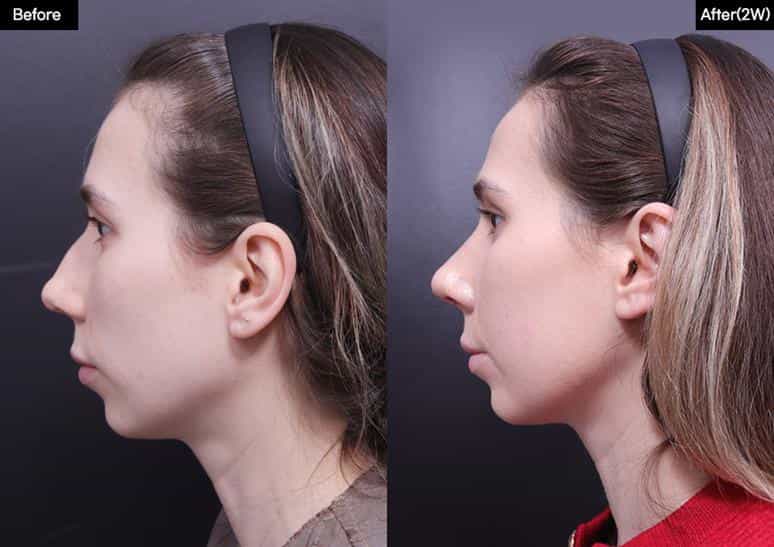
First and foremost, candidates must have realistic expectations. The goal is improvement, not flawless perfection. If you are seeking to smooth a prominent dorsal hump, refine a bulbous or drooping tip, or correct asymmetrical nostrils, this surgery can be highly effective. Additionally, individuals suffering from chronic breathing difficulties due to a deviated septum or collapsed nasal valves often combine functional corrections with their cosmetic goals for a dual benefit.
Physically, your facial growth must be complete. For most individuals, this means being at least 16 years old, though many surgeons prefer waiting until early adulthood. You should be in robust general health, free from uncontrolled medical conditions that impair healing, such as severe diabetes or autoimmune disorders. Importantly, candidates must be non-smokers, or absolutely willing to quit all nicotine products for several weeks before and after the surgery, as nicotine drastically restricts blood flow and increases the risk of severe complications.
Essential Documents for Your Pre-Surgical Assessment
Before you even pack your bags, the clinical team at VG Plastic Surgery needs a clear picture of your health. Because international travel adds a layer of complexity, remote assessments are crucial. To ensure you are medically fit and to provide an accurate customized quote, you will normally be required to submit the following records for a preliminary review:
- High-Resolution Photographs: Clear, well-lit photos of your face without makeup. Standard angles include a direct front view, 45-degree angles (both left and right), full 90-degree profile views, and a "worm’s eye" view (looking up from the base of the nose).
- Comprehensive Medical History Form: A detailed log of all past surgeries (especially any previous nasal traumas or procedures), chronic illnesses, and known allergies.
- Current Medication List: An exhaustive list of every prescription, over-the-counter drug, herbal supplement, and vitamin you take daily.
- Routine Blood Work: Standard pre-op panels (like Complete Blood Count and coagulation profiles) to ensure you can safely undergo anesthesia. These may be done at home or immediately upon arrival in Seoul.
- Radiological Scans: In cases of functional breathing issues, severe trauma, or revision surgery, a recent CT scan of your sinuses and nasal structure may be requested.
How Does Rhinoplasty Surgery Actually Work?
Let’s pull back the curtain on what happens while you are comfortably asleep. Rhinoplasty is often described by surgeons as a game of millimeters. It requires an intimate understanding of the underlying framework of bone and cartilage, and how the overlying skin will drape over it once healed. The procedure generally takes between one and three hours, depending on the complexity of your specific anatomical needs.
Surgeons typically utilize one of two primary approaches. The "closed" rhinoplasty involves making all incisions entirely inside the nostrils. This means absolutely no visible scarring on the outside, and it generally results in slightly less swelling. However, it provides the surgeon with a more restricted view. The "open" approach, which is highly favored for complex cases and significant tip refinement, involves a tiny incision across the columella (the narrow strip of tissue separating the nostrils). This allows the surgeon to gently lift the skin, providing full visibility and control over the nasal structure. The resulting scar usually fades into a virtually imperceptible fine line.
Once access is gained, the true artistry begins. If a prominent bump is your primary concern, the surgeon will meticulously shave down the bone and cartilage to create a smoother bridge. If your nose needs augmentation or structural support—a very common request in Asian rhinoplasty—the surgeon will use grafts. These grafts are often sculpted from your own body, such as septal cartilage from inside the nose, ear cartilage, or in more complex cases, a small piece of rib cartilage. Using your own tissue significantly reduces the risk of rejection or infection compared to synthetic implants like silicone, though both methods have their place in modern surgery.
After the structural framework is reshaped, sculpted, and secured with dissolving sutures, the skin is redraped over the new contour. The incisions are meticulously closed, and a splint is often applied to the outside of the nose. This splint acts as a supportive shield, holding your new nasal bones in place and protecting them as they begin the critical initial healing phase. Soft splints or packing may also be placed inside the nose to support the septum.
Your Step-by-Step Seoul Treatment Itinerary
Traveling South Korea for surgery is an adventure, but it requires structured planning. Knowing exactly what to expect on a daily basis helps reduce anxiety and allows you to prepare for a smooth trip. Here is a typical timeline for a patient traveling to VG Plastic Surgery:
Weeks Prior: The Remote Preparation
Your journey begins long before you board your flight. You will have a remote consultation via email or video call, share your medical records, and receive a preliminary surgical plan. You will book your flights, secure accommodation near the clinic, and arrange your travel visa if required. This is also the time to halt any blood-thinning medications or supplements under your doctor's supervision.
Day 1: Arrival and In-Person Consultation
You land in Seoul and settle into your hotel. Depending on your schedule, you may head directly to the clinic or rest and visit the next day. During the in-person consultation, you will meet your surgeon face-to-face. You will undergo a final physical exam, take professional pre-op photos, complete any pending blood work, and finalize the surgical blueprint. Consent forms are signed, and all your questions are answered.
Day 2: Surgery Day
You arrive at the clinic having fasted for the required period. You will meet the anesthesiologist, have a final chat with your surgeon, and head into the operating room. A few hours later, you will wake up in a comfortable recovery room. Once the medical staff observes that you are stable, alert, and comfortable, you are discharged to return to your hotel to rest. You will wear a nasal cast and likely have gauze taped under your nostrils.
Days 3 to 6: Rest and Early Recovery
These are your primary downtime days in Seoul. Swelling and bruising will peak around day three. You will spend this time resting in your hotel with your head elevated, applying cold compresses, and taking your prescribed medications. You may visit the clinic during this time for a quick check-up, light cleaning, or to have internal packing removed if it was used.
Day 7: Cast Removal and The Big Reveal
This is an exciting milestone. You return to the clinic to have the external splint, tape, and any external sutures removed. You will get your first look at your new nose! It will still be quite swollen, but the fundamental changes will be visible. The surgeon will assess your healing and give you instructions for continued care.
Day 8+: Medical Clearance and Departure
Once your surgeon confirms that your incisions are healing beautifully and there are no signs of early complications, you will receive medical clearance to fly. You can safely head to the airport and begin your journey home, ready to continue the healing process in your own space.
How Long Do I Really Need to Stay in Seoul?
While it might be tempting to book a flight home the moment you feel better, patience is a mandatory virtue in medical tourism. The standard recommendation is to plan for a stay of 7 to 10 days. The primary reason for this timeframe is safety. Cabin pressure changes during a long-haul flight can exacerbate swelling or, in rare cases, trigger nosebleeds if the delicate internal incisions have not adequately sealed. Furthermore, the external cast usually needs to remain in place for roughly a week to protect the bones. Ultimately, travel clearance depends entirely on the treating physician’s evaluation of your individual recovery progress. They will give you the green light only when they are confident it is medically safe for you to fly.
Navigate the Healing Process: What to Expect?
Recovery from a nose job is not necessarily painful, but it is undeniably an exercise in patience. It requires strict adherence to aftercare protocols to protect your investment and your health. Understanding the stages of healing will help you manage your expectations and avoid unnecessary panic when you look in the mirror during the first few weeks.
The First Week: Expect to feel congested, as if you have a severe cold. This is completely normal and is caused by internal swelling. You will likely experience bruising around the eyes, which can occasionally turn into impressive "black eyes." Your primary job during this week is to rest aggressively. You must sleep with your head elevated on a couple of pillows or in a recliner to minimize fluid buildup. Avoid blowing your nose entirely, stick to a soft-food diet that requires minimal chewing, and do not bend over or lift anything heavy.
Weeks Two to Four: By the end of the second week, the majority of the noticeable bruising should have faded or can be easily concealed with makeup. The cast is gone, and you can generally return to work or school, provided your job does not involve physical exertion. Your nose will still feel stiff, and the tip may feel numb or wooden to the touch. You must continue to protect your nose from any physical impact—this means no contact sports, avoiding pulling clothing tightly over your head, and wearing glasses only if they are taped to your forehead to keep weight off the bridge.
Months Three to One Year: This is the refinement phase. While your nose will look socially presentable within a few weeks, the micro-swelling takes a significantly long time to resolve completely. The bridge usually refines first, but the thick skin of the nasal tip can retain minor swelling for up to a full year, or sometimes longer in complex revision cases. It is vital to continue attending virtual or local follow-ups and to religiously apply sunscreen to your nose, as healing skin is incredibly sensitive to hyperpigmentation from UV rays.
Risks and Potential Complications
All surgical procedures carry inherent risks, and it is crucial to approach this decision with your eyes wide open. We do not use this section to discourage necessary or desired medical care, nor to frighten patients, but rather to empower you with transparent, factual information. A well-informed patient is a safer patient.
Common, temporary side effects include swelling, bruising, mild bleeding, and temporary numbness. However, more serious clinical complications, though rare when performed by a board-certified expert, can occur. These may include localized infections, poor wound healing, adverse reactions to anesthesia, or septal perforation (a small hole in the nasal septum).
From an aesthetic and functional standpoint, there is a risk of asymmetry, contour irregularities, or persistent breathing difficulties. In some instances, the scar tissue heals unpredictably, which may alter the final shape. If these aesthetic or functional issues are significant, a secondary (revision) surgery might be required down the line.
Please note that this list is not exhaustive. During your thorough consultation process, the treating physician will discuss your individual risk profile, your anatomical limitations, and specific complications during the formal informed consent process.
What Can You Realistically Achieve with Rhinoplasty?
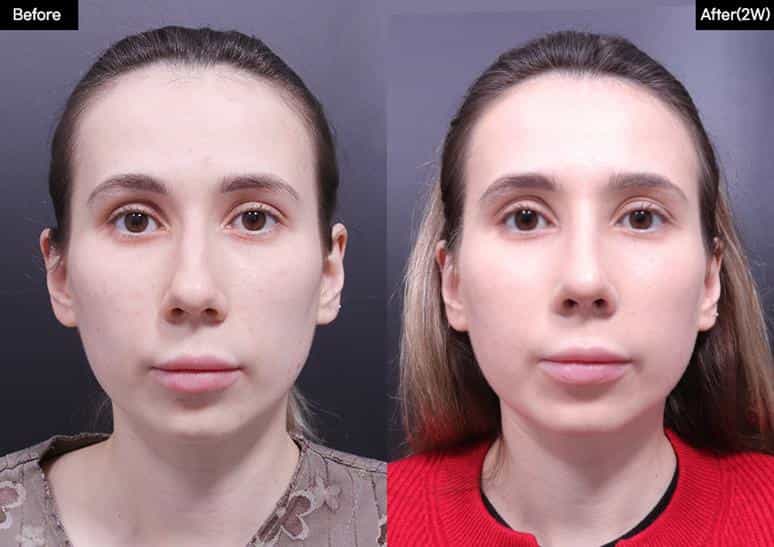
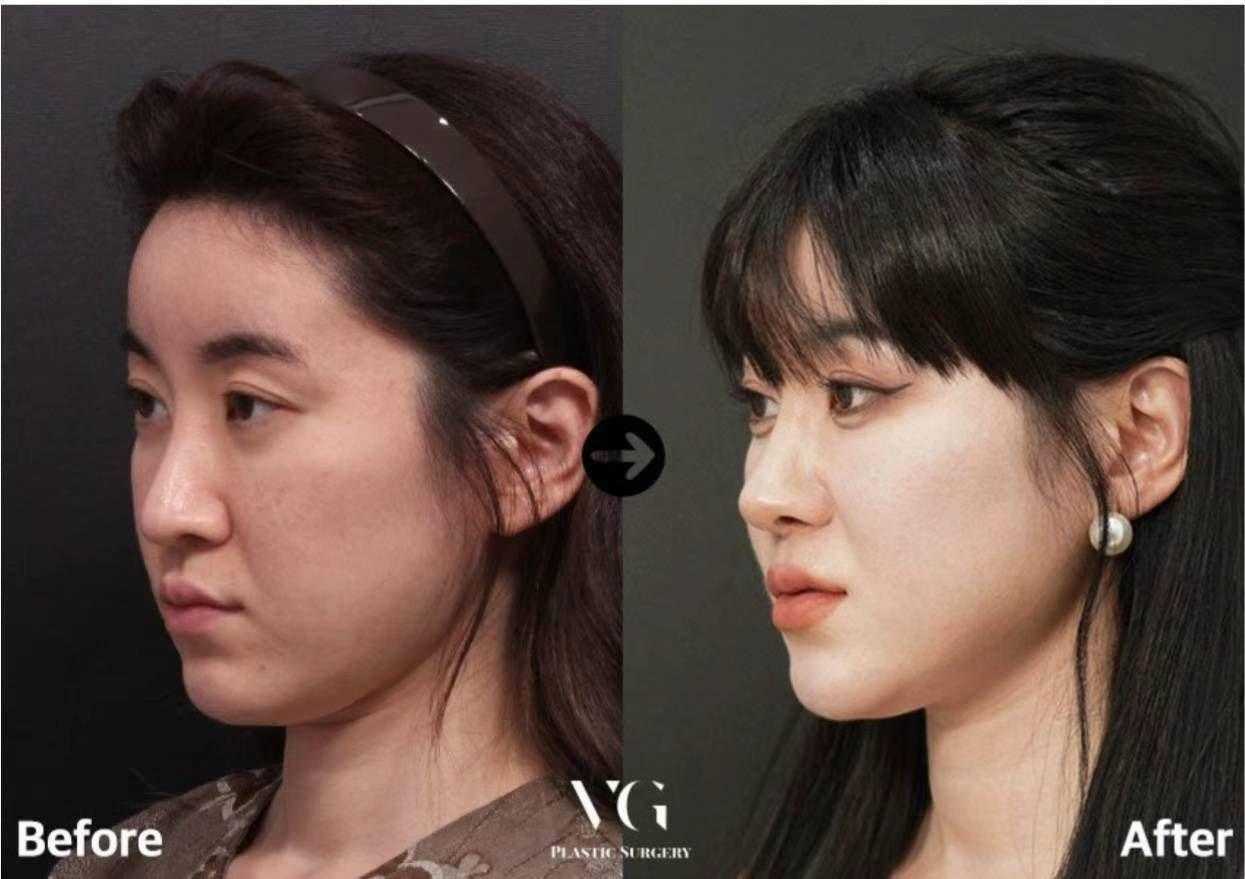
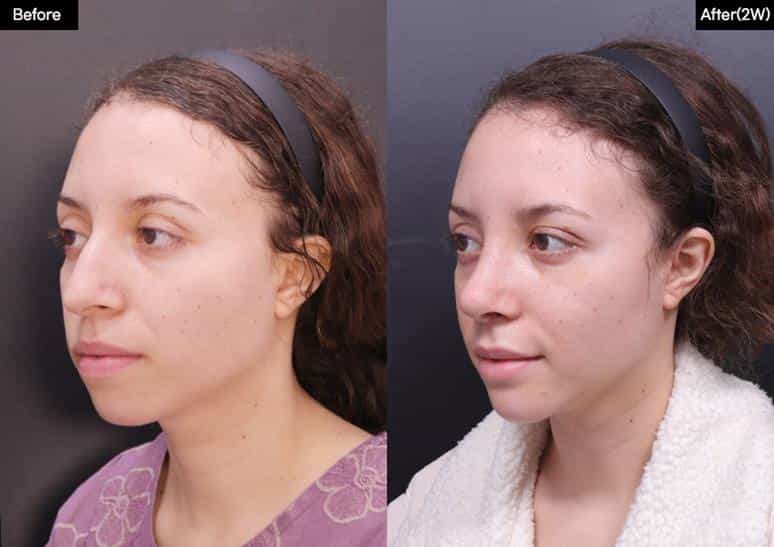
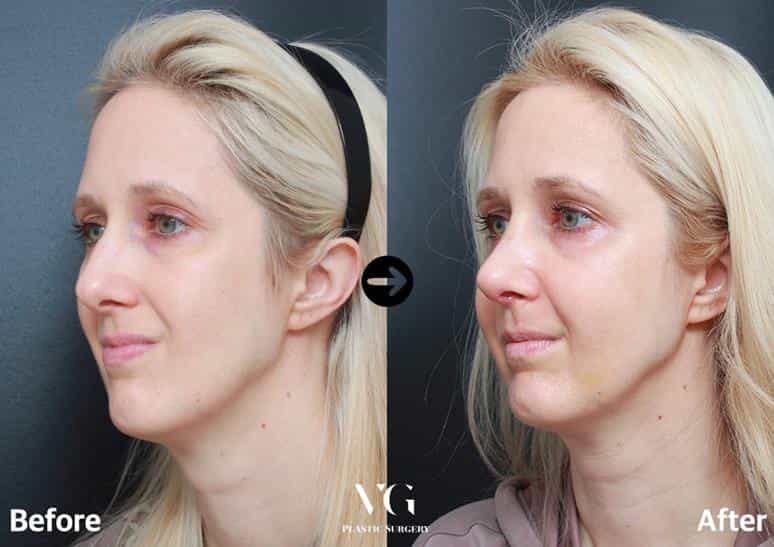
The main goals of rhinoplasty are generally to achieve better facial proportion, correct glaring structural asymmetries, and often, to restore unhindered nasal breathing. When successful, the psychological impact can be profoundly positive, often leading to a significant boost in self-confidence.
However, it is vital to understand what patients may reasonably expect. The final outcome typically looks like a refined, harmonious version of your own nose, rather than an exact replica of a celebrity reference photo. Surgeons cannot guarantee a specific cosmetic result or a mathematically perfect level of symmetry, because human tissue heals unpredictably.
Results often vary depending on the thickness of your skin, the strength of your underlying cartilage, and your age. While the structural changes made in the operating room are permanent, your nose will naturally continue to age alongside the rest of your face over the decades. A successful outcome is typically defined as a clear, noticeable improvement that aligns with the mutually agreed-upon surgical plan.
About VG Plastic Surgery in Seoul
Located in the dynamic epicenter of South Korea's medical tourism landscape, VG Plastic Surgery operates as a specialized clinical facility dedicated to aesthetic and reconstructive procedures. South Korea is globally recognized for its rigorous medical standards, high volume of specialized cases, and adoption of cutting-edge surgical technology.
The clinic caters significantly to an international patient base. This means their infrastructure is inherently designed to manage the unique logistical and medical needs of travelers. From multi-lingual staff to protocols explicitly developed for remote consultations and streamlined recovery, the facility aims to provide a secure, hygienic, and technologically advanced environment for complex procedures like rhinoplasty. Their focus remains squarely on adhering to stringent safety protocols while delivering high-tier clinical care.
Answering Your Most Pressing Questions
How long does the swelling actually last after a nose job?
While you will look presentable to the public within 2 to 3 weeks, that is not the end of the healing journey. About 80% of the visible swelling subsides within the first three months. However, the final 20%—particularly the micro-swelling concentrated in the nasal tip—can take a full 12 to 18 months to resolve completely. Patience is absolutely required to see the final, refined result.
Will I have visible, permanent scars after my surgery in Seoul?
If you undergo a closed rhinoplasty, there will be zero visible external scars, as all incisions are made internally. If an open approach is utilized, a very small incision is made across the columella (under the nose). When meticulously closed by a skilled surgeon, this scar typically fades into a faint, practically invisible line that is extremely difficult to notice unless someone is actively inspecting it up close.
Can I combine functional breathing fixes with cosmetic changes?
Yes, absolutely. This is known as a septorhinoplasty. It is highly common to correct functional issues like a deviated septum, enlarged turbinates, or collapsed nasal valves during the same operation where cosmetic adjustments are made. Doing this concurrently is often more efficient and reduces the overall trauma to the nasal tissues.
Why is South Korea so famous for plastic surgery?
South Korea has built a global reputation over decades due to a combination of high domestic demand, rigorous medical training, and rapid adoption of innovative surgical techniques. Surgeons in Seoul often perform an exceptionally high volume of specific procedures, leading to deep specialization and expertise, particularly in refining Asian facial features and utilizing complex grafting techniques.
How soon can I fly back home after my operation?
For a primary rhinoplasty without major complications, most surgeons require you to stay in Seoul for 7 to 10 days. This timeline allows for the removal of the external cast and initial sutures, and ensures you have passed the critical early healing phase where risks of bleeding due to cabin pressure changes are highest. Medical clearance from your doctor is mandatory before flying.
Is the recovery process intensely painful?
Most patients report that the recovery is highly uncomfortable rather than acutely painful. The primary sensation is intense congestion and pressure, similar to a very bad sinus infection. Your nose and upper lip will feel stiff and numb. Any acute pain is usually well-managed with the oral pain medications prescribed by your clinical team during the first few days.
What kind of anesthesia is used during the procedure?
The choice of anesthesia depends on the complexity of your surgery and the surgeon's protocol. Many primary rhinoplasties are performed under deep IV sedation (often called twilight sleep) combined with local anesthesia, meaning you are completely unaware and feel no pain, but are breathing on your own. For more complex, structural, or revision cases, full general anesthesia is frequently utilized for maximum safety and comfort.
Can I wear my prescription glasses immediately after the cast comes off?
No. Your newly shaped nasal bones are fragile and malleable in the weeks following surgery. Resting the weight of glasses on the bridge can create permanent indentations or alter the bone healing. You must avoid wearing glasses directly on the nose for roughly 4 to 6 weeks. If you must wear them, they should be taped securely to your forehead to suspend them above the nasal bridge.
What happens if I have an allergic reaction during recovery abroad?
During your preliminary assessment, a comprehensive medical history is taken to avoid known allergens. If an unexpected allergic reaction (such as to a prescribed antibiotic) occurs while you are in Seoul, you will contact the clinic immediately. Because you are required to stay in the city for a week post-op, the medical team is on hand to quickly pivot your medication plan and treat any adverse reactions.
What happens if I am not happy with my final surgical result?
If, after the full 12 to 18 month healing period, there is a distinct functional issue or a significant cosmetic asymmetry that was not part of the surgical plan, a revision may be discussed. Revision policies vary by clinic, but generally, minor touch-ups might be offered at a reduced facility fee. It is crucial to have clear, documented discussions about the revision policy and associated costs before your initial surgery.
Ready to Explore Your Options in Seoul?
Taking the first step toward refining your profile is an exciting milestone. If you are ready to see if you are a candidate and want to understand exactly what this journey looks like for your specific anatomy, reach out to begin your personalized assessment.
Request Free QuoteMedical Disclaimer: The content on this page is provided for general informational and educational purposes only. It is not intended to be a substitute for professional medical advice, diagnosis, or treatment from a qualified healthcare provider.
References
- Rhinoplasty Overview – American Society of Plastic Surgeons (ASPS)
- Rhinoplasty Risks and Preparation – Mayo Clinic
- Nose Reshaping Surgery Details – Cleveland Clinic
- Rhinoplasty Medical Information – MedlinePlus
- Complications in Rhinoplasty: A Review – National Center for Biotechnology Information (NCBI)
.jpg)
.png)


.jpg)
.jpg)
.png)

.png)
.jpg)
.jpg)
.jpg)








Share this listing