Rhinoplasty in Bogota

Publish date: Modified date: Medically reviewed by: Dr. Lorenzo Halverson on Oct 08, 2026 Author: Amelia Pricilia

Experience Price

$4,200 Price starting from
Rhinoplasty in Bogota

Contents

Getting a nose job back home often means facing sky-high surgical fees, long waiting lists, and out-of-pocket costs that standard insurance simply will not cover. For many patients in North America, finding an experienced, board-certified facial surgeon without draining their savings feels like a frustrating and impossible puzzle. The struggle to balance quality aesthetic care with a reasonable budget leaves many people putting their personal confidence and breathing improvements on indefinite hold.

That is exactly why thousands of patients are now looking southward, specifically considering rhinoplasty in Bogota, Colombia. The city has quietly evolved into a highly respected hub for advanced facial aesthetics, where comprehensive surgical procedures typically cost between $3,000 and $4,500. When exploring your medical options here, patient safety must always come first. Always verify that your chosen clinic is properly accredited by the local health secretariat (Secretaría Distrital de Salud) and ensure your surgeon is a certified member of the Colombian Society of Plastic Surgery (SCCP).

What You Should Know

Average Procedure Cost
$3,000 - $4,500 USD
Key Local Certifications
SCCP (Colombian Society of Plastic Surgery) & Secretaría Distrital de Salud
Primary Patient Origins
United States, Canada, and the Caribbean
Suggested Recovery Time
7 to 10 days before flying home

Navigating medical travel can feel overwhelming, especially when trying to coordinate a surgical procedure, hotel accommodations, and airport transfers in an unfamiliar city. Many patients find that comprehensive medical bundles take the stress out of the planning process by combining all these essential logistics into one clear itinerary. A well-structured package should transparently cover your surgical fees, anesthesia, follow-up visits, and local transportation.

Review the medical packages below to see exactly what is included in each offer. Compare the available services to determine which option aligns best with your budget, travel needs, and peace of mind.

`

One of the primary reasons patients travel abroad for facial aesthetics is the significant reduction in medical fees. Getting a rhinoplasty in Bogota typically costs between $3,000 and $4,500, depending on the complexity of the reshaping and the specific surgeon's expertise. This average usually covers the doctor's fee, operating room costs, and standard anesthesia, though complex revision surgeries can increase the final amount.

Compare the specific pricing details listed below to understand what different surgical centers charge. Carefully review these estimates to ensure you are getting transparent, all-inclusive quotes without hidden medical fees.

Nose Surgery Rhinoplasty Centers Cost Comparison in Bogota,Colombia

Provider Procedure Price
Dr. Felipe Castro Esguerra - Plastic Surgeon in Colombia Nose Surgery Rhinoplasty, Cosmetic/Plastic Surgery $4200

Nose Surgery Rhinoplasty Cost Comparison in Colombia

Country Procedure Price
United States Nose Surgery Rhinoplasty, Cosmetic/Plastic Surgery $9500
Canada Nose Surgery Rhinoplasty, Cosmetic/Plastic Surgery $10000

Choosing the right facility for your surgery is a major decision that requires looking well past polished websites and modern waiting rooms. When evaluating plastic surgery clinics in Bogota, your focus should always be on rigorous patient safety protocols, emergency care capabilities, and strict local licensing. Authentic medical quality is defined by a facility's commitment to international health standards and continuous surgical care.

Take your time to compare the clinics listed below to see which one best matches your clinical needs. Carefully review their safety records, facility accreditations, and the specific surgical technologies they utilize to make an informed, confident choice.
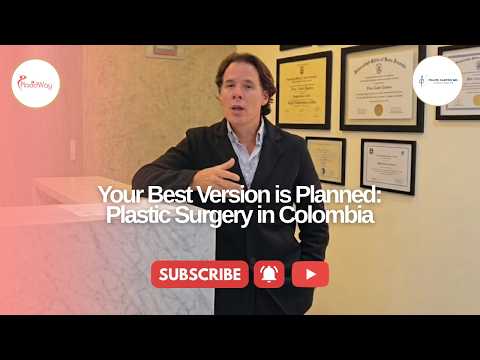
It is completely natural to feel a bit anxious about traveling abroad for surgery, and seeing the actual experience can help ease those concerns. Watching real footage of the medical facilities, surgical teams, and patient recovery journeys provides a much clearer picture of what awaits you in Colombia. These visual insights allow you to gauge the clinic's environment and the professionalism of the staff before you ever board a plane.

Take a moment to watch the videos below to familiarize yourself with the facilities. Comparing these visual walkthroughs can help you feel much more comfortable with your chosen destination.

Nothing speaks louder about a surgeon's skill and a clinic's reliability than the honest experiences of past patients who have walked the same path. Reading personal testimonials helps you understand the realities of the recovery process, the bedside manner of the medical team, and the overall satisfaction with aesthetic results. Authentic feedback often highlights small details about the journey that you might not have otherwise considered.

Browse the patient reviews below to compare their firsthand experiences. Evaluating these stories will help you set realistic expectations and guide you toward a more confident medical decision.

Planning a medical trip naturally raises plenty of practical and clinical questions, from understanding the healing timeline to knowing how to safely fly home. Being well-informed is the most critical step in ensuring a safe and successful surgical journey abroad. Below, we have answered some of the most common questions patients have when considering a nose job in Colombia.

Is it safe to travel to Bogota for a nose reshaping procedure?

Yes, it is generally safe when you choose properly vetted medical facilities. The key to a safe experience is selecting a clinic accredited by the Secretaría Distrital de Salud and a surgeon certified by the SCCP. Sticking to well-known, safe neighborhoods like Usaquén or Chapinero also enhances your travel security.

How long do I need to stay in Colombia after my surgery?

Surgeons typically require international patients to remain in Bogota for 7 to 10 days post-operation. This timeframe allows the medical team to monitor your initial healing, safely remove any splints or stitches, and medically clear you for air travel.

How does Bogota's high altitude affect the recovery process?

Bogota is located over 8,600 feet above sea level, which can cause slight changes in blood pressure and hydration. The altitude might make facial swelling last a few days longer than usual. Doctors highly recommend arriving a day early to acclimatize, drinking plenty of water, and strictly following rest guidelines.

Do plastic surgeons and clinic staff in Bogota speak English?

Many board-certified surgeons and medical coordinators who cater to international patients speak fluent English. However, it is always a good idea to confirm language accommodations during your initial consultation or request a translator if you feel more comfortable.

Can I fly home with a splint or cast on my nose?

In most cases, your surgeon will remove the external cast before you are cleared to fly home, usually around day seven. Flying with a fresh surgical cast is generally discouraged due to cabin pressure changes, which can increase swelling and discomfort.

What happens if I need a revision surgery after returning to my home country?

Every reputable clinic has its own specific policy regarding revision procedures. Before booking, you should ask the surgeon to clearly explain their post-operative guarantees and what financial or medical support they provide if structural corrections are needed later.

Is it necessary to travel with a friend or family member?

While having a companion is helpful for emotional support, it is not strictly required. Many specialized recovery houses in Bogota offer 24/7 nursing care, transportation, and meal preparation specifically designed for solo patients healing from facial surgery.

When can I go out and sightsee in the city?

You should plan to rest entirely in your hotel for the first three to four days. After that, short, gentle walks are acceptable, but you must avoid direct sun exposure, heavy physical exertion, and crowded tourist areas to protect your healing tissues and prevent infection.

Why is the procedure significantly cheaper in Colombia?

The price difference is driven by a lower cost of living, reduced administrative overhead for medical facilities, and favorable currency exchange rates against the US dollar. It does not reflect a lower standard of medical education or surgical quality.

What kind of clothing should I pack for my recovery?

Because Bogota has a cool, spring-like climate year-round, you should pack warm layers. Most importantly, bring shirts and sweaters that button or zip up the front so you do not have to pull anything tightly over your head and risk bumping your nose.

How much is a nose job in Bogotá, Colombia?

The estimated cost of a nose job in Bogotá, Colombia, typically ranges from $2,500 to $4,500 USD. Pricing varies depending on surgical complexity, anesthesia fees, and specific facility charges. Always consult a qualified surgeon for exact pricing. Many international patients travel to South America each year seeking specialized aesthetic procedures. If you are considering a nose job in Bogotá, Colombia, understanding the financial, medical, and logistical aspects of your journey is an important first step. Rhinoplasty is a highly personalized procedure designed to alter the shape, size, or structural function of the nose. While the financial appeal is often a primary motivator for traveling abroad, patient safety, surgical expertise, and proper aftercare must remain the top priorities. Bogotá has developed a robust healthcare infrastructure, housing numerous experienced plastic surgeons. However, navigating medical care in a foreign country requires careful research. This guide covers estimated costs, recovery considerations specific to the region, and essential factors to keep in mind when exploring aesthetic surgery abroad. Key Takeaways The estimated procedure cost usually falls between $2,500 and $4,500 USD, though complex revisions may cost more. Bogotá’s high altitude (over 8,600 feet) can potentially increase post-operative swelling and requires patients to plan for adequate rest. Patients are typically required to stay in the city for at least 7 to 10 days post-surgery before receiving medical clearance to fly. Thoroughly verifying a surgeon’s board certification and the facility's safety protocols is essential for international patients. Rhinoplasty carries inherent medical risks, and outcomes vary widely based on individual anatomy and healing responses. What factors influence a nose job cost in Bogotá, Colombia? The final price depends on whether it is a primary or revision surgery, the surgeon fees, anesthesia costs, and the specific clinic overhead. Revision procedures often cost more due to increased complexity and the possible need for cartilage grafting. When reviewing a nose job cost in Bogotá, Colombia, it is important to realize that the quoted price often encompasses several different fees. The primary component is the surgeon's fee, which generally reflects their level of experience, specialization, and demand. Highly sought-after surgeons who focus heavily on facial procedures often charge on the higher end of the estimated range. Another significant factor is the surgical facility. Procedures performed in fully accredited hospitals or specialized surgical centers typically cost more than those done in smaller clinics, as these larger facilities have extensive emergency protocols and specialized staff on standby. Anesthesia fees also contribute to the total; general anesthesia administered by a board-certified anesthesiologist will cost more than local anesthesia with sedation. Finally, the complexity of the operation plays a major role. A primary rhinoplasty aimed at minor tip refinement requires less time in the operating room than a structural reconstruction or a secondary (revision) rhinoplasty. If your surgery requires harvesting cartilage from the ear or rib to rebuild the nasal structure, the time, effort, and cost will correspondingly increase. Is it safe to get rhinoplasty in Colombia? While any surgery carries risks, Colombia has established medical regulations and many qualified professionals. Safety largely depends on selecting an appropriately certified surgeon and a licensed medical facility equipped for emergencies. Patient safety should never be compromised for cost savings. Colombia, and particularly its capital Bogotá, has a highly developed medical sector that serves both local citizens and international visitors. Many medical professionals in the region undergo rigorous training, and some pursue additional fellowships internationally. However, the aesthetic surgery market is vast, and standards can vary between providers. To minimize risk, patients should verify that their prospective surgeon is recognized by relevant national medical boards, such as the Colombian Society of Plastic, Aesthetic and Reconstructive Surgery (SCCP). Membership in professional organizations often indicates a commitment to continuing education and adherence to recognized ethical and safety standards. In addition to the provider's credentials, the facility itself must be adequately equipped. Ensure that the surgery will take place in an authorized operating room with modern monitoring equipment and protocols in place for handling rare but serious surgical emergencies. How do I choose a reliable nose job clinic in Bogotá, Colombia? Look for clinics that prioritize patient safety, maintain rigorous hygiene standards, and employ board-certified plastic surgeons. Verify their credentials through national medical registries before booking a consultation or paying any deposits. Selecting the right nose job clinic in Bogotá, Colombia involves thorough independent research. Because you are traveling away from your home healthcare system, due diligence is essential. Consider evaluating potential clinics based on the following criteria: Surgeon Credentials: Check for specific board certifications in plastic surgery or otolaryngology (ENT) with a focus on facial plastics. Facility Accreditation: Ensure the clinic or hospital holds current operating licenses from local health authorities. Comprehensive Consultations: A reliable clinic will offer a detailed consultation, review your complete medical history, and clearly discuss the potential risks alongside the benefits. Transparent Communication: The staff should be able to communicate effectively in your preferred language or provide a medical interpreter to ensure you understand all pre- and post-operative instructions. Realistic Expectations: Avoid clinics that promise perfect results or minimize the potential for complications. Honest medical providers will discuss what is anatomically possible for your specific face. What is the typical recovery timeline for this procedure? Most patients need one to two weeks of initial downtime, during which swelling and bruising are most noticeable. However, residual swelling can take up to a year to fully resolve and reveal the final contour of the nose. Rhinoplasty recovery requires patience. Immediately following the surgery, you will likely have a splint on the outside of your nose to support its new shape, and possibly internal packing or splints to stabilize the septum. During the first few days, mild to moderate discomfort, congestion, and bruising around the eyes are common. By the end of the first week, the surgeon usually removes the external splint and any non-dissolvable stitches. At this point, many patients feel comfortable returning to remote work or light daily activities, though the nose will still appear noticeably swollen. Strenuous exercise, heavy lifting, and any activity that could risk a bump to the face must be avoided for at least four to six weeks. While the majority of the visible swelling subsides within the first month or two, the healing process is gradual. The tissue, especially around the nasal tip, can hold onto fluid for many months. It often takes a full year—and sometimes longer for thick-skinned patients or revision cases—for the final aesthetic result to stabilize. Important Consideration: Recovery timelines vary significantly from patient to patient. Your individual healing rate, skin thickness, and the surgical techniques used will all impact how quickly you recover. Always adhere strictly to your surgeon's personalized aftercare instructions. How does Bogotá's high altitude affect rhinoplasty recovery? Bogotá sits at an altitude of over 8,600 feet, which can sometimes increase post-operative swelling and cause mild shortness of breath in visitors. Hydration and following your surgeon's specific rest guidelines are crucial for a smooth recovery. Geographic factors play a unique role in surgical recovery. Because Bogotá is located at a high elevation, the atmospheric pressure and oxygen levels are lower than at sea level. For visitors unaccustomed to these conditions, simply walking around the city can cause fatigue or mild altitude sickness during the first few days. Following facial surgery, this altitude can sometimes contribute to slightly more pronounced fluid retention and swelling (edema) than one might experience at sea level. Additionally, post-operative nasal congestion combined with thinner air can make breathing feel more labored in the initial days after rhinoplasty. To mitigate these effects, medical professionals advise patients to arrive a day or two before surgery to acclimatize. After surgery, maintaining excellent hydration, sleeping with your head elevated to encourage fluid drainage, and strictly avoiding physical exertion are vital steps to ensure your body heals appropriately in the higher altitude environment. What are the main risks associated with nose surgery? Rhinoplasty risks include bleeding, infection, adverse reactions to anesthesia, breathing difficulties, and poor wound healing. In some cases, patients may require a secondary revision surgery if functional or aesthetic issues arise. Like all surgical procedures, rhinoplasty carries inherent medical risks that must be carefully weighed. General surgical complications include the risk of infection, excessive bleeding (hematoma), and negative reactions to anesthesia. While severe complications are uncommon in healthy individuals treated in accredited facilities, they remain a possibility. Specific to nasal surgery, there are both aesthetic and functional risks. Functionally, altering the nasal structure can sometimes lead to new breathing difficulties, alterations in the sense of smell, or a perforated septum (a hole in the wall between the nostrils). Aesthetically, the nose may heal asymmetrically, or the patient may be dissatisfied with the visual outcome once the swelling subsides. Because the nose is a complex three-dimensional structure that changes as scar tissue forms, unpredictable healing can occur even with a highly skilled surgeon, sometimes necessitating a secondary corrective procedure down the line. Who is considered a suitable candidate for rhinoplasty? Ideal candidates are generally healthy adults who do not smoke and have realistic expectations about the outcome. A thorough medical evaluation is necessary to ensure you are physically prepared for surgery and anesthesia. Not everyone who desires a change in their nasal appearance is an appropriate candidate for surgery. Medically, candidates should be in good overall physical health without uncontrolled chronic conditions like severe hypertension, bleeding disorders, or significant heart disease, which can increase surgical risks. Surgeons strongly advise against smoking and the use of nicotine products, as nicotine constricts blood vessels and severely impairs the body’s ability to heal wounds. Patients are typically required to stop smoking several weeks before and after the procedure to reduce the risk of tissue necrosis and severe scarring. Psychological readiness is equally important. Suitable candidates seek improvement rather than absolute perfection and understand that surgery cannot fundamentally alter their life or guarantee specific social outcomes. Furthermore, surgeons typically wait until a patient's facial growth is complete—usually around age 16 for females and slightly older for males—before performing elective nasal surgery. Do I need to stay in Colombia for follow-up care? Yes, surgeons typically require international patients to stay in Bogotá for at least 7 to 10 days post-surgery. This period allows for initial healing, splint removal, and monitoring for any early complications before flying. Immediate travel after major facial surgery is strongly discouraged by medical professionals. When planning your trip, you must factor in the time required for post-operative monitoring. Most surgeons schedule several follow-up appointments during the first week to assess the healing tissue, clean the incision sites, and eventually remove the cast and sutures. Flying too soon after rhinoplasty poses specific risks. The dry air in commercial airplane cabins can irritate the healing nasal passages, and changes in cabin pressure can trigger sudden, severe nosebleeds or increase facial swelling. You should only board a flight to return home once your attending surgeon has officially evaluated your progress and provided medical clearance to travel. Rushing the departure process to save on accommodation costs can jeopardize your surgical outcome and your overall safety. How does medical tourism in Bogotá, Colombia work for plastic surgery? Patients usually consult virtually with a surgeon, travel to the city for in-person evaluations, undergo the procedure, and recover locally before flying home. Coordinating with healthcare facilitators can help streamline communication. Engaging in medical tourism in Bogotá, Colombia involves a structured process that begins long before you book a flight. The journey usually starts with extensive research and virtual consultations, allowing you to share medical histories and photographs with potential surgeons via secure channels. Once a preliminary plan is established, you will arrange travel. It is highly recommended to consult a travel medicine specialist or check resources like the CDC guidelines to ensure you are up to date on any recommended vaccinations for South American travel, even if visiting major urban centers like Bogotá. You may also want to explore specialized medical tourism insurance, which can offer coverage for unforeseen medical complications, as standard travel insurance often excludes elective surgeries. Upon arrival, the process mirrors domestic healthcare: an in-person physical examination, blood tests, and an evaluation with an anesthesiologist. Only after these pre-operative safety checks are passed does the surgery proceed, followed by a dedicated period of localized rest and recovery. What should I do if complications occur after returning home? Before leaving Colombia, obtain all your medical records and operative notes. If complications arise back home, you should immediately contact a local healthcare provider or emergency room for prompt evaluation and care. One of the most complex aspects of seeking medical care abroad is managing long-term aftercare. While your surgeon in Bogotá may offer virtual follow-ups via video calls to monitor your swelling and general healing, they cannot physically examine or treat you once you leave the country. Before you depart, ensure you have a physical and digital copy of your entire medical file, including detailed surgical notes, details of the anesthesia used, and information on any implants or grafts placed. If you experience alarming symptoms upon returning home—such as a high fever, unusual discharge, severe pain, or difficulty breathing—you must seek immediate help from a local medical professional. It is highly advisable to establish a relationship with a local primary care physician or an ENT specialist before you travel. Inform them of your plans so that if you require local follow-up care, prescription refills, or intervention for an unexpected complication, a medical professional in your home country is already briefed on your situation. Why Choose PlacidWay for Medical Tourism? Navigating international healthcare requires access to clear, organized information. PlacidWay acts as a comprehensive resource for patients exploring medical options abroad. Here are factual ways the platform supports patients: Acts as an educational platform offering extensive information on international healthcare options and global destinations. Facilitates direct communication lines between international patients and certified clinics worldwide. Provides accessible tools allowing users to compare general treatment estimates across different countries. Features a wide, organized directory of healthcare facilities catering to various medical and aesthetic specialties. Assists patients in gathering the localized healthcare data they need to make fully informed, independent medical decisions. Frequently Asked Questions Do surgeons in Bogotá use general or local anesthesia for rhinoplasty? Most surgeons prefer to use general anesthesia for rhinoplasty to ensure the patient remains completely still and comfortable during the operation, though local anesthesia with heavy sedation may occasionally be used for minor adjustments. How long does a nose job surgery usually take? A standard primary rhinoplasty usually takes between one and a half to three hours. Complex procedures, such as revision surgeries or those involving extensive grafting, may require additional time. Can I combine a nose job with functional sinus surgery in Bogotá? Yes, many qualified surgeons and otolaryngologists can perform a septorhinoplasty, which addresses both aesthetic concerns and functional breathing issues like a deviated septum or sinus problems during the same operation. Are financing options available for international patients? While some specialized medical tourism agencies offer financing plans, most clinics in Bogotá require direct payment in full before the surgery. Patients often use personal savings, medical credit cards, or loans from their home country. Will the language barrier be an issue in Bogotá clinics? Many medical facilities that regularly treat international patients employ bilingual staff and surgeons who speak English. However, hiring a local translator or working with a patient coordinator can help ensure clear communication regarding medical details. Is revision rhinoplasty more expensive in Colombia? Yes, revision rhinoplasty is typically more expensive than a primary procedure because it involves altering scar tissue, may require cartilage grafting, and takes significantly more surgical time and expertise. When can I safely fly back home after nose surgery in Bogotá? Surgeons typically advise waiting at least 7 to 10 days before flying. Changes in cabin pressure can increase the risk of bleeding and swelling, so you must receive medical clearance before traveling. Will I have visible scars after my procedure? In a closed rhinoplasty, incisions are hidden inside the nostrils. In an open rhinoplasty, a small incision is made across the columella (the tissue between the nostrils), which usually heals into an inconspicuous, barely visible line. How long will I need to wear a splint? Patients typically wear a nasal splint for the first 5 to 7 days after surgery. The splint helps the nose maintain its new shape and protects it from accidental bumps during the initial healing phase. Do medical facilities in Bogotá follow international safety standards? Many leading clinics and hospitals in Bogotá maintain strict safety and hygiene protocols, with some holding international accreditations. It is important to research the specific facility to ensure they meet recognized safety and care standards. Explore Your Treatment Options Today Gather more information about facilities, compare estimated costs, and request details to help you make an informed decision about your healthcare journey abroad. Request Treatment Information References Rhinoplasty Overview - American Society of Plastic Surgeons (ASPS) Rhinoplasty: Risks, Preparation, and Results - Mayo Clinic Medical Tourism Guidelines - Centers for Disease Control and Prevention (CDC) Rhinoplasty Surgery Information - International Society of Aesthetic Plastic Surgery (ISAPS) Colombian Society of Plastic, Aesthetic and Reconstructive Surgery (SCCP) Travel Health Information for Colombia - CDC Yellow Book Medical Disclaimer: The information provided in this article is for educational and informational purposes only and does not constitute medical advice. Treatment outcomes, recovery times, and costs vary significantly based on individual anatomy, health status, and specific clinic protocols. Always consult with a licensed and board-certified healthcare professional for an individual assessment, accurate diagnosis, and personalized medical advice before undergoing any surgical procedure.

The success of your facial contouring ultimately comes down to the expertise, artistic eye, and specialized training of your chosen specialist. Board-certified plastic surgeons in Colombia are globally recognized for their rigorous medical education and advanced techniques in achieving natural facial harmony. It is vital to select a doctor who carefully listens to your aesthetic goals and has extensive experience with the specific structural changes you require.

Compare the detailed profiles of the surgeons listed below to find the right medical expert. Carefully check their credentials, specialized board certifications, and before-and-after portfolios to ensure their surgical style matches your vision.

Bogota is a thriving, cosmopolitan capital situated high in the Andes mountains, beautifully blending deep historical roots with a highly modern healthcare infrastructure. Every year, thousands of patients from the United States, Canada, and the Caribbean fly into El Dorado International Airport (BOG) seeking top-tier aesthetic procedures. The city is highly accessible for international travelers, featuring numerous direct flights departing daily from major North American transit hubs.

When planning your medical trip, it is important to remember that Bogota's high altitude (over 8,600 feet) means a much cooler climate than most people expect from a South American destination. Patients are advised to pack warm, comfortable clothing, particularly items that button up the front to avoid pulling fabrics over the face during early recovery.

Departure City Estimated Direct Flight Time
Miami (MIA) ~ 3 hours, 45 minutes
New York (JFK) ~ 5 hours, 45 minutes
Atlanta (ATL) ~ 5 hours, 15 minutes
Toronto (YYZ) ~ 6 hours

Because the high altitude can contribute to minor facial swelling and dehydration, medical teams highly recommend arriving a day or two before your surgery to allow your body to adjust. Many upscale recovery houses in safer, northern neighborhoods like Chico or Usaquén cater specifically to international medical tourists. These specialized accommodations provide safe, comfortable, and medically supervised environments, ensuring you have the peaceful rest necessary for proper healing.

Taking the first step toward your aesthetic goals should feel clear and reassuring, not overwhelming. If you are considering traveling to Colombia for your procedure, gathering personalized, accurate information is the safest way to begin your medical journey. Our team can help connect you with verified clinics, review comprehensive packages, and coordinate your travel logistics so you can focus entirely on your healing and results.

Compare the medical options provided above to see which clinics and packages align with your specific clinical needs. Whenever you are ready to explore the next steps, we are here to assist you in making a well-informed and confident decision.

References

Rhinoplasty in Bogota thumbnail

About Experience

  • Translations: EN ES FR NL PT
  • Price Range: $4,200 - $4,650
  • Treatment: Nose Surgery Rhinoplasty,Cosmetic/Plastic Surgery
  • Location: Bogota,Colombia
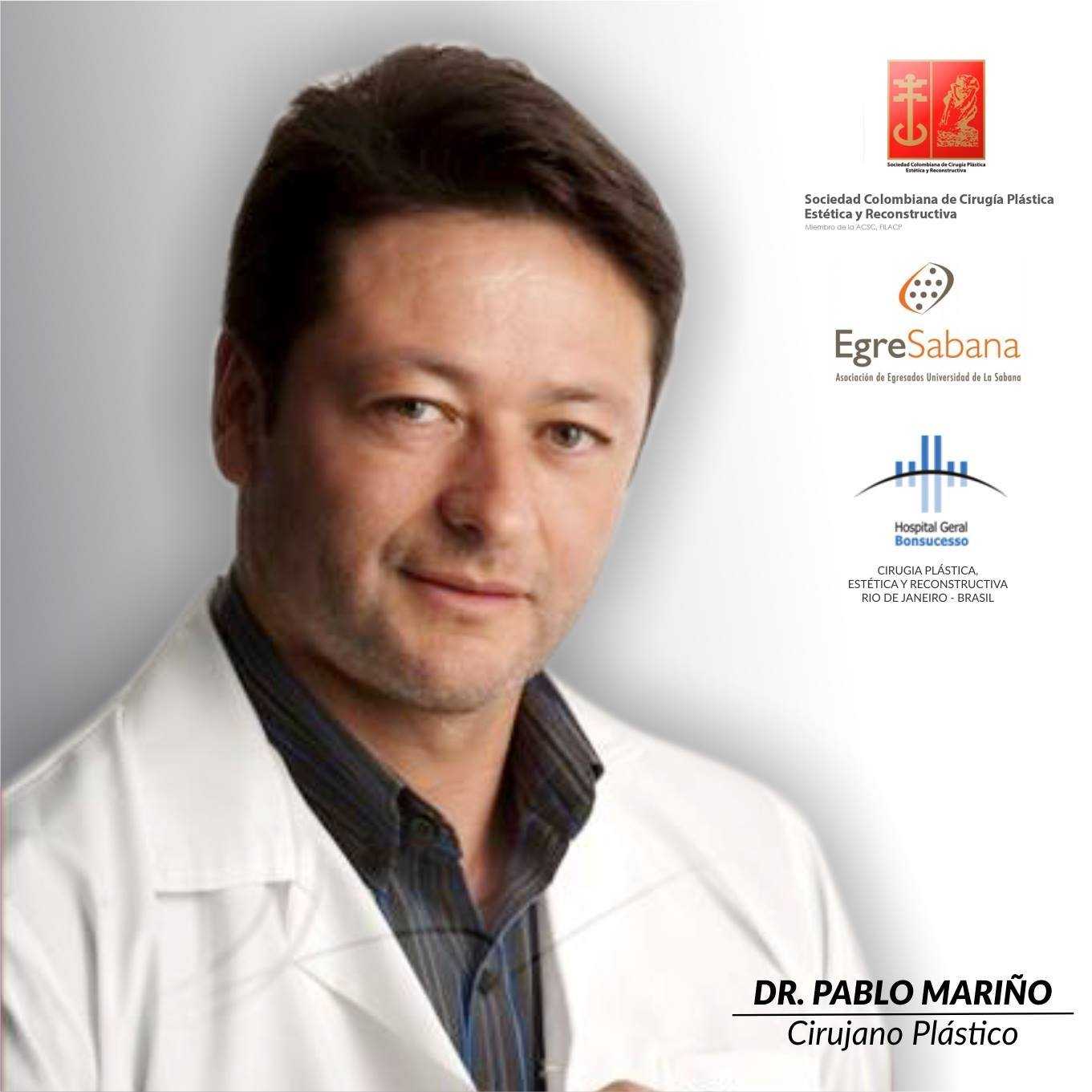
  • Clinics: Dr. Felipe Castro Esguerra - Plastic Surgeon in Colombia, Pablo Marino, Dr. Juan Sanabria Plastic Surgeon, Dr. Carlos Camacho and Dr. Claudia Camacho,
  • Packages Rhinoplasty in Bogota, Colombia by Dr. Pablo Marino, Rhinoplasty Package in Bogota, Colombia by Dr. Felipe Castro,
  • Overview Why Should I Consider Nose Job in Bogota?

Trusted Medical Tourism Platform Since 2007

60+
Countries
2k+
Clinics
19.5k+
Reviews
2.5k+
Qualified Doctors
1.1M+
Patients Served Since 2007